
«تاكسي لندن» يتحول إلى الكهرباء ويحتفل بالسيارة رقم 10 آلاف

من وسيلة نقل إلى معلم مرادف للسياحة في العاصمة البريطانية

تاكسي لندن الأسود من معالم المدينة الجميلة (شاترستوك)
TT

«تاكسي لندن» يتحول إلى الكهرباء ويحتفل بالسيارة رقم 10 آلاف

تاكسي لندن الأسود من معالم المدينة الجميلة (شاترستوك)

لندن مدينة سياحية بامتياز، فيها الكثير من المعالم السياحية التي تجعلها من أهم الوجهات العالمية وأكثرها جذباً للسياح من شتى أصقاع العالم.
ومن ميزات العاصمة البريطانية أن معالمها لا تقتصر على الأبنية والحدائق والقصور فقط، إنما تأخذ منحى آخر لمفهوم الجذب السياحي ليتحول الكشك الأحمر الذي كان يوضع فيه الهاتف العام إلى معلم، والشاي الإنجليزي أصبح معلماً، والعائلة المالكة هي أيضاً أصبحت معلماً، وحتى التاكسي الأسود الأشهر في البلاد تحول من وسيلة نقل إلى معلم سياحي يسعى الزوار إلى التقاط صورة بجانبه أو بداخله، وظهر في أكثر من 500 فيلم عالمي مثل «جيمس بوند» و«دكتور هو» و«شيرلوك هولمز» ليصبح رمزاً للندن رغم توفر طرق أخرى للتنقل مثل ما يعرف بالـ«ميني كاب» أو تطبيق «أوبر» الشهير.
يبقى لسيارة التاكسي السوداء في لندن بتصميمها المميز التي تحمل اسم LEVC رونقها ورقيها وتماشيها مع العصر وركوب موجة الاهتمام بالبيئة لتصبح التصميمات الجديدة منها تعمل على التيار الكهربائي، واليوم تحتفل الشركة المصنعة بإصدار السيارة رقم عشرة آلاف العاملة على الكهرباء.
قامت شركة LEVC بتصنيع أكثر أنواع التاكسي تقدماً من الناحية التكنولوجية في العالم منذ عام 2017 وطرح أول نوع كهربائي منها في الأسواق العالمية مثل مصر والسعودية واليابان وإسبانيا وفرنسا في يناير (كانون الثاني) من عام 2018.

تاكسي لندن يتحول إلى الكهرباء تماشياً مع الخطة الحكومية الجديدة (الشرق الأوسط)

- قصة التاكسي اللندني الأسود
بدأ تاريخ التاكسي الأسود في لندن عام 1908. تميزت السيارة بتصميمها المختلف والكلاسيكي وبلونها الأسود الذي لم يفرض على هذا النوع من السيارات إنما الظروف الاقتصادية بعد انتهاء الحرب العالمية الثانية جعلت سائقي التاكسي يتوجهون لشراء السيارة باللون المتوفر «الأسود»، لأن اختيار لون آخر كان يفرض عليهم دفع مبلغ إضافي، ليصبح اللون الأسود هو الأكثر شيوعاً، لدرجة أنه أطلق على هذا النوع من النقل Black Cab أو Black Taxi، ولو أنه كانت تعرف هذه السيارة في بادئ الأمر باسم «هاكني كاريدجز» تيمناً بموقع تصنيع السيارة في منطقة هاكني في شرق لندن.
«هاكني كاريدجز» كانت تجرها الأحصنة وظهرت في شوارع لندن منتصف عام 1600 خلال فترة حكم الملكة إليزابيث الأولى.
اللافت في تاريخ التاكسي الأسود أن أول تصميم منه كان يعمل على الكهرباء وصنع عام 1897، وأطلق على ذلك التصميم اسم «بيرسيز» تيمناً باسم المخترع البريطاني «سي بيرسي». وصنعت 10 من سيارات التاكسي الكهربائية في نهاية ذلك العالم ولكن تم توقيف تصنيعها في نهاية عام 1900 لأنها كانت مكلفة جداً وكان هذا النوع من التكنولوجيا في بداياته ولم تكن هناك الكثير من الدراسات لتحسينها والتقليل من تكلفتها. وبعد ثلاث سنوات استقر تصميم هذه السيارات لتعمل على البنزين وأصبحت تجوب شوارع لندن.
ولتقليص التكلفة تمت الاستعانة بجلب التاكسي اللندني من فرنسا، بالإضافة إلى تصنيع بعض السيارات في بريطانيا على يد شركات مثل فوكسهول وهيرالد وراشونال.
في عام 1908 أصبح التاكسي الأسود متعارفاً عليه رسمياً في لندن وحينها فرض على السائقين وضع عداد داخل السيارة لضبط الأسعار.
في نهاية عام 1800 كان يوضع العداد خارج السيارة وقام بتصميمه المخترع الألماني فريديرك برون، وتم تصميم أول عداد داخل السيارة في عام 1897 على يد دايملر فكتوريا.
بعد مرور سنوات قليلة انتعش تصنيع هذا النوع من السيارات ولكن السوق تعرضت للكثير من الأزمات التي كادت أن تؤدي إلى نهاية التاكسي الأسود، ففي عام 1911 قام سائقو التاكسي بإضراب كبير وبعدها عانت البلاد في عام 1913 من أزمة توفر البترول، واستمرت هذه الأزمة خلال الحربين العالميتين الأولى والثانية.
وتحدى التاكسي الأسود جميع الظروف الاقتصادية ودخول وسائل نقل أخرى كثيرة ليبقى متربعاً على عرش النقل التقليدي والكلاسيكي في لندن. وتأقلم مع التطورات العصرية وجارى القوانين الراهنة بحيث ستقوم الحكومة البريطانية بحظر بيع السيارات الجديدة التي تعمل بالبنزين والديزل في المملكة المتحدة اعتباراً من عام 2030، ولكن سيظل المواطن قادراً على شراء السيارات الهجينة الجديدة التي تعمل بالبنزين والكهرباء والديزل والكهرباء حتى عام 2035 في المملكة المتحدة.
مقالات ذات صلة

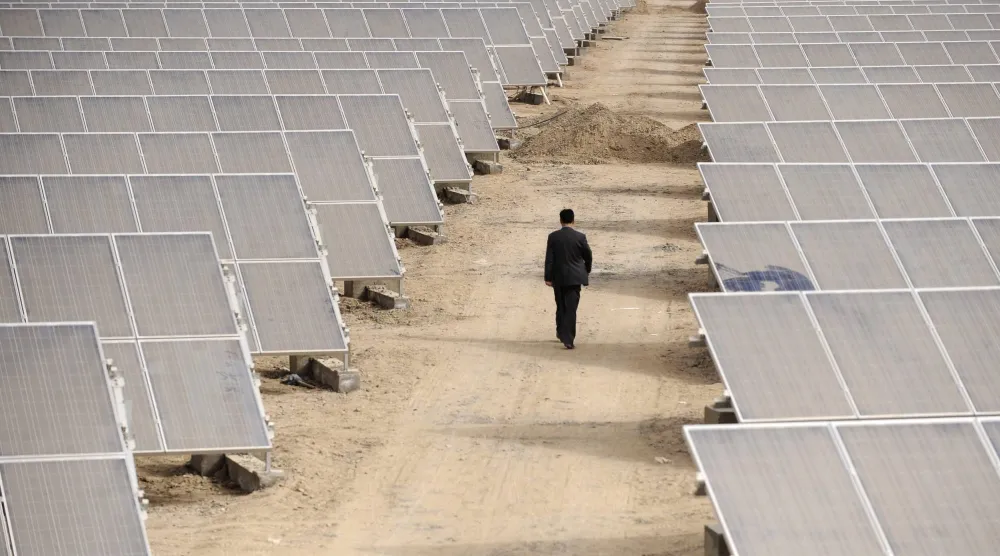
قدرة الطاقة الشمسية في الصين تتخطى المحطات العاملة بالفحم للمرة الأولى

الاقتصاد رجل يسير في محطة طاقة شمسية تحت الإنشاء بمنطقة شينجيانغ الصينية (رويترز)

قدرة الطاقة الشمسية في الصين تتخطى المحطات العاملة بالفحم للمرة الأولى

تجاوزت القدرة المركّبة لألواح الطاقة الشمسية في الصين للمرة الأولى قدرة المحطات العاملة بالفحم، على ما أعلنت الإدارة المختصة، الثلاثاء.

«الشرق الأوسط» (بكين)
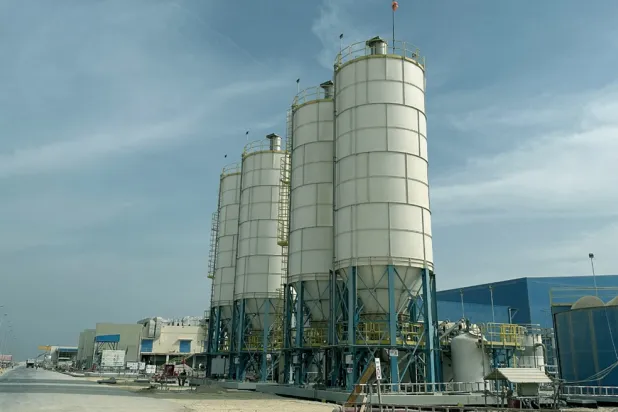
الاقتصاد مشروع الجبيل لتحلية مياه البحر (أكوا)

«أكوا» و«فيوليا» الفرنسية تتعاونان لتحسين كفاءة محطات التحلية في السعودية وخارجها

وقَّعت «أكوا» السعودية و«فيوليا» الفرنسية مذكرة تفاهم لتطوير كفاءة محطات التحلية وخفض استهلاك الطاقة في السعودية وعدد من الأسواق الدولية.

«الشرق الأوسط» (الرياض)
خاص «مشروع بيشة» لتخزين الطاقة بالبطاريات (وزارة الطاقة السعودية)

خاص خلف الشمس والرياح... السعودية تستثمر في «الطاقة المخزنة»

دشنت السعودية سوقاً جديدة لتخزين الطاقة عبر 4 مشروعات بطاريات باستثمارات تتجاوز 1.16 مليار دولار، لتعزيز موثوقية الشبكة ودعم نمو الطاقة المتجددة.

دانه الدريس (الرياض)
الاقتصاد شعار شركة «إكوينور» للنفط والغاز (رويترز)

«إكوينور» النرويجية توسع أعمالها في قطاع الطاقة الأميركي

أعلنت مجموعة «إكوينور» النرويجية للطاقة، يوم الاثنين، عن اتفاقها على شراء حصة في محطة توليد طاقة تعمل بالغاز في ولاية بنسلفانيا الأميركية.

«الشرق الأوسط» (أوسلو)
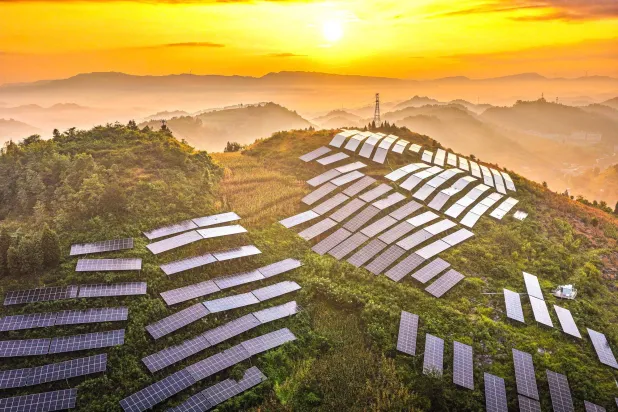
الاقتصاد ألواح شمسية في محطة للطاقة جنوب غربي الصين (أ.ف.ب)

شبكات الكهرباء العالمية تهدر طفرة الطاقة النظيفة

تكشف طفرة الطاقة المتجددة العالمية مفارقة متزايدة؛ إذ ينتج العالم كميات قياسية من الكهرباء النظيفة، لكنه لا يستطيع دائماً استخدامها.

«الشرق الأوسط» (عواصم)

Oil Prices Extend Gains as US and Iran Trade Fresh Strikes

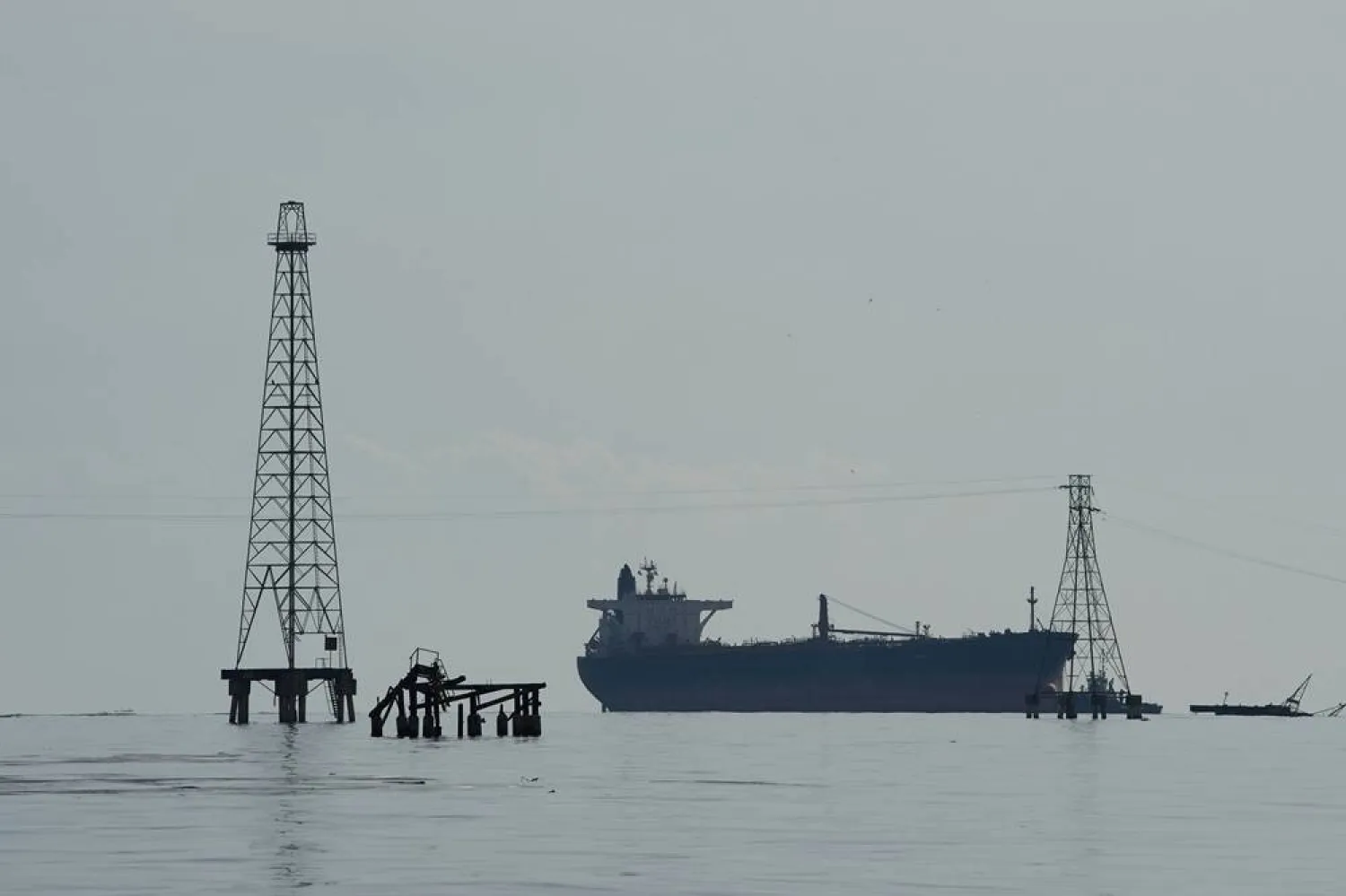
An oil tanker is anchored in Lake Maracaibo in Cabimas, Venezuela, Monday, Aug. 31, 2026. (AP)
TT

Oil Prices Extend Gains as US and Iran Trade Fresh Strikes

An oil tanker is anchored in Lake Maracaibo in Cabimas, Venezuela, Monday, Aug. 31, 2026. (AP)

Oil prices rose in early trade on Wednesday, extending the previous session's surge, as concerns over supply disruption intensified after the US and Iran exchanged strikes overnight, dimming hopes for a quick easing of tensions in the Middle East.

Brent crude futures rose 75 cents, or 0.8%, to $95.40 a barrel by 0345 GMT, while US West Texas Intermediate crude futures climbed 44 cents, or 0.5%, to $90.66.

Both contracts soared more than $4 on Tuesday, marking Brent's largest gain since July 24 and WTI's largest since July 23.

The US said it had launched ‌a series ‌of airstrikes against targets in Iran overnight, prompting a response ‌from ⁠Tehran, in the most ⁠serious escalation of the conflict between the two countries in weeks.

The Revolutionary Guard Corps said the US attacks would further restrict traffic through the Strait of Hormuz, a critical waterway that carried about one-fifth of the global oil consumed before the conflict and which Iran has effectively closed to commercial shipping.

"Developments in recent days brought risks to regional oil supplies back into focus...We’ve seen oil flow through the Strait of Hormuz despite the ⁠stalemate between the US and Iran, but rising tensions clearly ‌put crossings at risk," said ING analysts in ‌a client note.

The IRGC also said it had targeted Jordan and Bahrain in response to the American strikes.

Jordan's military said its air defenses intercepted 10 ballistic missiles that entered its airspace, while two US officials said no American casualties had been ‌reported so far from the attacks. Separately, Kuwait said its armed forces were responding to hostile drone activity.

The latest exchange followed ⁠a weekend flare-up ⁠in hostilities, the first since July, and came after attacks on two tankers departing the Strait of Hormuz on Monday, causing further disruptions to oil supplies and forcing traders to seek alternative crude shipments.

"The oil market is no longer pricing just the risk of war; it is increasingly pricing the cost of an unresolved war," said Priyanka Sachdeva, Phillip Nova's head of market insights.

"Until there is clear evidence that negotiations can produce a lasting resolution and that normal oil flows through the Strait are returning, the risk premium in crude is likely to remain elevated."

Meanwhile, in the US, the world's largest oil producer, crude inventories fell by 2.6 million barrels in the week ended August 28, while distillate stocks, which include diesel and heating oil, declined by 265,000 barrels, market sources said, citing data from the American Petroleum Institute.


Iran Strikes Back Against Latest US Attacks

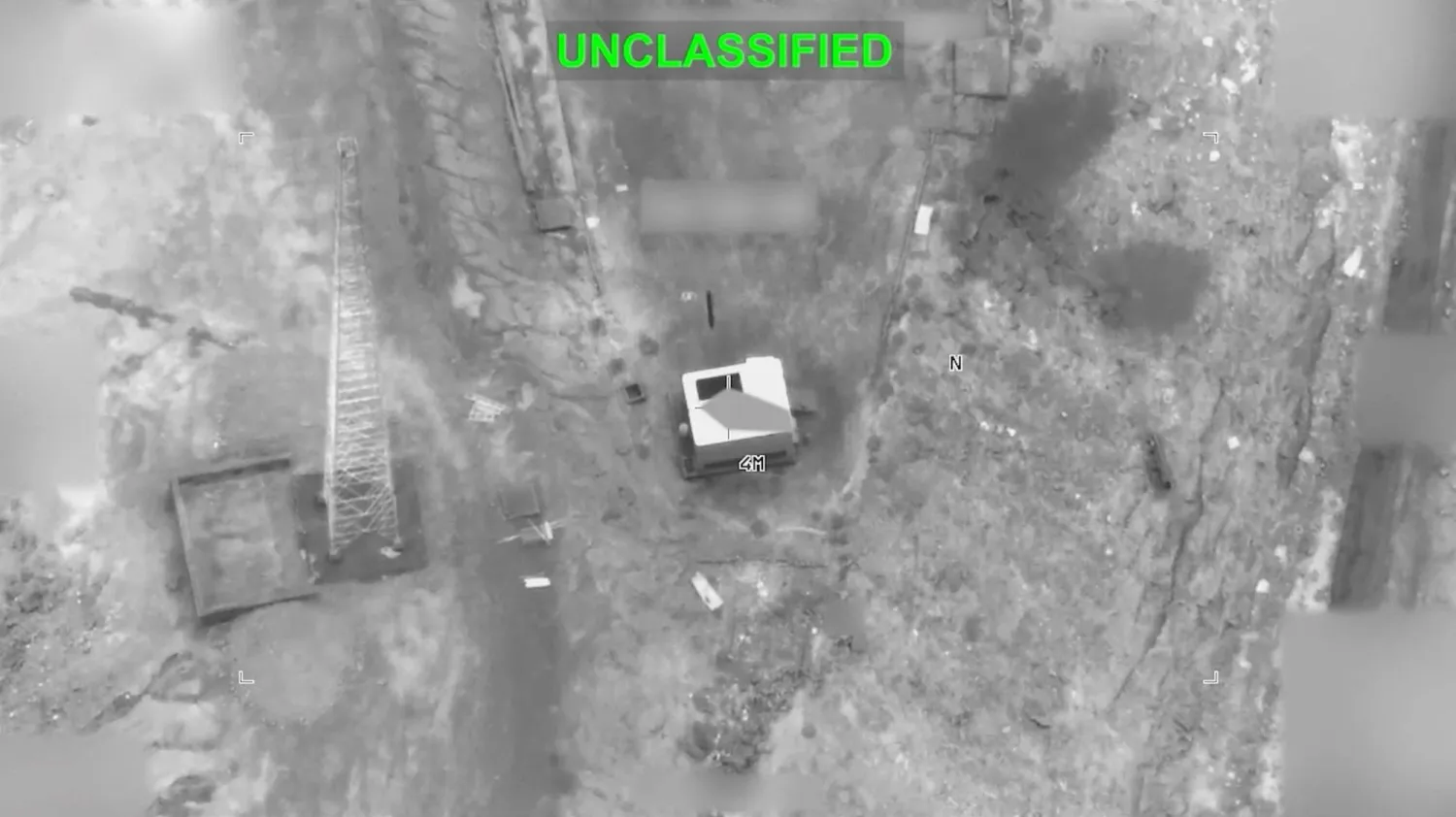
A screengrab from a video obtained from social media on September 1, 2026, shows a view shortly before what US Central Command (CENTCOM) says was a US strike on an Iranian military target. (US Central Command/Handout via Reuters)
TT

Iran Strikes Back Against Latest US Attacks

A screengrab from a video obtained from social media on September 1, 2026, shows a view shortly before what US Central Command (CENTCOM) says was a US strike on an Iranian military target. (US Central Command/Handout via Reuters)

Iran struck US interests around the Middle East on Wednesday, vowing "severe" consequences for renewed American attacks on the country.

The latest fighting over the Strait of Hormuz once again expanded to US military bases in the region and drew Gulf countries deeper into the six-month conflict.

US President Donald Trump had warned earlier of "much harder and higher" attacks if Iran retaliated to the US strikes which Iranian state media said had killed 11 people in the country's south and southwest.

Tehran said it launched ballistic missile attacks on two US bases in Jordan, according to Iranian media.

The Jordanian army said it intercepted 10 ballistic missiles fired from Iran, and did not confirm any injuries or hits.

Three other missiles landed in remote areas, it said.

Missile and drone attacks were also reported in Kuwait, where the army said they were responding to Iranian hostilities, and AFP reporters in Bahrain heard air raid alerts ring out early Wednesday.

In Iraq's autonomous Kurdistan region, Iran's Revolutionary Guards said Wednesday that they struck US bases with missiles and drones, destroying a maintenance center, warehouses and equipment, state-run IRNA reported.

The latest round of conflict began when Washington hit Iranian targets on Sunday, the first known strikes in several weeks, after which Tehran's forces targeted US troops in Jordan, and projectiles struck two oil tankers in unclaimed attacks.

More US strikes came on Tuesday, with Iranian state television reporting explosions in the country's south along the Hormuz strait and on an island in the Gulf, and that US forces hit an airport in the southern province of Kerman.

And IRNA reported that "four projectiles hit areas within the counties of Chabahar and Konarak", without specifying whether there was any damage.

Seven people were killed and eight others wounded in a missile attack in the southern Khuzestan province, IRNA reported.

Earlier, Iran's Red Crescent had said shrapnel from a US missile killed four people, including a child, and wounded more than 50 in Kuhestak, Hormozgan province.

The US military did not address the wedding strike directly.

US Central Command (CENTCOM) spokesman Tim Hawkins said "the US military never targets civilians, unlike the IRGC", referring to Iran's Revolutionary Guards.

- 'Large, powerful strikes' -

Trump said the "large and powerful" strikes were "in retaliation for the Iranians' failed attempt at adding sea mines to the Strait" and "the Iranians shooting eight missiles, all successfully knocked down, at our Military Base in Jordan".

Revolutionary Guards spokesman Hossein Mohebi warned on X that Washington "will regret its new attacks", saying that "severe punishment awaits the aggressors".

And Ebrahim Zolfaghari, the spokesperson for Iran's Khatam-al Anbiya central military command, warned Wednesday that "any country that cooperates with the aggressive American army will face more severe, more widespread and destructive responses".

After six months of war, the foes remain at an impasse, with Iran keeping the Strait of Hormuz closed and the United States persisting with a counter-blockade of Iranian ports.

Washington said its forces attacked Iranian rocket launchers on the island of Larak on Sunday to prevent Tehran from planting mines in the strait's key shipping lanes.

The Middle East war began in late February with US-Israeli attacks on Iran that killed its supreme leader Ali Khamenei.

A fragile ceasefire between the United States and Iran collapsed after attacks on commercial ships in the Hormuz strait, through which one-fifth of world oil supplies flowed before the war.

Trump warned on his Truth Social platform Tuesday that if Iran retaliated, "they will be hit again at a much harder and higher level, but it will not be the biggest attack of them all."

"That is waiting in the wings and, when it is over, there will be very little left of the Islamic Republic of Iran!" he wrote.

Separately, he said that he was "not trying to force Iran to the bargaining table", adding that he "couldn't care less if they sign a worthless, to them, agreement".

He also asked: "When are the Iranian people going to rise up and fight?"

Despite the diplomatic deadlock, Iran's President Masoud Pezeshkian vowed on Tuesday to match any US move to return to a deal aimed at ending the war.

He also warned that a return by the United States to "a policy of pressure and threats could derail the path of diplomacy".


بوتين: القوات الروسية تتقدم سريعا في أوكرانيا وتقترب من سلوفيانسك وكراماتورسك

بوتين يتحدث إلى ممثلي وسائل الإعلام الحكومية في العاصمة القرغيزية بيشكيك (إ.ب.أ)
TT

بوتين: القوات الروسية تتقدم سريعا في أوكرانيا وتقترب من سلوفيانسك وكراماتورسك

بوتين يتحدث إلى ممثلي وسائل الإعلام الحكومية في العاصمة القرغيزية بيشكيك (إ.ب.أ)

قال الرئيس الروسي فلاديمير بوتين إن القوات الروسية تتقدم في أوكرانيا بوتيرة متسارعة، زاعما أنها أصبحت على بعد بضعة كيلومترات من مدن سلوفيانسك وكراماتورسك ودروجبكيفكا في إقليم دونيتسك.

وقال بوتين، الثلاثاء، في العاصمة القرغيزية بيشكيك، حيث كان يتحدث إلى ممثلي وسائل الإعلام الحكومية، إن القوات الروسية استعادت السيطرة على سفياتوجورسك، وخاضت بالفعل معارك في شوارع دوبروبيليا.

وتتعارض تصريحات بوتين بشأن المكاسب الروسية مع تقييمات مراقبين أوكرانيين وغربيين أفادوا مؤخرا بأن التقدم الروسي تباطأ. وقالوا إن الوضع لم يشهد تغيرا يذكر في العديد من قطاعات الجبهة، بينما شنت القوات الأوكرانية هجمات مضادة ناجحة بالقرب من ليمان في دونيتسك وفي جنوب أوكرانيا. كما تراجعت القوات الروسية إلى حد كبير من منطقة دنيبروبتروفسك.

وقال بوتين إن القوات الروسية تقدمت إلى وسط مدينة أوريخيف في منطقة زابوروجيا جنوب البلاد. وفي الشمال الشرقي، قال إن خط الجبهة يبعد نحو 12 كيلومترا فقط عن مدينة سومي، عاصمة المنطقة، وإن مجموعة كبيرة من القوات الأوكرانية أصبحت محاصرة على الضفة الشرقية لنهر أوسكيل في منطقة خاركوف.

ويعتمد الجانبان بشكل متزايد على الضربات الجوية التي تستهدف مواقع بعيدة عن خطوط الجبهة. وتستهدف روسيا منذ سنوات محطات توليد الكهرباء ومحطات التحويل، ما يتسبب في انقطاع الكهرباء والتدفئة، ولا سيما خلال فصل الشتاء. بينما تركز أوكرانيا هجمات الطائرات المسيرة على قطاع النفط الروسي، الذي يمثل أهمية حيوية لصادرات البلاد.