السعودية تعزز حضور سفيراتهاhttps://aawsat.com/home/article/4078851/%D8%A7%D9%84%D8%B3%D8%B9%D9%88%D8%AF%D9%8A%D8%A9-%D8%AA%D8%B9%D8%B2%D8%B2-%D8%AD%D8%B6%D9%88%D8%B1-%D8%B3%D9%81%D9%8A%D8%B1%D8%A7%D8%AA%D9%87%D8%A7
السعودية تعزز حضور سفيراتها
هيفاء الجديع مبعوثة لدى الاتحاد الأوروبي... ونسرين الشبل إلى فنلندا
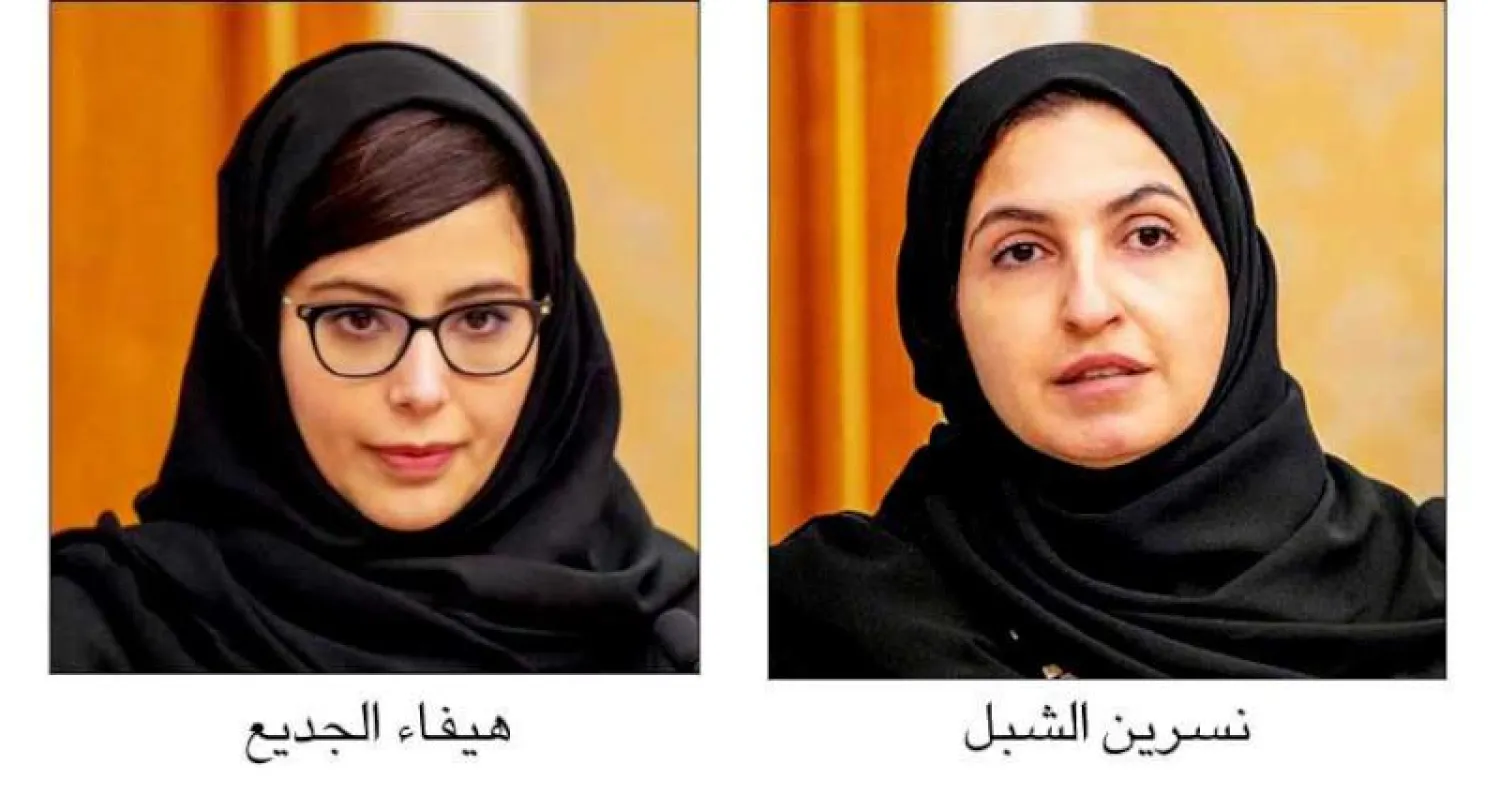
عزَّزت السعودية حضورَ سفيراتِها في الخارج برفع عددهن إلى خمس، وذلك بعد انضمام نسرين الشبل وهيفاء الجديع إلى قائمة ممثلات المملكة في الخارج.
وأدَّت الشبل المعينة سفيرةً لدى فنلندا، والجديع المعينة رئيسة لبعثة السعودية لدى الاتحاد الأوروبي، وإلى الجمعية الأوروبية للطاقة الذرية، القسمَ أمام خادم الحرمين الشريفين الملك سلمان بن عبد العزيز، أمس (الثلاثاء)، في قصر اليمامة بالرياض.
وتمثل السعودية في واشنطن الأميرة ريما بنت بندر بن سلطان آل سعود، وفي النرويج آمال المعلمي، وفي السويد إيناس الشهوان.
وقبل تعيينها، كانت هيفاء الجديع عضواً في الفريق التنفيذي للمجموعة السعودية للأبحاث والإعلام (SRMG). وشغلت منصب الرئيس التنفيذي لـ«SRMG Think»، وهو مركز التفكير والدراسات الذي أسسته المجموعة حديثاً.
ويعمل المركز على تقديم وجهات النظر والتحليلات حول الشرق الأوسط وشمال أفريقيا، في الاقتصاد والجغرافيا والسياسة الخارجية والشأن الاجتماعي للمنطقة، إضافة إلى تقديم دراسات في الأدب والثقافة وحلول الابتكار في النشر والتحليل واكتشاف التقنيات المساعدة للأعمال التجارية، واستطلاعات الرأي المرتبطة بذلك.
وسبق للجديع العمل في مركز الأمم المتحدة لمكافحة الإرهاب، ومثلت بلادَها لدى الأمم المتحدة ومجلس الأمن. كما عملت مشرفة على الإدارة العامة للعلاقات الدولية في وزارة السياحة السعودية. وهي حاصلة على درجة الماجستير في حل النزاعات والتفاوض من جامعة كولومبيا، ودرجة الماجستير في العلاقات الدولية من جامعة سيراكيوز، ودرجة البكالوريوس في الصحافة من الجامعة نفسها. ...المزيد
From Supply Security to Artificial Intelligence: Issues Bringing Global Energy Leaders Together in Riyadh
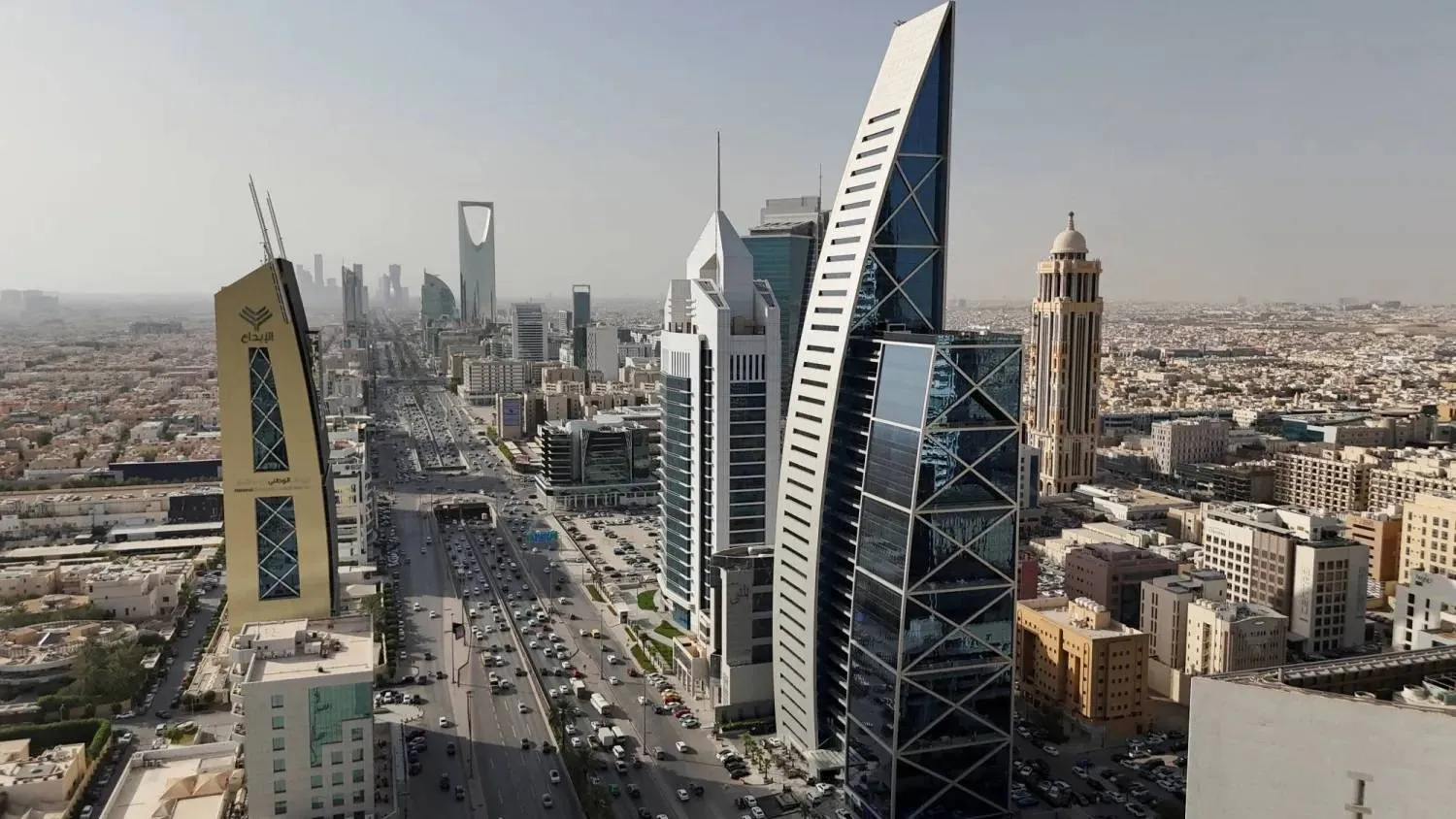
The Saudi capital Riyadh. Reuters
The global energy sector is turning its attention to Riyadh starting Sunday, as a week of ministerial meetings and international events gets underway, bringing together senior government officials, energy industry leaders, international organizations, and experts, with the participation of Saudi Arabia's Minister of Energy and Minister of Industry and Mineral Resources, Prince Abdulaziz bin Salman, according to the announced program.
These meetings come at a time of heightened geopolitical tensions and risks surrounding the Strait of Hormuz, which have raised questions about the security of oil and gas flows, infrastructure resilience, and export routes.
Saudi Arabia's East-West Pipeline, which transports crude oil from the Eastern Province to the Red Sea port of Yanbu, stands out as a route that allows oil exports to bypass the strait and strengthens the resilience of the Kingdom's export system against disruptions to maritime navigation.
The agenda for Riyadh Energy Week extends beyond supply security to include investment needs, growing electricity demand, and the accelerating deployment of artificial intelligence and digital technologies across the energy sector, reflecting both the challenges and opportunities facing the industry.
The week-long program, running from October 11 to 15, includes the 17th International Energy Forum (IEF17) Ministerial Meeting, ministerial meetings focused on clean energy and innovation, the main program of the 25th WPC Energy Congress, its accompanying exhibition, and a series of technical events organized by the Organization of Arab Petroleum Exporting Countries (OAPEC).
Saudi Arabia is hosting the 25th WPC Energy Congress for the first time in the event's more than nine-decade history. The gathering will attract ministers, government officials, energy company executives, representatives of international organizations, experts, and specialists from around the world. The event combines strategic sessions, ministerial dialogues, a technical program, and an international exhibition showcasing technologies and solutions related to the energy sector.
The significance of Energy Week lies not only in the diversity of its meetings and participants but also in the extent of issues confronting policymakers and companies at a time when ensuring supply security and market stability has become increasingly critical. These priorities must be pursued alongside meeting investment requirements, improving energy efficiency, and advancing technology.
The discussion is not only about the energy sources the global economy will require, but also about how that energy will be produced, transported, financed, and supplied at an affordable cost while keeping pace with changing consumption and demand patterns.
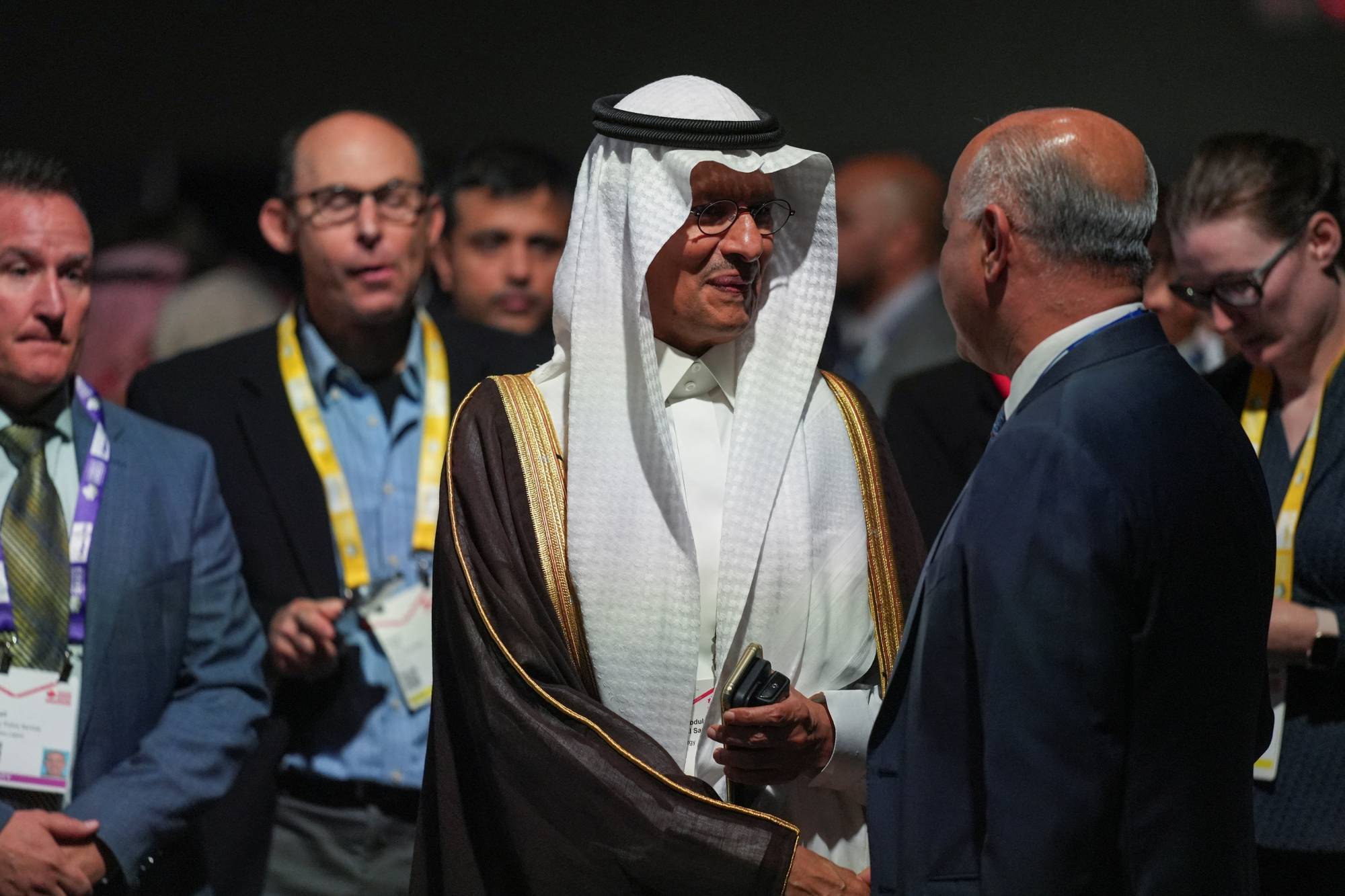
Saudi Minister of Energy and Minister of Industry and Mineral Resources Prince Abdulaziz bin Salman. Reuters file photo
Ministerial Meeting Opens Energy Security Week
The main events begin on Sunday with the IEF17 Ministerial Meeting under the theme "Energy Security and Shared Goals in a New Era," hosted by Saudi Arabia in partnership with Italy and Nigeria.
The meeting will bring together energy-producing and energy-consuming countries to discuss common challenges and strengthen dialogue on market stability, supply security, and long-term investment. These issues have gained increasing importance amid geopolitical risks that could affect supply chains, infrastructure, and the investment needed to accommodate growing demand in energy markets.
The agenda includes enhancing coordination between producing and consuming nations, developing trade and investment frameworks, and accelerating access to affordable clean-energy technologies in ways that support economic resilience, competitiveness, and development objectives.
The role of infrastructure, transportation networks, and trade routes in strengthening the resilience of energy markets will also feature prominently, alongside the importance of clear policies and stable regulatory frameworks in encouraging long-term investment across all stages of the energy supply chain.
WPC Energy Congress
The official program of the WPC Energy Congress kicks off on Monday and will run through Thursday, under the theme “Pathways to an Energy Future for All.”
The congress is one of the central pillars of Riyadh Energy Week, featuring ministerial and strategic sessions, dialogues with energy industry leaders, a specialized technical program, and an exhibition where companies can showcase technologies, solutions, and projects.
The agenda spans a wide range of topics, including energy security, oil and gas markets, investment, financing, digital transformation, artificial intelligence, critical minerals, carbon management, natural gas, and the future of the global energy mix.
The significance of the congress lies in its ability to bring together traditional energy market issues and the technological and environmental transitions that are reshaping investment decisions. Oil and gas will remain at the heart of discussions on demand, supply, and production capacity, alongside growing interest in electricity, digital technologies, resource efficiency, and emissions management.
The participation of executives from major companies, including Saudi Aramco, ExxonMobil, Chevron, Shell, and BP, will provide insights into the industry's outlook on investment, production, demand, and technology.
The discussions are particularly important given the close link between investment decisions and market expectations, prices, financing costs, geopolitical risks, regulatory changes, and technological developments that influence the viability of long-term projects.
The conference theme, “Pathways to an Energy Future for All,” reflects the diversity of options needed to meet global energy needs in light of varying national resources and economic priorities. As a result, affordability, supply reliability, and infrastructure development are placed at the center of the debate, alongside sustainability requirements and emissions reduction goals.
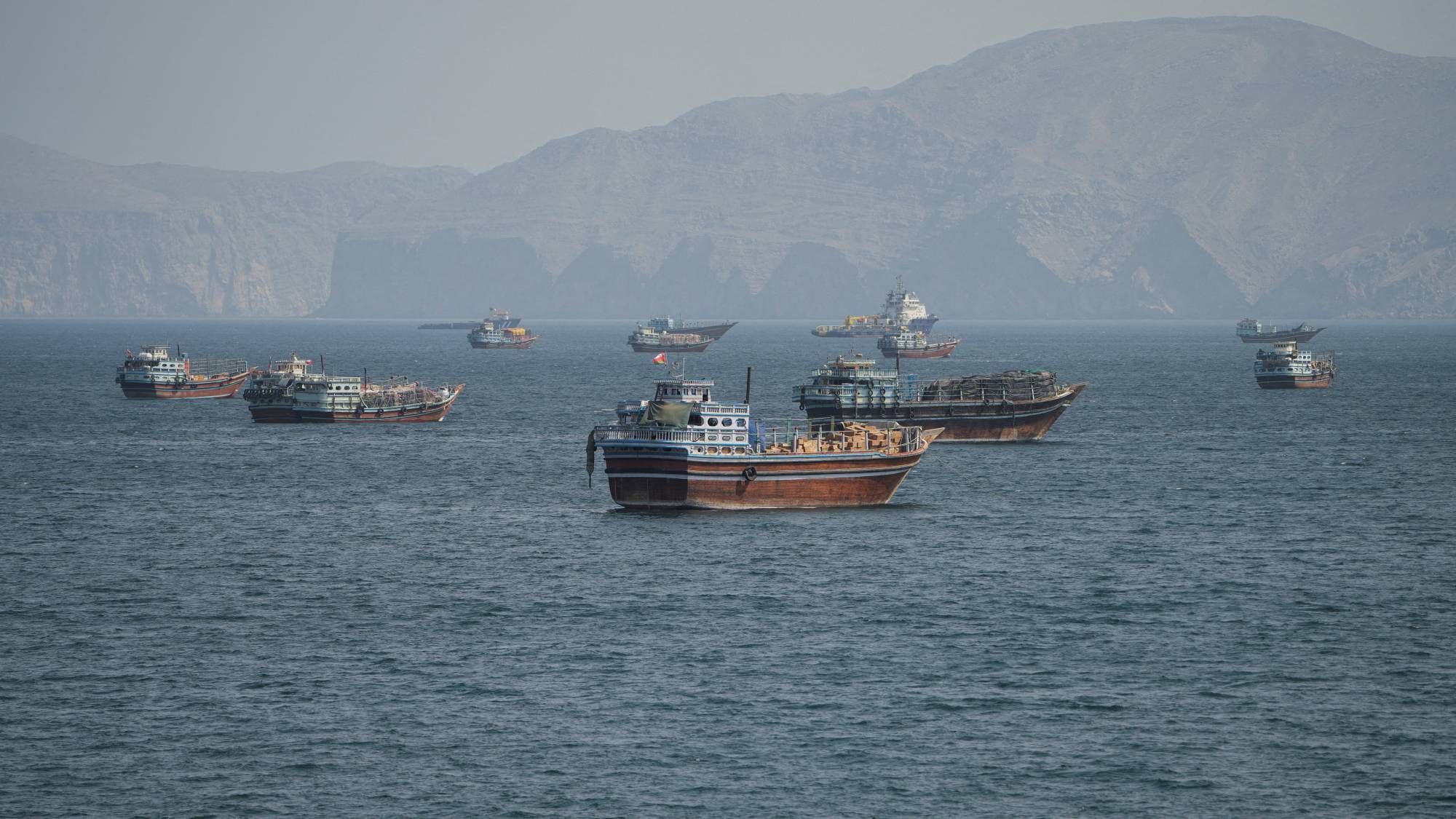
FILE PHOTO: Vessels at the Strait of Hormuz, as seen from Musandam, Oman, October 2, 2026. REUTERS/Stringer/File Photo
Clean Energy and Innovation on Ministers’ Agenda
Alongside the IEF17 Ministerial Meeting, Riyadh will host the 17th Clean Energy Ministerial (CEM17) from October 11 to 13, in parallel with the 11th Mission Innovation Ministerial (MI-11), which is focused on accelerating innovation in clean energy technologies.
The meetings will address innovation, international cooperation in developing clean energy technologies, and expanding their deployment. These issues are gaining economic importance as the need for new investments grows, electricity demand rises, and countries seek to reduce emissions without compromising supply security or economic competitiveness.
The key challenge remains how to translate initiatives and commitments into funded projects and large-scale applications that can demonstrate measurable impacts on the efficiency and cost-effectiveness of energy systems.
International Energy Exhibition
Running in parallel with the conference, the exhibition accompanying the congress opens on Monday and continues through Thursday, serving as the practical and commercial dimension of Riyadh Energy Week.
The exhibition provides companies with an opportunity to showcase energy-related technologies, solutions, and projects, while engaging with investors, policymakers, and service providers. It brings together organizations operating across production, engineering services, infrastructure, digital technologies, and environmental solutions.
The importance of the exhibition lies in its role as a platform for comparing market offerings and following developments in applications aimed at improving production efficiency, streamlining operations, upgrading infrastructure, managing emissions, and leveraging data and advanced technologies. It can also serve as a venue for strengthening business relationships and exploring opportunities for collaboration between companies and institutions.
From an economic perspective, the exhibition offers insight into how innovation moves from the demonstration and pilot stage to real-world implementation and investment. Technology derives its value not merely from its novelty, but from its ability to reduce costs, improve efficiency, enhance supply reliability, or mitigate operational risks.
This aspect is becoming increasingly important as artificial intelligence and digital systems are more widely deployed in industrial operations and power-grid management, and as demand grows for solutions that improve energy efficiency and support supply stability. The participation of companies also provides an opportunity to identify areas attracting investor interest and to assess the challenges associated with scaling up the adoption of new technologies.
Organization of Arab Petroleum Exporting Countries (OAPEC). Kuna
OAPEC and Energy Transitions
Issues related to energy transitions and their impact on Arab oil- and gas-producing economies will also feature prominently during Energy Week through events organized by OAPEC. These events will examine the economic, social, and environmental dimensions of these transitions, as well as pathways for reducing emissions in the petroleum industry.
The program begins with a high-level workshop on Tuesday, followed by a technical symposium on October 14 and 15. Announced topics include the drivers of global energy transitions, their effects on the economies of Arab oil-producing countries, and their broader social and environmental implications.
The events will also include the third symposium on pathways for reducing carbon emissions in downstream petroleum industries, organized by the Saudi Ministry of Energy in cooperation with OAPEC. The symposium will highlight innovations and technological solutions that can help reduce emissions and advance sustainability in these industries.
These issues carry significant economic importance for Arab producing countries, given the central role of oil and gas in government revenues, exports, investment, and employment. Transformations in energy markets and in the technologies used for production, refining, and manufacturing influence operating costs and competitiveness, while also shaping the need to modernize industrial assets and invest in advanced technologies.
They also raise questions about the ability of these economies to adapt to changing export markets and diversify sources of income, particularly given the disparities in resources, financial capabilities, and infrastructure across Arab countries.
Artificial Intelligence and Electricity Demand
One of the topics warranting particular attention during Energy Week is the relationship between the expansion of artificial intelligence and rising electricity demand, along with the resulting need to develop generation capacity, transmission and distribution networks, and supporting infrastructure.
The growth of data centers and digital applications not only increases electricity consumption but also heightens the importance of reliable power supplies and the ability to meet rising loads. This raises questions about how investment should be allocated among expanding generation capacity, modernizing grids, developing energy-storage solutions, and managing demand.
It also highlights the roles of natural gas, renewable energy, and other energy sources in meeting emerging needs. At the same time, digital systems provide opportunities to improve demand forecasting, asset management, and operational efficiency.
The participation of companies operating in the energy and digital technology sectors offers a chance to examine applications that have already reached commercial deployment, as well as projects still under development, together with corporate assessments of investment costs and expected returns. This issue is particularly important given the need to balance digital expansion with the cost of providing electricity and the infrastructure required to sustain it.
For Saudi Arabia, this topic underscores the integration between the development of the energy sector, the rapid growth of the digital economy, and the emergence of new industries.
It creates opportunities to expand investment, develop infrastructure, and improve resource efficiency. This interconnection further reinforces the importance of the energy sector in supporting new economic activities, keeping pace with technological advancement, and laying the foundations for growth in the years ahead.
Riyadh's hosting of these meetings reflects the expanding international dialogue on the future of energy at a time of accelerating technological transformation, growing investment opportunities, and increasingly diverse market needs.
The expected discussions will provide valuable insight into how governments and companies are seeking to develop the global energy system, strengthen international cooperation, and leverage new technologies in ways that enhance supply reliability, improve resource efficiency, and support economic growth.
هل تعاني من الإسهال؟ 4 مكملات غذائية قد تكون السببhttps://aawsat.com/%D8%B5%D8%AD%D8%AA%D9%83/5327967-%D9%87%D9%84-%D8%AA%D8%B9%D8%A7%D9%86%D9%8A-%D9%85%D9%86-%D8%A7%D9%84%D8%A5%D8%B3%D9%87%D8%A7%D9%84%D8%9F-4-%D9%85%D9%83%D9%85%D9%84%D8%A7%D8%AA-%D8%BA%D8%B0%D8%A7%D8%A6%D9%8A%D8%A9-%D9%82%D8%AF-%D8%AA%D9%83%D9%88%D9%86-%D8%A7%D9%84%D8%B3%D8%A8%D8%A8
هل تعاني من الإسهال؟ 4 مكملات غذائية قد تكون السبب
شخص يحمل أنواعاً متعددة من المكملات الغذائية (بيكسلز)
رغم أن المكملات الغذائية التي تحتوي على الفيتامينات والمعادن أصبحت جزءاً من الروتين الصحي لدى كثيرين، فإن بعضها قد يتسبب في اضطرابات بالجهاز الهضمي، أبرزها الإسهال، خصوصاً عند تناول جرعات مرتفعة منها، وفقاً لموقع «إيفري داي هيلث».
ويُعرف أحد أنواع الإسهال المرتبطة بهذه المكملات باسم «الإسهال الأسموزي» (Osmotic Diarrhea)، الذي يحدث نتيجة تأثير بعض المواد المتناولة في قدرة الأمعاء على امتصاص الماء والكهارل (الإلكتروليتات) بصورة طبيعية.
وتوضح الدكتورة كارولين رينيه جوهوريان، اختصاصية أمراض الجهاز الهضمي، أن هذا النوع من الإسهال يرتبط غالباً بمواد تدخل الجسم عن طريق الفم، ومنها بعض المكملات الغذائية. وبحسب «كليفلاند كلينك»، فإن المواد المسببة للإسهال الأسموزي تعيق الامتصاص السليم للماء، والكهارل.
وبغض النظر عن السبب، فإن الإسهال لا يقتصر على كونه حالة مزعجة، بل ينطوي أيضاً على خطر الإصابة بالجفاف.
وفيما يلي أربعة مكملات غذائية قد تسبب الإسهال:
1. فيتامين «سي»
يُعد فيتامين «سي» من الفيتامينات القابلة للذوبان في الماء، ما يعني أن الجسم لا يستطيع تخزينه للاستفادة منه لاحقاً.
ووفقاً لـ«مايو كلينك»، تتراوح الكمية اليومية الموصى بها للبالغين بين 75 و90 مليغراماً، فيما تحتاج النساء الحوامل والمرضعات إلى كميات أكبر.
أما الحد الأقصى المسموح بتناوله يومياً فيبلغ 2000 مليغرام.
وقد يؤدي تناول جرعات مرتفعة جداً من فيتامين «سي» إلى الإصابة بالإسهال، إلى جانب أعراض أخرى تشمل القيء، وتقلصات البطن، والغثيان.
لكن جوهوريان تشير إلى أن الحصول على مثل هذه الكميات الكبيرة من فيتامين «سي» عن طريق النظام الغذائي وحده أمر نادر.
2. الزنك
يلعب الزنك دوراً مهماً في دعم وظائف الخلايا المناعية، والنمو البدني الطبيعي، والوقاية من الالتهابات، بحسب مكتب المكملات الغذائية التابع للمعاهد الوطنية للصحة.
وتتراوح الكمية اليومية الموصى بها للبالغين بين 8 و12 مليغراماً.
ورغم وجود الزنك في معظم مكملات الفيتامينات المتعددة، فإن غالبية الأشخاص يستطيعون تلبية احتياجاتهم منه عبر النظام الغذائي.
ومن أبرز مصادره الغذائية المحار، واللحوم، والحبوب المدعمة، والبقوليات، والمكسرات، والحبوب الكاملة، وبعض منتجات الألبان، وفقاً لمكتب المكملات الغذائية.
وتوضح جوهوريان أن الإفراط في تناول الزنك قد يؤدي إلى سحب كميات زائدة من الماء إلى الأمعاء، ما يسهم في حدوث الإسهال.
3. زيت السمك
ترتبط أحماض أوميغا 3 الدهنية، الموجودة في الأسماك الدهنية، بفوائد صحية تشمل دعم صحة القلب، وتقليل الالتهابات، وتحسين الوظائف الإدراكية، وفقاً لمكتب المكملات الغذائية.
لكن تناول مكملات زيت السمك قد يسبب بعض الاضطرابات الهضمية.
وتوضح جوهوريان أن الأشخاص الذين يتناولون هذه المكملات قد يلاحظون أن البراز أصبح «زلقاً»، وقد يصابون بالإسهال في بعض الحالات.
ويعود ذلك إلى ارتفاع نسبة الدهون في زيت السمك، وهي تعمل بمثابة مادة مزلقة داخل الجهاز الهضمي.
وتقول جوهوريان: «يشبه زيت السمك الملينات التي تجعل البراز ليناً، لكنه لا يجعله ليناً بالضرورة، بل يجعل حركته انسيابية، وسريعة».
وتضيف أن تناول كميات كبيرة منه قد يؤدي إلى الإصابة بالإسهال.
وقد يعتاد الجسم على زيت السمك بمرور الوقت، فتتوقف نوبات الإسهال. لكن إذا استمر خروج البراز السائل والمائي لأكثر من يوم أو يومين، فمن الضروري مناقشة الخيارات البديلة مع مقدم الرعاية الصحية، وفقاً لتوصيات «مايو كلينك».
4. المغنيسيوم
يُعد المغنيسيوم عنصراً غذائياً أساسياً يدخل في عمليات تصنيع البروتين، ويدعم وظائف العضلات، والأعصاب، ويساهم في تنظيم ضغط الدم، بحسب مكتب المكملات الغذائية.
ويوجد المغنيسيوم طبيعياً في الخضراوات الورقية الداكنة، والبقوليات، والمكسرات، والبذور، والحبوب الكاملة.
وتتراوح الكمية اليومية الموصى بها للبالغين بين 310 و420 مليغراماً، وفقاً للمكتب نفسه.
ومع ذلك، فإن نحو نصف الأميركيين فقط يحصلون على احتياجاتهم اليومية من المغنيسيوم عن طريق الغذاء وحده.
وتقول جوهوريان: «قد يتناول الكثير من الناس المغنيسيوم لدعم جهازهم المناعي، أو تعزيز صحة القلب، والأوعية الدموية».
وتشير إلى أن بعض الأشخاص الذين يعانون من عدم انتظام ضربات القلب ويتناولون مكملات المغنيسيوم، على سبيل المثال، قد يواجهون مشكلة الإسهال.
وفي مثل هذه الحالات قد يلجأ الأطباء إلى وصف دواء مضاد للإسهال للتعامل مع هذا الأثر الجانبي.
مع توسيع باب استيراد المواشي... هل تنخفض أسعار اللحوم في السعودية؟https://aawsat.com/%D8%A7%D9%84%D8%A7%D9%82%D8%AA%D8%B5%D8%A7%D8%AF/5327965-%D9%85%D8%B9-%D8%AA%D9%88%D8%B3%D9%8A%D8%B9-%D8%A8%D8%A7%D8%A8-%D8%A7%D8%B3%D8%AA%D9%8A%D8%B1%D8%A7%D8%AF-%D8%A7%D9%84%D9%85%D9%88%D8%A7%D8%B4%D9%8A-%D9%87%D9%84-%D8%AA%D9%86%D8%AE%D9%81%D8%B6-%D8%A3%D8%B3%D8%B9%D8%A7%D8%B1-%D8%A7%D9%84%D9%84%D8%AD%D9%88%D9%85-%D9%81%D9%8A-%D8%A7%D9%84%D8%B3%D8%B9%D9%88%D8%AF%D9%8A%D8%A9%D8%9F
مع توسيع باب استيراد المواشي... هل تنخفض أسعار اللحوم في السعودية؟
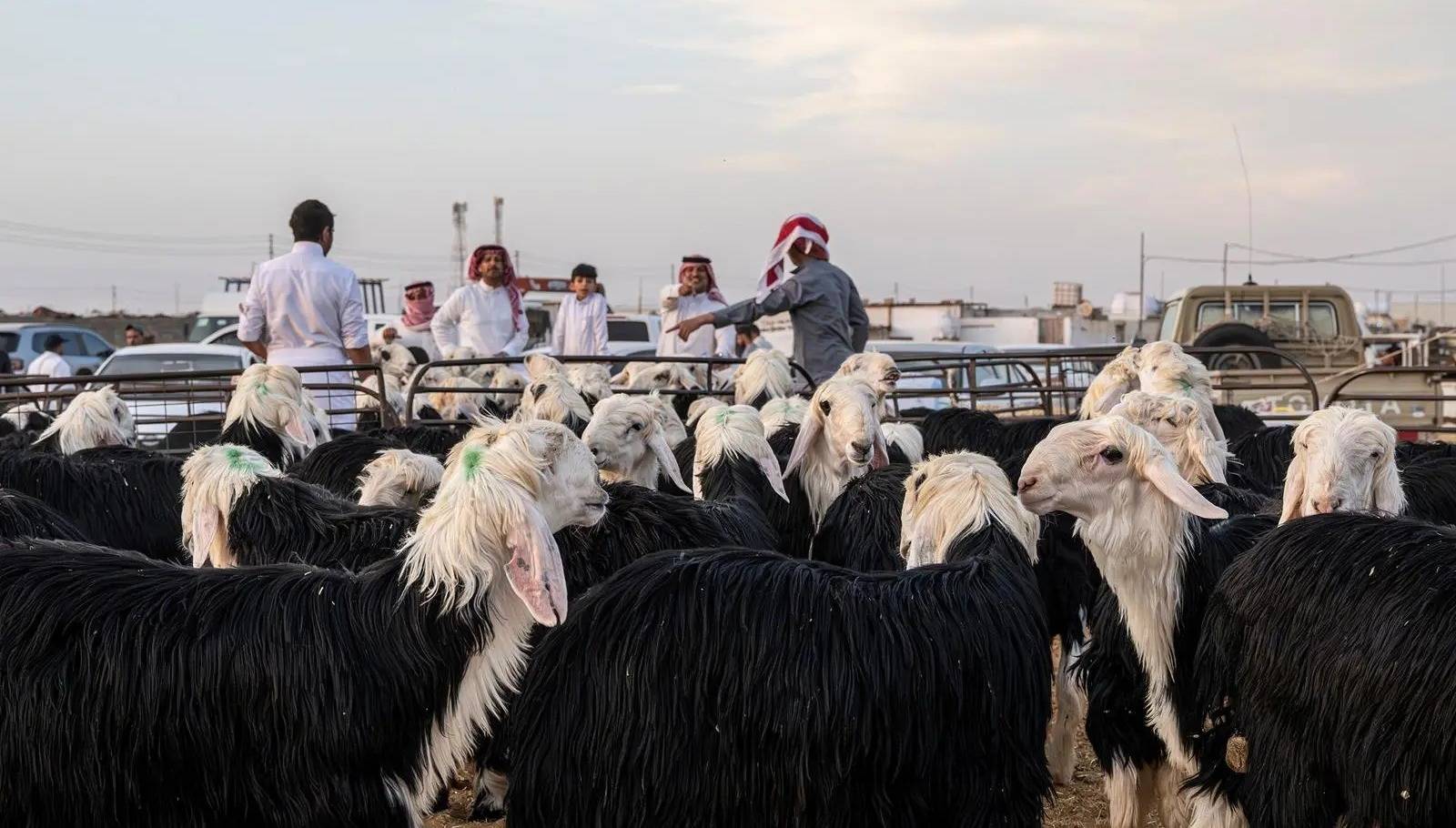
مجموعة من الأغنام في إحدى أسواق المواشي بالسعودية (واس)
تفتح السعودية باباً جديداً أمام الأفراد لاستيراد المواشي، في خطوة تستهدف تعزيز المعروض في السوق ودعم استقرار أسعار اللحوم الحمراء، مع السماح باستيراد كميات جديدة من الأغنام والإبل والأبقار كل 6 أشهر.
وبحسب دليل تراخيص الاستيراد، التي أقرت من الحكومة، مؤخراً، يسمح للأفراد باستيراد 100 رأس من الأغنام والماعز، أو 15 من الأبقار، أو 15 من الإبل فقط كل 6 أشهر.
ويطرح القرار تساؤلاً اقتصادياً رئيسياً حول مدى انعكاس زيادة المعروض على أسعار اللحوم للمستهلك، في وقت يواجه فيه مربو المواشي المحليون تحديات متزايدة تتمثل في ارتفاع تكاليف الأعلاف وتراجع جدوى الإنتاج.
وبينما قد يسهم الاستيراد في تعزيز المنافسة ورفع وفرة المعروض، تبقى تكلفة الإنتاج المحلي عاملاً مؤثراً في تحديد قدرة السوق على تحقيق انخفاض مستدام في أسعار اللحوم.
ويرى مختصون أن قرار السماح للأفراد من المواطنين السعوديين والمقيمين باستيراد المواشي كل 6 شهور للغنم 100 رأس والإبل 15 متناً والبقر 15 رأساً، مهم ويهدف إلى زيادة الإنتاج المحلي والمساهمة في تخفيض أسعار اللحوم الحمراء.
وطبقاً للمختصين، فإن السماح للأفراد باستيراد المواشي يسهم في تخفيف الضغوط السعرية على سوق اللحوم الحمراء، خصوصاً مع زيادة حجم المعروض وتوسيع قاعدة الموردين ورفع مستوى المنافسة، إلا أن حجم الانخفاض المتوقع سيظل مرتبطاً بتكلفة الاستيراد والنقل وأسعار الأعلاف محلياً، إضافة إلى قدرة السوق على استيعاب الكميات الجديدة.
ويأتي ذلك في وقت تشهد فيه أسعار اللحوم الحمراء في المملكة ارتفاعاً في الأسعار، وسط مطالبات سابقة بالنظر إلى هذه الإشكالية للحد من هذه الزيادة والبحث عن الحلول المناسبة بما فيها التوسع في استيراد المواشي، للضغط على السوق المحلية مع ارتفاع المعروض أمام حجم الطلب، وبالتالي تقديم أسعار تنافسية أسوةً بدول الجوار.
مربو مواشٍ يعرضون عدداً من منتجاتهم للبيع في إحدى الأسواق المخصصة (واس)
دول الاستيراد
تساءل رئيس رابطة مربي المواشي، الناشط والمهتم بتنمية الثروة الحيوانية، سعود الهفتاء، عما إذا كان القرار يشمل السماح باستيراد الإناث؛ أي الأمهات المنتجة من المواشي، أم فقط الذكور للذبح مثل الخرفان والتيوس والقعدان والعجول، أم السماح بكليهما.
ومن المهم أيضاً تحديد الدول التي تسمح بتصدير الأمهات، مع العلم أن أغلب البلدان تجرم وتحرم تصدير الأمهات للحفاظ على تنمية ثروتها الحيوانية، وعلى الجهة المعنية توضيح ذلك لمن يرغب في الاستيراد، مؤكداً وجود أزمة حالية تتمثل في شح الأعلاف بسبب بعض القيود، وكذلك منع زراعة الشعير، ما تسبب في ارتفاع الأسعار، وزاد كذلك الارتفاع ونقص العرض بالسوق المحلية سحب كميات كبيرة من قبل أغلب الشركات المنتجة للألبان، وأيضاً كبار موردي المواشي، وفق الهفتاء.
وبيّن خلال حديثه لـ«الشرق الأوسط»، أن النظام يلزم باستيراد أعلاف المواشي من خارج المملكة، ولكن لم يطبَّق بالشكل الصحيح، وكذلك ارتفاع سعر الشعير المستورد الذي تجاوز 87 ريالاً للكيس وزن 50 كيلوغراماً.
واستطرد: «من المهم معرفة مصير مواشينا المحلية بسبب ارتفاع أسعار الأعلاف الآن، وماذا سيحدث عند دخول المواشي المستوردة؛ هل ستنخفض أسعارها أم ستزيد؟ ما يضغط على مربي المواشي ويدفعهم إلى بيعها والتخلي عنها».
وشدد الهفتاء على ضرورة وجود برنامج أو خطة مدروسة لتخفيض سعر الأعلاف، والسماح باستيراد الشعير والأعلاف الخضراء للأفراد من مربي المواشي بشروط ميسرة.
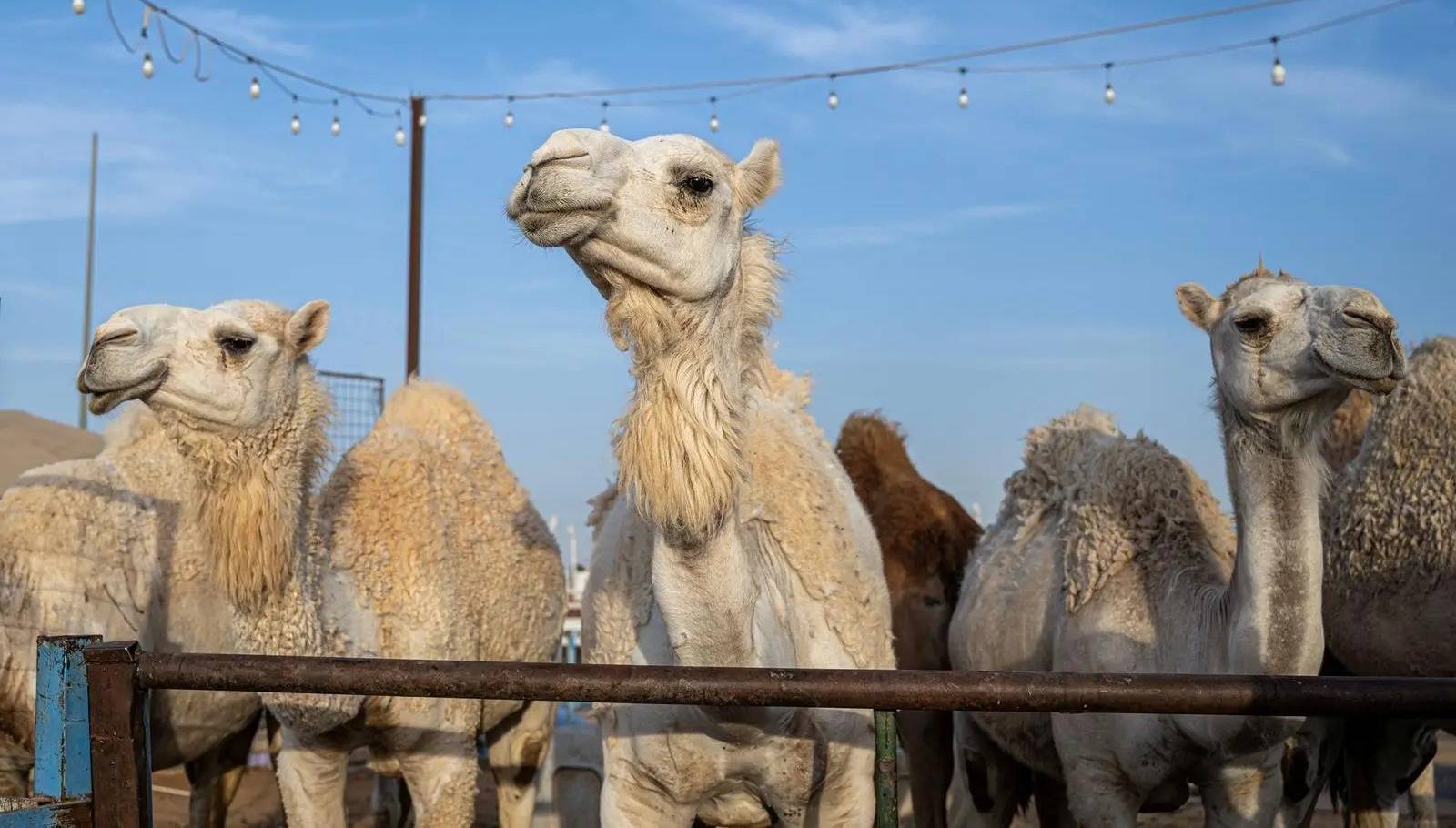
مجموعة من الإبل (واس)
أسعار أكثر تنافسية
من ناحيته، ذكر المستثمر في المواشي إبراهيم الحردي، أن أثر القرار قد يكون أكثر وضوحاً على المدى القصير، مع دخول كميات إضافية إلى الأسواق، لكن تحقيق انخفاض مستدام في أسعار اللحوم يتطلب معالجة تكلفة الإنتاج من جذورها، وفي مقدمتها الأعلاف، إلى جانب دعم استمرارية المربين المحليين.
وأفاد الحردي لـ«الشرق الأوسط»، بأن زيادة المعروض المستورد قد تضغط على الأسعار، لكنها لن تكون كافية وحدها إذا ظلت تكلفة تربية المواشي وإنتاجها محلياً مرتفعين.
وواصل أن نجاح القرار في الوصول إلى أسعار أكثر تنافسية للمستهلك لا يقاس فقط بحجم المواشي المستوردة، وإنما بقدرته على تحقيق توازن بين 3 أطراف رئيسية: المستهلك الباحث عن سعر مناسب، والمربي المحلي الذي يحتاج إلى تكلفة إنتاج مجدية، والسوق التي تحتاج إلى إمدادات مستقرة ومتنوعة.
وأضاف أن تحقيق هذا التوازن يشكل عاملاً أساسياً لضمان أن يتحول القرار من إجراء لزيادة المعروض إلى أداة مستدامة لدعم استقرار أسعار اللحوم وتعزيز الأمن الغذائي في المملكة.