
«جيش سوريا الحرة»: قصف التنف هدفه إثارة صراعات جانبية

قائده أكد لـ«الشرق الأوسط» انفتاحهم على التعاطي مع مناوئي النظام

قائد «جيش سوريا الحرة» خلال جولة ميدانية بمنطقة التنف (الشرق الأوسط)
TT

«جيش سوريا الحرة»: قصف التنف هدفه إثارة صراعات جانبية

قائد «جيش سوريا الحرة» خلال جولة ميدانية بمنطقة التنف (الشرق الأوسط)

عدّ قائد فصيل «جيش سوريا الحرة»، العقيد محمد فريد القاسم، في حوار مع «الشرق الأوسط»، أن القصف الذي تتعرض له بين الفينة والأخرى قاعدة التنف على الحدود السورية - العراقية - الأردنية هدفه إثارة «صراعات جانبية».
وينتشر فصيل «جيش سوريا الحرة» («مغاوير الثورة» سابقاً) في قاعدة التنف إلى جانب جنود من قوات التحالف الدولي الذي تقوده الولايات المتحدة. وتتعرض القاعدة أحياناً لهجمات بطائرات مسيّرة تُلقى المسؤولية فيها على فصائل مدعومة من إيران.
وأكد القاسم في حواره مع «الشرق الأوسط»، أن فصيله هو الوحيد الموجود في منطقة الـ55 كلم، وهي عبارة عن حزام أمني أقامه الأميركيون حول التنف بهدف منع الاقتراب من القاعدة. ووجه القاسم أصابع الاتهام إلى ميليشيات مسلحة مرتبطة بإيران بالاستهدافات التي تتعرض لها التنف، مقراً في الوقت نفسه بألا أدلة مثبتة على ذلك. وأضاف أن الهدف من الهجمات هو «زج المنطقة في صراعات جانبية لا تصبّ في خدمة الشعب السوري، وجعلها ساحة لتمرير مشاريع تخريبية ومنطقة غير مستقرة كونها تتمتع بأهمية جغرافية استراتيجية لوجودها في عقدة التنف التي تعد نقطة التقاء الحدود السورية والعراقية والأردنية».
وأضاف قائد «جيش سوريا الحرة» أنهم «قوة سورية مناهضة للنظام، دفعتها تدخلات حلفاء النظام السوري بالمسألة السورية إلى بناء تحالفات دولية تعزز مطالبهم، وتحقق تطلعاتهم في بناء سوريا الجديدة»، مشدداً على أنهم «منفتحون للتعاطي مع كل الفرق السورية ليكونوا جزءاً من تحالف أو مشروع سوري موحد وجامع ضد النظام السوري وتنظيم (داعش)».
وعن عمليات تهريب المخدرات والسلاح عبر الحدود السورية - الأردنية، أشار العقيد القاسم إلى أن الدوريات المكثفة والمستمرة التي ينفّذها «جيش سوريا الحرة» وقوات التحالف في المنطقة على الحدود السورية الجنوبية مع الأردن، والسورية مع الحدود العراقية، «حدّت من عمليات تهريب المخدرات والسلاح، وهذا من ضمن أولويات العمل في المنطقة»، مؤكداً أنهم «حققوا نتائج إيجابية كبيرة خلال الأشهر الأربعة الماضية في مكافحة عمليات التهريب»، موضحاً أن آخر العمليات التي قاموا بها تضمنت «إحباط تهريب مخدرات» قبل أيام.
«جيش سوريا الحرة»: قصف قاعدة التنف هدفه «تمرير مشاريع تخريبية»


مقالات ذات صلة

أنقرة تستبق «رباعي موسكو» بمطالبة دمشق بموقف واضح تجاه قضايا التطبيع

العالم العربي أنقرة تستبق «رباعي موسكو» بمطالبة دمشق بموقف واضح تجاه قضايا التطبيع

أنقرة تستبق «رباعي موسكو» بمطالبة دمشق بموقف واضح تجاه قضايا التطبيع

استبقت تركيا انعقاد الاجتماع الرباعي لوزراء خارجيتها وروسيا وإيران وسوريا في موسكو في 10 مايو (أيار) الحالي في إطار تطبيع مسار العلاقات مع دمشق، بمطالبتها نظام الرئيس بشار الأسد بإعلان موقف واضح من حزب «العمال الكردستاني» والتنظيمات التابعة له والعودة الطوعية للاجئين والمضي في العملية السياسية.

سعيد عبد الرازق (أنقرة)
العالم العربي درعا على موعد مع تسويات جديدة

درعا على موعد مع تسويات جديدة

أجرت اللجنة الأمنية التابعة للنظام السوري في محافظة درعا (جنوب سوريا) اجتماعات عدة خلال الأيام القليلة الماضية، آخرها أول من أمس (الأربعاء)، في مقر الفرقة التاسعة العسكرية بمدينة الصنمين بريف درعا الشمالي، حضرها وجهاء ومخاتير ومفاوضون من المناطق الخاضعة لاتفاق التسوية سابقاً وقادة من اللواء الثامن المدعوم من قاعدة حميميم الأميركية. مصدر مقرب من لجان التفاوض بريف درعا الغربي قال لـ«الشرق الأوسط»: «قبل أيام دعت اللجنة الأمنية التابعة للنظام السوري في محافظة درعا، ممثلةً بمسؤول جهاز الأمن العسكري في درعا، العميد لؤي العلي، ومحافظ درعا، لؤي خريطة، ومسؤول اللجنة الأمنية في درعا، اللواء مفيد حسن، عد

رياض الزين (درعا)
شمال افريقيا مشاورات مصرية مع 6 دول عربية بشأن سوريا والسودان

مشاورات مصرية مع 6 دول عربية بشأن سوريا والسودان

أجرى وزير الخارجية المصري سامح شكري اتصالات هاتفية مع نظرائه في 6 دول عربية؛ للإعداد للاجتماع الاستثنائي لوزراء الخارجية العرب بشأن سوريا والسودان، المقرر عقده، يوم الأحد المقبل. وقال المتحدث الرسمي باسم وزارة الخارجية المصرية، السفير أحمد أبو زيد، في إفادة رسمية، الخميس، إن شكري أجرى اتصالات هاتفية، على مدار يومي الأربعاء والخميس، مع كل من وزير خارجية السودان علي الصادق، ووزير خارجية السعودية فيصل بن فرحان، ووزير خارجية العراق فؤاد محمد حسين، ووزير خارجية الجزائر أحمد عطاف، ووزير خارجية الأردن أيمن الصفدي، ووزير خارجية جيبوتي محمود علي يوسف. وأضاف أن «الاتصالات مع الوزراء العرب تأتي في إطار ا

«الشرق الأوسط» (القاهرة)
المشرق العربي الأردن يوسّع مشاورات «عودة سوريا»

الأردن يوسّع مشاورات «عودة سوريا»

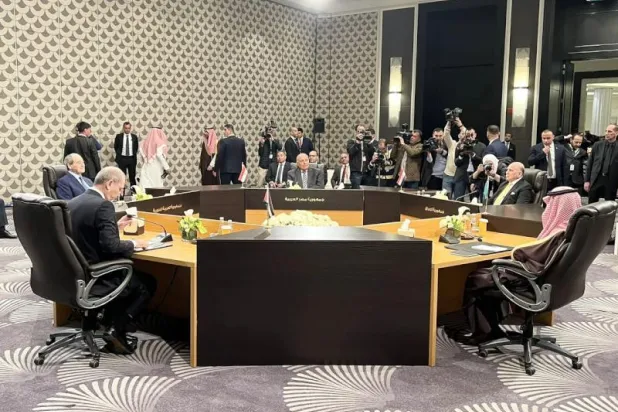
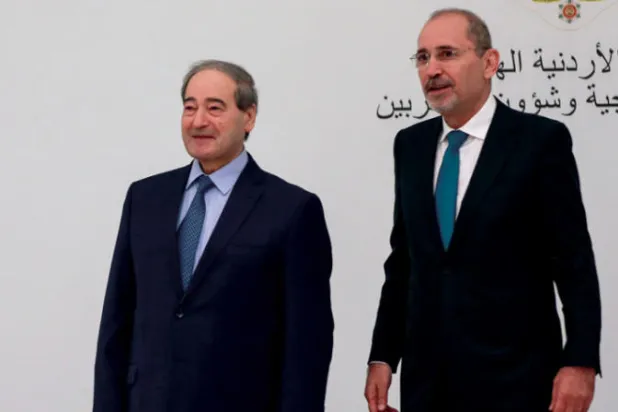
أطلق الأردن سلسلة اتصالات مع دول عربية غداة استضافته اجتماعاً لبحث مسألة احتمالات عودة سوريا إلى الجامعة العربية، ومشاركتها في القمة المقبلة المقرر عقدها في المملكة العربية السعودية هذا الشهر. وقالت مصادر أردنية لـ«الشرق الأوسط»، إن اجتماع عمّان التشاوري الذي عُقد (الاثنين) بحضور وزراء خارجية مصر والسعودية والعراق والأردن وسوريا، ناقش احتمالات التصويت على قرار عودة سوريا إلى الجامعة العربية ضمن أنظمة الجامعة وآليات اعتماد القرارات فيها. وفي حين أن قرار عودة سوريا إلى الجامعة ليس مقتصراً على الاجتماعات التشاورية التي يعقدها وزراء خارجية مصر والسعودية والعراق والأردن، فإن المصادر لا تستبعد اتفاق

شؤون إقليمية الأسد ورئيسي يتفقان على «تعاون استراتيجي طويل الأمد»

الأسد ورئيسي يتفقان على «تعاون استراتيجي طويل الأمد»

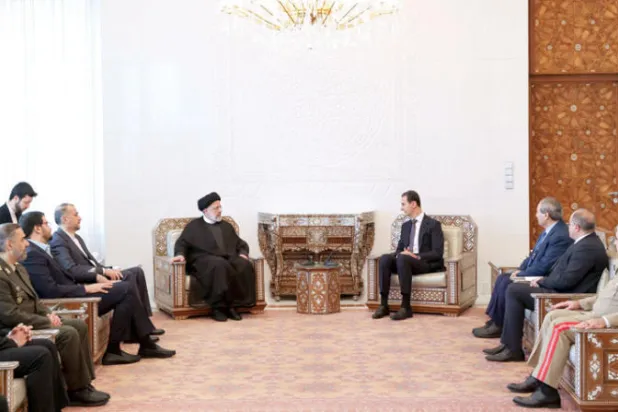
بدأ الرئيس الإيراني إبراهيم رئيسي أمس (الأربعاء) زيارة لدمشق تدوم يومين واستهلها بجولة محادثات مع نظيره السوري بشار الأسد تناولت تعزيز العلاقات المتينة أصلاً بين البلدين. وفيما تحدث رئيسي عن «انتصارات كبيرة» حققتها سوريا، أشار الأسد إلى أن إيران وقفت إلى جانب الحكومة السورية مثلما وقفت هذه الأخيرة إلى جانب إيران في حرب السنوات الثماني مع إيران في ثمانينات القرن الماضي. ووقع الأسد ورئيسي في نهاية محادثاتهما أمس «مذكرة تفاهم لخطة التعاون الاستراتيجي الشامل الطويل الأمد». وزيارة رئيسي لدمشق هي الأولى التي يقوم بها رئيس إيراني منذ 13 سنة عندما زارها الرئيس السابق محمود أحمدي نجاد.

«الشرق الأوسط» (دمشق)

الجيش الإسرائيلي يقتل فلسطينياً ويحتجز جثمانه في شمال الضفة الغربية

تفقد فلسطينيون منزلاً عائلياً دمره الجيش الإسرائيلي عقب عملية عسكرية بعد أن تحصن رجل فلسطيني داخل المنزل في قرية عقربة بالضفة الغربية المحتلة - جنوب مدينة نابلس (أ.ف.ب)
TT

الجيش الإسرائيلي يقتل فلسطينياً ويحتجز جثمانه في شمال الضفة الغربية

تفقد فلسطينيون منزلاً عائلياً دمره الجيش الإسرائيلي عقب عملية عسكرية بعد أن تحصن رجل فلسطيني داخل المنزل في قرية عقربة بالضفة الغربية المحتلة - جنوب مدينة نابلس (أ.ف.ب)

قتل شاب فلسطيني، اليوم (الثلاثاء)، برصاص القوات الإسرائيلية في بلدة عقربا جنوب نابلس بشمال الضفة الغربية.

ونقلت وكالة الأنباء والمعلومات الفلسطينية (وفا) عن مصدر أمني، قوله إن «شاباً (29 عاماً) استشهد بعد حصار منزله في بلدة عقربا، واحتجز جيش الاحتلال جثمانه».

وأشار المصدر إلى أن «قوات الاحتلال اقتحمت المنطقة الغربية من بلدة عقربا، وحاصرت أحد المنازل، واستهدفته بقنابل (الإنرجا)، واستخدمت جرافة عسكرية وهدمت أجزاء من المنزل».

وتحتل إسرائيل الضفة الغربية منذ عام 1967، وتشهد المنطقة تصاعداً كبيراً في أعمال العنف منذ اندلاع الحرب في قطاع غزة عقب هجوم حركة «حماس» غير المسبوق على إسرائيل في 7 أكتوبر (تشرين الأول) 2023. وشهد عنف المستوطنين ضد الفلسطينيين في الضفة الغربية تصاعداً في الأشهر الأخيرة، بعدما ظل مرتكبوه لسنوات بمنأى إلى حد كبير عن الملاحقة القانونية.


Iran Increases Gasoline Price for Its Heaviest Consumers as Economy Struggles

An Iranian man fills his car, on the verge of the rise in gasoline prices in Iran, at a gas station in Tehran, Iran, September 7, 2026. Majid Asgaripour/WANA (West Asia News Agency) via Reuters
TT

Iran Increases Gasoline Price for Its Heaviest Consumers as Economy Struggles

An Iranian man fills his car, on the verge of the rise in gasoline prices in Iran, at a gas station in Tehran, Iran, September 7, 2026. Majid Asgaripour/WANA (West Asia News Agency) via Reuters

Iran early Tuesday introduced a higher price for its heaviest users of gasoline, state media reported, in the latest economic pinch caused by months of war. It’s the second such hike since December.

Such gas price increases can be sensitive and contribute to inflation. An increase in 2019 sparked nationwide protests and a crackdown that reportedly killed over 300 people.

Without specifically mentioning the war with the United States, the government’s announcement cited the “current situation,” adding that the extra money from the price increase will be given to households.

Under the new system, people buying more than their quota of 110 liters (29 gallons) of gasoline a month now must pay 100,000 rials (about 7 cents) per liter, or twice as much as they have been paying since December.

Iran still has some of the world’s lowest gasoline prices, but the price increase adds to daily pressures for many of the country’s more than 90 million people. Already, the currency has been dropping to record lows, and purchasing power has weakened. On Monday, the US dollar was trading at 2.22 million rials.

Keramat Veis Karami, the CEO of the state oil distribution company, on Monday said the new gasoline rate would affect 15% of consumers, the official IRNA news agency reported.

The CEO said consumption reached a record high at 145 million liters (38 million gallons) per day in August, while domestic production capacity was 122 million liters per day. The rest of the supply is imported.

Raising prices can help calm high consumption, which experts have blamed on aging cars and spare parts in Iran as well as insufficient public transportation.

But experts also say increases in gasoline prices will lead to higher inflation in a country that's already struggling with an annual inflation rate of about 67%, according to the country’s statistics center, a government agency.

Cheap gasoline has been viewed for generations as a birthright in Iran, sparking mass demonstrations as far back as 1964, when a price increase forced the shah to put military vehicles on the streets to replace those of striking taxi drivers.

An hour after the new pricing went into practice, two of eight gas stations visited by The Associated Press were closed to regulate the price rate of the pumps.

The six others were active, and a dozen cars were in line in each.

Security was tight around the filling stations and both uniformed and plainclothes police were visible around.

In the queue, Asghar Rahimi, a 34-year-old Tehran resident, said the price increases will not stop.

“The tiny amount cannot help government to manage problems like poverty and unemployment,” Rahimi said. “This was the first step. In coming months, they need to raise it again.”

Another resident, Ali Salari, 55, feared the raise in price will affect prices of other goods, including bread and meat.

“It has been that way ever since government manipulated gas prices,” Salari said.

Tehran citizen Hamid Mirzei, 43, said food prices have kept rising and a grocery trip just for staples, like beans and lentils, can cost up to 100 million rials ($73).

“Life has become difficult for all of us. Even basic groceries are becoming unaffordable,” Mirzei said.

“If gasoline prices go up as well, things will only get much worse,” he added.


Iraqi Judiciary Backs Government Efforts to Bring Weapons Under State Control

The head of the Supreme Judicial Council met with the US chargé d'affaires in Iraq (The Judiciary’s Media Office)
TT

Iraqi Judiciary Backs Government Efforts to Bring Weapons Under State Control

The head of the Supreme Judicial Council met with the US chargé d'affaires in Iraq (The Judiciary’s Media Office)

Iraq’s Supreme Judicial Council President Faiq Zidan has stressed the judiciary’s support for government efforts to bring weapons under state control based on a plan adopted by the Coordination Framework.

Zidan made the remarks during a meeting Monday with the new US chargé d’affaires in Iraq, Steven Fagin. A statement from the Supreme Judicial Council said the two discussed the judiciary’s role in supporting the government’s program to restrict weapons to the state.

The process will proceed under “a well-studied plan” adopted by the Coordination Framework, with a committee established by the alliance tasked with preparing it and announcing it once completed and at the appropriate time. The plan is intended to uphold Iraq’s positive relations with the international community and ensure compliance with the constitution and the law.

Legal and political sources have previously indicated that the Iraqi judiciary is determined to designate militias as terrorist organizations if they refuse to disarm by the deadline for the withdrawal of international coalition forces.

Coordination Framework leaders were also expected to hold their weekly meeting Monday to discuss several issues, foremost among them bringing weapons under state control, completing the government lineup and proposed amendments to the Popular Mobilization Forces law.

Coalition withdrawal

With the Sept. 30 deadline for the withdrawal of US-led international coalition forces approaching, uncertainty continues to surround key political and security issues, particularly efforts to disarm Iran-aligned factions.

Washington has repeatedly pressed Baghdad in recent months to resolve the issue, warning that failure to do so could expose Iraq to economic and political sanctions at a time when the country is already facing financial strains.

A source close to the Coordination Framework told Asharq Al-Awsat that Prime Minister Ali al-Zaidi’s government had softened its previously firm rhetoric on disarming the factions, while armed groups had become increasingly vocal in rejecting the demand.

The source attributed the shift to tense discussions within the Coordination Framework and between its leaders and al-Zaidi. The prime minister has repeatedly warned of the risks of failing to disarm and pointed to US demands, while some Framework leaders believe there is room to maneuver with Washington.

Conflicting statements by Framework leaders are also part of an effort to buy time, the source added, as the alliance faces pressure from two sides: Washington, which wants the issue resolved, and Tehran, which opposes disarmament.

State of Law Coalition leader Nouri al-Maliki recently raised the possibility of distinguishing between heavy, medium and light weapons, questioning whether restrictions should cover all arms or only weapons capable of striking domestic or foreign targets.

His comments were widely interpreted as a shift toward opposing comprehensive disarmament, prompting his office director, Hisham al-Rikabi, to say they had been “misunderstood.”

Factions resist disarmament

Kataib Hezbollah, Harakat Hezbollah al-Nujaba and Kataib Sayyid al-Shuhada are among the most prominent Iran-aligned factions strongly resisting disarmament. Their demands have included the withdrawal of Turkish forces from northern Iraq and placing Kurdish Peshmerga forces under the commander-in-chief of the armed forces.

Firas Elias, a political science professor at the University of Mosul, told Asharq Al-Awsat that Sept. 30 was unlikely to mark a comprehensive handover of weapons.

Instead, he expects the deadline to begin a lengthy process involving the coalition’s withdrawal, a transitional period, the classification of factions and weapons, and the integration or redistribution of some fighters, alongside efforts to place heavy weapons, drones and missiles under state supervision.

The factions’ stringent conditions may indicate a shift from rejecting disarmament outright to negotiating the price of surrendering their weapons autonomy, Elias said.

The equation, he added, is moving from “weapons versus the state” to “weapons versus guarantees,” with factions setting demands Baghdad cannot fully meet so they can later concede some conditions while retaining part of their power and influence.