روسيا تحرّك سلاحي الغاز والحبوب

احتدام «معركة سيفيرودونيتسك»... واجتماع خليجي ـ روسي مرتقب اليوم

ارتفعت الأسعار بسبب مخاوف حظر النفط الروسي (رويترز)
TT

روسيا تحرّك سلاحي الغاز والحبوب

ارتفعت الأسعار بسبب مخاوف حظر النفط الروسي (رويترز)

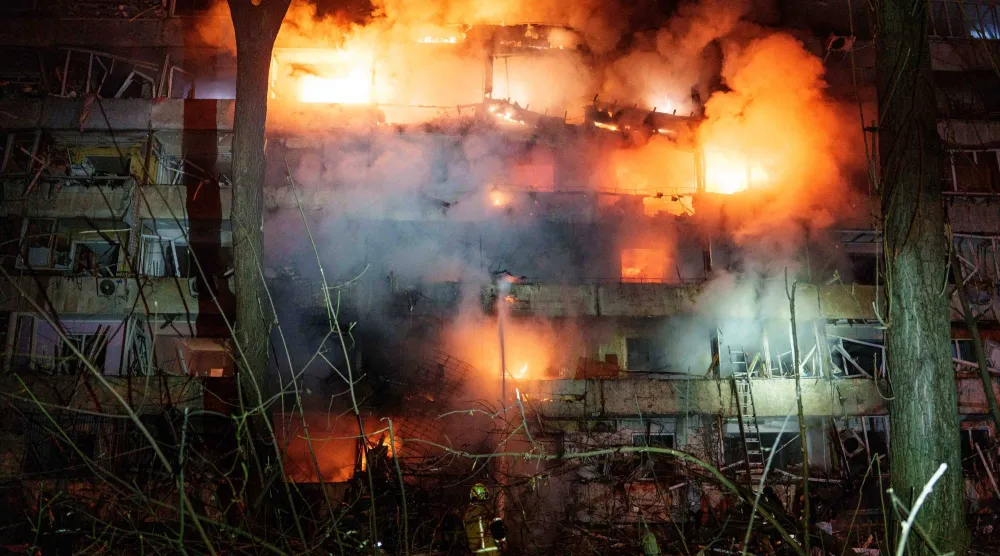
بينما تحتدم المعارك بين القوات الروسية والأوكرانية في مدينة سيفيرودونيتسك بالشرق الأوكراني ووسط إقرار الاتحاد الأوروبي في ختام قمته أمس، عقوبات تدريجية على شحنات النفط الروسية، بدأت موسكو تحريك سلاحي الغاز والحبوب.
فقد أعلنت مجموعة «غازبروم» الروسية أمس أنَّها علّقت إمدادات الغاز إلى هولندا بعدما رفضت شركة «غاز تيرا» الهولندية للطاقة إتمام عملية الدفع بالروبل. وتعد هولندا الأخيرة ضمن سلسلة دول أوروبية انقطعت عنها إمدادات الغاز الروسي، بعد فنلندا التي قطعت عنها الشهر الماضي.
وأنهت القمة الأوروبية أعمالها أمس باتفاق جزئي على حظر صادرات النفط الروسي، على أن يبدأ تنفيذ الخطوة السنة الحالية، وتتوقف بلدان الاتحاد الأوروبي عن تلقي 90 في المائة من النفط الذي تستورده حالياً من موسكو، أي ما تعادل قيمته 90 مليار دولار سنوياً.
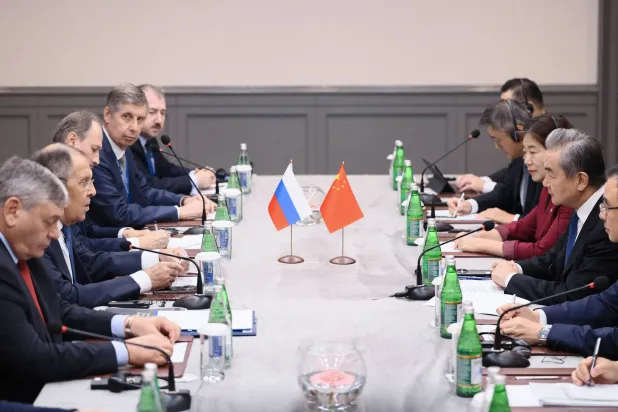
من جانب آخر، قال وزير الخارجية الروسي سيرغي لافروف الذي يقوم بجولة خليجية حالياً، إنَّ بلاده مستعدة لاتخاذ إجراءات لضمان سلامة إمدادات الحبوب والأسمدة، لكنَّه كرّر مطلب بلاده بضرورة رفع العقوبات الغربية التي استهدفت سلاسل التوريد وحركة الموانئ والسفن الروسية. وقال لافروف في المنامة إنَّ قوات البحرية الروسية ستضمن مروراً آمناً لسفن الحبوب إلى البحر المتوسط، في حال إزالة كييف الألغام من المياه الإقليمية. واتهم لافروف خلال مؤتمر صحافي مشترك مع نظيره البحريني عبد اللطيف بن راشد الزياني، الغرب بمفاقمة الأزمة الغذائية، واختلاق المشكلات عبر منع السفن الروسية من دخول موانئه.
وبينما يعقد وزراء خارجية دول مجلس التعاون الخليجي اجتماعاً دورياً لهم، في مقر أمانة المجلس بالرياض اليوم، قالت مصادر خليجية لـ«الشرق الأوسط» إنَّ من المتوقع مشاركة وزير الخارجية الروسي لافروف. وأضافت أن من المنتظر أيضاً عقد اجتماع مرئي آخر بين وزراء خارجية دول الخليج ووزير الخارجية الأوكراني ديميترو كوليبا. وأوضحت المصادر أنَّ الاجتماع سيتطرَّق إلى الأزمة الأوكرانية - الروسية والجهود المبذولة لإيجاد حل سياسي للأزمة الأوكرانية وفتح ممرات إنسانية. ولم تستبعد المصادر أيضاً أن يتباحث الجانبان الخليجي والروسي حول اتفاق «أوبك بلس».
... المزيد
... المزيد
... المزيد


مقالات ذات صلة

أميركا تقترح رفع التجميد عن أصول روسية لدفع محادثات إنهاء حرب أوكرانيا

العالم أميركا تقترح رفع التجميد عن بعض الأصول السيادية الروسية في محاولة لإحياء محادثات إنهاء الحرب الأوكرانية (أ.ب) p-circle

أميركا تقترح رفع التجميد عن أصول روسية لدفع محادثات إنهاء حرب أوكرانيا

ذكرت صحيفة أميركية، الأربعاء، أن واشنطن اقترحت على الدول الأوروبية رفع التجميد عن بعض الأصول السيادية الروسية في محاولة لإحياء محادثات إنهاء حرب أوكرانيا.

«الشرق الأوسط» (واشنطن)
العالم من لقاء وزير الخارجية الروسي سيرجي لافروف مع نظيره الصيني وانغ يي (أ.ف.ب) p-circle

روسيا والصين تناقشان التعاون وحربي أوكرانيا وإيران و«العلاقات مع أميركا»

قالت وزارة الخارجية الروسية، يوم الأربعاء، إن وزيري خارجية روسيا والصين ناقشا التعاون الثنائي وأزمتي أوكرانيا وإيران خلال اجتماع حول الأمن في آسيا.

«الشرق الأوسط» (موسكو)
أوروبا الرئيس الأوكراني فولوديمير زيلينسكي يلتقي رئيس الوزراء البريطاني آندي بيرنهام في مقر الحكومة بـ«10 داونينغ ستريت» في لندن يوم 14 أكتوبر 2026 (د.ب.أ)

زيلينسكي: من «المؤلم» اختيار ترمب الانحياز إلى الطرف الآخر في الحرب

قال الرئيس الأوكراني فولوديمير زيلينسكي في مقابلة، الأربعاء، إن الأمر كان «مؤلماً» عندما انحاز الرئيس الأميركي دونالد ترمب إلى الطرف الآخر في الحرب.

«الشرق الأوسط» (كييف)
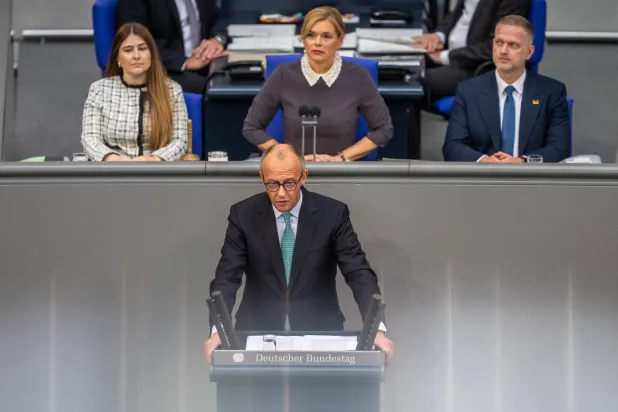
أوروبا المستشار الألماني فريدريش ميرتس متحدثاً أمام الـ«بوندستاغ» في برلين مع انطلاق محاكمة «سيرهي.ك» (د.ب.أ)

مثول جندي أوكراني متهم بتفجير خط أنابيب «نورد ستريم» أمام المحكمة

في محاكمة تشكل حرجاً للحكومة الألمانية، مثل جندي أوكراني سابق أمام محكمة في هامبورغ بقضية تخريب خط أنابيب الغاز «نورد ستريم1»، في أول يوم لانطلاق محاكمته...

راغدة بهنام (برلين)
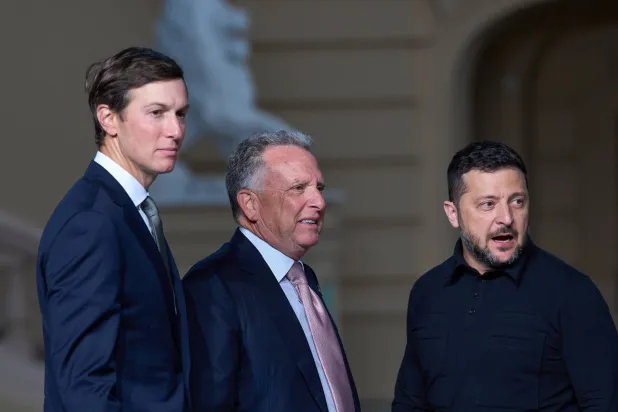
أوروبا الرئيس الأوكراني فولوديمير زيلينسكي مع المبعوثَين الأميركيَّين ستيف ويتكوف وجاريد كوشنر في ختام مؤتمر صحافي مشترك بكييف يوم 6 سبتمبر 2026 (أ.ب) p-circle

موسكو تتجاهل «هدنة الطاقة» وتشن هجوماً واسعاً على البنى التحتية الأوكرانية

تجاهلت موسكو «هدنة الطاقة» وشنت هجوماً واسعاً على البنى التحتية الأوكرانية، وسط بحث كييف عن بدائل «ستارلينك» وتأكيد زيلينسكي تقليص الدعم الاستخباراتي الأميركي.

رائد جبر (موسكو)

IMF Expects Middle East Economies to Rebound to 6.6% Growth in 2027

Jihad Azour, Director of the Middle East and Central Asia Department at the International Monetary Fund (IMF) attends a press conference at the IMF/World Bank 2026 Spring Meetings in Washington, D.C., US, April 16, 2026. REUTERS/Elizabeth Frantz
TT

IMF Expects Middle East Economies to Rebound to 6.6% Growth in 2027

Jihad Azour, Director of the Middle East and Central Asia Department at the International Monetary Fund (IMF) attends a press conference at the IMF/World Bank 2026 Spring Meetings in Washington, D.C., US, April 16, 2026. REUTERS/Elizabeth Frantz

The International Monetary Fund expects the economies of the Middle East, North Africa and Pakistan to rebound to growth of 6.6 percent in 2027, following a projected contraction of 1.3 percent this year, amid the economic fallout from the regional war and disruptions to energy production and trade, which have affected countries across the region to varying degrees.

Jihad Azour, the IMF's director for the Middle East and Central Asia, said economies directly affected by the conflict are facing severe pressures, while other economies in the region, along with most countries in the Caucasus and Central Asia, have shown greater resilience.

He explained that the path of the recovery will depend largely on how quickly energy production and trade return to normal and on countries’ ability to maintain macroeconomic stability.

The forecasts come after the economies of the Middle East, North Africa and Pakistan grew by 3.3 percent in 2025, illustrating the scale of the shock expected this year before a strong rebound next year.

Azour stressed, however, that the overall projections mask significant disparities among the region’s economies and that the recovery will not be uniform across countries.

Oil Exporters and Importers

Azour said oil-exporting countries directly affected by disruptions to energy production and trade will experience a marked contraction in 2026, although higher oil prices will provide some support to their fiscal and external positions.

A gradual recovery in production and trade is expected to drive a strong rebound in GDP growth in 2027, although output levels will remain below the trajectory projected before the outbreak of the conflict.

By contrast, economic activity in the region’s oil-importing countries has remained relatively resilient during 2026 and is expected to continue doing so. Workers’ remittances, tourism revenues, favorable financial conditions and government support have helped cushion the immediate impact of the shock, although the policy space available to governments is narrowing.

The IMF expects inflation in these economies to rise moderately in 2026 before gradually easing thereafter.

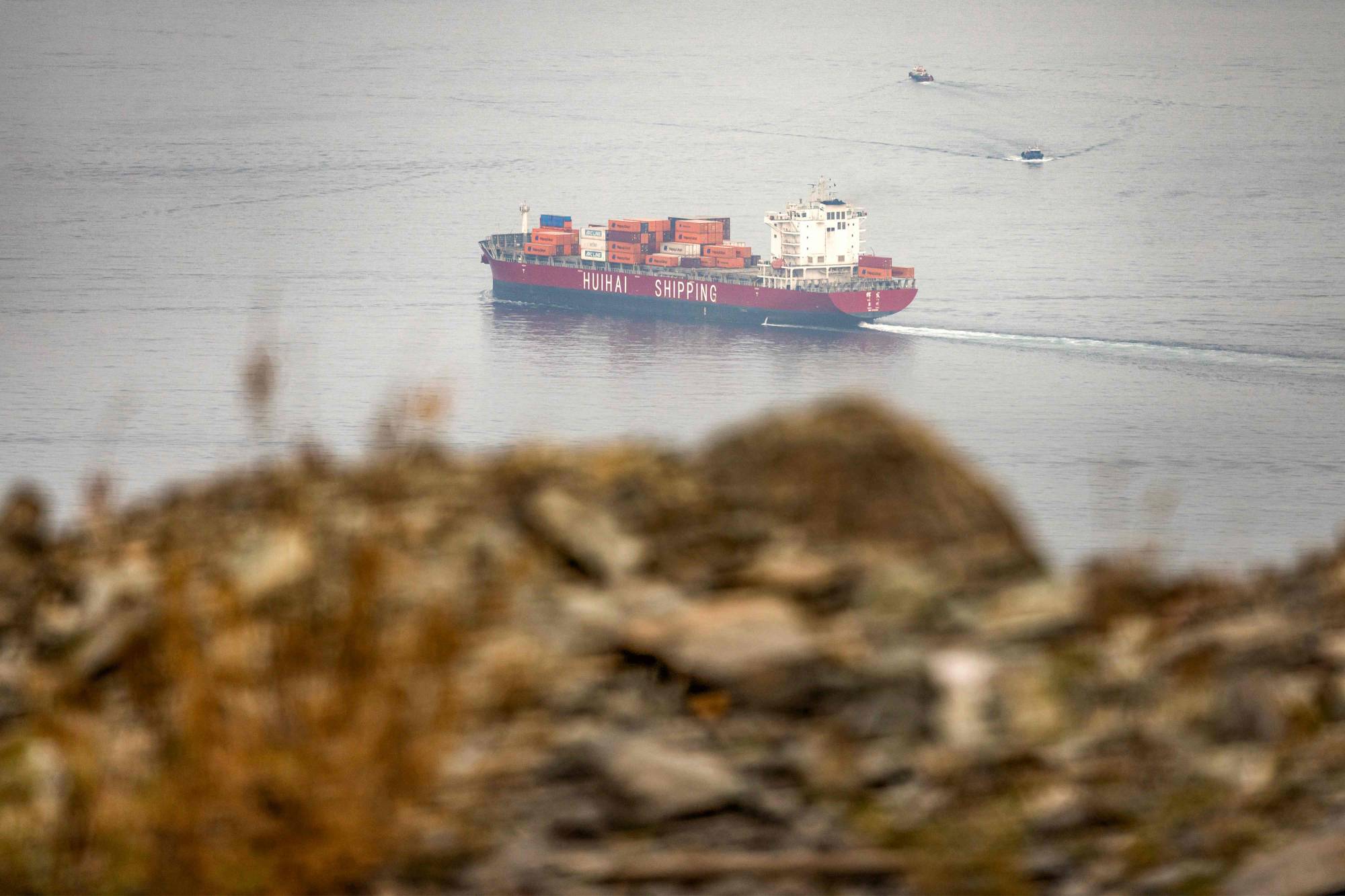
The Chinese-flagged container shipping vessel Hui Fa transits the Gulf of Oman on October 13, 2026. (Photo by AFP)

Lower Inventories, Greater Risks

Azour noted that the impact of the energy shock has been less severe than initial estimates suggested, thanks to surpluses accumulated before the war, production by non-Gulf countries, alternative transportation routes, adjustments in demand and drawdowns from inventories.

He cautioned, however, that these factors have provided time for adjustment but are not sustainable resources. Available inventories have declined and spare production capacity has narrowed, leaving markets more vulnerable to larger price increases should disruptions recur.

Azour identified a prolonged war as the most significant risk to the outlook, warning that further disruptions to energy production, shipping routes or critical infrastructure would weaken economic activity among Gulf oil exporters, increase inflationary pressures and exacerbate fiscal and external strains across the region.

He also warned that tighter global financial conditions could weaken demand, raise borrowing costs and increase pressure on currencies, particularly in economies with substantial sovereign debt-financing needs or a heavy reliance on external financing.

Low-income and fragile economies remain the most vulnerable to these risks because of their dependence on food imports and limited fiscal space, at a time when official development assistance is also declining.

Call for Targeted Support and Rebuilding Fiscal Buffers

Azour urged policymakers to prioritize price stability and fiscal sustainability, using monetary policy as the first line of defense when inflationary pressures emerge, complemented by prudent fiscal policy, particularly in countries with limited financial resources.

He stressed the importance of rebuilding fiscal buffers to withstand future shocks by strengthening domestic revenues, improving spending efficiency and developing stronger fiscal frameworks. He cautioned against broad-based subsidies, favoring instead temporary and targeted cash assistance for the groups most affected, helping keep the cost of intervention within budgetary limits.

Over the longer term, Azour emphasized the importance of strong institutions, credible monetary frameworks and central bank independence, alongside greater trade diversification, deeper regional integration and a stronger capacity to adopt new technologies, including artificial intelligence, to boost productivity and support growth.

Azour noted that the IMF has approved approximately $48 billion in financing for countries in the region since 2020. During fiscal year 2026, it also carried out around 437 technical assistance and capacity-building projects in 31 countries.

The IMF is scheduled to release its full regional report in Dubai on October 22, providing a more detailed assessment of economic developments and policy priorities.


Hezbollah Aid to Displaced Families Raises Questions Over Funding Sources

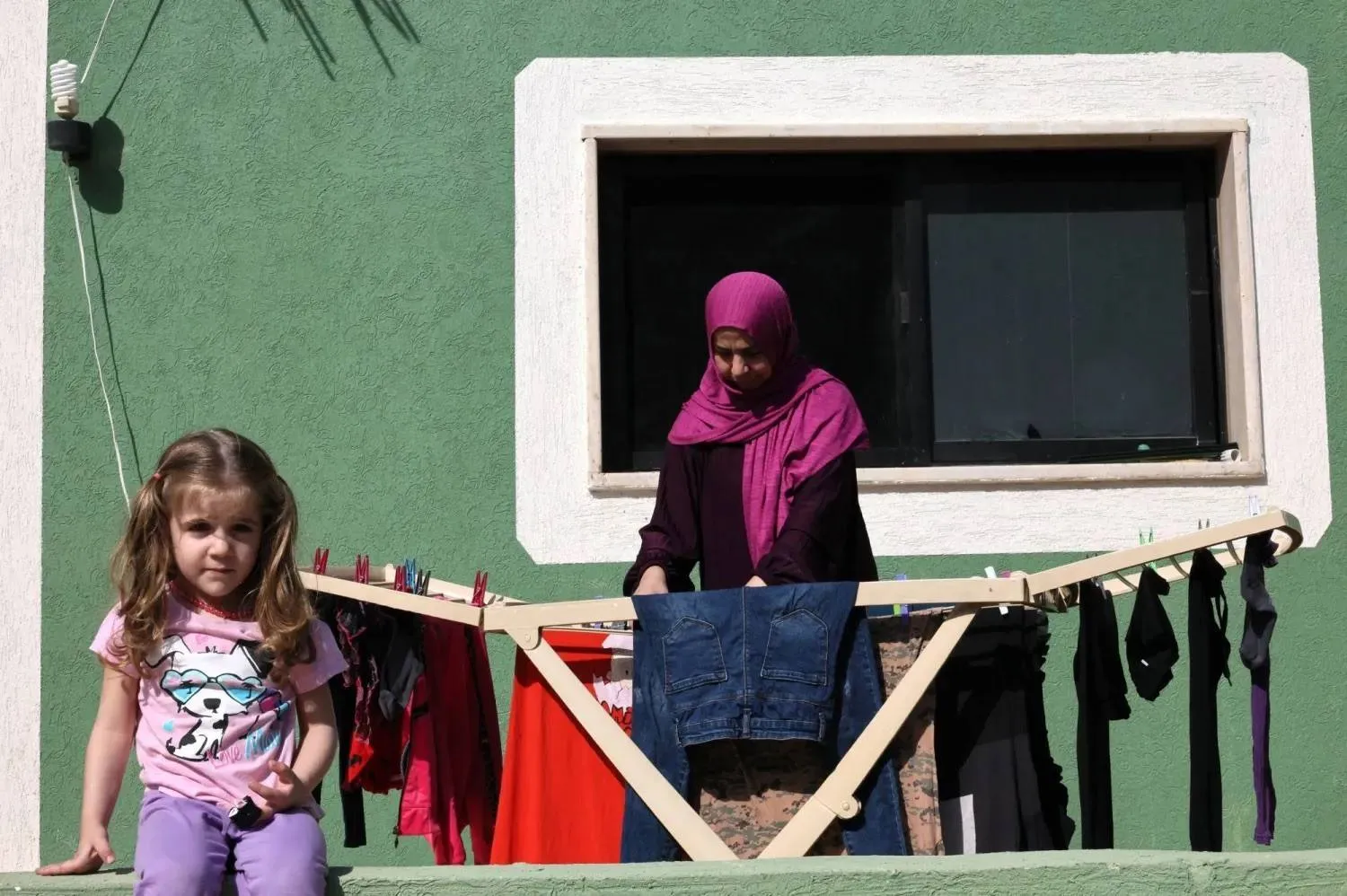
A woman and her daughter, displaced from their home in the South Lebanon village of Aita al-Shaab in 2023, live in a rented apartment in the southern town of Maarakeh (EPA). 
TT

Hezbollah Aid to Displaced Families Raises Questions Over Funding Sources

A woman and her daughter, displaced from their home in the South Lebanon village of Aita al-Shaab in 2023, live in a rented apartment in the southern town of Maarakeh (EPA). 

Hezbollah’s announcement of financial assistance for displaced Lebanese families and those affected by the fighting with Israel has raised questions about where the money comes from and how it is transferred and distributed, amid US sanctions on Iran and tighter Lebanese oversight of funding channels.

The announcement also comes as Lebanese authorities move to place all weapons under the control of legitimate state forces.

Meanwhile, President Joseph Aoun received a telephone call from Iranian Foreign Minister Abbas Araghchi to discuss regional developments. According to the Lebanese presidency, the two agreed on the need to support diplomatic solutions as the best way to end conflicts in the region.

Hezbollah’s funding sources

Hezbollah has traditionally relied on direct Iranian support, donations from sympathizers abroad and commercial activities, as well as illicit sources that US authorities accuse the group of exploiting.

Lebanese authorities, meanwhile, are seeking to strengthen financial regulations and oversight, particularly through proposed amendments to Law No. 44 on combating money laundering and terrorist financing.

The changes aim to identify the beneficial owners of companies and commercial ventures, trace the origins and destinations of funds, and tighten supervision of currency exchange dealers and money transfer companies.

US questions reported Iranian funding

A US State Department spokesperson has questioned, for a second time, reports of money reaching Hezbollah from Iran.

“The money supposedly arriving from Iran simply does not exist,” the spokesperson was quoted as saying.

The official accused Hezbollah of relying on criminal activities, including drug trafficking and partnerships with Latin American drug cartels, to compensate for funds it was not receiving from Tehran.

No detailed public evidence was provided to substantiate the allegations.

The spokesperson described Hezbollah’s aid announcement as an attempt to salvage its reputation rather than help those it had drawn into war. The official also accused the group of dragging Lebanon into war in a “suicidal” manner, arguing that even if Hezbollah had the money, it would use it to purchase weapons to threaten Israel and intimidate its opponents.

Hezbollah’s weapons, the spokesperson added, had brought Lebanon nothing but misery and destruction.

The official said Washington was working with Gulf and European partners on a plan to make billions of dollars available for Lebanon’s reconstruction, without specifying a final amount or implementation timetable.

Disarming Hezbollah was an essential part of efforts to restore stability and prevent renewed conflict, he stressed.

On Tuesday, Hezbollah announced a financial assistance program for displaced families whose homes had been destroyed or damaged and who had no alternative accommodation.

The program covers rent and furniture expenses of up to $14,000, payable over one year.

The announcement came days after Reuters reported that Hezbollah had received $200 million from Iran to assist displaced Lebanese families, a claim also questioned by Washington.

Questions over alternative funding channels

Sami Nader, director of the Middle East Institute for Strategic Affairs, told Asharq Al-Awsat that US skepticism suggested Washington was closely monitoring Hezbollah’s potential funding sources.

However, he did not rule out the possibility that Iran and Hezbollah had recently developed new methods of transferring money, including cryptocurrencies or gold.

Nader said US trade monitoring and tighter financial restrictions posed challenges to such channels, potentially explaining the latest round of sanctions. He stressed the need for Lebanon to enforce its financial laws across all sectors.

“The Lebanese state must enforce the laws as it did with Al-Qard Al-Hassan, and oversight must cover all areas,” he said.

Nader called for scrutiny of cryptocurrency exchange offices to determine whether they complied with Lebanese regulations, adding that new legislation might be needed to address emerging financial mechanisms.

Concerns over Lebanon’s financial standing

Lebanese Forces lawmaker Razi al-Hajj accused Hezbollah of trying to project the same strength it possessed before the two wars, while disregarding the deaths, injuries and economic collapse that followed.

He also accused the group of attempting to shift responsibility onto the government, which he said had already shouldered more than it could manage. While affirming that those affected by the fighting were entitled to assistance, al-Hajj said the central issue was enforcing laws against money laundering and terrorist financing.

He warned that failures in this area could damage Lebanon’s financial standing and international relations.

The deputy argued that Hezbollah’s funding, which he characterized as generally originating from illicit sources, posed a threat to state stability and ties with the international community.

He also warned that Lebanon could move from the Financial Action Task Force’s gray list to its blacklist.

Transparency must apply to everyone

Lawmaker Fouad Makhzoumi said demands for transparency and verification of funding sources, transfer methods and distribution mechanisms should apply to everyone without exception.

Writing on X, he warned of the risks of money laundering and terrorist financing, particularly given Lebanon’s inclusion on the gray list of the Financial Action Task Force (FATF).

Makhzoumi also urged the government to assume responsibility for providing shelter and assistance to displaced families, stressing that no Lebanese citizen should be left to face hardship alone.


انخفاض عوائد السندات الألمانية مع توجُّه المستثمرين إلى الملاذات الآمنة

أوراق نقدية من اليورو (رويترز)
TT

انخفاض عوائد السندات الألمانية مع توجُّه المستثمرين إلى الملاذات الآمنة

أوراق نقدية من اليورو (رويترز)

انخفضت عوائد السندات الحكومية الألمانية (Bunds)، المعيار المرجعي لمنطقة اليورو، يوم الخميس، مع توجه المستثمرين إلى الأصول الآمنة عقب تراجع حاد في أسهم التكنولوجيا، بالتزامن مع انخفاض مماثل في عوائد سندات الخزانة الأميركية.

وتعرضت أسهم التكنولوجيا لضغوط بيعية قوية، فيما شهدت أسواق الائتمان اضطرابات، مع اصطدام الرهانات المكثفة على مراكز البيانات وغيرها من البنى التحتية للذكاء الاصطناعي بواقع صعب في ظل ارتفاع أسعار الفائدة.

وانخفض عائد السندات الحكومية الألمانية لأجل 10 سنوات، وهو المعيار المرجعي في منطقة اليورو، بمقدار 6.5 نقطة أساس إلى 3.40 في المائة. وتراوحت هذه العوائد بين 3.40 و3.50 في المائة تقريباً منذ بداية الشهر الحالي.

وفي أسواق السلع، تراجعت أسعار النفط بأكثر من 1 في المائة، وسط موازنة المستثمرين بين مخاطر الإمدادات والجهود الأميركية الرامية إلى خفض تكاليف شحن النفط من خلال تخفيف العقوبات المفروضة على ما يُعرف بـ«الأسطول الموازي» (Shadow Fleet).

كما انخفض عائد السندات الحكومية الألمانية لأجل عامين، الأكثر حساسية لتوقعات أسعار الفائدة، بمقدار 4 نقاط أساس إلى 3.06 في المائة.

وتشير تسعيرات أسواق المال إلى توقعات بارتفاع سعر الفائدة على الودائع إلى 3.21 في المائة بحلول أواخر عام 2027، مقارنة بمستواه الحالي البالغ 2.50 في المائة، وإلى 2.73 في المائة بحلول ديسمبر (كانون الأول).

وفي سوق السندات الأوروبية، استقر فارق العائد بين السندات الفرنسية (OATs) والسندات الألمانية عند نحو 142 نقطة أساس، بعدما بلغ 158.67 نقطة أساس في أوائل أكتوبر (تشرين الأول)، وهو أعلى مستوى له منذ نوفمبر (تشرين الثاني) 2011.

أما فارق العائد بين السندات الإيطالية ونظيرتها الألمانية، فاتسع بمقدار 3 نقاط أساس إلى 111 نقطة أساس، بعدما بلغ 129.74 نقطة أساس في وقت سابق من هذا الشهر، وهو أوسع مستوى له منذ أبريل (نيسان) 2025.