

احتفالات مصرية بمئوية اكتشاف مقبرة «توت عنخ آمون»

بموازاة الاحتفاء بمرور قرنين على نشأة «علم المصريات»

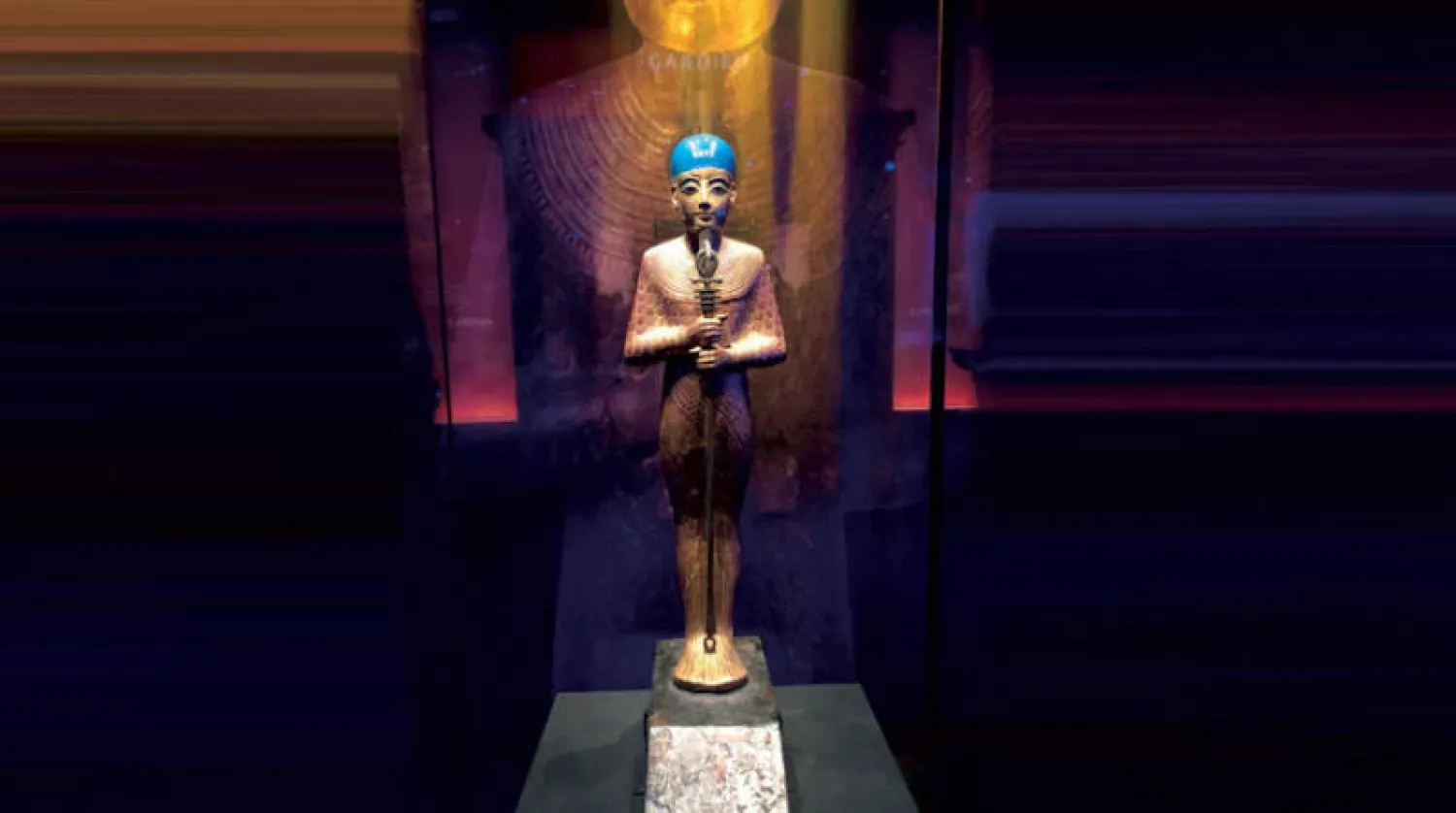
إحدى مقتنيات مقبرة توت عنخ آمون (السياحة والآثار المصرية)
TT

احتفالات مصرية بمئوية اكتشاف مقبرة «توت عنخ آمون»

إحدى مقتنيات مقبرة توت عنخ آمون (السياحة والآثار المصرية)

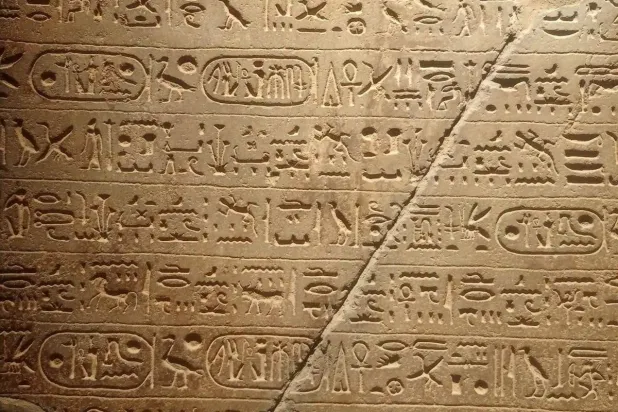
تستعد مصر لتنظيم احتفالات واسعة خلال الفترة المقبلة، للاحتفاء بالذكرى المئوية الأولى لاكتشاف مقبرة «الفرعون الذهبي» توت عنخ آمون، ومرور قرنين على فك رموز الكتابة المصرية القديمة، ونشأة علم المصريات.
وبينما لم تعلن وزارة السياحة والآثار المصرية عن نوعية وتوقيتات الفعاليات حتى الآن، فإنها قالت في بيان صحافي أمس، إنها «تتضمن عدداً من الأنشطة السياحية والأثرية والثقافية والمسابقات والمعارض على مدار أيام عدة في جميع المحافظات المصرية، بالإضافة إلى تسليط الضوء إعلامياً وجماهيرياً على هذه الفعاليات والترويج لها بصورة أكبر من خلال مواقع التواصل الاجتماعي المختلفة الخاصة بالوزارة والهيئة والاستفادة من ذلك في الترويج للمقصد السياحي المصري ومقوماته السياحية والأثرية وأنماطه ومنتجاته المختلفة، إلى جانب رفع الوعي السياحي والأثري لدى المواطنين المحليين».
وتعهدت مصر بأن يكون عام 2022 استثنائياً في قطاعي السياحة والآثار، بالتزامن مع افتتاح متاحف مهمة على غرار المتحف الكبير بميدان الرماية بالجيزة (غرب القاهرة)، ومتحف عواصم مصر، بالعاصمة الإدارة الجديدة (شرق القاهرة)، والمتحف اليوناني الروماني بالإسكندرية، بالإضافة إلى إحياء الذكرى المئوية الأولى لاكتشاف مقبرة الفرعون الذهبي توت عنخ آمون بالأقصر (جنوب مصر)، بجانب الاحتفاء بمرور مائتي عام على فك رموز حجر رشيد.
واكتشف عالم الآثار الإنجليزي هوارد كارتر مقبرة توت بوادي الملوك بالبر الغربي بالأقصر (جنوب مصر)، عام 1922، ومن المقرر عرض مجموعة «الفرعون الذهبي» والتي تضم نحو 5 آلاف قطعة للمرة الأولى بالمتحف المصري الكبير.
ويضم المتحف الكبير الذي يطل على أهرامات الجيزة، وتقدر تكلفة إنشائه بمليار دولار أميركي، أكبر مركز للترميم الأثري في العالم، وأكبر وحدة لتسجيل الآثار، وتتميز واجهته بأنّها مغطاة بحجر الألباستر، بينما ستكون جدرانه من جهة الأهرامات عبارة عن بانوراما زجاجية.
وينقسم المتحف إلى عدد من الأقسام والقاعات المتنوعة على غرار «مبنى المتحف الرئيسي، والساحة الرئيسية، ومدخل كبار الزوار، وبهو رمسيس، ومبنى المؤتمرات، وحائط الأهرامات، والحديقة الترفيهية، وحديقة الأطفال، ومركز الترميم والطاقة، والدرج العظيم، ومطعم الأهرامات والمسلة، وقاعة الملك توت عنخ آمون».
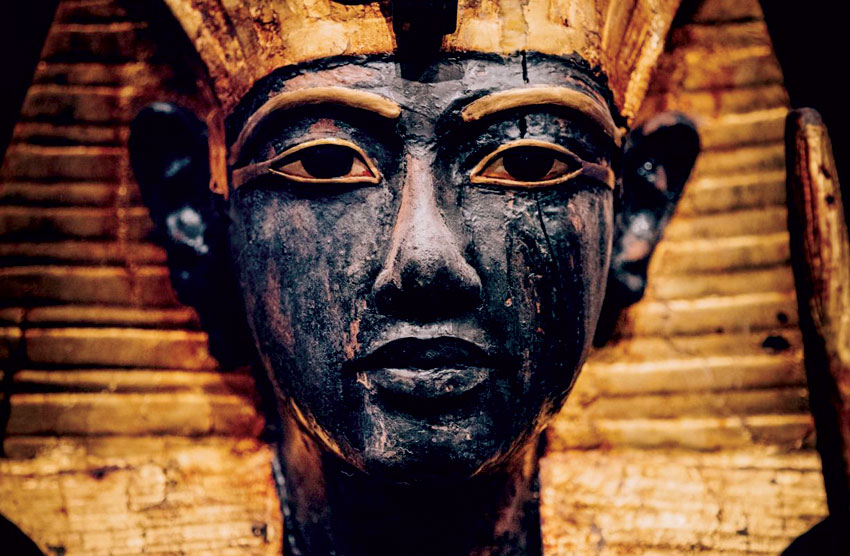
تمثال لتوت عنخ آمون (وزارة السياحة والآثار المصرية)

وبينما تبلغ مساحة المتحف الإجمالية نحو 167 ألف متر مربع، فإن قاعة الملك توت عنخ آمون تبلغ مساحتها نحو 7 آلاف متر مربع، وهي مزودة بأحدث وسائل العرض المتحفي من فتارين ذات تحكم بيئي في درجات الحرارة والرطوبة والإضاءة، بالإضافة إلى وسائل توضيحية من الغرافيك وبطاقات شرح خاصة بكل قطعة، وكذلك شاشات عرض توضح سيناريو العرض الخاص بالملك توت عنخ آمون. ومن المتوقع افتتاح المتحف في الربع الأخير من العام الحالي، حيث قاربت السلطات المصرية على الانتهاء من تنفيذ معظم العمليات الإنشائية. وتحتفي مصر بمكتشف المقبرة التاريخية كارتر، بتحويل بيته الريفي بالأقصر، إلى متحف يضم متعلقات متنوعة مرتبطة به، ويشهد إقبالاً كبيراً من قبل السائحين أثناء زيارتهم البر الغربي.
وولد هوارد كارتر في بريطانيا خلال 1874، وبدأ اهتمامه بدراسة مصر القديمة، مبكراً، قبل سفره إلى مصر، وعمله في التنقيب عن مقابر بني حسن وأمراء مصر الوسطى، حتى قابل اللورد كارنافون في عام 1907، أحد عشاق الآثار المصرية، والذي أبدى له استعداده لتمويل بعثاته، وكانت هذه المقابلة نقطة تحول في حياة كارتر، حتى أثمرت جهوده عن اكتشاف أحد أهم المقابر الفرعونية.
وبحسب أثاريين، فإن توت عنخ آمون، (فرعون مصر من 1334 إلى 1325 ق م)، لم يكتسب شهرته الواسعة حول العالم، بسبب دوره التاريخي في حكم مصر، ولكن بسبب كنوز مقبرته الفريدة، التي لم يمسها اللصوص على غرار بقية المقابر الأخرى المجاورة، حيث مات في سن مبكرة جراء المرض».
مقالات ذات صلة

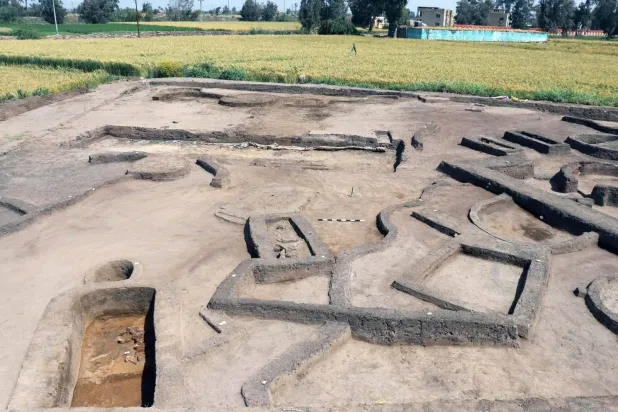
آلاف السنوات تحت الأرض... كشف أثري فريد في دلتا مصر

يوميات الشرق جانب من الكشف الأثري بالدقهلية (وزارة السياحة والآثار المصرية)

آلاف السنوات تحت الأرض... كشف أثري فريد في دلتا مصر

تعود أقدم المكتشفات في الموقع إلى حضارة مصر السفلى (بوتو الأولى وبوتو الثانية)، التي ترجع إلى النصف الأول من الألف الرابع قبل الميلاد.

«الشرق الأوسط» (القاهرة)
يوميات الشرق عدد من المضبوطات التي عُثر عليها وفقاً لما أعلنته الشرطة الأسترالية (الموقع الرسمي لشرطة كوينزلاند)

القبض على لص سرق آثاراً مصرية لا تقدر بثمن من متحف أسترالي

ألقت شرطة كوينزلاند القبض على رجل متهم بتدبير عملية سطو جريئة على تحف مصرية لا تقدر بثمن من متحف في أستراليا.

«الشرق الأوسط» (لندن)
ثقافة وفنون زاهي حواس (صفحته على «فيسبوك»)

زاهي حواس: الإعلان عن كشف أثري كبير داخل هرم خوفو العام المقبل

كشف عالم المصريات الدكتور زاهي حواس، إن مصر ستعلن العام المقبل عن كشف أثري كبير داخل هرم خوفو العام المقبل.

«الشرق الأوسط» (الشارقة)
يوميات الشرق البهو العظيم للمتحف المصري الكبير (تصوير: عبد الفتاح فرج)

المتحف المصري الكبير يفيض بالزائرين... ويوقف بيع تذاكره

أعلنت وزارة السياحة والآثار تنظيم دخول المتحف وحجز التذاكر بطريقة جديدة بعد الإقبال الكبير الذي شهده المتحف من الزائرين، الجمعة.

محمد الكفراوي (القاهرة )
يوميات الشرق ظهور صورة حسين عبد الرسول خلال افتتاح المتحف المصري الكبير أمس بعد استعراض قصته p-circle

كيف اكتشف طفل مصري مقبرة «الفرعون الذهبي» بالصدفة؟

بين أضواء حفل المتحف المصري الكبير، عادت إلى الأذهان قصة الطفل المصري حسين عبد الرسول، الذي كان أول مَن لمح مدخل المقبرة الأسطورية عام 1922.

يسرا سلامة (القاهرة)

NATO Prepared to Address Iranian Threats Extending to Europe

US Air Force planes on the tarmac of Sofia airport, Bulgaria, February 19, 2026. REUTERS/Stoyan Nenov/File Photo
TT

NATO Prepared to Address Iranian Threats Extending to Europe

US Air Force planes on the tarmac of Sofia airport, Bulgaria, February 19, 2026. REUTERS/Stoyan Nenov/File Photo

NATO is prepared to address any threat and will always do what is necessary to defend all allies, a NATO official said on Wednesday in response to questions about a report in the Financial Times that Iran has allegedly weighed attacking US military targets in Europe should Donald Trump escalate the war.

“As demonstrated earlier this year when NATO air defenses successfully intercepted ballistic missiles heading to Turkiye from Iran on four separate occasions, our deterrence and defense posture is strong and effective,” the official said.

Citing two regime insiders, the Financial Times reported on Wednesday that Iran has been weighing ways to broaden the confrontation beyond the Middle East if Washington intensifies military action.

One regime insider said Iran was preparing options to expand the conflict if Trump followed through on previous threats to attack Iranian infrastructure. Another said Tehran would place “no limits” on its response.

Iranian forces had assessed possible strikes against US assets in southeastern Europe, including Bulgaria, which approved the use of Bezmer Air Base by US refueling aircraft last month, the sources said.

Cyprus, where a British air base was hit by a drone in March, was also identified as a potential target for retaliation against a renewed US offensive, according to one of the sources.

Iran’s forces had separately examined attacks on subsea fiber-optic cables in the Strait of Hormuz if the conflict intensified, according to the report.

The sources described last month’s strike on a US base in Jordan, which killed three American service members, as Tehran’s most accurate long-range attack to date and evidence of its ability to hit targets farther afield.

“This was also a message to Europe: it can receive missiles, so it should know where it should stand in this war,” a first insider said. “A very big mistake, such as hitting our infrastructure, could make the war go beyond the region and reach Europe.”

Iranian Threats

Chief of the General Staff of Iran’s Armed Forces, Major General Ali Abdollahi, warned on Wednesday that any form of assistance to the US military will be interpreted by Tehran as active “complicity” with American forces.

In a statement posted on X, Abdollahi pointed to a rising concentration of US military aircraft across regional installations, saying, “It is improbable that this volume of military aircraft, particularly aerial refueling tankers, is operating out of regional bases without the awareness of host nations.”

He said Tehran will view any form of “assistance or facilitation” provided to the US military as direct military cooperation with American forces.

Also on Wednesday, Iran’s deputy Foreign Minister for Legal and International Affairs, Kazem Gharibabadi, emphasized that any country that hands its destiny over to foreigners will pay a heavy price.

He noted that today’s Iran determines its own future, with the nation refusing to retreat under pressure and standing firmer in the face of compulsion and threats.

Gharibabadi’s threats came after Bulgaria’s Parliament backed a government proposal to allow the US military to use an air base in the Balkan country to support US operations in the Middle East, while some expressed concern about becoming involved in the Iran war.

Legislators in Bulgaria voted to allow up to eight US KC-135 refueling aircraft along with 250 personnel and supporting equipment at Bezmer Air Base to Oct. 1.

Later, Iran's Foreign Minister Abbas Araghchi urged Bulgaria to reconsider its decision to allow the temporary deployment of US military aircraft at the ‌Bezmer air base, Iranian state media reported.

During a phone call last month with his Bulgarian counterpart, Velislava Petrova-Chamova, Araghchi said Sofia's approval of a US request to station military aircraft at the base to support military operations amounted to facilitating aggression against Iran, adding the move was unacceptable and contrary ⁠to the traditionally friendly relations between the two countries.

Ahead of the FT report, a senior Iranian official told Reuters on Monday that Iran will shift to a “fully offensive” military posture because efforts to negotiate a permanent end to the war with the US have stalled.

“Iranian entities must be prepared to escalate tensions in the Strait of Hormuz and wider region, as Iran will be ready to make decisions and take action on difficult decisions,” the Iranian official said, adding that Tehran would conduct a “timely and precise” military attack to break the US naval blockade if diplomacy failed.

Iran’s Medium-Range Missiles

Military analysts told the FT that Iran could deploy medium-range ballistic missiles against US assets in southern and southeastern Europe, such as its Shahab series. However, they said such missiles would likely struggle to cause significant damage at greater distances. The scale of any Iranian retaliation would depend on Washington’s next moves.

The analysts said heavier-duty missiles could also be deployed, but would have to carry a lighter payload to travel far enough — meaning damage would be minimal.

Douglas Barrie of the International Institute for Strategic Studies noted that earlier Iranian attempts against Diego Garcia indicated weapons exceeding 2,000 kilometers in range, making European contingencies more concrete, while unsuccessful outcomes exposed reliability, interception, and precision limitations.

In the weeks after the US and Israel launched the war in February, Washington accused Tehran of firing multiple missiles at Diego Garcia, the joint US-British military base in the Indian Ocean roughly 4,000 kilometers away. None of the missiles reached their target.

In March, Türkiye said NATO air defenses had intercepted several ballistic missiles launched from Iran. That same month, the British base at Akrotiri in Cyprus was hit by a drone.

Western officials assessed at the time that it was most likely an Iranian unmanned aircraft used by forces aligned with Tehran, rather than a direct strike by Iran itself.

And while reports said Iran will shift to a “fully offensive” military posture, Iranian Supreme Leader Mojtaba Khamenei has issued decrees appointing six military and IRGC officials to leadership positions.

He named Ahmad Vahidi as head of the IRGC, and Hossein Taeb as commander of the IRGC's Basij paramilitary. The appointments came after the preceding holders were killed in Israeli-US strikes during operations Roaring Lion and Epic Fury.

Yadollah Javani, the IRGC’s deputy for political affairs, told Iranian state television that Iran’s military actions had so far been defensive because its adversaries had started the war, but could become offensive in the future.

He said the armed forces would adopt new approaches following recent appointments and directives from Supreme Leader Mojtaba Khamenei and warned Iran’s adversaries to expect what he described as strategic surprises.

The threats reflect the mood inside Tehran, where a growing number of regime figures now see a resumption of hostilities as a matter of timing rather than likelihood.

At the same time, some within the Iranian regime are concerned that Tehran may be overplaying its hand. Many hardliners, however, believe the United States cannot be trusted to honor any agreement and argue that Iran must raise the cost for Washington to ensure it upholds its commitments under any eventual deal.

Among them is Mohsen Rezaei, a former commander of the Revolutionary Guards, whom Khamenei placed last week in the top post of the country’s security apparatus. Iranian analysts interpreted the move as a sign that figures such as Mohammad Bagher Ghalibaf, Tehran’s chief negotiator, have for now been sidelined, as prospects for a lasting agreement appear increasingly slim.

The second source said Iran was signaling that failure to reach an agreement with Ghalibaf would leave the West dealing with Rezaei instead, and summed up Tehran’s broader message as a warning that Washington should not push too far, since Iran was prepared to go further still.


Faisal bin Farhan Stresses Diplomacy to Ease Regional Tensions

Prince Faisal bin Farhan receives Japanese Foreign Minister Toshimitsu Motegi in Riyadh on Wednesday (Saudi Foreign Ministry)
TT

Faisal bin Farhan Stresses Diplomacy to Ease Regional Tensions

Prince Faisal bin Farhan receives Japanese Foreign Minister Toshimitsu Motegi in Riyadh on Wednesday (Saudi Foreign Ministry)

Saudi Foreign Minister Prince Faisal bin Farhan on Wednesday reaffirmed the Kingdom’s commitment to reducing regional tensions and preventing renewed conflict through comprehensive, sustainable diplomatic solutions addressing the sources of instability in the Middle East.

“Diplomacy, dialogue and peaceful means remain our priorities,” Prince Faisal declared during the third Saudi-Japanese Strategic Dialogue with Japanese Foreign Minister Toshimitsu Motegi in Riyadh.

Prince Faisal highlighted the decades-long relationship between Saudi Arabia and Japan, built on mutual trust and respect, and identified maritime security as a key shared priority.

He stressed the importance of safeguarding freedom of navigation in international waterways in accordance with international law, emphasizing that the Strait of Hormuz, Bab al-Mandab and other maritime passages must remain open, secure and free from threats.

The Saudi minister described Japan as an important economic partner and noted that Riyadh sought to expand cooperation in investment, energy, resources, supply chains, defense and technology, as well as the exchange of expertise and capabilities.

He reaffirmed that Saudi Arabia would remain a reliable partner for Japan, including in energy, while praising Tokyo’s efforts to strengthen economic resilience and stabilize global energy markets and trade.

Ahead of his visit to Riyadh and Muscat, Motegi noted that Saudi Arabia was playing a mediating role in talks between the United States and Iran and had seen its international influence expand significantly in recent years.

He pledged to deepen cooperation with the Kingdom as a strategic partner, particularly in ensuring stable energy supplies.

Toshihiro Kitamura, Japan’s assistant foreign minister and ministry spokesman, told Asharq Al-Awsat that cooperation between Riyadh and Tokyo was “strategic and encompasses all fields,” adding that future defense cooperation was possible.

Speaking at a news conference in Riyadh, Kitamura explained that Japan wanted to hear Saudi Arabia’s assessment of regional developments and strengthen coordination with Riyadh and Oman in support of peace and stability, particularly regarding Iran.

He noted that more than 95% of Japan’s crude oil imports passed through the Strait of Hormuz, underscoring its importance to global trade and the world economy.

Kitamura also expressed serious concern over Houthi attacks in Bab al-Mandab and indicated that Japan aimed to broaden bilateral cooperation beyond oil under the Saudi-Japan Vision 2030 framework, in line with Saudi Vision 2030.


هل تزاحم «الخزانة» الأميركية «الفيدرالي» على النفوذ في سوق السندات؟

مبنى وزارة الخزانة الأميركية في واشنطن العاصمة (رويترز)
TT

هل تزاحم «الخزانة» الأميركية «الفيدرالي» على النفوذ في سوق السندات؟

مبنى وزارة الخزانة الأميركية في واشنطن العاصمة (رويترز)

يثير قرار وزارة الخزانة الأميركية مضاعفة عمليات إعادة شراء السندات طويلة الأجل تساؤلات جديدة حول حدود تدخلها في الأسواق، وما إذا كان تحركها لدعم العوائد قد يعقّد مهمة الاحتياطي الفيدرالي في مكافحة التضخم والحفاظ على استقرار الأسعار.

يوم الأربعاء، أعلنت وزارة الخزانة مضاعفة حجم عمليات إعادة شراء سندات الخزانة التي تستحق خلال 10 إلى 30 عاماً إلى 4 مليارات دولار على الأقل لكل عملية، في وقت ارتفعت فيه تكاليف الاقتراض طويلة الأجل إلى مستويات لم تُسجل منذ سنوات. وأسهم الإعلان في دفع عوائد السندات إلى الانخفاض، بعدما بلغت عوائد الآجال الطويلة مستويات مرتفعة أثارت قلق الأسواق.

ويطرح التحرك سؤالاً أوسع بشأن الجهة الأكثر تأثيراً في ظروف الائتمان الأميركية، إذ اعتاد المستثمرون النظر إلى الاحتياطي الفيدرالي بوصفه المؤسسة الرئيسية القادرة على التأثير في تكاليف الاقتراض طويلة الأجل من خلال أدواته النقدية وعمليات شراء الأصول، وفق «رويترز».

وقال محللون إن استمرار «الخزانة» في استخدام عمليات إعادة الشراء لدعم سوق السندات قد ينقل جزءاً من مركز الثقل في السوق من الاحتياطي الفيدرالي إلى وزارة الخزانة، خصوصاً مع تحفظ رئيس «الفيدرالي» كيفين وارش على استخدام شراء الأصول كأداة للسياسة النقدية.

متداولون في بورصة نيويورك (رويترز)

تدخل «الفيدرالي» ما زال بعيداً

ورغم ذلك، لا يرى المشاركون في السوق حالياً حاجة إلى تدخل مباشر من الاحتياطي الفيدرالي لشراء السندات بهدف تهدئة السوق.

وقال محللون إن عتبة تدخل «الفيدرالي» مرتفعة، إذ لا تزال الأسواق تعمل بصورة طبيعية، كما أن البنك المركزي ما زال قادراً على التحكم في سعر الفائدة قصير الأجل، وهو الأداة الأساسية التي يعتمد عليها لتحقيق أهدافه المتعلقة بالتضخم والتوظيف.

وتكتسب المسألة أهمية خاصة لأن شراء «الفيدرالي» للسندات طويلة الأجل سيكون مختلفاً في دلالته عن تحرك الخزانة. فمثل هذا التدخل يمكن أن يخفض العوائد طويلة الأجل أو يحد من ارتفاعها، لكنه سيُنظر إليه أيضاً باعتباره تيسيراً للسياسة النقدية، وهو ما قد يتعارض مع جهود البنك المركزي لكبح التضخم الذي لا يزال أعلى من هدفه البالغ 2 في المائة.

اختلاف الأهداف

ويتمثل الفارق الأساسي في أن الخزانة تقول إن هدفها من إعادة الشراء هو تحسين السيولة في سوق السندات، وليس تحديد مستوى للعوائد أو تنفيذ سياسة نقدية.

لكن تأثير العملية يتجاوز السيولة، لأن السندات طويلة الأجل تشكل مرجعاً أساسياً لتسعير الرهن العقاري وقروض الشركات وغيرهما من تكاليف الاقتراض. ولذلك فإن انخفاض عوائدها بعد تدخل «الخزانة» يمكن أن يخفف ظروف التمويل في الاقتصاد، حتى من دون تغيير سعر الفائدة الذي يحدده «الفيدرالي».

وتأتي هذه الخطوة في وقت تواجه فيه عوائد السندات ضغوطاً من عدة اتجاهات، تشمل ارتفاع توقعات التضخم، واتساع احتياجات الحكومة إلى الاقتراض، إلى جانب زيادة إصدارات الشركات لتمويل الاستثمارات المرتبطة بالبنية التحتية للذكاء الاصطناعي.

مبنى وزارة الخزانة الأميركية في واشنطن العاصمة (رويترز)

وارش أمام معادلة أكثر تعقيداً

ويزيد موقف وارش من حساسية المسألة. فقد أبدى رئيس «الفيدرالي» منذ فترة طويلة تشككاً في الاعتماد على شراء الأصول كأداة للسياسة النقدية، كما جعل تقليص الميزانية العمومية للبنك المركزي، التي تبلغ نحو 6.8 تريليون دولار، أحد أهدافه الرئيسية.

وفي الوقت نفسه، أشار وارش إلى استعداده للعمل مع وزارة الخزانة والتنسيق معها حيثما أمكن، ما يفتح الباب أمام تساؤلات حول كيفية إدارة العلاقة بين المؤسستين إذا استمرت ضغوط العوائد طويلة الأجل.

ولا يعني تحرك الخزانة حتى الآن أن السياسة النقدية انتقلت إلى وزارة الخزانة، أو أن «الفيدرالي» فقد قدرته على التحكم في أسعار الفائدة. لكن استمرار عمليات الشراء وتوسعها قد يفرض واقعاً جديداً على الأسواق، تصبح فيه قرارات «الخزانة» عاملاً أكثر أهمية في تحديد تكاليف الاقتراض طويلة الأجل.

وهنا تكمن أهمية الخطوة: فالسؤال لم يعد فقط ما إذا كانت «الخزانة» تستطيع تهدئة سوق السندات، بل ما إذا كان تدخلها المتزايد سيغيّر تدريجياً العلاقة التقليدية بين السياسة المالية والسياسة النقدية في الولايات المتحدة.