«رمسيس وذهب الفراعنة» يفتح أبوابه في باريس اليوم

المعرض يشمل 180 قطعة أصلية... وعرضاً ثلاثي الأبعاد لـ«معركة قادش»

يستمر معرض «رمسيس وذهب الفراعنة» في باريس حتى سبتمبر (أ.ف.ب)
TT

«رمسيس وذهب الفراعنة» يفتح أبوابه في باريس اليوم

يستمر معرض «رمسيس وذهب الفراعنة» في باريس حتى سبتمبر (أ.ف.ب)

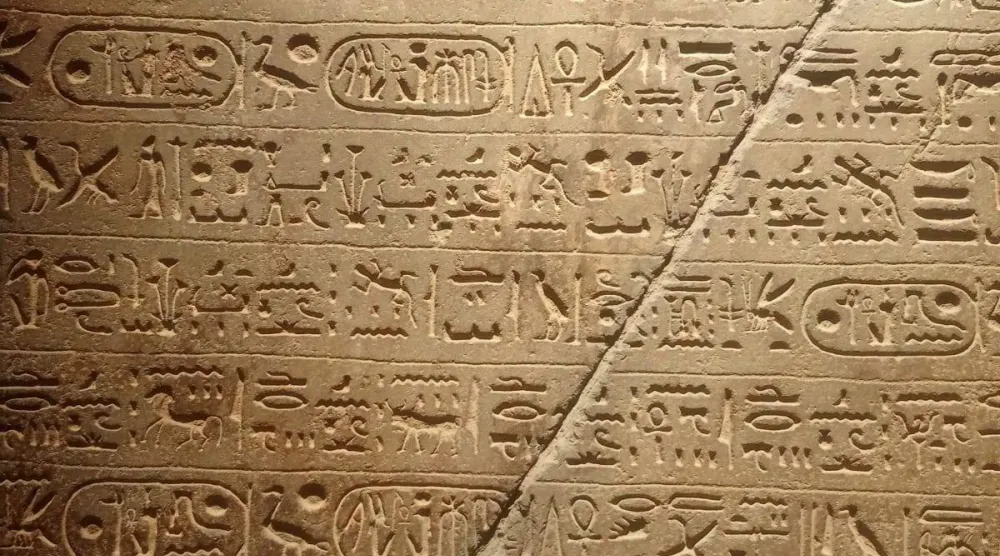
يفتح معرض «رمسيس وذهب الفراعنة» أبوابه في باريس، اليوم، لمدة خمسة أشهر في قاعة «لافيليت الكبرى»، في ثالث محطات جولاته الخارجية التي شملت مدينتي هيوستن وسان فرانسيسكو الأميركيتين.
ويضم المعرض 181 قطعة أثرية ثمينة من كنوز الملك رمسيس الثاني، من بينها «التابوت الملكي»، الذي وافقت السلطات المصرية على نقله إلى فرنسا بشكل استثنائي لعرضه ضمن المعرض، تقديراً لجهود العلماء الفرنسيين الذين أنقذوا مومياء رمسيس الثاني وعالجوها من الفطريات بالأشعة السينية عام 1976. وأصبحت فرنسا بذلك البلد الوحيد الذي يستقبل التابوت الملكي للمرة الثانية، بحسب وزير السياحة والآثار المصري أحمد عيسى.
ويضم المعرض مجوهرات من الذهب والفضة الصلبة والتماثيل والأقنعة والتوابيت الأخرى.
ودعت قاعة «لافيليت الكبرى» الزوار للغوص في قلب مملكة رمسيس، ووصفته بأنه أحد أعظم البنائين في مصر القديمة، موضحة عبر موقعها الإلكتروني أن «القطع الأثرية التي يتجاوز عمرها 3000 سنة، تضم مجوهرات، وأقنعة ملكية، وأثاثاً من مقابر تانيس التي لم تمس من قبل»، إضافة إلى «جولة افتراضية لمعبد أبو سمبل، ومقبرة نفرتاري».
كما يشمل المعرض عرضاً تحريكياً ثلاثي الأبعاد ينقل الزائر إلى واحدة من أعظم المعارك التي قادها رمسيس الثاني، وهي معركة قادش بين مصر والإمبراطورية الحيثية، حسبما أفادت «وكالة الصحافة الفرنسية».
 «رمسيس وذهب الفراعنة» يبدأ استقبال زائريه في باريس


مقالات ذات صلة

لوحة رمسيس الثاني تثير جدلاً... والمتحف المصري يحسم «قصة الإسمنت»

يوميات الشرق لوحة رمسيس الثاني النادرة بعد إعادة عرضها بالمتحف المصري (وزارة السياحة والآثار)

لوحة رمسيس الثاني تثير جدلاً... والمتحف المصري يحسم «قصة الإسمنت»

تأتي أعمال الترميم ضمن مشروع تطوير سيناريو العرض المتحفي بالمتحف وإعادة ترتيب مقتنياته داخل سياقها التاريخي والحضاري والديني الملائم...

«الشرق الأوسط» (القاهرة)
يوميات الشرق جانب من الكشف الأثري بالدقهلية (وزارة السياحة والآثار المصرية)

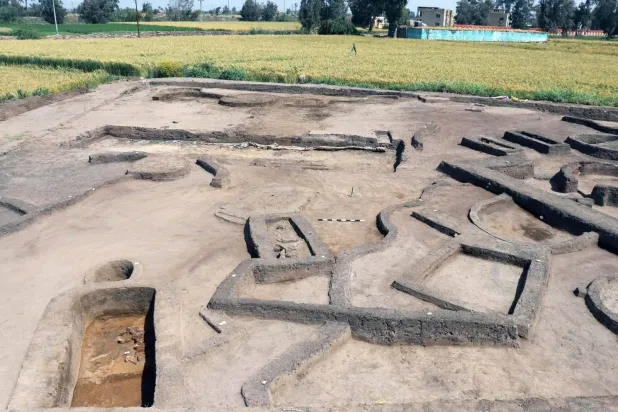
آلاف السنوات تحت الأرض... كشف أثري فريد في دلتا مصر

تعود أقدم المكتشفات في الموقع إلى حضارة مصر السفلى (بوتو الأولى وبوتو الثانية)، التي ترجع إلى النصف الأول من الألف الرابع قبل الميلاد.

«الشرق الأوسط» (القاهرة)
يوميات الشرق عدد من المضبوطات التي عُثر عليها وفقاً لما أعلنته الشرطة الأسترالية (الموقع الرسمي لشرطة كوينزلاند)

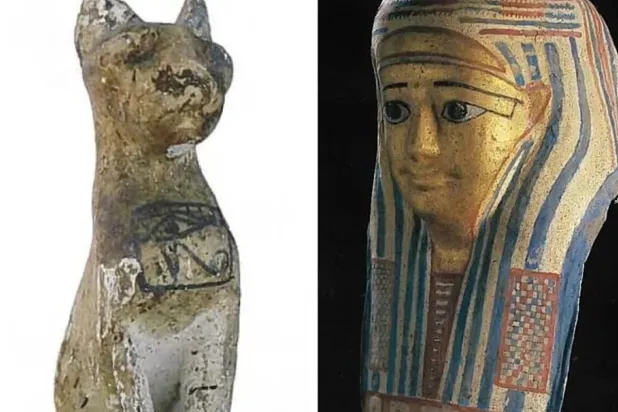
القبض على لص سرق آثاراً مصرية لا تقدر بثمن من متحف أسترالي

ألقت شرطة كوينزلاند القبض على رجل متهم بتدبير عملية سطو جريئة على تحف مصرية لا تقدر بثمن من متحف في أستراليا.

«الشرق الأوسط» (لندن)
ثقافة وفنون زاهي حواس (صفحته على «فيسبوك»)

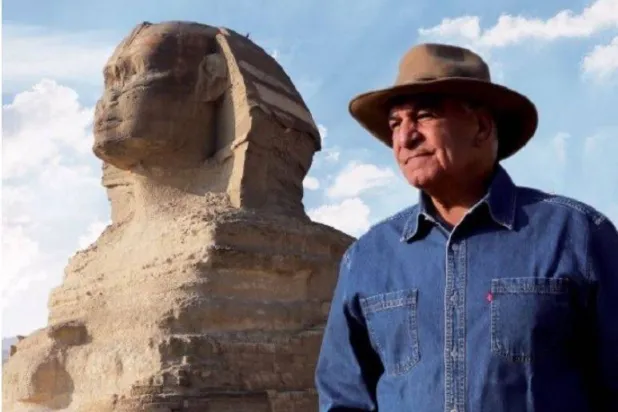
زاهي حواس: الإعلان عن كشف أثري كبير داخل هرم خوفو العام المقبل

كشف عالم المصريات الدكتور زاهي حواس، إن مصر ستعلن العام المقبل عن كشف أثري كبير داخل هرم خوفو العام المقبل.

«الشرق الأوسط» (الشارقة)
يوميات الشرق البهو العظيم للمتحف المصري الكبير (تصوير: عبد الفتاح فرج)

المتحف المصري الكبير يفيض بالزائرين... ويوقف بيع تذاكره

أعلنت وزارة السياحة والآثار تنظيم دخول المتحف وحجز التذاكر بطريقة جديدة بعد الإقبال الكبير الذي شهده المتحف من الزائرين، الجمعة.

محمد الكفراوي (القاهرة )

«شل» لحفر 3 آبار غاز في المياه العميقة المصرية

تتوقَّع «شل» بدء الإنتاج من المرحلة الأولى في «12a» لحفر 3 آبار غاز في المياه العميقة أوائل عام 2028 (إكس)
TT

«شل» لحفر 3 آبار غاز في المياه العميقة المصرية

تتوقَّع «شل» بدء الإنتاج من المرحلة الأولى في «12a» لحفر 3 آبار غاز في المياه العميقة أوائل عام 2028 (إكس)

أعلنت شركة «بي جي دلتا ليمتد»، التابعة لشركة «شل» العالمية، والمصرية القابضة للغازات الطبيعية (إيجاس)، والهيئة المصرية العامة للبترول، و«بتروناس»، اعتماد قرار الاستثمار النهائي في مشروع تطوير المرحلة «12a» ضمن امتياز غرب دلتا النيل العميق، الواقع قبالة سواحل دلتا النيل المصرية في البحر المتوسط.

وتشمل المرحلة «12a» ثلاث آبار غاز في منطقة المياه العميقة، مع توقُّع بدء الإنتاج في أوائل عام 2028.

وأفادت «شل» في بيان صحافي الثلاثاء، بأنَّ المشروع يعتمد على «نموذج التنفيذ الناجح الذي جرى تطبيقه في المرحلتين الـ10 والـ11، حيث سيتم ربط الآبار الـ3 الجديدة بالبنية التحتية القائمة تحت سطح البحر في امتياز غرب دلتا النيل العميق، والتي تتولى تشغيلها شركة البرلس للغاز، بصفتها شركة المشروع المشترك».

وأضافت: «من شأن الاستفادة من المرافق القائمة تقليص دورة تنفيذ المشروع، ورفع كفاءة استخدام رأس المال، والحدِّ من البصمة التشغيلية لأعمال التطوير الجديدة».

وقالت داليا الجابري، رئيس مجلس إدارة «شل مصر»: «من خلال الاستفادة من البنية التحتية القائمة وخبراتنا المُثبتة في تنفيذ مشروعات التطوير، يمكننا تسريع وتيرة التنفيذ، بالتوازي مع تعزيز شراكتنا مع الحكومة المصرية وشركائنا في المشروع، بما يسهم في تلبية احتياجات مصر من الطاقة».

وأوضح البيان أن المشروع يتوافق مع استراتيجية «شل» الهادفة إلى تنمية الموارد ذات الجدوى الاقتصادية المرتفعة، من خلال توجيه الاستثمارات بكفاءة وتعظيم الاستفادة من الأصول. كما يدعم جهود الدولة المصرية لتعزيز إمدادات الغاز إلى السوق المحلية، وترسيخ أمن الطاقة، ودعم مكانة مصر مركزاً إقليمياً للطاقة، من خلال استدامة الإنتاج من أحد أعرق امتيازات الغاز البحرية في منطقة دلتا النيل.


سريلانكا تطرح 4 مناطق أمام شركات التنقيب عن النفط

تعتزم سريلانكا طرح وثائق المزايدة على النفط بدءاً من الثلاثاء مع إتاحة البيانات من 1 سبتمبر المقبل (رويترز)
TT

سريلانكا تطرح 4 مناطق أمام شركات التنقيب عن النفط

تعتزم سريلانكا طرح وثائق المزايدة على النفط بدءاً من الثلاثاء مع إتاحة البيانات من 1 سبتمبر المقبل (رويترز)

قال نايل دي سيلفا، المدير العام لـ«هيئة تنمية قطاع البترول» في سريلانكا، إن «الهيئة» طرحت 4 مناطق بحرية أمام شركات التنقيب عن النفط، في جولة لبيع تراخيص التنقيب الثلاثاء.

ونقلت وكالة «بلومبرغ» عن بيان من «الهيئة» القول إن المناطق البحرية توجد في حقل مانار غرب سريلانكا، وإنها تمتد على مساحة 33 ألفاً و964 كيلومتر مربع.

وستطرح وثائق المزايدة بدءاً من اليوم، مع إتاحة البيانات بدءاً من 1 سبتمبر (أيلول) المقبل.

وأضاف بيان «الهيئة» أن سريلانكا ستلتقي ممثلي شركات الطاقة خلال «قمة الطاقة العالمية» في لندن نهاية سبتمبر المقبل، و«مؤتمر ومعرض آسيا لعلوم الأرض البترولية» في كوالالمبور يومي 16 و17 نوفمبر (تشرين الثاني) المقبل.


New NASA Telescope to Probe Dark Energy, Dark Matter and Exoplanets

NASA's Nancy Grace Roman Space Telescope stands after engineers and technicians working inside the Payload Hazardous Servicing Facility mated the observatory to its payload adapter and a strut payload attach fitting, a specialized piece of hardware designed for large, heavy loads at NASA's Kennedy Space Center in Cape, Canaveral, Florida, US August 7, 2026 NASA/Jolearra Tshiteya via REUTERS
TT

New NASA Telescope to Probe Dark Energy, Dark Matter and Exoplanets

NASA's Nancy Grace Roman Space Telescope stands after engineers and technicians working inside the Payload Hazardous Servicing Facility mated the observatory to its payload adapter and a strut payload attach fitting, a specialized piece of hardware designed for large, heavy loads at NASA's Kennedy Space Center in Cape, Canaveral, Florida, US August 7, 2026 NASA/Jolearra Tshiteya via REUTERS

NASA is preparing to launch its next flagship space observatory, one that scientists plan to use to investigate some of the universe's biggest mysteries including dark energy and dark matter, while also testing gravity at vast scales and hunting for planets beyond our solar system.

The launch of the Nancy Grace Roman Space Telescope, a roughly $4 billion project, is planned for Sunday at NASA's Kennedy Space Center in Florida, with the observatory to be lofted into orbit aboard a SpaceX Falcon Heavy rocket. The launch comes nine months ahead of schedule, according to US space agency officials.

Roman is a follow-on to the Hubble Space Telescope, launched in 1990, and the James Webb Space Telescope, launched in 2021, and has capabilities that can expand on the knowledge gained by those pioneering observatories, both of which continue to operate.

The new telescope's panoramic view of space and its rapid survey speeds offer the opportunity for scientists to study the cosmos as never before, with wide-field surveys examining its structure, composition and evolution.

"Roman's vast reach will allow us to find the weird, the rare and the unusual," Julie McEnery, Roman's senior project scientist ⁠at NASA's Goddard ⁠Space Flight Center in Maryland, told reporters.

"Roman's primary instrument combines exquisite performance and sensitivity with the ability to quickly and efficiently survey the large regions of the sky," Reuters quoted McEnery as saying.

The telescope's main survey will take more than a year, McEnery said.

"The survey will contain over two billion galaxies and enable us to study how the structures in our universe — the stars, the galaxies, the clusters of galaxies — grew and evolved. We'll also measure how our universe has expanded over time. And these are the keys that will allow us to unlock the fundamental nature of dark matter and dark energy and the fabric of the universe itself," McEnery said.

The Big Bang event roughly 13.8 billion years ago initiated the universe, and ⁠it has been expanding ever since. Scientists in 1998 disclosed that this expansion was actually accelerating, with an invisible force called dark energy as the hypothesized reason.

The universe's contents include ordinary matter — stars, planets, gas, dust and all the familiar stuff on Earth — as well as dark matter and dark energy, whose physical nature remains unknown. Ordinary matter represents perhaps 5% of the contents. Dark matter, known through its gravitational influences on galaxies and stars, may represent about 27%. Dark energy may represent about 68%.

"The key questions are: Is dark energy simply a property of empty space that remains constant over time, or does it evolve in time?" cosmologist Mustapha Ishak of the University of Texas at Dallas, a member of Roman's scientific collaboration, told Reuters.

"The recent results from the DESI — Dark Energy Spectroscopic Instrument — collaboration indicate tantalizing hints of a time evolution of dark energy.

Could the observed acceleration instead indicate that our theory of gravity needs modification on the largest scales? Answering these questions is one of the most important goals of modern cosmology," Ishak said.

Physicist Albert Einstein in 1915 presented his theory of general ⁠relativity explaining gravity, and it ⁠remains foundational.

Roman will map how galaxies cluster and how matter bends light through a phenomenon called gravitational lensing.

"These measurements allow us to test whether Einstein's theory remains valid across billions of light-years or whether modifications to gravity (theory) are required," said Ishak. "This is important because it addresses one of the most fundamental questions in physics: What law governs the universe on its largest scales?"

To date, more than 6,350 exoplanets — planets outside our solar system — have been discovered, as scientists search for evidence of potential life beyond Earth.

Roman will conduct one of the most comprehensive searches ever for exoplanets. It is expected to discover thousands of new ones and provide the first statistical census of planetary systems similar to our own. It also will demonstrate new technology to directly image some relatively nearby exoplanets.

After launch and separation from the rocket, the telescope will travel toward a location called Lagrange Point 2, situated about a million miles (1.6 million km) from Earth, about four times the distance to the moon. Webb also resides at this orbital location. Hubble is in low-Earth orbit.

Roman's mission is planned for five years, though NASA said the telescope may have enough fuel for five additional years. US President Donald Trump's administration tried during both his first and second terms to reduce or eliminate funding for Roman, but Congress preserved it.

The telescope is named after Nancy Grace Roman, NASA's first chief astronomer. Roman died in 2018 at age 93.