
عرب و عجم

عرب و عجم
TT

عرب و عجم

عرب و عجم

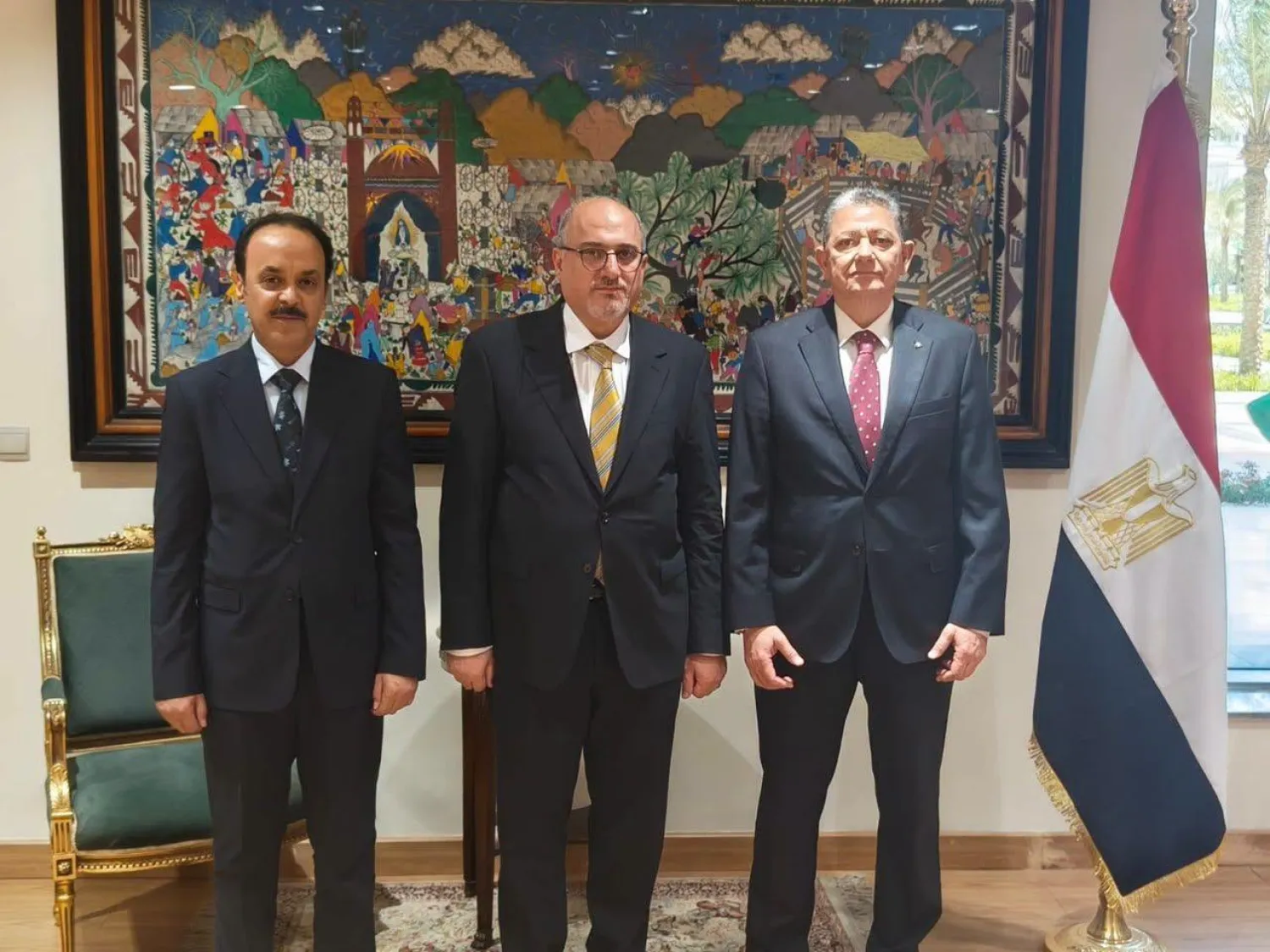
> عبد الله بن سعد الغريري، سفير خادم الحرمين الشريفين لدى المملكة المغربية، حضر الجلسة الافتتاحية للمنتدى القبلي العالمي لحقوق الإنسان، الذي نظمه المجلس الوطني لحقوق الإنسان في المغرب، بقصر المؤتمرات في مدينة سلا، بالتعاون مع المركز الدولي للنهوض بحقوق الإنسان (اليونيسكو)، وذلك بدعوة من رئيسة المجلس الوطني لحقوق الإنسان في المغرب آمنة بوعياش. حضر المنتدى عدد من السفراء وممثلي البعثات الدبلوماسية والمنظمات الدولية المعتمدين لدى المملكة المغربية.
> ياسر علوي، سفير جمهورية مصر العربية لدى لبنان، استقبل رئيس الهيئات الاقتصادية اللبنانية محمد شقير، في مقر السفارة المصرية، وجرى خلال اللقاء البحث في الأوضاع العامة في البلاد وآخر المستجدات على المستوى السياسي، وأكد الطرفان ضرورة انتخاب رئيس جمهورية للبلاد سريعاً، كون ذلك يشكل المدخل الأساسي والوحيد لإنقاذ لبنان.
> عزيز رحيم الديحاني، سفير دولة الكويت لدى الأردن، شهد أول من أمس، حفل استقبال أقامته سفارة الكويت بمناسبة العيد الوطني الثاني والستين وذكرى تحرير الكويت الثانية والثلاثين، وسط مشاركة أردنية كبيرة تُعبر عن عمق ومتانة العلاقات الكويتية الأردنية، كما حضر الحفل عدد من السفراء العرب المعتمدين لدى عمّان في مقدمتهم سفير خادم الحرمين الشريفين لدى الأردن، نايف بن بندر السديري.
> جاريث بايلي، سفير بريطانيا في القاهرة، استقبله أول من أمس، القمص أبرام إميل، وكيل البابا تواضروس الثاني بابا الإسكندرية بطريرك الكرازة المرقسية، وذلك في المقر البابوي بالكنيسة المرقسية بالإسكندرية، الذي قدم له نبذة وشرحاً عن تاريخ الكنيسة المرقسية كرمز وأيقونة للكنيسة القبطية الأرثوذكسية.
> كواك تايول، سفير جمهورية كوريا الجنوبية لدى اليمن، التقى أول من أمس، بوزير الشؤون الاجتماعية والعمل اليمني الدكتور محمد الزعوري، لبحث دعم وتمويل عدد من البرامج والمشاريع المتعلقة بالبناء المؤسسي وتأهيل مراكز الأسر المنتجة في عدد من المحافظات، وتفعيل الشراكة والتنسيق بين الوزارة والوكالة الكورية للتعاون الدولي (كويكا)، خصوصاً في مجالات دعم سبل العيش والتعافي الاقتصادي، وأكد السفير استمرار دعم الحكومة في المجالات كافة، بما يساعدها على تحقيق مواصلة جهودها الرامية لتحسين المستوى الاقتصادي والتنموي.
> وليد الحديد، سفير الأردن لدى لبنان، استقبله أول من أمس، نائب رئيس مجلس النواب اللبناني إلياس بو صعب، في مكتبه بالمجلس، حيث تم عرض الاستحقاقات الداخلية الراهنة.
> الشيخ عبد الله بن ثامر آل ثاني، سفير دولة قطر لدى المغرب، اجتمع أول من أمس، مع رشيد الطالبي العلمي، رئيس مجلس النواب في المملكة المغربية، وجرى خلال الاجتماع استعراض علاقات التعاون الثنائي بين البلدين.
> فيصل بن حارب البوسعيدي، سفير سلطنة عمان لدى مملكة البحرين، استقبله أول من أمس، الفريق أول معالي الشيخ راشد بن عبد الله آل خليفة، وزير الداخلية البحريني، وفي مستهل اللقاء رحب الوزير بالسفير، مشيداً بالعلاقات التاريخية والوثيقة التي تجمع البلدين والشعبين الشقيقين والحرص المتبادل على تعزيز وتطوير مجالات التعاون الثنائي، خصوصاً في المجال الأمني. وتم استعراض العلاقات القائمة بين البلدين الشقيقين، وبحث عدد من الموضوعات التي تسهم في تطوير التعاون والتنسيق الأمني، بما يخدم المصالح المشتركة.
> عبد الله بن فلاح بن عبد الله الدوسري، سفير دولة قطر لدى هنغاريا (المجر)، اجتمع أول من أمس، مع بيتر سيارتو وزير الخارجية والتجارة في هنغاريا، وجرى خلال الاجتماع استعراض علاقات التعاون الثنائي بين البلدين.
> جيسيكا سفاردستروم، سفيرة السويد لدى العراق، التقت أول من أمس، بوزير التعليم العالي والبحث العلمي العراقي نعيم العبودي، لبحث أفق التعاون العلمي والأكاديمي بين جامعات البلدين، وأكد الوزير خلال اللقاء أن الجامعات العراقية مستعدة لتطوير التعاون مع نظيراتها السويدية في مجالات التبادل الثقافي والمنح الدراسية والتوأمة بين الجامعات والبحث العلمي المشترك. من جهتها، أعربت السفيرة عن تقديرها للرؤية التي تعمل بها الوزارة، مؤكدة في الوقت نفسه استعداد بلادها إلى فتح آفاق إيجابية بين المؤسسات التعليمية في كلا البلدين.
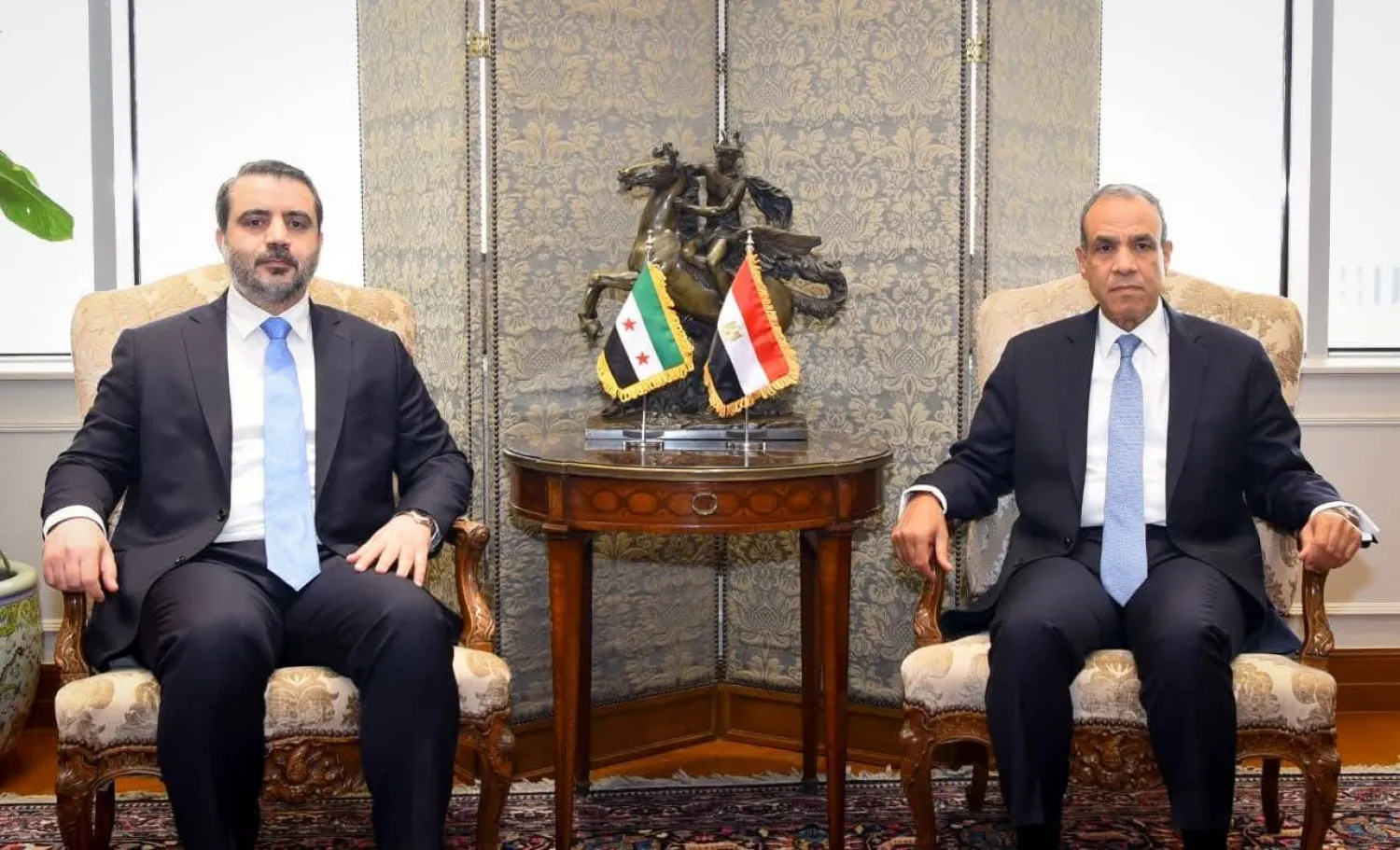
> لويس ماريانو فرنانديس، قدم أول من أمس، نسخة من أوراق اعتماده، سفيراً مفوضاً فوق العادة لجمهورية كوبا لدى الجمهورية العربية السورية، إلى الدكتور فيصل المقداد، وزير الخارجية والمغتربين السوري، وجرى خلال اللقاء التأكيد على عمق العلاقات التاريخية بين البلدين الصديقين، وأهمية الاستمرار في العمل على تطويرها وتعزيزها في المجالات كافة، كما شكر الوزير المواقف الكوبية الداعمة لسوريا التي عبرت عنها القيادة والشعب في كوبا خلال مواجهة سوريا لتداعيات كارثة الزلزال التي أصابتها.


مقالات ذات صلة

عرب وعجم

عرب وعجم

عرب وعجم

> نايف بن بندر السديري، سفير خادم الحرمين الشريفين لدى المملكة الأردنية الهاشمية، استقبل أول من أمس، الدكتور زهير حسين غنيم، الأمين العام للاتحاد العالمي للكشاف المسلم، والوفد المرافق له، حيث تم خلال اللقاء بحث سبل التعاون المشترك بين الجانبين. من جانبه، قدّم الأمين العام درع الاتحاد للسفير؛ تقديراً وعرفاناً لحُسن الاستقبال والحفاوة. > حميد شبار، سفير المملكة المغربية المعتمد لدى موريتانيا، التقى أول من أمس، وزير التجارة والصناعة والصناعة التقليدية والسياحة الموريتاني لمرابط ولد بناهي.

عرب وعجم

عرب وعجم

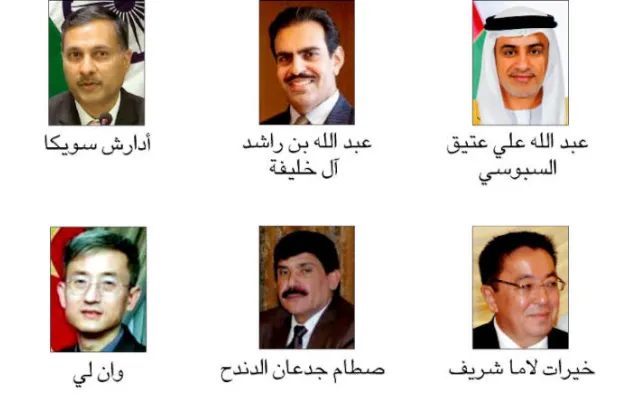
> عبد الله علي عتيق السبوسي، قدّم أول من أمس، أوراق اعتماده سفيراً لدولة الإمارات غير مقيم لدى جزر سليمان، إلى الحاكم العام لجزر سليمان السير ديفيد فوناكي. وتم خلال اللقاء استعراض مجالات التعاون بين دولة الإمارات وجزر سليمان، وبحث سبل تطويرها بما يحقق مصالح وطموحات البلدين والشعبين الصديقين. وأعرب السفير عن اعتزازه بتمثيل دولة الإمارات.

عرب و عجم

عرب و عجم

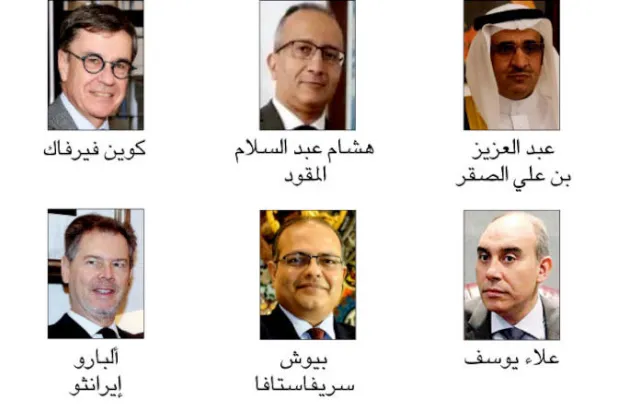
> عبد العزيز بن علي الصقر، سفير خادم الحرمين الشريفين لدى الجمهورية التونسية، استقبله رئيس مجلس نواب الشعب التونسي إبراهيم بودربالة، وجرى خلال اللقاء استعراض العلاقات الثنائية، وسبل دعمها وتعزيزها، وأشاد بودربالة بالعلاقات الأخوية التي تربط البلدين الشقيقين.

عرب وعجم

عرب وعجم

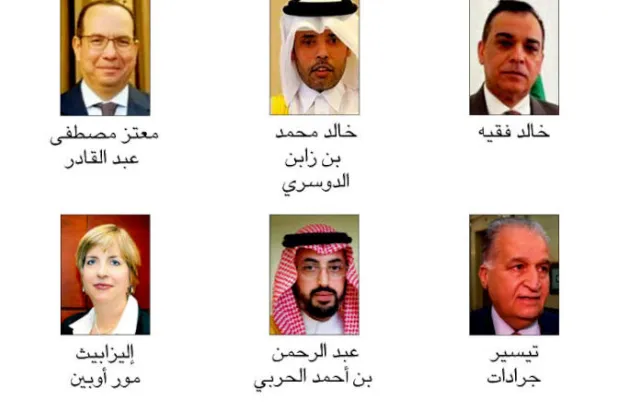
> خالد فقيه، سفير خادم الحرمين الشريفين لدى جمهورية بلغاريا، حضر، مأدبة غداء بضيافة من ملك جمهورية بلغاريا سيميون الثاني، في القصر الملكي.

عرب وعجم

عرب وعجم

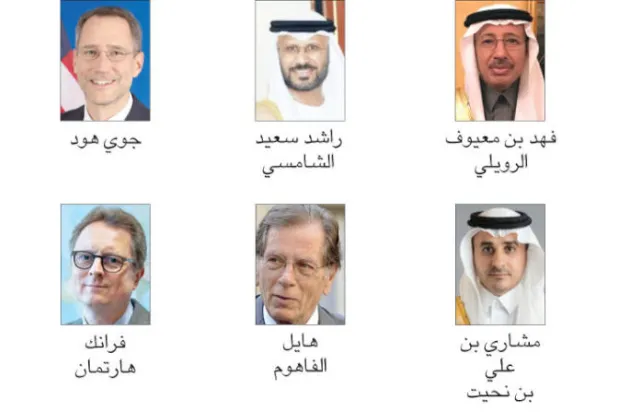
> فهد بن معيوف الرويلي، سفير خادم الحرمين الشريفين لدى جمهورية فرنسا، أدى أول من أمس، صلاة عيد الفطر في مسجد باريس الكبير، تلاها تبادل التهاني بين السفراء ورؤساء الجالية المسلمة الفرنسية، في الحفل الذي رعاه عميد المسجد حافظ شمس الدين، وذلك بحضور عدد من المسؤولين الفرنسيين لتهنئة مسلمي فرنسا بعيد الفطر.


«ألعاب آسيا»: «أخضر 21» يتأهب لقطر بمران تكتيكي

من تدريبات الأخضر في اليابان (الشرق الأوسط)
TT

«ألعاب آسيا»: «أخضر 21» يتأهب لقطر بمران تكتيكي

من تدريبات الأخضر في اليابان (الشرق الأوسط)

أجرى المنتخب السعودي «تحت 21 عاماً» الثلاثاء، حصة تدريبية في اليابان، استعداداً لخوض منافسات لعبة كرة القدم ضمن دورة الألعاب الآسيوية (ناغويا 2026)، والتي ستستمر حتى الرابع من شهر أكتوبر (تشرين الأول) المقبل.

وتضمنت الحصة التدريبية للأخضر، مراناً لياقياً، تلاه مران تكتيكي، ومناورة على منتصف الملعب، تحت إشراف المدرب الإيطالي لويجي دي بياجو.

ويستكمل أخضر 21 عاماً الأربعاء تدريباته استعداداً لمواجهة منتخب قطر الجمعة.

يُذكر أن المنتخب السعودي سيلعب في المجموعة الرابعة من منافسات كرة القدم في دورة الألعاب الآسيوية والتي تضم إلى جانبه منتخبي كوريا الجنوبية وقطر.

وتواصل منتخبات السعودية برامجها التدريبية في معسكر الفريق بمدينة فوجي، حيث أجرى لاعبو ألعاب القوى والكاراتيه حصصهم التدريبية ضمن البرنامج الإعدادي المعد لكل رياضة، والتي اشتملت على تدريبات فنية وبدنية، بهدف رفع مستوى الجاهزية والوصول إلى أفضل إعداد ممكن قبل انطلاق منافساتهم في دورة الألعاب الآسيوية.

ووصل لاعبو منتخب السعودية للإسكواش ورفع الأثقال اليوم الثلاثاء، إلى معسكر فريق السعودية في مدينة فوجي اليابانية، ضمن التحضيرات النهائية للمشاركة في دورة الألعاب الآسيوية العشرين «آيتشي ناغويا 2026».

ويمثل أخضر الإسكواش اللاعب محمد آل نصفان، فيما يضم فريق رفع الأثقال كلاً من سراج آل سليم، وعقيل الجاسم، وعلي الخزعل، حيث يستكمل اللاعبون في المعسكر برنامجهم الإعدادي قبل الانتقال لخوض منافسات الدورة.


نائب جمهوري يبدأ إجراءات لعزل وزير الدفاع الأميركي

وزير الدفاع الأميركي بيت هيغسيث خلال فعالية في البنتاغون الأميركي... 15 سبتمبر 2026 (د.ب.أ)
TT

نائب جمهوري يبدأ إجراءات لعزل وزير الدفاع الأميركي

وزير الدفاع الأميركي بيت هيغسيث خلال فعالية في البنتاغون الأميركي... 15 سبتمبر 2026 (د.ب.أ)

قدّم النائب الجمهوري في الكونغرس الأميركي توماس ماسي، الثلاثاء، بنوداً لإجراءات عزل وزير الدفاع بيت هيغسيث، متهماً إياه بإساءة استخدام منصبه من خلال تنفيذ أمر بشن أعمال قتالية ضد إيران دون موافقة الكونغرس، وفق ما نقلته وكالة «رويترز» للأنباء.

ومن غير المرجح أن تتم المصادقة على قرار إجراءات العزل، لكن هذه الخطوة التي اتخذها النائب الجمهوري عن ولاية كنتاكي قد تفرض إجراء تصويت في مجلس النواب، وهو ما قد يشكل صعوبة لبعض زملائه الجمهوريين الذين يستعدون لمغادرة واشنطن قبل انتخابات التجديد النصفي المقررة في نوفمبر (تشرين الثاني).

وقال المتحدث باسم البنتاغون كينغسلي ويلسون في بيان أرسله عبر البريد الإلكتروني: «الوزارة بأكملها متحدة خلف رؤية الوزير وستواصل العمل لوضع مقاتلينا ومصلحة أميركا في المقام الأول».

وقدّم ماسي بنود قرار العزل ضد هيغسيث باعتبارها ذات أولوية، ما يعني أنه يتعيّن على مجلس النواب أن ينظر فيها في غضون يومين من العمل التشريعي.

النائب الأميركي توماس ماسي يتحدث إلى أحد الصحافيين بعد تقديمه بنوداً لإجراءات عزل وزير الدفاع بيت هيغسيث... في قاعة مجلس النواب الأميركي في مبنى الكابيتول بالعاصمة واشنطن... 15 سبتمبر 2026 (رويترز)

ولن يترشح ماسي، وهو منتقد صريح للحرب على إيران والمساعدات المقدمة لإسرائيل، لإعادة انتخابه. فقد خسر الانتخابات التمهيدية في مايو (أيار) أمام مرشح مدعوم من الرئيس الجمهوري دونالد ترمب، بعد أن أغضب ماسي الرئيس بقيادته حملة لكشف ملفات وزارة العدل المرتبطة برجل الأعمال الراحل المدان بجرائم جنسية جيفري إبستين.

وهُزم ماسي أمام إد غالرين المدعوم من ترمب والذي يحظى بدعم مالي ضخم من الجماعات المؤيدة لإسرائيل.

وتشير استطلاعات الرأي إلى أن الحرب التي بدأت بهجمات شنتها الولايات المتحدة وإسرائيل على إيران في 28 فبراير (شباط) لا تحظى بشعبية لدى الناخبين. وصوّت أعضاء الكونغرس، ومعظمهم من الديمقراطيين، مراراً لصالح قرارات تدعو ترمب إلى إنهاء الصراع ما لم يحصل على دعم الكونغرس، لكن هذه القرارات لم تؤدِّ إلى وقف الأعمال القتالية.

وتشير استطلاعات الرأي إلى أن الجمهوريين الموالين لترمب يواجهون معركة شاقة للحفاظ على سيطرتهم على مجلسي النواب والشيوخ عندما يتوجه الناخبون إلى صناديق الاقتراع في الثالث من نوفمبر.

وأظهرت نتائج استطلاع أجرته «رويترز/إبسوس» ونُشرت أمس الاثنين، أن الديمقراطيين يتقدمون على الجمهوريين بنسبة 44 في المائة مقابل 37 في المائة في تفضيلات التصويت للكونغرس.

وتراجعت شعبية ترمب منذ أن شن الحرب التي عطلت شحنات النفط ودفعت أسعار الوقود إلى مستويات قريبة من أعلى مستوياتها على الإطلاق، ما أثر سلباً على الوضع المالي للأسر الأميركية.


Syria’s New Army: Renaming Units or Institutional Restructuring?

A military parade during a graduation ceremony for personnel of the Syrian army’s 56th Division on June 1, 2025. (Defense Ministry)
TT

Syria’s New Army: Renaming Units or Institutional Restructuring?

A military parade during a graduation ceremony for personnel of the Syrian army’s 56th Division on June 1, 2025. (Defense Ministry)

Syria's drive to build a national army has entered its most difficult phase: dismantling the armed factions that were formally absorbed into the Defense Ministry after the fall of Bashar al-Assad but retained their commanders, local loyalties, and financial networks.

The first stage of the process grouped more than 100 former factions into about 22 army divisions, according to Syrian reporting. That created a formal chain of command without fully eliminating the organizations that had fought the war. In practice, some units remained closely tied to their former leaders, strongholds, and economic interests.

Damascus is now reassigning commanders and fighters, changing deployments, and placing divisions under a proposed five-corps structure divided by region. The objective is to prevent former factions from operating as power blocs inside the army and to make military decisions answerable to the state.

That arrangement, however, did not end factionalism. It was the first stage of a difficult integration process.

The factions adopted new labels, including divisions and brigades, within the ministry's new structure, but did not fully shed their old organizations or the networks of influence and loyalty they had built during the war.

In many cases, they remained tied to their former strongholds, loyal to their commanders and connected to economic, administrative, and social networks.

The process, therefore, resembled the grouping of factions under one umbrella more than the creation of a unified institutional army.

Dismantling factional blocs

Damascus later moved into a clearer second phase of rebuilding the military: reorganizing units, combining them into new formations, and dismantling factional blocs from within.

This more sensitive phase seeks to break up the power blocs inherited by the new army. Personnel have been reassigned across formations to limit groups’ ability to retain their old structures or to recreate separate centers of influence within the military.

Sources who spoke to Asharq Al-Awsat said this was among the most difficult stages of restructuring the army.

The challenge was no longer simply to bring factions into an entity called the army, but to "clip the factions' wings inside that army." Some factions that became Defense Ministry divisions after Assad's fall retained their organizational cohesion and regional character.

Loyalty to commanders also endured to varying degrees, alongside financial, administrative, and social networks built over more than a decade.

An unfinished transition

The process has not reached its final goal. Some army divisions still retain elements of their previous structures, while plans continue to redistribute them, appoint new commanders, and change their deployment areas and missions.

The Syrian army is therefore caught between two models: the limited administrative absorption of factions that followed Assad's fall, and an institutional army in which factional and regional loyalties disappear and the chain of command and military decisions are tied to the Syrian state.

An informed source told Asharq Al-Awsat that "the Syrian state is completing the compulsory integration of all factions and weakening the sources of power they enjoyed in recent years."

The source said the step was essential because Damascus could not establish a unified army or a stable state without it.

The source, who asked not to be named, said the recent dismantling of military blocs included Jaysh al-Islam, which was folded into the 70th Division, as well as the Sultan Suleiman Shah group, commonly known as al-Amshat, the Hamza Division and Ahrar al-Sharqiya.

Similar moves had already affected Ahrar al-Sham and the Levant Front, the source said. Those cohesive factions held economic and regional interests, but President Ahmed al-Sharaa's administration had gradually and quietly dismantled them, reducing their weight within the army.

Factions inside the state

The central task now is to restructure the security and military institutions after the factions joined them, and then dismantle factional structures within the Syrian state.

Some factions remain in the army, but most formations that belonged to the former Syrian National Army have been dismantled, the source said. The Syrian Free Army, a former key US ally based at al-Tanf near the Jordanian border, is also being dismantled, according to the source.

The source said al-Sharaa's administration was fully coordinating with Türkiye and the United States to break up factions within the new army.

Figures such as Abu Amsha, Hatem Abu Shaqra, and Saif Bakour Bolad were Turkish allies, and officials had once expected that sidelining them might prompt Ankara to object. The opposite occurred, the source said, with Türkiye now supporting the dismantling of groups it had previously backed.

HTS in the new structure

Despite efforts to integrate the factions and build a cohesive military, the source said the final structure of the army and security services was intended to keep officers and commanders from Hayat Tahrir al-Sham, as well as prominent former Nusra Front commanders, in key command and decision-making posts.

The source said defected officers and leaders of dissolved factions who were appointed to new positions would ultimately report to an HTS figure.

The source described the approach as logical during a sensitive period in which the state faced major internal and external challenges. Political action required a solid core and internal cohesion, the source said, arguing that institutions would remain vulnerable to infiltration and internal rivalry unless the authorities could rely on pivotal military and security decisions.

The commanders' account

Colonel Abdul Muti al-Halabi, a commander in the new Syrian army who was formerly among the Nusra Front's senior ranks, told Asharq Al-Awsat that dismantling the factions was "not aimed at anyone" but was "an existential necessity for building a real military institution."

Keeping factions together as cohesive blocs inside the army would preserve multiple loyalties within the institution, threatening military and security decisions and leaving the state fragile, he said.

"We cannot build a national army if every group continues to regard itself as an independent entity with its own economy and loyalties," Halabi said, adding that the state was reassigning commanders and personnel.

Halabi disputed reports that corps commanders were being selected exclusively from HTS. He said HTS was the first group to dissolve itself and merge into the state, and that it had more organizational, security and administrative experience than other factions. It had governed Idlib, managed complex security operations and developed the ability to control territory and institutions, he said.

"If we kept the previous arrangement, regional sensitivities and old loyalties would return," Halabi said. "At this stage, we want a unified, solid leadership that is not subject to rival pressures, with everyone taking part without discrimination."

Five corps and expected changes

Rashid Hourani, a military affairs specialist at the Jusoor Center for Studies, told Asharq Al-Awsat that the new structure would probably retain a five-corps model, although commanders, troop composition, deployment areas and operational duties could change.

The previous phase had shown the need to make the formations more mobile in responding to internal and external threats, he said. The next structure could therefore change commanders and adapt each corps' methods to its assigned mission.

Hourani said the reorganization was part of a broader effort to rebuild the Syrian army and develop its working methods for the state's next phase.

Syrian news outlets reported that the proposed arrangements would place the eastern corps under Brigadier General Ahmed Mohammed al-Jassem, known as Abu Mohammed Shoura, whose name had previously been associated with command of the 66th Division.

Other reports said Brigadier General Awad al-Jassem, known as Abu Qutaiba al-Shami and previously linked to the 60th Division, would command the northern region as its four divisions were reorganized.

Some sources named Brig. Gen. Haitham al-Ali, known as Abu Muslim Afes, as the prospective commander of the central corps. Other reports said the Damascus corps would be led by Brigadier General Omar Mohammed Jaftashi, known as Mukhtar al-Turki, who currently commands the Damascus Division.

Local platforms reported that Brig. Gen. Munir al-Sheikh, known as Abu Osama, would oversee the western region and the coast through a corps comprising four recently reorganized divisions.

The problem of more radical factions

Halabi said the state was dealing carefully with more radical factions and would distribute their personnel among the corps to prevent them from forming blocs inside the army.

"These factions have important combat experience, but they must operate within an institution, not with the mentality of a group or organization," he said. "They will therefore be distributed carefully among the corps so that they are absorbed into the new military structure."

The main challenge was to move from a factional mentality to a state mentality, Halabi said.

Hourani said foreign fighters, including Turkistanis and others, had joined the army, particularly the 84th Division, and were in principle subject to the same military rules and laws as other units.

"Foreign Islamist groups joined the army, particularly the 84th Division, and the rules that apply to all military units now apply to them," he said. "Any violations are handled under the military law in force."

Asked whether international demands could lead to further moves against radical factions inside military formations, Hourani said the issue would remain part of the army-building process and its effort to draw lessons from earlier phases. He said two main considerations governed the matter, but the source text did not specify them.

How the factions view restructuring

Hourani said factions that joined the Defense Ministry understood the difference between formations created during the campaign to overthrow Assad and the requirements of an army operating through state institutions.

The factions had largely accepted integration even though Western reports warned about the method and its effects, he said. Their shared objective had eased the task and allowed the army formation to proceed smoothly.

Hourani said the continued presence of some commanders associated with particular factions reflected the experience accumulated by HTS's military wing before Assad's fall.

HTS's military wing had developed substantially in training, organization and methods of warfare, and the leadership now wanted to use that experience, he said.

Syrian Turkish coordination and a US role

Hourani said Syrian-Turkish military coordination was public and included organization and training, as reflected in repeated visits by senior military officials from both countries.

He said Washington had accepted that cooperation. He also referred to US congressional scrutiny of the Syrian government's counterterrorism performance as part of the consideration of future security cooperation.

Türkiye's aims

Hourani said Türkiye's role in building the Syrian army served objectives tied to Turkish national security as well as Ankara's political and military position in Syria and the region.

He said the aims included building a unified Syrian army that would prevent separatist entities from threatening Türkiye, citing the former presence of the Kurdish-led Syrian Democratic Forces in eastern Syria.

He also cited Türkiye's desire to strengthen its political and military influence, draw on its experience training armed forces in African states and support a Syrian administration it had backed during the uprising.

Building an army rather than merely merging factions

Syria's military restructuring shows that Damascus faces a challenge that goes beyond merely placing former armed factions under the Defense Ministry. It must also end their ability to operate as independent blocs within the armed forces.

The first phase brought factions under the state umbrella. The current phase focuses on dismantling their internal structures, reassigning personnel and commanders, and adjusting deployments and missions to prevent regional and factional loyalties from re-emerging.

Military officials say the goal is a unified army for all Syrians. Questions remain, however, about the authority that figures drawn from HTS will retain, the doctrine of the new military and the limits of Turkish and international influence over its development.

The restructuring is ultimately a test of whether Syria's new state can move from an alliance of victorious factions to a military institution subordinate to the state. The process remains unfinished, and its outcome will help shape Syria's government and security.