تركيا تتمسك بـ«المخلب ـ السيف»... وتجهز حلفاءها السوريينhttps://aawsat.com/home/article/4002646/%D8%AA%D8%B1%D9%83%D9%8A%D8%A7-%D8%AA%D8%AA%D9%85%D8%B3%D9%83-%D8%A8%D9%80%C2%AB%D8%A7%D9%84%D9%85%D8%AE%D9%84%D8%A8-%D9%80-%D8%A7%D9%84%D8%B3%D9%8A%D9%81%C2%BB-%D9%88%D8%AA%D8%AC%D9%87%D8%B2-%D8%AD%D9%84%D9%81%D8%A7%D8%A1%D9%87%D8%A7-%D8%A7%D9%84%D8%B3%D9%88%D8%B1%D9%8A%D9%8A%D9%86
تركيا تتمسك بـ«المخلب ـ السيف»... وتجهز حلفاءها السوريين
أميركا تعارض أي تحرك عسكري... وموسكو تدعو إلى «ضبط النفس»
مقاتلون موالون لتركيا من فصيل «سليمان شاه» في المعارضة السورية خلال عرض عسكري بعفرين أمس (أ.ف.ب)
تركيا تتمسك بـ«المخلب ـ السيف»... وتجهز حلفاءها السوريين
مقاتلون موالون لتركيا من فصيل «سليمان شاه» في المعارضة السورية خلال عرض عسكري بعفرين أمس (أ.ف.ب)
تمسكت تركيا، أمس، بإطلاق عملية عسكرية برية في شمال سوريا ضد مجموعات كردية مسلحة تتَّهمها بالإرهاب، رغم تحذيرات أميركية وروسية ودعوات إلى التهدئة.
وبعد أيام من إطلاق أنقرة عملية قصف جوي تحت مسمى «المخلب - السيف» في شمال سوريا والعراق، أكد الرئيس التركي رجب طيب إردوغان، أمس (الثلاثاء)، أنَّ بلاده ستشن «قريباً» عملية برية في سوريا، مضيفاً في خطاب متلفز: «حلقنا فوق الإرهابيين لبضعة أيام بطائراتنا ومدافعنا ومسيَّراتنا... إن شاء الله سنقتلعهم جميعاً قريباً بالدبابات والمدفعية والجنود».
وجاء كلامه في وقت دعا فيه وزير الدفاع التركي خلوصي أكار، الولايات المتحدة، إلى وقف دعمها لـ«حزب العمال الكردستاني» و«وحدات حماية الشعب» الكردية، مؤكداً تحييد (قتل) ثلاثة آلاف و858 «إرهابياً» داخل البلاد وفي شمال سوريا والعراق منذ مطلع العام.
ونقلت وكالة «رويترز» عن مصادر تركية وأخرى من المعارضة السورية، أمس، أنَّ طائرات حربية تركية اخترقت المجال الجوي الذي تسيطر عليه روسيا والولايات المتحدة للمرة الأولى لمهاجمة الأكراد في سوريا، مشيرة إلى أنَّ الأتراك يحشدون حلفاء سوريين لتوسيع حملتهم. وأضافت الوكالة، نقلاً عن ثلاثة مصادر، أنَّ تركيا «أعدت معارضين سوريين بالوكالة لعملية موسعة محتملة، لكنَّها لم تتخذ قراراً بعد».
في غضون ذلك، صرَّح الناطق باسم الخارجية الأميركية بأنَّ الولايات المتحدة تعارض أي تحرك عسكري يزعزع استقرار الوضع في سوريا. وأوضح أنَّ واشنطن أبلغت أنقرة قلقها البالغ من تأثير التصعيد على هدف محاربة تنظيم «داعش».
من جهتها، عبرت روسيا عن أملها في أن تتحلى تركيا بـ«ضبط النفس»، وأن تمتنعَ عن أي استخدام مفرط للقوة في سوريا. ... المزيد
استبقت تركيا انعقاد الاجتماع الرباعي لوزراء خارجيتها وروسيا وإيران وسوريا في موسكو في 10 مايو (أيار) الحالي في إطار تطبيع مسار العلاقات مع دمشق، بمطالبتها نظام الرئيس بشار الأسد بإعلان موقف واضح من حزب «العمال الكردستاني» والتنظيمات التابعة له والعودة الطوعية للاجئين والمضي في العملية السياسية.
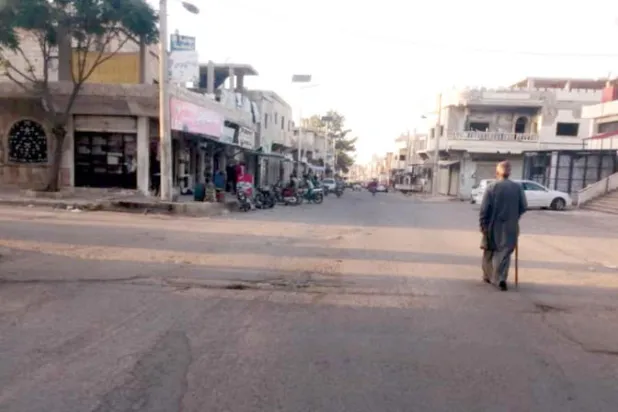
أجرت اللجنة الأمنية التابعة للنظام السوري في محافظة درعا (جنوب سوريا) اجتماعات عدة خلال الأيام القليلة الماضية، آخرها أول من أمس (الأربعاء)، في مقر الفرقة التاسعة العسكرية بمدينة الصنمين بريف درعا الشمالي، حضرها وجهاء ومخاتير ومفاوضون من المناطق الخاضعة لاتفاق التسوية سابقاً وقادة من اللواء الثامن المدعوم من قاعدة حميميم الأميركية.
مصدر مقرب من لجان التفاوض بريف درعا الغربي قال لـ«الشرق الأوسط»: «قبل أيام دعت اللجنة الأمنية التابعة للنظام السوري في محافظة درعا، ممثلةً بمسؤول جهاز الأمن العسكري في درعا، العميد لؤي العلي، ومحافظ درعا، لؤي خريطة، ومسؤول اللجنة الأمنية في درعا، اللواء مفيد حسن، عد
أجرى وزير الخارجية المصري سامح شكري اتصالات هاتفية مع نظرائه في 6 دول عربية؛ للإعداد للاجتماع الاستثنائي لوزراء الخارجية العرب بشأن سوريا والسودان، المقرر عقده، يوم الأحد المقبل.
وقال المتحدث الرسمي باسم وزارة الخارجية المصرية، السفير أحمد أبو زيد، في إفادة رسمية، الخميس، إن شكري أجرى اتصالات هاتفية، على مدار يومي الأربعاء والخميس، مع كل من وزير خارجية السودان علي الصادق، ووزير خارجية السعودية فيصل بن فرحان، ووزير خارجية العراق فؤاد محمد حسين، ووزير خارجية الجزائر أحمد عطاف، ووزير خارجية الأردن أيمن الصفدي، ووزير خارجية جيبوتي محمود علي يوسف.
وأضاف أن «الاتصالات مع الوزراء العرب تأتي في إطار ا
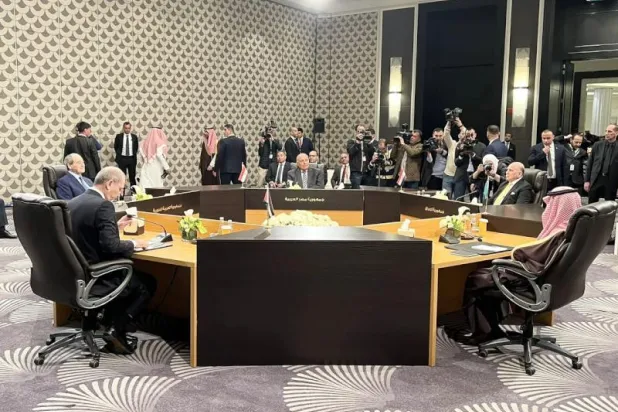
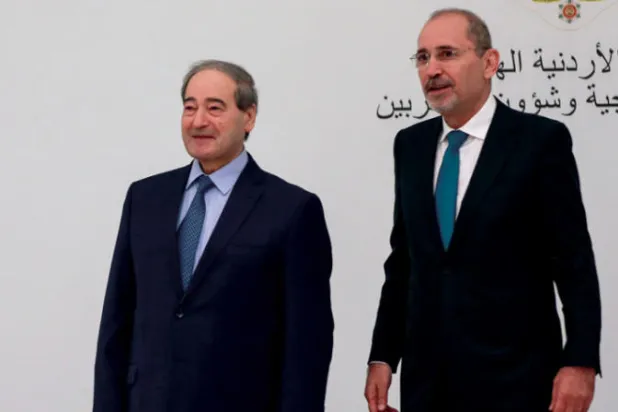
أطلق الأردن سلسلة اتصالات مع دول عربية غداة استضافته اجتماعاً لبحث مسألة احتمالات عودة سوريا إلى الجامعة العربية، ومشاركتها في القمة المقبلة المقرر عقدها في المملكة العربية السعودية هذا الشهر. وقالت مصادر أردنية لـ«الشرق الأوسط»، إن اجتماع عمّان التشاوري الذي عُقد (الاثنين) بحضور وزراء خارجية مصر والسعودية والعراق والأردن وسوريا، ناقش احتمالات التصويت على قرار عودة سوريا إلى الجامعة العربية ضمن أنظمة الجامعة وآليات اعتماد القرارات فيها. وفي حين أن قرار عودة سوريا إلى الجامعة ليس مقتصراً على الاجتماعات التشاورية التي يعقدها وزراء خارجية مصر والسعودية والعراق والأردن، فإن المصادر لا تستبعد اتفاق
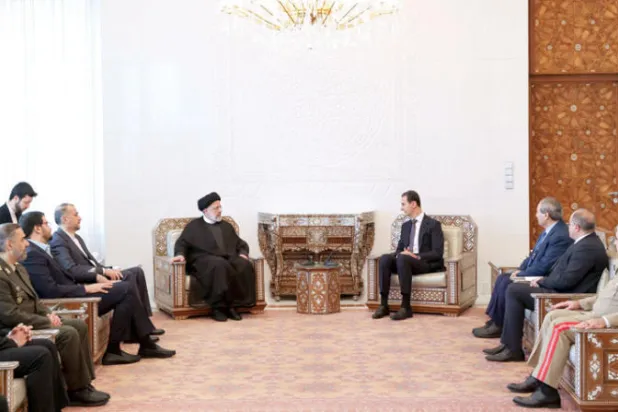
بدأ الرئيس الإيراني إبراهيم رئيسي أمس (الأربعاء) زيارة لدمشق تدوم يومين واستهلها بجولة محادثات مع نظيره السوري بشار الأسد تناولت تعزيز العلاقات المتينة أصلاً بين البلدين. وفيما تحدث رئيسي عن «انتصارات كبيرة» حققتها سوريا، أشار الأسد إلى أن إيران وقفت إلى جانب الحكومة السورية مثلما وقفت هذه الأخيرة إلى جانب إيران في حرب السنوات الثماني مع إيران في ثمانينات القرن الماضي. ووقع الأسد ورئيسي في نهاية محادثاتهما أمس «مذكرة تفاهم لخطة التعاون الاستراتيجي الشامل الطويل الأمد». وزيارة رئيسي لدمشق هي الأولى التي يقوم بها رئيس إيراني منذ 13 سنة عندما زارها الرئيس السابق محمود أحمدي نجاد.
«الشرق الأوسط» (دمشق)
Berri Reins In Hezbollah Campaign against Lebanese Prime Ministerhttps://aawsat.com/node/5326496
Berri Reins In Hezbollah Campaign against Lebanese Prime Minister
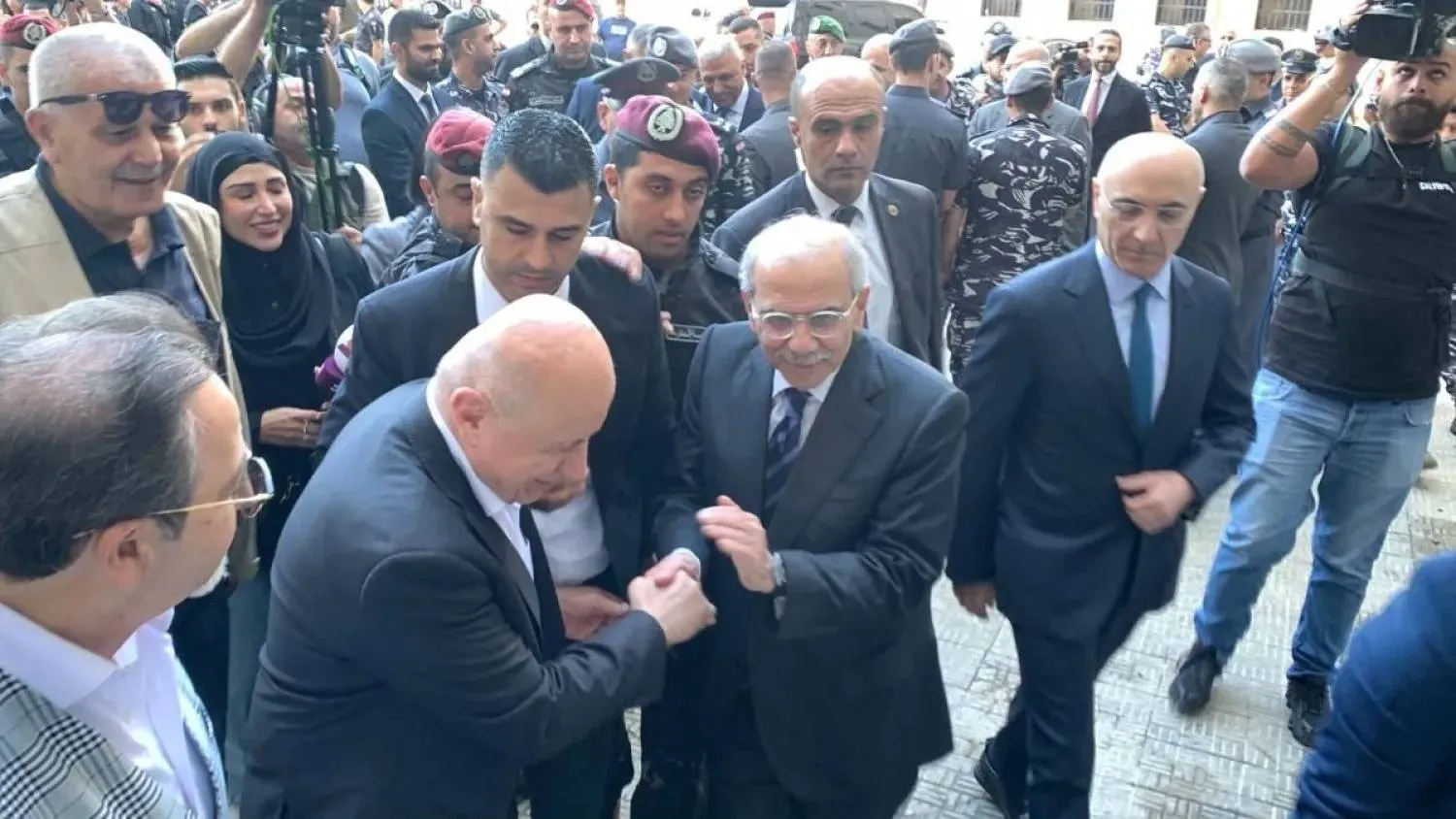
Lebanese Prime Minister Nawaf Salam inspects the Nabatieh Gendarmerie unit last Friday (National News Agency)
Lebanese Parliament Speaker Nabih Berri has moved to rein in political attacks by his ally Hezbollah against Prime Minister Nawaf Salam, with sources close to Berri telling Asharq Al-Awsat that he pushed for a de-escalation between Salam and a large segment of residents in southern Lebanon.
The shift was reflected in Salam’s visit to Nabatieh on Friday and reinforced in a Sunday interview on NBN, a channel affiliated with Berri’s Amal Movement. Salam reiterated the government’s position on Israel’s withdrawal from southern Lebanon and its commitment to restoring the state’s role and activating its institutions there.
Salam’s meetings Monday offered further signs of a drive to strengthen the state’s presence in the south. He met Berri to discuss political and field developments, pressing social and economic conditions, the outcome of his US visits and his Nabatieh tour and projects launched there, the speaker’s office said.
At the Grand Serail, Salam met Head of Council for the South Hashem Haidar, who briefed him on the council’s work and projects announced during the Nabatieh visit and steps taken to begin them.
Positive signs
Friday’s trip was Salam’s third visit to the south in three months. It was notably coordinated, with Amal MP Hani Qobeissi welcoming him alongside Finance Minister Yassin Jaber, himself from Nabatieh, and Interior Minister Ahmad al-Hajjar. Municipal leaders from Nabatieh-area villages aligned with Hezbollah also joined the reception.
Although Hezbollah’s political representatives were absent, the group issued no statement criticizing the visit or Salam, unlike on previous occasions — a sign of the de-escalation promoted by Berri.
Sources following the visit noted that the tour and meetings “repaired a large part of the relationship between Salam and the people of the region.” They said Hezbollah MP Mohammad Raad, the party’s representative in Nabatieh, was absent because he does not attend social occasions for security reasons. Hezbollah-aligned municipalities took part, while opposition to the visit appeared marginal.
In another sign of de-escalation, Hezbollah MP Hassan Fadlallah said Monday the group supported strengthening the state’s role in the south and having it assume full responsibility, “but that begins with expelling the occupation, stopping the aggression and ending this bulldozing operations and destruction in our villages.”
He urged the state to match words with actions, backed development initiatives in the south and called for the disbursement of a $250 million World Bank loan, part of which is allocated to the region, as well as increased government spending there in the 2027 budget.
Berri consistent with his demands
Unlike Hezbollah, which has attacked Salam in recent months, communication between the prime minister and Berri has continued. Berri has pressed for activating state institutions in the south, securing stability and the ceasefire, enabling residents to return to their villages and providing services to bolster their steadfastness, despite opposing direct negotiations with Israel and having earlier declared the “framework agreement” defunct.
Amal sources told Asharq Al-Awsat that Berri was consistent with his demand for state institutions to be present in the south. Salam’s visit, they said, confirmed the executive authority’s intention to strengthen that presence, making it natural for Amal and its Development and Liberation bloc to “meet it halfway.”
The sources underlined that the visit “soothed the wounds of southerners” and opened the door to a stronger state presence. They also pointed to Salam’s acknowledgment that resources were limited and reconstruction required international support because Lebanon could not undertake it alone.
‘No punishment of any community’
In Sunday’s NBN interview, Salam said: “The state cannot remain in a state of waiting. We must go to the south and to all regions and assume our responsibilities.”
He reiterated the need to stop Israeli attacks, consolidate the ceasefire, secure Israel’s withdrawal from occupied Lebanese territory and work for the release of prisoners.
“When I return for a fourth time to Nabatieh and Tyre, I want to see with my own eyes that water and electricity have been restored, that the contracts we launched are actually being implemented, that schools are being repaired, and that our people are returning and feel safe,” Salam added.
“If I wanted to punish a particular community, I would not personally be following these operations and the response to demands every day.”
Salam stressed that dialogue with all sides remained open, adding that agreed measures now had to be implemented and each side must honor its commitments.
Addressing residents of the south, he said: “You are not alone. The state is with you, beside you and at your service,” citing the presence of security agencies, institutions and services in Nabatieh.
World Bank to Asharq Al-Awsat: Easing of Hormuz Shock to Drive Saudi Growth to 7.9% in 2027https://aawsat.com/node/5326495
World Bank to Asharq Al-Awsat: Easing of Hormuz Shock to Drive Saudi Growth to 7.9% in 2027
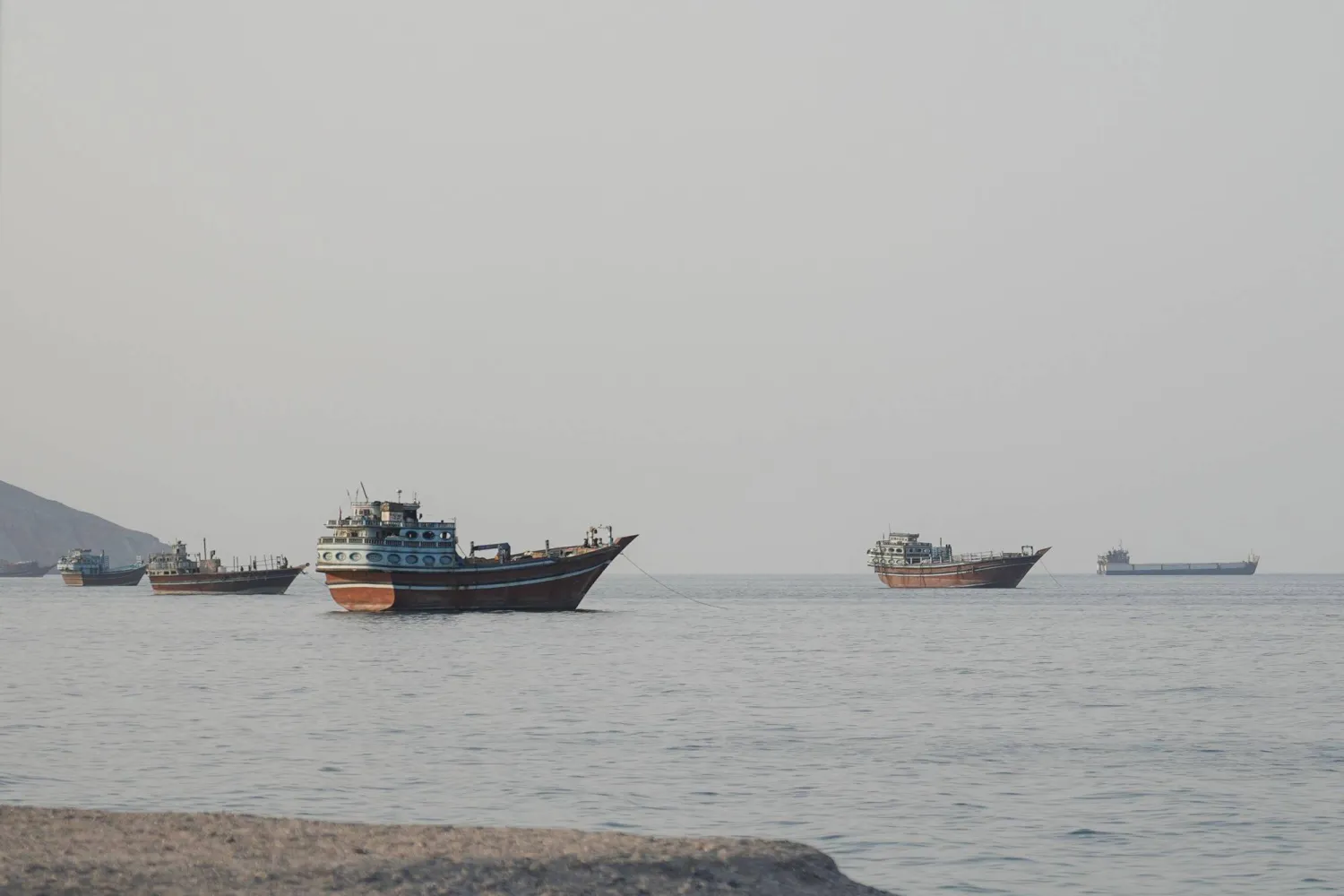
Ships are anchored off the coast of Khasab in Oman's Musandam Governorate, near the Strait of Hormuz, on October 2, 2026. (Photo by AFP)
Saudi Arabia's economy is expected to stage a strong rebound in 2027 as the effects of disruptions to energy and trade flows fade. The World Bank forecasts the Kingdom's GDP to grow by 7.9 percent next year, following a projected 2 percent contraction in 2026.
The crisis linked to the Strait of Hormuz closure has demonstrated that diversifying sources of economic growth is just as important as diversifying energy export routes and logistics infrastructure.
In an interview with Asharq Al-Awsat on the occasion of the release of the World Bank's latest regional economic update, Roberta Gatti, the World Bank's Chief Economist for the Middle East, North Africa, Afghanistan, and Pakistan, said that Saudi Arabia and the United Arab Emirates were able to weather the effects of the Strait of Hormuz closure more effectively than some neighboring energy-exporting countries, thanks to their possession of alternative export routes.
She explained that Saudi Arabia redirected a significant portion of its oil exports through the East-West Pipeline to Red Sea ports, while the UAE's ability to export hydrocarbons through Fujairah helped reduce its dependence on the strait.
According to Gatti, the crisis has reinforced rather than undermined the importance of economic diversification, while simultaneously highlighting another critical dimension of resilience: the diversification of export routes.
In her view, diversifying economic and financial activity across multiple income sources and sectors should be accompanied by diversification of trade routes, export infrastructure, and logistics networks.
This comes as the World Bank forecasts that the economies of the Middle East and North Africa, Afghanistan, and Pakistan region will contract by 2.1 percent in 2026, compared with growth of 3.3 percent in 2025.
At the same time, the economies of the Gulf Cooperation Council (GCC) countries are projected to contract by 4.3 percent, marking one of the most severe shocks to hit the region since the COVID-19 pandemic.
By contrast, the World Bank expects regional growth to rebound strongly to 7.8 percent in 2027, provided that conflict eases and trade and export flows gradually return to normal, driven primarily by the recovery of hydrocarbon production and exports.
Roberta Gatti, the World Bank's Chief Economist for the Middle East, North Africa, Afghanistan, and Pakistan (World Bank)
Saudi Arabia and Resilience
Gatti says the conflict highlighted several strengths that enhanced the Saudi economy's ability to absorb the shock, foremost among them the Kingdom's substantial financial reserves, its ongoing efforts toward economic diversification, and its capacity to redirect a significant share of oil exports through Red Sea ports.
These factors helped preserve a degree of resilience in the face of disruptions to trade and energy flows, compared with what the consequences might have been in the absence of such alternatives.
She explained that Saudi Arabia's ability to diversify its export routes was a key factor in mitigating the impact of disruptions in the Strait of Hormuz, while the economy's trajectory in the coming period underscores the importance of continuing to invest in this resilience.
According to the World Bank's latest forecasts, the Saudi economy is expected to contract by around 2 percent in 2026, before regaining strong momentum and expanding by approximately 7.9 percent in 2027 as trade and energy flows gradually return to normal.
Gatti stressed that the economy would have been affected far more severely had it not been for the availability of alternative export routes, particularly through the East-West Pipeline and Red Sea ports.
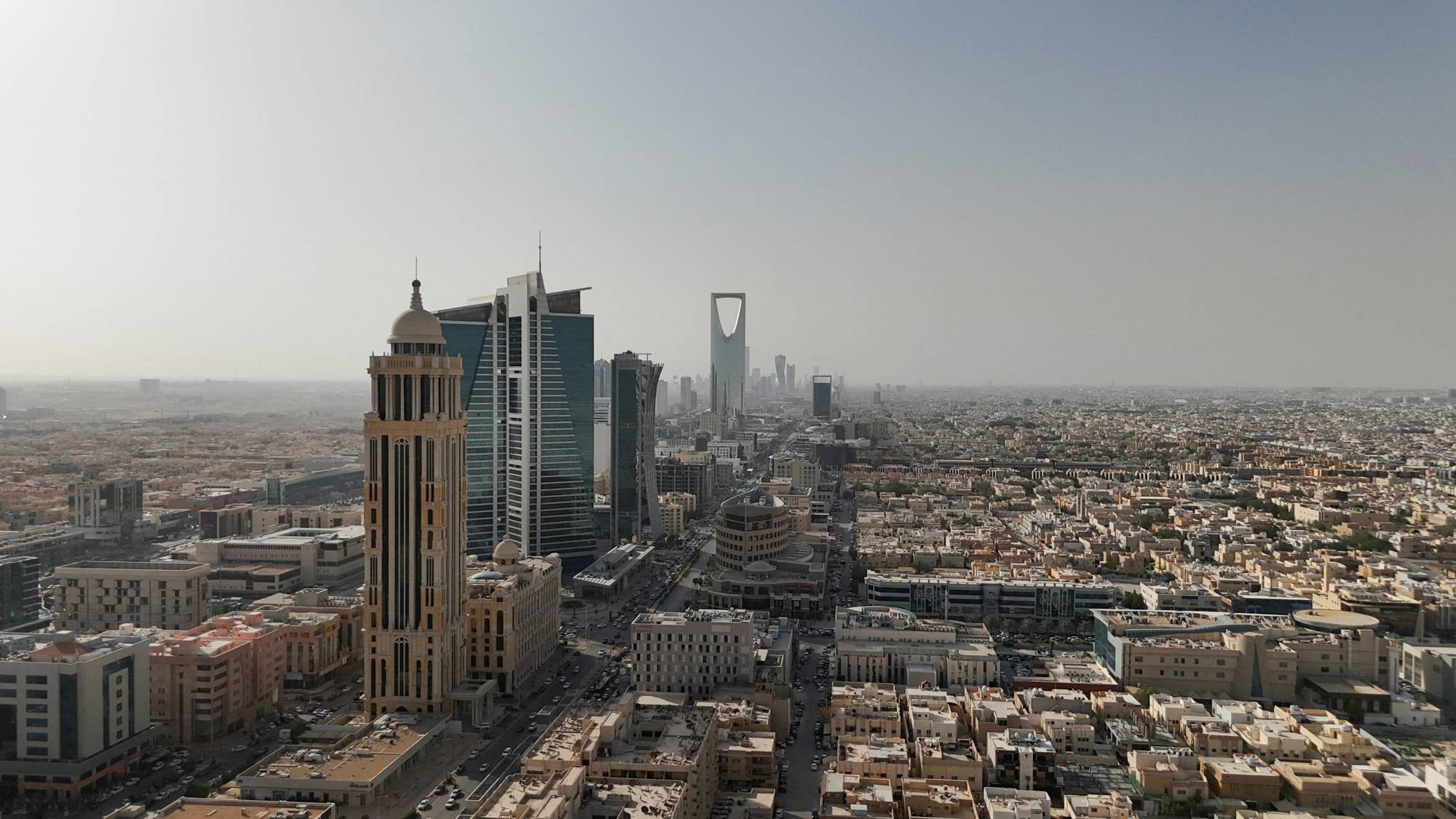
The Saudi capital, Riyadh (Reuters)
Hormuz Shock Hits Gulf Exports
Gatti says the disruption of the Strait of Hormuz had a profound impact on the World Bank's growth projections. Regional output is expected to contract by 2.1 percent in 2026, representing a decline of 5.7 percentage points from the growth forecasts issued before the conflict erupted in January.
This downturn is largely attributable to the severe disruptions suffered by Gulf oil and gas exporters. The World Bank expects all Gulf Cooperation Council (GCC) economies, with the exception of Oman, to contract during 2026.
The crisis led to a drop of more than 50 percent in oil tanker traffic through the Gulf, while regional oil production fell from approximately 26 million barrels per day to 16 million barrels per day in March.
Despite the magnitude of the shock, its global repercussions were more contained than might have been expected from a similar supply disruption. Several factors helped absorb part of the shortfall, including a pre-existing oil surplus in global markets, the rerouting of some shipments outside the strait, increased production in other regions, withdrawals from inventories, and weaker demand in East Asia.
However, the effects varied considerably among Gulf economies. Countries most dependent on the Strait of Hormuz experienced the steepest declines in output, while alternative export routes in Saudi Arabia and the United Arab Emirates helped mitigate the impact of the disruption.
The World Bank projects that Qatar's economy will contract by 20.9 percent in 2026, Kuwait's by 14.6 percent, Iraq's by 12.4 percent, and Bahrain's by 2.9 percent. At the same time, disruptions affecting tourism, aviation, and logistics services have imposed additional burdens on economic activity.
Strong Rebound in 2027
Gatti believes that the primary channel through which the shock was transmitted to Gulf economies was the decline in export volumes, compounded by damage to infrastructure. If trade routes return to normal and energy exports resume, a large share of the lost output could be recovered relatively quickly, explaining the World Bank's forecast of a strong rebound in 2027. For Saudi Arabia, the Bank expects economic growth to reach 7.9 percent next year.
However, Gatti stresses the need to distinguish between a rebound and a recovery. After a sharp decline in output, rapid growth often reflects the restoration of production from depressed levels rather than a corresponding improvement in underlying economic fundamentals or productivity.
Under the World Bank's baseline scenario, the conflict is assumed to continue until the end of 2026, followed by de-escalation and a gradual normalization of trade flows. Accordingly, regional growth, excluding Iran, is expected to rise to 7.8 percent in 2027 as export flows recover.
Nevertheless, repairing damaged infrastructure could take time, investments may remain on hold amid uncertainty, and fiscal reserves could be weaker than they were before the crisis.
Gatti warns that higher shipping costs, weaker investor confidence, lower tourism revenues, subdued global demand, and tighter financing conditions could prolong the economic impact of the conflict long after the immediate disruptions have ended.
She further notes that prolonged periods of uncertainty may delay investment decisions, weaken business confidence, and slow the accumulation of both physical and human capital, increasing the risk that a temporary shock could evolve into a prolonged slowdown in economic growth.
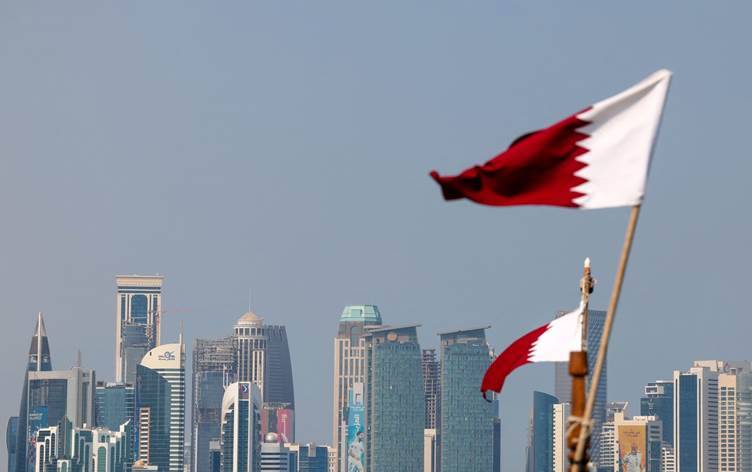
This photo shows a view of Doha, Qatar. (AFP)
The Gulf Retains a Cost Advantage
Despite the severity of the shock, Gatti believes that GCC economies still enjoy an important structural advantage, as they remain among the world's lowest-cost and most competitive producers of oil and gas.
As trade flows return to normal, these economies will, in her view, be well positioned to remain key suppliers to global markets. However, the policy challenge extends beyond restoring economic activity in the short term. It also involves continuing economic diversification, strengthening resilience, and protecting both human and productive capital during the crisis.
Gatti argues that such investments are essential to ensure that a temporary disruption does not become a permanent loss of growth potential.
Artificial Intelligence: The New Frontier of Productivity Diversification
Alongside the energy crisis, Gatti sees artificial intelligence (AI) as a potential new source of growth and productivity for the region. However, realizing its full potential will require addressing three major gaps: localization, adoption, and foundational capital, in addition to strengthening private-sector dynamism.
She explains that weak investment, limited training and innovation, as well as state dominance in some economies, corruption, and political instability, constrain companies' ability to adopt new technologies and translate them into broad productivity gains.
Gaps in the AI Ecosystem
The localization gap highlights the importance of local data and language capabilities. Although Arabic is spoken by more than 500 million people, it accounts for less than 1 percent of global website content, while local dialects remain a weakness in Arabic-language AI models.
The adoption and foundational-capital gaps are reflected in limited productive use of AI, shortages in digital skills, and disparities in infrastructure. The region scores below the OECD average in creative-thinking assessments, while mobile broadband subscription rates in eight economies, including Egypt, Iraq, and Pakistan, remain below levels expected for their income levels.
Saudi Arabia's Growing Regional Role
According to Gatti, Saudi Arabia stands out as one of the region's most advanced AI ecosystems. The Kingdom rose from 33rd place out of 36 economies in 2017 to 19th place in 2024 on Stanford University's Global AI Vibrancy Index.
She believes the real test lies in translating substantial investments in data centers and digital infrastructure into widespread adoption by businesses, workers, and public institutions, thereby boosting productivity and accelerating non-oil sector growth.
Saudi Arabia could play a leading role in building a regional AI ecosystem through its computing capacity, data centers, and AI model development capabilities, while developing economies across the region could contribute talent, sector-specific expertise, and local data.
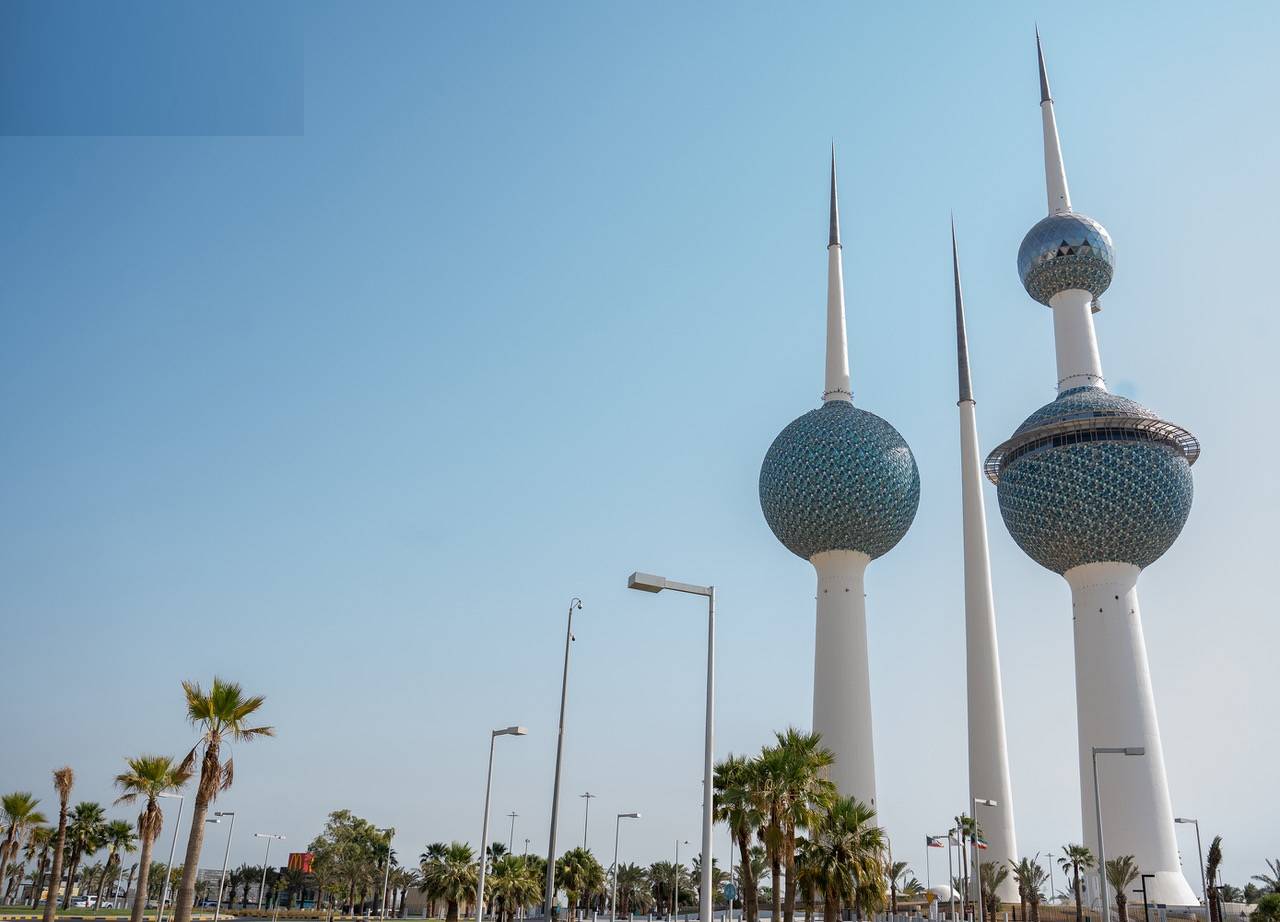
Kuwait Towers (KUNA)
Regional Cooperation: An Opportunity to Strengthen Resilience
Gatti believes that the greatest risk to the outlook for 2027 lies in the continued disruption of trade and energy flows, which could weigh on investment, logistics, tourism, and business confidence, thereby delaying the recovery.
At the same time, however, the crisis presents an opportunity to accelerate regional cooperation, particularly in the field of artificial intelligence. Gulf countries possess advanced infrastructure and computing capabilities, while other economies in the region offer talent, data, and innovation. This complementarity could create new sources of growth, boost productivity, and enhance economic resilience beyond the oil cycle.
For Saudi Arabia, Gatti argues that the Hormuz experience underscored the importance of combining economic diversification with the diversification of trade and export routes. With the Saudi economy projected to grow by 7.9 percent in 2027, the opportunity lies in transforming the post-shock rebound in output into more sustainable growth driven by productivity, investment, and non-oil sectors, while continuing to strengthen trade and export infrastructure capable of withstanding future disruptions.
بعد 3 سنوات على «7 أكتوبر»... ماذا غيّرت إسرائيل في أجهزتها الاستخبارية؟https://aawsat.com/%D8%B4%D8%A4%D9%88%D9%86-%D8%A5%D9%82%D9%84%D9%8A%D9%85%D9%8A%D8%A9/5326494-%D8%A8%D8%B9%D8%AF-3-%D8%B3%D9%86%D9%88%D8%A7%D8%AA-%D8%B9%D9%84%D9%89-7-%D8%A3%D9%83%D8%AA%D9%88%D8%A8%D8%B1-%D9%85%D8%A7%D8%B0%D8%A7-%D8%BA%D9%8A%D9%91%D8%B1%D8%AA-%D8%A5%D8%B3%D8%B1%D8%A7%D8%A6%D9%8A%D9%84-%D9%81%D9%8A-%D8%A3%D8%AC%D9%87%D8%B2%D8%AA%D9%87%D8%A7-%D8%A7%D9%84%D8%A7%D8%B3%D8%AA%D8%AE%D8%A8%D8%A7%D8%B1%D9%8A%D8%A9%D8%9F
رئيس الأركان الإسرائيلي إيال زامير (وسط) وإلى جانبه رئيس مديرية الاستخبارات العسكرية «أمان» شلومي بيندر (الثاني من اليمين) وعدد من كبار قادة الجيش داخل مركز القيادة العسكرية تحت الأرض التابع للجيش الإسرائيلي يوم 22 يونيو 2025 (الجيش الإسرائيلي)
بعد 3 سنوات على «7 أكتوبر»... ماذا غيّرت إسرائيل في أجهزتها الاستخبارية؟
رئيس الأركان الإسرائيلي إيال زامير (وسط) وإلى جانبه رئيس مديرية الاستخبارات العسكرية «أمان» شلومي بيندر (الثاني من اليمين) وعدد من كبار قادة الجيش داخل مركز القيادة العسكرية تحت الأرض التابع للجيش الإسرائيلي يوم 22 يونيو 2025 (الجيش الإسرائيلي)
بعد ثلاث سنوات على هجوم 7 أكتوبر (تشرين الأول) 2023، أدخلت إسرائيل سلسلة من التغييرات على عمل أجهزتها الاستخبارية، شملت إعادة ترتيب بعض الأولويات، وتعديلات في جمع المعلومات وتحليلها والتدريب والتنسيق بين الأجهزة. وجاءت هذه الإجراءات في أعقاب تحقيقات داخلية تناولت أوجه القصور التي سبقت الهجوم، فيما يتطلب تقييم حجم هذه التغييرات وفاعليتها التمييز بين ما أعلنته المؤسسات الإسرائيلية وما يمكن التحقق من نتائجه عملياً.
وظهر أحدث التوجهات المعلنة، الأحد، عشية الذكرى الثالثة للهجوم، عندما عرض الجيش الإسرائيلي أمام كبار ضباطه ما وصفها بـ«الدروس المستخلصة من «7 أكتوبر»». وحسب «تايمز أوف إسرائيل»، شملت التوجهات الاستعداد لاحتمال وقوع هجوم مفاجئ على أكثر من جبهة، وأخذ قدرات الخصم في الحسبان إلى جانب تقدير نيّاته، فضلاً عن تحديث سيناريوهات التهديد كل ستة أشهر. وفي الجانب الاستخباري، أعاد الجيش التأكيد على أولوية الإنذار ضمن مهام مديرية الاستخبارات العسكرية «أمان».
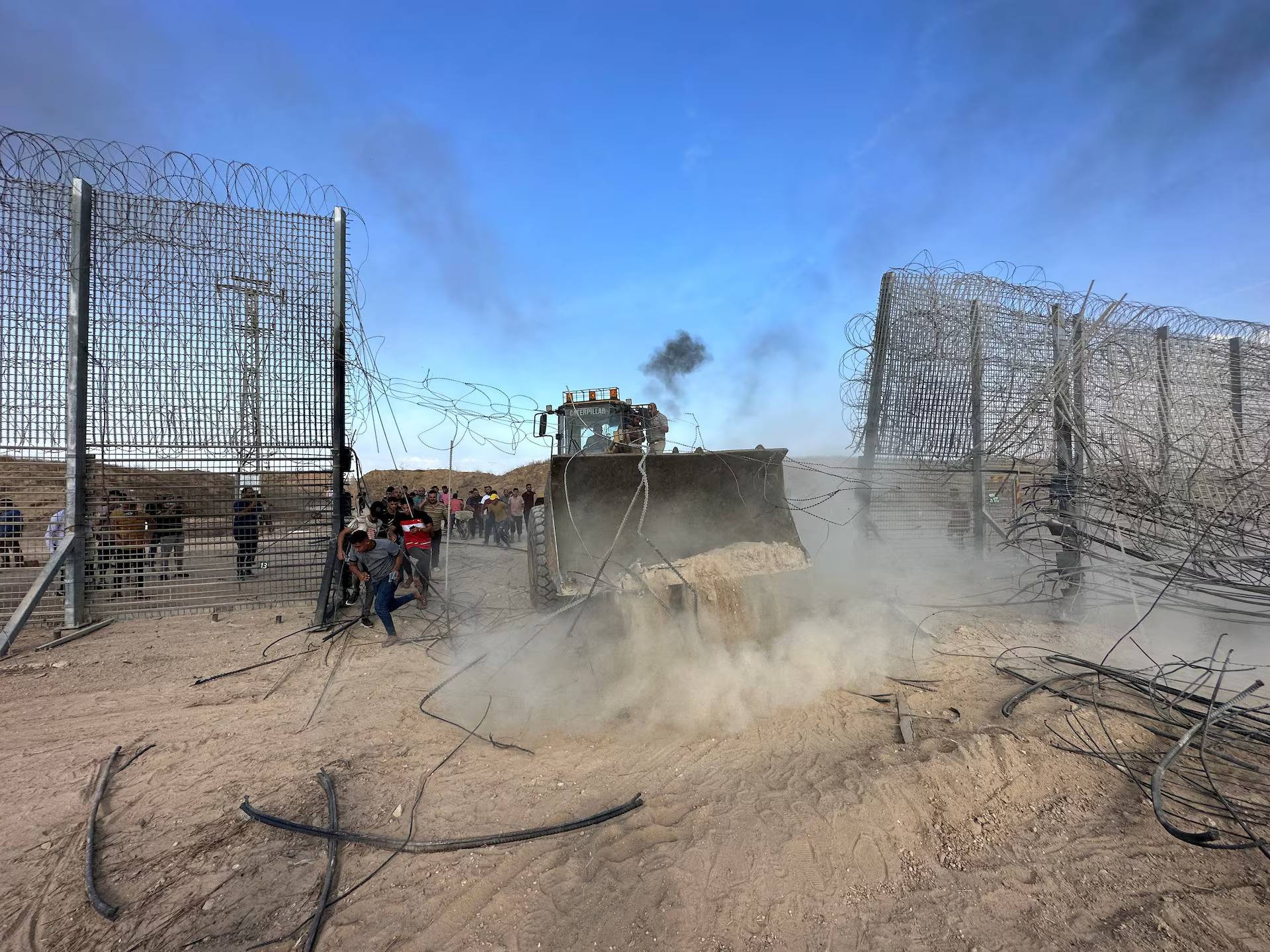
فلسطينيون يعبرون إلى الجانب الإسرائيلي من السياج الحدودي بين قطاع غزة وإسرائيل بعد اختراق مسلحين الحدود يوم «7 أكتوبر» 2023 (رويترز)
أين أخفقت الاستخبارات الإسرائيلية؟
جاءت هذه التغييرات بعد تحقيقات رسمت خلال العامين الماضيين صورة أكثر تفصيلاً لأسباب الإخفاق. ووفق تقرير نشرته «تايمز أوف إسرائيل» عام 2025، استناداً إلى تحقيقات «أمان»، حددت المديرية ثلاثة جوانب رئيسية للخلل: سوء تقدير استراتيجية «حماس» وخططها وقدراتها، وعدم إصدار إنذار بهجوم وشيك خلال الأيام التي سبقته، إلى جانب قصور في جمع المعلومات عن نيات الحركة وخططها. وتشير هذه النتائج إلى أن المشكلة لم تكن مرتبطة فقط بكمية المعلومات المتاحة، وإنما أيضاً بطريقة قراءتها وتحويلها إلى تقدير لمستوى التهديد.
وعززت مراجعة أجراها فريق خبراء عيّنه رئيس الأركان إيال زامير هذه الخلاصة. وبعد مراجعة 25 تحقيقاً ومقابلة نحو 80 مسؤولاً، قال الفريق إن معلومات متنوعة ومهمة كانت متاحة ليلة الهجوم، وكان يمكن أن تقود، لو جرى تحليلها بصورة مختلفة، إلى رفع مستوى الإنذار. كما أشار إلى مشكلات في الثقافة التنظيمية وطريقة فهم «حماس» والتعامل مع خطة أطلقت عليها الاستخبارات الإسرائيلية الاسم الرمزي «جدار أريحا»، وهي وثيقة حصلت عليها إسرائيل قبل الهجوم بأكثر من عام وتضمنت تصوراً لهجوم واسع عبر حدود غزة، ظهرت عناصر عديدة منه لاحقاً في هجوم «7 أكتوبر».
الإنذار في صلب عمل «أمان»
أحد أوضح التغييرات المعلنة يتعلّق بمكانة الإنذار داخل «أمان». ففي سبتمبر (أيلول) 2025، قال زامير خلال زيارة للوحدة 9900 إن المديرية تمر بعملية تغيير تستند إلى دروس «7 أكتوبر»، واضعاً الإنذار في صلب مهمتها. وحسب الجيش، كانت إعادة ترتيب الأولويات قد بدأت بالفعل خلال العامين السابقين.
لكن التغيير الذي ظهر بصورة أوضح في 2026 يتعلق بكيفية التفكير في المفاجأة نفسها. فالدروس التي عرضها الجيش في 4 أكتوبر الجاري تدعو إلى الاستعداد لهجوم مفاجئ حتى في حال فشل الردع والإنذار، وإلى النظر إلى ما يستطيع الخصم فعله وليس فقط إلى ما تعتقد الاستخبارات أنه يريد فعله. وهذا التحوّل يستهدف إحدى المشكلات التي ظهرت قبل «7 أكتوبر»، حين أسهم الاعتقاد بأن «حماس» لا تريد حرباً واسعة في تفسير مؤشرات ميدانية ضمن هذا التصوّر.
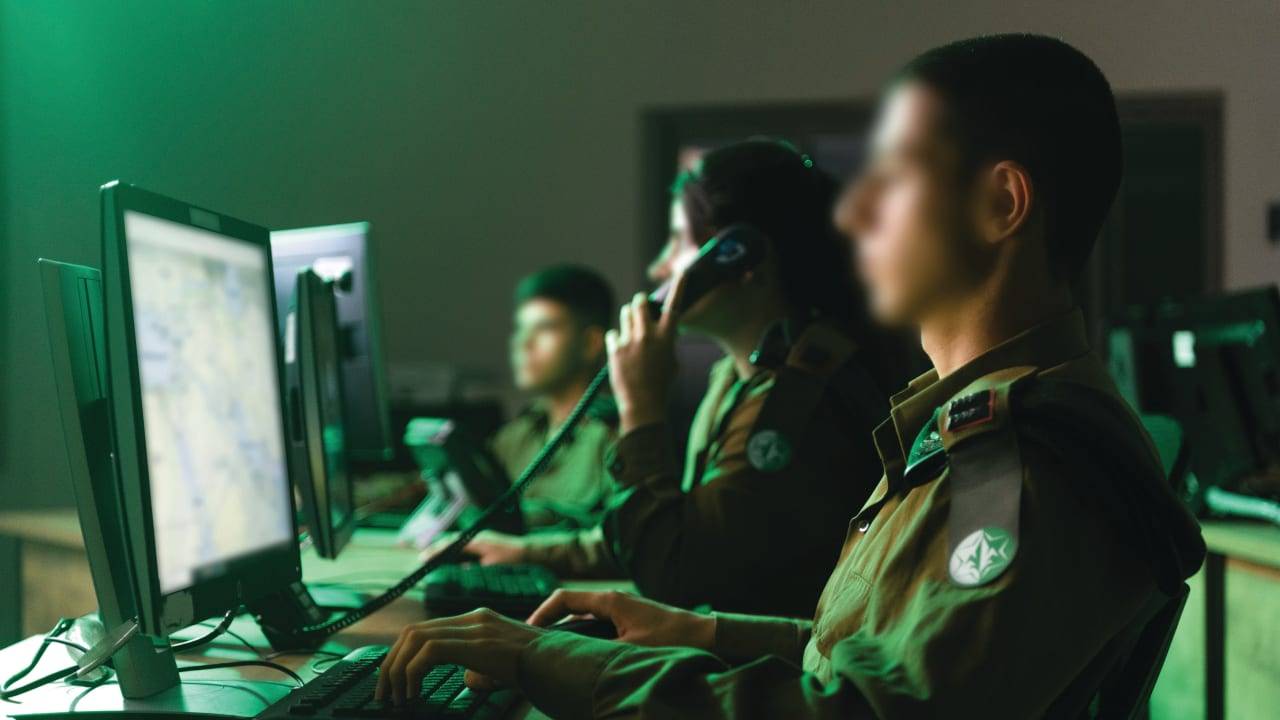
عناصر من الوحدة 8200 التابعة لمديرية الاستخبارات العسكرية الإسرائيلية «أمان» خلال العمل على تحليل البيانات (الجيش الإسرائيلي)
عودة إلى المصادر البشرية والمفتوحة
طالت المراجعة أيضاً أدوات جمع المعلومات. ﻓ«معهد دراسات الأمن القومي» الإسرائيلي «INSS» أشار، في تحليله للإخفاق، إلى اعتماد كبير على اعتراض الاتصالات والقدرات التقنية، مقابل ضعف نسبي في بعض المصادر البشرية والمفتوحة، أي المعلومات المتاحة علناً، مثل وسائل الإعلام وشبكات التواصل الاجتماعي والمنشورات والبيانات العامة.
وفي هذا السياق، عاد الاهتمام بوحدة «حتساف» التابعة لمديرية الاستخبارات العسكرية «أمان»، والمتخصصة في جمع المعلومات من المصادر المفتوحة، والتي شمل عملها تاريخياً متابعة وسائل الإعلام العربية، ثم توسع ليشمل شبكات التواصل الاجتماعي. وكانت الوحدة قد أُغلقت عام 2021، قبل أن تبدأ «أمان» في مارس (آذار) 2023، أي قبل نحو سبعة أشهر من هجوم «7 أكتوبر»، عملية إعادة إنشائها بصيغة جديدة. وعند وقوع الهجوم، كانت عملية إعادة تشكيل الوحدة لا تزال جارية، قبل أن يتوسع نشاطها خلال الحرب، وفق تقرير لصحيفة «جيروزاليم بوست» الإسرائيلية.
وفي الاستخبارات البشرية، وسّعت الوحدة 504 التابعة لـ«أمان» نشاطها المتعلق بغزة. وتنقل «جيروزاليم بوست» عن مصادر عسكرية أن الوحدة كانت أقل نشاطاً في القطاع خلال السنوات السابقة للهجوم، فيما كان جهاز الأمن العام الإسرائيلي (الشاباك) يتولى جانباً كبيراً من جمع المعلومات البشرية هناك. وبعد «7 أكتوبر»، عززت الوحدة 504 انتشارها ومواردها المخصصة لهذا الملف.
تغييرات داخل «الشاباك» والتنسيق مع «أمان»
بدوره، أعلن «الشاباك» تغييرات في طريقة إدارة ملف غزة بعد تحقيقه الداخلي. وحسب «جيروزاليم بوست»، قسّم الجهاز عمليات جمع المعلومات في القطاع إلى مناطق جغرافية أصغر، على نحو أقرب إلى النموذج الذي يستخدمه في الضفة الغربية، كما عدّل آليات التعاون مع الوحدة 8200 التابعة لمديرية الاستخبارات العسكرية «أمان»، والمتخصصة في اعتراض الاتصالات وجمع المعلومات عبر الوسائل الإلكترونية وتحليلها، بهدف زيادة تبادل المعلومات.
ومع ذلك، يصعب الحكم حتى الآن على أثر هذه التغييرات. فالصحيفة تشير إلى أن «الشاباك» والوحدة 8200 كانا يتبادلان المعلومات على نطاق واسع قبل «7 أكتوبر» أيضاً. ومن ثم، فإن زيادة التنسيق بينهما لا تعني بالضرورة أن المشكلة كانت في حجم المعلومات المتبادلة، إذ أظهرت التحقيقات أن جانباً من الإخفاق ارتبط أيضاً بكيفية قراءة المعلومات وتقدير دلالاتها.
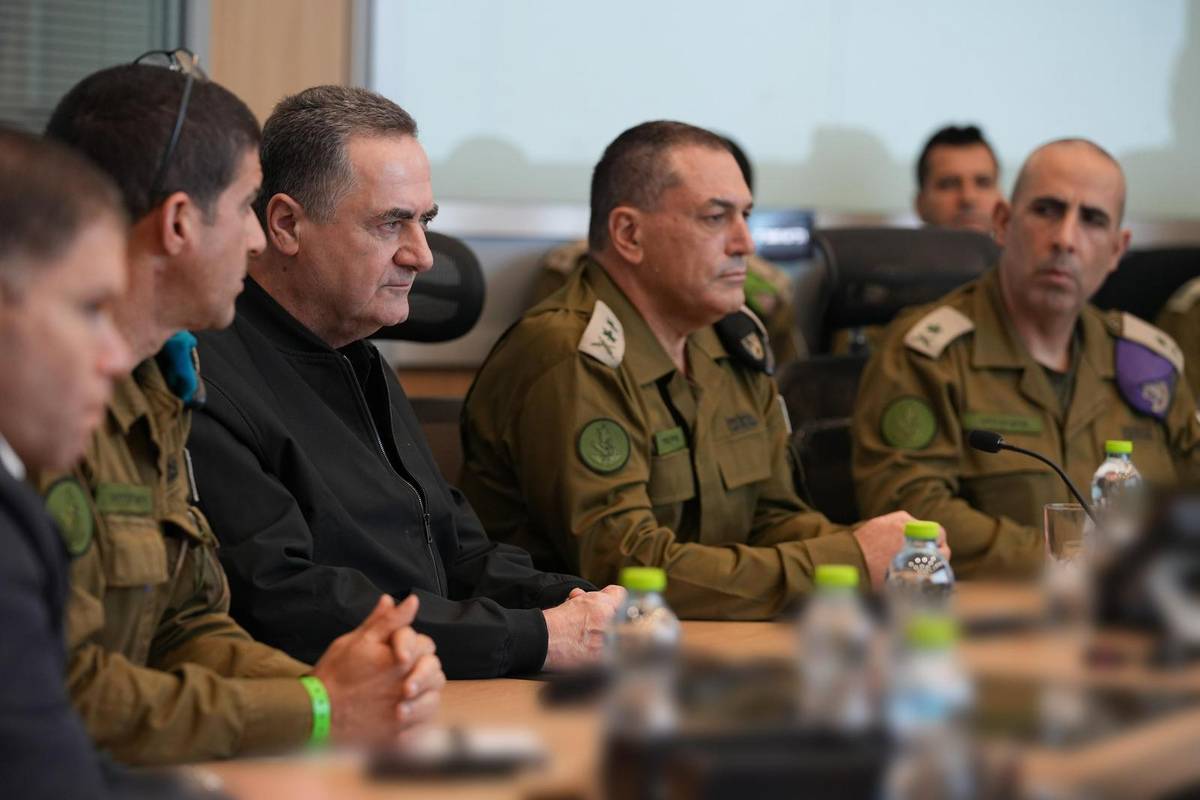
وزير الدفاع الإسرائيلي يسرائيل كاتس يعقد اجتماعاً لتقييم الوضع الأمني بحضور رئيس الأركان إيال زامير ورئيس مديرية الاستخبارات العسكرية «أمان» شلومي بيندر وقادة عسكريين كبار في تل أبيب يوم 7 مارس 2026 (رويترز)
مراجعة أساليب العمل والتفكير
ومن بين التغييرات المعلنة أيضاً مراجعة بعض جوانب الثقافة التنظيمية داخل الاستخبارات. ففي ديسمبر (كانون الأول) 2025، قال رئيس الأركان إيال زامير، خلال المؤتمر السنوي لقسم الأبحاث في «أمان»، إن التغييرات الجارية تشمل الثقافة الاستخبارية ونهج العمل والحوار بين الرتب والتدريب. ودعا إلى تعزيز التفكير النقدي وتعدد الآراء داخل المديرية، وإلى إفساح المجال أمام ضباط الاستخبارات لتحدي المسلّمات المهنية السائدة.
تغييرات استخبارية تحت الاختبار
تطول التغييرات المعلنة جوانب متعددة من العمل الاستخباري الإسرائيلي، لكن تحديد أثر كل منها يبقى صعباً في ظل محدودية المعلومات المتاحة عن عمل الأجهزة ونتائج الإجراءات التي اتخذتها.
وتحذّر دراسة نشرها «مركز مكافحة الإرهاب» في الأكاديمية العسكرية الأميركية «ويست بوينت» من اختزال إخفاق «7 أكتوبر» في سبب واحد، وتشير إلى تداخل الافتراضات الاستراتيجية والانحيازات المعرفية ومشكلات جمع المعلومات وتحليلها. كما أن جزءاً من المعلومات المتعلقة بالإخفاق لا يزال غير متاح علناً، مما يضع حدوداً لأي تقييم نهائي.
وبعد ثلاث سنوات على هجوم «7 أكتوبر» تُظهر المراجعات التي أجرتها إسرائيل تغييرات في جوانب عدة من العمل الاستخباري؛ من الإنذار المبكر وجمع المعلومات، إلى التنسيق بين الأجهزة وأساليب التحليل والتدريب. وتأتي هذه التغييرات في إطار مراجعة أوجه القصور التي كشفت عنها التحقيقات في الهجوم. لكن الحكم على نتائجها لا يزال مبكراً، وستتضح فاعليتها بصورة أكبر عند مواجهة تهديدات وأزمات جديدة، واختبار قدرة الأجهزة على رصدها وتحليل المعلومات بشأنها والتحذير منها في الوقت المناسب.