
7 أفلام في «كنوز البحر الأحمر»

المهرجان السينمائي الدولي سيعرض عملين كلاسيكيين مصريين خضعا لعملية ترميم

برنامج كنوز البحر الأحمر يهدف إلى إحياء التراث السينمائي

TT

7 أفلام في «كنوز البحر الأحمر»

برنامج كنوز البحر الأحمر يهدف إلى إحياء التراث السينمائي

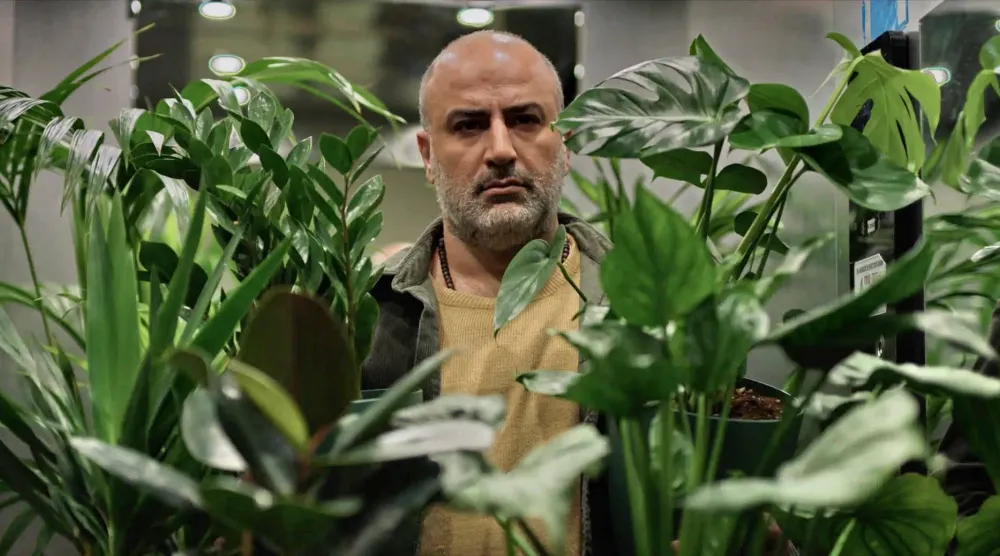
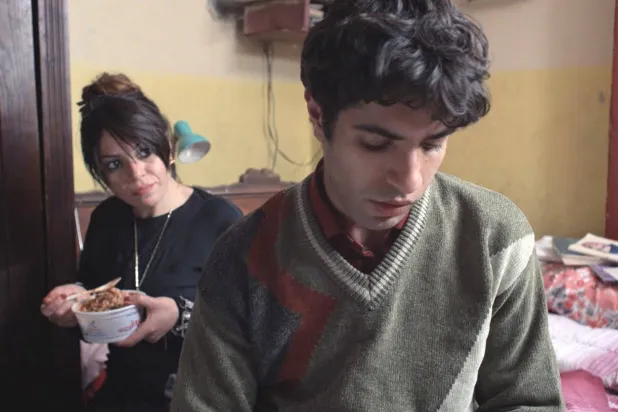
أعلن مهرجان البحر الأحمر السينمائي الدولي اختيار سبعة أفلام لعرضها ضمن برنامج «كنوز البحر الأحمر». وستتضمن الأفلام أعمالاً سينمائية عالمية، بالإضافة إلى فيلمين من كلاسيكيات السينما المصرية خضعا لعملية ترميم، في خطوة تعزز جهود إحياء التراث السينمائي.
وقال أنطوان خليفة، مدير البرنامج السينمائي العربي والكلاسيكي في مهرجان البحر الأحمر السينمائي الدولي: «يحتفي برنامج كنوز البحر الأحمر بمجموعة من أبرز الأفلام الخالدة في تاريخ السينما العالميّة. وانطلاقاً من هذا البرنامج؛ الذي يلتزم حفظ التراث السينمائي العريق وبعثه من جديد للأجيال الشابّة والقادمة، نجحنا في ترميم فيلمين من كلاسيكيات السينما المصرية، بدعم من مؤسسة مهرجان البحر الأحمر السينمائي؛ إيماناً بأهمّية هذا التراث السينمائي في إلهام صنّاع السينما الواعدين، وإمتاع جماهير السينما المتيمين».
من جانبه، قال كليم أفتاب، مدير البرنامج السينمائي الدولي في المهرجان: «لقد تم إعداد برنامج كنوز البحر الأحمر بهدف إحياء التراث السينمائي، من خلال مجموعة متنوّعة من أهم الأفلام التي شكّلت تاريخ السينما، وتركت أثراً عميقاً عبر الأجيال».
وتتضمن قائمة الأفلام الكلاسيكية: «مرّرها كما بيكهام»، و«الوهم الكبير»، و«سامبيزانجا»، و«أغرب من الجنّة»، و«أسد الصحراء، و«خلي بالك من زوزو»، و«غرام في الكرنك».
... المزيد


مقالات ذات صلة

«فخر الدين» يستعيد «مأساة سربرنيتسا» بلغة مبتكرة

يوميات الشرق المخرج شعر بالمسؤولية تجاه تجسيد تجربة شخص حقيقية (الشركة المنتجة)

«فخر الدين» يستعيد «مأساة سربرنيتسا» بلغة مبتكرة

يعود الفيلم الوثائقي القصير البوسني «فخر الدين» (Fakhrudin) إلى واحدة من أكثر الصفحات ألماً في تاريخ البوسنة والهرسك الحديث.

أحمد عدلي (القاهرة)
يوميات الشرق المخرج محمود عاصي يحمل جائزته في ختام «لوكارنو» (الشرق الأوسط)

محمود عاصي يحصد «الفهد الفضي» في مهرجان «لوكارنو السينمائي»

استعان المخرج محمود عاصي بفريق من 12 شخصاً، بينهم خبراء وأطباء بيطريون، لضمان سلامة الجَمل وفريق العمل خلال التصوير.

انتصار دردير (القاهرة)
يوميات الشرق صلاح أبو سيف... الغائب الحاضر في السينما المصرية (الطريق.كوم)

صلاح أبو سيف... 30 عاماً على سينما لا يغيب صاحبها

براعة المخرج في معالجة تدمج الحكاية وشخصياتها في لُحمة طبيعية وواقعية واحدة...

محمد رُضا (لندن)
يوميات الشرق سنونو يعود كلّ ربيع... والذاكرة أيضاً تحتاج إلى مَن يدلّها على طريق العودة (مهرجان ربيع بيروت)

«مهرجان ربيع بيروت» يستعيد ذاكرة لبنان بالفنّ

على امتداد 11 أمسية، تتوزَّع 3 مشاريع متعدّدة الوسائط على 4 فضاءات في بيروت وطرابلس...

فاطمة عبد الله (بيروت)
يوميات الشرق نخبة من نجوم الفن العربي والعالمي شاركوا في مسلسل «الأمير» الذي سيُعرض عام 2027 (هيئة الترفيه)

آل الشيخ: مسلسل «الأمير» بصمة في تاريخ المحتوى العربي

أعلن المستشار تركي آل الشيخ، رئيس مجلس إدارة الهيئة العامة للترفيه السعودية (GEA)، انتهاء تصوير مسلسل «الأمير»، أحد أضخم الإنتاجات الدرامية العربية المرتقبة.

«الشرق الأوسط» (الرياض)

Crude Prices Rise on US-Iran Strikes, Equities Mixed After Warsh Remarks

Oil platforms and pumpjacks at Lake Maracaibo, in Cabimas, Venezuela, January 26, 2026. (Reuters)
TT

Crude Prices Rise on US-Iran Strikes, Equities Mixed After Warsh Remarks

Oil platforms and pumpjacks at Lake Maracaibo, in Cabimas, Venezuela, January 26, 2026. (Reuters)

Oil prices spiked more than two percent Monday after a fresh flare-up in the US-Iran war, while stocks were mixed as hawkish comments from Federal Reserve boss Kevin Warsh saw investors ramp up bets on a US interest rate hike.

With inflation remaining stubbornly high -- largely on the back of elevated energy costs -- the US central bank has come under pressure to act, while Warsh's refusal to provide guidance has stoked uncertainty.

But in a highly anticipated speech at the Jackson Hole symposium of central bankers and economists in Wyoming, he left traders with few doubts that he was ready to increase borrowing costs.

Warsh said: "We must be confident that underlying inflation is moving to our objective, clearly and at sufficient speed. Otherwise, we have work to do."

He called the spike in inflation -- currently at 3.7 percent and nearly double the Fed's two-percent target -- "concerning", and said he would be "hard-pressed" to describe current financial conditions as "restrictive", a potential hint that rate hikes could be on the horizon.

However, he stopped short of saying he would support a hike, adding: "I stand here today committed to a discipline, not to a decision."

All three main indexes on Wall Street fell Friday. Yields on short-term US Treasury bonds -- which reflect monetary policy expectations -- jumped, and the dollar rallied against its peers. Gold, which benefits from lower interest rates, fell.

Asia struggled in the morning but some markets rallied as the day progressed, leaving some in positive territory and others just below Friday's close.

Tokyo, Hong Kong, Sydney, Taipei, Jakarta and Mumbai ended down but Seoul, Shanghai, Singapore, Bangkok and Wellington rose.

Paris rose but Frankfurt dipped.

London was closed for a holiday.

Focus will now turn to a string of crucial data releases over the next two weeks before the Fed makes its decision, with jobs up this week and the consumer price index next week.

"Should we get an inline payrolls print that does not give the Fed too much to work with, next week's core CPI report will become the major decider for the market's Fed belief system," wrote Chris Weston at Pepperstone.

"The volatility priced around that outcome across rates, forex and equities could therefore be significant."

Still, Invesco's David Chao added: "While Jackson Hole has increased the possibility of a rate hike, I don't think a September rate hike is in the books.

"Chair Warsh wants to reduce forward guidance and he stopped short of explicitly signaling a September move. The upcoming inflation and labor market reports will be critically important."

The Fed's battle against inflation has been hobbled by the Iran war, which has pushed oil prices higher.

And after a run lower for most of last week, they spiked again Monday, a day after the United States said it had attacked Iranian rocket launchers on a small island in the Strait of Hormuz, its first strikes on the country in a month.

The attack prompted Tehran to retaliate by firing at Jordan. Both main crude contracts rose more than two percent Monday.

The exchange came shortly after the US-Iran war hit the six-month mark, and at a time when hostilities had been subsiding.

The news revived concerns about the conflict, with attempts and peace talks appearing to be going nowhere and the strait -- through which a fifth of global crude and gas passes -- largely closed.

US officials this month vowed the "economic asphyxiation" of Iran to make it open the waterway.

"Hormuz is once again threatening to put a floor under oil just as Warsh is putting a ceiling on how much inflation patience markets should assume from the Fed," said Quintex Intel's Stephen Innes.

"For oil traders, (the) move is another reminder of how quickly the geopolitical premium can return.

"Physical flows through Hormuz have improved materially from their worst levels, which is precisely why crude had started giving back some of the fear premium, but the latest exchange shows how fragile that progress remains and how quickly the shipping story can be pushed back onto the trading desk."


John Ternus to Lead Apple into the Age of AI

View of an Apple logo at an Apple store in Paris, France, April 23, 2025. (Reuters)
TT

John Ternus to Lead Apple into the Age of AI

View of an Apple logo at an Apple store in Paris, France, April 23, 2025. (Reuters)

John Ternus takes over as Apple's chief executive on Tuesday, inheriting a company that towers over the smartphone market but trails its rivals in artificial intelligence.

One of his biggest challenges will be balancing the company's dependence on China while parrying acute political pressure from the White House.

The handover ends Tim Cook's 15-year run, replacing the operations specialist who built Apple's supply chain with the engineer who built its hardware.

Ternus, 51, joined Apple's design team in 2001 and worked his way up to senior vice president of hardware engineering, reporting to Cook.

He leads the engineering teams behind Apple's entire product lineup, including the iPhones that generate most of the company's revenue.

He gets barely a week to settle in, with Apple holding its annual iPhone event on September 9, where it is expected to unveil its first foldable handset.

"Tim Cook left the house in phenomenal order," said Dan Ives, partner and senior managing director at investment firm Yorkville Ives & Co.

"But now it's about Ternus defining the AI chapter."

Ives expects the new chief executive to lean into what he knows.

"There's no reason to fix what's already working," he said, predicting Ternus will concentrate on hardware innovation while leaving Cook's supply chain intact.

Some analysts had argued software chief Craig Federighi was the more logical pick for a company scrambling to catch up on AI.

Carolina Milanesi, an analyst at Creative Strategies, said that misreads how consumers actually adopt technology.

"Consumers are still buying hardware first, and it's going to be like that for a long time," she said. "You're not going to discover the value of AI if you're not interested in the hardware."

Ternus earned a bachelor's degree in mechanical engineering from the University of Pennsylvania and worked as an engineer at Virtual Research Systems before joining Apple.

Inside the company he is credited with driving a push to make products more durable, reliable and resilient, and with design work that cut their carbon footprint.

The harder question is what kind of leader he becomes.

"Even people that know him now don't know him as a CEO," Milanesi said.

"You might know him as the head of engineering, but once you're CEO, things change. Your responsibility is bigger, your power is bigger. You're dancing a different kind of dance."

- 'Learn on the job' -

Nowhere is that gap wider than in the geopolitical role Cook excelled at, courting both Beijing and Donald Trump's White House to protect a supply chain that runs largely through China.

Apple's manufacturing operation is among the most complex in corporate history, a web of hundreds of suppliers and assembly lines that Cook painstakingly built over decades.

Cook in recent years began shifting some of the work elsewhere -- iPhone assembly to India, other production to Vietnam -- but the diversification has been gradual with China, one of Apple's biggest consumer markets, still anchoring the system.

Complicating matters, Trump has repeatedly demanded Apple build iPhones on American soil, threatening tariffs on those made overseas.

Cook avoided the heaviest blows of Trump's trade war by cultivating the president directly, making US investment commitments and political donations -- all while also keeping Beijing onside.

The tricky political terrain will be new for Ternus.

"He knows Apple Park like the back of his pocket in terms of hardware," Ives said of Ternus. "But on the global stage -- that's probably one of the biggest areas where he's going to have to learn on the job."

Cook is not going far. He becomes executive chairman of Apple's board on the same day, with a mandate the company has said includes engaging policymakers around the world.

"That was really clever," said Milanesi, arguing the arrangement frees Ternus from a role Cook has handled alone for years.

The September 9 iPhone event will be the first public measure of the handover.

A foldable iPhone would be the most significant redesign in years, and Ternus will be its face -- eight days into the job.

"This is a moment that they created for him," Milanesi said.


NATO’s Arctic Moves Pose ‘Direct Threat’ to Russia, Says Lavrov

Russian Foreign Minister Sergei Lavrov attends a press conference in Moscow, Russia, 25 August 2026. (EPA)
TT

NATO’s Arctic Moves Pose ‘Direct Threat’ to Russia, Says Lavrov

Russian Foreign Minister Sergei Lavrov attends a press conference in Moscow, Russia, 25 August 2026. (EPA)

Russia sees ‌NATO activity in the Arctic as a direct security threat, Foreign Minister Sergei Lavrov said in an article published on Monday, as the alliance members boost their presence in the region in the wake of Russia's war on Ukraine.

In February, NATO launched a mission called Arctic Sentry to bolster its presence in the far north, underscoring the alliance's increased focus on the Arctic amid ‌tensions with Russia ‌and US President Donald Trump's ‌push ⁠for the acquisition of ⁠Greenland.

Russia, which has a naval fleet including nuclear-armed submarines in the Arctic, sees the region as its sphere of interest where it also develops a shipping route to connect with the Asian nations.

Moscow has earlier protested the Arctic Sentry mission ⁠and in the article, Lavrov, President ‌Vladimir Putin's long standing foreign ‌minister, said Russia sees NATO military exercises in the ‌region as "aggressive".

"Such military activity in the Far ‌North poses direct threats to Russia's security. The risks of incidents that could trigger an armed confrontation, with potentially catastrophic consequences, are increasing," he said in the ‌article published by the Russian foreign ministry.

Russia has the largest military presence and ⁠the ⁠most extensive military infrastructure in the Arctic and in recent years China has started to increase its activity in the mineral-rich area, mostly in partnership with Moscow.

Norway, a Russia's neighbor, this month expanded a recently created military brigade headquartered in the Arctic, the latest move by a NATO nation to boost its defense footprint in the wake of the Ukraine war which Russia started in 2022.

Moscow has previously dismissed allegations that it poses a threat to NATO.