وفاة أول مصورة صحافية يابانية عن 107 أعوامhttps://aawsat.com/home/article/3831011/%D9%88%D9%81%D8%A7%D8%A9-%D8%A3%D9%88%D9%84-%D9%85%D8%B5%D9%88%D8%B1%D8%A9-%D8%B5%D8%AD%D8%A7%D9%81%D9%8A%D8%A9-%D9%8A%D8%A7%D8%A8%D8%A7%D9%86%D9%8A%D8%A9-%D8%B9%D9%86-107-%D8%A3%D8%B9%D9%88%D8%A7%D9%85
ذكرت وسائل إعلام محلية يابانية يوم أمس (الاثنين)، أن رائدة التصوير الصحافي التي تعد أول مصورة صحافية يابانية، تسونيكو ساساموتو، توفيت عن عمر ناهز 107 أعوام.
وقالت وسائل الإعلام إنها توفيت في 15 أغسطس (آب)، لأسباب طبيعية قبل أقل من أسبوعين على عيد ميلادها 108 أعوام، وفق «وكالة رويترز للأنباء».
وُلدت تسونيكو في طوكيو في العام نفسه الذي بدأت فيه الحرب العالمية الأولى، وأرادت في الأصل أن تصبح رسامة، لكن والدها لم يشجعها. وبدأت العمل مصورة، مستلهمة ذلك من فيلم أبيض وأسود شاهدته مع صديق. وفي عام 1940 انضمت إلى جمعية التصوير الفوتوغرافي باليابان.
وفي مقابلة مع موقع «آرت آند ديزاين إنسبايريشن» بعد أن بلغ عمرها 107 أعوام، قالت تسونيكو إن كأساً من النبيذ الأحمر كل ليلة وقطعة من الشوكولاتة كل يوم من بين أسباب طول عمرها.
وأضافت: «يجب ألا تصبح كسولاً أبداً. من الضروري أن تظل إيجابياً بشأن حياتك ولا تستسلم أبداً».
أكد الرئيس المصري عبد الفتاح السيسي، اليوم (الأحد)، على ضرورة الوقف الفوري لإطلاق النار في السودان، وذلك خلال لقائه مع رئيس الوزراء الياباني فوميو كيشيدا في القاهرة. ووصف الرئيس المصري المباحثات مع رئيس الوزراء اليباني بأنها كانت «إيجابية وبناءة»، حيث جرى استعراض ما تشهده الساحة الدولية اليوم من تحديات.
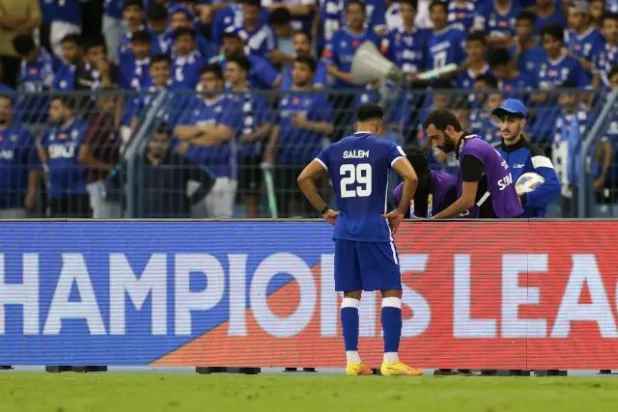
تحول المهاجم سالم الدوسري من بطل محتمل للهلال في نهائي دوري أبطال آسيا لكرة القدم إلى «مفسد للحفل» بعد طرده في الدقائق الأخيرة بلقاء الذهاب، بسبب اعتداء على منافس في الدقائق الأخيرة خلال تعادل محبط 1 - 1 في الرياض أمس (السبت).
وافتتح الدوسري التسجيل في الدقيقة 13 من متابعة لكرة عرضية، ليثبت مجدداً أنه رجل المواعيد الكبرى، إذ سبق له التسجيل في مرمى أوراوا في نهائي نسخة 2019، حين أسهم في تتويج الهلال.
وخلد اسمه في الذاكرة بتسجيل هدف فوز السعودية التاريخي على الأرجنتين في كأس العالم بقطر العام الماضي، ليهز الشباك في نسختين بالنهائيات، فضلاً عن التسجيل في 3 نسخ لكأس العالم للأندية.
لكن الدوسري (31
في ظل التداعيات الجيوستراتيجية للحرب الروسية - الأوكرانية، والتنافس المحموم من جانب الدول الكبرى على النفوذ في أفريقيا، تسعى اليابان لزيادة تأثيرها في القارة، وهو ما يراه خبراء تقاطعاً وتكاملاً مع استراتيجية واشنطن الجديدة، وتأسيساً لأدوار جديدة تحاول طوكيو من خلالها مجابهة تصاعد النفوذ الصيني. في هذا السياق، زار رئيس الوزراء الياباني فوميو كيشيدا، أمس، مصر في بداية جولة أفريقية تشمل أيضاً غانا وكينيا وموزمبيق.
في ظل التداعيات الجيوستراتيجية للحرب الروسية - الأوكرانية، وما استتبعها من تنافس محموم من جانب الدول الكبرى على النفوذ في أفريقيا، تسعى اليابان لزيادة نفوذها في القارة، وهو ما يراه خبراء تقاطعاً وتكاملاً مع استراتيجية واشنطن الجديدة، وتأسيساً لأدوار جديدة تحاول طوكيو من خلالها مجابهة تصاعد النفوذ الصيني.
في هذا السياق، زار رئيس الوزراء الياباني، فوميو كيشيدا، اليوم (السبت)، مصر، في بداية جولة أفريقية تشمل أيضاً غانا وكينيا وموزمبيق.
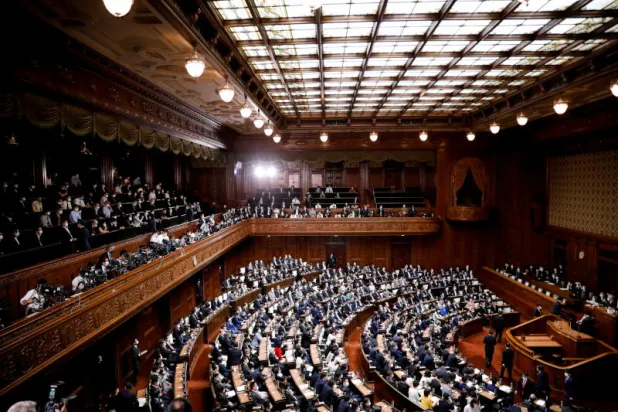
وافق البرلمان الياباني (دايت)، اليوم (الجمعة)، على اتفاقيتين للتعاون الدفاعي مع أستراليا وبريطانيا، ما يمهّد الطريق أمام سريان مفعولهما بمجرد أن تستكمل كانبيرا ولندن إجراءات الموافقة عليهما، وفق وكالة الأنباء الألمانية.
وفي مسعى مستتر للتصدي للصعود العسكري للصين وموقفها العدائي في منطقة المحيطين الهادئ والهندي، سوف تجعل الاتفاقيتان لندن وكانبيرا أول وثاني شريكين لطوكيو في اتفاق الوصول المتبادل، بحسب وكالة كيودو اليابانية للأنباء.
ووافق مجلس المستشارين الياباني (مجلس الشيوخ) على الاتفاقيتين التي تحدد قواعد نقل الأفراد والأسلحة والإمدادات بعدما أعطى مجلس النواب الضوء الأخضر لها في وقت سابق العام
نقطة مراقبة كورية جنوبية داخل «منطقة الأمن المشترك» (JSA) بالمنطقة منزوعة السلاح عند قرية بانمونجوم الحدودية في مدينة باجو بكوريا الجنوبية (رويترز)
ندّد وزير الدفاع في كوريا الجنوبية، الثلاثاء، بـ«انتهاك للهدنة» بين الكوريتين إثر انفجار لغم أرضي الأسبوع الماضي في المنطقة المنزوعة السلاح بين الطرفين، في حين تشير خلاصات التحقيق إلى مسؤولية كوريا الشمالية.
وأسفر انفجار لغم في الحادي والعشرين من سبتمبر (أيلول) في المنطقة الفاصلة بين الكوريتين التي تنتشر فيها الألغام على نطاق واسع عن إصابة ثلاثة جنود من الجنوب، فَقَدَ أحدهم رجله.
وأمس (الاثنين)، خلصت وزارة الدفاع الكورية الجنوبية إلى أن ألغاماً كورية شمالية هي على الأرجح وراء حادثة الأسبوع الماضي، وفق «وكالة الصحافة الفرنسية».
وقال وزير الدفاع كانغ شين-شول خلال جلسة في البرلمان، الثلاثاء: «هو انتهاك فاضح لاتفاق الهدنة. وبما أن كوريا الشمالية تتحمّل المسؤولية، فسوف نتّخذ ما يلزم من تدابير».
وبينما تُعدّ المنطقة الفاصلة بين الكوريتين منزوعة السلاح، تبقى حدودها الشمالية والجنوبية من المواقع الأكثر تحصيناً في العالم وسط انتشار كثيف للألغام.
وأعلن وزير الدفاع خلال جلسة استجوابه أن عملية تفتيش أجرتها رئاسة الأركان المشتركة، الثلاثاء، كشفت عن لغم مضاد للأفراد كوري شمالي لم ينفجر في الموقع.
وتبقى سيول وبيونغ يانغ تقنياً في حالة حرب؛ إذ انتهى النزاع بينهما بتوقيع اتفاق هدنة وليس معاهدة سلام.
عادات شائعة قد تبدو «بريئة» في تعامل الأجداد مع أحفادهم لكنها قد تكون مؤذية (بكسلز)
يحتل الأجداد مكانة خاصة في حياة الأطفال، ويمكن أن يكونوا من أكثر أفراد الأسرة تأثيراً في حياة الطفل، وغالباً ما ترتبط ذكرياتهم معهم بالحب والحنان والقصص واللحظات العائلية الدافئة. لكن بعض التصرفات التي تبدو عفوية أو محبة قد تترك أثراً غير مقصود في نفسية الطفل، خصوصاً عندما تتعلق بحدوده الشخصية أو علاقته بوالديه أو نظرته إلى جسده.
وفي هذا التقرير، يسلّط متخصصون في علاج الأطفال الضوء على 5 عادات شائعة قد تبدو «بريئة» في تعامل الأجداد مع أحفادهم، لكنها قد تكون مؤذية، ويوضحون ما يمكن فعله بدلاً منها لبناء علاقة أكثر أماناً واحتراماً مع الطفل.
تشجيع الأطفال على الاحتفاظ بـ«أسرار»
قد تستخدم الجدة أو الجد عبارات مثل «هذا سرنا الصغير» أو «لا تخبر أمك»، بهدف تعزيز الشعور بالقرب من الحفيد، لكن جيلين أموديو، وهي متخصصة مرخصة في الصحة النفسية لدى مركز «واي بوينت ويلنس»، تصف هذه العادة بأنها «واحدة من أخطر العادات».
حتى لو كان «السر» يتعلق بأمور بسيطة، مثل تناول الحلوى قبل العشاء أو السهر بعد موعد النوم، فإن تشجيع الطفل على إخفاء أمور صغيرة عن والدَيه قد يخلق مشكلة أكبر.
وأوضحت أموديو أن «تشجيع الطفل على الاحتفاظ بأسرار بشأن أمور صغيرة يفتح الباب أمام المعتدين لاستغلال ثقة الطفل وتشجيعه على إخفاء سلوكيات أو تفاعلات غير آمنة عن والدَيه».
ما الذي يمكن فعله بدلاً من ذلك؟
اقترحت أموديو إعادة صياغة موضوع الحلويات أو مخالفة بعض القواعد مؤقتاً، باستخدام عبارات واضحة لا تجعل الطفل يربط بين القرب من الجد أو الجدة وإخفاء الأسرار عن والديه.
فعلى سبيل المثال، يمكن القول: «أعرف أن ماما وبابا يقولان لا حلوى قبل العشاء في المنزل، لكن سنسألهما إذا كان تناول الآيس كريم أولاً عند الجدة مقبولاً».
إجبار الطفل على إعطاء قبلة أو عناق
من الطبيعي أن يرغب الجد أو الجدة في الحصول على عناق أو قبلة من الحفيد، لكن إجبار الطفل على ذلك، وما قد تحمله هذه الممارسة من رسالة ضمنية، يمثّل مشكلة، خصوصاً إذا كان الطفل يبتعد أو يتردد.
وقال مؤسس «روكي ماونتن كاونسلينغ كوليكتيف»، كوري ريد-فاناس: «عندما يقول الطفل (لا) بالكلمات أو بلغة الجسد، ويتجاوز شخص بالغ هذا الرفض، يتعلم الطفل أن شعوره بعدم الارتياح لا يهم عندما يتعلق الأمر بالبالغين أو بالمجاملة الاجتماعية».
وأضاف أن ذلك «يعلمه أنه لا يستطيع التحكم في حدوده الجسدية».
ما الذي يمكن فعله بدلاً من ذلك؟
لإظهار المودة وتلقيها من دون فرضها، يمكن منح الطفل خيارات، مثل العناق أو المصافحة أو التلويح باليد، مع احترام اختياره.
تقويض سلطة الوالدَين
حتى إذا لم يوافق الجد أو الجدة على الطريقة التي يربي بها ابنه أو ابنته طفلهما، فإن احترام قرارات الوالدَين يظل مهماً.
وقالت كايتلين سيفيرين، وهي معالجة زواج وأسرة متخصصة في العمل مع المراهقين وشريكة مؤسسة «كالتيفا تين روتس»: «حتى الأجداد الذين يملكون أفضل النيات يقعون في خطأ تقويض سلطة الوالدَين».
وأضافت أن الهدف قد يكون بناء علاقة جيدة مع الحفيد أو تعزيز التواصل معه أو الظهور بمظهر الشخص «المرح»، لكن ذلك قد يتسبب في ضرر أكبر مما كان مقصوداً.
وقد يظهر هذا السلوك، على سبيل المثال، عندما يدير الجد أو الجدة عينيه استهزاءً بعد أن يقول أحد الوالدين إن وقت استخدام أجهزة «آيباد» قد انتهى.
ما الذي يمكن فعله بدلاً من ذلك؟
تقترح سيفيرين الاتفاق مع الوالدَين على القيم والتوقعات الأسرية، معتبرة أن ذلك «يمكن أن يُحدث فرقاً كبيراً».
واقترحت سيفيرين إيجاد فرص خاصة ومنفصلة يمكن فيها للجد أو الجدة «التدليل» بعد الحصول على موافقة الوالدَين.
التعليق على جسم الحفيد أو وزنه أو شهيته أو طريقة تناوله للطعام
حتى لو كان المقصود من هذه التعليقات تقديم مجاملة، فإنها قد تكون ذات آثار مؤذية.
ومن أمثلة ذلك قول عبارات مثل: «تبدو نحيفاً جداً»، أو «أنت تأكل بشكل جيد جداً».
وقالت الدكتورة ويلداليز كارو، وهي اختصاصية نفسية إكلينيكية مرخصة ومساهمة طبية في «ذا هيلينغ سنتر تشيري هيل»: «هذا النوع من الحوار يجعل الأطفال يدركون أن أجسادهم تخضع للمراقبة والحكم».
وأضافت أن «التعليقات المتكررة المتمحورة حول الجسم قد تؤدي إلى الشعور بالعار تجاه الذات والمقارنة والهوس غير الصحي بالطعام والمظهر».
ما الذي يمكن فعله بدلاً من ذلك؟
بدلاً من التعليق على شكل جسم الطفل، أوصت كارو بالتركيز على ما يفعله أو يتعلمه أو يبتكره أو يستمتع به.
ويمكن، على سبيل المثال، إخبار الطفل بأنه مرح أو طيب أو فضولي أو متقبل للآخرين أو مثابر.
وأضافت: «يجب أن يتمكن الأطفال من الجلوس إلى مائدة أجدادهم من دون التفكير في أنهم يخضعون للتقييم، سواء طبق الطعام أو أجسادهم».
التحدث نيابة عن الأحفاد
عندما يكون الحفيد خجولاً، من المفهوم أن يرغب الجد أو الجدة في التحدث نيابة عنه لتخفيف قلقه أو مواصلة الحديث، لكن ذلك قد لا يكون مفيداً له على المدى الطويل.
وأوضح الدكتور ماكس دوشاي، وهو اختصاصي نفسي مرخص وشريك مؤسس ورئيس تنفيذي في «كي إم إن سايك»: «عندما يتحدث الأجداد بشكل متكرر نيابة عن أحفادهم، قد يؤدي ذلك إلى منح الأطفال فرصاً أقل لتطوير قدرتهم على التعبير عن رغباتهم أو احتياجاتهم، من خلال الإجابة عن الأسئلة والمشاركة في المحادثات مع الآخرين».
ما الذي يمكن فعله بدلاً من ذلك؟
يمكن تقديم المساعدة إلى الطفل بطرق أخرى، مثل منحه وقتاً إضافياً للرد وعدم التسرع في الإجابة نيابة عنه.
وشجع دوشاي على دعم تطوير مهارات التواصل لدى الطفل، لأن ذلك يرسل إليه رسالة مفادها أن أفكاره مهمة وأن البالغين من حوله يثقون بقدرته على التعبير عنها.
Israel Obliterates South Lebanon's Architectural Heritage
The residence of Said Shahine, father of Ghaleb and Fahmi Shahine, which was completely destroyed in the city of Nabatieh (Kamel Jaber archive)
Daily attacks around the city of Nabatieh and the town of Kfar Rumman have not stopped the Zein family from launching work to restore “what can be restored” of the home of Youssef Bek Zein, which was damaged by intensive Israeli strikes several months ago.
Descendants of one of Nabatieh’s best-known political families see preserving their heritage as an act of defiance against Israel, which they say is erasing physical traces and memories from the land and seeking to eliminate historic homes with distinctive architecture, political family residences, and urban and historical landmarks of all kinds across South Lebanon.
During the two large-scale wars Israel waged on South Lebanon, airstrikes and demolitions wiped out dozens of heritage landmarks, including political family homes whose architecture and libraries documented periods of Jabal Amel’s political history over the past two centuries.
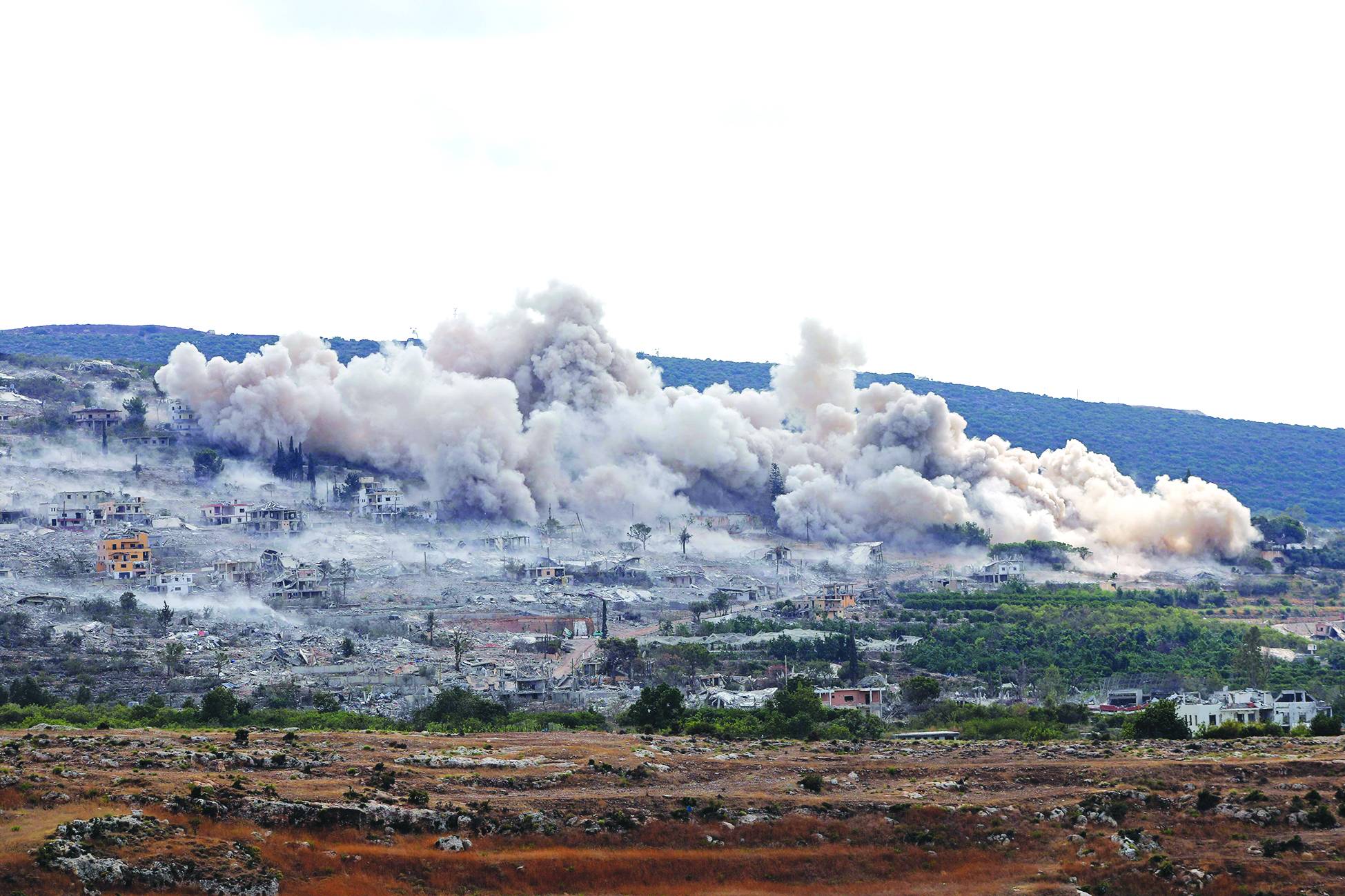
This photograph taken from the southern Lebanese village of Hanniyeh shows smoke rising from the site of a series of Israeli controlled explosions in the nearby village of al-Mansouri on September 28, 2026. (Photo by Kawnat HAJU / AFP)
In Nabatieh alone, Israeli bombardment razed 147 homes between 80 and 110 years old. Some had developed from houses originally built 200 years ago. They included heritage properties belonging to local political leaders, ministers and lawmakers who had played roles in Nabatieh and its surroundings over past decades.
The damage also extended to political family residences around Nabatieh, including the Asaad family home in Taybeh. Local activists say many old houses were razed along with it, including the home of Khalil Abdallah in Khiam, one of the region’s most prominent historical leaders, built in 1862.
Abdel Aziz Zein’s Home: A Cultural Role
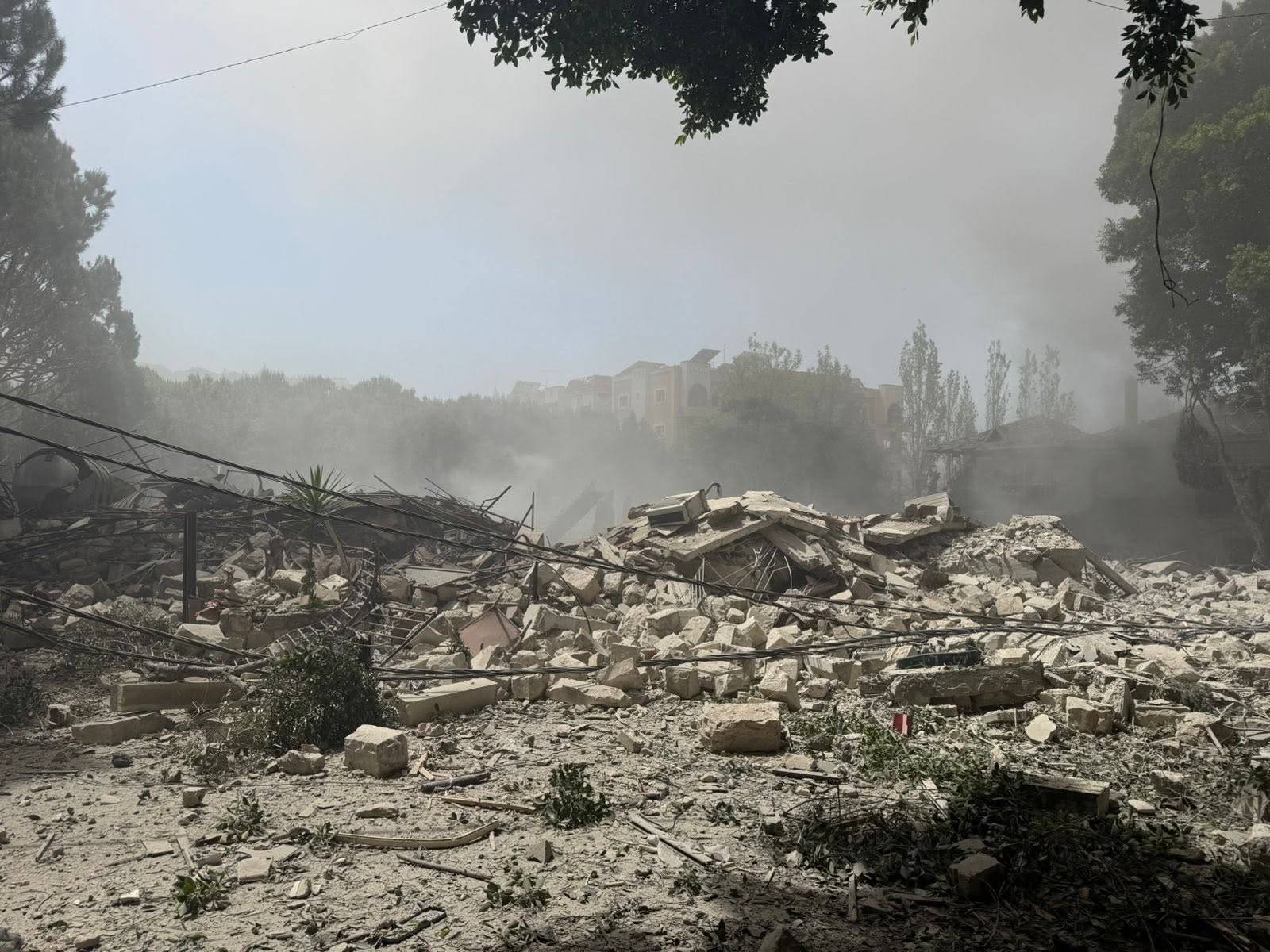
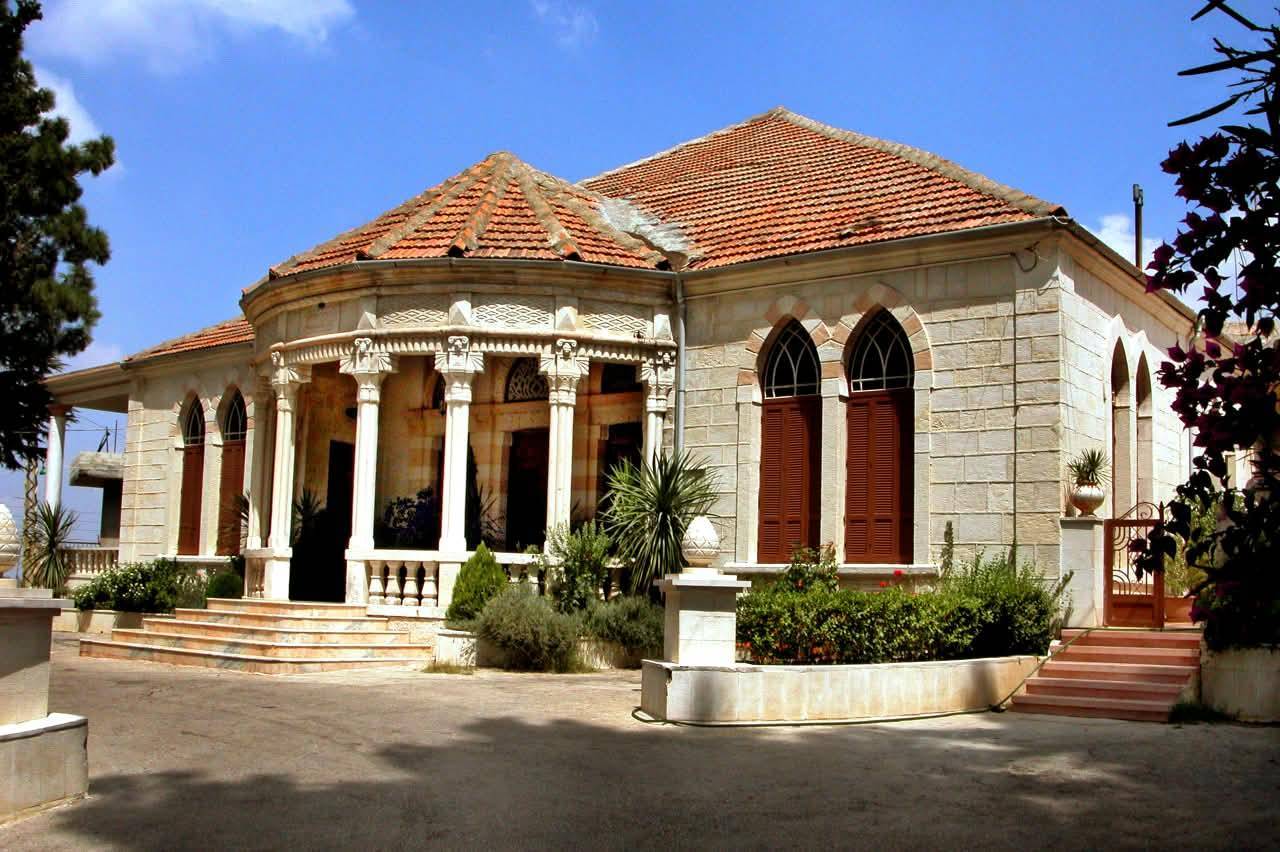
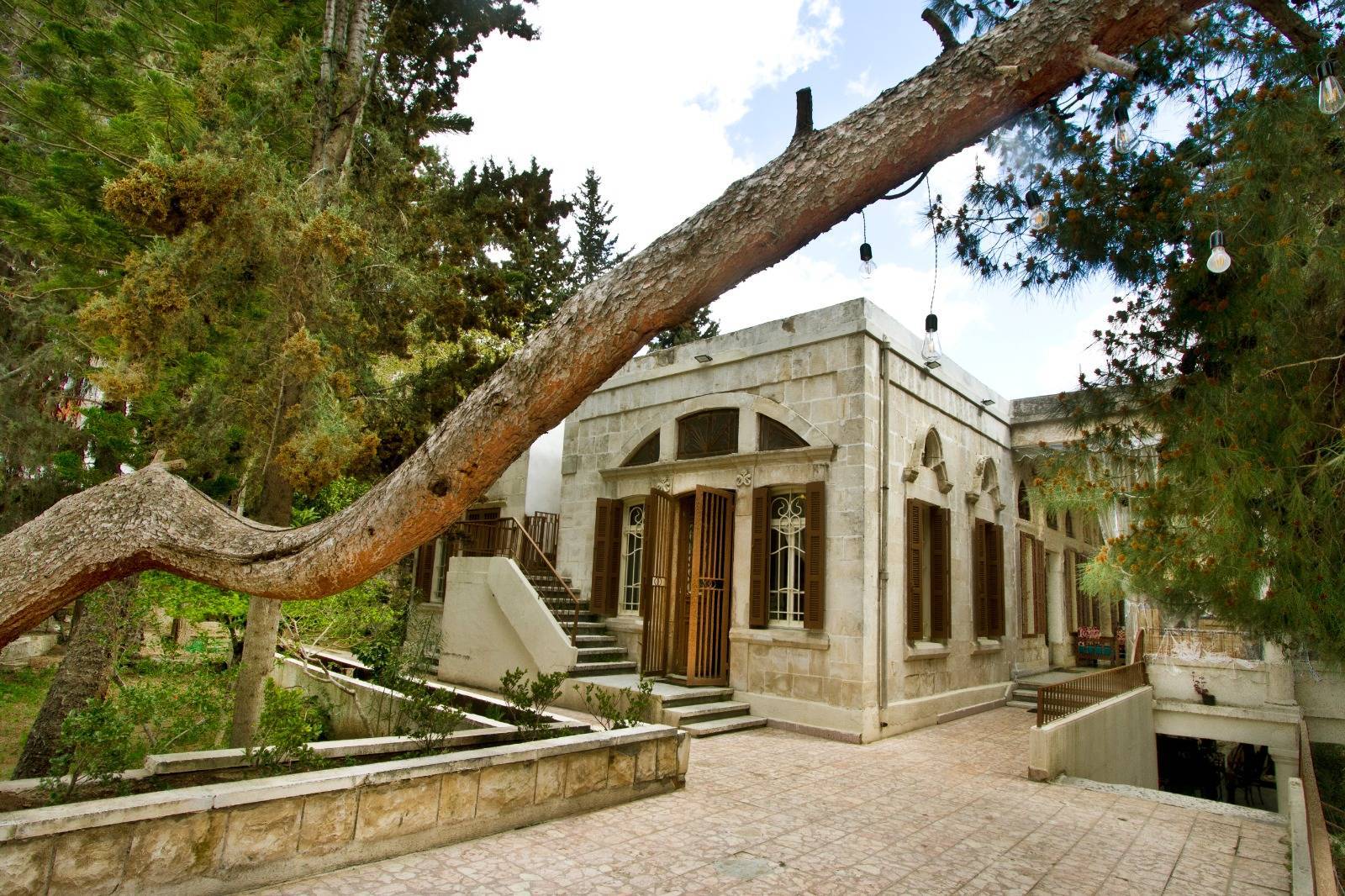
The home of Youssef Bek Zein, heavily damaged by Israeli bombardment, is now among the last remaining heritage landmarks and architectural witnesses in the Nabatieh area following the loss of the Abdel Aziz Zein residence.
In recent years, that residence had become a cultural hub in the region. His son, Dr. Saad Zein, expanded it to host cultural and community activities.
“My family home, the Abdel Aziz Zein residence, was more than 80 years old,” Dr. Saad Zein told Asharq Al-Awsat. “An Israeli strike completely demolished the house and wiped out all its features — not only its architecture, but also its cultural role.”
The Abdel Aziz Zein residence (Saad Zein archive)
Zein said the house had served as a venue for cultural and social activities since at least 2000. He had established a small museum there documenting the history of Jabal Amel, and the house “became a cultural destination in the region.”
The residence was later expanded to include gardens and a diwaniya, a traditional reception space that is a central feature of southern Lebanese architecture. In recent years, it became known as the “Saad Zein House.”
The strike on the large residence also damaged the adjoining Zein family home. That residence had been a center of political and social leadership for more than a century. Built 150 years ago, it housed the Ottoman governor in the 19th century before ownership passed to the Zein family and Youssef Bek Zein took up residence there.
Even the Family Tombs Were Hit
Zein entered parliament after the proclamation of Greater Lebanon in 1924, and his family became one of Jabal Amel’s most prominent political families during the last century. Its parliamentary representation continued uninterrupted until 2018.
“The Youssef Bek Zein residence was severely damaged. The roof, courtyard and family tombs were hit, including Youssef Bek’s grave,” Dr. Saad Zein stated.
“We are now working intensively and quickly to restore the house so it can be usable again and remain a witness to a political era, given that the family is one of Jabal Amel’s founding families and has maintained a cultural, developmental and social presence — a role that continues with me and my uncle.”
Zein stressed that the targeting of political homes and urban and historical landmarks “aims to erase traces and memories from the land in order to sever the Lebanese people’s connection to their homes, land and heritage.”
Deliberate and Systematic Destruction
Cultural and social figures in Nabatieh broadly agree that what occurred during the wars of 2024 and 2026 amounted to the “systematic destruction of memory without any actual justification.”
They argue that the concentrated bombardment and leveling of longstanding family homes historically associated with political positions opposed to Hezbollah contradicts the Israeli military’s assertion that its strikes target only Hezbollah facilities and headquarters.
One particularly notable case was the leveling of the home of former lawmaker Habib Sadek, founder of the Cultural Council for South Lebanon, in Kfour, west of Nabatieh.
Sadek was among South Lebanon’s best-known political and cultural activists. He served in parliament in 1992 and was one of the most prominent chroniclers of Israeli violations in the south since the 1940s. He encouraged the publication of works sponsored by the Cultural Council and combined a political career with his work as a writer, poet and thinker.
Manuscripts Documenting Violations
Kamel Jaber, head of the Cultural Council’s Nabatieh branch, told Asharq Al-Awsat that after Sadek’s home in Khiam was demolished in 1977, the area remained under occupation until 2000 and the family was forced to live between Beirut and Nabatieh.
“The family was determined to build a house outside the city resembling the homes of southerners — meaning it would have a garden surrounded by pine trees, with roses blooming in it,” Jaber said.
“Sadek paid particular attention to a diwaniya on the lower floor of the house, where he kept many of the manuscripts he had presented through various radio programs, as well as writings from the 1960s and 1970s. He also created extensive libraries in the diwaniya containing books, manuscripts and the rest of his cultural legacy.”
Jaber said Sadek was “one of the most prominent cultural figures who wrote and published works and books about the south, documenting violations and various forms of Israeli occupation, whether related to ambitions over water, geography or other issues, and produced studies showing the harm inflicted on the south through occupation.”
From that perspective, Jaber said the targeting of the house “was a targeting of Habib Sadek, his role, legacy and career.” He ruled out any security-related reason for striking the house, which he said was “closed and checked daily by a caretaker.”
Erasing Architectural and Political Heritage
The devastation is viewed locally as part of an effort to eliminate Nabatieh’s urban, architectural and political heritage.
After the 2024 war, cultural figures in the city launched an initiative, involving civil society groups in cooperation with the municipality, to document heritage buildings lost to Israeli bombardment. The survey was updated just two weeks before this article was written.
It found that 147 homes had been completely razed, leaving only a very small number of such buildings standing.
During the 2026 war, what remained of the Fadl al-Fadl house in the Manshieh district was demolished. The house was built late in the last century and designed by an Egyptian architect. General Gouraud visited it in the 1920s during a trip to the south while serving as French high commissioner in Lebanon.
The home of former lawmaker Mohammed Bek al-Fadl, meanwhile, lost large sections after strikes hit its surroundings in 2024. The house is 102 years old. Jaber, who works to document local memory through a civil society organization in Nabatieh, said its new owner had decided to restore it.
The home of Mohammed Bek al-Fadl (Kamel Jaber archive)
Erasing Cultural Memory
Nabatieh residents see the campaign as targeting architecture that embodies the area’s cultural heritage and its social, political and urban memory.
In Nabatieh, Israeli strikes completely leveled the residence of the late minister and lawmaker Rafik Shahine, as well as the home of Said Shahine, father of lawmakers and ministers Ghaleb and Fahmi Shahine.
Other buildings lost in the strikes had been regarded as architectural masterpieces, including the palace of Dr. Bahjat al-Mirza, considered one of the city’s most beautiful homes because its facades featured carvings in stone. Mirza was among Nabatieh’s first physicians in the 20th century to open his home to provide medical care to residents.
Mahmoud Shahine’s house was also razed in 2026. The building had served as a school during the last century and was among the houses constructed on the remains of older homes built some 200 years ago.
On Sept. 6, 2026, an Israeli strike leveled the home of Dr. Adnan Sharif, a century-old architectural landmark.
The home of Dr. Adnan Sharif (Kamel Jaber archive)
The home of former lawmaker Anwar Sabbah, father of Sadek Sabbah, director of Sabbah Brothers television production company, was also demolished. Built on a hill in Nabatieh in the early 1990s, it was separate from the family residence in the city, which remained standing.
Strikes also razed Ghandour Hospital, one of the main hospitals that provided medical services to the Nabatieh area during the period of occupation beginning in the 1980s.
A War on History
Israeli strikes did not only target houses and mansions but also hit archaeological and heritage sites across the south.
A market dating to the Mamluk era in Nabatieh was heavily bombarded, leaving part of it in ruins. The capital of an ancient column was dislodged at a UNESCO-listed site in the southern coastal city of Tyre.
A religious site known as “Shamoun al-Safa,” visited by both Muslims and Christians in the southern town of Shamaa, was also razed, as was Shamaa’s Crusader castle.
There is also no information about the condition of “Ain al-Fawqa” in Taybeh after the area surrounding it in the town square was devastated. The water collection spring was built in a spiral form and contains architectural features resembling examples from the Roman and Byzantine periods. It was restored during the Ottoman era.
Culture Minister Ghassan Salame told Reuters last month that historic towns outside the designated area were pummeled with airstrikes, including Tyre and Nabatieh.
Heavy bombing hit the town of Tebnin, prompting fears that its Crusader fortress was also damaged, Salame said.
"Heritage is not only Roman and Phoenician antiquities,” he added. “Heritage is also historic buildings, archaeological sites, and buildings with a cultural function."
He expressed concern that the Israeli campaign could completely erase centuries of Lebanese history.
UNESCO, meanwhile, said in a statement that it was concerned about the situation in Tyre, a World Heritage site under the agency’s enhanced protection.
It added it was deeply concerned by reports of damage to Shamaa Castle in South Lebanon and fighting near Beaufort Castle, denouncing what it described as “unlawful attacks on cultural property.”
لم تشترك بعد
انشئ حساباً خاصاً بك لتحصل على أخبار مخصصة لك ولتتمتع بخاصية حفظ المقالات وتتلقى نشراتنا البريدية المتنوعة