
أميركا تضيق الخناق على الصين من باب نفط إيران

بكين تعتمد بشكل كبير على واردات الخام من طهران

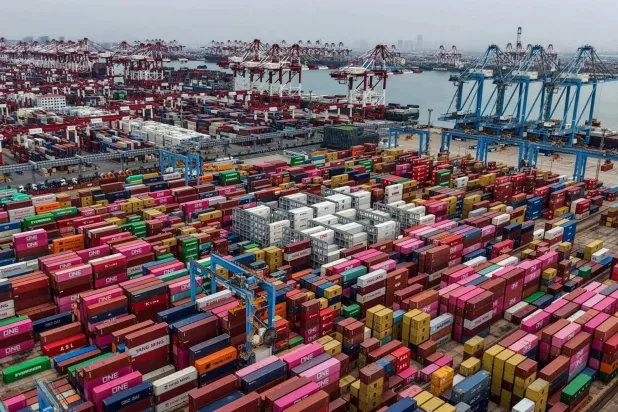
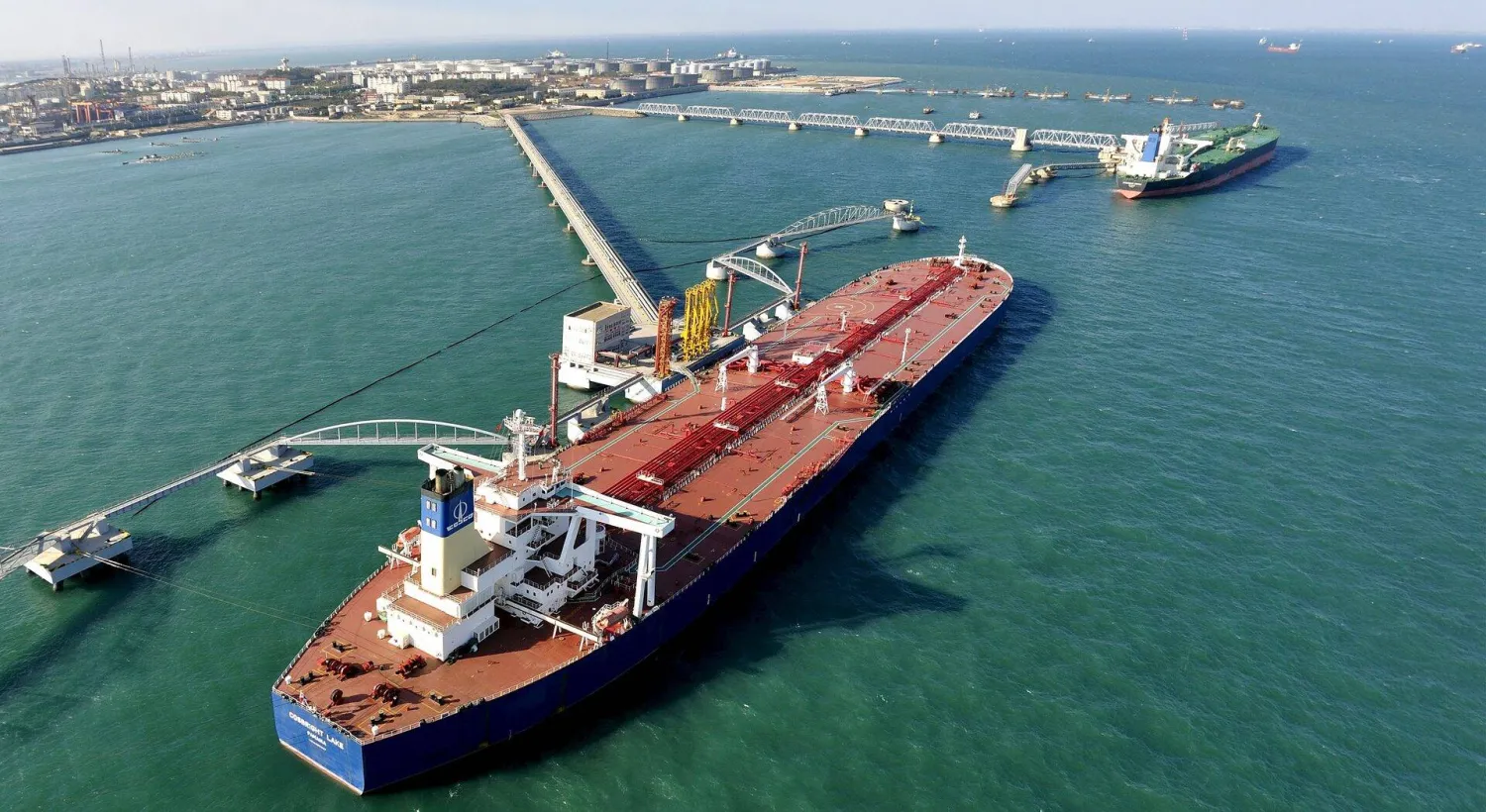
منظر عام لميناء يستقبل واردات نفطية في الصين (رويترز)
TT

أميركا تضيق الخناق على الصين من باب نفط إيران

منظر عام لميناء يستقبل واردات نفطية في الصين (رويترز)

برز اسم الصين بعد تهديدات الرئيس الأميركي دونالد ترمب بفرض رسوم جمركية إضافية بنسبة 25 في المائة على الشركاء التجاريين لإيران، نظراً لاعتماد بكين بشكل كبير على نفط إيران.

وتعد الصين أكبر مستورد للنفط الخام في العالم، والمشتري الرئيس للنفط القادم من إيران، الدولة العضو في منظمة البلدان المصدرة للنفط (أوبك)، مما يجعلها الأكثر عرضة للتأثر بأي تعطل في الإمدادات جراء الصراع في الشرق الأوسط.

وتتصدر بكين ​أيضاً قائمة مشتري النفط من فنزويلا، وهي من أكبر مستوردي نفط روسيا، واستخدمت المشتريات من الدول الثلاث التي تواجه عقوبات غربية مختلفة لتوفير مليارات الدولارات من تكلفة وارداتها في السنوات القليلة الماضية.

كمية النفط التي تشتريها الصين من إيران

أظهرت بيانات شركة «كبلر للتحليلات» أن الصين تشتري ما يقرب من 80 في المائة من النفط الإيراني المنقول من خلال الشحن، والذي ليس له كثير من المشترين بسبب العقوبات الأميركية التي تهدف إلى قطع التمويل عن برنامج طهران النووي.

وأضافت الشركة أن ‌الصين اشترت في ‌المتوسط 1.38 مليون برميل يومياً من النفط الإيراني ‌العام ⁠الماضي. ​ويمثل ‌ذلك نحو 13.4 في المائة من إجمالي 10.27 مليون برميل يومياً من النفط الذي تستورده عن طريق البحر.

المشترون الرئيسون الصينيون للخام الإيراني

تعد شركات التكرير الصينية المستقلة التي يتمركز أغلبها في مقاطعة شاندونغ من المشترين الرئيسين للخام الإيراني، حيث تجذبها أسعاره المخفضة مقارنة بالنفط غير الخاضع للعقوبات.

وتوفر هذه الشركات نحو ربع طاقة التكرير الصينية، وتعمل بهوامش ربح ضئيلة، وأحياناً سالبة، وتعرضت للضغط في الآونة الأخيرة بسبب فتور الطلب المحلي على المنتجات ⁠المكررة.

وقال متعاملون وخبراء إن شركات النفط الحكومية الكبرى في الصين تمتنع عن شراء النفط الإيراني منذ 2018-‌2019.

إلى أي مدى النفط الإيراني رخيص؟

تظهر حسابات «رويترز» وأحد المتعاملين أن النفط الخام ‍الإيراني الخفيف يجري تداوله عند نحو 8 إلى 10 دولارات للبرميل دون سعر تسليمات ‍برنت إلى الصين منذ ديسمبر (كانون الأول)، وذلك مقارنة مع خصم بنحو ستة دولارات في سبتمبر (أيلول). ويعني ذلك أن شركات التكرير الصينية توفر نحو ثمانية إلى 10 دولارات للبرميل إذا اشترت الخام الإيراني الخفيف بدلاً من الخام العماني غير الخاضع للعقوبات.

وزادت الخصومات بسبب وفرة ​المعروض في المخزونات البرية، والمخزون العائم.

وقالت شركة «كبلر» إن إيران تحتفظ بكميات قياسية من النفط العائم في المياه، تعادل نحو 50 يوماً من ⁠الإنتاج، في وقت قلصت الصين مشترياتها بسبب العقوبات، فيما تسعى طهران لحماية إمداداتها من خطر الضربات الأميركية.

تأثير العقوبات الأميركية

أعادت واشنطن فرض العقوبات على طهران في 2018، وفرضت إدارة الرئيس دونالد ترمب عدة حزم جديدة من العقوبات على تجارة النفط الإيراني منذ عودته للمنصب في يناير (كانون الثاني).

وذكرت «رويترز» أن العقوبات التي فرضها ترمب شملت ثلاثاً من شركات التكرير الصينية المستقلة، مما قوض عمليات الشراء من عدد من الشركات المستقلة متوسطة الحجم التي تخشى إدراجها على قائمة العقوبات.

وترفض بكين العقوبات أحادية الجانب، وتدافع عن تجارتها مع إيران باعتبارها مشروعة.

وعادة ما يصنف المتعاملون مع النفط الإيراني الذي تستورده الصين على أنه قادم من دول أخرى، مثل ‌ماليزيا، وهي مركز رئيس لإعادة الشحن، بالإضافة إلى إندونيسيا.

ولم تظهر بيانات الجمارك الصينية أي نفط جرى شحنه من إيران منذ يوليو (تموز) 2022.

مقالات ذات صلة

صادرات الصين من الوقود تعود تدريجياً لمستويات ما قبل حرب إيران

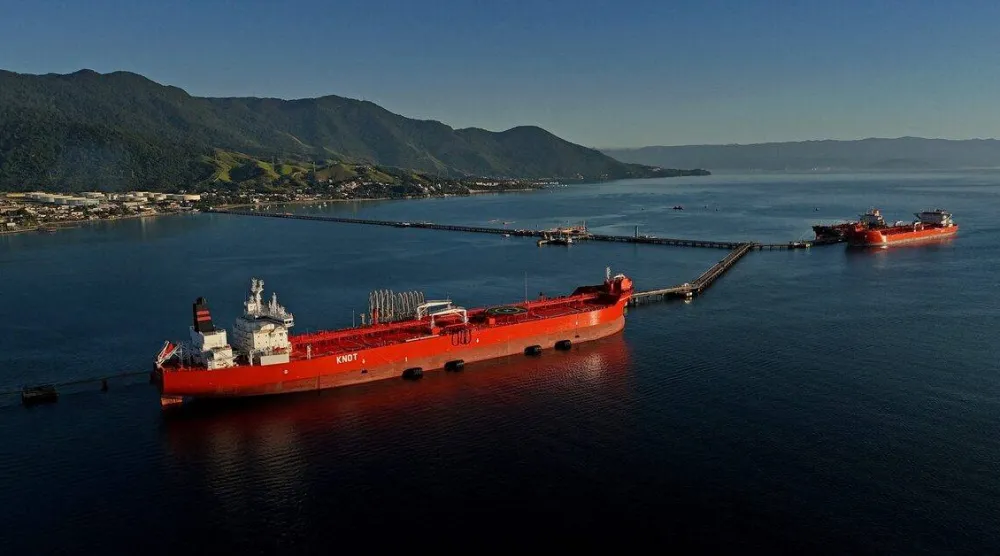
الاقتصاد قوارب سحب تساعد ناقلة نفط خام على الرسو في محطة نفط بمقاطعة صينية (رويترز)

صادرات الصين من الوقود تعود تدريجياً لمستويات ما قبل حرب إيران

تراجعت صادرات الصين من منتجات النفط المكررة في يوليو 12.9 في المائة على أساس سنوي؛ لكنها ارتفعت 6.7 في المائة مقارنة بالشهر السابق.

«الشرق الأوسط» (بكين)
الاقتصاد سفينة «دبي تاور» التابعة لشركة «سي ليجند» في ميناء تشوشان بمدينة نينغبو شرقي الصين قبل الإبحار إلى أوروبا عبر القطب الشمالي 15 أغسطس الحالي (أ.ف.ب)

الصين تستخدم طريق القطب الشمالي لأول مرة وتتجنب قناة السويس

غادرت سفينة حاويات صينية (السبت) متجهة إلى أوروبا عبر طريق يمر عبر الدائرة القطبية الشمالية في سابقة هي الأولى للصين تسمح لها بتجنّب المرور عبر قناة السويس.

«الشرق الأوسط» (بكين)
الاقتصاد مشهد عام لخطوط الإنتاج في مصنع شركة السيارات الألمانية «مرسيدس بنز» بألمانيا (رويترز)

«صدمة الصين 2.0» تضرب الصناعة الألمانية بقوة

يرى اتحاد الصناعات الألمانية أن المنافسة مع الصين تزداد صعوبة بالنسبة للقطاع.

«الشرق الأوسط» (برلين)
الاقتصاد عامل يسير بالقرب من حفارات تعمل في حقل نفط تابع لشركة البترول الوطنية الصينية (رويترز)

إنتاج الصين من النفط في يونيو يُسجل أدنى مستوى منذ 6 سنوات

انخفض إنتاج الصين من النفط الخام في يونيو إلى أدنى مستوى منذ بدء جائحة «كورونا»؛ حيث أدت حرب إيران وارتفاع الأسعار إلى كبح الطلب في ثاني أكبر اقتصاد في العالم.

«الشرق الأوسط» (بكين)
الاقتصاد الحياد التكنولوجي يعني تراجع الصناعة الألمانية (رويترز)

اقتصادي ألماني: أوروبا يمكنها مواجهة تنامي هيمنة الصين في الصناعة

يرى الخبير الاقتصادي الألماني، مارتن غورنيش، أنَّ ألمانيا وأوروبا يمكنهما مواجهة تنامي الهيمنة الصينية في القطاع الصناعي، من خلال التركيز على التقنيات المتخصصة.

«الشرق الأوسط» (برلين)

Türkiye Denies Military Presence at Abu al-Duhur Airbase Before or During Israeli Strike

A satellite image shows craters on the runways of the Abu al-Duhur airbase near Syria's Aleppo after an Israeli attack, August 19, 2026. (Pleiades Neo © Airbus DS 2026/Handout via Reuters)
TT

Türkiye Denies Military Presence at Abu al-Duhur Airbase Before or During Israeli Strike

A satellite image shows craters on the runways of the Abu al-Duhur airbase near Syria's Aleppo after an Israeli attack, August 19, 2026. (Pleiades Neo © Airbus DS 2026/Handout via Reuters)

Türkiye has reaffirmed its support for Syria’s efforts to develop its military capabilities and infrastructure and preserve its unity and sovereignty, while denying that any Turkish delegation was present at the Abu al-Duhur military airbase before or during Tuesday’s Israeli strike.

A Turkish Defense Ministry official described the attack as an attempt to destabilize Syria, undermine its security, unity and territorial integrity, and damage its infrastructure.

Speaking at the ministry’s weekly briefing Thursday, the official said any attack violating Syria’s sovereignty and territorial integrity was unacceptable, stressing that no Turkish military delegation had been at the base before or during the strike.

The official urged Israel to halt such “reckless” attacks and abide by international law, adding that Türkiye would continue to support Syria in building its military capabilities and infrastructure under the principle of “one state, one army.”

Israeli Prime Minister Benjamin Netanyahu’s office said after the strike that Israel had warned Syria against allowing a Turkish presence at Abu al-Duhur.

“Our message was very clear: Don’t do it,” it said, adding that Damascus had ignored the warning.

The Turkish presidency rejected the allegations as “baseless,” accusing Netanyahu of promoting them ahead of Israel’s October elections and calling on the international community to curb Israeli actions threatening regional peace and stability.

Syrian Foreign Minister Asaad al-Shaibani told Axios that Damascus had previously informed Israel there were no plans to establish a Turkish military base at Abu al-Duhur, which was being rehabilitated for use by the Syrian Air Force.

Al-Shaibani said Turkish military personnel had previously visited the airbase as part of broader training and military cooperation, but denied any Turkish buildup there. The facility was largely empty and work had not yet begun, he added.

There was no intention to establish a Turkish base, permanent Turkish military presence or deploy Turkish troops there, al-Shaibani underlined, saying Israel had no legitimate justification for bombing the facility.

He stressed that Syria remained open to negotiations with Israel on de-escalation, provided any agreement addressed both sides’ security concerns and respected Syrian sovereignty.

Türkiye-Israel relations have grown increasingly strained since Israel’s 2010 raid on the Mavi Marmara, part of the Gaza-bound Freedom Flotilla. US mediation later helped repair ties, culminating in a meeting between Turkish President Recep Tayyip Erdogan and Netanyahu in New York on September 19, 2023.

Relations deteriorated sharply after the Gaza war erupted on October 7, 2023. Ankara has accused Israel of committing “genocide” in Gaza and suspended trade.

The rivalry intensified in Syria after Bashar al-Assad’s fall in December 2024 and Türkiye strengthened political, economic, defense and security ties with President Ahmed al-Sharaa’s government.

Israel, concerned about Türkiye’s military presence in Syria, previously struck the Hama military airport, claiming Ankara planned Turkish air and ground bases at Palmyra, the T4 military airbase in Homs province and the Menagh military airbase in the Aleppo province.


Inter Set for Serie A Title Defense as Milan Get Amorim Reboot

AC Milan's Portuguese coach Ruben Amorim reacts during the pre-season friendly football match between Manchester United and AC Milan at the Tarczynski Arena in Wroclaw, Poland, on August 15, 2026. (AFP)
TT

Inter Set for Serie A Title Defense as Milan Get Amorim Reboot

AC Milan's Portuguese coach Ruben Amorim reacts during the pre-season friendly football match between Manchester United and AC Milan at the Tarczynski Arena in Wroclaw, Poland, on August 15, 2026. (AFP)

Inter Milan begin their Serie A title defense on Saturday as clear favorites to retain the Scudetto, but the reigning champions have undergone significant changes since completing a league and Italian Cup double in May.

Cristian Chivu is entering his second season in charge and has reshaped a squad he inherited from Simone Inzaghi a little over a year ago.

The Romanian has focused on rejuvenating an ageing team while adding a distinctly Premier League flavor during the summer transfer window.

Spanish goalkeeper Josep Martinez is expected to take over from the departed Yann Sommer as part of a refreshed rearguard that was showing signs of wear.

Veterans Francesco Acerbi, Matteo Darmian and Stefan de Vrij have all moved on, while Died Spence, who impressed for England at the 2026 World Cup, has arrived alongside experienced Manchester City center-back John Stones.

Manuel Akanji, another former City defender, has completed a permanent switch after joining Inter on loan last term, but Denzel Dumfries is now at Real Madrid.

Inter are also pursuing Liverpool midfielder Curtis Jones as they look to maintain a squad capable of competing on multiple fronts.

With captain Lautaro Martinez and France forward Marcus Thuram continuing to lead the attack, supported by emerging talents Pio Esposito and Ange-Yoan Bonny, Inter are targeting a third league title in four seasons.

They are also eager to make amends for a disappointing European campaign that ended in the knockout play-off round against Norwegian side Bodo/Glimt.

"The objective is always to win, always to dominate the league," midfielder Hakan Calhanoglu recently told beIN Sports. "In five seasons I've won eight trophies and played in two Champions League finals, and we'll keep trying to win titles."

- Amorim tasked with Milan reboot -

The race to unseat Inter appears wide open, with city rivals AC Milan turning to ex-Manchester United boss Ruben Amorim in a bid to revive their fortunes after finishing fifth last season.

They splashed out a club record 74 million euros ($86 million) to sign Portugal forward Goncalo Ramos from Paris Saint-Germain, striving to bolster the attacking options for a team hurt by a lack of goals.

"I know exactly what this club means: history, prestige and an extraordinary fanbase around the world," Amorim said after his appointment in June.

"It is a challenge I embrace with pride and enthusiasm, fully aware of what these colors represent. I can't wait to get started and to experience every day the passion that drives AC Milan."

Anything less than a return to the Champions League would represent another setback for the seven-time European champions after a series of frustrating seasons that have tested supporters' patience.

Napoli finished second last season but head into the new campaign under new management after Antonio Conte's exit.

Conte's successor, Massimiliano Allegri, boasts six Serie A titles with Juventus and Milan. He has questions to answer though after a disappointing spell at Milan ended with the club missing out on Champions League qualification on the final day.

Napoli have also had a quiet transfer window. Romelu Lukaku left for Turkey after an injury-ravaged past year, leaving Rasmus Hojlund as the main man up front for the 2024-25 Italian champions.

Juventus also view a top-four finish as the minimum requirement. The Turin giants ended last season sixth, 18 points behind Inter, and continue to grapple with financial pressures despite the backing of the Agnelli family.

The club has made sweeping changes and parted ways with Serbian striker Dusan Vlahovic, previously Serie A's highest-paid player. Juventus have nevertheless invested heavily, spending more than 40 million euros to secure France forward Randal Kolo Muani.

Should Milan and Juventus fail to meet expectations again, Roma and ambitious Como could be well placed to capitalize.

Roma finished third under Gian Piero Gasperini, while Como, led by former Spain midfielder Cesc Fabregas, are preparing for a remarkable Champions League debut just seven years after playing in Italy's fourth tier.

Elsewhere, Fiorentina have spent more than 120 million euros to mark the club's centenary and erase memories of a disastrous 2025-26 campaign that ended with a 15th-place finish.


The Ethiopian Dam Dispute and Egypt’s ‘Right to Self-Defense’

Egyptian Foreign Minister Badr Abdelatty. Photo: Foreign Ministry
TT

The Ethiopian Dam Dispute and Egypt’s ‘Right to Self-Defense’

Egyptian Foreign Minister Badr Abdelatty. Photo: Foreign Ministry

Over the past two weeks, Egypt has repeatedly stressed its right to prevent any actions by Addis Ababa on the Nile River that could harm its water interests, stressing that it possesses the “right to self-defense” over Ethiopia’s Grand Ethiopian Renaissance Dam (GERD).

According to experts who spoke to Asharq Al-Awsat, Egypt’s signaling means that it “will not hesitate to use all legitimate means to safeguard its water security.”

They explained that the message is a stern warning to Ethiopia and suggests that Cairo is seeking to shift from a policy of protesting Ethiopian measures to preventive deterrence, aimed at stopping the establishment of a new status quo on the Nile.

New Egyptian Warning

Egyptian Foreign Minister Badr Abdelatty said that “Egypt will not allow the construction of additional dams ... that affect its water interests,” stressing Cairo’s commitment to a legally binding agreement that guarantees its water rights.

In a television interview on Wednesday evening, Abdelatty said that Egypt does not oppose African countries’ right to development, noting Cairo’s participation in dam and infrastructure projects in several Nile Basin states. However, he stressed the need to balance the right to development with the rights of downstream countries.

He also underscored Egypt’s commitment to protecting its water interests. “We have the right to self-defense to protect our interests and water security,” said the minister. “We will not accept any agreement regarding the Nile River unless it is legally binding,” he reiterated.

Mohamed Hegazy, a member of the Egyptian Council for Foreign Affairs and a former assistant foreign minister, says the right of self-defense is protected under international law after all peaceful means have been exhausted.

According to Hegazy, the core message is that Cairo still prefers agreement and negotiation, but it no longer accepts using negotiations to impose a fait accompli.

He argued that the most significant aspect of Abdelatty’s statements is that they send three simultaneous messages - Rejection of unilateral measures, rejection of additional dams, and insistence on the right of self-defense to protect water security.

Hussein El-Behairy, an African affairs expert at the National Center for Middle East Studies, said the minister’s recent statements reaffirm Egypt’s right to defend its historical and water rights in the Nile by whatever means the Egyptian state deems appropriate to preserve what Egyptians view as a matter of life and death.

Ethiopia’s Grand Ethiopian Renaissance Dam (GERD). Reuters

Escalating Egyptian Position

This is the third time Egypt has signaled the possibility of using its “right to self-defense” and preventing dam construction on the Nile.

On August 16, Egypt’s state news agency quoted an unnamed Egyptian official as saying that Cairo “will neither accept nor allow any party to control the flow of Nile waters to downstream countries,” stressing that the Egyptian state possesses multiple tools capable of protecting its people’s interests in the Nile.

The statement came in response to remarks attributed to Ethiopian Minister of Water and Energy Habtamu Itefa concerning the construction of additional dams on the Nile and control over water flows to downstream states, namely Egypt and Sudan.

Earlier, on August 4, Egyptian Minister of Water Resources and Irrigation Hani Sewilam stated during a press conference that Egypt “will not allow the construction of new Ethiopian dams on the Nile River.”

He said: “It is well known that Ethiopia has plans to build additional dams, but will the Egyptian state allow this? No.”

According to Hegazy, the ball is now in Ethiopia’s court. If Addis Ababa agrees to resume serious negotiations leading to a legally binding agreement on GERD, the crisis can be contained.

However, if Ethiopia continues to create new realities on the Nile, the scope for a diplomatic solution will narrow, making risk management and deterrence a more prominent part of Egypt’s strategy.

El-Behairy does not expect the escalation to pave the way for new negotiations on GERD unless the Ethiopian government is willing to make concessions in response to Cairo’s demands. These demands include reaching a legally binding agreement that guarantees Egypt’s water rights during periods of drought and severe drought, and providing Egypt with information regarding the operation of the dam in a manner that does not harm its water interests.