أوامر ملكية... الدوسري وزيراً للإعلام والطوق مساعداً لوزير الثقافة

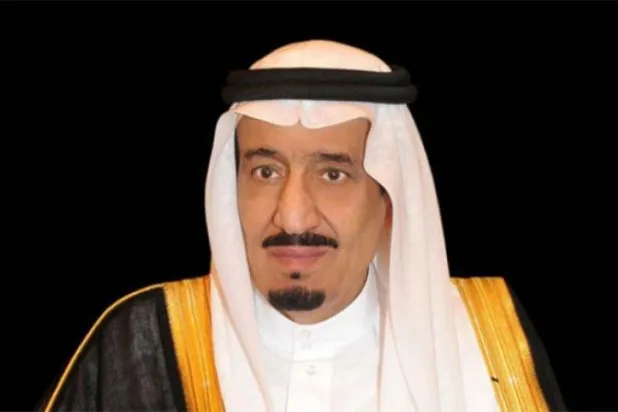
خادم الحرمين الشريفين الملك سلمان بن عبد العزيز (الشرق الأوسط)
TT

أوامر ملكية... الدوسري وزيراً للإعلام والطوق مساعداً لوزير الثقافة

خادم الحرمين الشريفين الملك سلمان بن عبد العزيز (الشرق الأوسط)

أصدر خادم الحرمين الشريفين الملك سلمان بن عبد العزيز، اليوم (الأحد)، أوامر ملكية، قضت بتعيين سلمان بن يوسف بن علي الدوسري وزيراً للإعلام، وتعيين راكان بن إبراهيم بن عبد العزيز الطوق، مساعداً لوزير الثقافة بالمرتبة الممتازة.
كما أمر الملك سلمان بن عبد العزيز، بتعيين الفريق محمد عامر بن محمد الحربي نائباً لرئيس الاستخبارات العامة، وتعيين المهندس إبراهيم بن محمد بن إبراهيم السلطان وزير دولة وعضواً بمجلس الوزراء، وتعيين حمود بن بداح المريخي مستشاراً بالديوان الملكي بمرتبة وزير.
وشملت الأوامر الملكية، الصادرة اليوم، تعيين إسماعيل بن سعيد بن علي الغامدي مساعداً لوزير الموارد البشرية والتنمية الاجتماعية للخدمات المشتركة بالمرتبة الممتازة، وتعيين الدكتور عبد الرحمن بن حمد بن صالح الحركان محافظاً للهيئة العامة لعقارات الدولة بالمرتبة الممتازة.


مقالات ذات صلة

خادم الحرمين يؤدي صلاة عيد الفطر بقصر السلام في جدة

خادم الحرمين يؤدي صلاة عيد الفطر بقصر السلام في جدة

خادم الحرمين يؤدي صلاة عيد الفطر بقصر السلام في جدة

أدى خادم الحرمين الشريفين الملك سلمان بن عبد العزيز، في قصر السلام بجدة، صباح اليوم (الجمعة)، صلاة عيد الفطر المبارك. وأدى الصلاة مع الملك سلمان كلّ من الأمير خالد بن فهد بن خالد، والأمير منصور بن سعود بن عبد العزيز، والأمير خالد بن سعد بن فهد، والأمير سطام بن سعود بن عبد العزيز، والأمير فيصل بن سعود بن محمد، والأمير الدكتور عبد العزيز بن سطام بن عبد العزيز مستشار خادم الحرمين الشريفين، والأمير بدر بن سلطان بن عبد العزيز نائب أمير منطقة مكة المكرمة، والأمير سعود بن عبد الله بن جلوي محافظ جدة، والأمير سعود بن سلمان بن عبد العزيز، والأمير فيصل بن أحمد بن سلمان بن عبد العزيز، والأمير عبد العزيز ب

«الشرق الأوسط» (جدة)
الملك سلمان: نرجو أن يحل العيد بالاستقرار والأمن لمنطقتنا والعالم

الملك سلمان: نرجو أن يحل العيد بالاستقرار والأمن لمنطقتنا والعالم

دعا خادم الحرمين الشريفين الملك سلمان بن عبد العزيز، أن يحل عيد الفطر المبارك ومعه أنباء الاستقرار والأمن والطمأنينة لمنطقتنا والعالم أجمع. جاء ذلك في كلمة هنأ فيها المواطنين والمقيمين وعموم المسلمين بمناسبة عيد الفطر المبارك لهذا العام، سائلاً الله أن يتقبل منهم الصيام والقيام وصالح الأعمال، ويعيده على السعودية، وكل بلدان العالم ترفل بالأمن والسلام والاطمئنان.

«الشرق الأوسط» (جدة)
القيادة السعودية تدعم الأعمال الخيرية في «إحسان» بـ70 مليون ريال

القيادة السعودية تدعم الأعمال الخيرية في «إحسان» بـ70 مليون ريال

دشّن خادم الحرمين الشريفين الملك سلمان بن عبد العزيز، والأمير محمد بن سلمان بن عبد العزيز ولي العهد رئيس مجلس الوزراء، اليوم (الاثنين)، الحملة الوطنية للعمل الخيري في عامها الثالث على التوالي، بتبرعين سخيين بلغا 70 مليون ريال سعودي. وقدّم خادم الحرمين 40 مليون ريال، وولي العهد 30 مليون ريال للأعمال الخيرية وغير الربحية من خلال منصة «إحسان» التي تمثل بوابة تقنية متكاملة تسهم في حوكمة وإدارة التبرعات واستدامتها، وذلك امتداداً لعطائهما الكبير للحملة. يأتي ذلك في إطار ما توليه القيادة السعودية من عظيم اهتمام بدعم العمل الخيري، وامتداداً لحرصها على تشجيع قيم البذل والعطاء، وتحفيز المواطنين والمواطن

«الشرق الأوسط» (جدة)
الملك سلمان يوجه بتمديد العمل ببرنامج «حساب المواطن»

الملك سلمان يوجه بتمديد العمل ببرنامج «حساب المواطن»

وجّه خادم الحرمين الشريفين الملك سلمان بن عبد العزيز، بتمديد العمل ببرنامج «حساب المواطن» بآليته الحالية، مع الاستمرار في تقديم الدعم الإضافي المؤقت للمستفيدين منه لمدة أربعة أشهر، وحتى دفعة شهر يوليو (تموز) المقبل، إلى جانب استمرار فتح التسجيل فيه. جاء ذلك بناءً على ما رفعه الأمير محمد بن سلمان بن عبد العزيز ولي العهد رئيس مجلس الوزراء رئيس مجلس الشؤون الاقتصادية والتنمية، وذلك ضمن رعايتهما المستمرة بالمواطنين والمواطنات في سبيل حماية الأسر المستحقة من تداعيات الآثار المترتبة على ارتفاعات الأسعار العالمية. كما يأتي استمراراً للتوجيه الملكي الصادر في يوليو 2022، الذي تضمن تخصيص مبلغ 20 مليار ر

«الشرق الأوسط» (جدة)
خادم الحرمين يوجه بصرف معونة رمضان للمستفيدين من الضمان بأكثر من 3 مليارات ريال

خادم الحرمين يوجه بصرف معونة رمضان للمستفيدين من الضمان بأكثر من 3 مليارات ريال

وجّه خادم الحرمين الشريفين الملك سلمان بن عبد العزيز، بصرف «معونة شهر رمضان» للمستفيدين من الضمان الاجتماعي، بمبلغ 1000 ريال للعائل، و500 ريال للتابع. ومن المنتظر إيداع مبالغ المعونة، التي تقدر بأكثر من 3 مليارات ريال، في الحسابات البنكية للمستفيدين بشكل مباشر، وذلك خلال الساعات المقبلة. ورفع وزير الموارد البشرية والتنمية الاجتماعية المهندس أحمد الراجحي، خالص شكره وتقديره لخادم الحرمين الشريفين، على هذه البادرة لمستفيدي الضمان الاجتماعي، وتلمُّس احتياجاتهم خلال شهر رمضان المبارك.

«الشرق الأوسط» (الرياض)

Gaza’s Diabetes Patients Face a War Without Respite

Palestinian child Al-Baraa Abdel Aal, who has diabetes, was forced to use expired medication in Gaza (Asharq Al-Awsat)
TT

Gaza’s Diabetes Patients Face a War Without Respite

Palestinian child Al-Baraa Abdel Aal, who has diabetes, was forced to use expired medication in Gaza (Asharq Al-Awsat)

Diabetes patients in the Gaza Strip are fighting two battles without respite - the fallout from an Israeli offensive that began nearly three years ago despite a ceasefire announced almost a year ago, and a daily struggle to secure medication as Israel tightens restrictions on the entry of drugs and other medical supplies, despite appeals from UN and health organizations.

The war has forced people with chronic illnesses to use expired medication as access to safe treatment has dwindled.

Habib Abu Daqqa, 11, who was diagnosed with diabetes a year before the war, has spent more than three months at Nasser Medical Complex after falling into a coma following an injection of expired diabetes medication.

His mother, Maysaa Abu Daqqa, who also has diabetes, told Asharq Al-Awsat that her son has become severely distressed and needs regular, safe treatment before he can leave the hospital.

She resorted to the expired injection because of his condition, despite warnings from some doctors, while others had told her it could still be used. He subsequently developed diabetic ketoacidosis and was admitted to intensive care.

Before the war, she recalled, both had reliable access to medication and appropriate food and followed regular treatment and dietary plans. She attributed their deteriorating health partly to the period of famine in Gaza.

In 2024, the Palestinian Health Ministry estimated that around 350,000 people with chronic illnesses in Gaza lacked necessary healthcare, including about 71,000 diabetes patients, 225,000 people with hypertension and 45,000 with cardiovascular disease.

Al-Baraa Abdel Aal, 14, who has Type 1 diabetes, also required intensive care after medication shortages forced him to take expired drugs.

“Before the war, I had access to all kinds of medication, especially insulin,” Abdel Aal told Asharq Al-Awsat. Suitable food was also readily available.

“I spent eight days in intensive care. I saw death,” he recalled, adding that expired medication and substitutes left him severely fatigued.

Wafaa Washah, 36, a Jabalia refugee camp resident displaced to Khan Younis who has had diabetes for 13 years, explained that economic hardship and her husband’s unemployment had deprived her of suitable food and even clean drinking water.

She recounted that she nearly slipped into a coma several times after using expired medication because no alternatives were available. During the famine, shortages of food, particularly flour, left her suffering frequent dizziness and fever.

Farah Lafi, 19, noted that the crisis extends beyond insulin to glucose test strips needed for frequent blood-sugar monitoring. She estimated that expired medications retain only about 30% of their effectiveness, undermining patients’ daily activity and ability to function.

Ibrahim Dhair, a diabetes consultant at hospitals in southern Gaza, described diabetes patients as among those hardest hit by severe drug shortages. Much of the available medication is expired and can lead to complications including diabetic ketoacidosis and admission to intensive care.

Even when insulin is available, proper refrigeration poses another problem, he explained. Many residents live in tents without basic services, while extreme heat can spoil medicines that must be stored at specific temperatures.

Dhair added that doctors sometimes issue guidance on how to manage available medicines, but with stocks continuing to run out, he described the current situation as a crisis beyond the healthcare system’s capacity to handle.


Abdi, Ahmed in Damascus Hoping to Complete Integration Talks Before the End of August

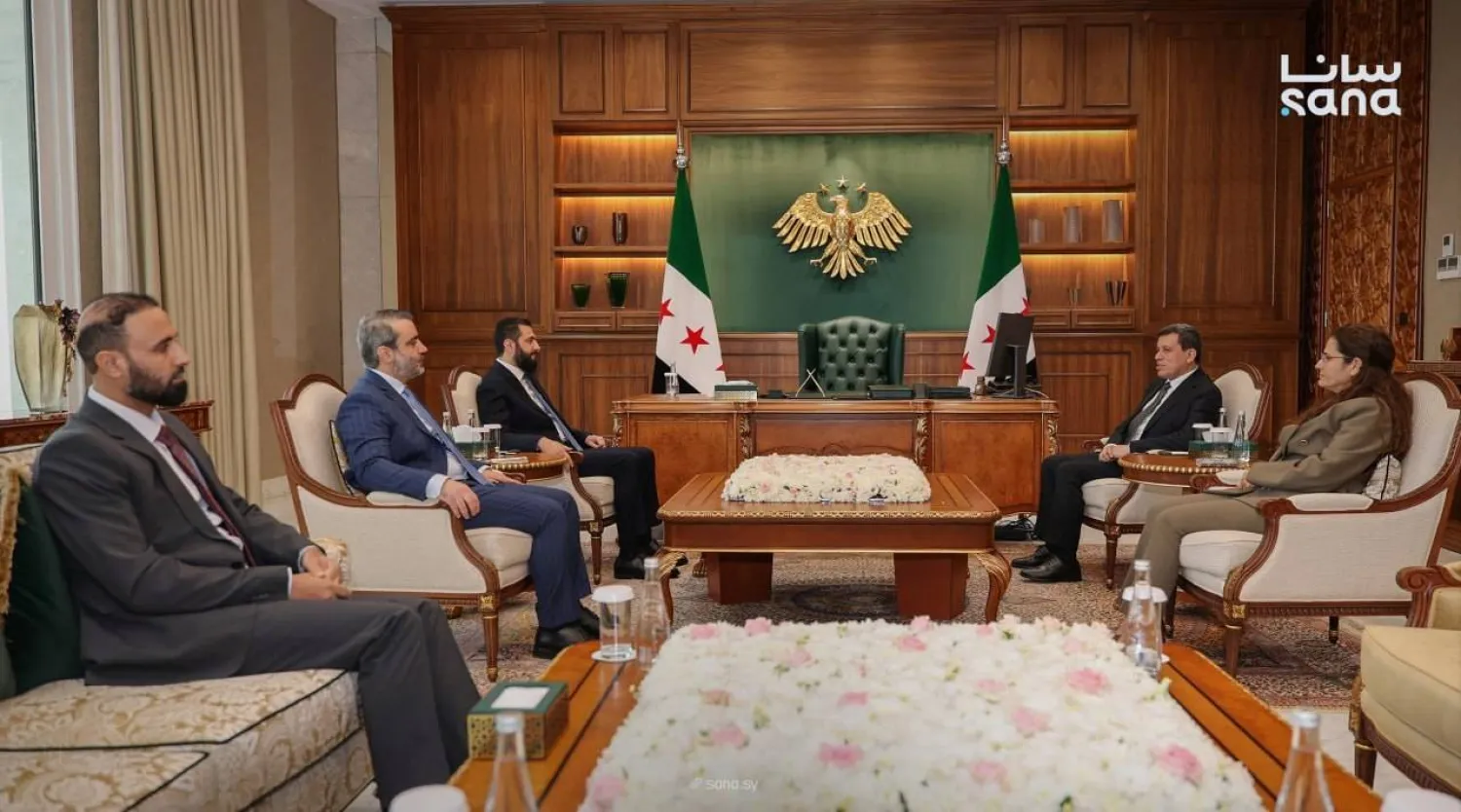
President Ahmed al-Sharaa meets with SDF commander Mazloum Abdi and top SDF official Ilham Ahmed at the People's Palace in Damascus, Aug. 4, 2026. (SANA)
TT

Abdi, Ahmed in Damascus Hoping to Complete Integration Talks Before the End of August

President Ahmed al-Sharaa meets with SDF commander Mazloum Abdi and top SDF official Ilham Ahmed at the People's Palace in Damascus, Aug. 4, 2026. (SANA)

Syrian Democratic Forces (SDF) commander Mazloum Abdi and top SDF official Ilham Ahmed held talks with Syrian government officials in Damascus on Monday as the two sides seek to complete integration measures by the end of the month.

Sources in Damascus told Asharq Al-Awsat that education was the main issue discussed at the meeting, which was held under a media blackout.

The talks came about 20 days after Abdi and Ahmed met President Ahmed al-Sharaa in Damascus. Sources said that meeting failed to produce agreement on several disputed issues despite both sides’ commitment to implementing their January 29 accord.

Abdi has recently denied that the SDF would be dissolved, saying its integration into the Syrian army would preserve its structures within new formations, including brigades in Qamishli, al-Malikiyah and Kobani, with another planned for Afrin. He also announced plans to launch a new, non-ethnic political party in Syria.

Foreign Minister Asaad al-Shaibani said on August 18 that several issues remained unresolved, including how to integrate the Women’s Protection Units and Kurdish-language education.

Kurdish officials want school curricula translated into Kurdish, while Damascus proposed offering Kurdish language as an optional subject, arguing that separate curricula could prompt similar demands from other Syrian communities.

Before traveling to Damascus, Ahmed wrote on X that education in one’s mother tongue was “a fundamental right of every people,” adding that recognizing such rights could make Syria a model of justice, stability and peace.

Al-Sharaa issued Decree No. 13 on January 16, recognizing Syrian Kurdish citizens as an “essential and integral part of the Syrian people” and their cultural and linguistic identity as part of Syria’s national identity.

Other unresolved issues include non-Syrian Kurds, Kurdish organizations and leaders who have not joined state institutions, as well as the return of displaced people and detainees and missing persons held by the SDF.

Recent reports said that discussions will also cover Kurdish appointments within state institutions following integration, including potential senior posts for figures from the Syrian Democratic Council.

Abdi said ahead of the Damascus visit that implementation of the January agreement had entered a new phase as the integration of military, security and administrative institutions progressed.

Kurdish media reported significant advances in merging civilian and service institutions, including education, health, energy, water and agriculture, while judicial integration is expected to advance in early September.


مقاطع الطعام عبر «تيك توك» تحفّز شهية المراهقين

شعار تطبيق «تيك توك» في طوكيو (أ.ف.ب)
TT

مقاطع الطعام عبر «تيك توك» تحفّز شهية المراهقين

شعار تطبيق «تيك توك» في طوكيو (أ.ف.ب)

كشفت دراسة أميركية عن أن تطبيق «تيك توك» لعرض مقاطع الفيديو يُسهم في تشكيل شهية المراهقين.

وحسب الدراسة التي نشرتها الدورية العلمية «Journal of Nutrition Education and Behavior»، المتخصصة في التغذية والعلوم السلوكية، فقد لُوحظ أن مشاهدة مقاطع الفيديو على «تيك توك» تحفّز شهية المراهقين وتثير اهتمامهم من أجل تجربة أنواع جديدة من المأكولات.

وذكرت الباحثة من جامعة مينيسوتا، أدريانا بيل، أن «المراهقين يصفون (تيك توك) باعتباره بيئة جاذبة للغاية حيث تستحوذ مقاطع الفيديو الخاصة بالمأكولات على اهتمامهم بسرعة، وتثير رغبتهم في تجربة أصناف جديدة من الأطعمة»، حسبما أفادت «وكالة الأنباء الألمانية».

وتؤكد الدراسة أن الآباء يمكنهم توفير الحماية للمراهقين من مخاطر هذه التطبيقات عن طريق متابعة المحتوى الذي يشاهده الأبناء، ومدى تأثير هذا المحتوى على سلوكياتهم.

وشملت الدراسة مجموعة من المتطوعين في سن المراهقة، تتراوح أعمارهم ما بين 15 و16 عاماً من إحدى المدارس الثانوية من الغرب الأوسط الأميركي. وكشف المتطوعون في التجربة عن أنهم يشاهدون عدداً كبيراً من المقاطع التي تتناول تقييمات للمطاعم ووصفات للمأكولات، فضلاً عن نصائح وإعلانات بشأن الوجبات اليومية، وأكدوا أن هذه المقاطع تثير شهيتهم نحو تناول بعض الأطعمة والمأكولات.

وبالنسبة إلى المؤثرين على شبكة الإنترنت، ذكر بعض المراهقين في التجربة أنهم قد يرغبون في تناول بعض الأطعمة إذا كان المؤثر الذي يعرضها على الإنترنت يتسم بمظهر جيد.

ونقل الموقع الإلكتروني «هيلث داي»، المتخصص في الأبحاث الطبية، عن الباحثة أدريانا بيل قولها إن «الآباء يلعبون دوراً مهماً في منع التعرض لمقاطع الفيديو الخاصة بالمأكولات، وفتح نقاشات نقدية مع الأبناء بشأن هذا المحتوى».