«تحجيم وتدمير»... قصة الحرب على «داعش»

كتاب جديد يكشف خفايا الحملة على التنظيم الإرهابي

الرقة... «عاصمة داعش» في سوريا ما زالت مدمَّرة بعد سنوات من تحريرها (رويترز)
TT

«تحجيم وتدمير»... قصة الحرب على «داعش»

الرقة... «عاصمة داعش» في سوريا ما زالت مدمَّرة بعد سنوات من تحريرها (رويترز)

رئيس الحكومة العراقية السابق نوري المالكي، كان يخشى مؤامرة تطيحه ويتم سحل جثته في شوارع بغداد، كما حصل مع العقيد الليبي معمر القذافي بعد إطاحة نظامه عام 2011.
الرئيس الأميركي السابق دونالد ترمب، اتصل برئيس الحكومة العراقية الأسبق حيدر العبادي، لتهنئته بـ«النصر» على تنظيم «داعش» في معركة الموصل، لكنه سارع إلى إبلاغه بأن أميركا «تريد النفط»، شاكياً من مساعدة العراقيين لإيران في تهريب النفط.
الزعيم الكردي السوري مظلوم عبدي، قائد «قوات سوريا الديمقراطية»، أبلغ جنرالاً أميركياً في كردستان العراق بأن الأكراد السوريين أخذوا قرارهم بالتعاون مع الأميركيين في الحرب ضد «داعش».
ما لم يعرفه الجنرال الأميركي، كما يبدو، أن عبدي كان قد التقى لتوه قائد «فيلق القدس» في «الحرس الثوري» الإيراني السابق قاسم سليماني، الذي عرض عليه دعماً إيرانياً لقواته، لكنه اختار الأميركيين عوضاً عن الإيرانيين.
هذه مجرد عينة مما يكشفه كتاب جديد بعنوان «تحجيم وتدمير» (Degrade and Destroy) للصحافي والكاتب الأميركي مايكل غوردون، الذي يقدم سيلاً من المعلومات عن خفايا الحرب ضد تنظيم «داعش» في سوريا والعراق، بدءاً بولاية الرئيس الأميركي الأسبق باراك أوباما ثم ولاية خلفه دونالد ترمب.
يتنقل القارئ، خلال تقليب صفحات الكتاب، بين جبهات المعارك وكأنه جزء منها؛ يعيش نكساتها، مآسيها، وأيضاً انتصاراتها.
يدخل الاجتماعات المغلقة التي يعقدها القادة الأميركيون لمناقشة الحرب. يطلع على محاضرها السرية، ويستمع إلى روايات المشاركين فيها، فيكتشف حروباً موازية للحرب ضد «داعش» كانت تدور بين المسؤولين الأميركيين أنفسهم، وبين «حلفائهم الأعداء»، حول طريقة هزيمة التنظيم الإرهابي.

...المزيد


Aoun Rejects Any Settlement at Lebanon’s Expense as Salam Rallies Int’l Support

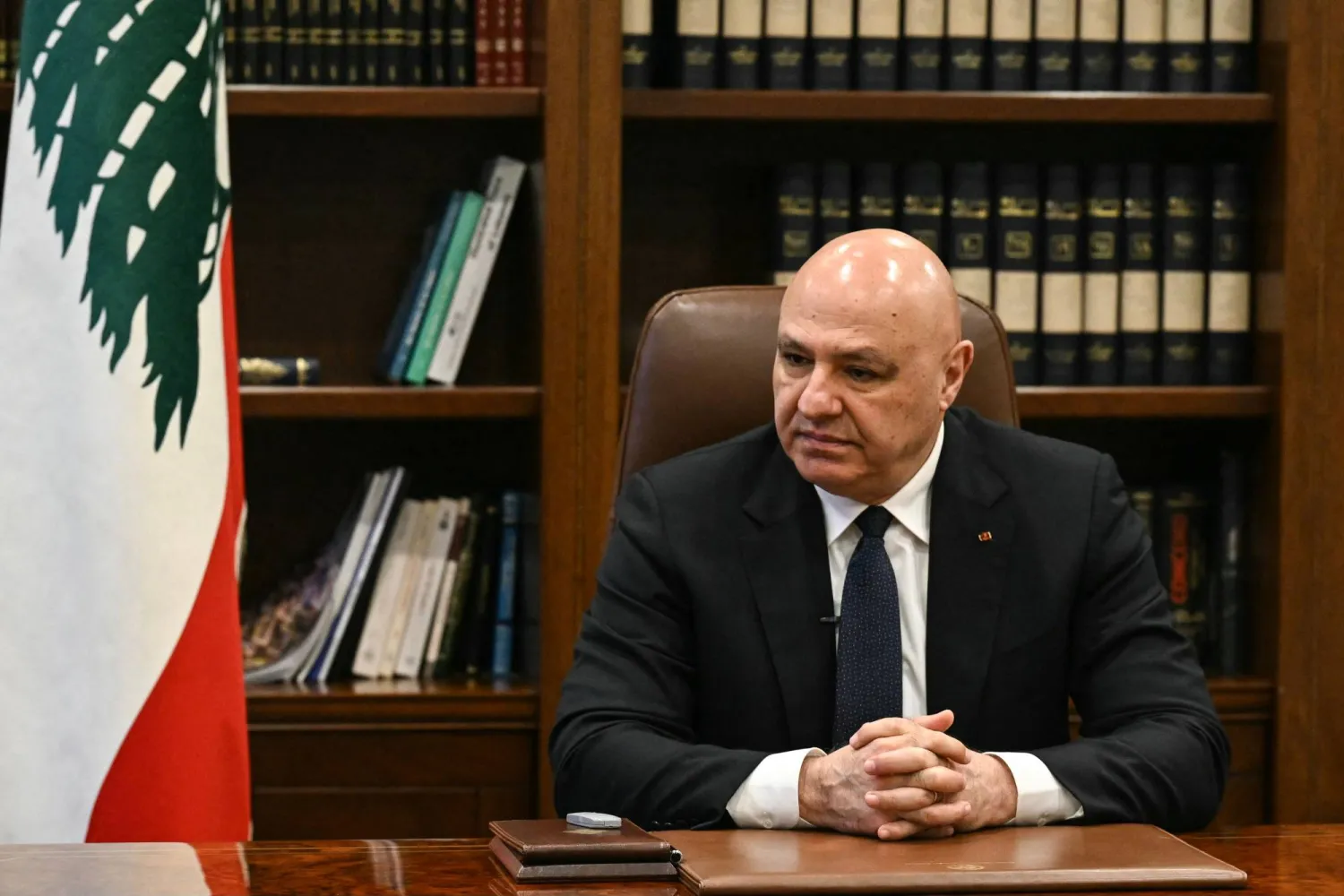
Lebanese President Joseph Aoun speaks during an interview with AFP at the Presidential Palace in Baabda on September 15, 2026. (Photo by JOSEPH EID / AFP)
TT

Aoun Rejects Any Settlement at Lebanon’s Expense as Salam Rallies Int’l Support

Lebanese President Joseph Aoun speaks during an interview with AFP at the Presidential Palace in Baabda on September 15, 2026. (Photo by JOSEPH EID / AFP)

Lebanese President Joseph Aoun has stressed the need to strengthen national unity in the face of the challenges confronting Lebanon, saying any political settlement must not come at the expense of the country and its national interests.

Aoun warned on Tuesday against “seeking support from abroad against one another at home in ways that serve Lebanon’s enemies.”

“Let us instead draw strength from one another in dealing with the outside world,” he said.

Aoun stressed that Lebanon cannot be built by a single group, sect, or political party, calling for efforts to overcome divisions and enhance dialogue and communication among Lebanese citizens as the gateway to building trust and ensuring stability.

He said Lebanon can recover whenever its people place the national interest above all other considerations, urging greater engagement between generations and a move away from grudges and divisions.

Salam Mobilizes Support in New York

In New York, Prime Minister Nawaf Salam held a series of meetings on the sidelines of the United Nations General Assembly, stressing Lebanon’s priorities in discussions with UN Secretary-General Antonio Guterres, Jordan’s King Abdullah II, Turkish President Recep Tayyip Erdogan, Finnish President Alexander Stubb, Qatari Prime Minister and Foreign Minister Sheikh Mohammed bin Abdulrahman Al Thani, Iraqi Prime Minister Ali al-Zaidi, Bahraini Foreign Minister Abdullatif bin Rashid Al-Zayani, and US Senator Jeanne Shaheen.

During these meetings, Salam stressed the need for Israel to fully withdraw from Lebanese territory and cease its attacks, strengthen the capabilities of the Lebanese Army, and ensure a continued international presence in southern Lebanon following the end of UNIFIL’s mandate.
He also emphasized extending state authority across the country and ensuring that weapons remain solely under state control.

Salam sought support for Lebanon’s recovery, reconstruction, and rehabilitation efforts, as well as for the continuation of government reforms and the expansion of cooperation and investment, particularly in energy, transportation, and regional connectivity.

Meeting with the UN Secretary-General

In his meeting with Guterres, Salam stressed the importance of maintaining a UN-backed international presence in southern Lebanon after the conclusion of UNIFIL’s mission, arguing that such a presence would support stability and help extend state authority.

He also discussed the humanitarian situation, noting that approximately 329,000 people remain displaced, and highlighted the need to shift from emergency response measures toward supporting returns, recovery efforts, and the restoration of essential services.

Regional Consultations

With King Abdullah II of Jordan, discussions focused on supporting Lebanon and its institutions, particularly the Lebanese Army, continuing coordination to reduce tensions, and mobilizing international support for arrangements that would prevent a security vacuum in the south.

In talks with Erdogan, Salam discussed strengthening Lebanese-Turkish relations and expanding cooperation in trade, investment, energy, and infrastructure, in addition to electricity and railway connectivity projects and support for recovery and reconstruction in southern Lebanon.

Salam to the Lebanese Diaspora: Difficult Decisions and Reforms

Addressing members of the Lebanese community in New York, Salam said that despite the difficult circumstances, the government had not abandoned its course. Instead, it had taken “difficult decisions” and launched a serious reform agenda aimed at changing the country's trajectory and building a state in which Lebanese citizens can regain confidence.

On the issue of weapons, Salam stressed that the government remains committed to implementing its decisions so that the state alone exercises authority across Lebanon, holds exclusive control over decisions of war and peace, and entrusts responsibility for citizens’ security to the Lebanese Army and legitimate security institutions.

He linked these efforts to achieving an Israeli withdrawal, securing the return of residents to southern Lebanon, and launching a broader recovery and reconstruction process, emphasizing that stability is an essential prerequisite for economic revival and investment.


Ban on US Diesel Exports Would Hurt, Not Help Fuel Markets, Analysts Say

Gas and diesel prices are displayed at a Mobil station, Tuesday, Sept. 22, 2026, in Los Angeles. (AP Photo/Richard Vogel)
TT

Ban on US Diesel Exports Would Hurt, Not Help Fuel Markets, Analysts Say

Gas and diesel prices are displayed at a Mobil station, Tuesday, Sept. 22, 2026, in Los Angeles. (AP Photo/Richard Vogel)

US President Donald Trump on Tuesday said he backed the idea of a diesel export ban as a way to lower prices that have hit record highs due to a global supply shortage. But analysts and market watchers warn that such a measure would do little to ease high energy prices, and could worsen supply and economic disruptions around the globe, Reuters said.

Trump's comments come as average US diesel prices have jumped to a record $6.5107 a gallon, according to AAA. Diesel is critical to the global economy because it powers transportation, farm equipment and the machinery used to make and move goods.

Shortages in the fuel can lead to price spikes that stoke inflation by raising the cost of moving everything from groceries and consumer goods to industrial materials — already a major pain point for Trump and Republicans headed into the November midterm elections.

WHY ‌ARE DIESEL PRICES HIGH?

Diesel ‌prices have surged amid supply disruptions from Ukrainian strikes on Russia's refineries and the US-Iran ‌war, which ⁠has disrupted or ⁠halted trade along major routes including the Strait of Hormuz. The US is a major exporter of diesel, and countries have increasingly turned to it amid disruptions abroad.

The US exported a record 1.6 million barrels per day of diesel in August, up from about 1 million bpd in February before the war began. Top buyers include Brazil, Chile, Mexico, Peru, Morocco, France and the United Kingdom, according to Kpler.

US on-road diesel inventories have fallen to 96.97 million barrels, nearly 13% under the seasonal average for the previous five years. The drop in inventories comes even as refiners in the US are running at about 97% of capacity.

HOW WOULD A BAN IMPACT THE MARKET?

Major trade groups, including ⁠the American Petroleum Institute, oppose a ban on diesel exports.

"Restricting US diesel exports would wreak ‌havoc on fuel markets at home and abroad, destabilize refinery operations and deepen a global ‌refining crisis already putting upward pressure on US prices. Gulf Coast refineries produce more diesel than the region consumes, while geography and infrastructure constraints prevent ‌that surplus from simply being redirected to every US market that needs it," the API said in a statement.

A ban ‌on diesel exports would push up prices of diesel globally, while pushing down prices in the United States and hurting US refining margins, analysts warned.

"Initially, a diesel ban would send global prices skyrocketing... A ban could raise world prices by as much as 100%, given the fuel’s low price elasticity of demand," said energy economist Philip Verleger.

Any ban would likely push refineries to cut the amount of crude they process. If US refineries cut ‌runs, it would also lower the amount of gasoline and other products produced and push up prices for those fuels, analysts and traders said.

"Banning exports of diesel would drive refiners ⁠to cut runs because the physical ⁠market they can access would be cut, and no market participant in any market sells product at a loss. While an export ban might have a very short-term impact that lowers price, it would not be long-lived...," said Kenneth Medlock III, a fellow in Energy and Resource Economics at the Baker Institute for Public Policy.

WHAT ARE THE POLITICAL AND GEOPOLITICAL IMPLICATIONS?

Some Republican Senate candidates in the most competitive races for the November 3 elections called for administration to implement the export ban to try to alleviate high costs for Americans.

“It is more of political soundings than actual reality,” said Jim Mitchell, director of oil trading analytics at consultancy Wood Mackenzie.

While a diesel export ban could, in theory, lower prices in the United States, it would not ease tightness in Europe, which is structurally short diesel and relies heavily on supplies from the US Gulf Coast.

"That would seem pretty damaging to some key US allies," Mitchell said.

"A ban on US diesel exports, even if temporary, would have the same long-term effect as President (Richard) Nixon’s soybean embargo: the world would no longer view the United States as a dependable source," Verleger said. In 1973 Nixon imposed a temporary soybean embargo that angered importers including Japan and, some analysts say, led to greater dependence on Brazil for the commodity.


Bölgesel-ABD toplantısında Ortadoğu'daki son gelişmeler ele alındı

Bölgesel-ABD toplantısında Ortadoğu'daki son gelişmeler ele alındı
TT

Bölgesel-ABD toplantısında Ortadoğu'daki son gelişmeler ele alındı

Bölgesel-ABD toplantısında Ortadoğu'daki son gelişmeler ele alındı

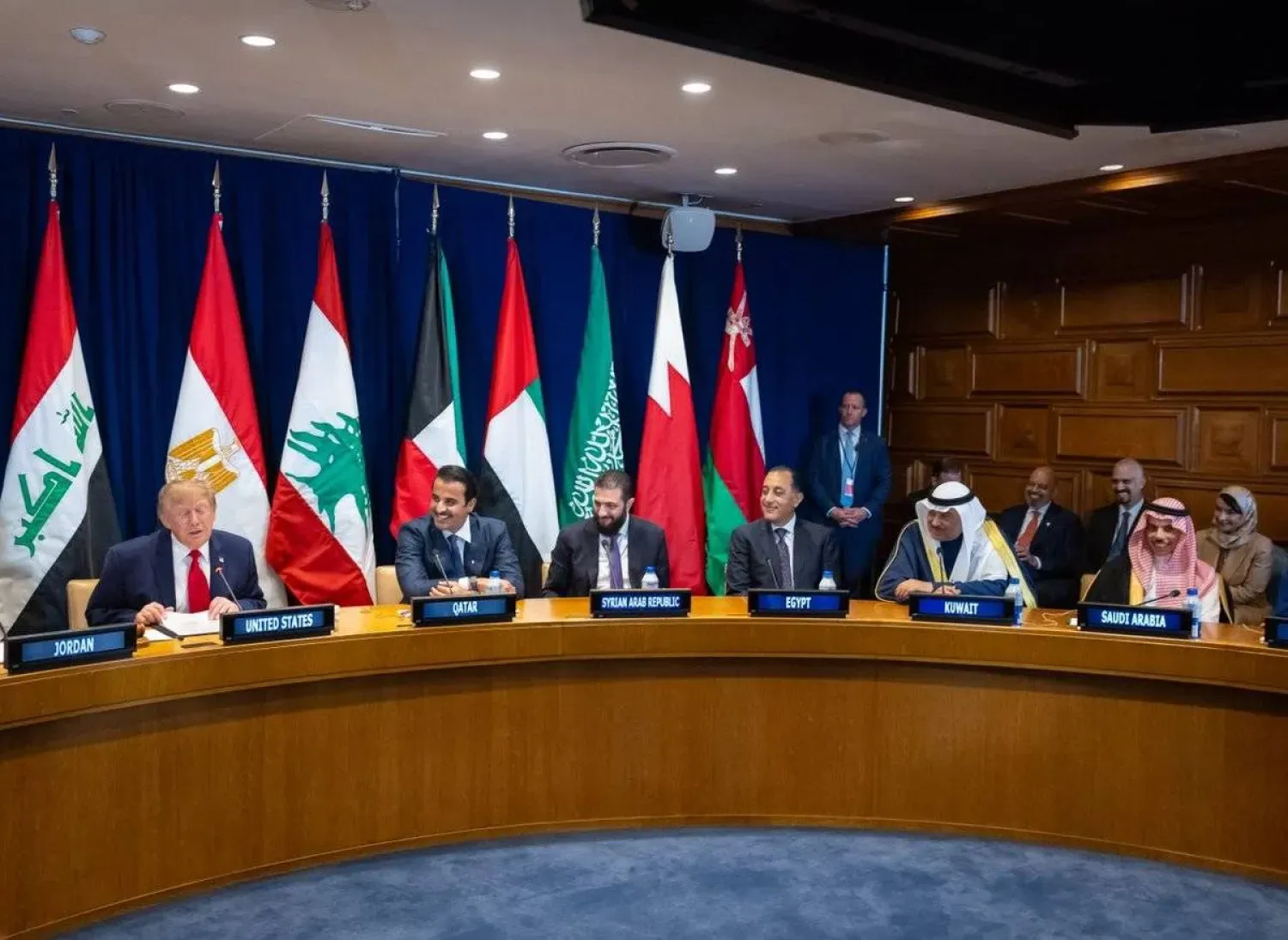
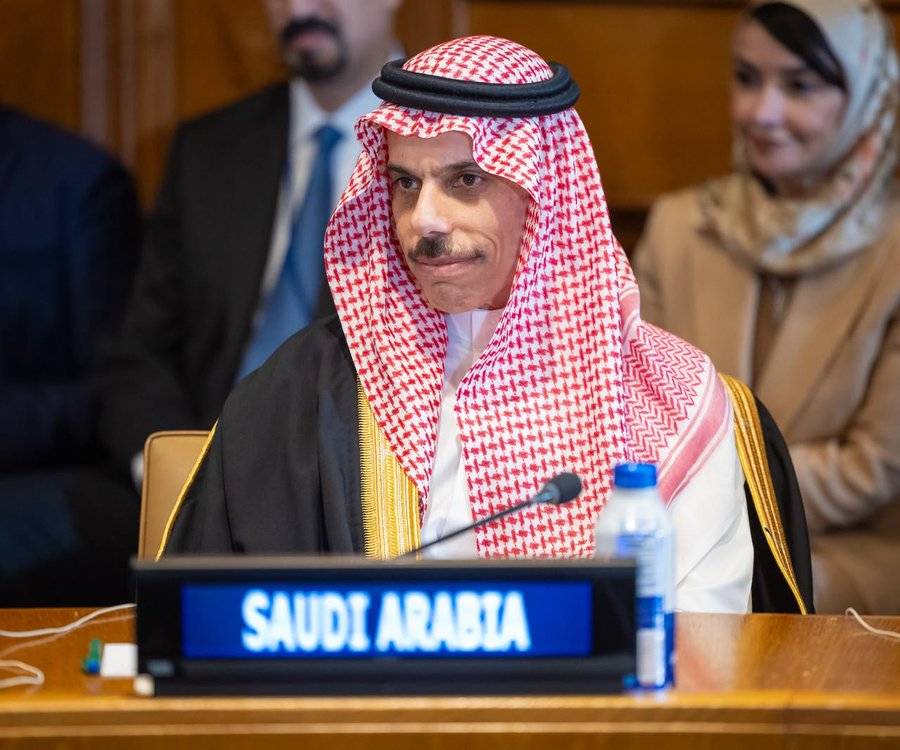
Suudi Arabistan Dışişleri Bakanı Prens Faysal bin Ferhan, dün ABD Başkanı Donald Trump'ın daveti üzerine düzenlenen çok taraflı toplantıya katıldı. Toplantıda Körfez Arap Ülkeleri İşbirliği Konseyi (KİK) ülkelerinin yanı sıra Mısır, Irak, Ürdün, Lübnan, Suriye ve Türkiye'nin heyet başkanları da yer aldı.

Toplantı, Birleşmiş Milletler Genel Kurulu'nun 81. oturumunun üst düzey haftası kapsamında gerçekleştirildi.

Görüşmede, Ortadoğu'daki son gelişmeler ele alınırken, başta bölgesel gerilim ve bunun bölgenin güvenliği ile istikrarına etkileri olmak üzere, Hürmüz ve Babu’l Mendeb boğazlarında seyrüsefer güvenliği ve özgürlüğüne ilişkin sorunlar değerlendirildi.

Foto

Toplantıda ayrıca gerilimi kontrol altına almak, çatışmanın bölgede daha geniş bir alana yayılmasını önlemek ve mevcut krizlerin çözümüne yönelik siyasi ve diplomatik süreçleri güçlendirmek amacıyla yürütülen çabalar ele alındı.