

شاهد يروي لـ«الشرق الأوسط» وقائع اجتماعين مع صدام في ظل الاحتلال

الأول في الفلوجة بعد يومين من سقوط بغداد والثاني في العاصمة نفسها بعد 4 أشهر

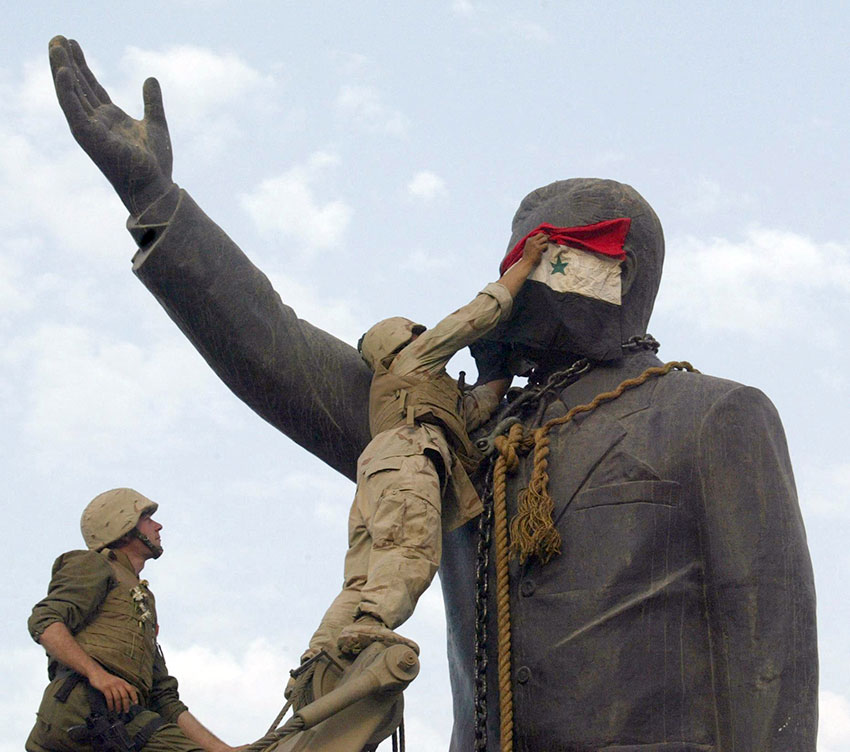
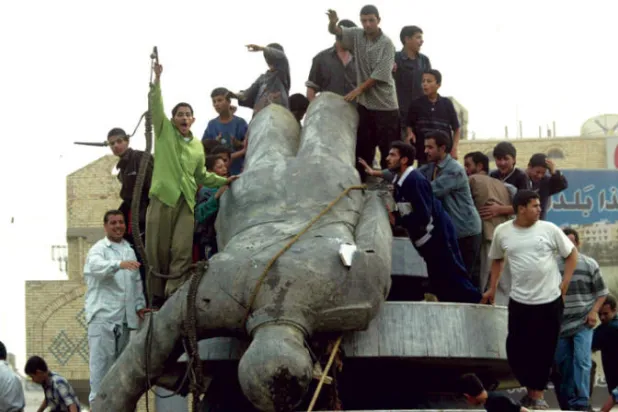
لحظة إسقاط تمثال صدام ببغداد في 9 أبريل (نيسان) 2003 (غيتي)
TT

شاهد يروي لـ«الشرق الأوسط» وقائع اجتماعين مع صدام في ظل الاحتلال

لحظة إسقاط تمثال صدام ببغداد في 9 أبريل (نيسان) 2003 (غيتي)

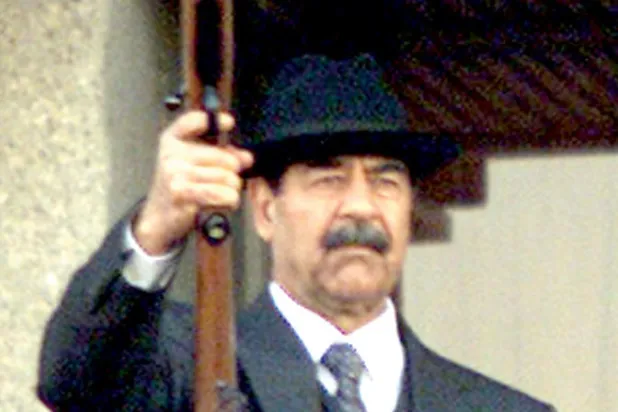
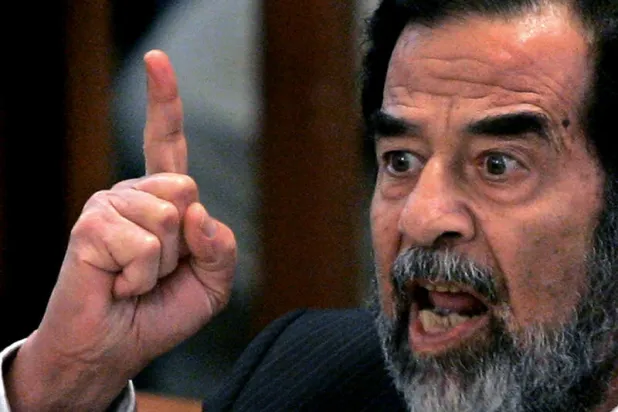
روى متقاعدٌ عراقي لـ«الشرق الأوسط»، مجريات لقاءين جمعاه بالرئيس صدام حسين، بعد سقوط بغداد الذي تصادف ذكراه اليوم. وقال المتحدث، الذي تعذَّر ذكر اسمِه لأسباب أمنية، إنَّ اللقاء الأول عُقد على أطراف الفلوجة في 11 أبريل (نيسان) 2003، أي بعد يومين من سقوط بغداد، في حين عُقد اللقاء الثاني في 19 يوليو (تموز)، في بغداد التي احتلتها القوات الأميركية. وأكَّد أنَّ صدام حسين كان يجول في محافظات عراقية داعماً عمليات «المقاومة ضد الاحتلال الأميركي».

في السادس من أبريل (نيسان) 2003، وكانت الساعة العاشرة والنصف مساء بتوقيت بغداد بلغت حفنة من الدبابات الأميركية القصر الجمهوري وفندق الرشيد في العاصمة العراقية. رنَّ جرس هاتف مدير المخابرات الفريق طاهر جليل الحبوش، وكان على الخط الفريق عبد حمود سكرتير الرئيس صدام حسين. كان الودُّ غائباً بين الفريقين، لكن عبد حمود كان ممراً إلزامياً وحيداً لتلقي أوامر «السيد الرئيس» وإيصال الرسائل إليه.

مدير المخابرات العراقية الفريق طاهر جليل الحبوش يعرض صوراً لأسلحة وحقائب عُثر عليها في شقة القيادي الفلسطيني أبو نضال الذي «انتحر» في بغداد 21 أغسطس 2002 (غيتي) ورسالة صدام للفريق طاهر الحبوش (الشرق الأوسط)

ألقى عبد حمود جملة تعادل قنبلة. قال لمدير المخابرات، «أريد منك تأمين طريق بغداد - صلاح الدين وطريق بغداد - ديالى». ناقش الحبوش هذا الطلب الغريب مع مدير مكتبه في المقر البديل للمخابرات، وكان الرأي متفقاً «وهو أنَّ السيد الرئيس سيخرج من بغداد لإدارة عملية مواجهة العدوان العسكري من خارجها».
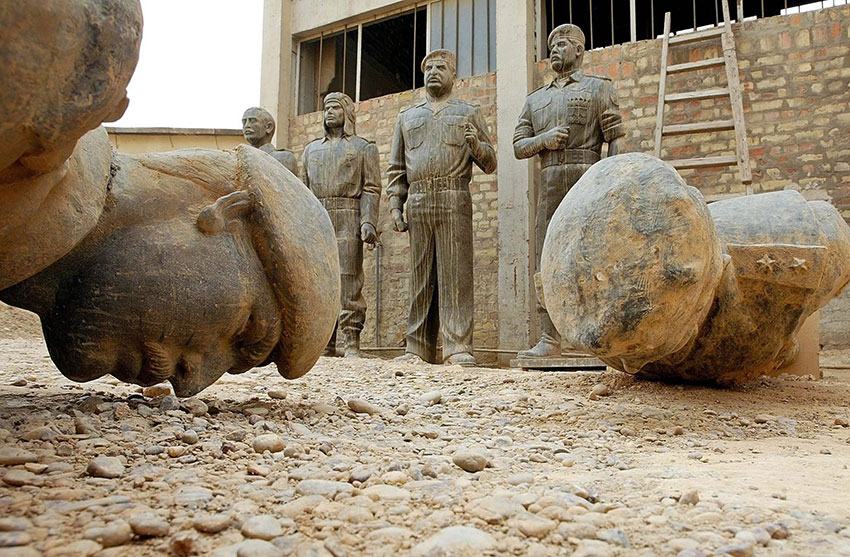
وكشف المتقاعد أنَّ صدام كان قريباً من ساحة الفردوس لحظة قيام مدرعة أميركية بإسقاط تمثاله. وأضاف أنَّ صدام قاد في الليلة نفسها من مقر سري قريب، أول عملية لـ«المقاومة» ضد الأميركيين، وهي استهدفت مواقع لقواتهم في محيط مسجد أبو حنيفة النعمان بالأعظمية، وكاد يشارك شخصياً في الهجوم، لكن مرافقيه منعوه خوفاً عليه.
وذكر أنَّ صدام غادر في اليوم التالي بغداد إلى هيت، حيث أمضى ليلةً انتقل بعدها إلى الفلوجة، حيث ترأس بحضور نجلِه قصي ومسؤولين أمنيين وحزبيين، اجتماعاً دعا خلاله إلى نصب الكمائن للقوات الأميركية «كي يعرفوا أنَّ العراق لقمة صعبة». وقال إنَّ صدام توجَّه في اليوم التالي إلى بغداد، والتقى في مقر بديل بمنطقة الدورة محاسبي ديوان الرئاسة، وحصل منهم على مبلغ مليون و250 ألف دولار، ووقع على ورقة الهدف منها «إدامة عمليات المقاومة ضد الاحتلال الأميركي، وعليَّ إعادتها في أقرب الأجلين».

وروى المتقاعد أنَّه استُدعي إلى اجتماع عقد في بيت سري ببغداد بعد صلاة الفجر في 19 يوليو، ووجد نفسه أمامَ الرئيس العراقي. وفي اللقاء، بدا من حديث صدام مشاعر الخيبة من بعض الداخل والخارج، وتساءل: «لماذا يقع عبء مواجهة الاحتلال على عاتق بعض المحافظات، في حين شاركنا كشعب في معركة القادسية»، في إشارة إلى الحرب مع إيران. وانتقد صدام رجال دين ومرجعيات وزعماء عشائر بسبب عدم المشاركة في مقاومة الاحتلال «خلافاً لوعود قطعوها». وكرَّر أنَّ العراق ليس صدام حسين، بل هو ملك العراقيين والعرب، لافتاً إلى أنَّ سقوط العراق سيعني امتداد نفوذ إيران حتى المغرب.

صدام: إذا سقط العراق سيمتد نفوذ إيران حتى المغرب


مقالات ذات صلة

قيس الخزعلي: تحليل الحمض النووي لصدام حسين أثبت أنه هندي

العالم العربي قيس الخزعلي: تحليل الحمض النووي لصدام حسين أثبت أنه هندي

قيس الخزعلي: تحليل الحمض النووي لصدام حسين أثبت أنه هندي

دون مقدمات أو صلة بالحدث السياسي في العراق، قال أمين حركة «عصائب أهل الحق» قيس الخزعلي، إن تحليلاً للحمض النووي «دي إن إيه» لرئيس النظام العراقي السابق صدام حسين، أثبت أنه من الهند. وكان الخزعلي يتحدث في خطبة بمناسبة عيد الفطر، السبت، في بغداد، وشن هجوماً لاذعاً على من وصفهم بـ«أشباه المثقفين» الذين ينخرطون في «مؤامرات ومشاريع لزعزعة الاستقرار». وقال الخزعلي، إن «صدام حسين كان ينشر أقواله عن أن الشعب العراقي أصله من الهند، وقد تبين بعد تحليل (دي إن إيه) أنه هو من الهند».

«الشرق الأوسط» (بغداد)
المشرق العربي العقل السياسي العراقي لا يزال ينبش «ذاكرة نيسان»

العقل السياسي العراقي لا يزال ينبش «ذاكرة نيسان»

مع أن العراقيين الذين ولدوا يوم 9 أبريل (نيسان) عام 2003 أصبحت أعمارهم الآن 20 سنة، ودخل قسم كبير منهم في سوق العمل، وانخرط معظمهم في مظاهرات أكتوبر (تشرين الأول) عام 2019 باحثين عن وطن، فإن أياً منهم ربما لم يشهد عصر صدام حسين إلا سويعات، هي المدة اللازمة بين ولادتهم في المستشفى وإسقاط دبابة الأبرامز الأميركية تمثاله في ساحة الفردوس في قلب بغداد. أما البعثيون ممن كانوا جزءاً من آلية النظام، بمن فيهم من تسلم مواقع قيادية كبيرة في الحزب والدولة، فإن أعمار غالبيتهم العظمى تجاوزت الثمانين عاماً.

حمزة مصطفى (بغداد)
العالم العربي صدام: إذا سقط العراق سيمتد نفوذ إيران حتى المغرب

صدام: إذا سقط العراق سيمتد نفوذ إيران حتى المغرب

عشية ذكرى سقوط بغداد التي تصادف اليوم، كشف متقاعد عراقي ربطته بالرئيس صدام حسين «علاقة عمل ومودة»، أنه التقى الأخير مرتين بعد سقوط العاصمة العراقية. وقال لـ«الشرق الأوسط»، إن اللقاء الأول كان في الفلوجة في 11 أبريل (نيسان)، أي بعد يومين من احتلال بغداد، في حين كان اللقاء الثاني في العاصمة العراقية نفسها في 19 يوليو (تموز)، أي بعد أربعة أشهر من سقوط المدينة، مؤكداً أن صدام كان يجول لتعزيز عمليات المقاومة ضد الاحتلال الأميركي. قال المتقاعد، الذي طلب بإلحاح عدم ذكر اسمه «لأسباب أمنية»، إن صدام كان قريباً من ساحة الفردوس في بغداد يوم أسقطت مدرعة أميركية تمثاله.

غسان شربل (لندن)
المشرق العربي «لا تثق أبداً في رجل له لحية مثل هذه»... صدام حسين يصف بن لادن

«لا تثق أبداً في رجل له لحية مثل هذه»... صدام حسين يصف بن لادن

ذكرت صحيفة «التايمز» البريطانية في تقرير لها، أنه عندما استجوب مكتب التحقيقات الفيدرالي (إف بي آي) الرئيس العراقي الأسبق صدام حسين بعد أسره في العراق في ديسمبر (كانون الأول) 2003، كان للوكالة هدفان رئيسيان: كشف الحقيقة بشأن أسلحة الدمار الشامل التي يمتلكها الرئيس العراقي، وتحديد علاقته بتنظيم «القاعدة».

«الشرق الأوسط» (واشنطن)
العالم العربي يَختان في البصرة شاهدان على «بذخ» نظام صدّام

يَختان في البصرة شاهدان على «بذخ» نظام صدّام

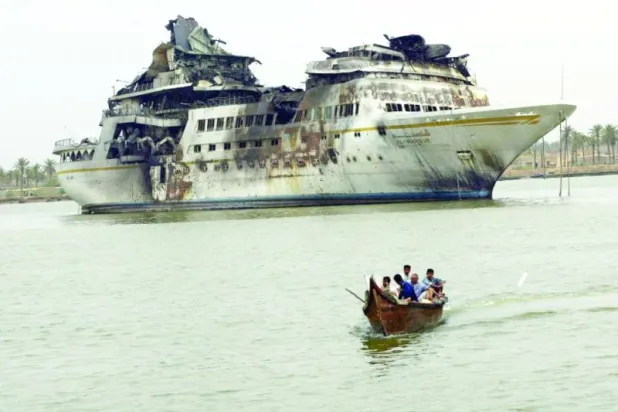
في جنوب العراق، لا يزال يختا صدّام حسين بعد عشرين عاماً على سقوطه جراء الغزو الأميركي، الشاهد الأمثل على جنون العظمة لدى الرئيس العراقي الأسبق، فيطفو أحدهما صدئاً وسط النهر، بينما بات الثاني مفتوحاً أمام الزوار. في مدينة البصرة في أقصى جنوب العراق، تفصل مسافة نحو 500 متر فقط بين «المنصور»، يخت صدّام الذي أصابته غارات شنتها طائرات أميركية في عام 2003، ويخت «نسيم البصرة» الذي وُضع بتصرّف مركز دراسات بحرية. يرسو «نسيم البصرة» الذي لم يتسنَّ لصدّام الإبحار به أبداً، على أحد أرصفة «شط العرب»، ملتقى نهري دجلة والفرات.

«الشرق الأوسط» (البصرة)

UN Worried about Impact of Latest Lebanon War on Agriculture

Deputy Director-General of the UN's Food and Agriculture Organization (FAO) Beth Bechdol speaks during an interview with AFP in Beirut on October 1, 2026. (AFP)
TT

UN Worried about Impact of Latest Lebanon War on Agriculture

Deputy Director-General of the UN's Food and Agriculture Organization (FAO) Beth Bechdol speaks during an interview with AFP in Beirut on October 1, 2026. (AFP)

The deputy director-general of the UN's Food and Agriculture Organization told AFP on Thursday that she was "deeply concerned" about the impact of the latest Israel-Hezbollah conflict on agriculture in south Lebanon.

The latest war "puts additional pressure on farmers and rural communities that, frankly, were already facing considerable hardships", said the FAO's Beth Bechdol.

"We're deeply concerned" about the situation in south Lebanon, where agriculture is "at the heart" of livelihoods, she said in an interview in Beirut.

"It is our best assessment that 56,000 hectares, which is more than 22 percent of Lebanon's agricultural land, has been reported as affected or damaged," including burned or physically damaged, she said.

The Iran-backed Hezbollah group drew Lebanon into the Middle East war in March by attacking Israel, which responded with massive airstrikes and a ground invasion that Lebanon says have killed more than 4,300 people.

The conflict came after hostilities that erupted in 2023 and all-out war the following year.

While the latest violence has decreased since a June ceasefire, hundreds of thousands of people remain displaced, mainly from the south, and Israel maintains troops in a self-declared "security zone" running around 10 kilometers (six miles) deep inside Lebanon along the border.

Israeli forces have been carrying out widespread demolitions affecting villages and farmland.

"Farmers and their families are no longer able to be connected to their agricultural land," Bechdol said, noting that the conflict has also "disrupted markets and reduced access" to essentials for food production including fertilizers.

In June, a UN-backed assessment from Lebanese authorities estimated agricultural production losses in south Lebanon this year had reached at least $530 million.

Bechdol also expressed concern about potential contamination and soil damage in south Lebanon due to unexploded ordnance and residues from military operations.

She said she had held discussions in recent days on the possibility of the FAO getting involved in partnerships on de-mining work in south Lebanon.

She also said she was "very concerned about just general food security levels" in Lebanon.

In April, a UN-backed report said more than 1.2 million people in Lebanon were expected to face acute hunger in the following months due to the latest war.

This week, UNICEF said four in five households in Lebanon "are struggling to afford basic necessities as conflict compounds years of economic crisis".


Trump Says Iran Will Be Hit ‘Very Hard’ if It Is Behind Co-Pilot Who Tried to Crash Flight to Israel

30 September 2026, Israel, Tel Aviv: A replacement Flydubai plane lands at Ben Gurion Airport. (dpa)
TT

Trump Says Iran Will Be Hit ‘Very Hard’ if It Is Behind Co-Pilot Who Tried to Crash Flight to Israel

30 September 2026, Israel, Tel Aviv: A replacement Flydubai plane lands at Ben Gurion Airport. (dpa)

US President Donald Trump said Thursday that if Tehran is linked to the co-pilot who tried to crash an Israel-bound flight, Iran would be struck “very hard” for the attempt on the lives of more than 180 people aboard the jet.

Trump issued the warning as investigators worked to determine why the co-pilot stabbed the flight's captain, causing the Flydubai plane to plummet before others on board stopped the attack and landed the airliner in Saudi Arabia.

The president was asked by reporters at the White House whether he had been briefed about any links between the pilot behind the attack and Tehran. He said, “We’re working on it right now.”

“I would say the answer, based on what I’m hearing, is yes, but we’re working on it right now,” Trump said. He did not elaborate about why he suspects Iran might be involved.

Asked if the US would retaliate against Tehran if it was behind the attack, Trump said, “Oh they’ll be hit, very hard, don’t worry.”

“You just ask them,” he added. “They know what happened. They’ll be hit very hard.”

His remarks came as diplomatic efforts to end the war appear to have stalled.

Iranian officials indicated Wednesday that they received an official US response to Tehran’s latest proposal to end the seven-month war, which Trump had publicly rejected just days earlier. The officials did not say what the response contained and whether it was a rejection.

Trump said in a Time magazine interview published Thursday that he will not accept proposals from Iran that “he wouldn’t have approved a year ago,” and left open the possibility of resuming bombing after the Nov. 3 election in the US.

Meanwhile, the American military has dispatched roughly 9,000 troops aboard a group of ships to the Middle East, a US official said Thursday. That could mean three carriers will be in the region as soon as late October, according to the official, who spoke to The Associated Press on condition of anonymity to discuss sensitive military operations.

Despite Trump’s public rebuff, mediators have continued working with Iran and the US to try to broker a deal to end the fighting and open the Strait of Hormuz, according to officials who were not authorized to comment publicly and spoke on condition of anonymity.

Passengers got into cockpit to take control of jet

Passengers on the plane, which was carrying 182 people, mostly Israelis, from the United Arab Emirates to Tel Aviv, have described how the bloodied Indian captain managed to open the cockpit door to let them in before they grappled with the co-pilot and stabilized a descent so sharp that the plane’s rudder was torn away.

“We felt helpless, suspended in midair, and I didn’t know who to turn to. But it was all instinct to survive,” Asaf Rajuan, who was among those who intervened, said in a statement shared by Israel’s presidency.

A regional official briefed on the investigation said the suspect was under arrest and confirmed that Saudi authorities were working with countries to try to determine a motive. He said the UAE, the United States and Oman also were involved. Saudi Arabia said the co-pilot had been handed over to the UAE.

“All possible scenarios, from terrorism to mental disorders, are being looked into. Nothing is ruled out for now,” said the official, speaking on condition of anonymity because they were not authorized to discuss an ongoing probe.

Israeli Prime Minister Benjamin Netanyahu, without giving details, claimed the attacker underwent extremist indoctrination. Asked who helped radicalize him, the prime minister told Fox News channel’s “Fox and Friends" he did not know.

When asked by AP how the prime minister knew the co-pilot underwent indoctrination, Netanyahu’s office said it would not comment.

Netanyahu told Fox that the suspect apparently got through a loophole in Israeli aviation rules that normally bar pilots from flying to Israel if they are from countries that do not have diplomatic relations with Israel.

The co-pilot has not been publicly identified.

Capt. Smit Machchhar, widely praised as one of the heroes of the flight, was recovering in the Emirati capital of Abu Dhabi, the Indian government said Thursday.

It was not clear what the co-pilot used as a weapon.

The UAE government said its own investigation team had begun looking into the attack and “whether it was linked to any terrorist purpose,” noting that Emirati authorities have jurisdiction because the plane is registered there and UAE law applies to crimes committed on board.

Asked if there is any indication of Iranian involvement, Netanyahu told Fox News it was “too early to say.”

Netanyahu earlier said he also spoke with the UAE’s president, Sheikh Mohamed bin Zayed Al Nahyan, who agreed that Israel would join the interrogation of the suspect.

On Wednesday, Trump told reporters at the White House that he and Netanyahu discussed the incident “at length” by phone. He said it seemed as though the co-pilot “was perhaps a terrorist or perhaps a whack job.”

Netanyahu had warned in recent days of heightened security threats, though he told CNN that Israel had received no specific warning. The country is a week away from the anniversary of the Hamas-led Oct. 7, 2023, attack on Israel, which has triggered the war in Gaza, and weeks away from an election.

The Israeli Foreign Ministry said most of the people aboard the flight were from Israel, along with others from India and the UAE. The US State Department said four passengers had American citizenship.


US Sanctions Target Iran’s Auto, Rail Sectors as Blockade Chokes Ship Lanes

A general view of the entrance to the US Department of the Treasury on day two of a partial government shutdown in Washington, DC, US, February 1, 2026. (Reuters)
TT

US Sanctions Target Iran’s Auto, Rail Sectors as Blockade Chokes Ship Lanes

A general view of the entrance to the US Department of the Treasury on day two of a partial government shutdown in Washington, DC, US, February 1, 2026. (Reuters)

The Trump administration imposed sanctions on Iran's rail and auto sectors and their foreign suppliers, the Treasury Department said on Thursday, widening its wartime economic campaign to isolate Tehran.

The sanctions are part of the department's "Operation Economic Outcast," announced August 24, which aims to ‌cut Tehran's funding for ‌the war, missile construction, cyberattacks and the ‌⁠Revolutionary Guard Corps ⁠or IRGC.

The move extends US economic pressure on Iran from sea to land, targeting sectors Tehran has leaned on since a naval blockade cut off its oil shipments through the Strait of Hormuz. But the expanding sanctions risk inflicting severe costs on ordinary Iranians, one analyst said.

The US blockade of Iranian ports has forced ⁠Tehran to rely more on autos and rail for ‌transporting petroleum, fertilizer, chemicals and other ‌goods. Thursday's sanctions target those alternatives, according to the Treasury Department.

The sanctions ‌designate Iran Khodro Company, or IKCO, and SAIPA Iranian Automobile ‌Manufacturing Company, or SAIPA. Treasury said the two companies represent more than 90% of Iran's domestic auto market.

Treasury also designated the state-owned Islamic Republic of Iran Railway Company, which provides passenger and freight services, the Raja Passenger ‌Trains Company and Sherkat-E Rah Ahan-E Khamle-O-Naghle, also known as the Railway Transportation Company, which it said ⁠is a ⁠top private freight line.

Treasury Secretary Scott Bessent said the action "directly targets Iran’s enablers and lays the groundwork for the United States and our partners to drain the regime’s revenue once and for all."

Thursday's sanctions also target foreign companies in Indonesia, the UAE and Türkiye that supply Iran's auto industry.

"The blockade squeezed Iran at sea, sanctions increasingly isolate it by air, and now Washington is constricting its economic arteries on land," said Brett Erickson, a sanctions expert and managing principal at Obsidian Risk Advisors.

"You cannot choke an economy like this without choking the livelihoods of the people who depend on it," he added.