واصلت العملات المشفرة خسائرها (أمس) الخميس وانخفضت إلى أدنى مستوياتها في 16 شهراً، إذ أدى تدافع المستثمرين للتخلص مما يسمى بالعملات الثابتة إلى موجة من الاضطراب.
وتلقَّت «بتكوين» ومنافستها الأصغر «إيثر»، التي فقدت أكثر من نصف قيمتها السوقية العام الحالي، أحدث ضربة نتيجة الانهيار الذي حدث الأسبوع الحالي في عملة «تيرا يو. إس. دي» وهي أيضاً واحدة من أكبر العملات المشفرة في العالم. وتراجعت «بتكوين» إلى مستوى منخفض بلغ 25401.05 دولار، وهو الأدنى منذ 28 ديسمبر (كانون الأول) 2020.
وخلال الجلسات الثماني الماضية خسرت «بتكوين» ثلث قيمتها، أو ما يعادل 13 ألف دولار... وتراجعت قيمتها 45 في المائة منذ بداية العام الحالي.
وكانت قد بلغت ذروة 69 ألف دولار في نوفمبر (تشرين الثاني) 2021، مما يعني أنها فقدت ثلثي قيمتها منذ ذلك الحين.
والعملات الثابتة هي عملات رقمية مرتبطة بقيمة أصول تقليدية مثل الدولار الأميركي. وهي تحظى بشعبية في أوقات الاضطرابات في أسواق العملات المشفرة وغالبا ما يستخدمها المتداولون لتحريك الأموال والمضاربة على العملات المشفرة الأخرى.
وتراجعت «إيثر» ثاني أكبر عملة مشفرة في العالم نحو 15 في المائة (امس) الخميس إلى 1700 دولار في أدنى مستوى لها منذ يونيو (حزيران) 2021.
استقر الدولار، يوم الخميس، مع ترقب الأسواق صدور بيانات الوظائف الأميركية غير الزراعية، فيما ينتظر المتعاملون تدخل السلطات اليابانية لحماية الين.
«الشرق الأوسط» (طوكيو)
منتدى الطاقة الدولي يؤكد أولوية أمن الإمدادات ويرحب بعودة الولايات المتحدةhttps://aawsat.com/%D8%A7%D9%84%D8%A7%D9%82%D8%AA%D8%B5%D8%A7%D8%AF/5328450-%D9%85%D9%86%D8%AA%D8%AF%D9%89-%D8%A7%D9%84%D8%B7%D8%A7%D9%82%D8%A9-%D8%A7%D9%84%D8%AF%D9%88%D9%84%D9%8A-%D9%8A%D8%A4%D9%83%D8%AF-%D8%A3%D9%88%D9%84%D9%88%D9%8A%D8%A9-%D8%A3%D9%85%D9%86-%D8%A7%D9%84%D8%A5%D9%85%D8%AF%D8%A7%D8%AF%D8%A7%D8%AA-%D9%88%D9%8A%D8%B1%D8%AD%D8%A8-%D8%A8%D8%B9%D9%88%D8%AF%D8%A9-%D8%A7%D9%84%D9%88%D9%84%D8%A7%D9%8A%D8%A7%D8%AA-%D8%A7%D9%84%D9%85%D8%AA%D8%AD%D8%AF%D8%A9
منتدى الطاقة الدولي يؤكد أولوية أمن الإمدادات ويرحب بعودة الولايات المتحدة
صورة جماعية للمشاركين في الاجتماع الوزاري السابع عشر لمنتدى الطاقة الدولي (إكس)
أكد المتحدثون في الاجتماع الوزاري السابع عشر لمنتدى الطاقة الدولي، أهمية ضمان موثوقية إمدادات الطاقة، وتعزيز الاستثمارات في مختلف منظوماتها، ورفع مرونة البنية التحتية وسلاسل الإمداد، بما يدعم استقرار الأسواق ويعزز القدرة على مواجهة المتغيرات الجيوسياسية والاقتصادية. وشددوا على ضرورة تنويع مصادر الطاقة وتطوير قدرات الإنتاج والتكرير والنقل والتخزين، إلى جانب توظيف التقنيات الحديثة وتعزيز التعاون بين الدول المنتجة والمستهلكة.
وفي مؤشر على أهمية المنتدى بوصفه منصة للحوار الدولي في قطاع الطاقة، رحّب الأمين العام للمنتدى، إلى جانب الوزراء والوفود المشاركة، بإعلان الولايات المتحدة عودتها إلى عضويته، تأكيداً لدوره منصة محايدة للحوار بين الدول المنتجة والمستهلكة للطاقة، ودعمه للبحوث والتقارير المستندة إلى البيانات، وفقاً لبيان وزارة الطاقة السعودية.
جاء ذلك خلال الاجتماع الذي استضافته الرياض تحت شعار «أمن الطاقة والأهداف المشتركة في عصر جديد»، ضمن فعاليات «أسبوع الطاقة في الرياض».
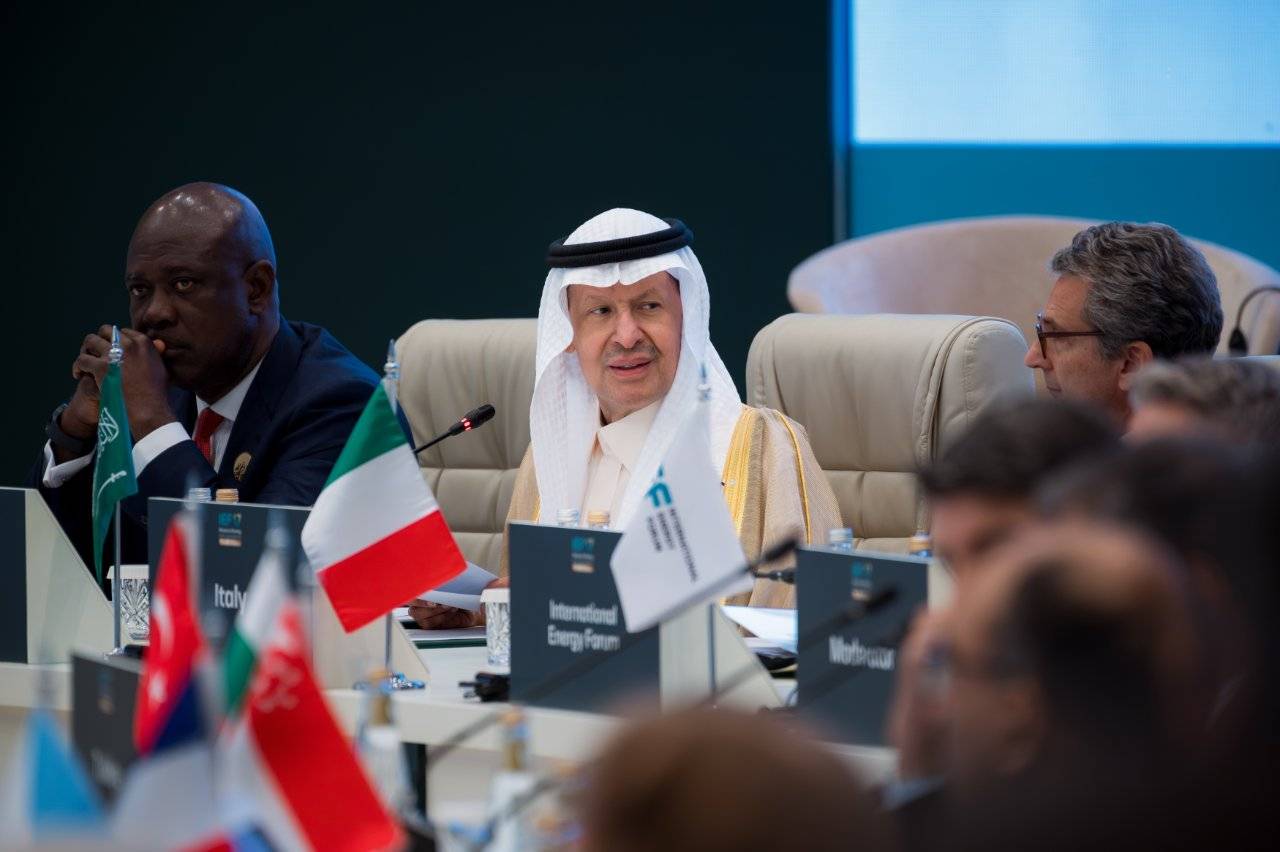
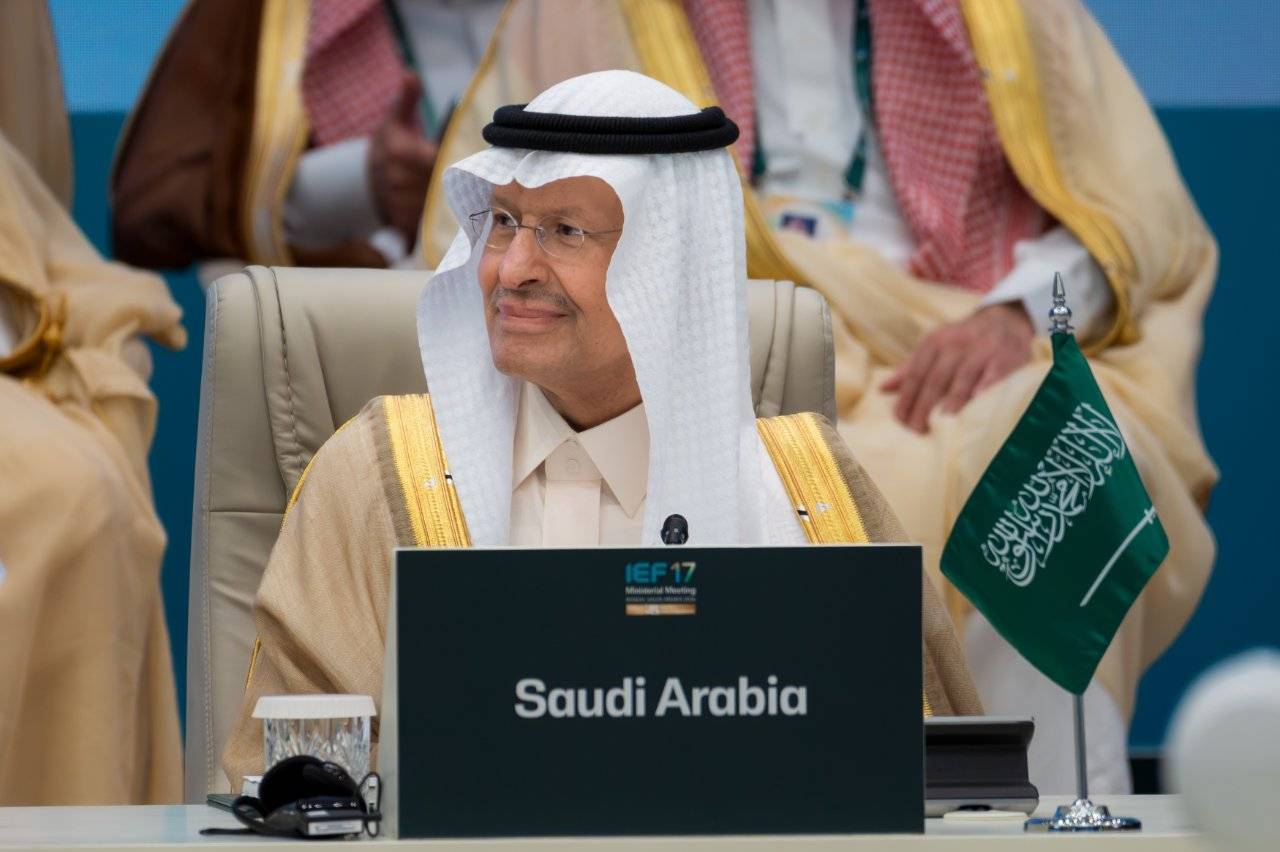
وافتتح وزير الطاقة ووزير الصناعة والثروة المعدنية، الأمير عبد العزيز بن سلمان، أعمال الاجتماع، مؤكداً أن المملكة أثبتت قدرتها على ضمان موثوقية إمدادات الطاقة، ومواصلة الاستثمار والاستعداد لمواجهة مختلف الظروف والتحديات. وأشار إلى أن الرياض باتت عاصمة لأمن الطاقة عالمياً، وأن المملكة ماضية في الوفاء بالتزاماتها وتعزيز موثوقية الإمدادات في مختلف الظروف.
وأوضح أن خط أنابيب شرق-غرب يجسد نهج المملكة في تعزيز مرونة منظومة الطاقة؛ إذ يوفر مساراً بديلاً لنقل الإمدادات إلى الأسواق العالمية عبر ينبع على البحر الأحمر.
وشدد الأمير عبد العزيز على أن أمن الطاقة مسؤولية مشتركة تتطلب تعاوناً وتنسيقاً دوليين فاعلين، مؤكداً أنه يمثل ركيزة أساسية لاستقرار الاقتصادات واستدامة نموها وقدرتها التنافسية. واستشهد بالتقلبات الحادة التي شهدتها أسواق الطاقة في عام 2008، بوصفها دليلاً على أهمية الحوار والاستثمار والاستعداد المسبق لمواجهة تغيرات الأسواق وضمان تلبية الطلب.
وفي هذا السياق، أشار إلى أهمية منتدى الطاقة الدولي بوصفه منصة تجمع الدول المنتجة والمستهلكة ودول العبور، بما يتيح مناقشة التحديات وفهم وجهات النظر المختلفة وتحديد مجالات التعاون العملي الداعمة لأمن الطاقة.
الأمير عبد العزيز بن سلمان في اجتماع منتدى الطاقة الدولي (إكس)
ولفت إلى أن تطوير البنية التحتية للطاقة يستغرق سنوات، وأن تعزيز مرونتها يتطلب الاستثمار والاستعداد قبل الحاجة إليها، محذراً من أن تكلفة عدم الاستعداد قد تكون أكبر بكثير على الاقتصاد العالمي من تكلفة الاستثمار المسبق. وأكد أن أمن الطاقة يستدعي الاستثمار في مختلف مكونات المنظومة، بما يشمل قدرات التكرير والنقل وخطوط الأنابيب والبنية التحتية، موضحاً أن نهج المملكة يشمل البترول والغاز والطاقة المتجددة والطاقة النووية والطاقة الحرارية الأرضية.
مشاركة دولية ومناقشات حول أمن الطاقة
ترأس الأمير عبد العزيز بن سلمان الاجتماع بمشاركة جيلبرتو بيكيتو فراتين، وزير البيئة وأمن الطاقة الإيطالي، والسيناتور هاينيكن لوكبوبيري، وزير الدولة للموارد البترولية في نيجيريا، فيما حضر الجلسة الافتتاحية المهندس جاسم الشيراوي، الأمين العام لمنتدى الطاقة الدولي.
وشهد الاجتماع مشاركة وزراء طاقة من مختلف أنحاء العالم، وقادة في القطاع، ورؤساء منظمات دولية، لبحث أمن الطاقة واستقرار الأسواق والاستثمار، وتعزيز الحوار والتعاون بين الدول المنتجة والمستهلكة في ظل المتغيرات التي تشهدها الأسواق العالمية.
وعبّر الوزراء وممثلو قطاع الطاقة المشاركون عن تضامنهم مع المملكة العربية السعودية وشعبها، عقب الهجمات التي استهدفت البنية التحتية المدنية، مؤكدين أن انعقاد الاجتماع في الرياض يجسد مرونة المملكة ويعكس روح الوحدة والالتزام المشترك.
كما رحب الأمين العام للمنتدى والوزراء والوفود المشاركة بإعلان الولايات المتحدة عودتها إلى المنتدى، تأكيداً لأهمية دوره منصة محايدة للحوار بين الدول المنتجة والمستهلكة للطاقة، ودعمه للبحوث والتقارير المستندة إلى البيانات.
وتضمن برنامج الاجتماع جلسات حوارية تناولت قضايا أمن الطاقة وأساسيات الأسواق ومرونة سلاسل الإمداد والتغيرات في العرض والطلب. وأدار الجلسة الأولى الدكتور دانيال يرغن، نائب رئيس مجلس إدارة «إس آند بي غلوبال»، فيما أدارت الجلسة الثانية الدكتورة أمريتا سين، مؤسسة شركة «إنرجي أسبكتس» ومديرة بحوث أسواق الطاقة فيها، وركزت على الاستثمار والتجارة في حلول الطاقة المستدامة، وسبل تعزيز إتاحة الطاقة النظيفة والموثوقة بتكلفة ميسورة.
وتناولت الجلسة الختامية دور الحوار بين الدول المنتجة والمستهلكة وأهمية شفافية البيانات في دعم استقرار أسواق الطاقة. ووفقاً لبيان وزارة الطاقة، أكدت الجلسة أهمية المسؤولية المشتركة عن أمن الطاقة، واستدامة الاستثمار في مختلف منظومات الطاقة، ودعم مسارات طاقة مستدامة وميسورة التكلفة.
الأمير عبد العزيز بن سلمان في اجتماع منتدى الطاقة الدولي (إكس)
أولويات الاستثمار ومرونة سلاسل الإمداد
أكدت المناقشات أهمية تنويع سلاسل الإمداد وتعزيز مرونة البنية التحتية، إلى جانب الاستثمار في الإنتاج والتكرير والغاز الطبيعي المسال وشبكات الكهرباء والتخزين، والتوسع في التقنيات الجديدة وسلاسل إمداد المعادن الحرجة. كما تناولت دور التجارة والتقنيات في دعم مسارات الطاقة المختلفة، وفقاً للأولويات والظروف الوطنية لكل دولة.
وفي إطار تعزيز الشفافية وتطوير البيانات المتعلقة بأسواق الطاقة، شهد «أسبوع الطاقة في الرياض» انعقاد الاجتماع السابع لرؤساء المنظمات المشاركة في مبادرة بيانات المنظمات المشتركة (JODI)، التي يتولى منتدى الطاقة الدولي تنسيق أعمالها.
وناقش الاجتماع خريطة طريق المبادرة للفترة من 2026 إلى 2030، الهادفة إلى تعزيز قدرات الدول على تقديم البيانات، وتوفير معلومات أكثر شمولاً وحداثة عن البترول والغاز، بما في ذلك بيانات المخزونات والمنتجات المكررة. كما رحب الوزراء المشاركون باستمرار التعاون ضمن برنامج العمل الثلاثي المشترك بين وكالة الطاقة الدولية ومنتدى الطاقة الدولي ومنظمة البلدان المصدرة للنفط (أوبك).
ويُعدّ منتدى الطاقة الدولي، الذي تتخذ أمانته العامة من الرياض مقراً لها، أكبر تجمع عالمي لوزراء الطاقة، ومنصة رئيسية للحوار بين الدول المنتجة والمستهلكة، بما يسهم في تعزيز أمن الطاقة العالمي عبر حوار مفتوح وشامل يغطي مختلف مصادر الطاقة وتقنياتها ومنظوماتها.
Dünya Petrol Konseyi Başkanı Şarku’l Avsat’a konuştu: Arz güvenliği yeniden önceliklerin başında
Dünya Petrol Konseyi Başkanı Pedro Miras, jeopolitik çalkantıların artmasıyla enerji sektöründe arz güvenliğinin yeniden önceliklerin başına yerleştiğini belirterek küresel sistemin, birkaç yıl öncesine kıyasla arz şoklarına karşı daha dirençli hale geldiğini söyledi. Miras, yaşanan aksaklıkların fiyatlara yansımasına rağmen sektörün bu tür şoklarla başa çıkma kapasitesinin arttığını vurguladı.
Miras, 11-15 Ekim tarihleri arasında düzenlenen Riyad Enerji Haftası kapsamında gerçekleştirilen Uluslararası Enerji Forumu’nun 17. Bakanlar Toplantısı’nın oturum aralarında Şarku’l Avsat’a konuştu. Riyad Enerji Haftası’nın öne çıkan etkinlikleri arasında 25. Dünya Enerji Kongresi’nin yanı sıra arz güvenliğini ve enerji sisteminin geleceğini ele alan uluslararası bakanlar toplantıları da yer alıyor.
Riyad’da bugün, “Yeni Bir Çağda Enerji Güvenliği ve Ortak Hedefler” temasıyla Uluslararası Enerji Forumu’nun 17. Bakanlar Toplantısı düzenleniyor. Enerji bakanları ve sektör yetkililerinin katıldığı toplantıda piyasa istikrarının güçlendirilmesi, üretici ve tüketici ülkeler arasındaki diyaloğun eş güdümünün sağlanması, yatırımların desteklenmesi ve enerji verilerinde şeffaflığın artırılması konuları ele alınıyor. Görüşmeler, jeopolitik risklerin ve tedarik zincirlerini etkileyen sorunların arttığı bir dönemde gerçekleştiriliyor.
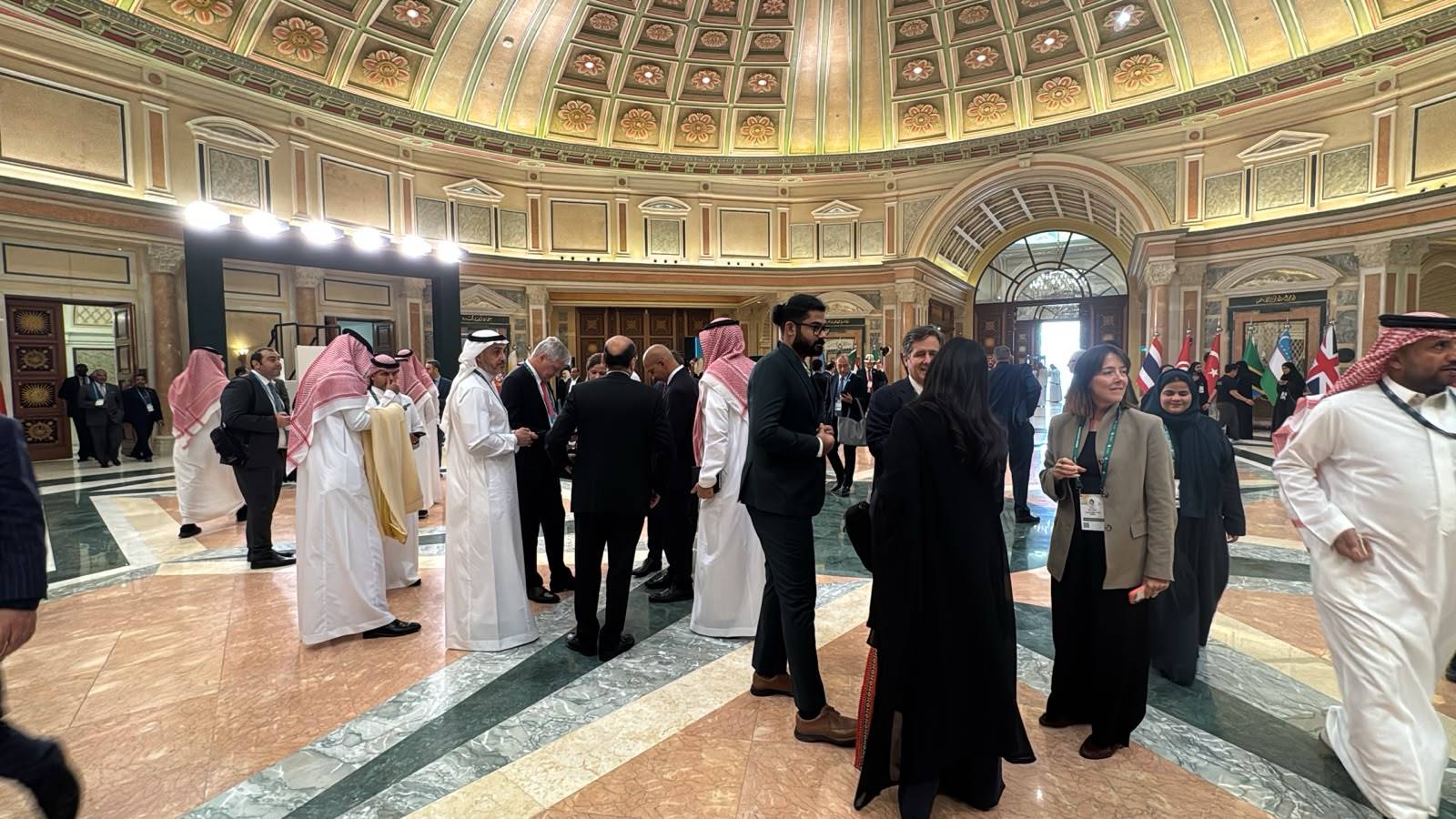
Uluslararası Enerji Forumu’nun 17. Bakanlar Toplantısı’nın düzenlendiği salondan genel görünüm (Şarku’l Avsat)
Son birkaç yılda dünyada yaşanan gelişmelerin arz güvenliğini yeniden önceliklerin başına taşıdığını belirten Miras, sektörün gelişimini sürdürürken eşit derecede önemli gördüğü üç temel unsur arasındaki dengenin korunması gerektiğini vurguladı.
Arz kesintilerine ilişkin değerlendirmesinde Miras, enerji sektörünün yalnızca Orta Doğu’da değil, dünyanın farklı bölgelerinde de çeşitli zorluklarla karşı karşıya kaldığını ifade etti. Sektörün bu tür koşullarla mücadele konusunda önemli bir deneyime sahip olduğunu kaydetti.
Mevcut aksaklıkların geçmişte piyasalarda daha büyük bir etki yaratabileceğini belirten Miras, küresel enerji sisteminin bugün birkaç yıl öncesine kıyasla daha dirençli olduğunu, buna rağmen fiyatlarda artış yaşandığını söyledi.
Bu zorluklarla başa çıkmanın mümkün olduğunu dile getiren Miras, geçmişte etkileri daha ağır olan krizleri hatırlatarak enerji sektörünün mevcut aksaklıkları da aşabileceğine duyulan güvenin korunması çağrısında bulundu.
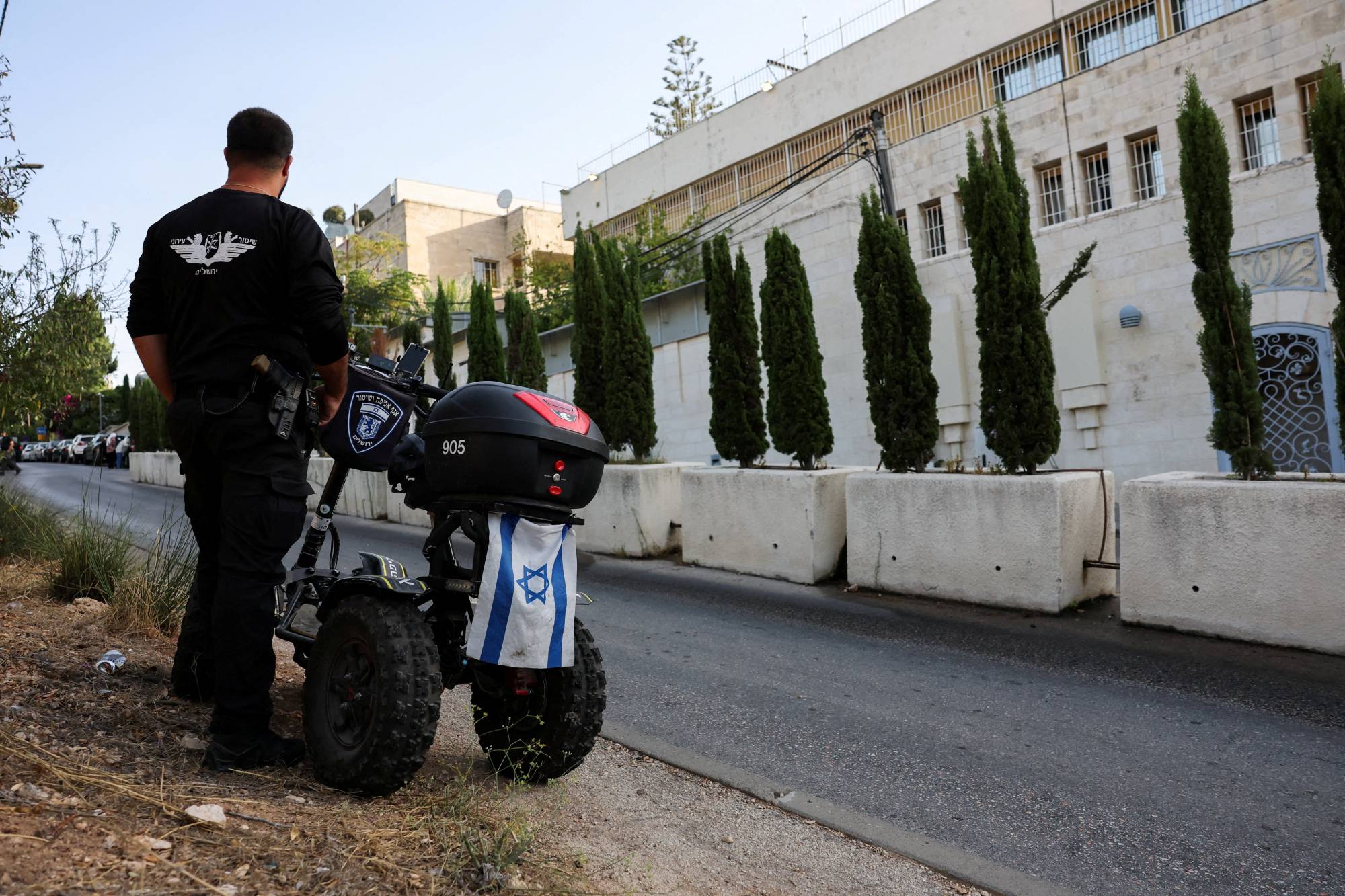
İsrail’den Kudüs Konsolosluğu krizi sonrası İngiltere’ye istihbarat iş birliğini kesme tehdidihttps://aawsat.com/node/5328448
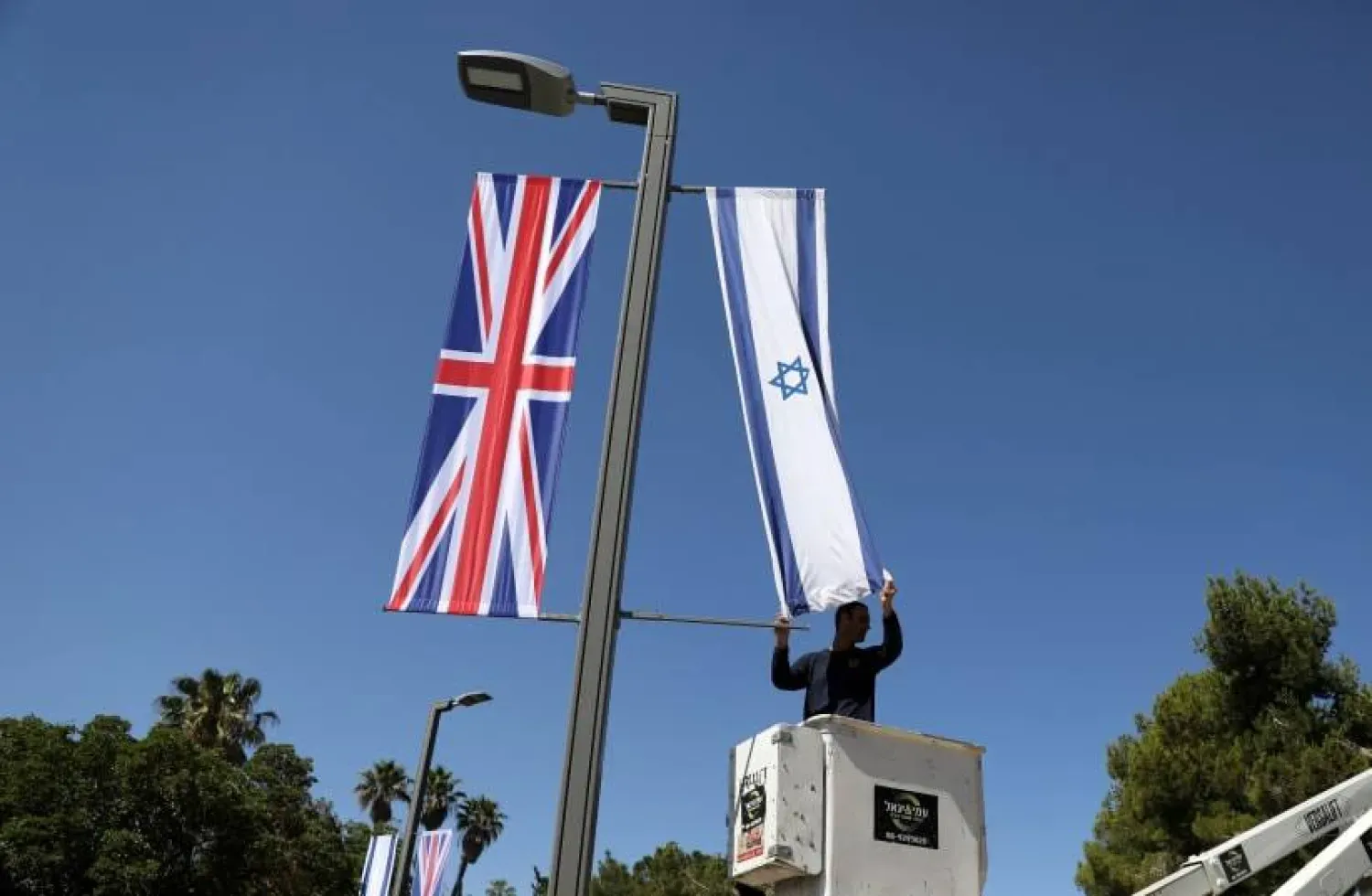
Bir Kudüs Belediyesi çalışanı, 25 Haziran 2018’de Kudüs’teki İsrail Cumhurbaşkanlığı konutu yakınlarında İngiliz bayrağının yanına İsrail bayrağını asıyor (Reuters)
İsrail’den Kudüs Konsolosluğu krizi sonrası İngiltere’ye istihbarat iş birliğini kesme tehdidi
Bir Kudüs Belediyesi çalışanı, 25 Haziran 2018’de Kudüs’teki İsrail Cumhurbaşkanlığı konutu yakınlarında İngiliz bayrağının yanına İsrail bayrağını asıyor (Reuters)
İsrail’de yayımlanan sağ görüşlü Israel Hayom gazetesi, İsrail’in Filistinlilerden sorumlu İngiliz konsolosluğunun faaliyetlerini durdurma kararıyla başlayan krizin ardından İsrail ile İngiltere arasında varılan anlaşmanın ayrıntılarını pazar günü açıkladı.
Gazeteye göre İngiltere, İsrail’e karşı yaptırım uygulamaktan ve İsrailli diplomatları ülkeden sınır dışı etmekten vazgeçti. Haberde, “Londra’daki güvenlik birimleri hükümeti krizin derinleşmesinin yaratacağı tehlikelere karşı uyardı. İsrail’in İngiliz istihbaratıyla güvenlik iş birliğini kesmekle tehdit ettiğini ve bunun ulusal güvenliğe ciddi zarar vereceğini hükümete bildirdi” ifadelerine yer verildi.
İngiltere, geçen perşembe günü, yaklaşık 200 yıl önce Kudüs’te faaliyete başlayan konsolosluğunun daha sınırlı kapsamda çalışmalarını sürdüreceğini ve bundan böyle kentteki adının “İngiliz Misyonu” olacağını açıklamıştı. Bu karar, İsrail’in yerleşimlere yönelik yaptırımlar konusunda yaşanan anlaşmazlık sırasında konsolosluğun kapatılması talimatını vermesinin ardından geldi.
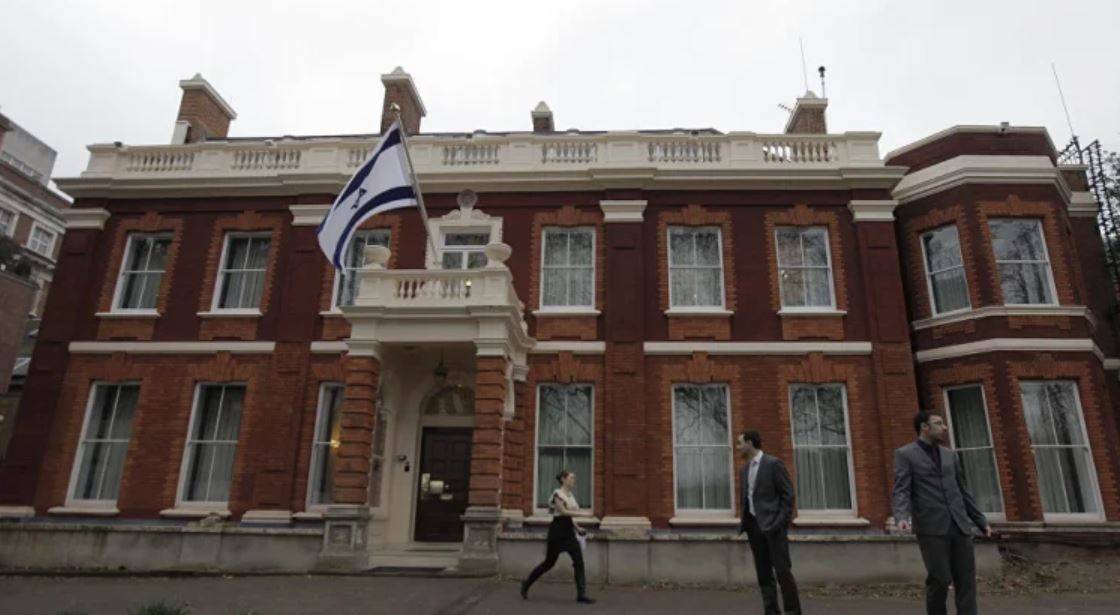
İsrail’in Londra Büyükelçiliği (arşiv – İsrail’in İngiltere Büyükelçiliğinin resmî internet sitesi)
İsrail Başbakanı Binyamin Netanyahu hükümetine yakınlığıyla bilinen gazete, İsrail’in son haftalarda İngiltere’ye son derece hassas istihbarat bilgileri aktardığını öne sürdü. Haberde, bu bilgiler sayesinde İngiltere’de Filistinli ve İranlı unsurların planladığı terör saldırılarının engellendiği, söz konusu hedefler arasında ABD savaş uçaklarına ev sahipliği yapan bir askerî üssün de bulunduğu iddia edildi.
Gazete, İngiliz topraklarında faaliyet gösteren terör hücrelerinin planladığı çok sayıda saldırının bu istihbarat sayesinde önlendiğini savundu. Habere göre gerilimin tırmanmasının önlenmesi ve uzlaşmaya varılmasıyla kriz çözüme kavuşturulurken İsrail de sert koşullarından geri adım attı.
Varılan anlaşma kapsamında Filistinlilerden sorumlu İngiliz konsolosunun 20 diplomatla birlikte İsrail’den ayrılması öngörüldü. Ancak Doğu Kudüs’teki İngiliz Başkonsolosluğu binası açık kalacak ve “İngiliz Misyonu” adı altında faaliyetlerini sürdürecek. Temsilcilik, Filistinlilere belirli hizmetler sunmaya devam edecek.
Konsolosluk hizmetlerinin geri kalan kısmı ise Ürdün’deki İngiliz konsolosluğu üzerinden sağlanacak. Kudüs’ten ayrılan diplomatların büyük bölümü Ürdün’e gitti. Gazeteye göre Londra ile Tel Aviv, anlaşmazlığın çözümü için diyaloğu sürdürüyor.
İsrail, geçen ay İngiliz hükümetinin işgal altındaki Batı Şeria’daki İsrail yerleşimlerini hedef alan yaptırımlar uygulayacağını açıklamasına karşılık İngiliz konsolosluğunun 30 gün içinde kapatılmasını ve burada görev yapan diplomatların Kudüs’ten ayrılmasını istemişti. İngiltere’nin, konsolosluğun açık kalmasını sağlamak amacıyla geçen hafta İsrail’e ulusal güvenlik danışmanını göndererek görüşmeler yürütmesine rağmen İsrail hükümeti kapatma kararında ısrar etmişti.
İngiltere’nin Kudüs’teki diplomatik varlığı yaklaşık 200 yıl öncesine, 1948’de İsrail’in kuruluşundan önceki döneme uzanıyor. Kapatma kararı, İngiltere ile İsrail arasındaki diplomatik ilişkileri yürüten Tel Aviv’deki İngiliz Büyükelçiliği’ni kapsamıyor.
Bir Kudüs Belediyesi üyesi, İsrail’in kapatılması için belirlediği sürenin dolduğu gün İngiliz Konsolosluğu önünde duruyor. İsrail’in kararı, İngiltere Başbakanı Andy Burnham’ın işgal altındaki Batı Şeria’daki İsrail yerleşimlerine yönelik ticari yaptırımlarının ardından geldi (Reuters)
Doğu Kudüs’ün işgal altındaki Şeyh Cerrah Mahallesi’nde bulunan konsolosluk, İsrail’in yoğun yerleşim faaliyetlerine sahne olan bir bölgede yer alıyor. Kapatma kararının uygulanması için tanınan sürenin sona ermesine yaklaşılırken Reuters’a konuşan kaynaklar, İngiltere’nin Doğu Kudüs’teki konsolosluğunun kapatılmasına karşılık Londra’daki İsrail Büyükelçiliği’nde görev yapan bazı diplomatları sınır dışı etmeyi değerlendirdiğini bildirmişti.
Ancak Tel Aviv’deki siyasi kaynaklara göre Londra bu seçeneği gündeminden çıkardı ve konsolosluğun statüsünün düşürülmesini, Filistinlilerin hizmetlere erişiminde karşılaşacağı güçlüklerin artmasını öngören bir uzlaşmaya vardı.
İsrail Dışişleri Bakanı Gideon Saar, iki hükümet arasında diyaloğun sürdürülmesi konusunda Londra ile anlaşmaya vardıklarını açıkladı. Saar, bu sayede her iki tarafın da önemli gördüğü meseleleri gündeme getirebileceğini belirterek İsrail’in diyaloğun önemine inanmaya devam ettiğini söyledi.
Bununla birlikte Saar, kendi değerlendirmesine göre son yıllarda İşçi Partisi hükümetiyle yürütülen diyaloğun gerçek bir diyalog niteliği taşımadığını ifade etti.
İsrail ile İngiltere arasındaki ilişkilerin, özellikle güvenlik ve istihbarat alanlarında önem taşıdığını vurgulayan Saar, İsrail’in kısa süre önce İngiliz Kraliyet Hava Kuvvetleri’ne ait Fairford Üssü’yle ilgili bir konuda İngiltere’ye hayati olarak nitelendirdiği bilgiler sağladığını da kaydetti.
لم تشترك بعد
انشئ حساباً خاصاً بك لتحصل على أخبار مخصصة لك ولتتمتع بخاصية حفظ المقالات وتتلقى نشراتنا البريدية المتنوعة