

الخوف والذعر يسيطران على الإيرانيين بعد هجوم أميركي إسرائيلي

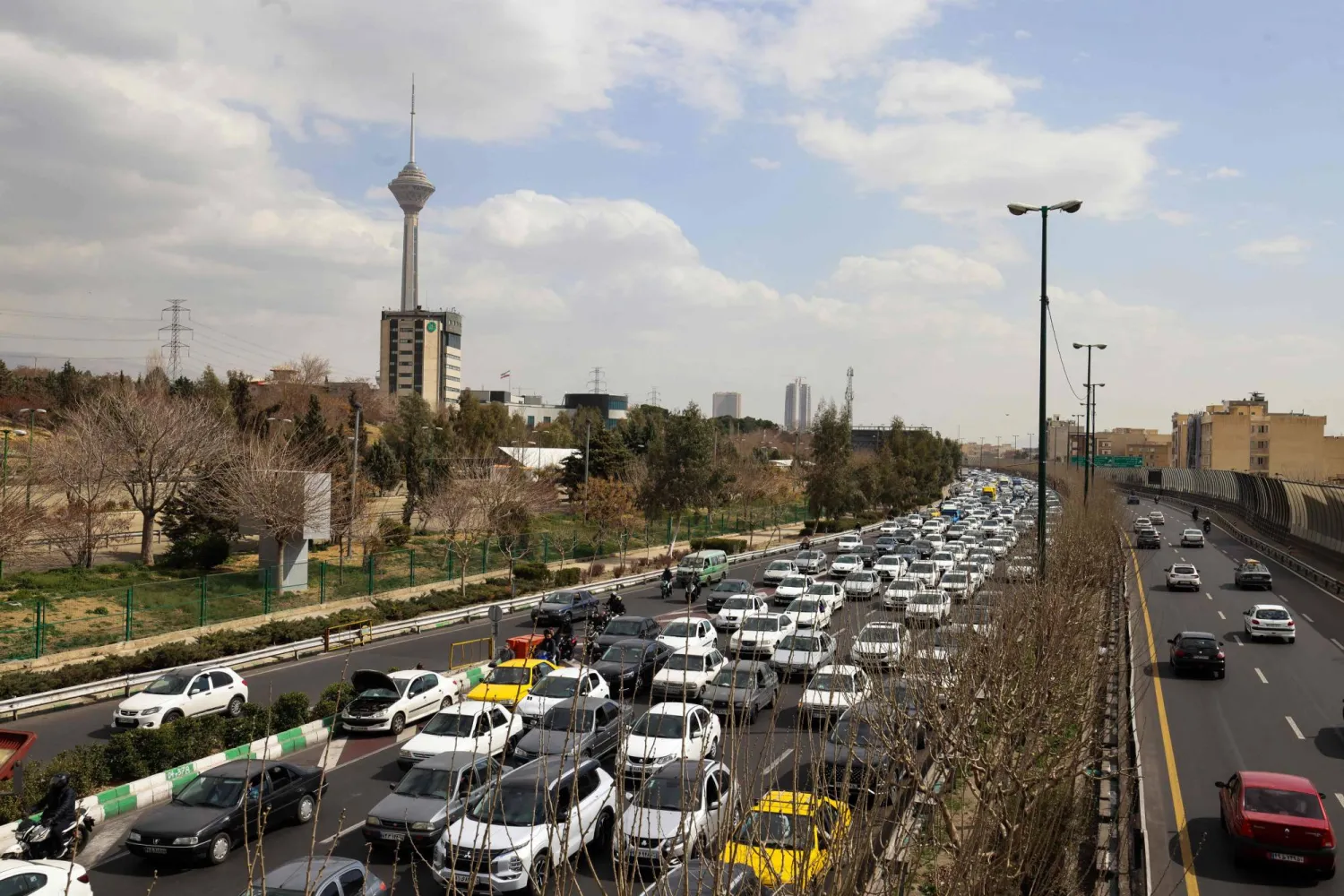
زحمة سير في إحدى الطرق السريعة وسط طهران (أ.ف.ب)
TT

الخوف والذعر يسيطران على الإيرانيين بعد هجوم أميركي إسرائيلي

زحمة سير في إحدى الطرق السريعة وسط طهران (أ.ف.ب)

قال شهود إن محطات الوقود في إيران شهدت طوابير طويلة، مع شروع كثير من الإيرانيين في مغادرة المدن بحثاً عن الأمان، بعدما أدى الهجوم الذي شنته الولايات المتحدة وإسرائيل إلى انتشار الخوف والذعر في أنحاء البلاد.

ودعت الحكومة الإيرانية، سكان طهران، السبت، إلى مغادرة العاصمة «مع الحفاظ على الهدوء»، حسبما أوردت وكالة الصحافة الفرنسية. وجاء في رسالة نصية أرسلتها السلطات إلى الهواتف الإيرانية وتلقتها وكالة الصحافة الفرنسية أنه «نظراً للعمليات المشتركة التي تنفذها الولايات المتحدة والكيان الصهيوني ضد طهران وبعض المدن الكبرى، يُرجى، إذا أمكن ومع الحفاظ على الهدوء، التوجه إلى مدن أخرى».

وهزّت انفجارات العاصمة طهران، وارتفعت أعمدة الدخان في السماء، صباح السبت، في مستهل أسبوع العمل في البلاد. وقال رجل من طهران لـ«رويترز»، إنه كان يسارع إلى اصطحاب أطفاله من المدرسة.

وقالت مينو، وهي أم لطفلين تبلغ 32 عاماً من مدينة تبريز في الشمال، إحدى المناطق التي أُبلغ عن وقوع انفجارات فيها: «نحن خائفون، نحن مرعوبون. أطفالي يرتجفون، ليس لدينا مكان نذهب إليه، سنموت هنا». وأضافت وهي تبكي عبر الهاتف: «ماذا سيحدث لأطفالي؟».

وأعلنت أعلى هيئة أمنية في إيران أنها تتوقع استمرار الهجمات في طهران ومدن أخرى، وحثّت السكان على «السفر إلى مدن أخرى حيثما أمكن للبقاء في مأمن من أذى أعمال العدوان». كما أُغلقت المدارس والجامعات حتى إشعار آخر.

ويمثل هذا الهجوم أحدث صدمة يواجهها الإيرانيون، بعد أسابيع من مقتل آلاف الأشخاص في حملة قمع حكومية للاحتجاجات التي عمت البلاد، كما يأتي بعد ثمانية أشهر فقط من حرب استمرت 12 يوماً مع إسرائيل، العام الماضي، قصفت خلالها الولايات المتحدة مواقع نووية إيرانية.

وقال الرئيس الأميركي دونالد ترمب، إن العملية تهدف إلى إنهاء التهديد الأمني للولايات المتحدة ومنح الإيرانيين فرصةً للإطاحة بحكامهم. وأعلن البنتاغون أن الضربات الأميركية حملت اسم «ملحمة الغضب».

وقال مواطن من مدينة يزد في وسط البلاد إنه يأمل أن تؤدي الهجمات إلى إسقاط نظام الحكم الذي يحكم إيران منذ ثورة 1979، مضيفاً: «دعهم يقصفون».

لكن سميرة مهيبي، من مدينة رشت في الشمال، عارضت هذا الرأي، وقالت: «أنا ضد هذا النظام، فليذهبوا إلى الجحيم. لكنني لا أريد أن تتعرض بلادي لهجوم من قوات أجنبية، لا أريد أن تتحول إيران إلى العراق»، في إشارة إلى ما شهده البلد المجاور من فوضى وسفك دماء بعد الغزو الذي قادته الولايات المتحدة وأطاح صدام حسين.

«خدعونا مجدداً»

قال شهود إن قوات الأمن أغلقت طرقاً في طهران، التي تضم مكاتب المرشد علي خامنئي والرئيس مسعود بزشكيان ومبنى البرلمان.

وجاءت الهجمات بعد فشل الجولة الأخيرة من المحادثات بين الولايات المتحدة وإيران في جنيف، يوم الخميس، في إحراز تقدم بشأن البرنامج النووي الإيراني، رغم حديث وسطاء عُمانيين عن تقدم.

وقال أحد سكان طهران: «قالوا إن المحادثات النووية تسير على ما يرام. لقد خدعونا مجدداً».

وتبدي الحكومات الغربية منذ سنوات شكوكاً بشأن سعي إيران إلى امتلاك سلاح نووي، وهو ما تنفيه طهران باستمرار.

وأفاد شهود بأن المواطنين اندفعوا لشراء العملات الأجنبية، فيما قال سكان في أصفهان، التي شهدت أيضاً هجمات، إنهم لم يتمكنوا من سحب أموال من أجهزة الصراف الآلي.

وقال رضا سعداتي (45 عاماً) إنه كان ينقل عائلته إلى مدينة أورميا، قرب الحدود التركية، مضيفاً: «إذا كانت الحدود مفتوحة، فسنعبرها ثم نسافر جواً إلى إسطنبول».

كما قال محمد إسماعيلي (63 عاماً) من مدينة إيلام، الواقعة على بعد نحو 500 كيلومتر من طهران، إنه سيغادر المدينة مع أسرته، وأضاف: «الله وحده يعلم ماذا سيحدث لنا. ادعوا لنا».

وقالت أم لثلاثة أطفال من طهران: «الناس مصدومون وخائفون. ماذا سيحدث لنا؟ أنقذونا من فضلكم».

وقالت إحدى سكان طهران، كانت تقود سيارتها عبر وسط العاصمة، إن الضجيج الصاخب لحركة المرور، بينما كان الناس يتدافعون لمغادرة المدينة، خفّ ليحل محله صمت مريب، حسب صحيفة «نيويورك تايمز».

وأضافت مهسا (39 عاماً)، التي طلبت عدم الكشف عن اسمها الكامل خوفاً من التعرض لأي إجراءات انتقامية، أن الشوارع كانت في وقت سابق مكتظة إلى درجة أن بعض الأشخاص تركوا سياراتهم في الطرقات وغادروها سيراً على الأقدام. وأوضحت أن طهران باتت الآن شبه خالية، يسودها صمت تام وحالة من السكون التام.
مقالات ذات صلة

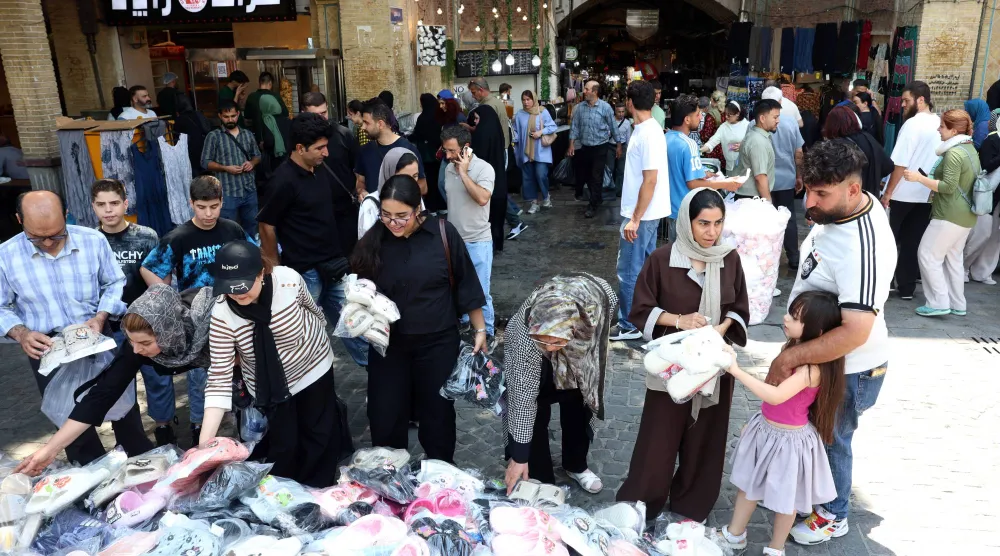
الحرب والتضخم يخنقان الأسواق في إيران... والتجار يكافحون للبقاء

شؤون إقليمية عدد المتسوقين في تناقص بسبب ضعف القدرة الشرائية (إ.ب.أ)

الحرب والتضخم يخنقان الأسواق في إيران... والتجار يكافحون للبقاء

في سوق إيراني تفوح في أروقته روائح الأعشاب والتوابل، يراقب التاجر ناصر، البالغ 61 عاماً، كيف غيّرت الحرب الأميركية ـ الإيرانية ملامح الحياة التجارية.

«الشرق الأوسط» (لندن - طهران)
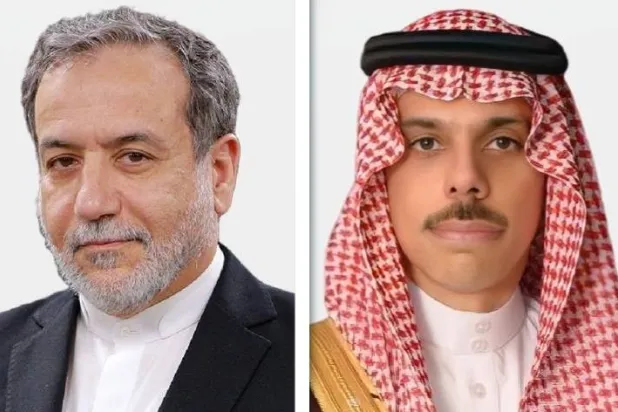
الخليج وزير الخارجية السعودي الأمير فيصل بن فرحان ونظيره الإيراني عباس عراقجي (الشرق الأوسط)

فيصل بن فرحان وعراقجي يبحثان التصعيد بالمنطقة

بحث وزير الخارجية السعودي الأمير فيصل بن فرحان خلال اتصال هاتفي تلقاه من نظيره الإيراني عباس عراقجي، التصعيد الأخير في المنطقة، والجهود المبذولة بشأنها.

«الشرق الأوسط» (الرياض)
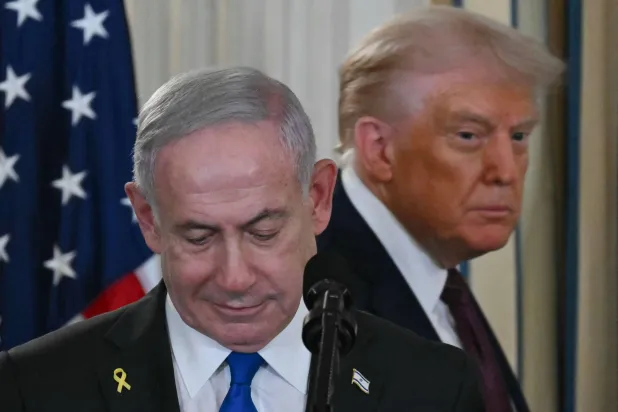
شؤون إقليمية اتساع الخلاف بشأن المصالح السياسية بين ترمب ونتنياهو (أ.ف.ب)

الحوار الأميركي ـ الإسرائيلي بشأن ضرب إيران لا يزال مستمراً

أكدت مصادر سياسية في تل أبيب أن الاتصالات بين واشنطن وتل أبيب بشأن توجيه ضربة إسرائيلية منفردة إلى إيران في ظل الاستعدادات للانتخابات الإسرائيلية لا تزال مستمرة

نظير مجلي (تل أبيب)
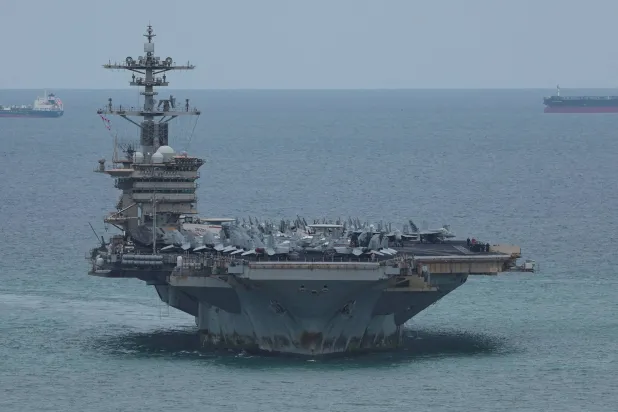
شؤون إقليمية حاملة الطائرات الأميركية «أبراهام لينكولن» التي شاركت في حصار إيران البحري (رويترز) p-circle

هل وصل الحصار العسكري والاقتصادي إلى نقطة كسر إيران؟

حاولت إدارة الرئيس الأميركي، دونالد ترمب، الجمع بين إبقاء الخيار العسكري جاهزاً، وتشديد الحصار الاقتصادي والبحري؛ لإجبار إيران على تقديم تنازلات...

هبة القدسي (واشنطن)
شؤون إقليمية حاملة الطائرات «يو إس إس جورج واشنطن» أثناء إبحارها في المياه الإقليمية بالشرق الأوسط (سنتكوم)

تصعيد في «هرمز» وسط تمسك طهران بشروطها

تتصاعد التوترات في مضيق هرمز مع تجدد الهجمات على السفن التجارية وناقلات النفط، ما أدى إلى انخفاض عدد السفن العابرة للمضيق إلى أدنى مستوياته في شهرين.

«الشرق الأوسط» (لندن-واشنطن-طهران)

North Korea Fires Multiple Ballistic Missiles, Adding to Streak of Weapons Tests

News coverage showing file footage of a North Korean missile launch is seen on a screen at Seoul Station in Seoul on October 12, 2026. Philip FONG / AFP
TT

North Korea Fires Multiple Ballistic Missiles, Adding to Streak of Weapons Tests

News coverage showing file footage of a North Korean missile launch is seen on a screen at Seoul Station in Seoul on October 12, 2026. Philip FONG / AFP

North Korea on Monday fired multiple ballistic missiles toward its eastern waters, South Korea’s military said, adding to a recent streak of weapons demonstrations that has heightened tensions during a prolonged freeze in diplomacy.

Jang Do-young, spokesperson of South Korea’s Joint Chiefs of Staff, said missiles of various types were fired from an area around the North Korean capital of Pyongyang, where the country’s main airport has been a major launch site in recent years.

Jang said one of the missiles flew more than 900 kilometers (559 miles) before falling into the sea but didn’t comment on the flight details of the other weapons. The joint chiefs didn’t specify how many missiles it detected.

Japan’s Deputy Defense Minister Takashi Koyari said Japan detected at least two missiles launched 17 minutes apart and that the weapons landed in waters outside of its exclusive economic zone. Koyari said the first missile flew about 220 kilometers (137 miles) and the second more than 910 kilometers (565 miles), following an “irregular” flight path that he said suggested it may have been a hypersonic weapon. There were no reports of damage to aircraft or vessels.

While maintaining a hard line toward Seoul, North Korea has been ramping up weapons testing as it seeks to expand its arsenal of nuclear-capable systems, including an Oct. 3 test of what the North described as a hypersonic intermediate-range missile designed to evade missile defenses in South Korea and Japan.

North Korea has also conducted other missile tests and live-fire drills and commissioned a new warship as leader Kim Jong Un continues to flaunt his nuclear weapons program while rejecting US and South Korean offers to resume long-stalled diplomacy.

The latest launch came days after South Korea on Friday flight-tested its own domestically developed hypersonic weapon, designed to fly at least five times the speed of sound and evade missile defense systems, which President Lee Jae Myung described as critical in strengthening the South’s conventional defense capabilities. Without directly addressing the growing threat from North Korea, Lee’s office said the hypersonic weapon, once fully developed, would enhance South Korea’s ability to strike key targets by surprise in the “Korean Peninsula theater of operations.”

Jang, the South Korean military official, said the latest North Korean launches likely were intended to advance the country’s missile technologies while also serving as a possible response to South Korea’s hypersonic test.

The South’s presidential national security office called for North Korea to “immediately cease” its repeated ballistic launches, which violate UN Security Council resolutions against the North and “do not help manage the current situation on the Korean Peninsula.” Koyari said Japan lodged a protest to North Korea through their embassies in Beijing.

Tensions were further worsened after three South Korean soldiers were injured in land mine explosions last month near the heavily armed inter-Korean border. The South’s military and the US-led United Nations Command concluded the blasts were caused by devices planted by North Korea, which has denied responsibility and ridiculed the South’s demands for an apology.

Kim in recent years has halted all diplomacy and cooperation with South Korea and described the neighbor as a permanent enemy during a prolonged stalemate in larger nuclear negotiations with Washington. He has so far rebuffed US President Donald Trump’s calls to revive their diplomacy, which broke down in 2019, with his government demanding that Washington abandon its “hostile” policy toward Pyongyang and drop demands for North Korea’s denuclearization as a precondition for talks.


Opposition, Journalists Allege Police Abuses during India Protests

(FILES) A police personnel fires tear gas shells to disperse activists and supporters of the Cockroach Janta Party (CJP) during a protest demanding the resignation of India's Education Minister Dharmendra Pradhan over alleged NEET examination irregularities in New Delhi on July 20, 2026. (Photo by Sajjad HUSSAIN / AFP)
TT

Opposition, Journalists Allege Police Abuses during India Protests

(FILES) A police personnel fires tear gas shells to disperse activists and supporters of the Cockroach Janta Party (CJP) during a protest demanding the resignation of India's Education Minister Dharmendra Pradhan over alleged NEET examination irregularities in New Delhi on July 20, 2026. (Photo by Sajjad HUSSAIN / AFP)

Opposition leaders and journalists accused police of heavy-handed tactics during weekend demonstrations, as authorities locked down New Delhi on Monday ahead of a fresh rally against the election chief.

Authorities deployed thousands of personnel across central Delhi for a third straight day, erecting heavy metal barricades and closing key metro stations before a march called by opposition leader Rahul Gandhi, reported AFP.

The protests were triggered by allegations of misconduct during a nationwide voter roll revision that critics say could benefit Prime Minister Narendra Modi's ruling Bharatiya Janata Party (BJP).

The Election Commission of India, which oversees the voting process in the world's most populous nation, has denied wrongdoing.

But attention has increasingly shifted to the police response after a chaotic weekend in which thousands of protesters, including members of the youth-led Cockroach Janta Party (CJP) movement, were detained, according to local media reports.

Most of those detained, including three top leaders of the CJP, have since been released.

Opposition figures have accused authorities of trying to suppress dissent through mass detentions.

Parliamentarian John Brittas of the Communist Party of India (Marxist) alleged he was "manhandled, dragged, assaulted" by police during Sunday's demonstrations.

"This is not merely an assault on an MP. It is an assault on democratic freedoms and the rule of law," Brittas said.

Police did not respond to questions on detentions or their actions during a news conference on Sunday.

Several journalists covering the protest said they were detained despite prominently displaying their press cards.

Reporters Without Borders (RSF) said at least 16 journalists were detained during the weekend protests, calling the actions "unacceptable".

- 'Nothing to fear' -

The capital was bracing for a fresh showdown on Monday, with Gandhi, leader of the Congress party, urging supporters to join a march to the Supreme Court.

"There is nothing to fear," he said on social media on Sunday. "These cowards can do absolutely nothing to us."

Hundreds of yellow metal barricades were set up on roads leading to central Delhi, while six major metro stations remained shut.

The leaders of the CJP, which has millions of social media followers, have pledged to continue their protests until Chief Election Commissioner Gyanesh Kumar steps down.

The protests have become one of the most significant political challenges of Modi's third term, drawing together opposition parties, student groups and activists angered by the voter roll revision.

The revision resulted in more than 133 million names being removed from electoral lists, according to media reports.

Critics say the measure has disproportionately affected minorities, particularly Muslims.

Election authorities say the move was intended to eliminate duplicate, deceased and fraudulent entries.


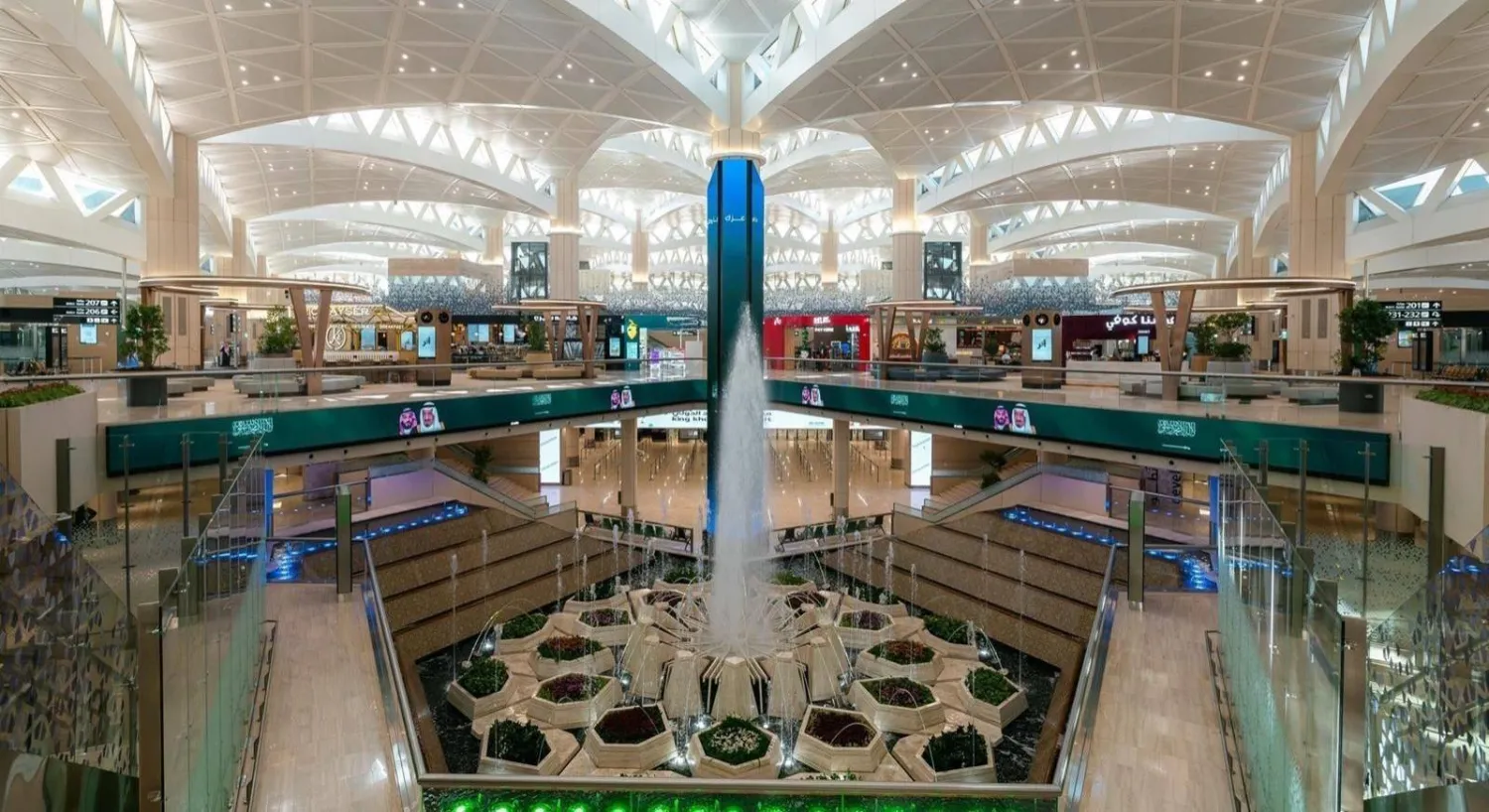
King Khalid Int’l Airport, One of the Region’s Key Global Aviation Hubs

King Khalid International Airport in Riyadh (SPA)
TT

King Khalid Int’l Airport, One of the Region’s Key Global Aviation Hubs

King Khalid International Airport in Riyadh (SPA)

King Khalid International Airport in the Saudi capital, Riyadh, is one of the world’s major aviation hubs and a key air transport gateway for Saudi Arabia and the wider region. Since opening four decades ago, it has reflected the kingdom’s urban and economic development.

Opened in 1983, the airport has played a central role in keeping pace with Riyadh’s rapid growth and meeting rising domestic and international travel demand. It serves as an international gateway to the country and connects the capital with the rest of the world.

The airport is located about 35 km north of central Riyadh and covers an area of nearly 225 square km. Its facilities include five main passenger terminals offering a wide range of services, as well as a royal terminal and two private aviation terminals.

To ensure smooth operations, the airport has 40 passenger boarding bridges and parking facilities with capacity for more than 11,600 vehicles.

The airport operates with a central control tower and two parallel runways, each measuring 4,260 meters (13,980 feet), enabling it to accommodate various types of aircraft and maintain round-the-clock operations.

Extensive operations

King Khalid International Airport is a major hub for an extensive air transport network, with more than 64 international and domestic airlines connecting Riyadh to over 121 destinations worldwide.

The scale of its operations reflects heavy air traffic, with more than 299,000 flights annually and over 40 million passengers served each year.

As part of efforts to improve operational efficiency and upgrade the airport’s infrastructure, Riyadh Airports Company took over the management and operation of the airport. The company was established in 2016 as part of Saudi Arabia’s aviation sector privatization program.

The company is working to operate, modernize and expand existing facilities, while adding new services and amenities to improve the passenger experience and meet the Saudi capital’s future needs.