مسؤولة أممية لـ «الشرق الأوسط» : نواجه أكبر أزمة أمن غذائي

المديرة الإقليمية لـ«برنامج الأغذية» أكدت الحاجة إلى 23 مليار دولار

كورين فليشر (الشرق الأوسط)
TT

مسؤولة أممية لـ «الشرق الأوسط» : نواجه أكبر أزمة أمن غذائي

كورين فليشر (الشرق الأوسط)

كشف «برنامج الأغذية العالمي» عن حاجته إلى 23 مليار دولار هذا العام، لمواجهة ما وصفها بـ«أكبر أزمة أمن غذائي» في العصر الحديث، ومساعدة نحو 150 مليون شخص حول العالم.
وأكدت كورين فليشر، المديرة الإقليمية لـ«برنامج الأغذية العالمي للشرق الأوسط وشمال أفريقيا وأوروبا الشرقية»، في حوار مع «الشرق الأوسط»، أن البرنامج نجح في مساعدة 158 مليون شخص، العام الماضي، متفادياً انتشار المجاعات والاضطرابات والهجرة الجماعية على نطاق واسع.
وأشارت فليشر إلى أن «برنامج الأغذية العالمي» وشركاءه قدموا، العام الماضي، مساعدات غذائية وتغذوية ونقدية لعدد قياسي من الأشخاص يُقدر بنحو 158 مليون شخص، بالاستناد إلى مساهمات قياسية بلغت 14 مليار دولار أميركي تُعدّ الأكبر في تاريخ البرنامج.
وتابعت: «نجح البرنامج في تفادي انتشار المجاعات والاضطرابات والهجرة الجماعية على نطاق واسع، وتولى نقل الحبوب الأوكرانية إلى البلدان الأكثر حاجة إليها، فضلاً عن تسهيل نقل الأسمدة الضرورية، وتفادي حدوث مجاعة في بعض المناطق اليمنية».


Kherson Residents Urged to Flee as Russian Attacks Intensify

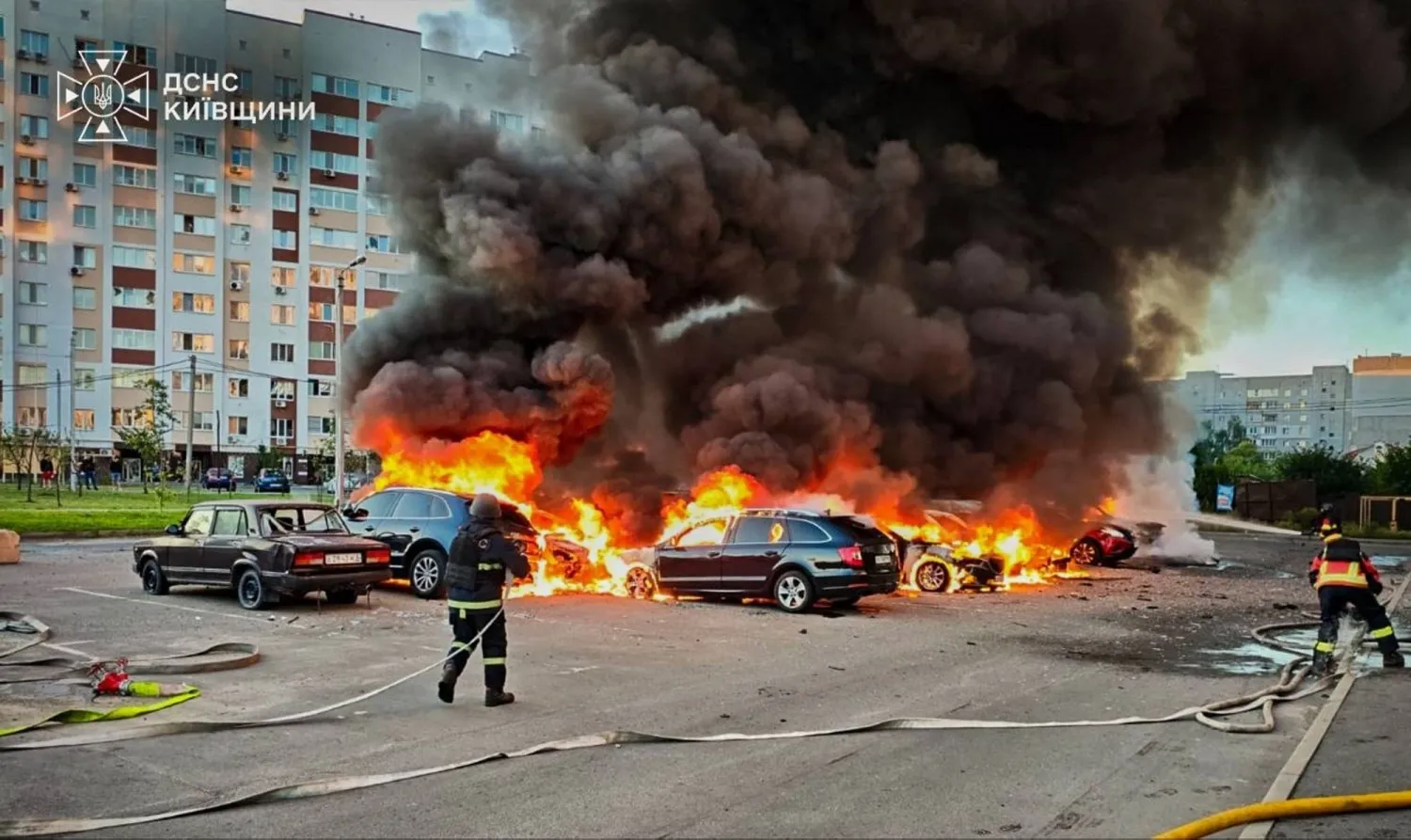
 In this photo provided by the Ukrainian Emergency Service, cars burn as firefighters try to put out a fire following a Russian drone attack in Kyiv region, Ukraine, Friday, Aug. 28, 2026. (Ukrainian Emergency Service via AP)
In this photo provided by the Ukrainian Emergency Service, cars burn as firefighters try to put out a fire following a Russian drone attack in Kyiv region, Ukraine, Friday, Aug. 28, 2026. (Ukrainian Emergency Service via AP)
TT

Kherson Residents Urged to Flee as Russian Attacks Intensify

 In this photo provided by the Ukrainian Emergency Service, cars burn as firefighters try to put out a fire following a Russian drone attack in Kyiv region, Ukraine, Friday, Aug. 28, 2026. (Ukrainian Emergency Service via AP)
In this photo provided by the Ukrainian Emergency Service, cars burn as firefighters try to put out a fire following a Russian drone attack in Kyiv region, Ukraine, Friday, Aug. 28, 2026. (Ukrainian Emergency Service via AP)

A drone attack early Friday killed one man in Kherson, hours after authorities urged residents to leave as intensifying Russian attacks on the southern Ukrainian city risk cutting power supplies ahead of the long winter.

Russian forces are positioned on the opposite bank of the Dnipro River, which borders the city briefly occupied by Moscow in 2022, making it particularly vulnerable to shelling.

The drone attack early Friday in Kherson's Korabelnyi district killed a 61-year-old man who was taken to hospital with a "penetrating chest wound", Yaroslav Shanko, the head of the Kherson city administration, said.

Three others wounded were taken to hospital in the Dniprovsky district.

The attack came after regional governor Oleksandr Prokudin on Thursday urged residents of Kherson, "especially families with children and elderly people", to "please leave", in a Telegram post.

Prokudin said there was an "extremely difficult security situation" in the city, which had about 280,000 inhabitants before the start of Russia's invasion in February 2022. It was occupied by Russian forces from March to November of that year.

"The enemy is intensifying its attacks every day on the region's critical infrastructure," he said, adding that on Wednesday "Russian forces again attacked Kherson's district heating plant with glide bombs".

The facility "sustained very serious damage", he said, adding that Kherson may find itself "without electricity or heating not for hours or days but for a long period".

Ukrainian stocks of interceptor missiles have also started to dwindle.

"There is no way to destroy these types of drones or aerial bombs in any region of our country," he said.

Last winter, Russia repeatedly targeted Ukrainian power plants, plunging millions of people into cold and darkness.

President Volodymyr Zelensky warned earlier this month that Ukraine had "virtually no intact thermal power plants".

- Repeated attacks on Kyiv -

Russia and Ukraine have for several months been ramping up their long-range strikes, increasingly targeting civilian infrastructure such as logistics warehouses and oil and port facilities.

These attacks are causing a rising number of civilian casualties.

Further from the front line, Ukraine's capital Kyiv has been particularly targeted this summer.

On Thursday, the capital spent nearly 15 hours under air raid alert due to repeated drone attacks, according to local authorities.

This "shows another way Russia is using its weapons to disrupt civilian life", the Ukrainian Foreign Ministry said in response, warning that Moscow "continues to choose terror and war".

In the face of Russian bombardments, Zelensky has consistently appealed to allies for new air defense systems.

While Ukraine has in recent days received fresh promises of military aid from European countries, including France, it primarily relies on advanced US Patriot systems to protect its airspace.

Deliveries of these missiles have sharply decreased, however, as US stockpiles depleted because of the Middle East war.

Four and a half years after Russia's large-scale invasion of Ukraine, negotiations, briefly undertaken with US mediation to end the conflict, are at a standstill.

Russian Chief of General Staff Valery Gerasimov has nonetheless visited troops fighting on the Ukrainian front to congratulate them on their "successes" in the eastern Donetsk region.

During the visit he said the Russian army was now only a few kilometers from Sloviansk and Kramatorsk, cities whose capture is a key objective for the Kremlin.


حكم 35 عاماً وكان أكبر ملوك أوروبا سناً... وفاة ملك النرويج

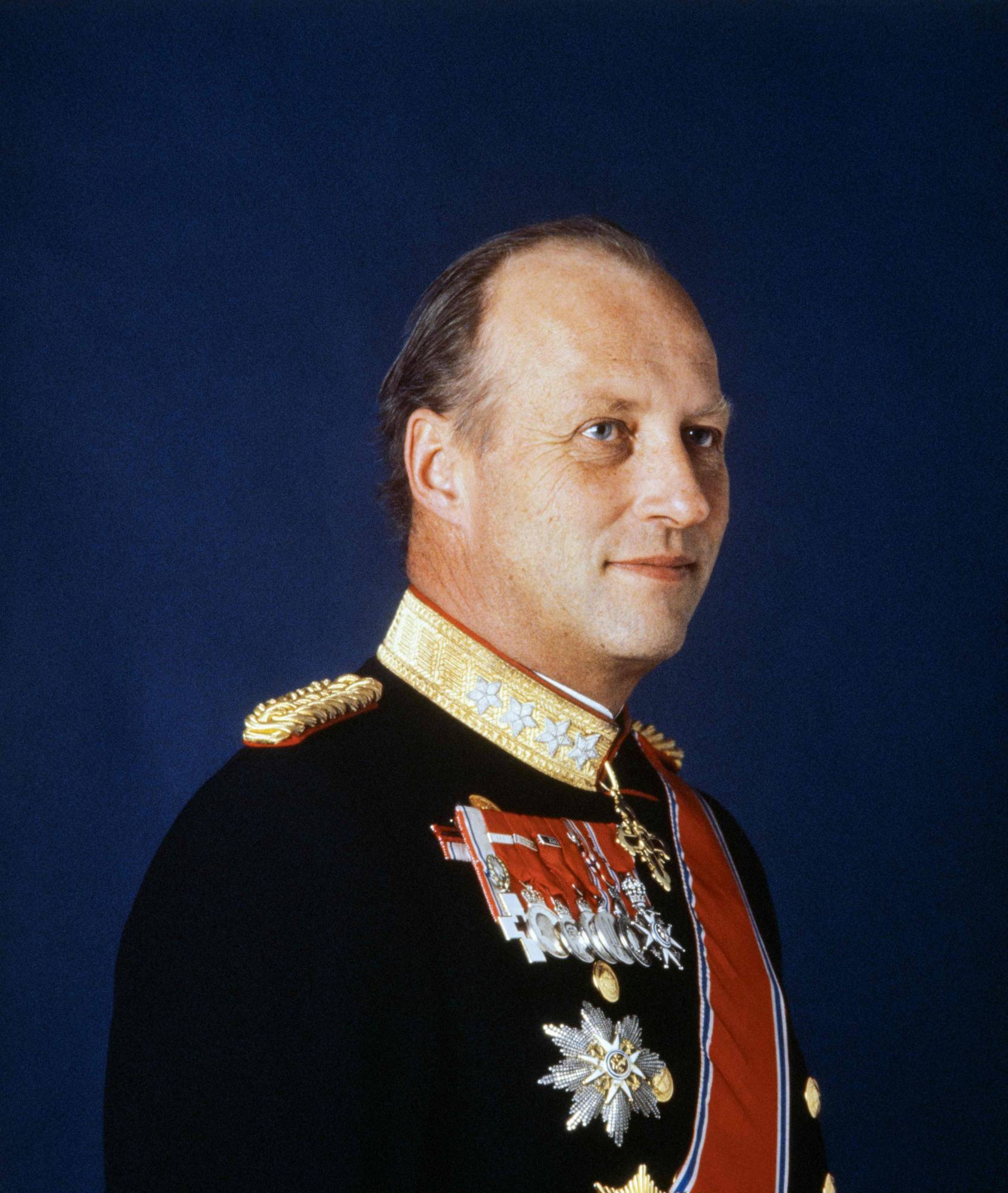
الملك هارالد الخامس ملك النرويج خلال مؤتمر صحفي على متن اليخت الملكي النرويجي في آرهوس، الدنمارك (إ.ب.أ)
TT

حكم 35 عاماً وكان أكبر ملوك أوروبا سناً... وفاة ملك النرويج

الملك هارالد الخامس ملك النرويج خلال مؤتمر صحفي على متن اليخت الملكي النرويجي في آرهوس، الدنمارك (إ.ب.أ)

أعلن القصر الملكي في ‌النرويج اليوم (‌الجمعة)، ​وفاة ‌الملك ⁠هارالد ​ الخامس عن عمر ⁠ناهز 89 ⁠عاما، ‌وهو ‌إصلاحي تولى ​العرش ‌قبل أكثر ‌من ثلاثة ‌عقود خلفا لوالده الذي ⁠كان ⁠يحظى بشعبية كبيرة.

وكان القصر الملكي قد أعلن مطلع هذا الأسبوع تدهور الحالة الصحية للملك هارالد أثناء تلقيه العلاج في المستشفى، مؤكدا في السياق ذاته أنه يستجيب للعلاج.

الملك هارالد خلال حفل افتتاح الدورة الـ169 للبرلمان النرويجي (ستورتينغ) في أوسلو، النرويج (رويترز)

وكان الملك قد أُدخل إلى مستشفى جامعة أوسلو يوم منذ أسبوعين بسبب احتباس السوائل الناجم عن علاج بالكورتيزون، وحصل على إجازة مرضية لمدة أسبوعين.

واعتلى هارالد الخامس عرش النرويج عام 1991، وكان أكبر ملوك أوروبا سناً. وعانى مشكلات صحية متعددة خلال السنوات الأخيرة.

صورة رسمية التُقطت في 21 فبراير 1987 للملك هارالد في القصر الملكي بأوسلو وهو يحتفل بعيد ميلاده الخمسين (أ.ف.ب)

وفي عام 2024، أعلن أنه سيقلّص الأنشطة الرسمية التي يشارك فيها مراعاة لتقدمه في السن، لكنه استبعد التنحي ​عن العرش، قائلاً إن ​القَسَم الذي أداه ملكاً هو التزامٌ مدى الحياة.


Climate Change Hits Trout and Salmon in UK’s Prized Chalk Streams

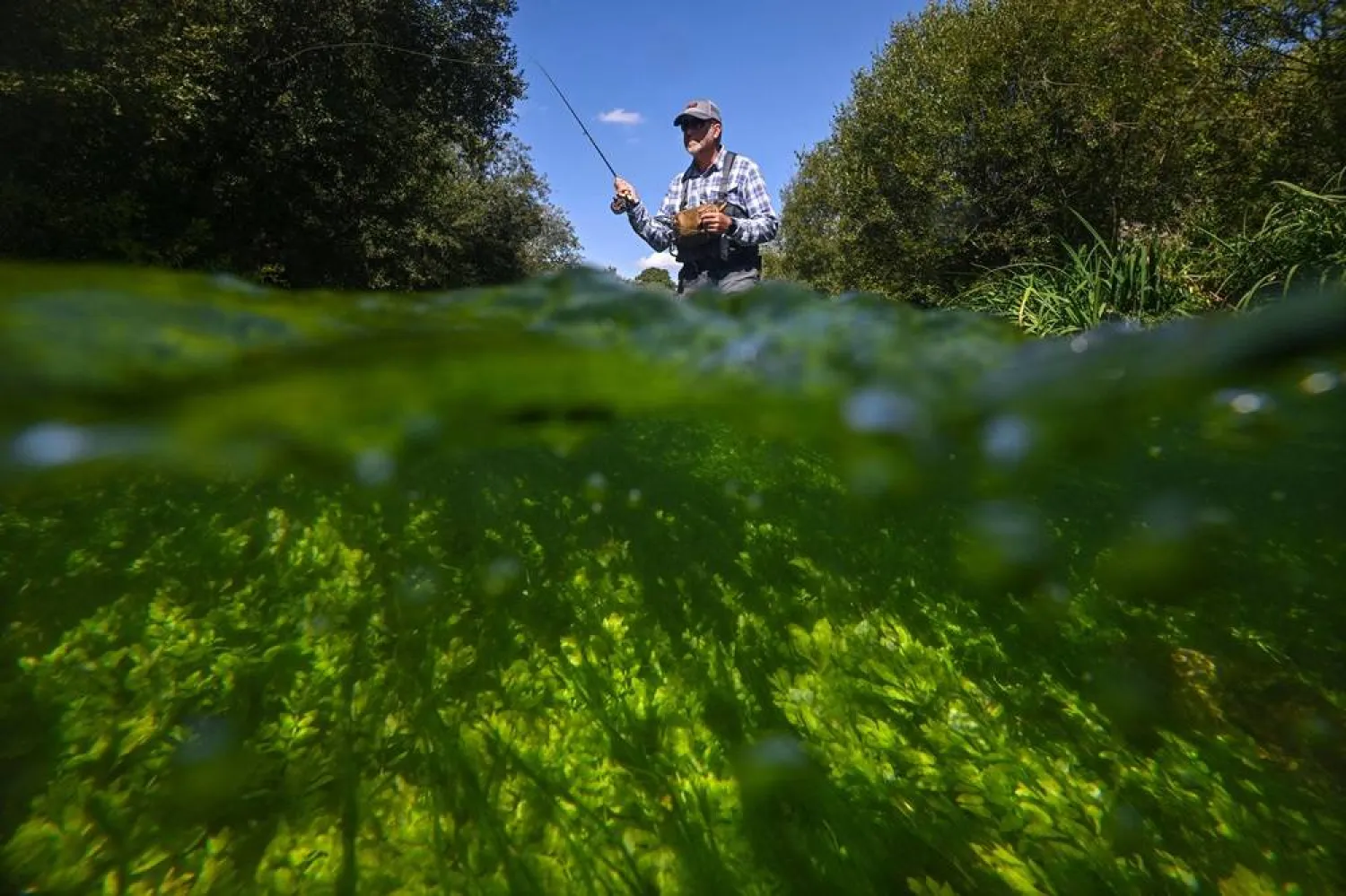
This photo taken on August 25, 2026 shows Bob Wellard, director of the Piscatorials Society, fly-fishing in the Candover Brook, a chalk stream tributary of the River Itchen, near Winchester, Hampshire, southern England. (AFP)
TT

Climate Change Hits Trout and Salmon in UK’s Prized Chalk Streams

This photo taken on August 25, 2026 shows Bob Wellard, director of the Piscatorials Society, fly-fishing in the Candover Brook, a chalk stream tributary of the River Itchen, near Winchester, Hampshire, southern England. (AFP)

A fly fisherman cast his line into the crystal-clear waters of the Itchen, a chalk stream in Hampshire in southern England, home to salmon and trout hit by climate change.

A summer of record-breaking temperatures and drought is threatening the ecological balance of rare chalk streams -- rivers formed on chalk beds that are largely unique to England -- and the fish that depend on them.

Wading through a branch of the Itchen near Winchester, Robert Wellard, director of fisheries at the Piscatorial Society and a recreational angler, dipped a thermometer into the clear water, drawing a reading of 17C.

"We should be more around 12 or 13 degrees" in August, said Kathryn Boler, manager of the Freshwater Programme for the Hampshire and Isle of Wight Wildlife Trust.

Chalk streams, which are fed naturally by underground springs filtered through porous chalk bedrock, are known for their clear, cool and mineral-rich waters where fish such as brown trout and salmon thrive.

Out of 200 rivers of this type recorded in the world, 85 percent are found in England, according to the Wildlife Trust, which looks after the UK's nature reserves.

These unique habitats have been at the forefront of climate change for years, with this summer's successive heatwaves and bone-dry conditions warming the water, depleting groundwater reserves and reducing river flows.

"This year it's been unique in the sense that we have had them (heatwaves) pretty much back-to-back. And so that puts a huge amount of stress on the natural environment," said Wellard.

During heatwaves, "we've seen water temperatures... creeping up well above their normal temperature range," said Wellard, noting that water temperatures this summer reached levels which start affecting wild fish.

Several angling clubs -- which primarily practice catch-and-release fishing -- have temporarily limited activity to reduce the stress on the fish.

- 'Trapped' -

In water temperatures above 19C, salmon and trout experience "extra stress on their bodies", said Boler, as it reduces the oxygen available in the water and increases the physiological needs of fish.

The Itchen chalked up a high of 21.7C in July, according to figures by the Environment Agency (EA), an arm's-length government body which deals with environmental protection in England.

Falling river flows in drought conditions also expose the fish to predators.

For Atlantic salmon, which come to chalk streams to spawn and are already classified as endangered, the situation is particularly concerning.

"With the lower flow, salmon are effectively more trapped, and more susceptible to predation from things like harbor seals and cormorants," explained Paul Vignaux, who heads a local association for landowners and anglers in the Itchen.

In 2022, only 180 salmon came to spawn in the Itchen. Preliminary figures for last year counted 250 individuals -- 32 percent of the threshold considered necessary for the species' conservation, Vignaux noted.

This summer was also difficult for young freshwater salmon, the Environment Agency said in its July salmon count of the Itchen and another nearby chalk stream the Test, with their "abundance and size ... far lower than usual".

According to an EA model, the average temperature of rivers where brown trout live in England is expected to exceed the tolerable limit "at most sites by 2070".

The critical threshold for salmon is expected to be exceeded in half of their habitats by 2080.

Scientists say that climate change is increasing the frequency and intensity of heatwaves, drought and other extreme weather conditions.

Combined with river pollution, chalk streams are facing the perfect storm as declining water flows also cause pollutants to become more concentrated.

In July, wastewater treatment company Southern Water admitted discharging pollutants in 2023 into the Test.

Scientists, environmentalists and anglers are calling for agencies to restore rivers to a more natural state, reduce water extraction and plant trees to improve shade.

"It's really essential that as much water as possible stays in the rivers," said Boler.