باتيلي يترأس اجتماع لجنة 5+5 العسكرية الليبية المشتركة في سرت (اللواء خالد المحجوب)
بدأت في القاهرة جولة محادثات جديدة بين المشير خليفة حفتر، القائد العام لـ«الجيش الوطني» الليبي، ومحمد المنفي، رئيس المجلس الرئاسي، وعقيلة صالح، رئيس مجلس النواب، تزامناً مع انعقاد اللجنة العسكرية المشتركة في مدينة سرت، بحضور رئيس بعثة الأمم المتحدة عبد الله باتيلي.
ووصل حفتر والمنفي وصالح إلى القاهرة مساء السبت، وفقاً لتأكيد مقربين منهم وتقارير إعلامية، لكنَّهم امتنعوا عن إصدار أي توضيح لفحوى المحادثات المشتركة. وفيما رفض الناطقون باسم الثلاثة التعليق على فحوى المفاوضات، قالت مصادرُ مصرية وليبية متطابقة لـ«الشرق الأوسط»، إنَّ الاجتماعات التي تعقد بحضور مسؤولين مصريين «ستناقش جملة من الملفات السياسية والعسكرية في ليبيا، بما في ذلك إجراء الانتخابات الرئاسية والبرلمانية المؤجلة في ضوء التفاهمات الأخيرة بين مجلسي النواب والدولة بشأن قاعدتها الدستورية، وإنهاء الازدواجية الراهنة لوجود حكومتين في البلاد».
وفي موازاة ذلك، قال أعضاء في مجلس النواب إنَّ اجتماعاً سيعقد الأسبوع المقبل، بين صالح والمشري برعاية باتيلي، «لاستكمال المسار الدستوري». ومن المنتظر أن يطرح المجلسان على أعضائهما في اجتماعهما المقبل، الوثيقة الدستورية، التي اتفقا عليها في القاهرة أخيراً والخاصة بقواعد وشروط الانتخابات المؤجلة.
بدوره، كشف اللواء خالد المحجوب، مدير إدارة التوجيه المعنوي في «الجيش الوطني»، عن أهم بنود اجتماعات اللجنة العسكرية في سرت، وهي: «استكمال بنود وقف النار، وعمل المراقبين الدوليين والمحليين، وما تم في شأن توحيد المؤسسة العسكرية»، مشيراً إلى أنَّه تم التأكيد على «ضرورة إخراج المرتزقة والقوات الأجنبية من البلاد»، إلى جانب «مطالبة الأطراف ذات العلاقة، بدعم تنفيذ اتفاقية جنيف بكل بنودها كونها تشكل مطلباً لجميع الليبيين». ...المزيد
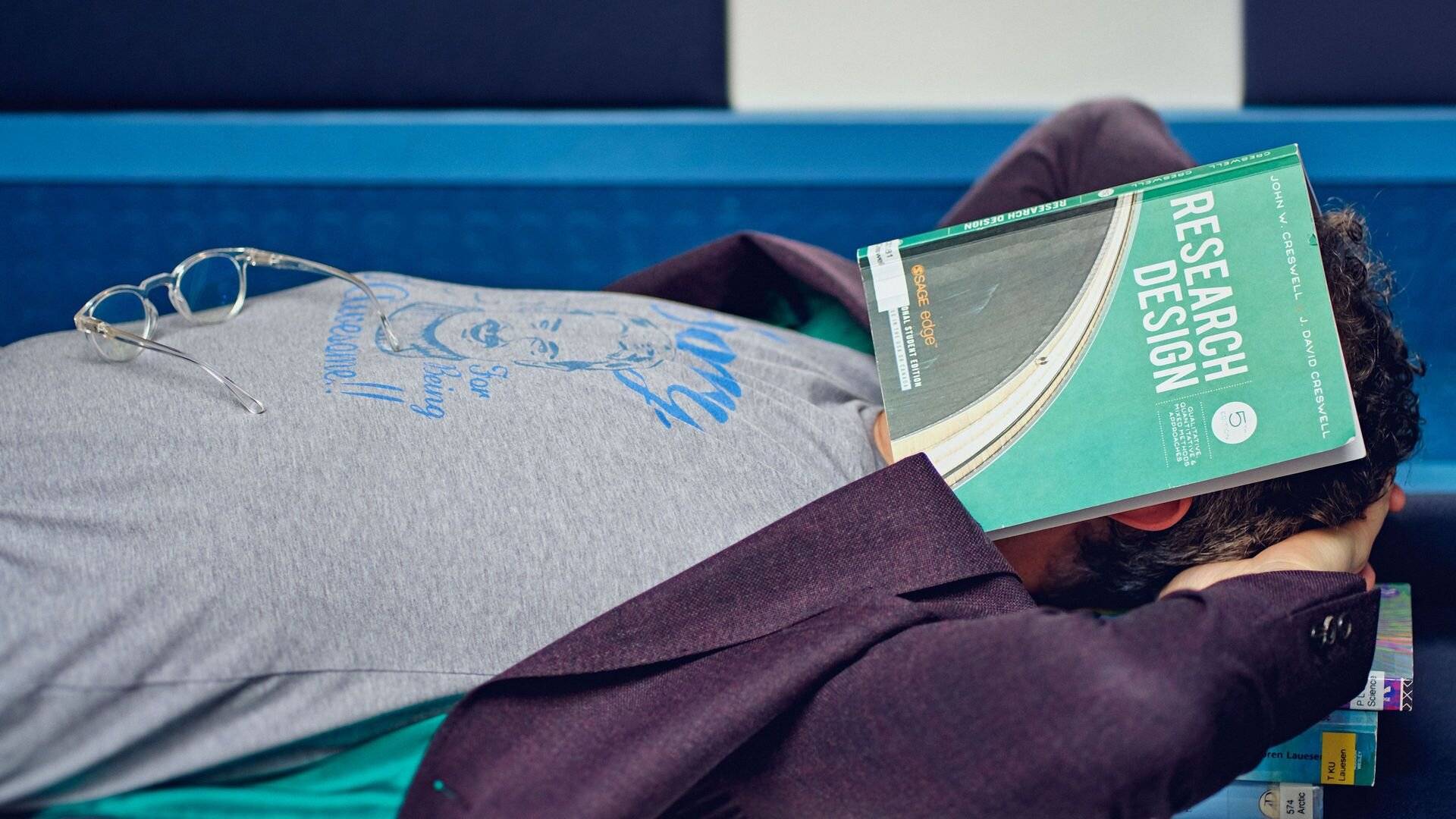
يبدو أصحاب النمط المسائي أقل تمتعاً بالصحة ويواجهون صعوبات أكثر في العمل (بيكسلز)
كشفت دراسة جديدة أجراها باحثون فنلنديون أن الأشخاص الذين يميلون بطبيعتهم إلى النشاط أكثر في المساء، أو كما يعرفون بـ«عشاق السهر»، هم أكثر عرضة بمقدار 1.7 مرة للتقاعد المبكر والحصول على معاش تقاعدي بسبب العجز، مقارنةً بالأشخاص الذين يميلون بطبيعتهم إلى النشاط أكثر في الصباح.
وتشير النتائج المنشورة في دورية «أوكيوبشنال آند أنفرومنتال ميديسين» إلى أن هذا الارتباط ظل قائماً حتى بعد أن أخذ الباحثون في الاعتبار العوامل الاجتماعية والاقتصادية، مثل المستوى التعليمي ونوع الوظيفة.
النمط الزمني
ويُعرف «النمط الزمني» بأنه الجدول الزمني الطبيعي للجسم فيما يتعلق بالنوم والاستيقاظ. واستناداً إلى توقيت وظائف الجسم ومستويات اليقظة، يمكن تصنيف الأفراد إلى ثلاث مجموعات رئيسية: أصحاب النمط الصباحي، وأصحاب النمط المتوسط، وأصحاب النمط المسائي.
ويُعد «النمط الزمني» سمة بيولوجية فطرية ذات أساس جيني قوي، وهي نتيجة دعمتها الدراسة أيضاً باستخدام بيانات جينية. وقد أظهرت دراسات سابقة أن النمط الزمني يظل ثابتاً للغاية في مرحلة البلوغ.
وأظهرت دراسات سابقة أن أصحاب النمط المسائي يبدون أقل تمتعاً بالصحة ويواجهون صعوبات في العمل أكثر من أصحاب النمط الصباحي.
ومع ذلك، لم تكن العلاقة بين كون الشخص «من عشاق السهر» (النمط المسائي) أو «شخصاً صباحياً» (النمط الصباحي) وبين الحصول على معاش العجز قد حُسمت بشكل كامل.
ولتعزيز الأدلة العلمية حول هذه الفرضية، قام الباحثون بتحليل ما إذا كان الأشخاص المصنفون ضمن «النمط المسائي» في منتصف الأربعينات من العمر أكثر عرضة للحصول على معاش العجز خلال الاثنتي عشرة سنة التالية، مقارنةً بالأشخاص المصنفين ضمن «النمط الصباحي».
وتابعت الدراسة مجموعة كبيرة من الأشخاص من مختلف القطاعات الاقتصادية ومجموعة متنوعة من المهن على مدى فترة زمنية طويلة.
عاشقو السهر قد يكونون أكثر عُرضة لتدهور الصحة واضطرابات في ساعاتهم البيولوجية (جامعة أولو)
ووفق بيان صحافي الثلاثاء، حلل باحثو الدراسة بيانات مستمدة من دراسة سكانية مستمرة بدأت عام 1966 وشملت 96 في المائة من جميع المواليد في مقاطعتين بشمال فنلندا. وفي عام 2012، وحين بلغ المشاركون سن السادسة والأربعين، طُرحت عليهم أسئلة لتحديد نمطهم الزمني؛ وشملت هذه الأسئلة: مدى سهولة استيقاظهم صباحاً، ومستوى شعورهم بالتعب خلال النصف ساعة الأولى بعد الاستيقاظ، وتوقيت العمل المفضل لديهم، وما إذا كانوا يعدون أنفسهم أشخاصاً يميلون للصباح أم للمساء.
بعد ذلك، ربط الباحثون هذه المعلومات ببيانات من السجلات الوطنية الفنلندية التي توفر معلومات حول العمل ومعاشات التقاعد، حيث تبين أن الأشخاص ذوو النمط المسائي أكثر عُرضة لخطر الحصول على معاش العجز.
وخلال فترة المتابعة التي استمرت 12 عاماً، حصل 135 رجلاً (5.2 في المائة) و249 امرأة (8.1 في المائة) على معاش العجز لأول مرة. وارتبط تصنيف الفرد ضمن «النمط المسائي» عند سن السادسة والأربعين باحتمالية أعلى بمقدار 1.7 ضعف للحصول على معاش العجز خلال الاثنتي عشرة سنة التالية، مقارنةً بـ«النمط الصباحي»، وذلك لدى كل من الرجال والنساء.
الصحة والنوم
لا يُمنح معاش العجز في فنلندا إلا بعد فترة من التدهور الصحي الشديد وطويل الأمد. ويعتقد الباحثون أن الحالة الصحية الأقل جودة لدى أصحاب النمط المسائي - مقارنة بأصحاب النمط الصباحي - هي العامل الرئيسي وراء ارتفاع معدلات الحصول على معاش العجز في هذه المجموعة.
ويشير الباحثون إلى أن أصحاب النمط المسائي قد يكونون أكثر عُرضة لتدهور الصحة بسبب خيارات حياتية أقل صحية واضطرابات في ساعاتهم البيولوجية الداخلية، مما قد يؤدي إلى مشاكل في النوم. ويرون أن الحالة الصحية لبعض أصحاب النمط المسائي - مع اقترابهم من سن الخمسين والستين - قد تتدهور لدرجة تؤثر سلباً على قدرتهم على العمل، وتجعلهم أكثر عُرضة من أصحاب النمط الصباحي للحاجة إلى معاش العجز.
ويقول الباحثون: «يمثل الأشخاص ذوو النمط المسائي نسبة كبيرة من السكان، وتشكل صحتهم وقدرتهم على مواصلة العمل حتى سن التقاعد تحديات أمام الاقتصادات المستدامة».
«انظر... 40 عاماً من الموضة في متحف!»https://aawsat.com/%D9%8A%D9%88%D9%85%D9%8A%D8%A7%D8%AA-%D8%A7%D9%84%D8%B4%D8%B1%D9%82/5324389-%D8%A7%D9%86%D8%B8%D8%B1-40-%D8%B9%D8%A7%D9%85%D8%A7%D9%8B-%D9%85%D9%86-%D8%A7%D9%84%D9%85%D9%88%D8%B6%D8%A9-%D9%81%D9%8A-%D9%85%D8%AA%D8%AD%D9%81
لا يعرف زائر العاصمة الفرنسية من أي صرح يبدأ الزيارة. فالفن والجمال والأناقة تبدو ممتدة من الشارع حتى كبريات المتاحف. لكن خلاصة الإبداع يمكن أن تجتمع في معرض يقام حالياً في متحف الفنون الزخرفية بمناسبة الذكرى الأربعين لتأسيس متحف فنون الموضة. ومثل كل عطر فرنسي، هناك «ماء التواليت» المخفف وهناك العصارة المركزة أو الرحيق. وبهذا يمكن القول إن هذا المعرض يقدم للجمهور لبّ فن التصميم المتوارث منذ قرون وأجيال.
اهتم ملوك فرنسا بالأزياء كفرع أصيل من فروع الفنون وأغدقوا على صناعها، سواء في الثياب أو القبعات والأحذية. وبمرور الوقت اكتسبت باريس شهرتها كعاصمة للموضة. ولم يكن غريباً عليها أن تتبنى متحفاً يحفظ نماذج من تلك القطع المتوارثة النفيسة. واليوم تحتفل العاصمة الفرنسية بمرور أربعة عقود على تأسيس ذلك المتحف ويؤدي له التحية من خلال معرض يحمل عنوان: «انظر...40 عاماً من الموضة في متحف!».
أربعة عقود تعني المئات من الفساتين والتقاويم والصور والخزائن والأنامل الماهرة التي توثّق وترتّق وتنسّق وتحفظ سيرة كل مصمم وتاريخ كل تصميم. ومن بين تلك الثروة الفنية وقع الاختيار على 40 اسماً بارزاً من بين أساطين الموضة، أي أسطواتها، لكي يجري تسليط الضوء على زي واحد نفيس لكل منهم. أما طريقة العرض فقد استفادت من التقنيات الحديثة المتاحة، وإمكانيات الذكاء الاصطناعي، في تقديم منظور واقعي على الأرض وبين الجدران، أو مُتخيّل عبر الشاشات ووسائل التواصل.
حين يقف المرء أمام زي راقٍ، فإنه قد ينبهر بالقماش واللون والقصّات المتقنة. لكن متحف الموضة يحرص على رواية القصة التي تتستر وراء تلك الواجهة، أي أولئك الرسامون الخياطون والطرازات وكل من يضيف لمسة لعملية تحويل القماش والخيوط إلى أعمال فنية بكل ما للعمل الفني من معنى. هناك مسار لا يظهر على منصة العرض، بين خروج الفستان إلى النور وبين تصويره بأيدي مصورين متخصصين في الموضة وعلى أجساد عارضات شهيرات، ثم انتقاله إلى خزانة نجمة أو أميرة شهيرة قبل استعادته وترميمه من آثار الزمن والحفاظ عليه في المخازن المكيفة للمتحف.
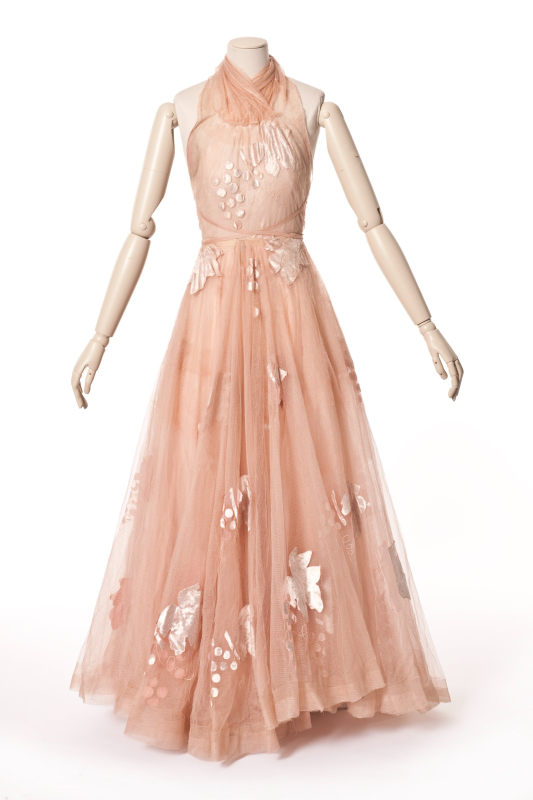
زي تاريخي لمادلين فيونيه (المتحف)
مع السنوات يتحول الزي إلى نجم أيضاً، يخرج في مناسبات محددة ليعاد تقديمه للجمهور في المعارض أو يعار للسينما أو لواحدة من عواصم الموضة المجاورة، مثل لندن وروما وميلانو. المهم من كل هذه الجهود أن يبقى التراث حياً. ولعل من أجمل ما يراه زائر المعرض فستان للسهرة من التول الوردي المطرز بأزاهير بيضاء فضية، يعود إلى عام 1938، من إبداع المصممة مادلين فيونيه (1876ـ 1975). وهذه القطعة الثمينة تعود لمقتنيات الاتحاد الفرنسي لفنون الأزياء، ومثلها الفستان الأكثر حداثة للمصمم التونسي الأصل عز الدين علايا (1935ـ 2017) الذي لم يتردد في تحويل أجساد النساء إلى مسلّات رشيقة ملفوفة بالقماش المطاطي وكأنها مومياوات من العصر الحديث.
مومياءات عزالدين علايا
ينقسم المعرض إلى زوايا ومسارات، لكل منها عنوان دال، مثل: «لحظات الموضة»، و«كريستيان ديور مصمم الأحلام» أو «عوالم إلسا سكياباريلي السريالية»، و«اللعب بالضوء»، وصولاً إلى «آليات الملابس الداخلية». وبالإضافة إلى مقتنيات المتاحف فإن عدداً مما يراه الزوار في هذا المعرض الذي يستمر حتى الربيع المقبل، أزياء جاءت من متبرعين ومن خزائن سيدات أنيقات أو مما انتقل منهن إلى بناتهن وحفيداتهن.
الجيش اللبناني وإسرائيل... توتر تضبطه واشنطن بالتنسيق والمفاوضات
عسكريون في الجيش اللبناني ينتشرون في زوطر الغربية، أولى البلدات النموذجية في جنوب لبنان (د.ب.أ)
على مدى ثلاث سنوات، طالت عشرات الاستهدافات الإسرائيلية الجيش اللبناني المنتشر في الجنوب، وتخللتها احتكاكات بين الجيشين، رغم آليات التنسيق القائمة بين الطرفين عبر الجانب الأميركي، وقبلها عبر «الميكانيزم» و«اليونيفيل»، مما يشير إلى توتر لا يرقى إلى مستوى المواجهة في العلاقة بين الجيشين.
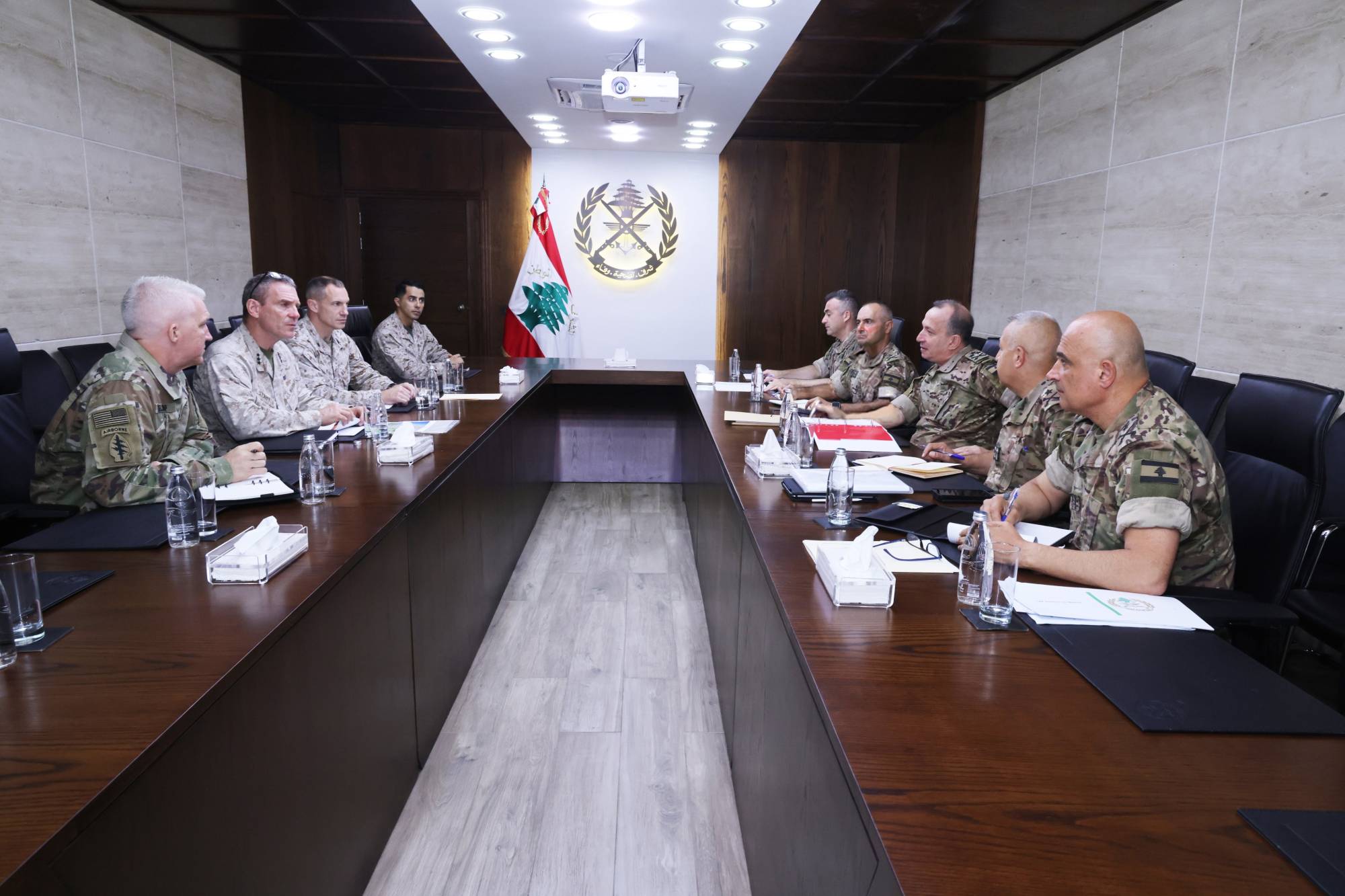
الجنرال جوزيف كليرفيلد يلتقي قائد الجيش اللبناني العماد رودولف هيكل خلال زيارة سابقة إلى بيروت (أرشيفية - قيادة الجيش)
وستكون تلك الاعتداءات والاستهدافات وآليات التنسيق جزءاً من جلسة المفاوضات العسكرية التي يعقدها ممثلون عن الجيشين اللبناني والإسرائيلي برعاية أميركية في مقر القيادة المركزية للجيش الأميركي بفلوريدا في 20 أكتوبر (تشرين الأول) المقبل.
وقالت مصادر وزارية، مواكبة للمحادثات الدولية، إن هذه الجلسة لن تناقش أي ملف مدني، إذ لن يشارك فيها مفاوضون مختصون بالقانون أو الاقتصاد، بل ستقتصر على مشاركة عسكريين، وسيرأسها رئيس الوفد اللبناني للمفاوضات مع إسرائيل السفير سيمون كرم، وتحضرها أيضاً السفيرة اللبنانية في واشنطن ندى حمادة معوض.
وأشارت المصادر في تصريحات لـ«الشرق الأوسط» إلى أن المحادثات «ستقتصر على الملفات الميدانية والعسكرية، مثل وقف إطلاق النار، ووقف التجريف، وإمكانية توسيع المناطق النموذجية أو إحراز تقدم في ملف التحقق منها»، إضافة إلى ملف الأسرى.
لبنان لن يقاطع المفاوضات
وفي ظل تعثر انعقاد الجلسة الثامنة من المفاوضات في روما التي تناقش عادة الملفات السياسية والاقتصادية والميدانية عبر وفود عسكرية ومدنية، والتي ستُرجأ إلى ما بعد الانتخابات الإسرائيلية، «رأى الجانب الأميركي أن الأنسب أن تُعقد جلسة تقتصر على ممثلين عسكريين، تناقش الأمور الميدانية».
وتثبت هذه الجلسة أنه «لا قطيعة في المفاوضات، ولا تجميد لها»، رغم تراجع الآمال بأن تحقق أي تقدم على مستوى الملفات المطروحة، وخصوصاً ملفي المناطق النموذجية والأسرى. ويضع الجانب الأميركي جدول الأعمال للجلسة، وسيناقش الوفد اللبناني الثوابت التي عبر عنها الرئيس اللبناني جوزيف عون في مؤتمر باريس، ورئيس الحكومة نواف سلام في الجمعية العامة للأمم المتحدة، حسبما أكدت المصادر.
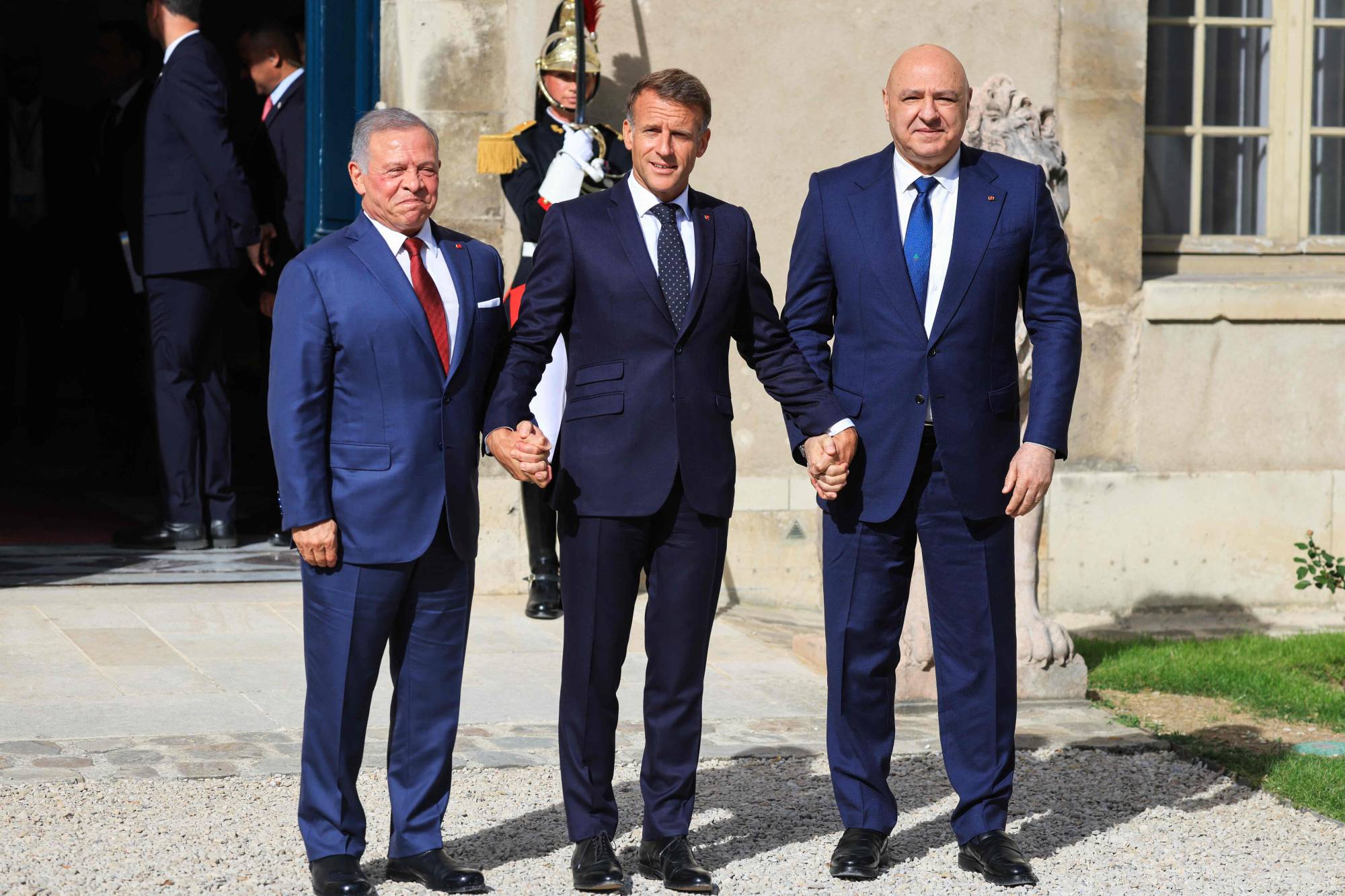
العاهل الأردني الملك عبد الله الثاني والرئيسان الفرنسي إيمانويل ماكرون واللبناني جوزيف عون يلتقطون صورة قبل اجتماع «مسار العقبة» لدعم القوات المسلحة اللبنانية بمجمع «ليزانفاليد» في باريس في 17 سبتمبر (أ.ف.ب)
عشرات الضباط والعسكريين منذ 2023
ويحتل ملف الجيش اللبناني ودوره وآليات التنسيق والاتصالات جانباً من الأولويات اللبنانية. فمنذ اشتعال الحرب في 8 أكتوبر 2023، قتل أكثر من 70 ضابطاً وجندياً من الجيش اللبناني في الجنوب خلال ثلاث سنوات من الحرب مع إسرائيل، بعضهم قضوا في استهدافات مباشرة، وآخرون في انفجار مخلفات الحرب.
ويتوزع هؤلاء إلى 46 عسكرياً سقطوا في عامَي 2023 و2024، حسب إحصاء «الدولية للمعلومات»، فيما وثقت بيانات الجيش اللبناني 27 ضابطاً وعسكرياً منذ بدء الحرب التي اشتعلت إثر إطلاق «حزب الله» 6 صواريخ باتجاه إسرائيل في 2 مارس (آذار) الماضي، وحتى الوقت الحاضر.
آخر تلك الحوادث وقعت الأربعاء في بلدة النبطية الفوقا، حيث أصيب عسكري بجروح بليغة، جراء انفجار جسم مشبوه من مخلفات الحرب. وأفادت قيادة الجيش في بيان بإصابة عسكري و3 مدنيين بجروح في منطقة النبطية الفوقا نتيجة وقوع انفجار أثناء مواكبة الجيش للأهالي لتفقُّد ممتلكاتهم في المنطقة. وقالت: «نتيجة التحقيقات والكشف الهندسي، تبيّن أنّ الحادثة ناجمة عن انفجار جسم مشبوه»، لافتة إلى أنه «تجري المتابعة لكشف ملابسات الحادثة».
بتاريخ ٢٠٢٦/٩/٣٠، أصيب عسكري و٣ مدنيين بجروح في منطقة النبطية الفوقا نتيجة وقوع انفجار أثناء مواكبة الجيش للأهالي لتفقُّد ممتلكاتهم في المنطقة.نتيجة التحقيقات والكشف الهندسي، تبيّن أنّ الحادثة ناجمة عن انفجار جسم مشبوه.تجري المتابعة لكشف ملابسات الحادثة.#الجيش_اللبناني... pic.twitter.com/URYJMt0ivQ
والنبطية الفوقا، أخليت بشكل تام من السكان، نتيجة القصف المتكرر عليها، مما حولها إلى منطقة خطرة، وينتشر الجيش على أطرافها ومداخلها. وعادة ما يطلب السكان من الجيش مرافقتهم إليها، لزيادة الطمأنينة نتيجة الثقة بالجيش.
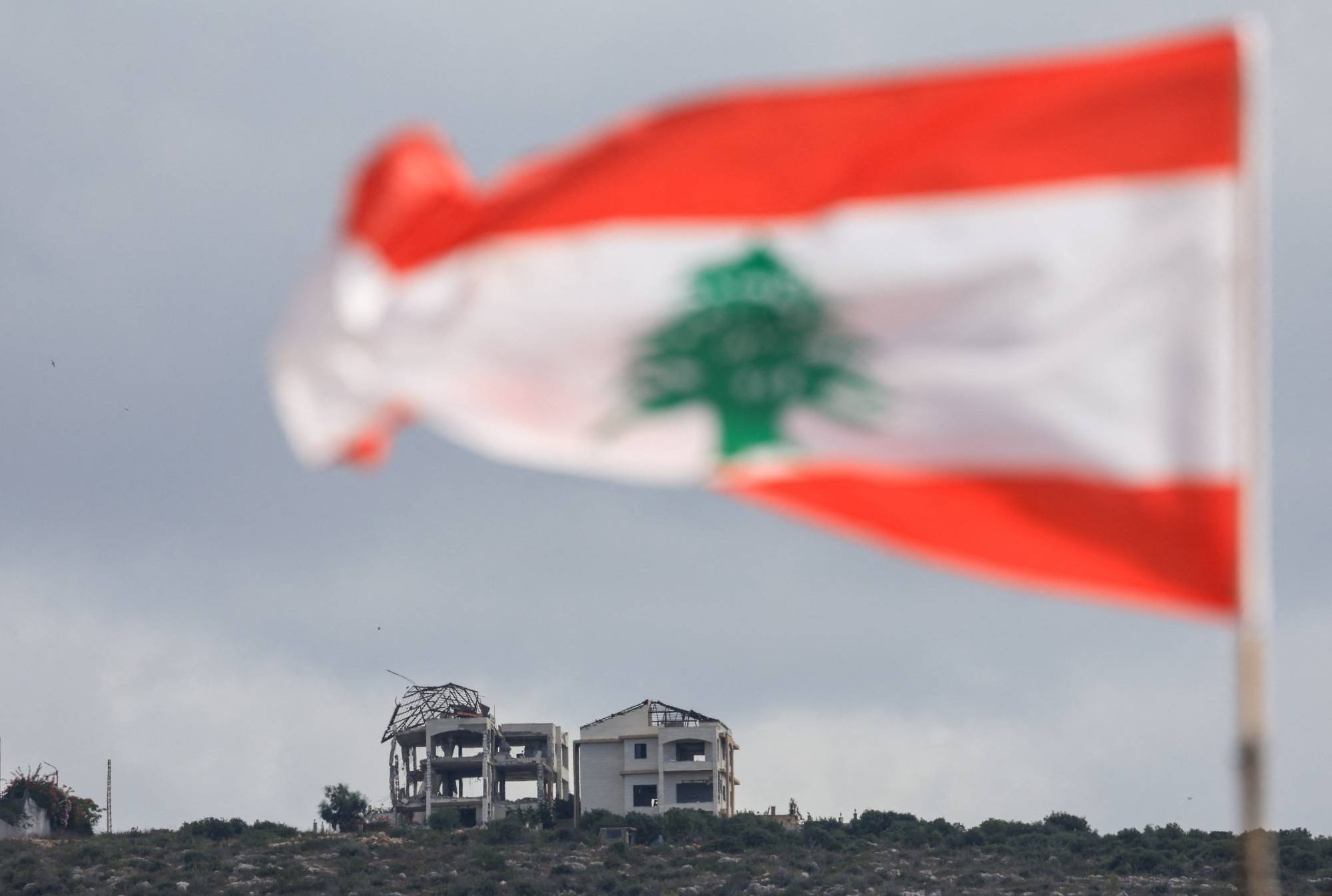
العلم اللنباني يرتفع في بلدة الحنية مقابل بلدة المنصوري التي تفجر القوات الإسرائيلية منازلها (رويترز)
وفي المقابل، يتكرر الاستهداف الإسرائيلي للجيش في أي منطقة يحظر الجيش الإسرائيلي الدخول إليها، وبرز ذلك في استهداف آلية عسكرية أسفرت عن مقتل ضابطين وجندي في منطقة الخردلي في يونيو (حزيران) الماضي، كما بالاحتكاك في بلدة ديرميماس الأسبوع الماضي.
ومع أن لبنان لا يرى أن هناك رسالة إسرائيلية موجهة للجيش حصرياً، تقول مصادر أمنية إن الجانب الإسرائيلي «يطبق نموذج المنطقة الأمنية المحظورة على جميع اللبنانيين، بمعزل عما إذا كانوا مدنيين أو عسكريين في الجيش أو مؤسسات رسمية». وقالت لـ«الشرق الأوسط» إن ما جرى في بلدة ديرميماس الأسبوع الماضي، لجهة الاحتكاك مع الجيش اللبناني الذي انتشر بطلب من الأهالي «هو نموذج مما تحاول إسرائيل فرضه، وعزل المنطقة الأمنية التي استحدثها عن العمق اللبناني والمؤسسات الرسمية»، رغم أن الجيش اللبناني لا يعترف بغير الحدود الدولية، ويعدّ الوجود الإسرائيلي في الأراضي اللبنانية احتلالاً.
إدانة لاستهداف الجيش
ويفعّل الجيش اللبناني اتصالاته بالجانب الأميركي، سواء «الميكانيزم» أو مجموعة التنسيق العسكري الخاصة بلبنان (MCG4L) عن كل حادث، لمنع الاحتكاك، وتدعم السلطة السياسية والبرلمان اللبناني موقف الجيش الذي ينتشر تنفيذاً لقرار السلطة التنفيذية.
ويؤكد النائب مارك ضو أن ارتكاب الجرائم بحق الجيش اللبناني الذي ينفذ أوامر الحكومة لتثبيت الاستقرار وبسط الأمن في الجنوب، وهو أمر مُدان ومستنكر. وأشار في تصريح لـ«الشرق الأوسط» إلى آليات تواصل بين قيادة الجيش اللبناني و«اليونيفيل» و«الميكانيزم» لمراجعة تلك الاعتداءات على العسكريين والتنسيق في هذا الإطار لمنع الارتكابات بحق العسكريين وضبط الوضع الأمني، في إشارة إلى التنسيق المباشر بين قيادة الجيش وقيادة «الميكانيزم» التي يرأسها الجنرال الأميركي جوزف كليرفيلد.