

«سوق الزل»... شعور بالدفء وحنين إلى الماضي في «موسم الرياض»

أعادت البسطات النكهة القديمة للسوق بطابع متجدد
TT

«سوق الزل»... شعور بالدفء وحنين إلى الماضي في «موسم الرياض»

أعادت البسطات النكهة القديمة للسوق بطابع متجدد

تقبع في وسط الرياض سوق قديمة اعتاد أهالي العاصمة على ارتيادها منذ بدايات تأسيس مدينتهم، ليتبضعوا منها أهم احتياجاتهم في تجمع اقتصادي كان الأكثر نشاطاً في تلك الفترة، حين كان يختص بجميع المنتجات التي يرغبون بها؛ إلا أن السجاد كان المنتج الأبرز في هذه السوق التي عُرفت فيما بعد باسم «سوق الزل».
كانت هذه السوق شاهدة على العديد من الأحداث التي مرت على الرياض، فهي تقبع بجانب قصر المصمك الذي أُعلن عن توحيد المملكة السعودية منه، كما باتت أحد الأسس التاريخية الشامخة التي يحرص أهالي العاصمة على زيارتها دائماً، ليتجولوا بين دكاكينها الصغيرة، ويستكشفوا منتجاتها التراثية التي تحكي قصصاً من الماضي.
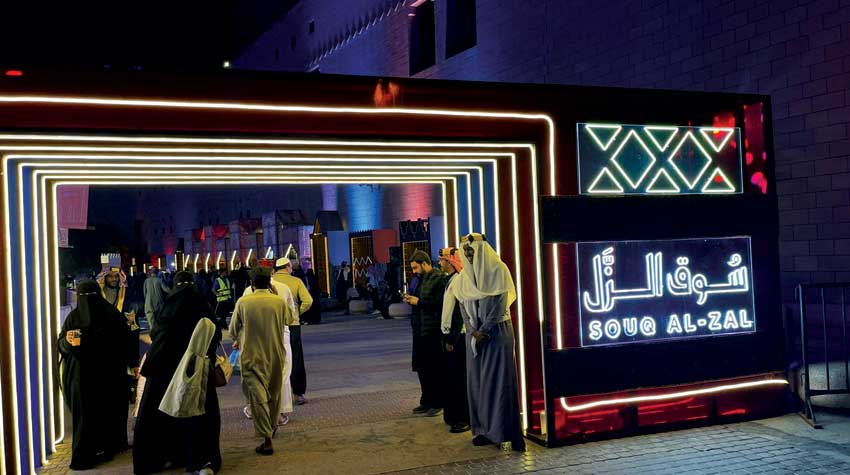
موسم الرياض أنعش السوق وزاد من أعداد مرتاديها

أراد موسم الرياض أن يضيف نكهة خاصة على السوق القديمة، التي أصبحت منطقة أساسية فيه، وقبلة لمحبي التاريخ والتسوق، ووجهة جاذبة للسائحين من حول العالم، للتعرف على التاريخ السعودي في الفترة من الستينات حتى التسعينات.
ووفر الموسم للسوق مرافق إضافية، منها معرض للفنون، بالإضافة إلى منتجات الحرف اليدوية، والعديد من الأجنحة التي تعرض المسابح والمشالح التي تتلاءم مع فصل الشتاء، لتصبح السوق نافذة تراثية يتنفس فيها الزائرون عبق الماضي بما يحويه من فعاليات فلكلورية وشعبية منوعة.
وتعكس المنطقة أصالة الجزيرة العربية، عبر ضيافة القهوة السعودية، التي أصبحت جزءاً وموروثاً ثقافياً لتاريخ المملكة، وهي تحتضن العديد من المقاهي وما يصاحبها من فعاليات منوعة، من بينها التجول في أروقة السوق ومشاهدة العروض الضوئية على المباني والجدران العتيقة، والاستمتاع بالعروض الشعبية الأسبوعية.
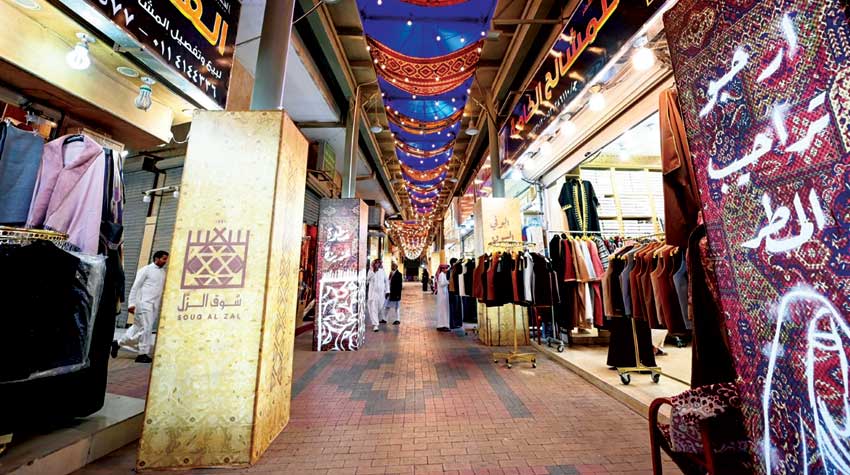
أروقة السوق تزينت بالسجاد ورائحة البخور

ويتوافق تدشين فعاليات المنطقة مع انطلاق فصل الشتاء، حيث تعج السوق بأزياء الفرو والجلود والمشالح والأشمغة المطرزة، كذلك أنواع البخور المختلفة، إضافة إلى عرض للسلع القديمة والتراثيات بأنواعها. كما تحتوي السوق على حراج يومي لأندر السلع التراثية التي يصل سعرها إلى مائتي ألف ريال سعودي (53 ألف دولار) كما ذكر الدلال عبد الله سعد، الذي يعمل في السوق منذ قرابة 10 سنوات، في حديث مع «الشرق الأوسط»، ليضيف أيضاً بأن السوق انتعشت كثيراً منذ أن أصبحت ضمن فعاليات موسم الرياض.
ويضيف عبد الله، أن العمل في هذه السوق متعة لا يعرفها كثيرون، والتجول بين مبانيها القديمة يعطي شعوراً بالدفء والحنين إلى الماضي، كما أنها بوابة عبر الزمن مليئة بالذكريات والعراقة، وفيها يستذكر عبد الله طفولته عندما كان يلعب مع أقرانه في أزقتها.


مقالات ذات صلة

«أمانة» السعودية تجلي 1765 شخصاً لـ32 دولة من السودان

شمال افريقيا «أمانة» السعودية تجلي 1765 شخصاً لـ32 دولة من السودان

«أمانة» السعودية تجلي 1765 شخصاً لـ32 دولة من السودان

نقلت سفينة «أمانة» السعودية، اليوم (الخميس)، نحو 1765 شخصاً ينتمون لـ32 دولة، إلى جدة، ضمن عمليات الإجلاء التي تقوم بها المملكة لمواطنيها ورعايا الدول الشقيقة والصديقة من السودان، إنفاذاً لتوجيهات القيادة. ووصل على متن السفينة، مساء اليوم، مواطن سعودي و1765 شخصاً من رعايا «مصر، والعراق، وتونس، وسوريا، والأردن، واليمن، وإريتريا، والصومال، وأفغانستان، وباكستان، وأفغانستان، وجزر القمر، ونيجيريا، وبنغلاديش، وسيريلانكا، والفلبين، وأذربيجان، وماليزيا، وكينيا، وتنزانيا، والولايات المتحدة، وتشيك، والبرازيل، والمملكة المتحدة، وفرنسا، وهولندا، والسويد، وكندا، والكاميرون، وسويسرا، والدنمارك، وألمانيا». و

«الشرق الأوسط» (جدة)
الخليج السعودية تطلق خدمة التأشيرة الإلكترونية في 7 دول

السعودية تطلق خدمة التأشيرة الإلكترونية في 7 دول

أطلقت السعودية خدمة التأشيرة الإلكترونية كمرحلة أولى في 7 دول من خلال إلغاء لاصق التأشيرة على جواز سفر المستفيد والتحول إلى التأشيرة الإلكترونية وقراءة بياناتها عبر رمز الاستجابة السريعة «QR». وذكرت وزارة الخارجية السعودية أن المبادرة الجديدة تأتي في إطار استكمال إجراءات أتمتة ورفع جودة الخدمات القنصلية المقدمة من الوزارة بتطوير آلية منح تأشيرات «العمل والإقامة والزيارة». وأشارت الخارجية السعودية إلى تفعيل هذا الإجراء باعتباره مرحلة أولى في عددٍ من بعثات المملكة في الدول التالية: «الإمارات والأردن ومصر وبنغلاديش والهند وإندونيسيا والفلبين».

«الشرق الأوسط» (الرياض)
يوميات الشرق «ملتقى النقد السينمائي» نظرة فاحصة على الأعمال السعودية

«ملتقى النقد السينمائي» نظرة فاحصة على الأعمال السعودية

تُنظم هيئة الأفلام السعودية، في مدينة الظهران، الجمعة، الجولة الثانية من ملتقى النقد السينمائي تحت شعار «السينما الوطنية»، بالشراكة مع مهرجان الأفلام السعودية ومركز الملك عبد العزيز الثقافي العالمي (إثراء). ويأتي الملتقى في فضاءٍ واسع من الحوارات والتبادلات السينمائية؛ ليحل منصة عالمية تُعزز مفهوم النقد السينمائي بجميع أشكاله المختلفة بين النقاد والأكاديميين المتخصصين بالدراسات السينمائية، وصُناع الأفلام، والكُتَّاب، والفنانين، ومحبي السينما. وشدد المهندس عبد الله آل عياف، الرئيس التنفيذي للهيئة، على أهمية الملتقى في تسليط الضوء على مفهوم السينما الوطنية، والمفاهيم المرتبطة بها، في وقت تأخذ في

«الشرق الأوسط» (الظهران)
الاقتصاد مطارات السعودية تستقبل 11.5 مليون مسافر خلال رمضان والعيد

مطارات السعودية تستقبل 11.5 مليون مسافر خلال رمضان والعيد

تجاوز عدد المسافرين من مطارات السعودية وإليها منذ بداية شهر رمضان وحتى التاسع من شوال لهذا العام، 11.5 مليون مسافر، بزيادة تجاوزت 25% عن العام الماضي في نفس الفترة، وسط انسيابية ملحوظة وتكامل تشغيلي بين الجهات الحكومية والخاصة. وذكرت «هيئة الطيران المدني» أن العدد توزع على جميع مطارات السعودية عبر أكثر من 80 ألف رحلة و55 ناقلاً جوياً، حيث خدم مطار الملك عبد العزيز الدولي بجدة النسبة الأعلى من المسافرين بـ4,4 مليون، تلاه مطار الملك خالد الدولي في الرياض بـ3 ملايين، فيما خدم مطار الأمير محمد بن عبد العزيز الدولي بالمدينة المنورة قرابة المليون، بينما تم تجاوز هذا الرقم في شركة مطارات الدمام، وتوز

«الشرق الأوسط» (الرياض)
شمال افريقيا فيصل بن فرحان وغوتيريش يبحثان وقف التصعيد في السودان

فيصل بن فرحان وغوتيريش يبحثان وقف التصعيد في السودان

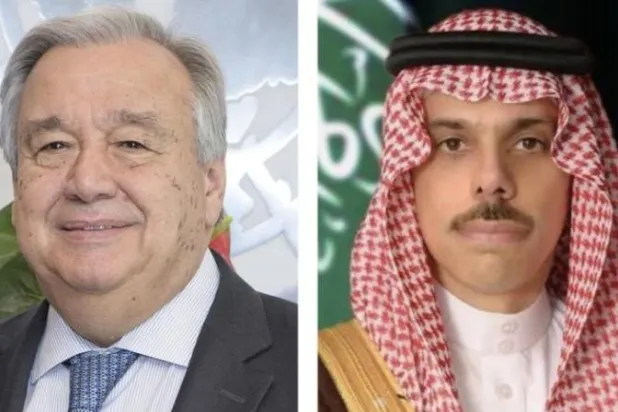
بحث الأمير فيصل بن فرحان بن عبد الله وزير الخارجية السعودي والأمين العام للأمم المتحدة أنطونيو غوتيريش، اليوم (الخميس)، الجهود المبذولة لوقف التصعيد العسكري بين الأطراف في السودان، وتوفير الحماية اللازمة للمدنيين السودانيين والمقيمين على أرضه. وأكد الأمير فيصل بن فرحان، خلال اتصال هاتفي أجراه بغوتيريش، على استمرار السعودية في مساعيها الحميدة بالعمل على إجلاء رعايا الدول التي تقدمت بطلب مساعدة بشأن ذلك. واستعرض الجانبان أوجه التعاون بين السعودية والأمم المتحدة، كما ناقشا آخر المستجدات والتطورات الدولية، والجهود الحثيثة لتعزيز الأمن والسلم الدوليين.

«الشرق الأوسط» (الرياض)

Fatah’s Jibril Rajoub Says Elections Won't be Held on Time

Fatah’s Jibril Rajoub Says Elections Won't be Held on Time
TT

Fatah’s Jibril Rajoub Says Elections Won't be Held on Time

Fatah’s Jibril Rajoub Says Elections Won't be Held on Time

Secretary-general of Fatah’s Central Committee Jibril Rajoub has ruled out the possibility of holding the Palestinian legislative elections on schedule in November, calling instead for presidential elections to be held first.

Speaking to journalists in the occupied West Bank city of Ramallah on Thursday, Rajoub said: “There will be no elections... We will proceed to elections after holding a comprehensive Palestinian national dialogue to reach consensus on the mechanisms for conducting them.”

Rajoub, from the dominant Fatah party of President Mahmoud Abbas, said holding presidential elections first “would solve a large part of the problem.”

“They are easier, less costly and can be held through consensus,” he said.

The last legislative elections in the Palestinian territories were held in 2006, when Hamas won. They defeated Fatah, which dominates the Palestinian Authority (PA) in charge of areas of the West Bank.

As a result, the Palestinian Legislative Council, which is the PA's parliament, has not met since 2007.

Abbas stayed on beyond the end of his term in 2009 and has since ruled by decree.

Palestinian legislative elections were due to take place on November 28, just over a month after Israel's general elections.

Abbas issued a decree-law in June calling for presidential elections in early 2027.

On Thursday, Rajoub said that, so far, no "serious" lists had been formed to participate in the elections.

"If the nomination period arrives and no list comes forward, what will happen?" he added.

The nomination period is scheduled to begin on September 26 and end on October 7.

Fatah rivals including Hamas and the Democratic Reform Current, a Fatah splinter group, have said they aimed to create joint lists for the election.

Holding elections is part of the reforms demanded by the international community, including the European Union, which supports the Ramallah-based Palestinian Authority financially.

Abbas had previously called on January 15, 2021 for legislative and presidential elections to be held in May and July of that year, respectively.

The elections were eventually postponed indefinitely due to the lack of guarantees that they could be held in Israeli-annexed east Jerusalem.

Abbas won the last Palestinian presidential election in 2005, and his term should have expired in 2009.


IAEA Confirms Activity at Iran’s Pickaxe Mountain

The International Atomic Energy Agency (IAEA) flag flies during a special session of an IAEA Board of Governors meeting in Vienna, Austria, March 2, 2026. (AP)
TT

IAEA Confirms Activity at Iran’s Pickaxe Mountain

The International Atomic Energy Agency (IAEA) flag flies during a special session of an IAEA Board of Governors meeting in Vienna, Austria, March 2, 2026. (AP)

The United Nations atomic watchdog said on Thursday it has observed construction activity at Iran’s Pickaxe Mountain, a heavily-fortified site suspected of housing nuclear-related activities.

International Atomic Energy Agency chief Rafael Grossi said new movement at the complex had been spotted in remote imagery.

“There are some indications that there is movement around this construction site,” Grossi told Bloomberg Television.

“We don’t have any concrete information as to activities that may be taking place there,” he added.

Pickaxe Mountain, located in the Zagros Mountains roughly 220 kilometers south of Tehran, began drawing particular attention after an Iranian centrifuge workshop was sabotaged six years ago.

Iran said it intended to move sensitive nuclear-related infrastructure underground to protect it from attack.

“They said at the time, ‘we are going to put everything in tunnels, inside a mountain,’” Grossi told Bloomberg. “This was going to be impermeable and protected from attacks.”

Western intelligence suspects Iran is building an undeclared enrichment facility inside Pickaxe Mountain that could be used to enrich uranium.

On Wednesday, US President Donald Trump mentioned the Pickaxe at a Republican rally and said: “We notice there’s a little activity at Pickaxe. I would advise Iran not to get cute because we will have to hit them very hard.”

Trump has been threatening strikes on Pickaxe Mountain since at least mid-July.

Unverified nuclear stockpile

At the quarterly meeting of the IAEA board of governors in Vienna this week, Grossi said the UN watchdog has been completely blind regarding Iran's nuclear program since at least June 2025, when the US and Israel launched a 12-day conflict that included strikes on nuclear sites.

Prior to the June strikes, the IAEA calculated that Iran possessed approximately 440,9 kilograms of uranium enriched to 60%, which is close to the 90% needed to make a bomb and well above the 3.67% limit set by a 2015 now-defunct agreement with Iran.

On Wednesday, the UN atomic watchdog’s board reported Iran to the UN Security Council for the first time in 20 years, citing it for failure to cooperate in a long-running investigation into uranium traces detected by inspectors at undeclared sites.

The resolution accused Iran of failing to comply with its nuclear reporting obligations, citing it for failure to cooperate in a long-running investigation into uranium traces detected by inspectors at undeclared sites.

Tehran responds

In return, Iranian deputy Foreign Minister Kazem Gharibabadi slammed the IAEA for referring Iran's nuclear file to the UN Security Council.

Gharibabadi wrote in a post on X, “They attack Iran's safeguarded nuclear facilities, disrupt the normal process of verification, and then use that very disruption as a pretext to issue a resolution.”

He described the approach as “fabricated”, saying: “With these fabrications, you cannot make up for the failure of your policies and actions, nor achieve any result at the Security Council.”

Iran’s mission to the UN also denounced the resolution. “It follows a telling trend and facilitates further erosion and ultimate collapse of the proliferation regime as a whole,” the mission said in a post on X.

The resolution sparked criticism in Tehran. Politicians said Iran should accelerate the development of the nuclear program and reconsider its membership in the Nuclear Non-Proliferation Treaty.

Iranian deputy Rouhollah Najabat said that following the IAEA Board of Governors’ resolution, Tehran will accelerate the technical development of its nuclear program.

“Westerners should know that the path of threats and referring the case to the Security Council is ineffective,” Najabat said.

He added that Iran will make no concessions but will take a “more serious and firm” approach.

The deputy warned that the Iranian parliament will not remain “passive.”

Lawmaker Alireza Salimi, a member of parliament’s presiding board, said Iran had “serious options” for responding. “One of our options could be withdrawal from the NPT,” he said, adding: “Iran will certainly respond.”


Hormuz Shipping Traffic Falls to Single Digits

FILE PHOTO: Vessels near the Strait of Hormuz, as seen from Musandam, Oman, September 2, 2026. REUTERS/Stringer/File Photo
TT

Hormuz Shipping Traffic Falls to Single Digits

FILE PHOTO: Vessels near the Strait of Hormuz, as seen from Musandam, Oman, September 2, 2026. REUTERS/Stringer/File Photo

Vessel transits at the Strait of Hormuz fell to seven on Thursday from 11 the previous day, preliminary ship-tracking data showed on Friday, well below the 10-day average of 15.

Of the seven vessels, two Panamax ships exited the strait, one carrying fertilizer and the other sailing in ballast, according to data from ship tracker Kpler as of 0306 GMT.

Five vessels entered the strait, including a Panamax vessel carrying dry bulk cargo, a Handysize vessel laden with steel, a Handysize vessel carrying grains, a medium-range tanker loaded with dirty petroleum products, and a Supramax vessel carrying dry bulk cargo.

The ⁠figures exclude any ⁠vessels that might have crossed the strait with their Automatic Identification System transponders turned off to avoid detection.

Meanwhile, two ballast QatarEnergy-linked vessels, the Al Ghashamiya and the Al Daayen, appeared inside the Strait of Hormuz this week on September 9 and 6, respectively, after last being seen outside the waterway on September 6 and ⁠3.

Another QatarEnergy-controlled vessel, Al Marrouna, also exited the Strait of Hormuz this week, delivering a cargo from Ras Laffan to Pakistan on September 10. The voyage marked the first known LNG shipment aboard a Qatar-linked tanker since late July, when Al Areesh carried a cargo from Ras Laffan also to Pakistan.

Before the Iran war started on February 28, the strait typically handled about 125 large, commercial vessels per day, including tankers, gas carriers, bulkers and ⁠container vessels, accounting ⁠for some 20% of the world’s daily crude oil and liquefied natural gas supply.

A US blockade of Iran-related shipping has halted Iranian crude oil exports since it was reimposed in mid-July.