
حلم مركبات الأجرة الطائرة يقترب من الحقيقة

طائرة «جوبي» للأجرة (شركة جوبي)
TT

حلم مركبات الأجرة الطائرة يقترب من الحقيقة

طائرة «جوبي» للأجرة (شركة جوبي)

يبدو أن مركبات الأجرة الطائرة أصبحت أقرب قليلاً إلى أرض الواقع، حسب ما ذكرته «بي بي سي». ونشرت الهيئات المعنية بتنظيم الطيران الأميركية، أول من أمس (الاثنين)، قواعد لإضافة الآلات التي تمزج خصائص طائرات الهليكوبتر والطائرات بشكل رسمي إلى قائمة الطائرات الخاضعة للتنظيم. ويُعد هذا التحديث ضرورياً قبل أن تتمكن الشركات من تقديم رحلات جوية للعملاء. وتأتي هذه الخطوة في الوقت الذي كثفت فيه الشركات استثماراتها بمجال التكنولوجيا الجديدة، التي جرى طرحها باعتبارها مستقبل صناعة النقل.
وتتدفق الأموال على هذا القطاع، في الوقت الذي تعكف فيه شركات الطيران الكبرى على وضع الطلبات، ويراهن المستثمرون على مجموعة من الشركات الناشئة.
ويمكن للطائرة، المعروفة كذلك باسم طائرات الإقلاع والهبوط العمودي الكهربائية، الطيران والهبوط من دون الحاجة إلى ممر، في الوقت الذي يمكنها فيه الطيران لمسافات طويلة مثل الطائرة العادية. علاوة على ذلك، فإنها تعتمد على محركات كهربائية، مما يقلل الضوضاء والتلوث مقارنة بالطائرات العادية.
ويرى البعض أن هذه المركبات الطائرة يمكن أن تساعد في تقليل الازدحام المروري داخل المدن المزدحمة، دون أن تكون باهظة الثمن من منظور العملاء. كما ينظر لها آخرون باعتبارها بديلاً لنقل البضائع.
وفي أوروبا، تأمل الصناعة في إطلاق مركبات الأجرة الطائرة في الوقت المناسب لاستضافة «أولمبياد 2024» في باريس.
من ناحيتها، أعلنت إدارة الطيران الفيدرالية، التي واجهت ضغوطاً من جانب الصناعة لتوضيح قواعد رحلتها، إنها تقترح توسيع تعريفها للآلات التي تعتبرها ناقلات جوية من الطائرات والمروحيات، لضم «طائرات الرفع العاملة بالطاقة» إلى القائمة.


France Working on UN Resolution to Restore Freedom of Navigation in Strait of Hormuz

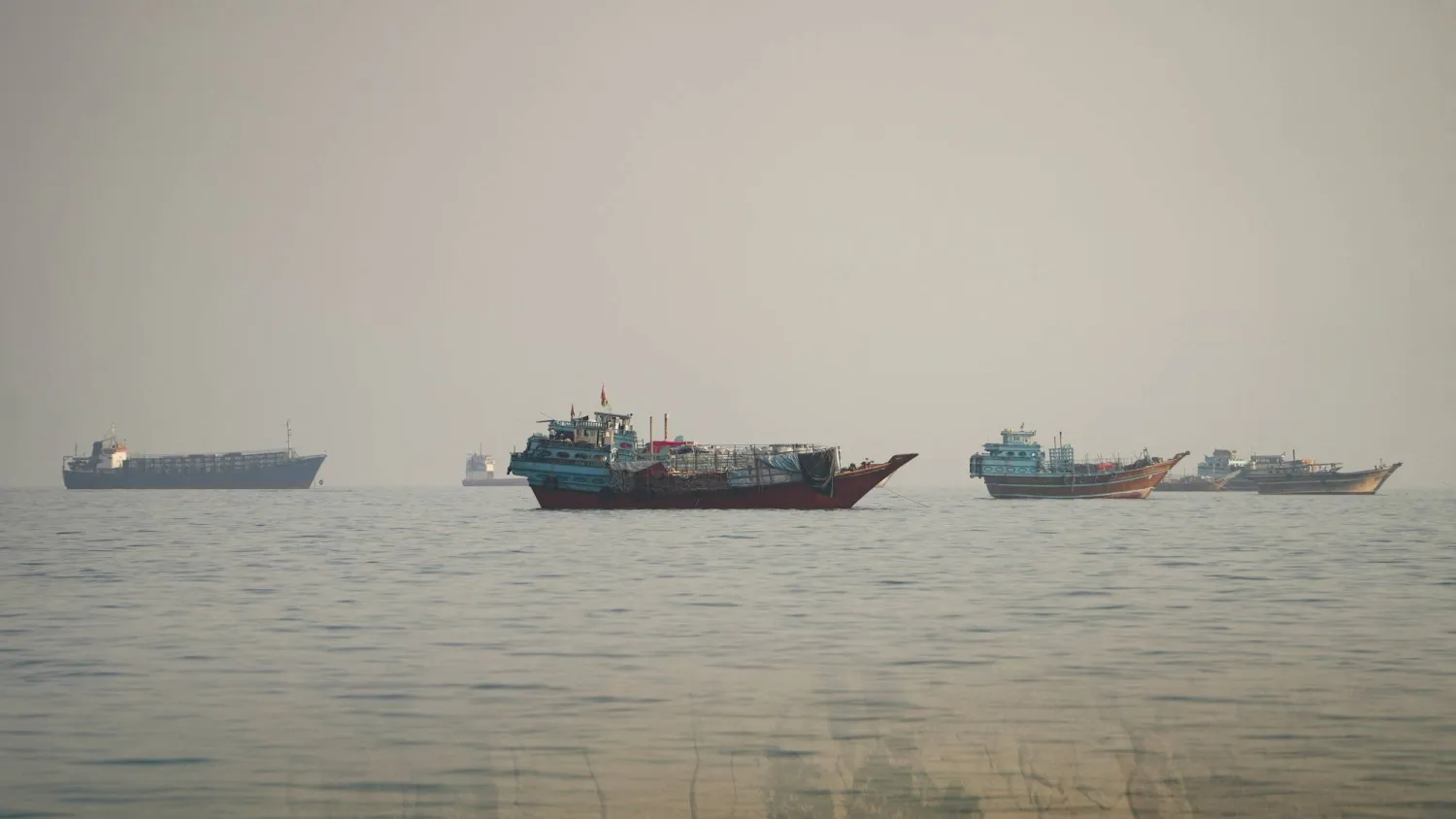
Vessels at the Strait of Hormuz, as seen from Musandam, Oman, September 23, 2026. Picture taken through a window. REUTERS/Stringer
TT

France Working on UN Resolution to Restore Freedom of Navigation in Strait of Hormuz

Vessels at the Strait of Hormuz, as seen from Musandam, Oman, September 23, 2026. Picture taken through a window. REUTERS/Stringer

France is working on a draft United Nations Security Council resolution backing freedom of navigation in the Strait of Hormuz, a UN diplomat said on Friday.

The resolution would reaffirm the need to respect freedom of navigation in the strait, a flashpoint in the war in Iran, citing its importance for global shipments critical for food and energy security, the diplomat said, speaking on condition of anonymity because discussions on the measure have been private.

The proposed UN resolution would recall the need to respect the Law of the Sea and support peaceful initiatives aimed at ensuring safe passage in the strait, the UN diplomat added.

Iran’s disruption of the strait, through which a fifth of the world’s traded oil and gas transited before the war, has emerged as its main point of leverage.

The effects have been felt far beyond the Middle East and pose political problems for US President Donald Trump and his Republican Party ahead of November’s midterm congressional elections.

Paris has unsuccessfully attempted in the past to put a resolution together on the subject, but the latest move follows talks between France's President Emmanuel Macron on Monday evening and Trump on the sidelines of the UN General Assembly.

“Trump and Macron discussed the topic on the sidelines of this week’s annual UN gathering of global leaders,” the diplomat said. It also was discussed with Arab nations and Iran.

After his meeting the ⁠US president at Trump Tower in New York, Macron said: “Several options were discussed. We will be working on diplomatic solutions over the coming hours, which could make it possible, even without a comprehensive agreement, to find ways of allowing more container ships and oil tankers to transit.”


Saudi Arabia, Pakistan Affirm Continued Joint Efforts to Confront Attacks

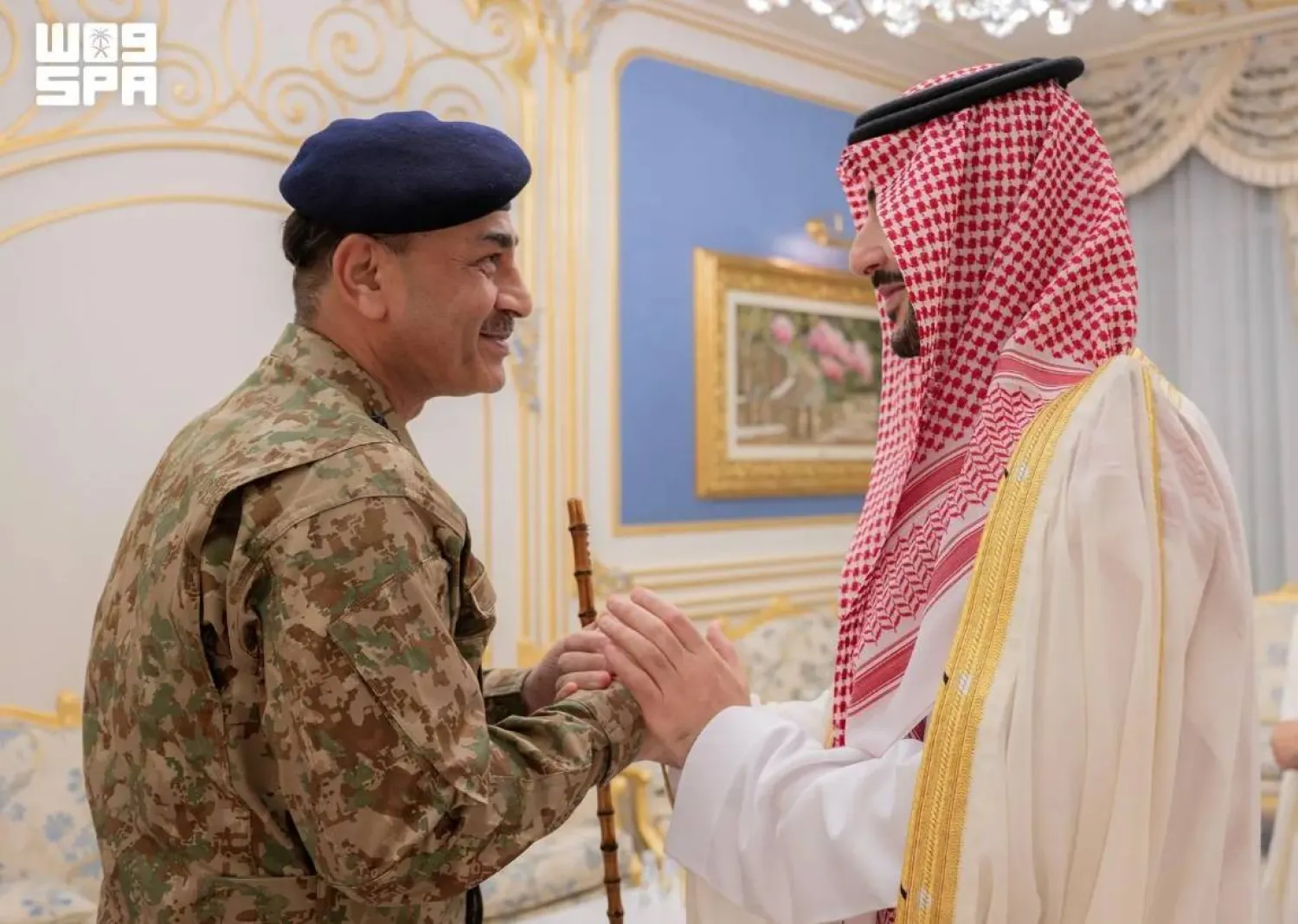
Saudi Minister of Defense Prince Khalid bin Salman bin Abdulaziz met with Pakistan's Chief of Army Staff and Chief of Defense Forces Field Marshal Asim Munir in Riyadh. SPA
TT

Saudi Arabia, Pakistan Affirm Continued Joint Efforts to Confront Attacks

Saudi Minister of Defense Prince Khalid bin Salman bin Abdulaziz met with Pakistan's Chief of Army Staff and Chief of Defense Forces Field Marshal Asim Munir in Riyadh. SPA

Saudi Defense Minister Prince Khalid bin Salman bin Abdulaziz said early on Saturday that he had affirmed with Pakistan's army chief, Field Marshal Asim Munir, in Riyadh continued joint efforts to confront attacks against the Kingdom in accordance with the Makkah Joint Defense Agreement.

The pact was signed by Saudi Arabia, Pakistan and Türkiye last month.

Prince Khalid met with Munir to discuss the attacks on Makkah and on civilian and economic facilities in Saudi Arabia, the Saudi Press Agency reported.

They commended the outcomes of the meeting of the chiefs of staff of the Makkah Joint Defense Agreement states and stressed the continuation of joint efforts to confront the attacks under the agreement, SPA said.

The meeting was attended by Minister of State, Cabinet Member, and National Security Adviser Dr. Musaed bin Mohammed Al-Aiban; Chief of the General Staff Gen. Fayyad bin Hamed Al-Ruwaili; and Adviser to the Minister of Defense for Intelligence Affairs Hisham bin Abdulaziz bin Saif, along with several Pakistani officials.

Hours earlier, the military chiefs of Saudi Arabia, Pakistan and Türkiye reviewed threats facing Saudi Arabia at ⁠a ⁠meeting in the Saudi capital.


Pakistan Başbakanı: Haremeyn-i Şerifeyn’in güvenliği “kırmızı çizgimizdir”

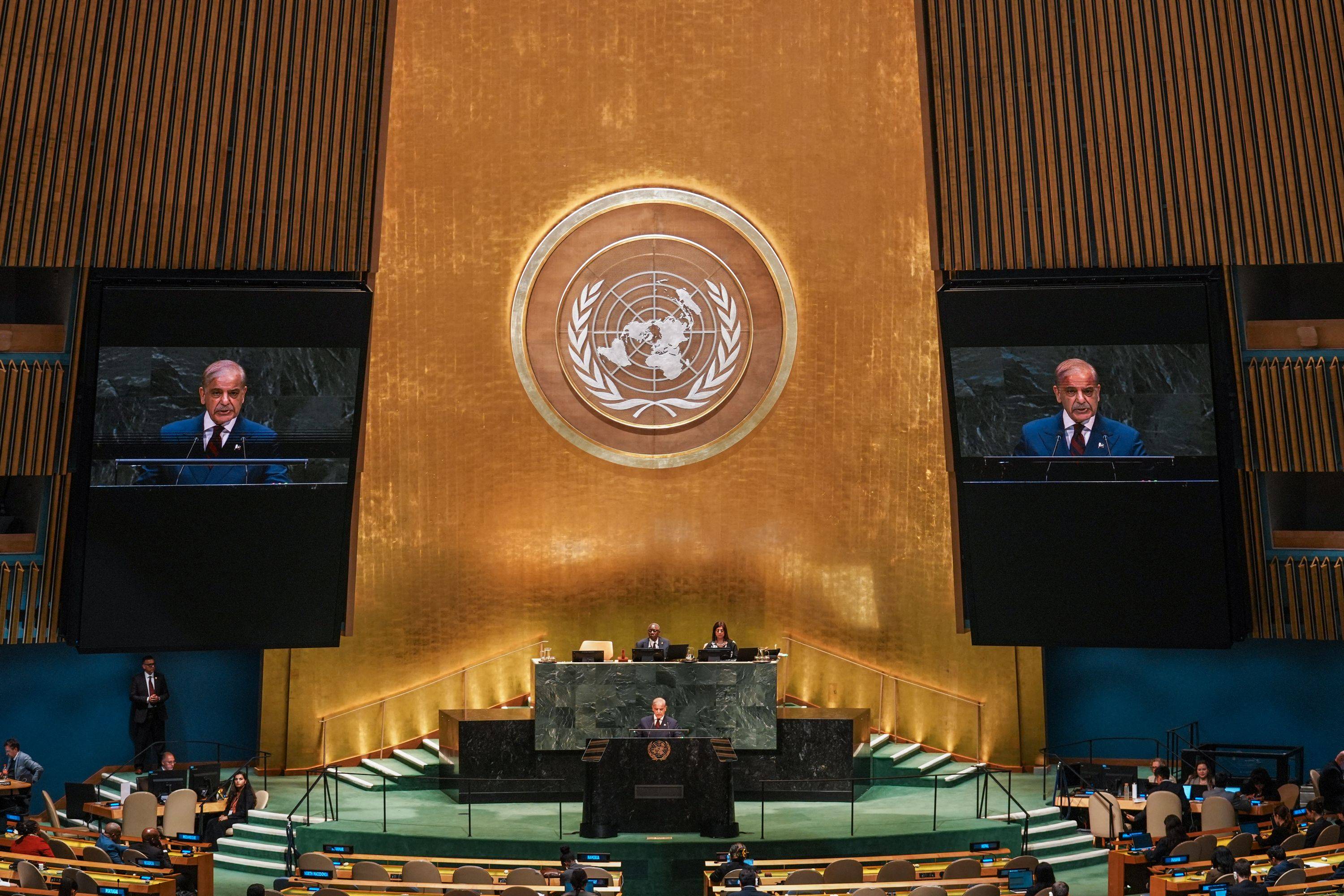
Pakistan Başbakanı Muhammed Şahbaz Şerif, cuma günü Birleşmiş Milletler Genel Kurulu’nda konuşma yapıyor (Reuters)
TT

Pakistan Başbakanı: Haremeyn-i Şerifeyn’in güvenliği “kırmızı çizgimizdir”

Pakistan Başbakanı Muhammed Şahbaz Şerif, cuma günü Birleşmiş Milletler Genel Kurulu’nda konuşma yapıyor (Reuters)

Pakistan Başbakanı Muhammed Şahbaz Şerif yaptığı açıklamada, Haremeyn-i Şerifeyn’in güvenliğinin ülkesi açısından “kırmızı çizgi” olduğunu vurgulayarak, Suudi Arabistan’ı hedef alan saldırıları yeniden kınadı.

Şahbaz Şerif, New York’ta Birleşmiş Milletler Genel Kurulu’nun 81. oturumunda dün yaptığı konuşmada, Suudi Arabistan, Türkiye ve Pakistan arasındaki “Mekke Ortak Savunma Anlaşması”nın herhangi bir ülkeyi hedef almadığını, aksine bölgede barış ve istikrarı güçlendirmeyi amaçladığını belirtti.

Pakistan Başbakanı, Ortadoğu’daki çatışmaların genişlemesinin hayati deniz ulaşım güzergâhlarına zarar verdiğini ve küresel ekonomiyi etkilediğini ifade ederek, Hürmüz ve Babülmendeb boğazlarının uluslararası ticarete açık tutulmasının gerekliliğine dikkat çekti.

Şahbaz Şerif, Pakistan’ın bölgesel gerilimleri kontrol altına almaya yönelik diplomatik çabalara destek verdiğini, bu kapsamda ABD ile İran arasında diyaloğun teşvik edilmesine katkı sağladığını belirtti. Pakistan’ın bölgedeki barış ve istikrarın sağlanması için çalışmayı tercih ettiğini belirtti.

Pakistan Başbakanı Muhammed Şahbaz Şerif, Birleşmiş Milletler Genel Kurulu’nun 81. oturumunda konuşma yaparken (AFP)

Filistin meselesine de değinen Şahbaz Şerif, ülkesinin 1967 sınırları temelinde bağımsız bir Filistin devletinin kurulmasını desteklediğini ifade etti. Şarku'l Avsat'ın aldığı bilgiye göre Filistinlilerin zorla yerinden edilmesinin, Pakistan’ın değerlendirmesine göre İsrail’in soykırım gerçekleştirmeyi amaçlayan politikasının bir yansıması olduğunu belirten Şahbaz Şerif, İsrail’in Filistin toprakları, Lübnan ve Suriye’de yürüttüğü askeri operasyonları da tekrar kınadı.

Bölgesel konular kapsamında Pakistan’ın Cammu ve Keşmir konusundaki tutumunu yineleyen Şahbaz Şerif, sorunun Birleşmiş Milletler kararları doğrultusunda çözülmesi çağrısında bulundu.