الحبس تسع سنوات لصيني احتجز زوجته في حظيرة

الحبس تسع سنوات لصيني احتجز زوجته في حظيرة
TT

الحبس تسع سنوات لصيني احتجز زوجته في حظيرة

الحبس تسع سنوات لصيني احتجز زوجته في حظيرة

حُكم بالسجن تسع سنوات على صيني، كان قد عُثر العام الفائت على زوجته مقيّدة برقبتها، في حادثة أثارت حينها ردود فعل غاضبة في البلاد، على ما أفاد به القضاء الصيني الجمعة.
وتعاطف الصينيون على نطاق واسع مع هذه الأم لثمانية أبناء، التي تسبّبَ لها ما تعرضت له بمعاناة نفسية حادة، بعد انتشار صور لها عبر الإنترنت في يناير (كانون الثاني) 2022 تظهر فيها مقيّدة بالسلاسل داخل حظيرة في مقاطعة جيانغسو (شرق).
وأُوقف الزوج على إثر ذلك مع عدد من الأشخاص بتهمة الاتجار بالبشر. وأشارت «محكمة الشعب المتوسطة» في مدينة شوزهو الواقعة على مسافة نحو مائة كيلومتر من شنغهاي، إلى أنّ دونغ زيمين تلقى حكماً بالسجن ستة أعوام وستة أشهر عقب إدانته بـ«سوء المعاملة»، وحُكم عليه أيضاً بالسجن ثلاث سنوات إضافية بتهمة «حجز حرية» أحد الأشخاص، حسب تقرير وكالة الصحافة الفرنسية.
ولم يؤيّد عدد كبير من مستخدمي مواقع التواصل هذا الحكم، وكتب أحد الناشطين في شبكة «ويبو» مستغرباً: «السجن تسع سنوات فقط لتدميره حياة شخص».
ونفت السلطات الصينية بدايةً أن تكون هذه القضية مرتبطة بالاتجار بالبشر، وهي ظاهرة شائعة في المناطق الريفية الصينية التي لا تضم أعداداً كبيرة من النساء القابلات للزواج.
وحُكم في القضية نفسها على خمسة أشخاص بالسجن لفترات تتراوح ما بين ثمانية أعوام إلى 13 عاماً.
وأوضحت السلطات أنّ المرأة خُطفت من قريتها يونان (جنوبي غرب) الواقعة على مسافة نحو ألفي كيلومتر من المكان الذي عُثر عليها فيه.


مقالات ذات صلة

السويد: ضحية هجوم السيف في مدرسة طالبة عمرها 17 عاماً

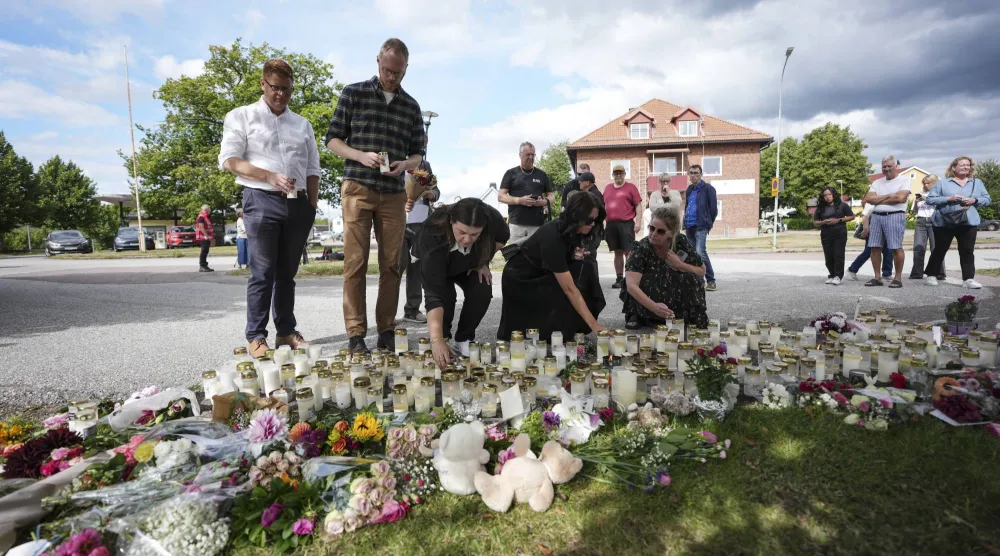
أوروبا أشخاص يضعون وروداً وشموعاً عند نصب تذكاري مؤقت خارج المدرسة غداة الهجوم الذي أودى بحياة فتاة عمرها 17 عاماً بالسويد (إ.ب.أ)

السويد: ضحية هجوم السيف في مدرسة طالبة عمرها 17 عاماً

تحقق الشرطة السويدية فيما إذا كان شاب يبلغ 18 عاماً نفذ هجوماً بالسيف على طلاب في مدرسة ثانوية سويدية؛ ما أسفر عن مقتل أحدهم.

«الشرق الأوسط» (ستوكهولم )
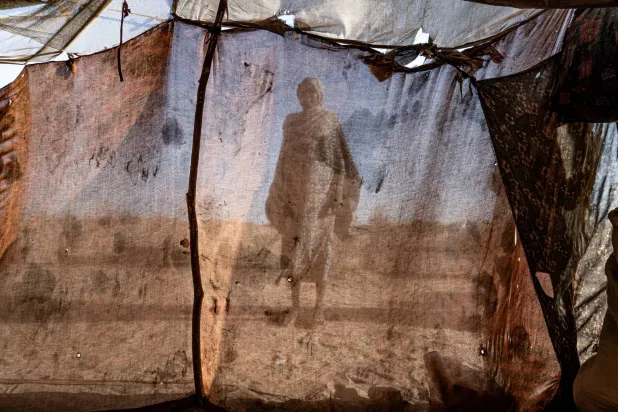
خاص سيدة سودانية في مخيم لاجئين (غيتي)

خاص العنف الجنسي في السودان... اعتداء منهجي وسلاح حرب يقتل مراراً

مع دخول الحرب في السودان عامها الرابع، تتوارى خلف جدران منازل مهدمة ومخيمات نزوح مكتظة قصص نساء وفتيات نجون من العنف الجنسي، لكن نجاتهن لم تكتمل بعد.

بهرام عبد المنعم (الخرطوم)
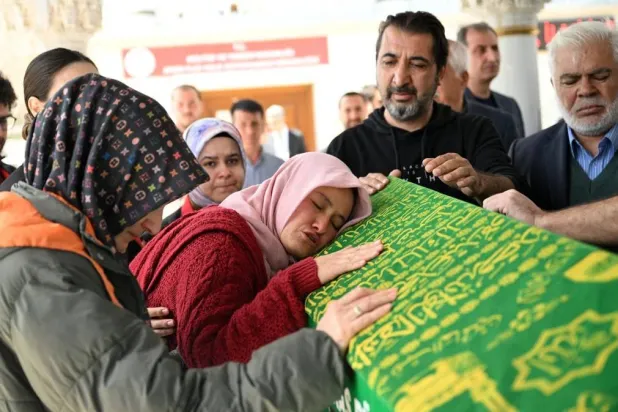
خاص والدة أحد ضحايا هجوم مدرسة كهرمان ماراش جنوب تركيا تبكي على نعشه في أثناء تشييع جنازات الضحايا (إعلام تركي)

خاص تركيا تواجه «العنف المجتمعي» بعد صدمة هجمات المدارس

عاش المجتمع التركي صدمة هائلة ربما فاق تأثيرها بعض الكوارث الطبيعية كالزلازل، عقب هجمات إطلاق نار عشوائي بمدرستين جنبوب البلاد في مشهد أشبه بأفلام هوليوود

سعيد عبد الرازق (أنقرة)
رياضة عالمية دي تشيربي مدرب توتنهام الجديد (أ.ف.ب)

دي تشيربي مدرب توتنهام الجديد: لم أقصد التقليل من قضية العنف ضد المرأة

أكّد الإيطالي روبرتو دي تشيربي، المدير الفني الجديد لفريق توتنهام الإنجليزي، أنه لم يقصد يوماً التقليل من شأن قضية العنف ضد المرأة.

«الشرق الأوسط» (لندن)
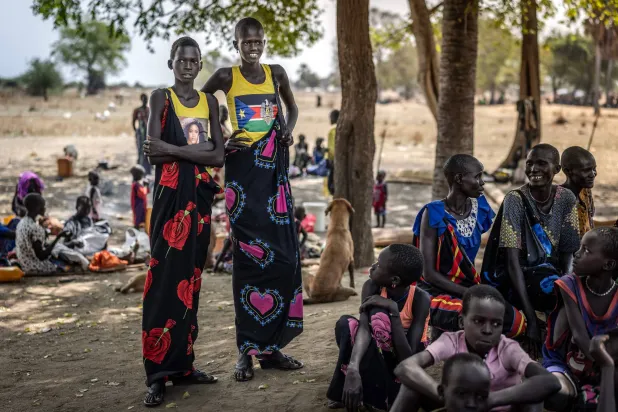
العالم فتيات من مجتمع الدينكا يتجمعن تحت ظل شجرة في موقع لتجمّع النازحين بالقرب من مينغكامان في جنوب السودان... 14 فبراير 2026 (أ.ف.ب)

الأمم المتحدة: العنف ضد النساء يمثل حالة طوارئ عالمية

ندَّد مفوض الأمم المتحدة السامي لحقوق الإنسان فولكر تورك، الجمعة، بازدياد التهديدات لحقوق المرأة في أنحاء العالم.

«الشرق الأوسط» (جنيف)

Can Libyan Lawmakers Force a Change in Parliament’s Leadership?

A still from the Libyan House of Representatives’ latest session on Sept. 15 (video posted by the House on its Facebook page)
TT

Can Libyan Lawmakers Force a Change in Parliament’s Leadership?

A still from the Libyan House of Representatives’ latest session on Sept. 15 (video posted by the House on its Facebook page)

A push to change the rules of Libya’s parliament and rotate its leadership has put a question to the Benghazi-based chamber: Can lawmakers unseat Speaker Aguila Saleh after nearly 12 years at its helm?

The effort has also raised questions about why a bloc opposed to Saleh’s “unilateral decision-making” is acting now, whether its campaign is tied to the “4+4” agreement, and whether that deal can be carried out.

The agreement is seen as a possible route out of Libya’s political divide through a unified executive authority that would lead the country to elections within two years.

The lawmakers opposing Saleh say they will press on with efforts to “reform parliament and change its leadership.”

They say they were blocked from holding a session on the issue in the middle of last week when the chamber’s Benghazi headquarters was closed on its leadership’s orders.

Issam al-Jehani, a prominent member of the bloc, said its 86 lawmakers could meet in any Libyan city where they could carry out their duties.

Their aim was “neither a conspiracy nor an attempt to take Saleh’s seat,” he said, but reform in response to Saleh’s unilateral decisions and determination to stay in office.

Other political figures say the campaign could splinter and fade. Its momentum, they argue, depends on the balance of power in eastern Libya and on regional pressure.

Lawmaker Ali al-Takbali expects it to lose steam. He told Asharq Al-Awsat that a similar call in March for a session to change parliament’s rules came to nothing.

He also questioned whether Saleh’s opponents could keep enough lawmakers together to hold a session to remove him. They may unite over a grievance, al-Takbali said, but become harder to assemble once they return home, particularly if some reconsider their position because of personal interests or tribal ties.

Fellow lawmaker Montaser al-Hassi warned that some members’ actions could split parliament. Lawmakers have the right to amend its rules, he said, but must do so through legal channels.

Libya has long been divided between two governments: the interim Government of National Unity led by Abdulhamid al-Dbeibah in Tripoli, and Osama Hammad’s parliament-appointed government, which runs the east and some southern cities and is backed by Libyan National Army commander Field Marshal Khalifa Haftar.

Under the “4+4” agreement reached late last month by representatives of the Government of National Unity and the Libyan National Army under UN auspices, a new presidential council and unified government would prepare the country for general elections within two years.

Some observers and political figures say regional countries regard Saleh’s continued leadership as a safeguard against a split in the legislature, which they describe as the only institution to have remained intact through Libya’s institutional divisions.

Analyst Hossam Fnish linked the turmoil in parliament to the “4+4” deal. He said the reform bloc’s insistence on changing the rules before holding sessions would delay incorporating the agreement into Libya’s constitutional declaration, hindering a deal that could lead to elections and end the divide.

The UN mission, he said, prefers to incorporate the agreement through a constitutional amendment before seeking Security Council endorsement.

Fathi al-Shibli, head of the Voice of the People party, questioned the reform bloc’s motives. Complaints about Saleh making decisions alone and sessions going ahead without a quorum had circulated for years without drawing objections from lawmakers, he said.

That, in his view, lent weight to suspicions that the dispute was a struggle between blocs backed by powerful interests, rather than a drive for reform.

Al-Shibli expects Saleh to remain in office until the UN mission calls for a constituent council to replace parliament and the High Council of State to implement the “4+4” agreement. He said both bodies oppose a change to Libya’s political landscape.

Political analyst Mohammed Mahfouz likewise described the parliamentary dispute as a contest between powerful groups in eastern and western Libya, each seeking to show the international community that it can control the political scene.

Saleh’s hold on his position rests on two factors, Mahfouz told Asharq Al-Awsat: whether he and his allies can absorb the current anger, and whether regional and Western countries support him.

Saleh’s two deputies may help him contain the challenge, Mahfouz said, because they too could face replacement.


تباين حول تأثير «تثبيت الفائدة» على قرارات المصريين بشأن الادخار


اجتماع رئيس الوزراء المصري مع محافظ البنك المركزي حسن عبد الله الأحد الماضي لبحث تعزيز الاستقرار المالي (صفحة مجلس الوزراء على فيسبوك)
TT

تباين حول تأثير «تثبيت الفائدة» على قرارات المصريين بشأن الادخار


اجتماع رئيس الوزراء المصري مع محافظ البنك المركزي حسن عبد الله الأحد الماضي لبحث تعزيز الاستقرار المالي (صفحة مجلس الوزراء على فيسبوك)

تباينت آراء خبراء حول تأثير قرار «تثبيت سعر الفائدة» على قرارات المصريين بشأن الادخار، خاصة أنه يتزامن مع «تذبذب الذهب وسعر الدولار وتقلبات في أسواق العقارات». فبينما أكد البعض أنه «لا يوجد تأثير مباشر»، تحدث آخرون عن أن «القرار سيدفع كثيرين إلى البحث عن أوعية ادخارية أخرى».

وقررت لجنة «السياسات النقدية» في «البنك المركزي المصري»، مساء الخميس، تثبيت سعر الفائدة، والإبقاء على عائد الإيداع والإقراض لليلة واحدة وسعر العملية الرئيسية عند 19و20 و19.5 في المائة، كما تم الإبقاء على سعر الائتمان والخصم عند 19.5 في المائة.

وأشار «المركزي»، إلى أن قرار تثبيت الفائدة جاء «انعكاساً لتقييمه أحدث تطورات التضخم وتوقعاته»، إلى جانب «التغيرات في المخاطر المحيطة بمسار الأسعار والنشاط الاقتصادي». وأوضح أن الاقتصاد العالمي «لا يزال يتأثر بالتوترات الجيوسياسية والصراعات التجارية، وهو ما يفرض حالة من عدم اليقين بشأن آفاق النمو العالمي، والتضخم وأسعار السلع الأساسية، خاصة الطاقة».

وبحسب «المركزي»، فإن هذه التطورات قد تؤدي إلى «زيادة تقلبات الأسواق العالمية وتشديد الأوضاع المالية، في الوقت الذي تواصل البنوك المركزية الكبرى تقييم مسارات السياسة النقدية وفقاً لتطورات التضخم والنشاط الاقتصادي».

وتزامن قرار تثبيت «الفائدة» مع تقلبات تشهدها أسواق الذهب والعقارات في البلاد، فضلاً عن تذبذب سعر الدولار، الذي بلغ، الجمعة، نحو 51.80 جنيه، وهو ما أثار تساؤلات بشأن تأثير «تثبيت الفائدة» على قرارات المصريين في الادخار.

الخبير الاقتصادي كريم العمدة يرى أنه رغم قرار التثبيت، فإن سعر الفائدة ما زال مرتفعاً، وقال لـ«الشرق الأوسط» إن «هذا سوف يشجع كثيرين على ادخار أموالهم في البنوك، لأنها ما زالت الخيار الآمن، مقارنة بأي وعاء ادخاري آخر».

ويؤكد أنه على «الجانب الآخر سيكون لقرار تثبيت الفائدة تأثير سلبي على الاقتراض للتوسع في مشروعات اقتصادية أو تجارية أو إنشاء أنشطة جديدة، حيث سيحجم كثيرون عن اللجوء للاقتراض».

بشأن الدلالات الاقتصادية لقرار «تثبيت الفائدة»، يوضح العمدة أن هذا يعني أن «معدل التضخم تحت السيطرة وفي حدود معقولة».

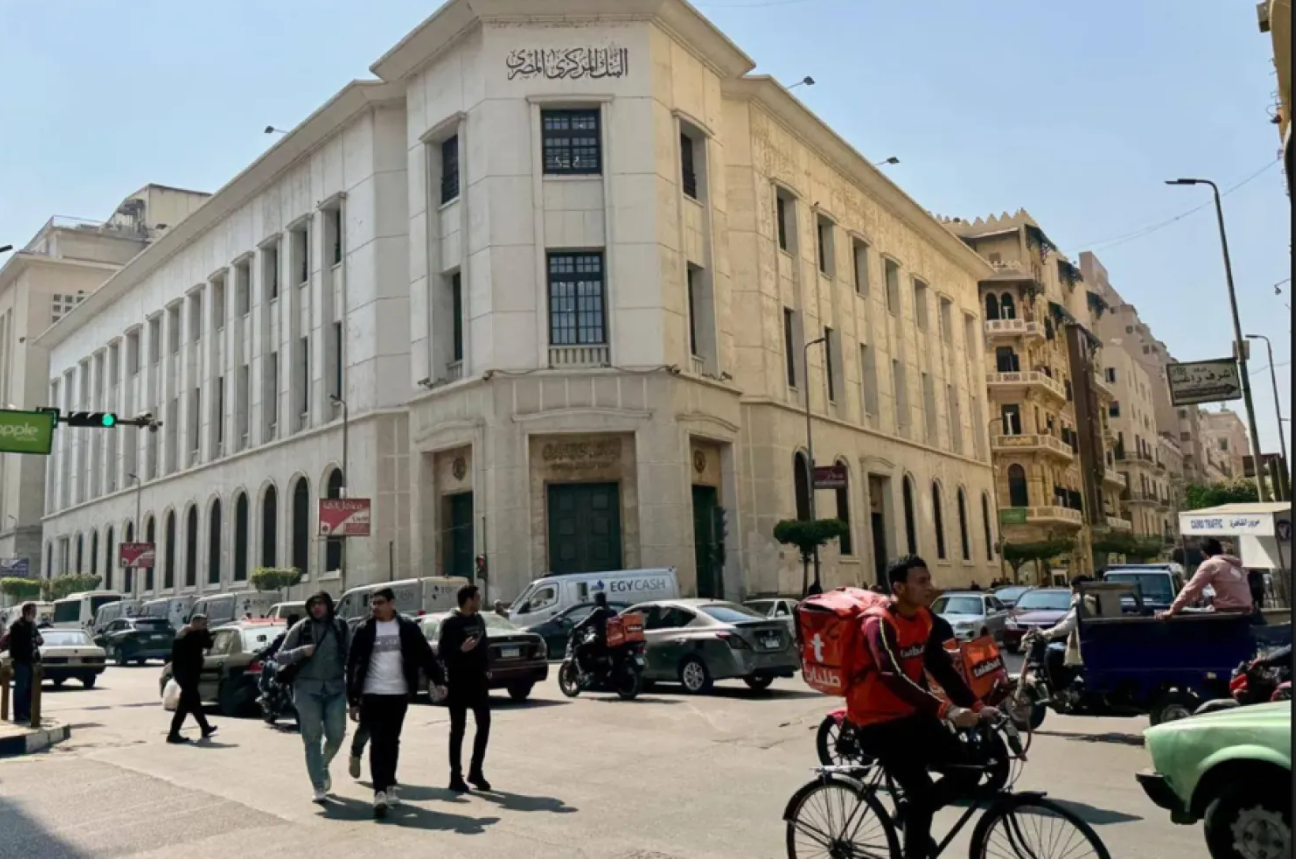
مقر البنك المركزي المصري بوسط القاهرة (الشرق الأوسط)

وأكد «المركزي المصري»، استمرار تحسن مؤشرات النشاط الاقتصادي بالبلاد، حيث «سجل الناتج المحلي الإجمالي الحقيقي نمواً بنسبة 4.7 في المائة خلال الربع الثاني من العام الحالي، مقارنة بنحو 5 في المائة خلال الربع المقابل من العام الماضي».

كما ارتفع معدل النمو السنوي للناتج المحلي الإجمالي الحقيقي إلى 5.1 في المائة خلال العام المالي 2025/2026، مع توقعات باستمرار التعافي خلال العام المالي 2026/2027.

ويعتقد الخبير الاقتصادي وائل النحاس، أن «قرار تثبيت سعر الفائدة ليس له تأثير مباشر على قرارات الادخار»، ويقول لـ«الشرق الأوسط» إن «معظم حسابات الادخار في البنوك سواء عبر الشهادات أو الودائع تكون ممتدة زمنياً لمدد تصل إلى 3 سنوات، لذلك لن تتأثر خيارات الادخار».

وبحسب النحاس، فإن «تثبيت الفائدة هدفه الحد من زيادة تكلفة الدين المحلي، لأنه في حال رفع الفائدة ستزيد تكلفة الدين مما يزيد عجز الموازنة».

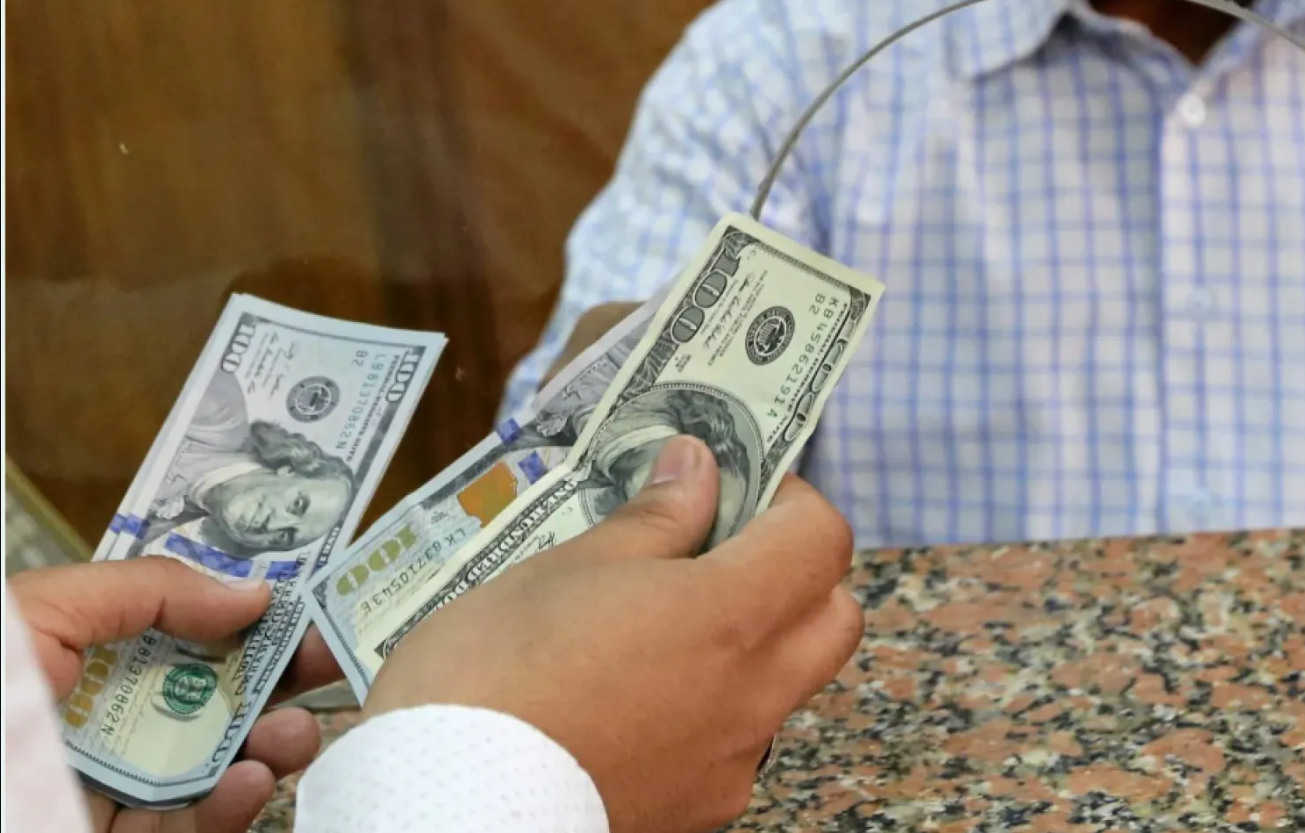
مصري يستبدل دولارت داخل مكتب صرافة بوسط القاهرة (رويترز)

أما الخبير الاقتصادي، رشاد عبده، فيرى أن «تثبيت سعر الفائدة» قد يدفع كثيراً من المصريين إلى البحث عن بدائل ادخارية أخرى، ويوضح لـ«الشرق الأوسط» أنه «بعد قرار رفع سعر الفائدة في أميركا، كان متوقعاً أن يقوم (المركزي المصري) باتخاذ قرار مماثل، لكن يبدو أن قرار الإبقاء على الفائدة دون تغيير له أبعاد أخرى».

ووفق رأي عبده فإن «كل رفع لسعر الفائدة بنسبة 1 في المائة يكلف الدولة نحو 70 مليار جنيه فوائد ديون محلية»، ويشير إلى أن «كثيراً من المصريين قد يضطرون إلى البحث عن أوعية ادخارية غير البنوك مثل الذهب أو العملة الدولارية».

وأكد «البنك المركزي» في بيانه، مساء الخميس، أن «مسار التضخم خلال الفترة المقبلة سيظل مرتبطاً بتطورات أسعار السلع عالمياً، خاصة الطاقة، إلى جانب تحركات أسعار الصرف والأوضاع المالية العالمية والمحلية».


Iraq’s PM Tells UN The State Alone Will Decide War, Peace

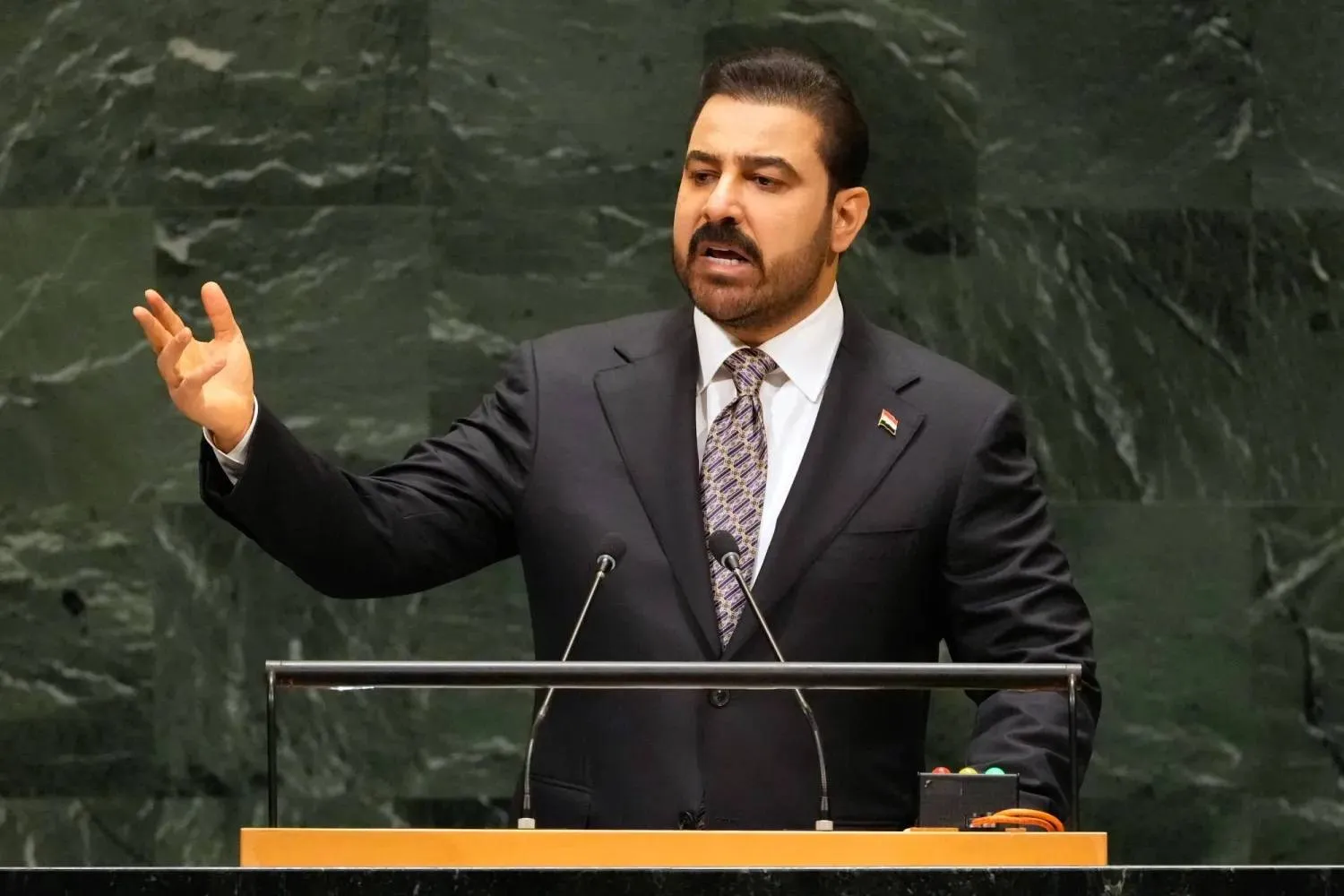
Iraqi Prime Minister Ali al-Zaidi speaks during the 81st session of the United Nations General Assembly on Sept. 25, 2026. (AP)
TT

Iraq’s PM Tells UN The State Alone Will Decide War, Peace

Iraqi Prime Minister Ali al-Zaidi speaks during the 81st session of the United Nations General Assembly on Sept. 25, 2026. (AP)

Iraqi Prime Minister Ali al-Zaidi said on Friday that one of his government’s priorities was to ensure the state alone decides matters of war and peace, stressing that weapons must remain in the hands of constitutional institutions.

“The practical measures to bring weapons and decisions on war and peace under state control are moving in the right direction,” al-Zaidi told the UN General Assembly.

He called them essential to building state institutions, protecting sovereignty and securing stability.

He said the end of the international coalition’s mission in Iraq would mark a new phase in relations with strategic partners, shifting from military cooperation to economic and development cooperation. Iraq would continue to strengthen its security and military capabilities, he added.

Al-Zaidi called for tighter border controls, the closing of security gaps and continued vigilance against conditions that could fuel extremism.

He reiterated Iraq’s support for dialogue, diplomacy, respect for sovereignty, noninterference and good neighborly relations, and urged countries to resolve conflicts through negotiations and prevent renewed wars.

He urged the world to engage more closely with Iraq, saying the country could contribute to security and stability.

He also highlighted the Development Road project as a “strategic corridor for trade, investment and energy” linking Iraq’s Grand Faw Port to Türkiye and, from there, Europe.

“Iraq has never been on the margins. It is at the heart of history and the pulse of the present, and it deserves a partnership for the future,” he said.

US Secretary of State Marco Rubio had warned Baghdad that militias must be disarmed to avoid the “Balkanization of Iraq,” amid growing pressure on the Iraqi government to bring weapons under state control.

Rubio expressed US support for al-Zaidi’s efforts to strengthen state authority and called for armed factions to be dismantled. He warned that competing centers of power could fragment Iraq and weaken its institutions.

Al-Zaidi had proposed a plan beginning with a 90-day period during which armed factions would cease attacks, with the transfer of weapons to the state to be completed by June 30, 2027.