الشرطة التشيكية تبحث عن لص... يسترق النظرات إلى ضحاياه

براغ
براغ
TT

الشرطة التشيكية تبحث عن لص... يسترق النظرات إلى ضحاياه

براغ
براغ

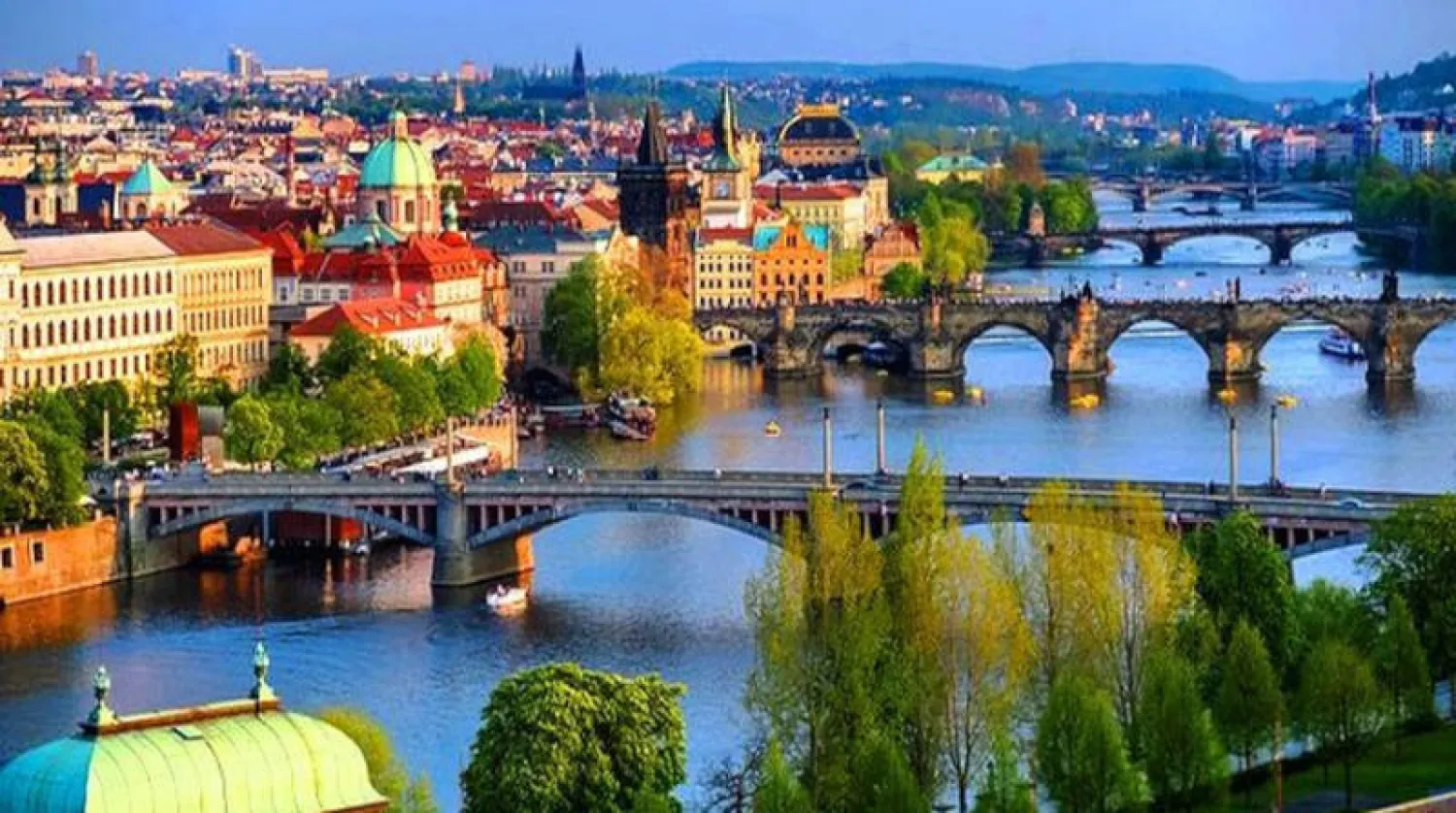
أصدرت الشرطة التشيكية مذكرة بحث وتحرٍّ عن رجل يقتحم المنازل ليلاً ويراقب سكانها وهم نيام، ويكتفي بين الفينة والأخرى بسرقات محدودة.
وأوضح الناطق باسم شرطة براغ، يان ريبانسكي، في بيان، أن «لقطات كاميرات المراقبة في المنازل تُظهر بوضوح أن الجاني لا يكترث كثيراً بوجود» سكّان البيوت فيها.
وأضاف: «لا بل يمكن القول إنه يبحث بالضبط عن هذا النوع من المنازل».
وسجلت الشرطة حتى الآن سبع حالات لكنها تعتقد أن العدد أكبر على الأرجح.
وقال ريبانسكي: «في إحدى الحالات، كان المشتبه به جالساً على السرير بجوار ابنة صاحب المنزل البالغة تسع سنوات فيما هي نائمة في غرفتها ولا تدري بوجوده».
وأظهرت كاميرات بعض المالكين المشتبه به الذي يعرج يتحرك في المنزل على الرغم من كونهم مستيقظين.
وتقع معظم المنازل التي سرق الجاني، البالغ ما بين الخامسة والخمسين والستين، محتويات منها في براغ، حسبما ذكرت وكالة الصحافة الفرنسية.
وقد نهب أحد المنازل مرتين في سنة واحدة.
وأفادت الشرطة بأن الرجل يواجه عقوبة بالسجن تصل إلى ثلاث سنوات في حال توقيفه وإدانته.


مقالات ذات صلة

كندا تحاكم رجلاً باع سموماً عبر الإنترنت للمساعدة على الانتحار

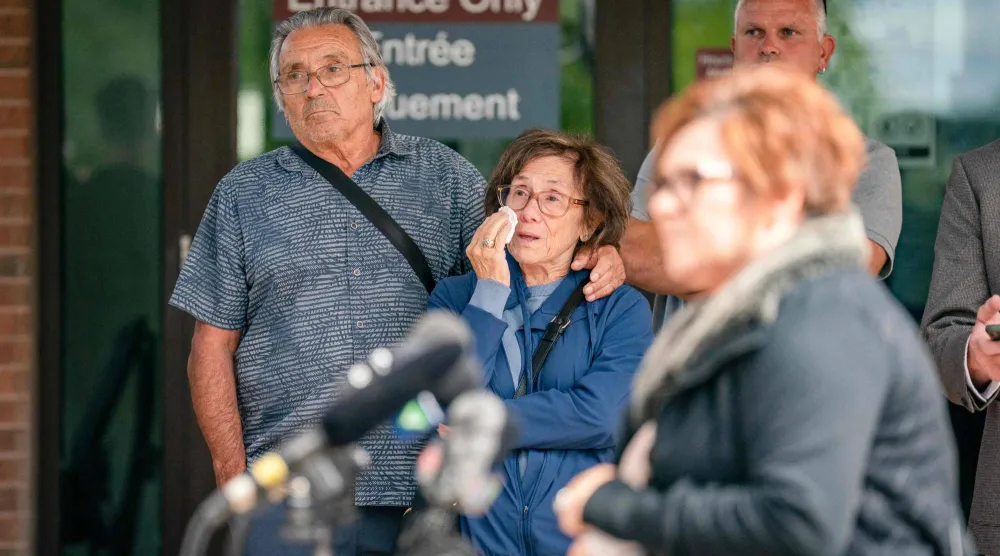
العالم أقارب أحد الضحايا خلال جلسة محاكمة بائع السموم الكندي كينيث لو، الذي أقرّ بذنبه في 14 تهمة بالمساعدة على الانتحار بأونتاريو في كندا يوم 23 سبتمبر 2026 (أ.ف.ب)

كندا تحاكم رجلاً باع سموماً عبر الإنترنت للمساعدة على الانتحار

تُستأنف محاكمة رجل كندي باع سموماً في دول عدة عبر الإنترنت للمساعدة على الانتحار في 27 نوفمبر، وفق ما أعلنت المحكمة التي تنظر في القضية.

«الشرق الأوسط» (أوتاوا)
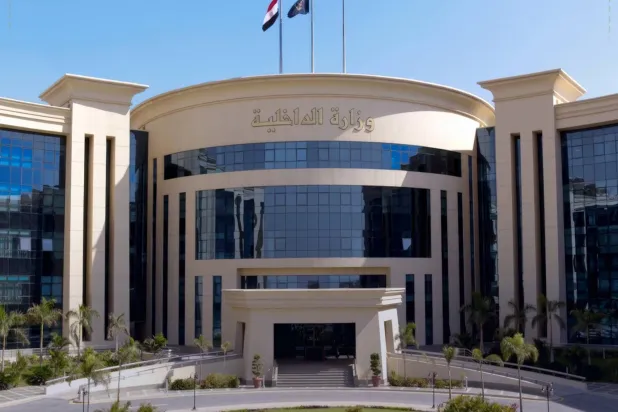
يوميات الشرق وزارة الداخلية المصرية (حساب الوزارة على فيسبوك)

مقتل «فتاة الصف» يفجِّر جدلاً حول «أخلاقيات نشر الصور» في مصر

فجّر مقتل فتاة مصرية على يد شقيقها، بعد تسليم الشرطة لها إلى أسرتها، عقب اختفائها والعثور عليها، جدلاً بشأن أخلاقيات نشر صور المتغيبين وبياناتهم الشخصية

منى أبو النصر (القاهرة)
يوميات الشرق نجمة تلفزيون الواقع كيم كارداشيان (رويترز)

يورو واحد فقط... تعويض كيم كارداشيان بعد واقعة السطو المسلح في باريس

بعد سنوات من واقعة السطو المسلح التي تعرضت لها في باريس، أصدرت محكمة فرنسية حكماً بمنح نجمة تلفزيون الواقع كيم كارداشيان تعويضاً رمزياً قدره يورو واحد فقط.

«الشرق الأوسط» (باريس)
المشرق العربي المحامي زاهر محمود ثابت وجد مقتولاً مع والدته وشقيقته في منزله بالسويداء (أرشيفية)

الغموض يلف دوافع جريمة في السويداء ضحاياها محامٍ ووالدته وشقيقته

يلف الغموض دوافع وهوية مرتكبي جريمة قتل، راح ضحيتها محامٍ ووالدته وشقيقته، في منزلهم بمدينة السويداء في إحدى المناطق التي يسيطر عليها شيخ العقل حكمت الهجري.

موفق محمد (دمشق)
شؤون إقليمية عناصر من شرطة مكافحة الشغب التركية يشتبكون مع مشاركين في مظاهرة بإزمير (أ.ف.ب)

3 قتلى بالرصاص في منطقة سياحية بإسطنبول

لقي ثلاثة أشخاص حتفهم، وأصيب آخر في إطلاق نار في متجر بمنطقة الفاتح في مدينة إسطنبول، وهي منطقة سياحية شهيرة.

«الشرق الأوسط» (أنقرة)

Can Libyan Lawmakers Force a Change in Parliament’s Leadership?

A still from the Libyan House of Representatives’ latest session on Sept. 15 (video posted by the House on its Facebook page)
TT

Can Libyan Lawmakers Force a Change in Parliament’s Leadership?

A still from the Libyan House of Representatives’ latest session on Sept. 15 (video posted by the House on its Facebook page)

A push to change the rules of Libya’s parliament and rotate its leadership has put a question to the Benghazi-based chamber: Can lawmakers unseat Speaker Aguila Saleh after nearly 12 years at its helm?

The effort has also raised questions about why a bloc opposed to Saleh’s “unilateral decision-making” is acting now, whether its campaign is tied to the “4+4” agreement, and whether that deal can be carried out.

The agreement is seen as a possible route out of Libya’s political divide through a unified executive authority that would lead the country to elections within two years.

The lawmakers opposing Saleh say they will press on with efforts to “reform parliament and change its leadership.”

They say they were blocked from holding a session on the issue in the middle of last week when the chamber’s Benghazi headquarters was closed on its leadership’s orders.

Issam al-Jehani, a prominent member of the bloc, said its 86 lawmakers could meet in any Libyan city where they could carry out their duties.

Their aim was “neither a conspiracy nor an attempt to take Saleh’s seat,” he said, but reform in response to Saleh’s unilateral decisions and determination to stay in office.

Other political figures say the campaign could splinter and fade. Its momentum, they argue, depends on the balance of power in eastern Libya and on regional pressure.

Lawmaker Ali al-Takbali expects it to lose steam. He told Asharq Al-Awsat that a similar call in March for a session to change parliament’s rules came to nothing.

He also questioned whether Saleh’s opponents could keep enough lawmakers together to hold a session to remove him. They may unite over a grievance, al-Takbali said, but become harder to assemble once they return home, particularly if some reconsider their position because of personal interests or tribal ties.

Fellow lawmaker Montaser al-Hassi warned that some members’ actions could split parliament. Lawmakers have the right to amend its rules, he said, but must do so through legal channels.

Libya has long been divided between two governments: the interim Government of National Unity led by Abdulhamid al-Dbeibah in Tripoli, and Osama Hammad’s parliament-appointed government, which runs the east and some southern cities and is backed by Libyan National Army commander Field Marshal Khalifa Haftar.

Under the “4+4” agreement reached late last month by representatives of the Government of National Unity and the Libyan National Army under UN auspices, a new presidential council and unified government would prepare the country for general elections within two years.

Some observers and political figures say regional countries regard Saleh’s continued leadership as a safeguard against a split in the legislature, which they describe as the only institution to have remained intact through Libya’s institutional divisions.

Analyst Hossam Fnish linked the turmoil in parliament to the “4+4” deal. He said the reform bloc’s insistence on changing the rules before holding sessions would delay incorporating the agreement into Libya’s constitutional declaration, hindering a deal that could lead to elections and end the divide.

The UN mission, he said, prefers to incorporate the agreement through a constitutional amendment before seeking Security Council endorsement.

Fathi al-Shibli, head of the Voice of the People party, questioned the reform bloc’s motives. Complaints about Saleh making decisions alone and sessions going ahead without a quorum had circulated for years without drawing objections from lawmakers, he said.

That, in his view, lent weight to suspicions that the dispute was a struggle between blocs backed by powerful interests, rather than a drive for reform.

Al-Shibli expects Saleh to remain in office until the UN mission calls for a constituent council to replace parliament and the High Council of State to implement the “4+4” agreement. He said both bodies oppose a change to Libya’s political landscape.

Political analyst Mohammed Mahfouz likewise described the parliamentary dispute as a contest between powerful groups in eastern and western Libya, each seeking to show the international community that it can control the political scene.

Saleh’s hold on his position rests on two factors, Mahfouz told Asharq Al-Awsat: whether he and his allies can absorb the current anger, and whether regional and Western countries support him.

Saleh’s two deputies may help him contain the challenge, Mahfouz said, because they too could face replacement.

تباين حول تأثير «تثبيت الفائدة» على قرارات المصريين بشأن الادخار


اجتماع رئيس الوزراء المصري مع محافظ البنك المركزي حسن عبد الله الأحد الماضي لبحث تعزيز الاستقرار المالي (صفحة مجلس الوزراء على فيسبوك)
TT

تباين حول تأثير «تثبيت الفائدة» على قرارات المصريين بشأن الادخار


اجتماع رئيس الوزراء المصري مع محافظ البنك المركزي حسن عبد الله الأحد الماضي لبحث تعزيز الاستقرار المالي (صفحة مجلس الوزراء على فيسبوك)

تباينت آراء خبراء حول تأثير قرار «تثبيت سعر الفائدة» على قرارات المصريين بشأن الادخار، خاصة أنه يتزامن مع «تذبذب الذهب وسعر الدولار وتقلبات في أسواق العقارات». فبينما أكد البعض أنه «لا يوجد تأثير مباشر»، تحدث آخرون عن أن «القرار سيدفع كثيرين إلى البحث عن أوعية ادخارية أخرى».

وقررت لجنة «السياسات النقدية» في «البنك المركزي المصري»، مساء الخميس، تثبيت سعر الفائدة، والإبقاء على عائد الإيداع والإقراض لليلة واحدة وسعر العملية الرئيسية عند 19و20 و19.5 في المائة، كما تم الإبقاء على سعر الائتمان والخصم عند 19.5 في المائة.

وأشار «المركزي»، إلى أن قرار تثبيت الفائدة جاء «انعكاساً لتقييمه أحدث تطورات التضخم وتوقعاته»، إلى جانب «التغيرات في المخاطر المحيطة بمسار الأسعار والنشاط الاقتصادي». وأوضح أن الاقتصاد العالمي «لا يزال يتأثر بالتوترات الجيوسياسية والصراعات التجارية، وهو ما يفرض حالة من عدم اليقين بشأن آفاق النمو العالمي، والتضخم وأسعار السلع الأساسية، خاصة الطاقة».

وبحسب «المركزي»، فإن هذه التطورات قد تؤدي إلى «زيادة تقلبات الأسواق العالمية وتشديد الأوضاع المالية، في الوقت الذي تواصل البنوك المركزية الكبرى تقييم مسارات السياسة النقدية وفقاً لتطورات التضخم والنشاط الاقتصادي».

وتزامن قرار تثبيت «الفائدة» مع تقلبات تشهدها أسواق الذهب والعقارات في البلاد، فضلاً عن تذبذب سعر الدولار، الذي بلغ، الجمعة، نحو 51.80 جنيه، وهو ما أثار تساؤلات بشأن تأثير «تثبيت الفائدة» على قرارات المصريين في الادخار.

الخبير الاقتصادي كريم العمدة يرى أنه رغم قرار التثبيت، فإن سعر الفائدة ما زال مرتفعاً، وقال لـ«الشرق الأوسط» إن «هذا سوف يشجع كثيرين على ادخار أموالهم في البنوك، لأنها ما زالت الخيار الآمن، مقارنة بأي وعاء ادخاري آخر».

ويؤكد أنه على «الجانب الآخر سيكون لقرار تثبيت الفائدة تأثير سلبي على الاقتراض للتوسع في مشروعات اقتصادية أو تجارية أو إنشاء أنشطة جديدة، حيث سيحجم كثيرون عن اللجوء للاقتراض».

بشأن الدلالات الاقتصادية لقرار «تثبيت الفائدة»، يوضح العمدة أن هذا يعني أن «معدل التضخم تحت السيطرة وفي حدود معقولة».

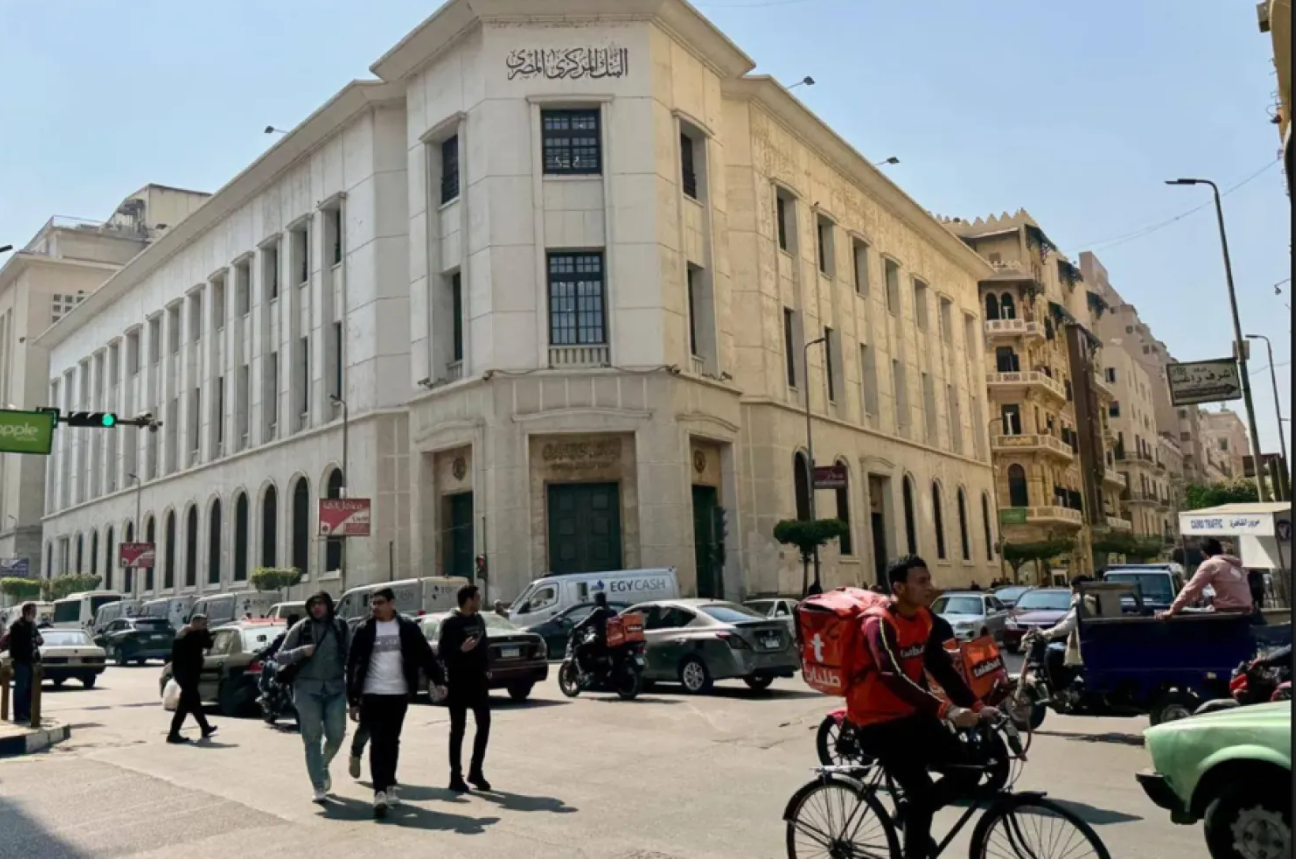
مقر البنك المركزي المصري بوسط القاهرة (الشرق الأوسط)

وأكد «المركزي المصري»، استمرار تحسن مؤشرات النشاط الاقتصادي بالبلاد، حيث «سجل الناتج المحلي الإجمالي الحقيقي نمواً بنسبة 4.7 في المائة خلال الربع الثاني من العام الحالي، مقارنة بنحو 5 في المائة خلال الربع المقابل من العام الماضي».

كما ارتفع معدل النمو السنوي للناتج المحلي الإجمالي الحقيقي إلى 5.1 في المائة خلال العام المالي 2025/2026، مع توقعات باستمرار التعافي خلال العام المالي 2026/2027.

ويعتقد الخبير الاقتصادي وائل النحاس، أن «قرار تثبيت سعر الفائدة ليس له تأثير مباشر على قرارات الادخار»، ويقول لـ«الشرق الأوسط» إن «معظم حسابات الادخار في البنوك سواء عبر الشهادات أو الودائع تكون ممتدة زمنياً لمدد تصل إلى 3 سنوات، لذلك لن تتأثر خيارات الادخار».

وبحسب النحاس، فإن «تثبيت الفائدة هدفه الحد من زيادة تكلفة الدين المحلي، لأنه في حال رفع الفائدة ستزيد تكلفة الدين مما يزيد عجز الموازنة».

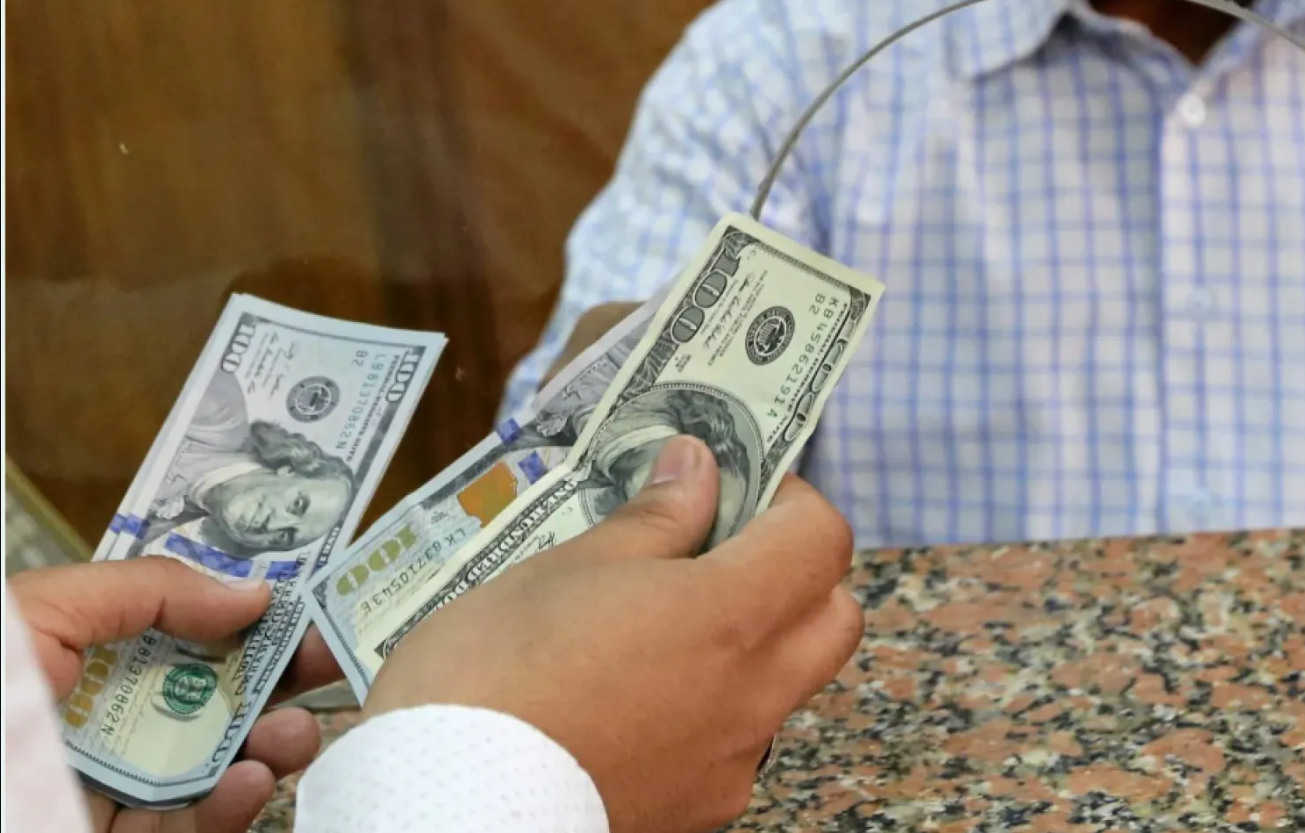
مصري يستبدل دولارت داخل مكتب صرافة بوسط القاهرة (رويترز)

أما الخبير الاقتصادي، رشاد عبده، فيرى أن «تثبيت سعر الفائدة» قد يدفع كثيراً من المصريين إلى البحث عن بدائل ادخارية أخرى، ويوضح لـ«الشرق الأوسط» أنه «بعد قرار رفع سعر الفائدة في أميركا، كان متوقعاً أن يقوم (المركزي المصري) باتخاذ قرار مماثل، لكن يبدو أن قرار الإبقاء على الفائدة دون تغيير له أبعاد أخرى».

ووفق رأي عبده فإن «كل رفع لسعر الفائدة بنسبة 1 في المائة يكلف الدولة نحو 70 مليار جنيه فوائد ديون محلية»، ويشير إلى أن «كثيراً من المصريين قد يضطرون إلى البحث عن أوعية ادخارية غير البنوك مثل الذهب أو العملة الدولارية».

وأكد «البنك المركزي» في بيانه، مساء الخميس، أن «مسار التضخم خلال الفترة المقبلة سيظل مرتبطاً بتطورات أسعار السلع عالمياً، خاصة الطاقة، إلى جانب تحركات أسعار الصرف والأوضاع المالية العالمية والمحلية».


Iraq’s PM Tells UN The State Alone Will Decide War, Peace

Iraqi Prime Minister Ali al-Zaidi speaks during the 81st session of the United Nations General Assembly on Sept. 25, 2026. (AP)
TT

Iraq’s PM Tells UN The State Alone Will Decide War, Peace

Iraqi Prime Minister Ali al-Zaidi speaks during the 81st session of the United Nations General Assembly on Sept. 25, 2026. (AP)

Iraqi Prime Minister Ali al-Zaidi said on Friday that one of his government’s priorities was to ensure the state alone decides matters of war and peace, stressing that weapons must remain in the hands of constitutional institutions.

“The practical measures to bring weapons and decisions on war and peace under state control are moving in the right direction,” al-Zaidi told the UN General Assembly.

He called them essential to building state institutions, protecting sovereignty and securing stability.

He said the end of the international coalition’s mission in Iraq would mark a new phase in relations with strategic partners, shifting from military cooperation to economic and development cooperation. Iraq would continue to strengthen its security and military capabilities, he added.

Al-Zaidi called for tighter border controls, the closing of security gaps and continued vigilance against conditions that could fuel extremism.

He reiterated Iraq’s support for dialogue, diplomacy, respect for sovereignty, noninterference and good neighborly relations, and urged countries to resolve conflicts through negotiations and prevent renewed wars.

He urged the world to engage more closely with Iraq, saying the country could contribute to security and stability.

He also highlighted the Development Road project as a “strategic corridor for trade, investment and energy” linking Iraq’s Grand Faw Port to Türkiye and, from there, Europe.

“Iraq has never been on the margins. It is at the heart of history and the pulse of the present, and it deserves a partnership for the future,” he said.

US Secretary of State Marco Rubio had warned Baghdad that militias must be disarmed to avoid the “Balkanization of Iraq,” amid growing pressure on the Iraqi government to bring weapons under state control.

Rubio expressed US support for al-Zaidi’s efforts to strengthen state authority and called for armed factions to be dismantled. He warned that competing centers of power could fragment Iraq and weaken its institutions.

Al-Zaidi had proposed a plan beginning with a 90-day period during which armed factions would cease attacks, with the transfer of weapons to the state to be completed by June 30, 2027.