الدكتور لايتون واتسون في فيلاريكا بتشيلي (جامعة كانتربري)
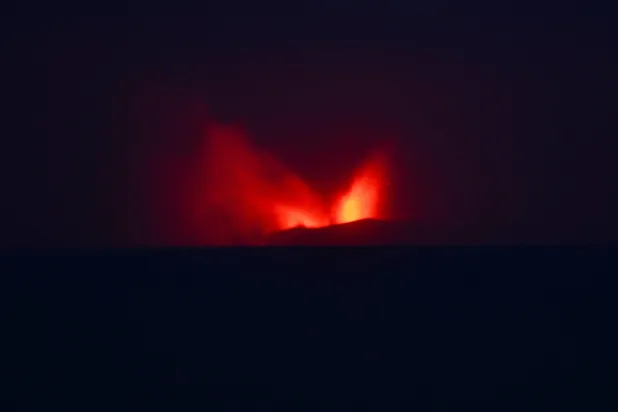
طوّر فريق بحثي دولي يضم باحثين من جامعة «كانتربري» في نيوزيلندا والمعهد الوطني الإيطالي للجيوفيزياء وجامعة «ولاية بويز» الأميركية، أداة تستخدم الموجات الصوتية من النشاط البركاني للمساعدة في فهم وتوقع السلوك البركاني، وأُعلن عن الإنجاز أمس في دورية «ساينتيفيك ريبورتس». وتنتج حركة الصهارة في بعض البراكين صوتاً بطريقة مشابهة للآلات الموسيقية، وفي حين أن بعض الموجات الصوتية يمكن أن يسمعها البشر، فإن الغالبية العظمى من الطاقة تكون أقل من نطاق التردد المنخفض للسمع البشري، ومن خلال نشر الميكروفونات المتخصصة، أمكن للباحثين الاستماع إلى البراكين واستخدام أصواتها لفهم سلوكها. وتثير الانفجارات في الجزء العلوي من عمود الصهارة الموجات الصوتية، التي تنعكس في الجزء العلوي من الحفرة، تماماً كما هو الحال داخل «الترومبون»، ولكن على نطاق أكبر بكثير، ومع ارتفاع الصهارة في الحفرة، فإن المسافة بين عمود الصهارة وقمة الحفرة تتناقص، ما يؤدي إلى زيادة حدة الصوت، تماماً كما يحدث عند سحب الترومبون. ويقول الدكتور لايتون واتسون، باحث ما بعد الدكتوراه في جامعة «كانتربري» الباحث الرئيسي في الدراسة، في تقرير نشره الموقع الإلكتروني للجامعة بالتزامن مع نشر الدراسة: «من خلال الاستماع إلى نغمة التغيير، يمكننا تتبع حركة الصهارة داخل فوهة البركان، وهذا يعطي القدرة على توفير عدة ساعات من التحذير قبل الانفجار، ما قد يحدث فرقاً كبيراً لأولئك الذين يعيشون بالقرب من البراكين النشطة أو يزورونها». ودرس واتسون وزملاؤه هذه الألحان البركانية في جبل إتنا في صقلية بإيطاليا، وهو بركان نشط تحدث فيه الانفجارات بشكل متكرر، ويطلق الحمم البركانية على ارتفاع كيلومتر واحد فوق القمة. ويعتمد العمل أيضاً على دراسات الدكتور واتسون السابقة عن فيلاريكا في تشيلي، وكوتوباكسي في الإكوادور، وتتمثل المرحلة التالية من البحث في تكييف النموذج لجعله وثيق الصلة بسياق نيوزيلندا. ويقول واتسون: «يوجد في نيوزيلندا، اثنان من أكثر البراكين خطورة هما جبل (روابيهو) و(واكاري)، اللذان يحتويان على بحيرات تحتوي على الماء بين الصهارة والهواء أعلاه، لذلك أنا مهتم بمعرفة ما إذا كان بإمكاننا تكييف النموذج لجعله قابلاً للتطبيق على هذه الأنظمة».
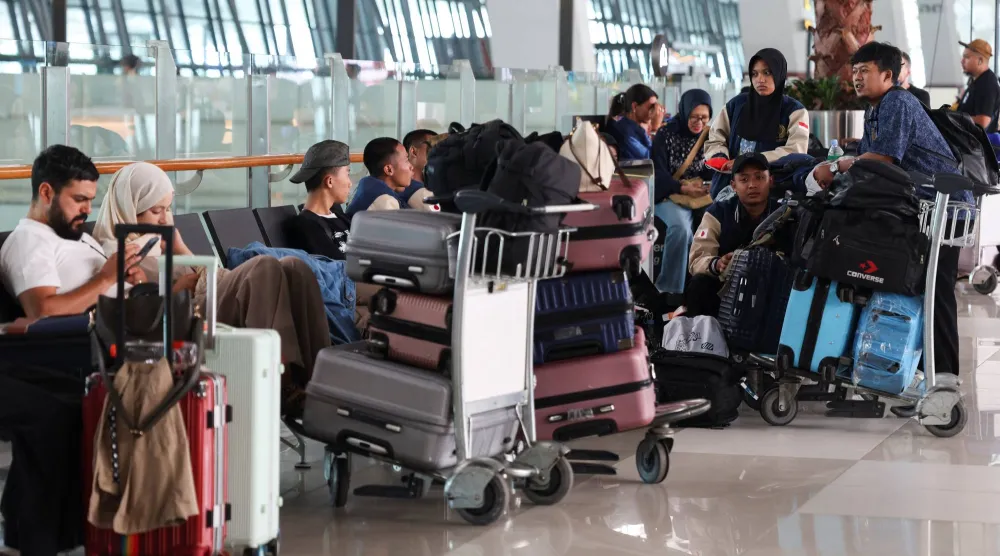
تسبب ثوران بركان «أناك كراكاتاو» بإندونيسيا في تعليق مئات الرحلات الجوية في مطار جاكرتا الرئيسي، اليوم (الأحد)، بعدما توقفت بعض الأنشطة المدرسية ورحلات صيد.
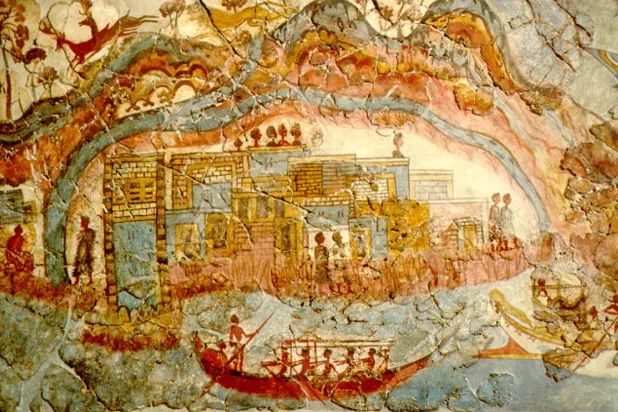
هل دمر بركان سانتوريني حضارة المينويين؟ اكتشف حقائق عام 1613 قبل الميلاد والعلاقة الجيولوجية المذهلة بأسطورة قارة أطلنطس المفقودة التي كتب عنها أفلاطون.
Qatar, MWL, GCC Condemn Houthi Missile Attacks on Saudi Cities of Taif and Yanbu
Qatar, the Gulf Cooperation Council (GCC) and the Muslim World League (MWL) condemned Thursday's missile attacks launched by Yemen's Houthis against Saudi Arabia's cities of Taif and Yanbu, reaffirming their support for the Kingdom's security and stability.
In a statement on Friday, Qatar's Ministry of Foreign Affairs described the attacks as a reprehensible act of aggression that showed a blatant disregard for civilian lives, violated Saudi Arabia's sovereignty and constituted a clear breach of international law. It called for an immediate halt to such irresponsible acts.
The Muslim World League (MWL), in a statement issued by its Secretary-General, Sheikh Dr. Mohammed bin Abdulkarim Al-Issa, reiterated its condemnation of these treacherous terrorist attacks, which violate religious values as well as international and humanitarian law and norms. The attacks further demonstrate the terrorist militia’s criminal practice of deliberately targeting civilians and civilian objects.
Gulf Cooperation Council Secretary-General Jasem Mohamed Albudaiwi also strongly condemned the Houthi attacks on Saudi Arabia, reaffirming the GCC's full support for the Kingdom and all measures it takes to safeguard its sovereignty, security and stability, and protect its citizens and residents.
Prefabricated Homes Arrive in Destroyed South Lebanon Townhttps://aawsat.com/node/5322378
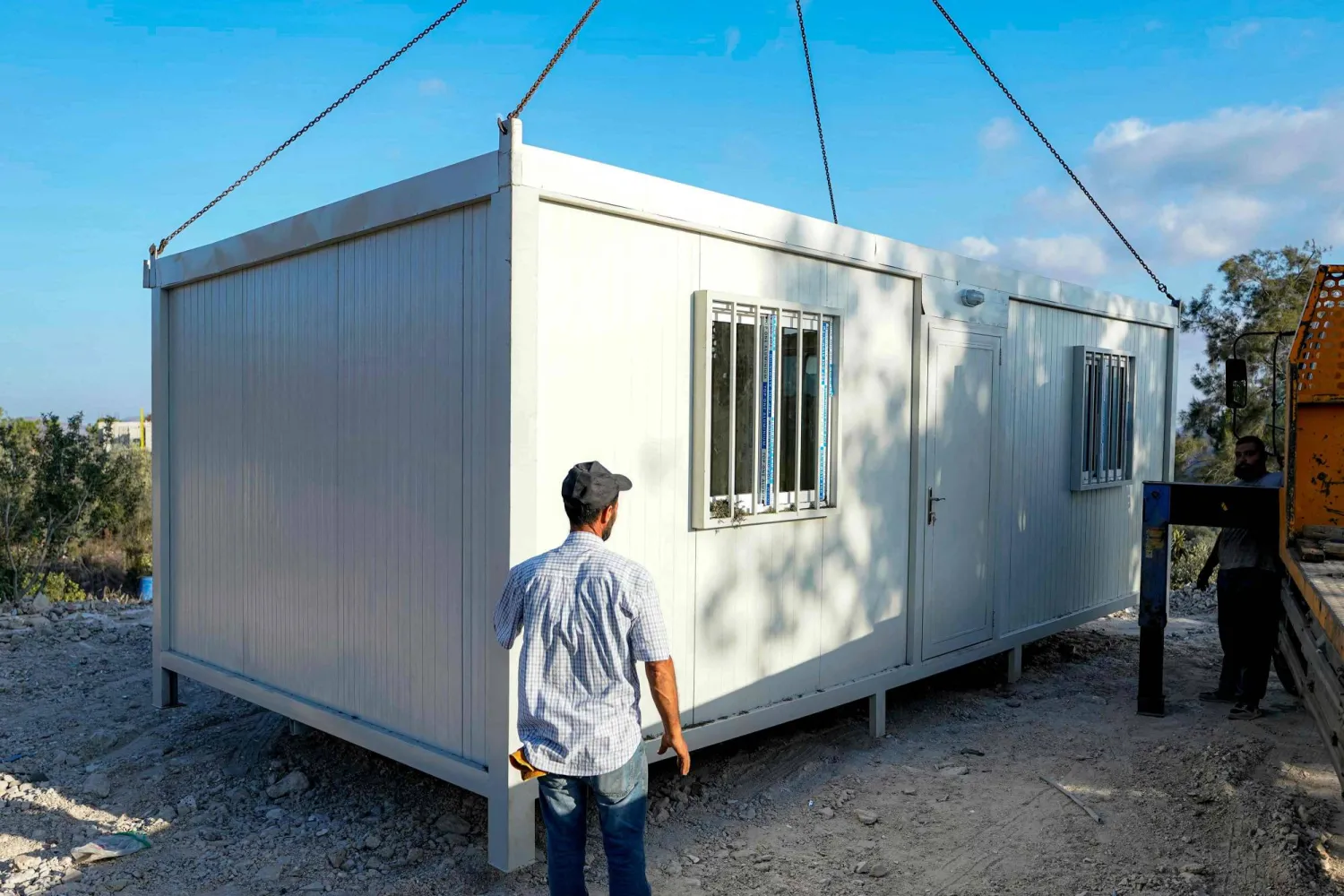
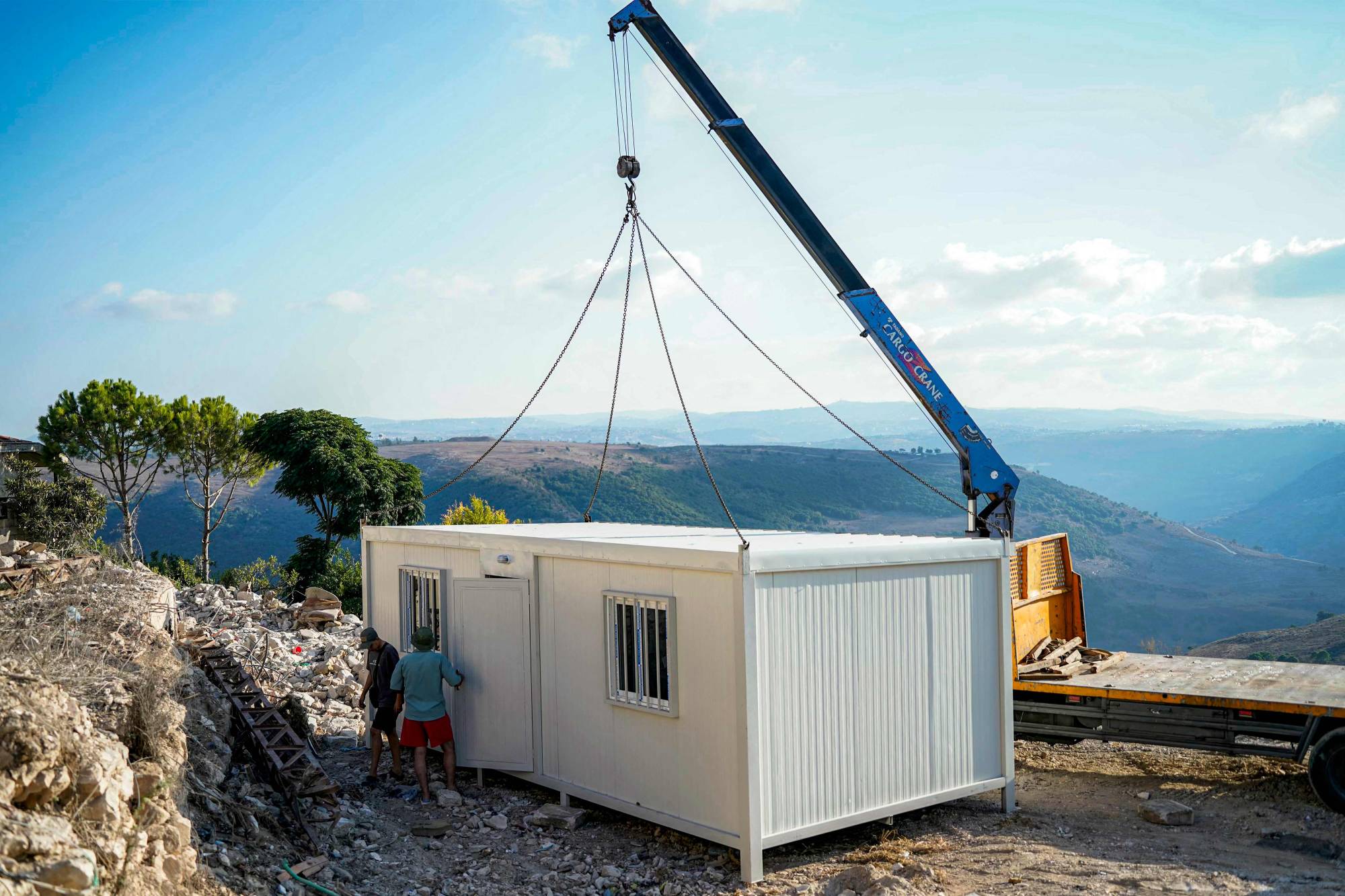
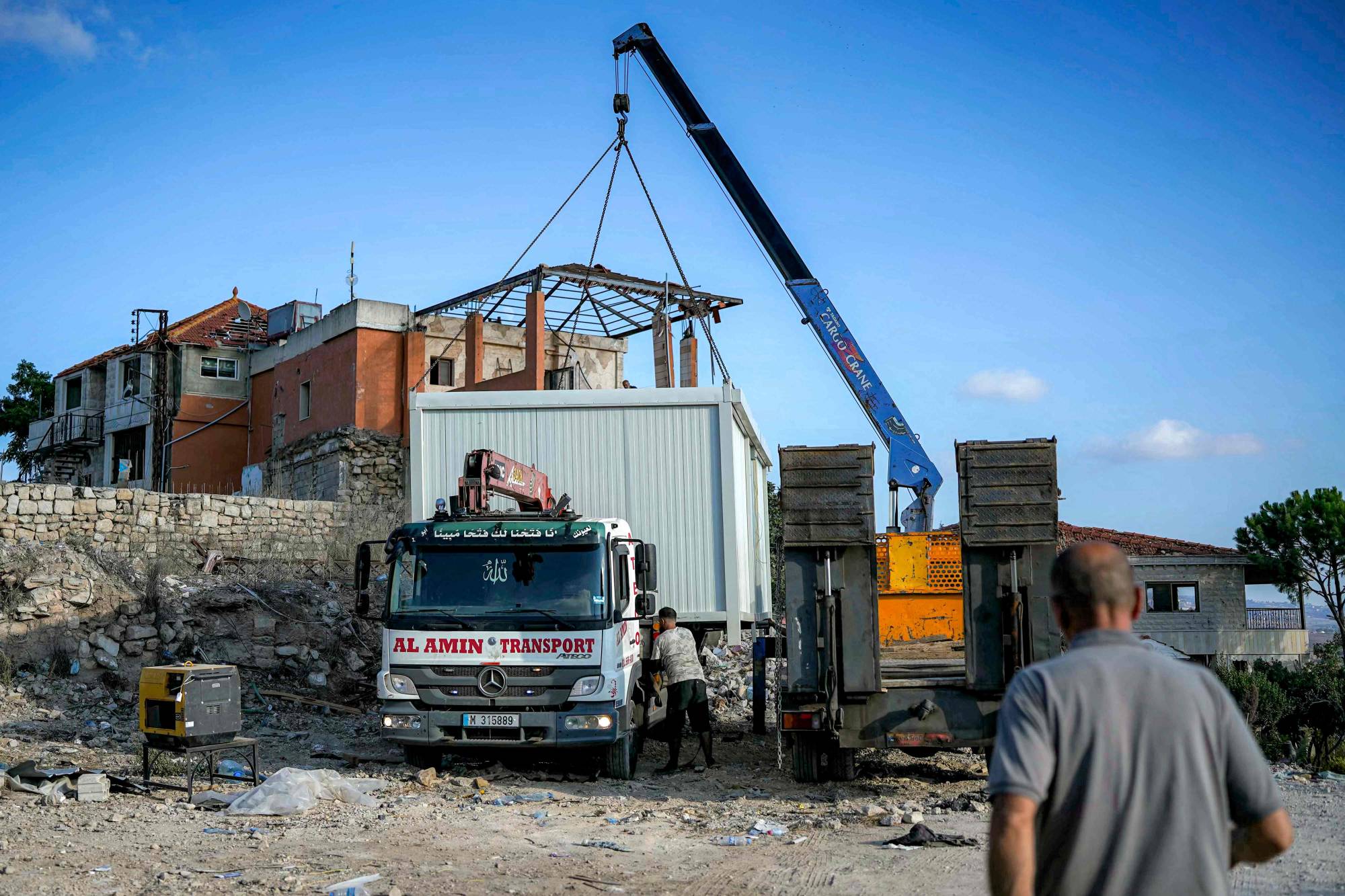
Workers set up a prefabricated house to provide housing for families whose homes have been destroyed in the fighting between Hezbollah and Israel, in the village of Zawtar al-Gharbiyeh (Western Zawtar) in southern Lebanon, on September 21, 2026. (Photo by Ammar Ammar / AFP)
Prefabricated Homes Arrive in Destroyed South Lebanon Town
Workers set up a prefabricated house to provide housing for families whose homes have been destroyed in the fighting between Hezbollah and Israel, in the village of Zawtar al-Gharbiyeh (Western Zawtar) in southern Lebanon, on September 21, 2026. (Photo by Ammar Ammar / AFP)
Nearly two months after the Lebanese army entered the town of Zawtar al-Gharbiyeh in southern Lebanon, temporary housing units have started reaching families unable to live in their homes.
The army began deploying in Zawtar al-Gharbiyeh end of July after Israeli forces withdrew from the area, marking the first test of a US-brokered plan agreed by Lebanon and Israel in direct talks.
The plan foresees the Lebanese army confiscating weapons from Hezbollah in designated areas and Israeli troops withdrawing in phases so that Lebanese troops can deploy. Zawtar al-Gharbiyeh is one of several towns or villages covered by the initial pilot program.
On Tuesday, the Council for the South began handing over the first batch of prefabricated homes to property owners whose plots had been cleared of rubble and prepared to receive the units.
This comes in coordination with the Military Coordination Group for Lebanon.
Workers set up a prefabricated house to provide housing for families whose homes have been destroyed in the fighting between Hezbollah and Israel, in the village of Zawtar al-Gharbiyeh (Western Zawtar) in southern Lebanon, on September 21, 2026. (Photo by Ammar Ammar / AFP)
On September 9, authorities announced that around 70 percent of the town’s residents had been able to return to inspect their properties, while only 16 percent, estimated at about 60 families out of 450, had been able to resettle. Officials estimated that 85 percent of homes had been completely destroyed and 15 percent partially damaged.
A source at the Higher Relief Commission told Asharq Al-Awsat that the prefabricated homes in Zawtar are part of a broader effort to support residents’ return and that solutions will vary according to the extent of destruction and local needs.
“We are now in the first phase, and while solutions in the villages covered by this stage may be similar or serve as models, they will not be identical because the scale of destruction differs from one area to another. The farther south we go, the more widespread the devastation becomes, making it impossible to apply a single solution to every town.”
The source explained that the response would rely on “a combination of solutions,” with prefabricated homes being one of them, adding that efforts are underway to secure available units locally as well as additional supplies from donors or foreign sources.
“We had the option of obtaining as many prefabricated homes as the local market could provide, while arranging for additional quantities from donor countries and external sources, allowing us to prepare for the first phase. In later stages, the need will certainly be greater.”
The source noted that Lebanese officials had explored opportunities for aid and grants during overseas visits, including to Türkiye, saying: “The cost of a prefabricated home in the local market is not cheap. We know this type of housing is only part of the solution, so we must secure it either through available resources or through grants and assistance.”
He added that while prefabricated homes may currently be a key solution in Zawtar, demand for them could be even greater in other areas during later phases.
“Unfortunately, our capabilities do not allow us to provide enough prefabricated homes for everyone in need. We are talking about roughly 300,000 housing units that are either completely destroyed or damaged to a degree that makes them uninhabitable. This is an enormous number. Therefore, prefabricated housing is one solution, not the only one.”
He stressed that the initiative marks the beginning of a broader process aimed at enabling residents to return and reasserting the presence of the state in the south, followed by restoring government agencies and institutions.
“It is not enough to ask people to return simply because homes are livable or because we have provided prefabricated housing if public institutions remain absent. If there is no municipal office, civil defense center, police station, or clinic, how can a normal return take place? The return of residents must go hand in hand with the return of state institutions, with prefabricated housing serving as one of the tools that help make this possible.”
Zawtar al-Gharbiyeh Mayor Abed Ezzeddine told Asharq Al-Awsat that introducing prefabricated homes addresses the “exceptional situation” of families who remain displaced. He explained that the municipality had requested 15 units.
“We have a number of families that are still displaced, some of whom can no longer afford rent. Other families are staying in buildings that must be vacated as schools reopen. We therefore needed to provide temporary shelter until their circumstances improve, especially with winter approaching.”
“There are also other families demanding to return to the town, which means we will likely need more than 15 homes,” he added.
“People want to return to Zawtar, but they need somewhere to stay while they work to rebuild their lives.”
“Many people come every day, sit in the town squares or on the ruins of their homes, and then return in the evening to the places where they are currently displaced. We therefore need to find a solution to this problem.”
He noted that displaced residents are spread across villages around Sidon, Iqlim al-Kharroub, and the Zahrani coast, where transportation costs and everyday living expenses add to their burdens amid limited employment opportunities and rising fuel costs. He confirmed that coordination is taking place directly with the Council for the South.
Workers set up a prefabricated house to provide housing for families whose homes have been destroyed in the fighting between Hezbollah and Israel, in the village of Zawtar al-Gharbiyeh (Western Zawtar) in southern Lebanon, on September 21, 2026. (Photo by Ammar Ammar / AFP)
Ezzeddine pointed out that “we in Zawtar al-Gharbiyeh live in a state of anxiety. The security situation remains unstable, especially because Zawtar al-Sharqiyeh is very close to us, and the near-daily explosions frighten people ... Every so often we hear another explosion, and homes are destroyed.”
“There are children, women, and elderly people in the town, so it is impossible to say that conditions are stable. People want to return, settle down, and find peace, but the security situation remains difficult.”
He hoped there would be stability in the south “because people are exhausted and simply want to live in peace.”
Saudi Foreign Minister Holds Talks with Spanish, UK Counterparts in New Yorkhttps://aawsat.com/node/5322377
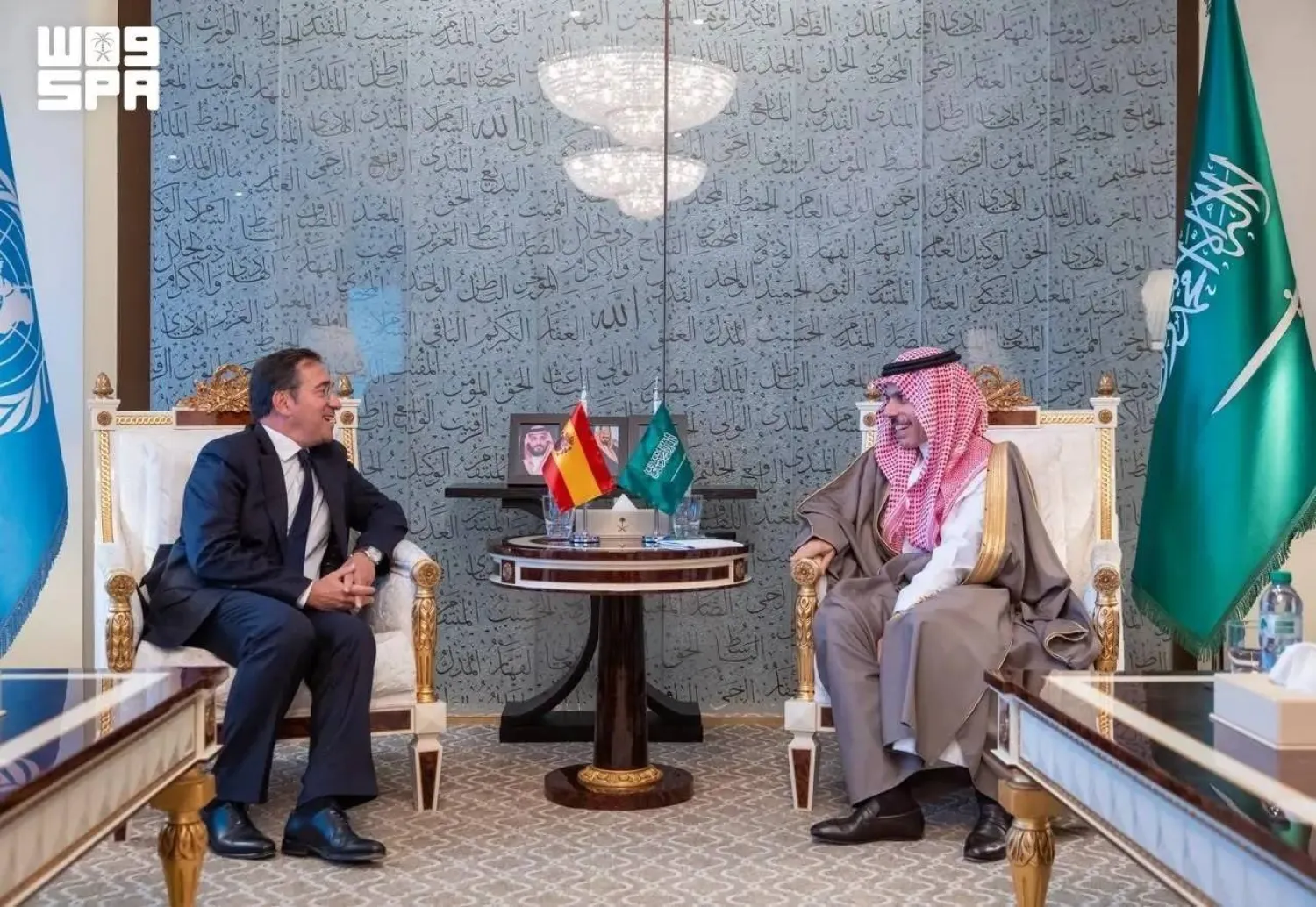
Saudi Minister of Foreign Affairs Prince Faisal bin Farhan bin Abdullah meets with Spanish Minister of Foreign Affairs José Manuel Albares Bueno. (SPA)
Saudi Foreign Minister Holds Talks with Spanish, UK Counterparts in New York
Saudi Minister of Foreign Affairs Prince Faisal bin Farhan bin Abdullah meets with Spanish Minister of Foreign Affairs José Manuel Albares Bueno. (SPA)
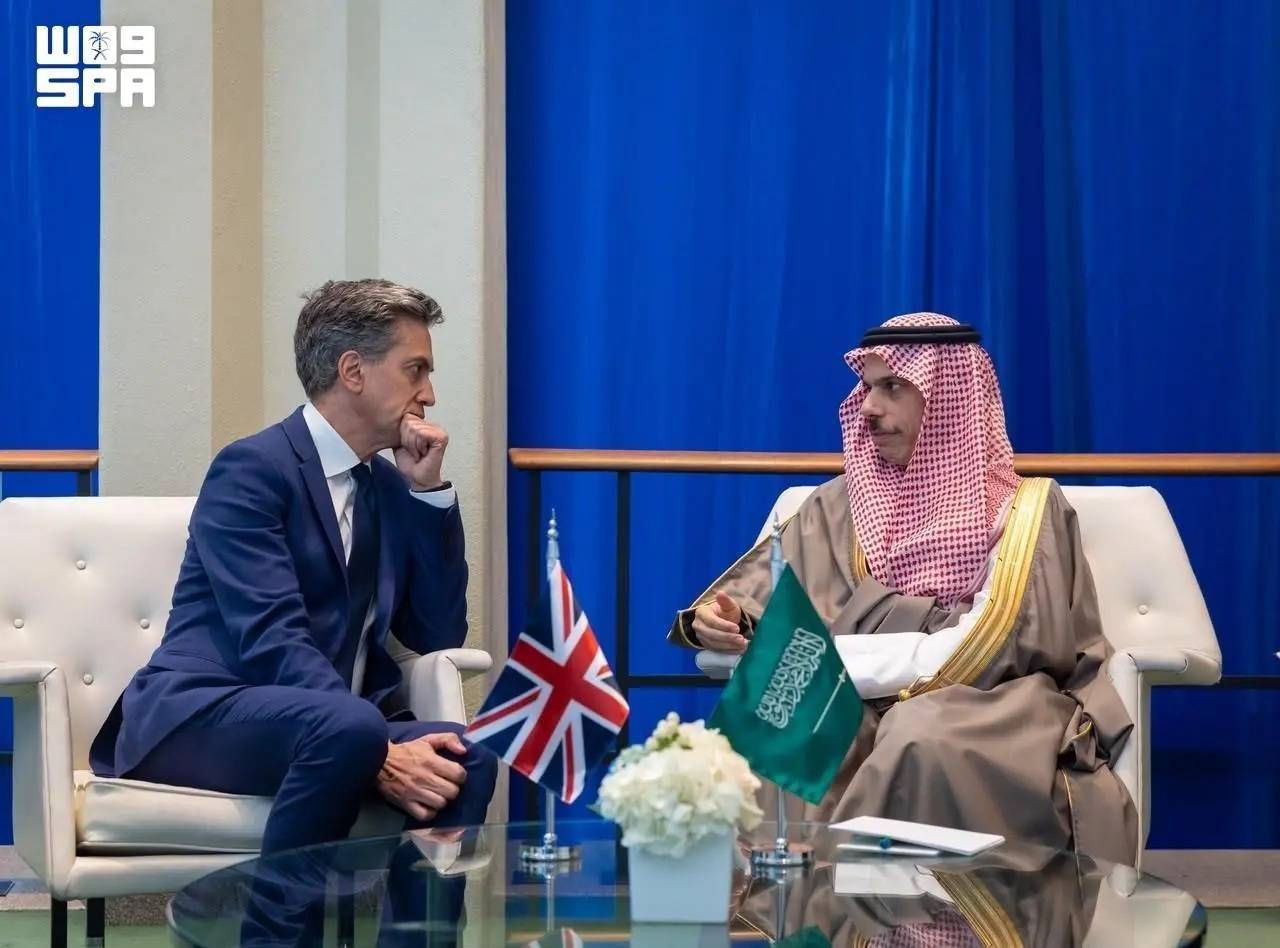
Saudi Minister of Foreign Affairs Prince Faisal bin Farhan bin Abdullah held separate meetings on Thursday in New York with Spanish Minister of Foreign Affairs José Manuel Albares Bueno and UK Secretary of State for Foreign, Commonwealth and Development Affairs Ed Miliband.
The meetings were held on the sidelines of the High-Level Week of the 81st session of the United Nations General Assembly.
During his talks with Bueno, the two ministers reviewed bilateral relations and discussed regional developments, as well as efforts to mitigate the repercussions of the current crisis in the region.
Saudi Minister of Foreign Affairs Prince Faisal bin Farhan bin Abdullah meets with UK Secretary of State for Foreign, Commonwealth and Development Affairs Ed Miliband. (SPA)
The Saudi minister reviewed with Miliband the bilateral relations between the two friendly countries. They also discussed the latest regional developments and stressed the need to continue coordination and joint efforts to maintain security and stability in the region.
لم تشترك بعد
انشئ حساباً خاصاً بك لتحصل على أخبار مخصصة لك ولتتمتع بخاصية حفظ المقالات وتتلقى نشراتنا البريدية المتنوعة