

برواس حسين: لا أفهم تعليقات الجمهور لكنني أشعر بمحبة الناس

صوت غنائي من كردستان العراق يكسر الحواجز ويتفوق على «الأجندة السياسية»

برواس حسين: لا أفهم تعليقات الجمهور لكنني أشعر بمحبة الناس
TT

برواس حسين: لا أفهم تعليقات الجمهور لكنني أشعر بمحبة الناس
برواس حسين: لا أفهم تعليقات الجمهور لكنني أشعر بمحبة الناس

بابتسامة تعلوها علامات الاستفهام، تحاول جاهدة أن تفهم معاني الكلمات الموجهة إليها. ورغم إخفاقها في استيعاب المعاني العميقة والدقيقة للكلمات، نجد ابتسامتها هي الجواب الشافي لكل سؤال. إنها مشتركة «Arab Idol» برواس حسين من كردستان العراق. غنت باللغة الكردية، فأشعلت مسرح «Arab Idol»، وغنت بالعربية لكبار الفنانين العرب، فأقامت الدنيا ولم تقعدها. رفضت أن تكون اللغة حاجزا أمام إبراز موهبتها للعالم، فاختارت برنامج المواهب الأكبر «Arab Idol» لتظهر قدراتها العابرة للحدود، وتطلق العنان لإحساسها الذي يذهب أبعد من قوالب اللغات المحكية ليخاطب وجدان كل مشاهد – مستمع وقلبه.
برواس حسين من كردستان العراق، في رصيد عمرها 24 عاما، وفي رصيد معجبيها الملايين من مختلف بلدان الشرق الأوسط وشمال أفريقيا. مقاطع الفيديو الخاصة بها على موقع «يوتيوب» تصور لنا حجم جماهيريتها، وتعليقات لجنة التحكيم على أدائها تظهر مدى احترافها. ينتظرها المشاهدون في كل أسبوع، وبفضل تصويتهم، تنتقل من مرحلة إلى أخرى. تقول برواس عن تجربتها في البرنامج، (بعد عملية ترجمة وإعادة صياغة دقيقة لجملها وكلماتها خلال المقابلة): «أنا فخورة جدا وسعيدة بمشاركتي في برنامج (Arab Idol). تمكنت من تعريف الناس بموهبتي في الغناء، ولاقيت استحسانا من الجميع في مختلف الدول العربية، فضلا عن كوني تعرفت إلى كثير من الناس من مختلف الدول، وليس العالم العربي فقط، وهذا أمر رائع بالنسبة لي. ورغم أن اللغة تقف حاجزا في تواصلي المباشر مع الجمهور العربي، فإنني أشعر بحبهم وتقديرهم لي كفنانة، وأبادلهم الشعور ذاته».
تعتبر برواس هذه التجربة صقلت موهبتها الفنية، من مختلف النواحي، فالصوت الجميل والإحساس وحدهما لا يصنعان الفنان. وتوضح برواس: «عندما اشتركت في (Arab Idol)، كنت أملك صوتا جميلا، وإحساسا عاليا وإطلالة مقبولة، لكنني أمتلك اليوم المقومات الكاملة التي تجعل مني فنانة بحق. (Arab Idol) هو أولى تجاربي الفنية، وأنا أعتبر نفسي رابحة ومستفيدة من اشتراكي في البرنامج، ليس فقط لأنني الآن ضمن الـمشتركين الـ12، بل لأن ما تعلمته من القائمين على البرنامج ولجنة التحكيم، يتطلب أعواما من الخبرة إذا ما أراد الفنان تعلمه بنفسه، خارج (Arab Idol).. فهم يهتمون بجميع التفاصيل، بدءا من تحضيراتنا قبل الصعود على المسرح، مرورا بإطلالتنا، ووصولا إلى أدائنا للأغنيات التي نختارها.. لذا، فأنا مسرورة جدا وراضية عن قراري في الاشتراك بالبرنامج».
بداية برواس حسين في «Arab Idol» كانت بداية مزدوجة، فقد وقفت أمام لجنة التحكيم برفقة أحد الأصدقاء على اعتباره يتقن اللغتين العربية والكردية. غنت بالعربية وأذهلت أعضاء اللجنة، فطلبوا منها الغناء بالكردية أيضا، فنالت 4 «نعم». الغناء بالنسبة لبرواس متعة، والغناء بالعربية بمثابة مزيد من المتعة، والتحدي الذي نجحت في تذليل عقباته حتى الآن، وذلك عبر كتابة كلمات الأغاني العربية على الورق باللغة الكردية كما تسمعها، لتقوم بحفظها لاحقا. تتابع برواس: «أحب الموسيقى العربية، والمكتبة الموسيقية في العالم العربي غنية بالكثير من الأعمال الرائعة والخالدة لعمالقة أطربوا الملايين على مر السنين. أستمع للأغاني العربية بشكل دائم، ولطالما أردت أن أغني بالعربية، ولا أنكر أنني واجهت بعض الصعوبات في اللفظ، وكذلك في نطق بعض الكلمات، ولكنني تجاوز هذه العقبات من خلال التمرين المستمر والمتواصل، إلى جانب المساعدة التي يقدمها لي المدربون من جهة، وزملائي من جهة أخرى». وعن تقييمها لتجربتها في «Arab Idol» بشكل عام، تقول برواس: «المراحل الأولى من البرنامج كانت صعبة جدا بالنسبة لي، لكنني بذلت جهدا كبيرا حتى وصلت إلى هذه المرحلة المتقدمة، إذ أصبح صوت واسم برواس حسين معروفا بين الناس، ولعل أفضل نتيجة حصدتها حتى اليوم هي حب الناس لي وتقديرهم لصوتي وإحساسي». وتتابع برواس: «إن كان مقدرا لي أن أستمر، فالفضل يعود لمحبة الناس.. ورغم أنني لا أستطيع فهم الكثير من التعليقات التي تصلني بالعربية على مواقع التواصل الاجتماعي، فإنها تشعرني بالفرح».
وخلال البرنامج، تتأرجح خيارات برواس حسين للأغنيات التي تؤديها خلال «البرايم» ما بين الغناء بالعربية والكردية، في محاولة منها لإرضاء جميع الأذواق، فهي كردية عراقية.. لذا فجمهورها كردي وعربي. وحول ذلك، تقول برواس: «أنا كردية من كردستان العراق، أعتز وأفتخر بجذوري، ولكن لا أنسى أنني مشاركة في (Arab Idol)، لذلك فاللونيْن الغنائيين العربي والكردي يكملان بعضهما البعض بالنسبة لي. لا تعنيني الجغرافيا ولا السياسة، فالفن هو اختصاصي، والفن الذي أنتمي إليه لا يعرف حدودا ولا سياسات ولا أعراقا ولا أثنيات، وبالتالي فهو لا يفرق بين عربي وكردي».
بدأت برواس الغناء في السنة الأولى لها في كلية الفنون الجميلة، قسم الموسيقى بجامعة أربيل، أما أول وقوف لها على المسرح أمام الجمهور، فكان في مهرجان كلية الفنون الجميلة. تلقى برواس حسين دعما كبيرا من الشارع في كردستان وأنحاء العراق كافة، فصورها منتشرة في معظم المدن، على السيارات وفي المقاهي وعلى الجدران في الشوارع.. وحملات التصويت والدعم تنظم بشكل أسبوعي لمساندة برواس التي تحصد الأصوات من مختلف الدول العربية، وهو الأمر الذي لطالما دعت إليه لجنة التحكيم حين طلبت من المشاهدين أن يصوتوا للموهبة، وليس البلد. شكرت برواس كل من ساندها وصوت لها أو طبع صورتها ووزعها، وخصت عائلتها وأصدقاءها على الدعم المعنوي. وختمت حديثها برسالة وجهتها لمحبيها في العالم العربي وخارجه، قائلة: «أقول للجمهور العربي شكرا من القلب، وإذا كتب لي النجاح في هذا المشوار إن شاء الله، فسأضع كل مقدرتي الفنية لأقدم الفن الذي يرضيكم، فأنتم جمهور عظيم، وحبكم لي حب عظيم. وأتوجه لكل الأكراد في أنحاء العالم بجزيل الشكر على التشجيع والدعم والتصويت، وأقول لهم سأكون عند حسن ظنكم - إن شاء الله».


Azerbaycan, ABD yaptırımları nedeniyle İran uçuşlarını askıya aldı

Azerbaycan, ABD yaptırımları nedeniyle İran uçuşlarını askıya aldı
TT

Azerbaycan, ABD yaptırımları nedeniyle İran uçuşlarını askıya aldı

Azerbaycan, ABD yaptırımları nedeniyle İran uçuşlarını askıya aldı

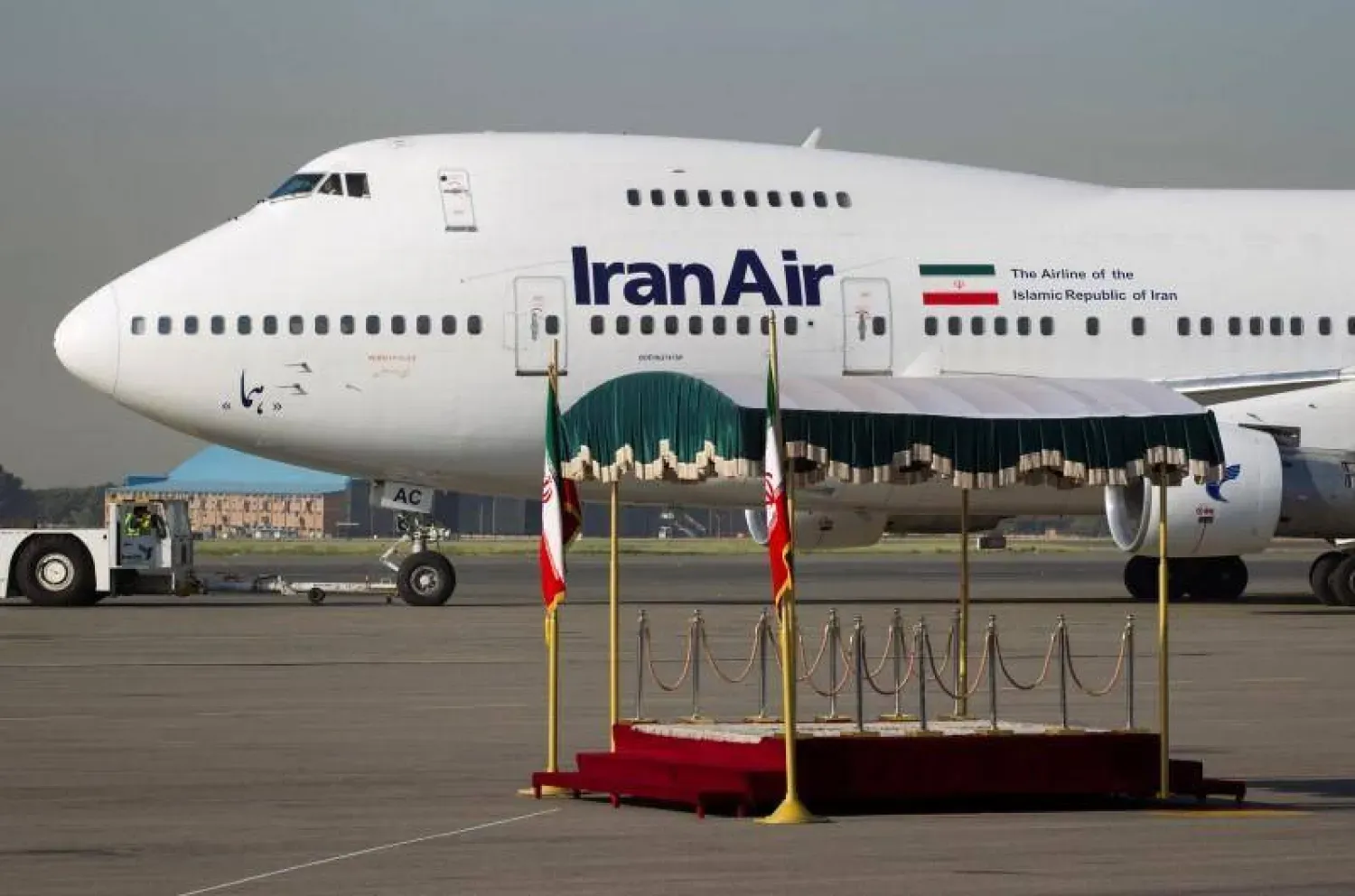
Azerbaycan Havayolları yaptığı açıklamada, Bakü’nün ABD yaptırımları nedeniyle İran hava yolu şirketlerinin Azerbaycan’a uçuşlarını yasakladığını duyurdu.

Şarku’l Avsat’ın Sputnik’ten aktardığına göre şirketten dün yapılan açıklamada, “ABD’nin İran’a yönelik uygulamaya koyduğu yeni yaptırım paketi, özellikle havacılık sektörüne getirilen yaptırımlar nedeniyle, İran hava yolu şirketlerinin Azerbaycan’a gerçekleştirdiği uçuşların 22 Eylül 2026’dan itibaren askıya alınmasına karar verilmiştir” ifadelerine yer verildi.

ABD Hazine Bakanı Scott Bessent ise pazartesi günü yaptığı açıklamada, yaptırımlar kapsamında 23 Eylül’den itibaren İran hava yolu şirketlerinin uçuş gerçekleştiremeyeceğini ve yer hizmetlerinden de yararlanamayacağını belirtti.


Gaza’s Damaged Buildings Face Growing Risk of Collapse as Winter Approaches

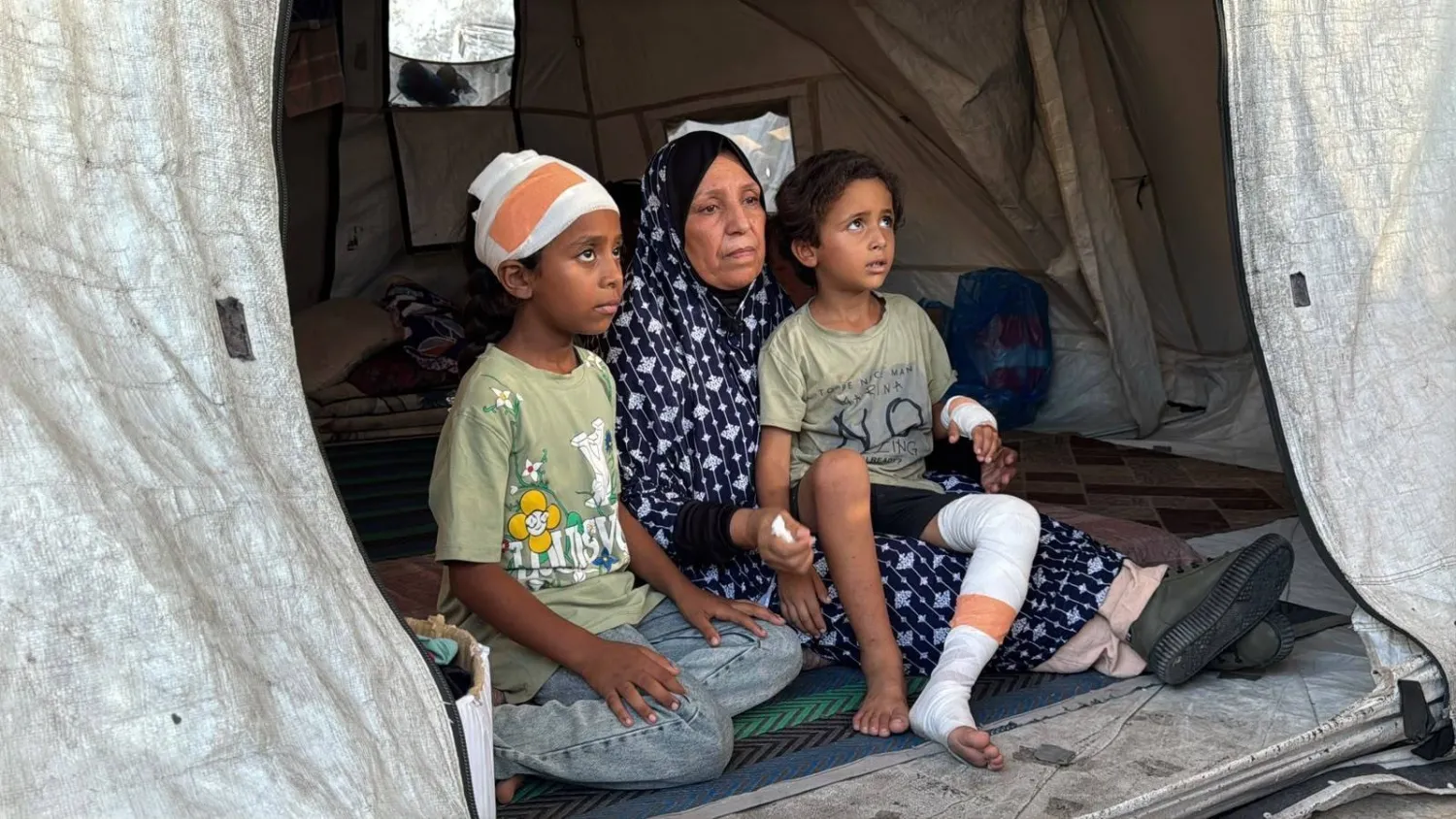
Palestinian Umm Iyad Azzam sits with her two grandchildren who survived the collapse of the Al-Saada building in Gaza (Asharq Al-Awsat) 
TT

Gaza’s Damaged Buildings Face Growing Risk of Collapse as Winter Approaches

Palestinian Umm Iyad Azzam sits with her two grandchildren who survived the collapse of the Al-Saada building in Gaza (Asharq Al-Awsat) 

When 69-year-old Umm Iyad Azzam heard that the Al-Saada building in the Al-Sinaa area of southwest Gaza City had collapsed, she rushed from the tent where she was staying, about 400 meters away, searching for her daughter-in-law and grandchildren.

There, she learned that her daughter-in-law, Islam, and grandson Rizq had been killed. Residents and Civil Defense crews managed to rescue two other grandchildren, along with dozens of people trapped beneath the rubble.

Reeling from her loss, Azzam then hurried to Al-Shifa Medical Complex, itself heavily damaged by the Israeli war, to bid farewell to those who had died and check on those who survived.

Her relatives were among dozens of casualties in the collapse of the six-story Al-Saada building about a week ago. The building had been damaged during the Israeli war after being struck in earlier raids and a series of heavy bombardments at the start of the conflict in October 2023.

Gaza officials estimate that around 2,000 inhabited buildings across the territory are at risk of collapse.

Recalling the first moments after the disaster, Azzam told Asharq Al-Awsat that her eldest son, Iyad, was away from his family when he received a call about the collapse. He immediately headed there without alarming her. A short time later, another daughter-in-law told Azzam that the building housing Iyad’s family had fallen on its occupants.

“There is no safety in Gaza. No one can feel secure about their life,” Azzam said. “Danger threatens everyone, wherever they are, in a tent, a house or a building at risk of collapse.”

“Every home is in mourning, and if it isn’t today, it will be tomorrow,” she added. “We’ve had enough suffering and massacres. We want a solution.”

Twenty-one Palestinians were killed in the Al-Saada building collapse, while 45 others were injured and rescued. About 35 escaped after leaving the building before it fell.

Dozens of tents housing displaced people surround the site, alongside another damaged residential building at risk of collapse, fueling fears that the disaster could be repeated.

Mahmoud Basal, spokesman for Gaza’s Civil Defense, warned that structurally unsafe buildings posed a major threat across the territory. More than 2,000 were at risk of collapse and all were inhabited by civilians, he told Asharq Al-Awsat. Even the least crowded building houses around 10 people, while some accommodate more than 100.

Nowhere else to go

Aref Fura, 57, a displaced resident of the same area who himself lives in a damaged building, explained that those sheltering in Al-Saada had lost their homes, property, savings and livelihoods during the war.

With nowhere else to go, they remained there until the last moment despite signs that the building might collapse.

Their response, Fura recalled, was always the same: “Where will we go? Where can we go? There is nowhere else.”

More than two million Palestinians were now crowded into around 70 square kilometers after Israel occupied about 70 percent of the Gaza Strip, Fura said, arguing that this had pushed residents into thousands of buildings at risk of collapse.

Displaced from Gaza City’s Shujaiya neighborhood, he witnessed the first moments of the Al-Saada disaster.

“We held our breath after the building buried its residents beneath the rubble, without being able to do anything,” he recalled.

Now the approaching winter is deepening fears among those living in Gaza’s damaged buildings, with rainfall expected to heighten the risk of further collapses.

“People have no real options for dealing with the current reality, especially with winter approaching and the genuine threat it poses to those in buildings at risk of collapse and even those living in tents,” Fura warned.

“I personally live in a dangerous building. All of Gaza is living under a similar threat, and even those in tents are living beside buildings at risk of collapse, so their lives are in danger too.”

He appealed to the world to find solutions for Gaza’s residents, who he said faced a genuine threat. “All they want is to live safely, nothing more.”

‘We are forced to sleep on chairs’

For Bassam Naseer, 48, displaced from Beit Hanoun, danger is part of daily life.

Naseer described living in humiliating and difficult conditions, fearing that the roof sheltering his family could collapse. He shares a small room and an empty, damaged storefront near the site of the Al-Saada rubble with his family of eight. His son-in-law and his six-member family live with them.

The structure could collapse at any moment, Naseer told Asharq Al-Awsat, but the only alternatives were a tent or the street.

“No one knows who will live and who will die, because every winter this place floods, and we are forced to sleep on chairs,” he said.

He noted that several airstrikes, as well as the collapse of Al-Saada about 150 meters away, had worsened cracks and structural damage in the roof of the storefront.

“We can’t live like this. There are no solutions or options, and no one tells us we can live with dignity, because dignity is gone,” Naseer said. “Things are extremely difficult for us. There are no tarpaulins, tents or caravans. We cover ourselves with scraps of worn fabric.”

For Naseer and hundreds of thousands of other displaced people, the hardship extends beyond winter and unsafe shelter.

Rodents force him to stay awake at night to keep them away from his children, while mosquitoes and other insects leave him and his wife struggling to sleep as they try to protect their family.

“This is not a life,” he said. “Let the officials come and see how we live.”

Winter brings greater danger

Gaza’s Civil Defense has warned of the risk of further collapses.

In the 24 hours from Saturday afternoon to Sunday afternoon following the Al-Saada disaster, crews responded to several incidents involving homes previously hit by Israeli strikes and classified as uninhabitable but occupied by displaced residents because no alternative housing was available.

Several families were rescued after partial collapses in buildings and homes across Gaza City, including in the Zeitoun and Sheikh Radwan neighborhoods.

Civil Defense prevention and safety teams also inspected several cracked homes and told residents of four to evacuate and move to safer accommodation.

Basal explained that Civil Defense repeatedly urges residents to leave unstable buildings, only to receive the same response: “What is the alternative?”

He argued that addressing the problem was the responsibility of the international community, calling for intervention to evacuate residents and provide safe alternatives.

“Tents are not fit to live in, either in summer or winter,” Basal warned. “We are already living through difficult conditions, and now winter is approaching. It has become the nightmare and the great danger facing Gaza’s residents — those living in buildings at risk of collapse, those in tents and those living anywhere in Gaza.”

“The lives of all Gaza’s residents are threatened by the coming winter,” he added, urging the international community and international organizations to intervene immediately to protect civilians and provide a safe environment.

Such intervention, he continued, would allow residents to move from dangerous areas to safer ones and “provide them with a dignified life instead of the danger that accompanies them all the time.”


الأسهم الأوروبية ترتفع بدعم من تراجع النفط وترقب بيانات النشاط الاقتصادي

رسم بياني لسعر سهم مؤشر «داكس» الألماني في بورصة فرانكفورت (رويترز)
TT

الأسهم الأوروبية ترتفع بدعم من تراجع النفط وترقب بيانات النشاط الاقتصادي

رسم بياني لسعر سهم مؤشر «داكس» الألماني في بورصة فرانكفورت (رويترز)

ارتفعت الأسهم الأوروبية قليلاً يوم الأربعاء، مدعومة بتراجع أسعار النفط الذي عزز معنويات المستثمرين، فيما يترقب المتعاملون بيانات رئيسية عن نشاط الأعمال من المقرر صدورها في وقت لاحق اليوم.

وارتفع المؤشر الأوروبي «ستوكس 600» بنحو 0.4 في المائة إلى 645.04 نقطة بحلول الساعة 07:08 بتوقيت غرينتش، في حين جرى تداول معظم مؤشرات الأسواق الرئيسية في المنطقة على ارتفاع، وفق «رويترز».

ويترقب المستثمرون صدور القراءة الأولية لمسح مؤشر مديري المشتريات (PMI) لمنطقة اليورو، الذي تُجريه «ستاندرد آند بورز غلوبال» لشهر سبتمبر (أيلول)، والذي قد يقدم مؤشرات جديدة على أداء اقتصاد المنطقة.

وتصدّرت أسهم قطاعَي الطيران والدفاع مكاسب القطاعات، وكانت شركتا «ساب» و«إكسوسينس» من بين الأسهم الأفضل أداءً.

وواصلت أسعار النفط تراجعها، في الوقت الذي يقيّم فيه المستثمرون احتمالات زيادة الإمدادات. ومع ذلك، ارتفعت أسهم شركات الطاقة 0.8 في المائة.

وعلى صعيد الأسهم الفردية، تراجع سهم شركة «كيه دبليو إس» بنسبة 6.1 في المائة، بعدما أعلنت شركة إنتاج البذور الألمانية انخفاض صافي مبيعاتها السنوية 3 في المائة إلى 1.63 مليار يورو (1.86 مليار دولار)، دون تقديرات «آي بي إي إس» البالغة 1.68 مليار يورو، متأثرة بتراجع المساحات المزروعة بالبنجر والذرة.

وانخفض سهم شركة أديين بنحو 2 في المائة، بعدما عيّنت شركة المدفوعات الهولندية «نيكلاس نيغلن»، من «كلارنا»، مديراً مالياً جديداً لها، على أن يتولى منصبه بدءاً من 1 فبراير (شباط) 2027.