
اختبار جودة تحميص البن بتطبيق إلكتروني

التطبيق يحدد درجة تحميص حبوب البن من لونها (فريق البحث)
TT

اختبار جودة تحميص البن بتطبيق إلكتروني

التطبيق يحدد درجة تحميص حبوب البن من لونها (فريق البحث)

تعتمد جودة ونكهة القهوة على عوامل مختلفة، بما في ذلك الظروف التي تزرع فيها نباتات البن، وكذلك العمليات التي يتم من خلالها تخزين حبوب البن ومعالجتها وتحميصها.
وتحديد مدى تحميص حبوب البن ليس بالأمر السهل دائماً على البشر، لأنه يتطلب أحياناً تدريباً أو خبرة متخصصة، ولحل هذه المشكلة طوّر فريق بحثي من جامعة الملك مونغكوت للتكنولوجيا في تايلاند، تطبيقاً للهواتف الذكية يمكن أن يساعد في تحديد مقدار تحميص حبوب البن عن طريق تحليل صورها.
وهذا التطبيق، المقدم في ورقة منشورة أول من أمس، على موقع ما قبل نشر الأبحاث «أرخايف»، يعتمد على تقنيات التعلم العميق، وكتب الباحثون في ورقتهم: «نظراً لأن نكهة كل نوع من أنواع القهوة تعتمد على درجة تحميص حبوب البن، فمن الضروري الحفاظ على جودة تتعلق بدرجة التحميص».
ويعتمد نموذج التعلم العميق الذي طوره الباحثون على «شبكة عصبية تلافيفية»، حيث قام الباحثون بتدريبها على مجموعة بيانات تحتوي على صور لحبوب البن المحمصة.
وكانت حبوب البن من أربعة أنواع مختلفة، وهي حبوب البن الخضراء غير المحمصة، وتلك المحمصة قليلاً، ومتوسطة التحميص، وحبوب البن البرازيلية الغامقة المحمصة بشدة، واحتوت مجموعة البيانات على إجمالي 4800 صورة، بمعدل 1200 لكل مجموعة.
وتعمل طريقة التعلم العميق للباحثين من خلال تحليل لون حبوب البن على وجه التحديد، وبعد أن قاموا بتدريب نهجهم القائم على «شبكة عصبية تلافيفية»، طبقوه على تطبيق أندرويد، الذي يسمح للمستخدمين بسرعة تحديد مدى تحميص حبوب البن، ببساطة عن طريق إرسال صورتها.
وفي الاختبارات الأولية، حقق نهج التعلم العميق للباحثين نتائج واعدة، ومع ذلك، فإن تطبيقهم لا يأخذ في الاعتبار أصل حبوب البن، التي يمكن أن تؤثر أيضاً على لونها، ما يؤدي في بعض الأحيان إلى حدوث أخطاء.
ويأمل الباحثون في دراساتهم التالية في تحسين أداء تقنيتهم بشكل أكبر، ولكن حتى يفعلوا ذلك سيحتاجون إلى مجموعة بيانات أكثر تنوعاً.
ويقول الباحثون في ورقتهم: «يجب الوصول إلى بيانات من حبوب البن من مناطق مختلفة لمواصلة تطوير هذا المشروع، وسيساعد ذلك في التنبؤ بدقة وكفاءة».
وفي المستقبل، إذا تم إتقان خوارزمية الباحثين وتدريبها على مجموعة بيانات أكثر تنوعاً، فيمكن استخدامها من قبل خبراء صناعة القهوة لتقييم جودة حبوب البن.


مقالات ذات صلة

«اعتدال» و«تلغرام» يزيلان 34.3 مليون مادة متطرفة… وإغلاق 1.2 ألف قناة

الخليج تبرز جهود مركز «اعتدال» وشركائه في مواجهة المحتوى المتطرف على المنصات الرقمية (واس)

«اعتدال» و«تلغرام» يزيلان 34.3 مليون مادة متطرفة… وإغلاق 1.2 ألف قناة

نجح المركز العالمي لمكافحة الفكر المتطرف «اعتدال» بالشراكة مع منصة «تلغرام» في إزالة 34 مليوناً و290 ألفاً و268 مادة متطرفة، وإغلاق 1.275 قناة استخدمت في نشرها.

«الشرق الأوسط» (جدة)
تكنولوجيا أداة تستنسخ صوتك وتُولِّد كلاماً محلياً دون إنترنت «Voicebox»

استوديو صوت يعمل بالذكاء الاصطناعي داخل جهازك... يدعم اللغة العربية

أداة مفتوحة المصدر تدعم اللغة العربية وتجمع استنساخ الصوت والإملاء وتحرير المشروعات الصوتية.

عبد العزيز الرشيد (الرياض)
تكنولوجيا وصلت الميزة إلى عدد محدود من المستخدمين ضمن المرحلة التجريبية «تيك توك»

«تيك توك» يختبر المكالمات الصوتية داخل الرسائل الخاصة

لم يعلن «تيك توك» رسمياً عن موعد الإطلاق عالمياً، كما لم يؤكد ما إذا كانت ستتوفر لجميع الحسابات عند الإطلاق أو ستبدأ في أسواق محددة قبل تعميمها.

عبد العزيز الرشيد (الرياض)
تكنولوجيا يتوفر الآن تحديث «iOS 26.6» ويتضمن تحسينات للاستقرار وإصلاحات أمنية مهمة (أبل)

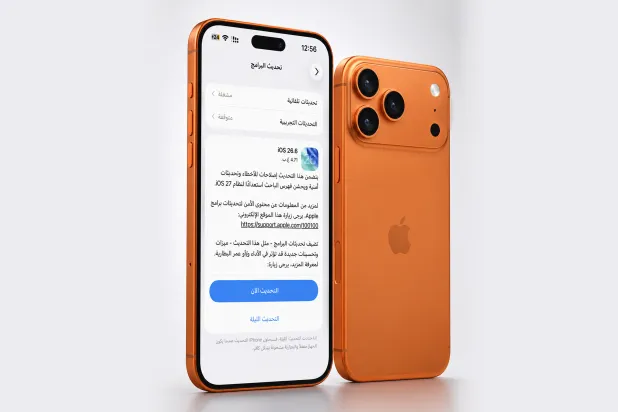
«أبل» تطلق «iOS 26.6» مع أكثر من 40 إصلاحاً أمنياً وتحسينات للاستقرار

يتضمن التحديث إصلاحات للأخطاء البرمجية، إلى جانب تحديثات أمنية مهمة تعالج أكثر من 40 ثغرة في مكونات مختلفة من النظام

عبد العزيز الرشيد (الرياض)
تكنولوجيا «باي»: تطبيق للصداقات باختبارات نفسية لتحديد توافق الشخصيات

«باي»: تطبيق للصداقات باختبارات نفسية لتحديد توافق الشخصيات

يجمع 6 أشخاص متوافقين في دردشة جماعية.

إليزابيث سيغران (واشنطن)

«عدوى الاحتجاج» تجتاح المدارس الفرنسية وتستنفر الأجهزة الأمنية

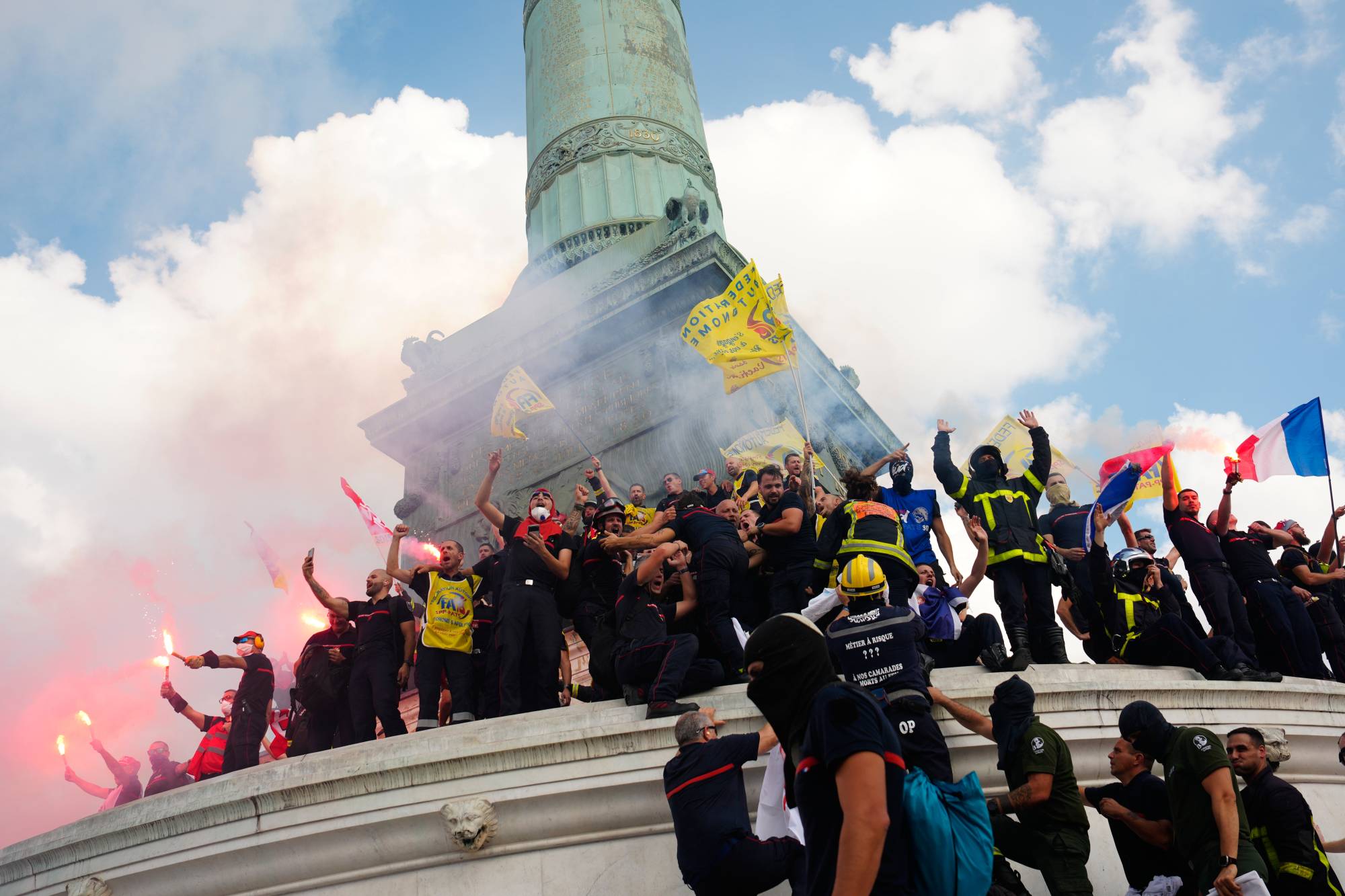
مظاهرات للتلاميذ في فرنسا (أ.ب)
TT

«عدوى الاحتجاج» تجتاح المدارس الفرنسية وتستنفر الأجهزة الأمنية

مظاهرات للتلاميذ في فرنسا (أ.ب)

شهدت العاصمة الفرنسية باريس وعدة مدن رئيسية أخرى، فصلاً جديداً من فصول التوتر الاجتماعي، حيث تحولت محيطات المئات من المدارس الثانوية إلى ساحات مواجهة مفتوحة بين قوات الأمن وآلاف الطلاب المحتجين.

وجاء هذا التصعيد المتسارع بالتزامن مع إضراب وطني شامل لقطاع الوظيفة العامة، احتجاجاً على مشروع الميزانية التقشفية الذي طرحته حكومة رئيس الوزراء سيباستيان لوكورنو.

وأسفرت المواجهات عن إشعال حواجز من حاويات القمامة، ورشق رجال الأمن بالمقذوفات والألعاب النارية، مما دفع الشرطة للرد باستخدام الغاز المسيل للدموع والهراوات لتفريق التجمعات، وسط تقارير رسمية تؤكد وقوع عشرات الإصابات ومئات التوقيفات في صفوف الشبان.

بدأت شرارة التحركات بشكل تدريجي في إقليم «إيل دو فرانس» المحيط بالعاصمة، قبل أن تتسع رقعتها بسرعة فائقة لتطال مدناً كبرى مثل ليل، ورين، وليون، وغرونوبل، ونيس.

وأعلنت وزارة التربية الوطنية الفرنسية أن الاضطرابات ومحاولات الإغلاق طالت نحو 400 مدرسة ثانوية في أنحاء البلاد، حيث نجح الطلاب في فرض حصار كامل على عشرات منها باستخدام الصناديق الخشبية والحاويات لمنع دخول التلاميذ والكوادر الإدارية.

«رهن الاعتقال الدراسي»: جذور الأزمة ومطالب التلاميذ

لم يكن هذا الانفجار الطلابي وليد الصدفة، بل جاء تتويجاً لتراكمات حادة يشتكي منها تلاميذ المرحلة الثانوية (الذين تتراوح أعمارهم بين 15 و18 عاماً).

وتتلخص مطالب الحراك في تدهور بيئة التعليم داخل المؤسسات التربوية، حيث رفع طلاب ثانوية «لامارتين» في باريس لافتات تعكس عمق الأزمة كُتب عليها: «ساعات دراسة أكثر من ساعات النوم» وتساءلوا: «هل نحن تلاميذ أم رهن الاعتقال؟».

مظاهرات للتلاميذ في فرنسا (أ.ب)

ويشير المحتجون بمرارة إلى الاكتظاظ الخانق داخل الفصول الدراسية، والنقص الحاد في الكوادر التعليمية وغياب البدلاء للمدرسين خلال الإجازات، فضلاً عن الجداول الدراسية المزدحمة التي تمتد أحياناً من الثامنة صباحاً وحتى السادسة مساءً.

وزاد من طين الأزمة بلة تدهور البنية التحتية لبعض المدارس، ولا سيما في الضواحي الفقيرة، حيث عانى الطلاب داخل قاعات دراسية تفتقر للتجهيز، ومفرطة الحرارة خلال موجات الحر الأخيرة. ولم تقتصر المطالب على شؤون الطلاب، بل أعلنوا تضامنهم مع معلميهم الذين يواجهون أعباء وظيفية ضخمة لا تتناسب مع أجورهم الزهيدة.

مظاهرات للتلاميذ في فرنسا (أ.ب)

سين سان دوني: الضواحي تختبر عمق التفاوت الطبقي

واتخذت الاحتجاجات أبعاداً أكثر راديكالية في الضواحي الباريسية ذات الدخل المحدود، ولا سيما في منطقة «سين سان دوني» شمال العاصمة، وهي المنطقة التي تعاني تاريخياً من التهميش الاقتصادي. وأمام ثانوية «بول إيلوار» في مدينة سانت دوني، اشتبك مئات الطلاب المقنعين مع شرطة مكافحة الشغب، حيث أُطلقت الألعاب النارية بكثافة تجاه قوات الأمن التي ردت بقسوة باستخدام الدروع والهراوات.

«الحريق السياسي»: الاتهامات المتبادلة بين الحكومة واليسار

سرعان ما تحول غضب المدارس إلى مادة دسمة للمعارك السياسية تحت قبة البرلمان الفرنسي وفي وسائل الإعلام. ودخل رئيس الوزراء سيباستيان لوكورنو على خط الأزمة، واصفاً تصعيد الاحتجاجات داخل الحرم التعليمي بأنه «سلوك غير مسؤول ومرفوض».

ووجه لوكورنو أصابع الاتهام مباشرة إلى حزب «فرنسا الأبية» (اليسار الراديكالي)، متسائلاً عن دور نوابه في تذكية نيران الشارع وتحريض المراهقين على الفوضى واستهلاك طاقات الأجهزة الأمنية.

في المقابل، رفضت المعارضة اليسارية والنقابات العمالية هذه السردية الحكومية. وقالت صوفي بينيه، الأمينة العامة لنقابة «الكونفدرالية العامة للشغل» (CGT)، إن الغضب الشبابي والعمالي هائل ومشروع، محذرة من أن خطط الميزانية التقشفية للحكومة تقود البلاد مباشرة نحو «جدار الركود الاقتصادي».

وانتقدت النقابات لجوء السلطة المفرط للحل الأمني، معتبرة أن إرسال قوات مكافحة الشغب وشرطة التدخل السريع (CRS) لمواجهة قاصرين يطالبون بطاولات ومدرسين، هو «فضيحة مطلقة تنذر بمزيد من الانزلاقات العنيفة».


What to Know about the Terrifying FlyDubai Flight Bound for Israel

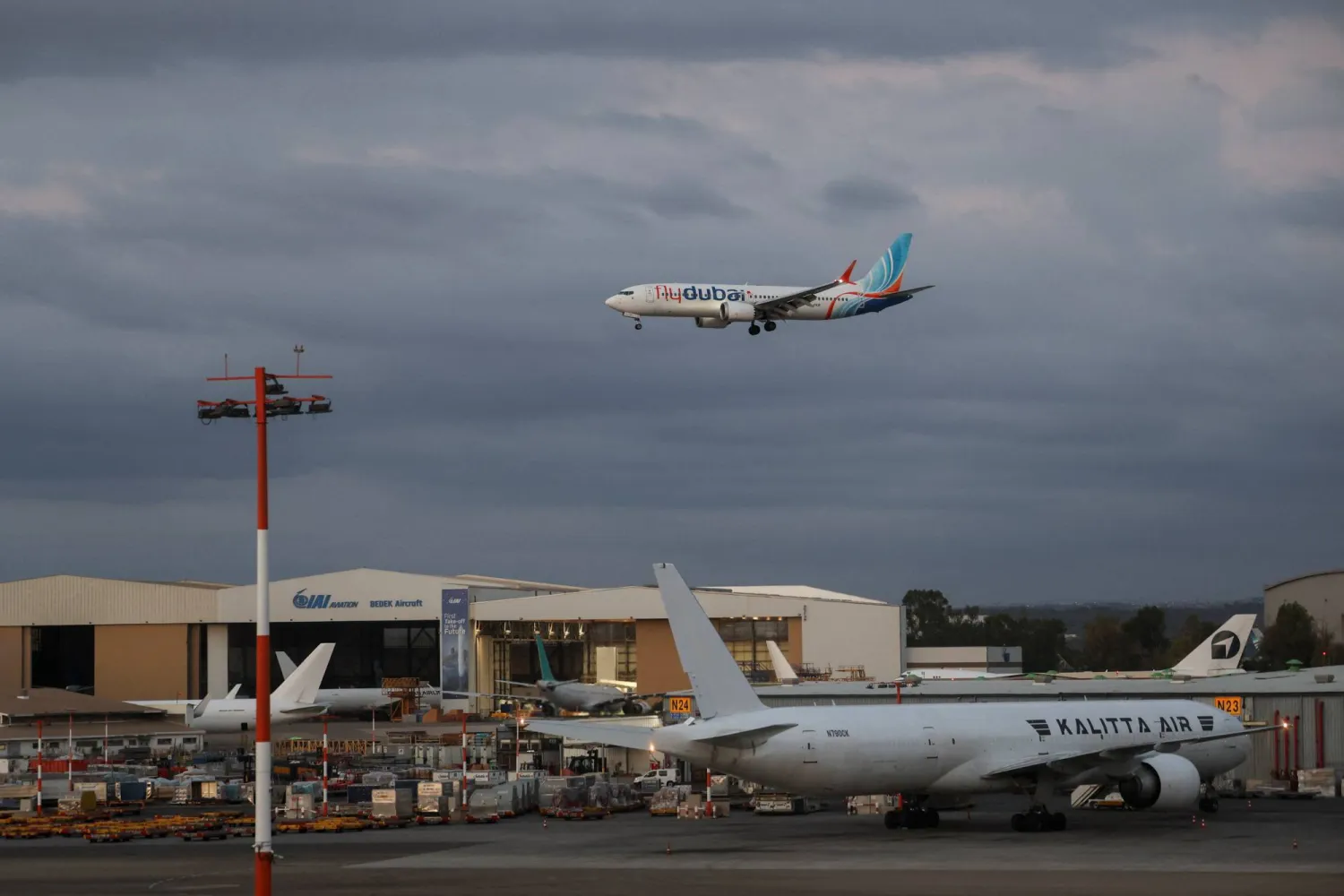
A plane, carrying passengers who were on the FlyDubai aircraft bound for Israel from the United Arab Emirates, which was diverted to Saudi Arabia following an emergency signal, arrives at the Ben Gurion International Airport, in Lod, near Tel Aviv, Israel, September 30, 2026. REUTERS/Ammar Awad
TT

What to Know about the Terrifying FlyDubai Flight Bound for Israel

A plane, carrying passengers who were on the FlyDubai aircraft bound for Israel from the United Arab Emirates, which was diverted to Saudi Arabia following an emergency signal, arrives at the Ben Gurion International Airport, in Lod, near Tel Aviv, Israel, September 30, 2026. REUTERS/Ammar Awad

One pilot stabbed another and attempted to crash a flight from the United Arab Emirates to Israel.

Passengers, many of them Israelis, feared for their lives as the FlyDubai aircraft lost half its altitude in about a minute.

As Israel scrambled fighter jets out of concern for a possible hijacking, a passenger and crew member burst into the cockpit to subdue the attacker, enabling other crew members to gain control of the aircraft, which landed safely in Saudi Arabia.

It was not clear what motivated Wednesday's attack.

The terrifying flight occurred just days before the anniversary of the Oct. 7, 2023, attack on Israel that launched the war in Gaza. It has rekindled anxieties about airline security and focused attention on an unsettling question: Are pilots a significant threat to the flying public's safety?

Here’s what we know — and don’t know — about what happened on FlyDubai flight FZ1073:

A fight, an alert and a rapid descent

The distress call came at 8:44 a.m. local time, about two and a half hours after the flight with about 170 passengers left Dubai and headed to Tel Aviv.

The captain and first officer had been fighting in the cockpit after one stabbed the other and tried to crash the aircraft, according to Israeli Prime Minister Benjamin Netanyahu.

The aircraft swiftly lost altitude — dropping from 33,000 feet to 17,000 feet (around 10,000 meters to 5,100 meters) in the span of about a minute. It then circled close to the Jordanian border before landing in Tabuk, Saudi Arabia, about an hour later.

Aviation experts said they were surprised that the plane did not crash after a descent so extreme that most of the rudder was ripped off the tail.

Both pilots suffered injuries that required hospital treatment, according to a statement from Tabuk's Prince Sultan bin Abdulaziz International Airport.

A plane carrying passengers from the flight landed Wednesday evening in Israel.

Passengers and crew wrest control

A passenger and a crew member managed to enter the cockpit, enabling other crew members to fly the plane to a safe landing, according to Netanyahu, who cited a passenger he had spoken to.

The cockpit door on all aircraft is locked during flight for security reasons — a measure that became the industry standard after the Sept. 11, 2001 attacks, in which hijackers broke into the cockpits of four domestic flights in the United States.

Netanyahu said on X that the pilot who had been stabbed opened the cockpit door, which "enabled passengers and crew to overpower the attacker — preventing a catastrophic midair disaster.”

What security checks do pilots undergo? One question surrounding this incident is how anyone on the aircraft — especially a pilot — was able to get a knife onboard. It's unclear how big the knife was that was used in the attack or if it was a knife.

In an interview with Fox News Channel’s Sean Hannity that aired Wednesday night, Netanyahu said the attacker might have hit the captain with an axe. Airlines are generally required to carry crash axes in the cockpit for use in an emergency to break open a window to escape or break open a panel to access a fire.

Pilots undergo rigorous screening, including passing through metal detectors, at checkpoints at all airports. It's also standard for airlines to vet their pilots' background for criminal and employment history, their physical and mental health, as well as having them undergo intelligence and security screening.

Israel has some of the most stringent airline security measures worldwide. Passengers on Israel-bound flights regularly are taken aside for questioning and baggage searches after passing through normal airport security.

There have been extremely rare occasions when airline security protocols fail. In 2015, the co-pilot of Germanwings Flight 9525 locked the captain out of the cockpit and deliberately set the plane on a collision course with a mountainside, killing all 150 people aboard.

Cockpit struggles have been blamed in past crashes

On Oct. 31, 1999, EgyptAir Flight 990 went down off the Massachusetts island of Nantucket killing 217 aboard, and investigators at the time said the evidence pointed to it being intentionally crashed into the ocean by its co-pilot after a struggle in the cockpit.

In its final report adopted in 2002, the National Transportation Safety Board said the co-pilot was heard on the cockpit voice recorder saying “I rely on God” as the plane was going down, while the captain repeatedly urged him to “pull up with me.”

The evidence led the NTSB to conclude that the crash was not the result of a mechanical failure but was “the result of pilot inputs, including opposing pilot inputs where the relief first officer was commanding nose-down and the captain was commanding nose-up movement.”


Egypt-Gulf Talks Seek to Reduce Regional Tensions

Egypt-Gulf Talks Seek to Reduce Regional Tensions
TT

Egypt-Gulf Talks Seek to Reduce Regional Tensions

Egypt-Gulf Talks Seek to Reduce Regional Tensions

Egyptian-Gulf consultations are ongoing to ease tensions across the region, with Cairo stressing the importance of coordinated efforts and unified action to prevent the conflict from widening.

Egyptian Foreign Minister Badr Abdelatty held a phone call with his Saudi counterpart, Prince Faisal bin Farhan, as part of ongoing communication between the two nations to consult and coordinate on issues of mutual concern.

According to a statement issued by Egypt's Foreign Ministry on Wednesday, the two ministers discussed the fraternal and strategic relationship between Egypt and Saudi Arabia and reaffirmed their commitment to advancing joint cooperation mechanisms across various sectors.

Foreign Ministry spokesman Nader Zaki said the ministers reviewed regional developments, including the situations in Yemen, Iran, and the Red Sea region, and agreed on the need to preserve freedom of navigation in the Red Sea and the Bab al-Mandab Strait.

Abdelatty stressed Egypt's full support for Saudi Arabia's security and stability, reiterating Cairo's firm rejection of any attacks on Saudi territory or attempts to undermine its safety. He also affirmed Egypt's solidarity with all measures taken by the Kingdom to safeguard its sovereignty and security.

In a separate call with Qatari Prime Minister and Foreign Minister Sheikh Mohammed bin Abdulrahman Al Thani, Abdelatty discussed developments related to the crisis with Iran and the recent escalation in the region.

He underscored the importance of supporting political and diplomatic pathways to resolve the current crisis in a manner that enhances regional security and stability.

The Egyptian minister also outlined Cairo's position on the regional crises under discussion, including developments in Yemen, Iran, and the Red Sea region. He stressed the need to maintain freedom of navigation in the Red Sea and the Bab al-Mandab Strait and rejected the use of strategic waterways and maritime passages as tools of pressure or bargaining in regional disputes.

Abdelatty also held a phone conversation with UAE Deputy Prime Minister and Foreign Minister Sheikh Abdullah bin Zayed Al Nahyan.

According to the Foreign Ministry spokesman, the call focused on ways to further strengthen the fraternal and strategic ties between Egypt and the United Arab Emirates across various fields.

The discussion also addressed the latest regional developments, with Abdelatty emphasizing the importance of intensifying efforts to de-escalate tensions, contain crises, and support political and diplomatic solutions to ongoing conflicts.

On Wednesday, Abdelatty also spoke with Massad Boulos, Senior Adviser to the US President for Arab and African Affairs, to discuss a number of regional and international issues of mutual interest.

Egypt's Foreign Ministry said the conversation addressed the strategic partnership between Cairo and Washington as well as developments across the region, particularly in Sudan.

Abdelatty reiterated Cairo's position on the importance of preserving the unity and sovereignty of states and protecting their legitimate national institutions in order to safeguard the interests of the Sudanese people.

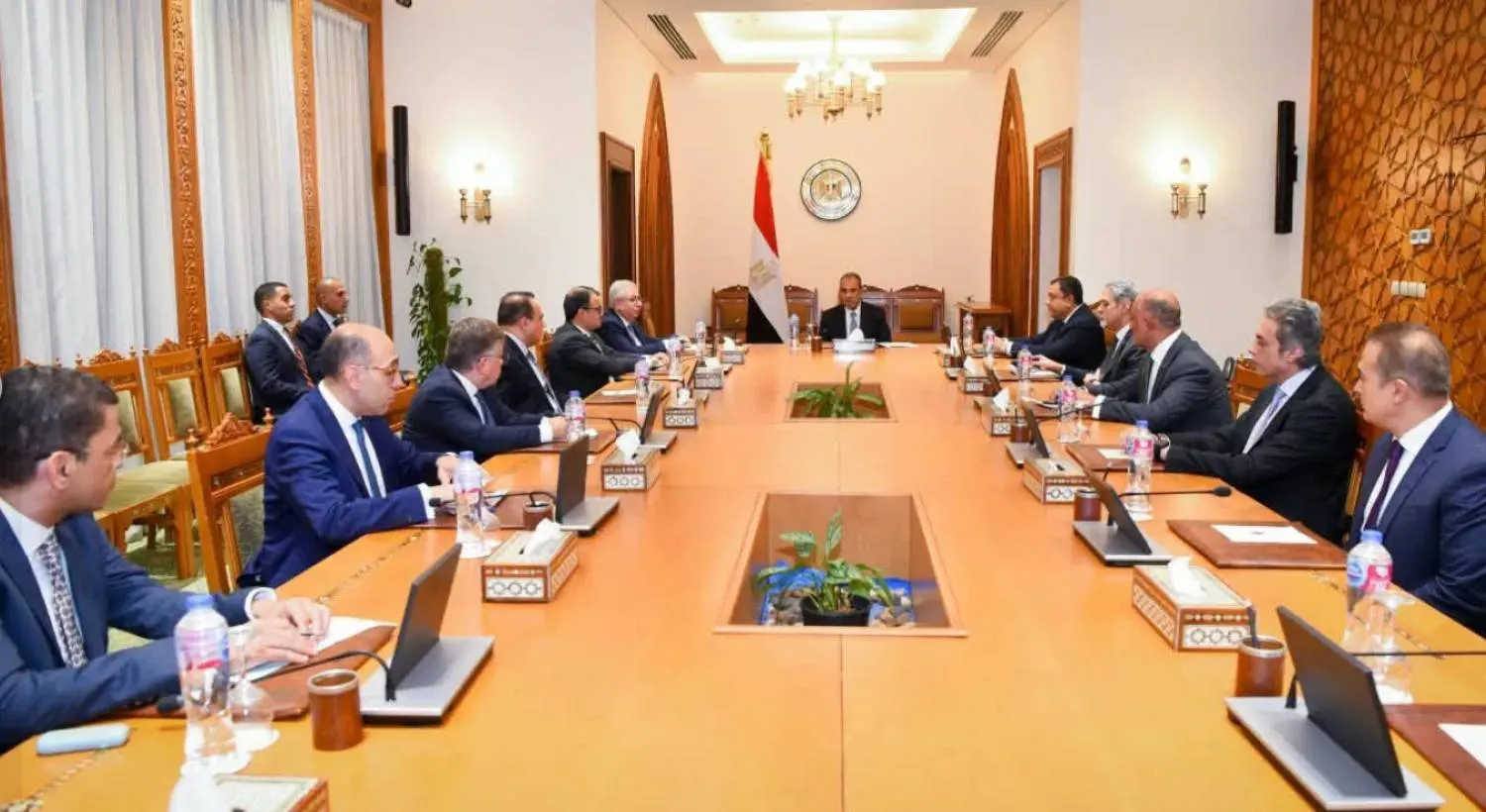
On Tuesday evening, Abdelatty convened a meeting with Foreign Ministry officials responsible for regional portfolios as part of efforts to implement President Abdel Fattah al-Sisi's directives to strengthen Egypt's diplomatic engagement with regional issues, continue de-escalation efforts, support security and stability, and enhance coordination with regional and international partners.

Zaki said the meeting included a comprehensive review of the latest developments and of Egypt's efforts to resolve conflicts through peaceful means and create conditions conducive to restoring stability.

Abdelatty stressed the importance of maintaining active diplomatic engagement in line with presidential directives and building on ongoing contacts with the various parties concerned in order to contain crises and prevent their expansion. He also reaffirmed Egypt's longstanding position in support of the unity, sovereignty, and territorial integrity of states.