4 مشاهير يمنيين مهددون بالإعدام

قضاء الحوثي على خطى النظام الإيراني

المشاهير الأربعة خلال مثولهم أمام محكمة حوثية متخصصة في قضايا الإرهاب بصنعاء (إعلام حوثي)
TT

4 مشاهير يمنيين مهددون بالإعدام

المشاهير الأربعة خلال مثولهم أمام محكمة حوثية متخصصة في قضايا الإرهاب بصنعاء (إعلام حوثي)

يسير قضاء الحوثيين في اليمن على خطى النظام الإيراني في طريقة تعاطيه مع منتقدي أدائه؛ إذ تسود مخاوف في العاصمة اليمنية صنعاء، من إقدام الميليشيات على إصدار حكم بإعدام 4 يمينيين من مشاهير مواقع التواصل الاجتماعي، بعدما خطفتهم من منازلهم وبدأت بمحاكمتهم على خلفية انتقادهم فساد قادة الانقلابيين، أمام محكمة متخصصة في قضايا الإرهاب.
ولقيت عملية خطف المشاهير الأربعة والبدء بمحاكمتهم سخطاً واسعاً في أوساط اليمينين. ووصف وزير الإعلام اليمني معمر الإرياني الخطوة الحوثية بأنها «محاكاة للنظام القمعي في إيران إزاء معارضيه».
وتداول ناشطون على مواقع التواصل الاجتماعي صوراً للناشطين الأربعة وهم مقيدون بعضهم ببعض في المحكمة الحوثية، في وقت تشهد فيه مناطق سيطرة الميليشيات حالة من الغليان الشعبي حتى في أوساط الموالين لها، بسبب اتساع رقعة الفساد واستئثار المنتمين إلى سلالة الحوثي بالمناصب والأموال في مقابل ازدياد معدلات الجوع وتوقف الرواتب وانعدام سبل الحياة لملايين اليمنيين.
وذكرت المصادر الرسمية للميليشيات الحوثية، أن المحكمة الجزائية المتخصصة الخاضعة للجماعة في صنعاء، عقدت جلستها الأولى لمحاكمة المشاهير الأربعة، وهم أحمد حجر، ومصطفى المومري، وحمود المصباحي، وأحمد علاو، حيث تمت مواجهتهم بقرار الاتهام والأدلة المقدمة من النيابة.
ونقل المحامي اليمني عبد المجيد صبرة، أن المختطفين «أنكروا ما نسب إليهم من تهم، وهي إشاعة أخبار كاذبة ومغرضة ودعايات مثيرة بقصد تكدير الأمن العام وإلحاق الضرر بالمصلحة العامة، وذلك بأن أنشأوا قنوات بأسمائهم في موقع (يوتيوب) وأداروها من أمانة العاصمة وأذاعوا فيها الأخبار والبيانات والشائعات الكاذبة والمغرضة والمثيرة».
... المزيد


مقالات ذات صلة

العليمي يعلن انطلاق «فجر اليمن» لاستعادة صنعاء وإنهاء انقلاب الحوثيين

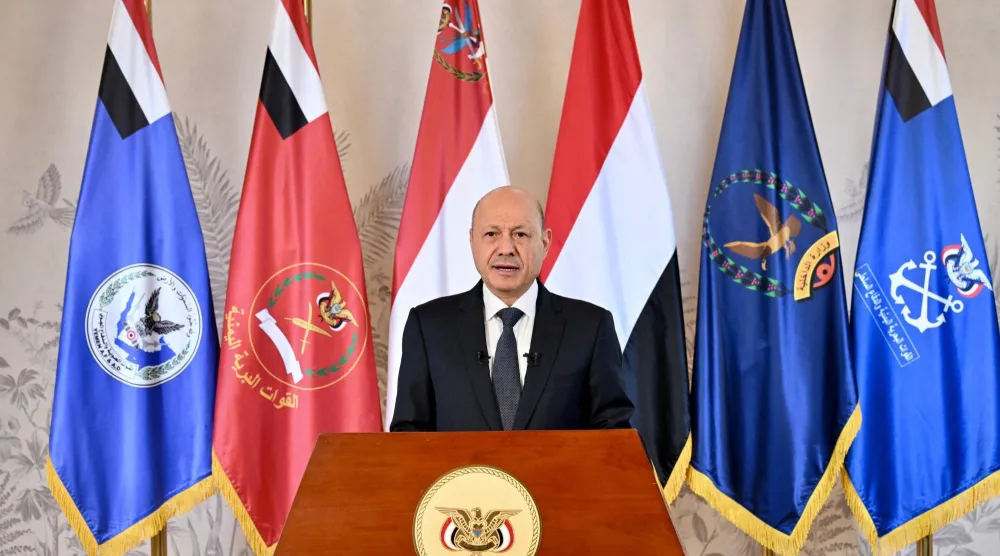
العالم العربي رئيس مجلس القيادة اليمني رشاد العليمي (سبأ)

العليمي يعلن انطلاق «فجر اليمن» لاستعادة صنعاء وإنهاء انقلاب الحوثيين

أعلن رئيس مجلس القيادة الرئاسي اليمني رشاد العليمي، الاثنين، انطلاق عملية عسكرية أطلق عليها اسم «فجر اليمن»، بهدف استعادة مؤسسات الدولة وتحرير العاصمة صنعاء.

«الشرق الأوسط» (عدن)
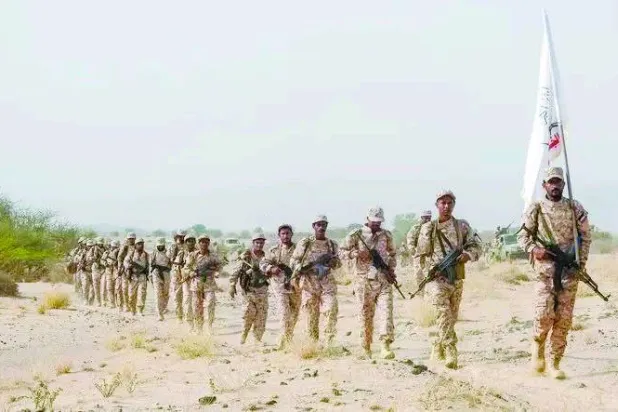
العالم العربي وحدات من قوات ألوية العمالقة (إعلام عسكري)

قوات العمالقة و«درع الوطن» تتقدم نحو ذوباب قرب باب المندب

تُواصل قوات «ألوية العمالقة» و«درع الوطن» تقدمها في مناطق محيطة بمضيق باب المندب، وسط معارك عنيفة مع جماعة «الحوثي» بمنطقة ذوباب، بالتزامن مع عمليات عسكرية

«الشرق الأوسط» (عدن)
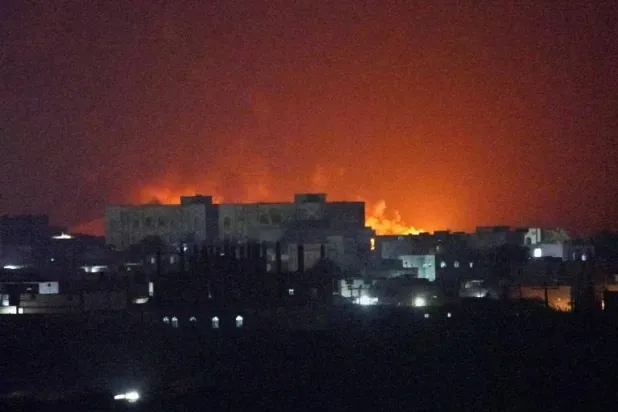
العالم العربي أضواء انفجارات سببتها الصواريخ الحوثية على مدينة المخا منتصف أغسطس (آب) الماضي (رويترز)

الصواريخ... غطاء الحوثيين الناري للتقدم الميداني

تكشف الهجمات الصاروخية الحوثية عن نمط استهداف لعمق سيطرة القوات الحكومية بوصف ذلك تمهيداً للتقدم الميداني بضرب المنشآت الحيوية وإرهاب السكان ومراكز الإمداد

وضاح الجليل (عدن)
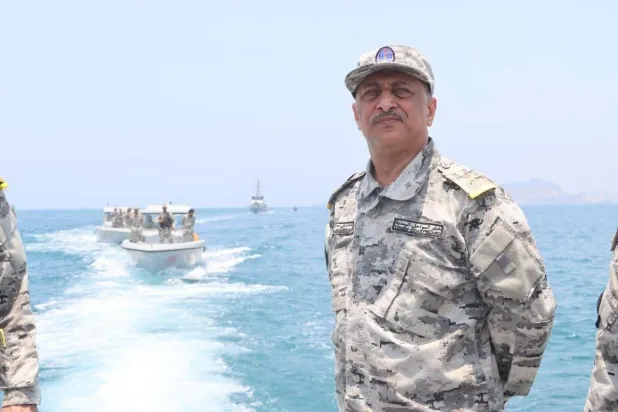
خاص بعد سيطرتها على باب المندب سفن تهريب الحوثيين لم تعد تخفي تحركاتها حسب اللواء القملي (سبأ) p-circle

خاص قائد خفر السواحل اليمنية: سفن تهريب الحوثيين لم تعد تخفي تحركاتها في البحر الأحمر

قال رئيس مصلحة خفر السواحل اليمنية إن سيطرة الحوثيين على باب المندب وجزر البحر الأحمر تمثل «تحولاً نوعياً» في طبيعة التهديد الذي تشكله الجماعة

عبد الهادي حبتور (الرياض)
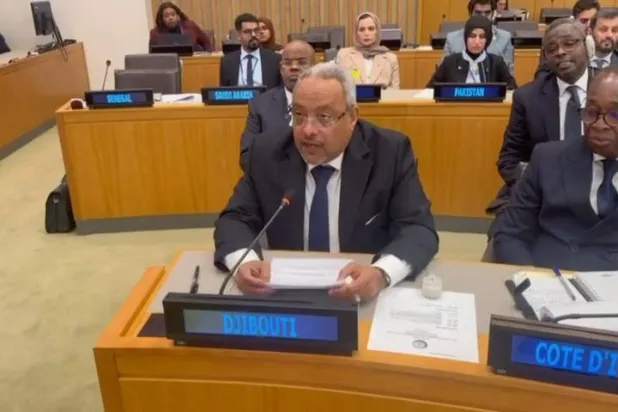
العالم العربي وزير خارجية جيبوتي عبد القادر عمر يلقي كلمة بالجمعية العامة للأمم المتحدة (وكالة أنباء جيبوتي)

جيبوتي تحت ضغوط «اضطرابات الجوار»

وجدت جيبوتي نفسها تحت وطأة تدفق آلاف الفارين من جحيم النزاعات وسط تصاعد الأزمات في دول الجوار، لا سيما في إثيوبيا واليمن.

محمد محمود (القاهرة)

IMF Forecasts Saudi Economy to Grow 7.9% in 2027

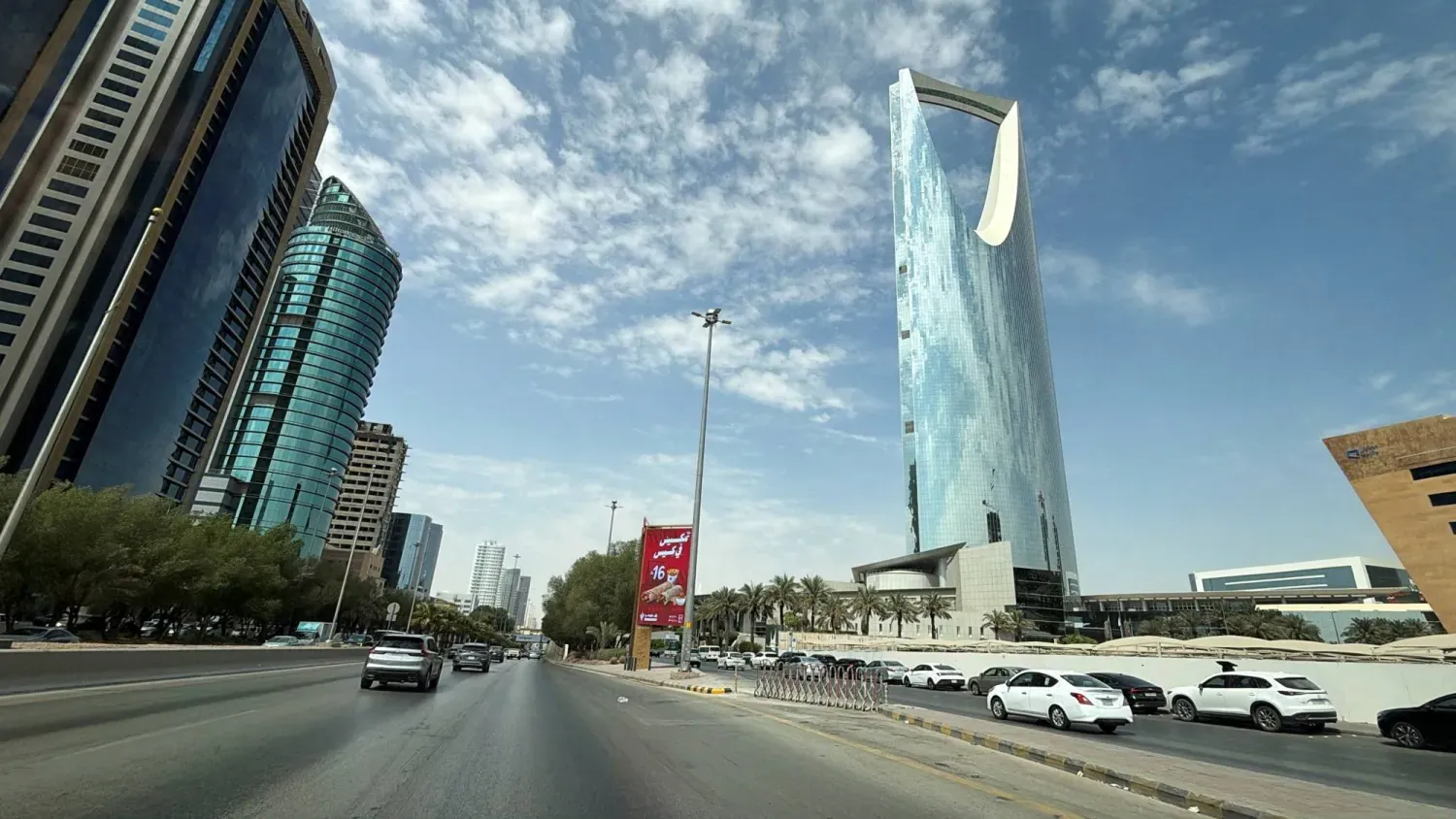
General view of the Kingdom Tower in downtown Riyadh, Saudi Arabia, October 12, 2026. Picture taken with a mobile phone. REUTERS
TT

IMF Forecasts Saudi Economy to Grow 7.9% in 2027

General view of the Kingdom Tower in downtown Riyadh, Saudi Arabia, October 12, 2026. Picture taken with a mobile phone. REUTERS

The International Monetary Fund (IMF) expects the Saudi economy to record strong growth of 7.9 percent in 2027, reflecting a projected recovery in energy production and exports, as well as the gradual restoration of regional trade flows as war-related disruptions ease and the Strait of Hormuz reopens under the report’s baseline scenario.

The forecast highlights the Saudi economy’s ability to regain momentum after the pressures caused this year by disruptions to energy production and transportation. Saudi Arabia is expected to benefit from its diversified oil export routes and infrastructure, which allow part of its exports to be shipped via the Red Sea rather than through the Strait of Hormuz.

In its October World Economic Outlook, the IMF projected that Saudi Arabia’s economy would contract by 3.3 percent in 2026 before rebounding to 7.9 percent growth in 2027.

In its April forecasts, the Fund had expected growth of 3.1 percent in 2026 and 4.5 percent in 2027, reflecting a significant shift in projections due to developments in the conflict and assumptions regarding the resumption of economic activity.

Export Infrastructure Supports Economic Resilience

Saudi Arabia benefits from alternative oil-export outlets, most notably the East-West Pipeline, which transports crude oil from the Eastern Province to the Red Sea port of Yanbu with a capacity of approximately 7 million barrels per day.

The Kingdom aims to raise pipeline capacity to 10 million barrels per day, enhancing the flexibility of its export system in the face of maritime disruptions.

These alternatives strengthen Saudi Arabia’s ability to mitigate the impact of shipping interruptions on oil flows. Under the IMF’s forecasts, the gradual recovery of production and exports is expected to support economic activity next year.

Gulf Recovery Driven by Rebound in Energy Production

The strong growth forecast is not limited to Saudi Arabia. The IMF also expects several Gulf economies to recover sharply in 2027 as production, exports, and logistics services rebound.
Projected growth rates for 2027 are Qatar 18.8%, Kuwait 17.1%, Bahrain 13.9%, the United Arab Emirates 7.7% and Oman 2.2%.

These forecasts follow severe pressure during 2026, when the IMF expects Kuwait’s economy to contract by 16.7%, Qatar’s economy by 15.6%, Bahrain’s economy by 11.3% and the UAE economy to contract by 3.9%.

Meanwhile, Oman is expected to achieve growth of 4.1 percent in 2026.

The IMF’s baseline scenario assumes that the Strait of Hormuz will begin reopening in March 2027, with a broad return to pre-war conditions by October 2027. This would allow energy flows, shipping, insurance services, and payment systems to recover gradually.

The pace of this recovery remains dependent on the course of the conflict and the stability of maritime navigation. Nevertheless, Saudi Arabia’s diversified export routes provide an important buffer, enhancing the economy’s capacity to absorb shocks and restore growth as regional conditions improve.


Syria Establishes ‘Capital Security Service’ to Bolster Damascus Security

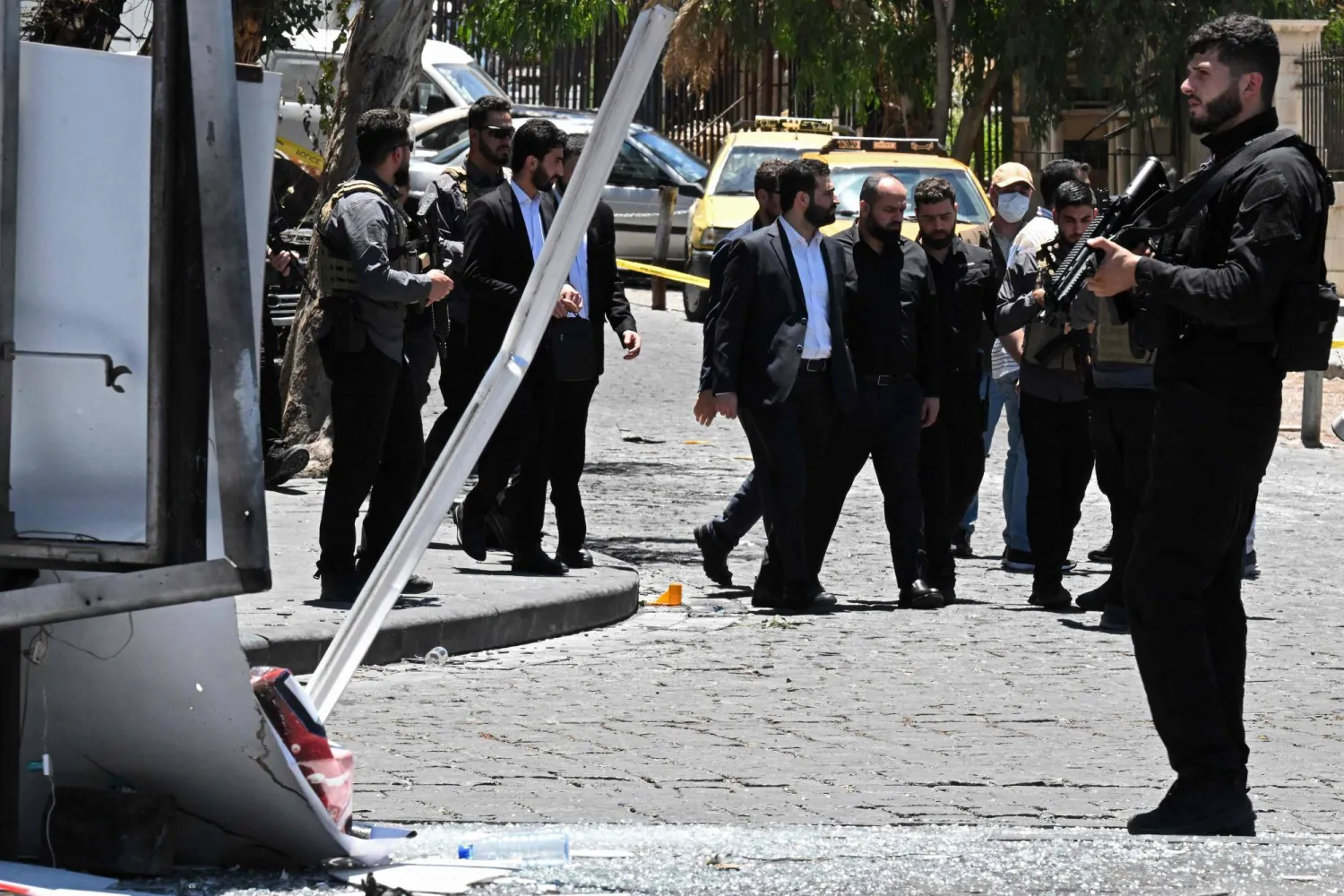
Syria's Interior Minister Anas Khattab (C) inspects an area near the Four Seasons Hotel following two blasts in Damascus on July 7, 2026. (Photo by LOUAI BESHARA / AFP)
TT

Syria Establishes ‘Capital Security Service’ to Bolster Damascus Security

Syria's Interior Minister Anas Khattab (C) inspects an area near the Four Seasons Hotel following two blasts in Damascus on July 7, 2026. (Photo by LOUAI BESHARA / AFP)

Syria established a special security service apparatus for its capital, Damascus, in a bid to bolster security, uncover sleeper cells and thwart attempts to destabilize the city, a senior Syrian military official told Asharq Al-Awsat Tuesday.

The official told the daily that the Capital Security Service was established and Brig. Gen. Abdul Aziz Hilal al-Ahmad appointed as its chief to “bolster security in Damascus through a more targeted approach and uncover any sleeper cells seeking to undermine the capital’s security.”

The official said he did not believe Damascus faced any immediate threat, but warned that “sabotage cells” continued to seek to undermine security in the capital, driven by foreign agendas and ties. He also accused Israel and Iran of seeking to destabilize Syria by backing local sabotage groups operating across several provinces.

The official stressed that Damascus hosts foreign embassies, diplomatic missions and offices of international and United Nations agencies and organizations, making it a key center of state sovereignty. Any breach of the capital’s security would undermine the state’s credibility and authority, he said, adding that the new service was intended to thwart attempts to unsettle the city.

Brig. Gen. Abdul Aziz Hilal al-Ahmad previously headed internal security in Latakia province, where he led operations against armed groups and former military and security figures linked to Bashar al-Assad’s regime after taking office on May 25, 2025.

No official decree announcing al-Ahmad’s appointment has been issued, though security and military sources confirmed it to several media outlets, including Asharq Al-Awsat. On Saturday, the Interior Ministry named Brig. Gen. Nayef al-Ibrahim as his successor in Latakia.

Since the ouster of the former regime, Syria’s new authorities have worked to rebuild and modernize the security sector with regional and international support. However, repeated security incidents in Damascus over the past two years have underscored persistent instability and security gaps, with experts saying much work remains to prevent further bombings.

Wael Alwan, executive director of the Jusoor Center for Studies, told Asharq Al-Awsat that authorities were working to restore security and stability across Syria, but intelligence reports pointed to activity in Damascus by Iran-backed Hezbollah and affiliated local groups, as well as ISIS.

He said previous attacks by ISIS cells and remnants of the former regime appeared aimed more at generating media attention than striking strategic security, political or military targets, citing rocket fire toward the Mazzeh area and explosions during the French president’s visit.

Alwan said Iran-backed groups, ISIS and Israeli interference sought to portray Syria as unstable and its government as unable to maintain security, undermining recovery by deterring investment, curbing tourism and deepening economic and social pressures. He added that Iran stood to benefit from chaos, which could create opportunities for its allied militias and former regime loyalists to return, rebuild their networks and expand their influence.

Alwan said the establishment of the Capital Security Service reflected the government’s cautious approach and efforts to preempt security threats by strengthening surveillance and intelligence capabilities to track former regime loyalists, ISIS cells and Iran-backed operatives, and thwart attacks before they occur.

For his part, Syrian political and security researcher Diaa Qaddour told Asharq Al-Awsat that the appointment was part of a broader restructuring of security agencies following the ouster of the former regime, reflecting a focus on securing the capital against threats from ISIS and dormant Iran-linked cells to reinforce state authority and prevent chaos.


IMF, 2027’de Suudi Arabistan ekonomisinin yüzde 7,9 büyümesini öngörüyor

Suudi Arabistan'ın başkenti Riyad'dan, (Reuters)
TT

IMF, 2027’de Suudi Arabistan ekonomisinin yüzde 7,9 büyümesini öngörüyor

Suudi Arabistan'ın başkenti Riyad'dan, (Reuters)

Uluslararası Para Fonu (IMF), Suudi Arabistan ekonomisinin 2027 yılında yüzde 7,9 oranında güçlü bir büyüme kaydetmesini bekliyor. Bu öngörüde, enerji üretimi ve ihracatındaki toparlanmanın yanı sıra bölgesel ticaretin kademeli olarak yeniden canlanması, savaş kaynaklı aksaklıkların azalması ve raporun temel senaryosu kapsamında Hürmüz Boğazı’nın yeniden açılması etkili oluyor.

Tahminler, Suudi Arabistan ekonomisinin bu yıl enerji üretimi ve taşımacılığında yaşanan aksaklıkların yol açtığı baskıların ardından yeniden ivme kazanabileceğine işaret ediyor. Petrol ihracat güzergâhlarının çeşitliliği ve ihracatın bir bölümünün Hürmüz Boğazı’na uğramadan Kızıldeniz üzerinden gerçekleştirilebilmesini sağlayan altyapı, ülkenin toparlanma kapasitesini destekleyen başlıca unsurlar arasında yer alıyor.

IMF, ekim ayında yayımladığı Dünya Ekonomik Görünümü raporunda Suudi Arabistan ekonomisinin 2026’da yüzde 3,3 daralacağını, 2027’de ise yüzde 7,9 büyüyeceğini öngördü. Şarku’l Avsat’ın edindiği bilgiye göre Fon, nisan ayında yayımladığı tahminlerinde 2026 için yüzde 3,1, 2027 için ise yüzde 4,5 büyüme bekliyordu. Tahminlerdeki bu belirgin değişim, savaşın seyrindeki gelişmeleri ve ekonomik faaliyetlerin yeniden başlamasına ilişkin varsayımları yansıtıyor.

İhracat altyapısı ekonomik dayanıklılığı destekliyor

Suudi Arabistan ekonomisi, alternatif petrol ihracat güzergâhlarına sahip olmasından yararlanıyor. Bu güzergâhların başında, ham petrolü ülkenin doğusundaki petrol sahalarından Kızıldeniz kıyısındaki Yanbu Limanı’na taşıyan Doğu-Batı Petrol Boru Hattı geliyor. Hattın günlük taşıma kapasitesi yaklaşık 7 milyon varile ulaşıyor.

Suudi Arabistan, petrol boru hatlarının toplam kapasitesini günlük 10 milyon varile çıkarmayı hedefliyor. Bu adımın, deniz taşımacılığında yaşanabilecek aksaklıklar karşısında ihracat sisteminin esnekliğini artırması amaçlanıyor.

Alternatif güzergâhlar, deniz taşımacılığındaki sorunların petrol akışına etkisini sınırlama imkânı sunuyor. IMF’nin varsayımlarına göre üretim ve ihracatın kademeli olarak toparlanması da gelecek yıl ekonomik faaliyetleri destekleyecek.

Körfez ekonomilerinde enerji üretiminin yeniden başlamasıyla toparlanma beklentisi

Güçlü büyüme beklentisi yalnızca Suudi Arabistan ile sınırlı değil. IMF, enerji üretimi ve ihracatının yanı sıra lojistik faaliyetlerin yeniden canlanmasıyla diğer Körfez ekonomilerinin de 2027’de yüksek büyüme oranlarına ulaşacağını öngörüyor.

Fonun 2027 yılına ilişkin büyüme tahminleri şöyle:

Katar: Yüzde 18,8

Kuveyt: Yüzde 17,1

Bahreyn: Yüzde 13,9

Suudi Arabistan: Yüzde 7,9

Birleşik Arap Emirlikleri: Yüzde 7,7

Umman: Yüzde 2,2

Bu tahminler, 2026 yılında yaşanması beklenen ciddi ekonomik daralmaların ardından geliyor. IMF, 2026’da Kuveyt ekonomisinin yüzde 16,7, Katar ekonomisinin yüzde 15,6 ve Bahreyn ekonomisinin yüzde 11,3 daralacağını öngörüyor. Birleşik Arap Emirlikleri için yüzde 3,9 daralma beklenirken, Umman ekonomisinin yüzde 4,1 büyüyeceği tahmin ediliyor.

Hürmüz Boğazı’nın yeniden açılması temel senaryonun parçası

IMF’nin temel senaryosu, Hürmüz Boğazı’nın Mart 2027’de yeniden açılmaya başlamasını ve aynı yılın ekim ayına kadar genel olarak savaş öncesi koşullara dönülmesini öngörüyor. Bu süreçte enerji akışının, deniz taşımacılığının, sigorta işlemlerinin ve ödemelerin kademeli olarak normale dönmesi bekleniyor.

Bununla birlikte, toparlanmanın ne kadar hızlı gerçekleşeceği çatışmaların seyrine ve deniz ulaşımının istikrar kazanmasına bağlı olacak. Suudi Arabistan’ın alternatif ihracat güzergâhları ise bölgesel koşulların iyileşmesiyle birlikte ekonominin dış şokları absorbe etme ve büyüme ivmesini yeniden kazanma kapasitesini destekleyen önemli bir unsur olarak öne çıkıyor.