
مهرجان «مسكون» لسينما الرعب يحط بنسخته السادسة في بيروت

لقطة من فيلم الافتتاح «مثلث الحزن» (المهرجان)

مهرجان «مسكون» لسينما الرعب  يحط بنسخته السادسة في بيروت
TT

مهرجان «مسكون» لسينما الرعب يحط بنسخته السادسة في بيروت

مهرجان «مسكون» لسينما الرعب  يحط بنسخته السادسة في بيروت

شاء منظمو مهرجان «مسكون» لسينما الرعب والفانتازيا أن ينتشلوا لبنان من الكابوس الغارق فيه على طريقتهم، فعملوا لأشهر طويلة مواجهين صعوبات عدة كي ترى نسخته السادسة النور.
طبيعة هذه الصعوبات كثيرة، كما يذكر المدير الفني للمهرجان أنطوان واكد لـ«الشرق الأوسط»، ويصف ما فعلوه بمعركة خاضها القيّمون على هذا الحدث للحفاظ على وجه لبنان الثقافي. ويتابع: «لعل أكبر الصعوبات التي واجهناها هي الخاصة بتمويل المهرجان. وهي عقبة سبق أن عانينا منها في نسخاتنا الخمس الماضية. لكن السنة الحالية كان الأمر أصعب في ظل أزمة اقتصادية متردية تعاني منها البلاد. كما أن أوضاعنا عامة في لبنان ليست على ما يرام، وهو ما ينعكس سلباً على أي مشروع من هذا النوع». إرادة منظمي مهرجان «مسكون» كانت صلبة، فرفضوا الاستسلام لواقع قاتم، وتمسكوا بإقامته، لكن بنسخة أصغر، حيث تتضمن 6 أفلام طويلة، بدلاً من 12 فيلماً، فيما حافظت على نفس عدد الأفلام القصيرة المشاركة ككل عام، وعددها 10 أفلام.
ينطلق «مسكون» في 12 ديسمبر (كانون الأول) الحالي، مع فيلم «مثلّث الحزن» للمخرج السويدي روبن أوستلوند، الفائز بالسعفة الذهبية لمهرجان «كان» السينمائي. وهو من نوع الكوميديا السوداء، ويعبّر بسخرية لاذعة عن تناقضات العالم المعاصر الملتوي.
وسيكون هواة أفلام الرعب والإثارة على موعد مع 3 أعمال؛ «Speak No Evil» للمخرج الدنماركي كريستيان تافدروب، الذي عُرض للمرة الأولى في مهرجان ساندانس، و«بيغي» للمخرجة الإسبانية كارلوتا بيريدا، الذي شارك أيضاً في «ساندانس» وفي عدد كبير من المهرجانات، وفاز بجائزة «ميلييس». ويتناول التنمر والانتقام من زوايا اجتماعية جديدة. وفيلم ثالث بعنوان «ديدستريم» للمخرجين الأميركيين؛ جوزيف، وفانيسا وينتر. وهو كوميديا تتخللها مشاهد رعب، ويتناول قصة شخصية من مشاهير الشبكات الاجتماعية تزور منزلاً مسكوناً.
وعن عملية الخيار لانتقاء أفلام المهرجان، يوضح واكد في سياق حديثه أنها تطلبت عملية دقيقة. فهم تلقوا أكثر من 230 فيلماً قصيراً، اضطروا لانتقاء 10 منها فقط، وكانت الأفضل بنظر اللجنة المشرفة على أفلام المهرجان.
ومن لبنان، تشارك 5 أفلام قصيرة؛ «الظلام يشتد» لفراس أبو فخر، ودانيال حبيب، و«ليمبو» لليا يارد، و«ريند» لرومي مطر، و«شي مش مزبوط» لأوغو هوشر، إضافة إلى فيلم «تشنّج» لمايك مالاجيان.
ويعلق واكد: «إن الأفلام القصيرة المشاركة في مسابقة (مسكون) تشمل بلداناً عربية كثيرة، من بينها الأردن وقطر والمغرب وتونس والإمارات. ولا تتجاوز مدة الواحد منها 30 دقيقة، وتتنوع موضوعاتها بين خيالية ورعب وكوميدية وغيرها».
تضم لجنة التحكيم، التي تتولى تقييم هذه الأفلام، الممثلة اللبنانية كارول عبود، والمنتج بسام الأسعد مدير قسم «أيام عمان لصناع الأفلام» في مهرجان عمان السينمائي، والكاتب والمخرج والمنتج اللبناني الأردني باسل غندور.
تمنح لجنة التحكيم جائزة «مسكون» لأفضل فيلم قصير، على أن يدرج الفيلم الرابح في مسابقة الأفلام القصيرة في مهرجان «فانتسبوا» في البرازيل، فيما سيحصل الفائز بجائزة أفضل فيلم لبناني قصير على فرصة ليُعرض فيلمه في مهرجان «سينيميد» في مونبولييه.
وعلى هامش عروض الأفلام، وحرصاً من إدارة المهرجان على إتاحة تبادل المعرفة والخبرات داخل الوسط السينمائي، تعود الحوارات حول صناعة السينما، وتعقد الندوات والحلقات النقاشية ليومين؛ 15 و16 الحالي، في حرم جامعة «ألبا» (الأكاديمية اللبنانية للفنون الجميلة - جامعة البلمند). وهي مفتوحة أمام الجمهور وطلاب السينما وهواتها. وتشمل هذه المحادثات نقاشات وورش عمل مع المخرجين الضيوف. ومن بين هؤلاء؛ باسل غندور، ويوسف الشابي، والمخرج اللبناني وليد مونس، والمنتجون ميريام ساسين، ولارا أبو سعيفان، وفارس لعجيمي.
وتقام لأول مرة ورشات عمل عن صناعة الأفلام المستدامة مع بسام الأسعد، وهو أيضاً المؤسس المشارك لـ«السينما الخضراء». ويوضح واكد: «إنها حصص ضمن صفوف تعليمية خاصة بالسينما، تلقي الضوء على عناصر الصناعة السينمائية. ومن بينها الخاصة بكتابة السيناريو والإخراج، إضافة إلى التصوير البيئي (غرين شوت). ويهدف هذا الأخير إلى تعلّم كيفية الحد من التلوث البيئي وأثره على السينما. فتصبح لدى الطالب خلفية بيئية غنية تحافظ على معايير متبعة خلال التصوير لخفض الانبعاثات التي تنتجها صناعة الأفلام والتلفزيون».
وتتولى جمعية «بيروت دي سي» تنظيم المهرجان حضورياً في سينما مونتيين في المعهد الفرنسي، طيلة أيام المهرجان، من 12 إلى 16 الشهر الحالي. فتكون عروضه متاحة مجاناً أمام الجميع.


مقالات ذات صلة

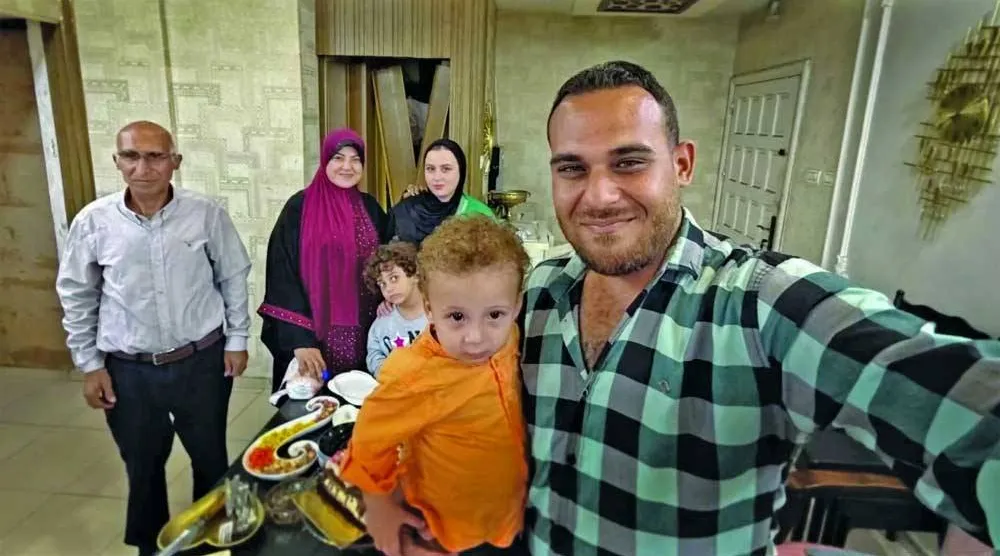
أحمد حسّونة: الحرب كانت تكتب أحداث «المواطن أسامة» أمامنا

سينما أسامة العشّي بين عائلته ومهنته في «المواطن أسامة» (رشيد مشهراوي)

أحمد حسّونة: الحرب كانت تكتب أحداث «المواطن أسامة» أمامنا

يُضيف فيلم المخرج الفلسطيني أحمد حسّونة «المواطن أسامة» جديداً إلى الأفلام التي تناولت القضية الفلسطينية، وهي كثيرة، خصوصاً خلال السنوات الثلاث الأخيرة.

محمد رُضا (لندن)
سينما شاشة الناقد: «أرض الأجداد» و«جبان» في سباق «الأوسكار»: ذاكرة المنفى وخنادق الخوف

شاشة الناقد: «أرض الأجداد» و«جبان» في سباق «الأوسكار»: ذاكرة المنفى وخنادق الخوف

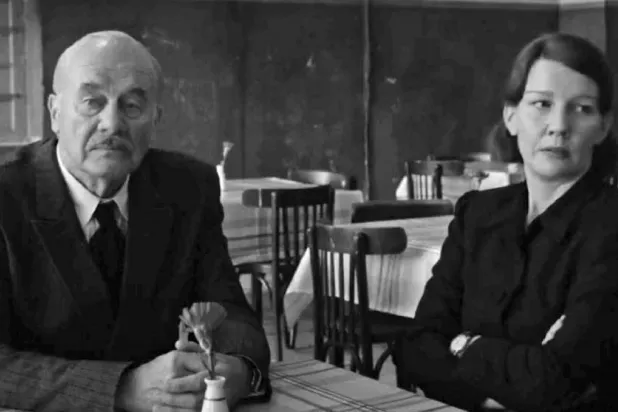
هناك مستويان لهذا الفيلم الذي يتناول جزءاً من سيرة الروائي الألماني توماس مان: مستوى ظاهري يتّسم بنظرة باردة ومتقشّفة تمنع المُشاهد من التآلف مع الفيلم وشخصياته

محمد رُضا (لندن)
خاص المخرج والمصور السينمائي السعودي بلال البدر (الشرق الأوسط)

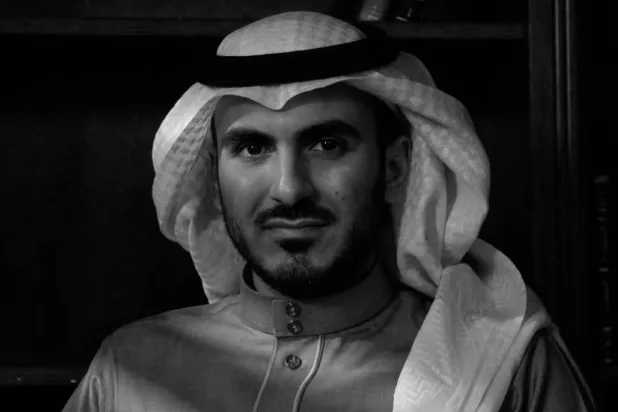
خاص بلال البدر: قصصنا المحليَّة طريقنا إلى العالمية

المعدات الجيدة لا تكفي لصنع فيلم جيد؛ فلا بدّ، أولاً، من قصة يعرف صانعُها عالمَها وتفاصيلَها...

عبد الهادي حبتور (الرياض)
يوميات الشرق المهرجان يتوسع بعد نجاح نسخته الأولى (إدارة المهرجان)

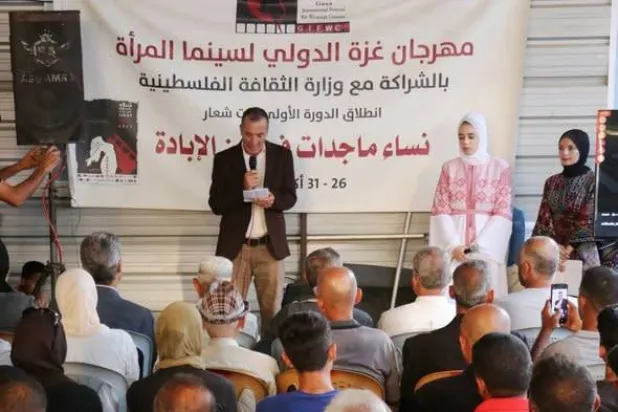
مهرجان سينمائي في غزة يناصر قضايا المرأة من بين الركام

بشعار «نساء يصنعن الحياة من الموت» يراهن صناع مهرجان «غزة الدولي لسينما المرأة» على الاستمرار في مقاومة الصعوبات.

أحمد عدلي (القاهرة)
يوميات الشرق المنتج السابق في هوليوود هارفي واينستين (ا.ب)

السجن 15 سنة للمنتج السابق هارفي واينستين بتهمة الاعتداء الجنسي

حكم ‌قاض في نيويورك، اليوم (الأربعاء) على المنتج السابق في هوليوود هارفي واينستين، بالسجن 15 سنة بتهمة ​الاعتداء الجنسي على مساعدة إنتاج سابقة في 2006.

«الشرق الأوسط» (نيويورك)

Qatar, MWL, GCC Condemn Houthi Missile Attacks on Saudi Cities of Taif and Yanbu

Qatar, MWL, GCC Condemn Houthi Missile Attacks on Saudi Cities of Taif and Yanbu
TT

Qatar, MWL, GCC Condemn Houthi Missile Attacks on Saudi Cities of Taif and Yanbu

Qatar, MWL, GCC Condemn Houthi Missile Attacks on Saudi Cities of Taif and Yanbu

Qatar, the Gulf Cooperation Council (GCC) and the Muslim World League (MWL) condemned Thursday's missile attacks launched by Yemen's Houthis against Saudi Arabia's cities of Taif and Yanbu, reaffirming their support for the Kingdom's security and stability.

In a statement on Friday, Qatar's Ministry of Foreign Affairs described the attacks as a reprehensible act of aggression that showed a blatant disregard for civilian lives, violated Saudi Arabia's sovereignty and constituted a clear breach of international law. It called for an immediate halt to such irresponsible acts.

The Muslim World League (MWL), in a statement issued by its Secretary-General, Sheikh Dr. Mohammed bin Abdulkarim Al-Issa, reiterated its condemnation of these treacherous terrorist attacks, which violate religious values as well as international and humanitarian law and norms. The attacks further demonstrate the terrorist militia’s criminal practice of deliberately targeting civilians and civilian objects.

Gulf Cooperation Council Secretary-General Jasem Mohamed Albudaiwi also strongly condemned the Houthi attacks on Saudi Arabia, reaffirming the GCC's full support for the Kingdom and all measures it takes to safeguard its sovereignty, security and stability, and protect its citizens and residents.


Prefabricated Homes Arrive in Destroyed South Lebanon Town

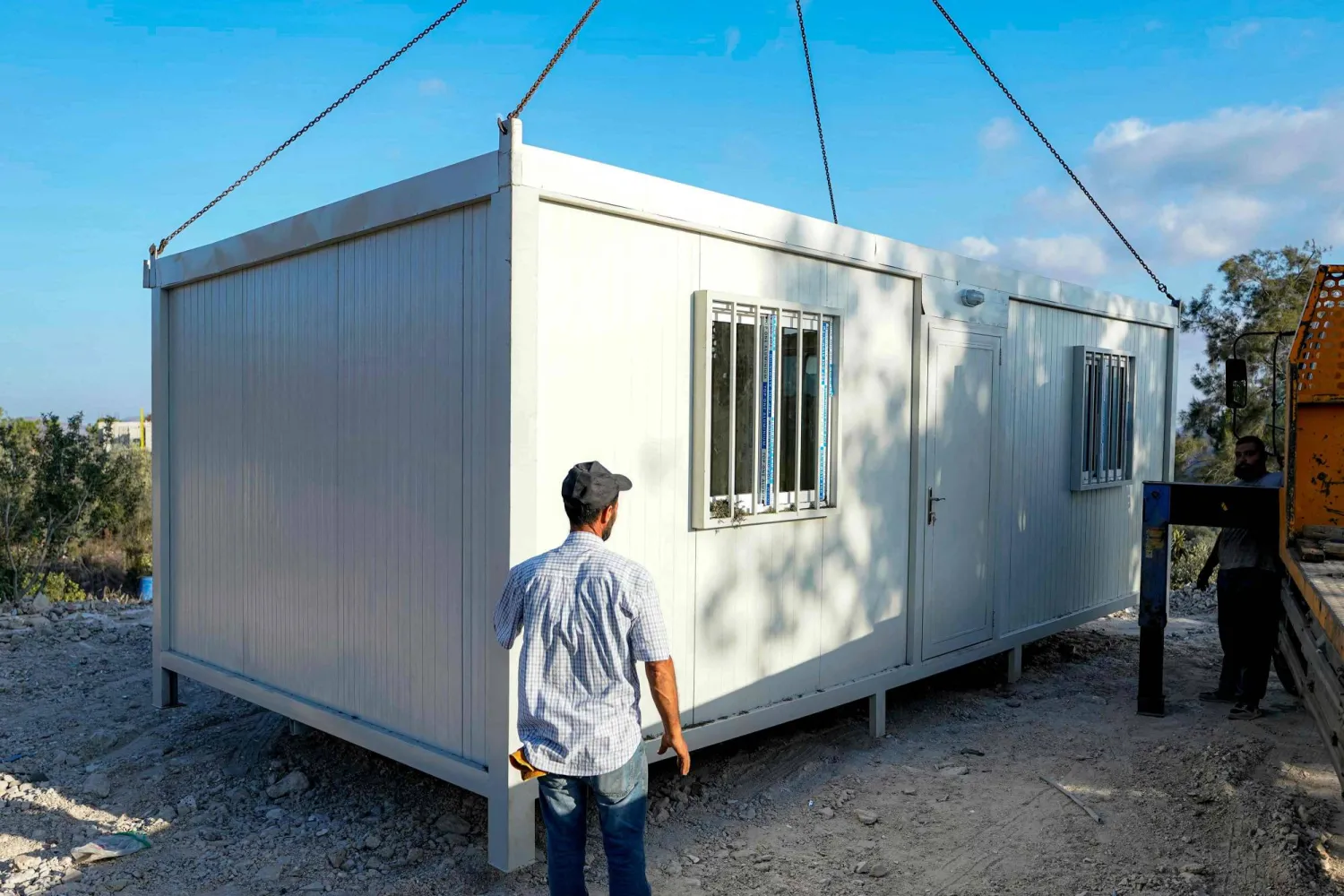
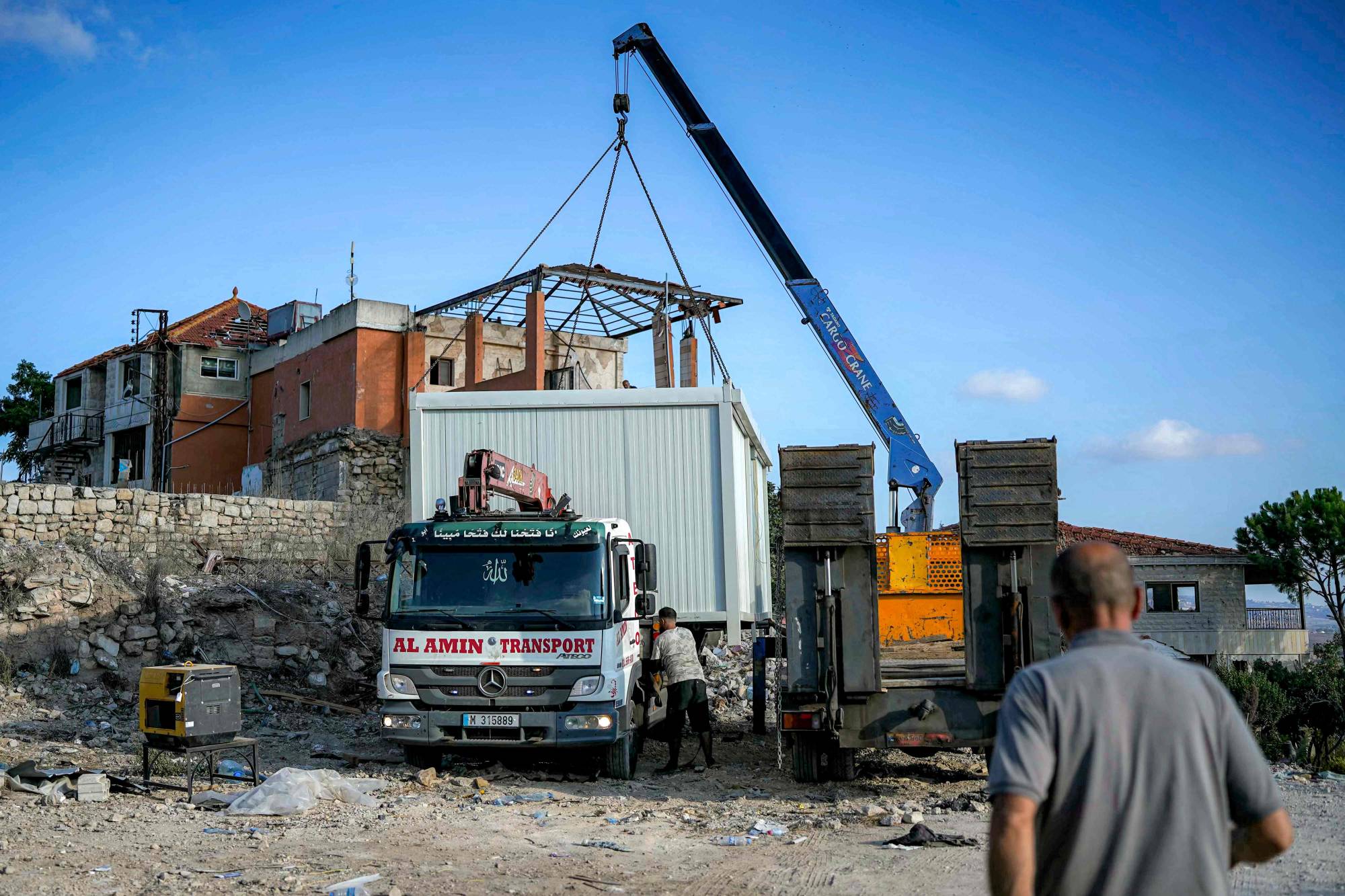
Workers set up a prefabricated house to provide housing for families whose homes have been destroyed in the fighting between Hezbollah and Israel, in the village of Zawtar al-Gharbiyeh (Western Zawtar) in southern Lebanon, on September 21, 2026. (Photo by Ammar Ammar / AFP)
TT

Prefabricated Homes Arrive in Destroyed South Lebanon Town

Workers set up a prefabricated house to provide housing for families whose homes have been destroyed in the fighting between Hezbollah and Israel, in the village of Zawtar al-Gharbiyeh (Western Zawtar) in southern Lebanon, on September 21, 2026. (Photo by Ammar Ammar / AFP)

Nearly two months after the Lebanese army entered the town of Zawtar al-Gharbiyeh in southern Lebanon, temporary housing units have started reaching families unable to live in their homes.

The army began deploying in Zawtar al-Gharbiyeh end of July after Israeli forces withdrew from the area, marking the first test of a US-brokered plan agreed by Lebanon and Israel in direct talks.

The plan foresees the Lebanese army confiscating weapons from Hezbollah ⁠ in designated areas and Israeli troops withdrawing in phases so that Lebanese troops can deploy. Zawtar al-Gharbiyeh is one of several towns or villages covered by the initial pilot program.

On Tuesday, the Council for the South began handing over the first batch of prefabricated homes to property owners whose plots had been cleared of rubble and prepared to receive the units.

This comes in coordination with the Military Coordination Group for Lebanon.


Workers set up a prefabricated house to provide housing for families whose homes have been destroyed in the fighting between Hezbollah and Israel, in the village of Zawtar al-Gharbiyeh (Western Zawtar) in southern Lebanon, on September 21, 2026. (Photo by Ammar Ammar / AFP)

On September 9, authorities announced that around 70 percent of the town’s residents had been able to return to inspect their properties, while only 16 percent, estimated at about 60 families out of 450, had been able to resettle. Officials estimated that 85 percent of homes had been completely destroyed and 15 percent partially damaged.

A source at the Higher Relief Commission told Asharq Al-Awsat that the prefabricated homes in Zawtar are part of a broader effort to support residents’ return and that solutions will vary according to the extent of destruction and local needs.

“We are now in the first phase, and while solutions in the villages covered by this stage may be similar or serve as models, they will not be identical because the scale of destruction differs from one area to another. The farther south we go, the more widespread the devastation becomes, making it impossible to apply a single solution to every town.”

The source explained that the response would rely on “a combination of solutions,” with prefabricated homes being one of them, adding that efforts are underway to secure available units locally as well as additional supplies from donors or foreign sources.

“We had the option of obtaining as many prefabricated homes as the local market could provide, while arranging for additional quantities from donor countries and external sources, allowing us to prepare for the first phase. In later stages, the need will certainly be greater.”

The source noted that Lebanese officials had explored opportunities for aid and grants during overseas visits, including to Türkiye, saying: “The cost of a prefabricated home in the local market is not cheap. We know this type of housing is only part of the solution, so we must secure it either through available resources or through grants and assistance.”

He added that while prefabricated homes may currently be a key solution in Zawtar, demand for them could be even greater in other areas during later phases.

“Unfortunately, our capabilities do not allow us to provide enough prefabricated homes for everyone in need. We are talking about roughly 300,000 housing units that are either completely destroyed or damaged to a degree that makes them uninhabitable. This is an enormous number. Therefore, prefabricated housing is one solution, not the only one.”

He stressed that the initiative marks the beginning of a broader process aimed at enabling residents to return and reasserting the presence of the state in the south, followed by restoring government agencies and institutions.

“It is not enough to ask people to return simply because homes are livable or because we have provided prefabricated housing if public institutions remain absent. If there is no municipal office, civil defense center, police station, or clinic, how can a normal return take place? The return of residents must go hand in hand with the return of state institutions, with prefabricated housing serving as one of the tools that help make this possible.”

Zawtar al-Gharbiyeh Mayor Abed Ezzeddine told Asharq Al-Awsat that introducing prefabricated homes addresses the “exceptional situation” of families who remain displaced. He explained that the municipality had requested 15 units.

“We have a number of families that are still displaced, some of whom can no longer afford rent. Other families are staying in buildings that must be vacated as schools reopen. We therefore needed to provide temporary shelter until their circumstances improve, especially with winter approaching.”

“There are also other families demanding to return to the town, which means we will likely need more than 15 homes,” he added.

“People want to return to Zawtar, but they need somewhere to stay while they work to rebuild their lives.”

“Many people come every day, sit in the town squares or on the ruins of their homes, and then return in the evening to the places where they are currently displaced. We therefore need to find a solution to this problem.”

He noted that displaced residents are spread across villages around Sidon, Iqlim al-Kharroub, and the Zahrani coast, where transportation costs and everyday living expenses add to their burdens amid limited employment opportunities and rising fuel costs. He confirmed that coordination is taking place directly with the Council for the South.


Workers set up a prefabricated house to provide housing for families whose homes have been destroyed in the fighting between Hezbollah and Israel, in the village of Zawtar al-Gharbiyeh (Western Zawtar) in southern Lebanon, on September 21, 2026. (Photo by Ammar Ammar / AFP)

Ezzeddine pointed out that “we in Zawtar al-Gharbiyeh live in a state of anxiety. The security situation remains unstable, especially because Zawtar al-Sharqiyeh is very close to us, and the near-daily explosions frighten people ... Every so often we hear another explosion, and homes are destroyed.”

“There are children, women, and elderly people in the town, so it is impossible to say that conditions are stable. People want to return, settle down, and find peace, but the security situation remains difficult.”

He hoped there would be stability in the south “because people are exhausted and simply want to live in peace.”


Saudi Foreign Minister Holds Talks with Spanish, UK Counterparts in New York

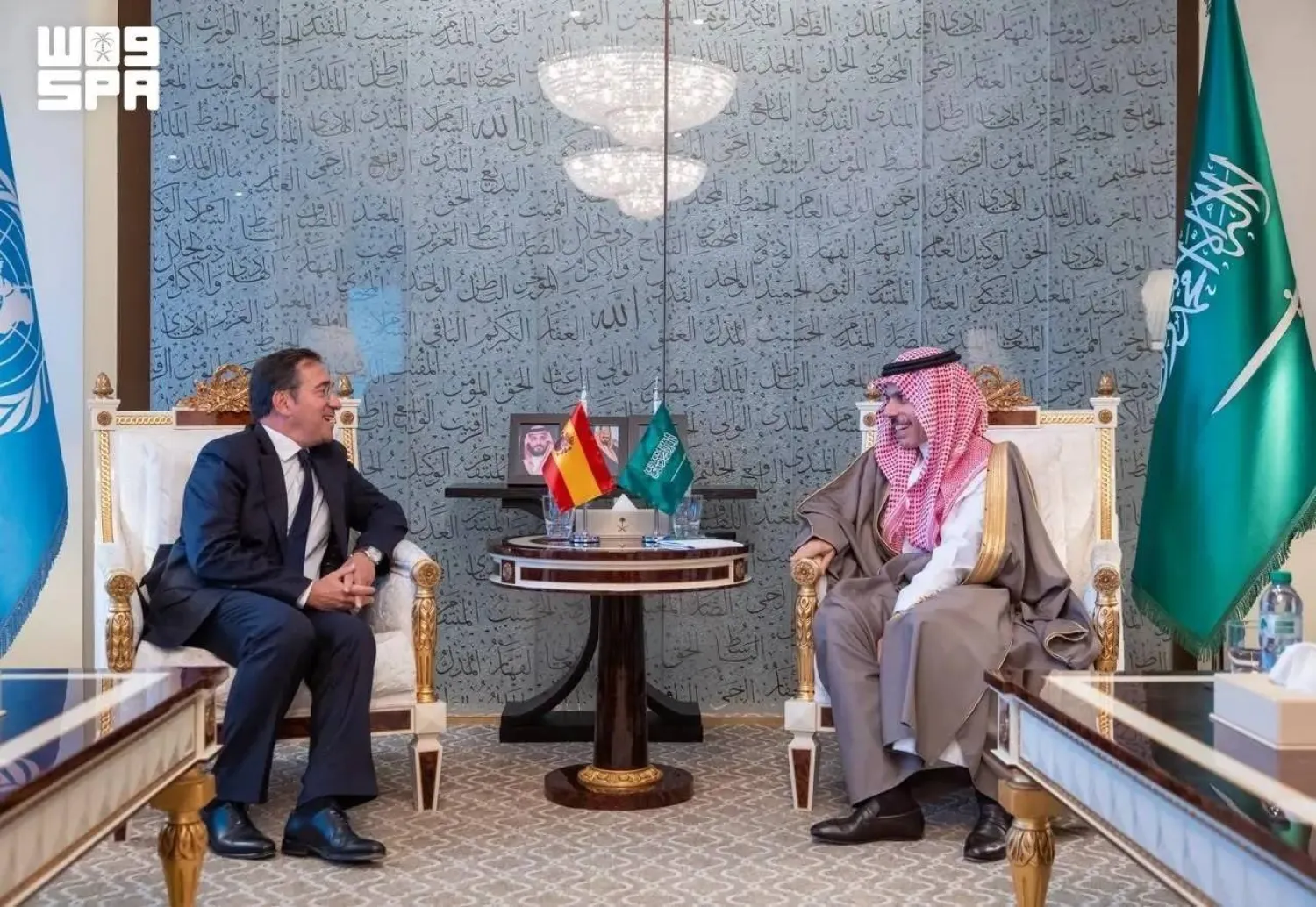
Saudi Minister of Foreign Affairs Prince Faisal bin Farhan bin Abdullah meets with Spanish Minister of Foreign Affairs José Manuel Albares Bueno. (SPA)
TT

Saudi Foreign Minister Holds Talks with Spanish, UK Counterparts in New York

Saudi Minister of Foreign Affairs Prince Faisal bin Farhan bin Abdullah meets with Spanish Minister of Foreign Affairs José Manuel Albares Bueno. (SPA)

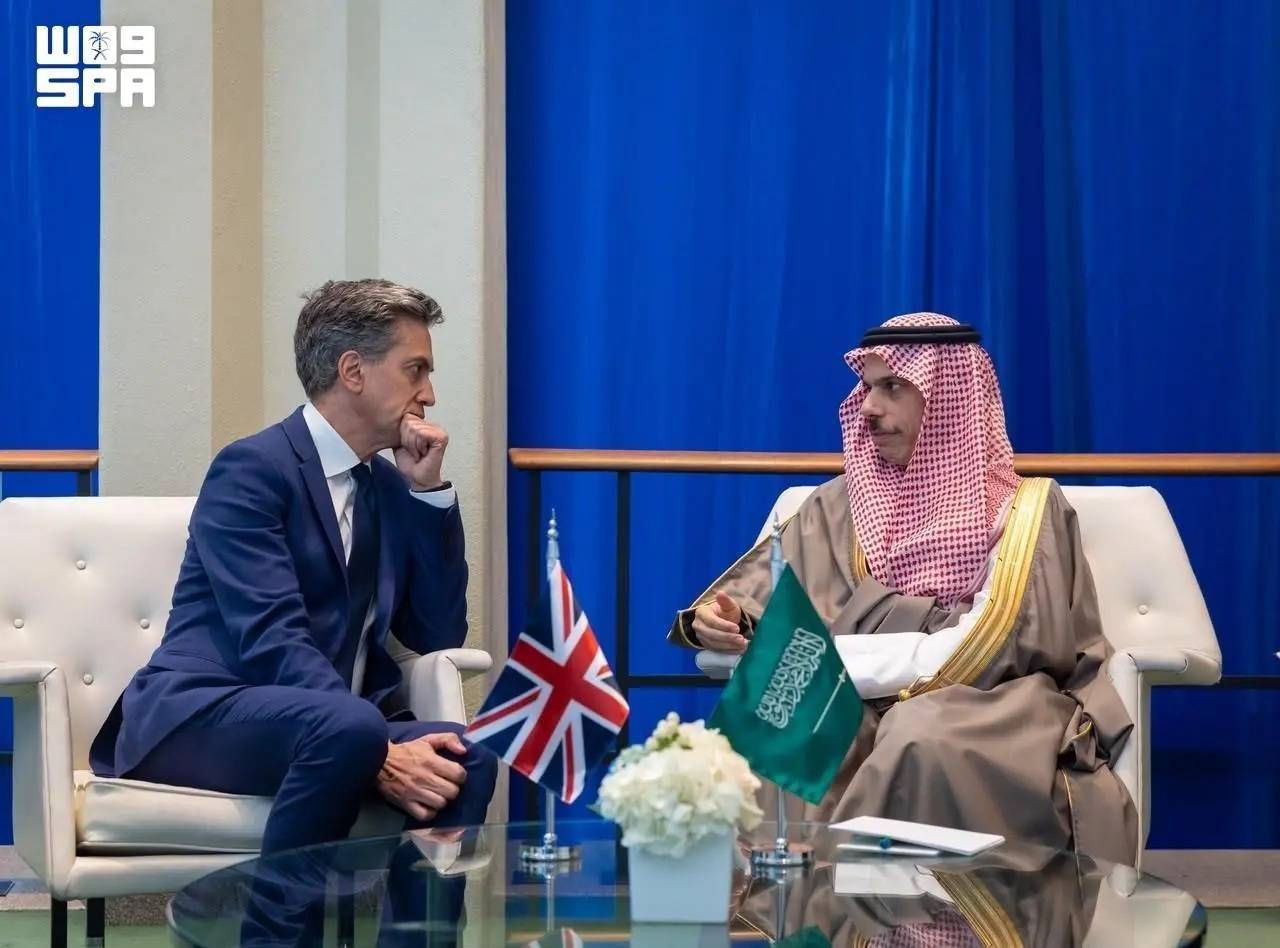
Saudi Minister of Foreign Affairs Prince Faisal bin Farhan bin Abdullah held separate meetings on Thursday in New York with Spanish Minister of Foreign Affairs José Manuel Albares Bueno and UK Secretary of State for Foreign, Commonwealth and Development Affairs Ed Miliband.

The meetings were held on the sidelines of the High-Level Week of the 81st session of the United Nations General Assembly.

During his talks with Bueno, the two ministers reviewed bilateral relations and discussed regional developments, as well as efforts to mitigate the repercussions of the current crisis in the region.

Saudi Minister of Foreign Affairs Prince Faisal bin Farhan bin Abdullah meets with UK Secretary of State for Foreign, Commonwealth and Development Affairs Ed Miliband. (SPA)

The Saudi minister reviewed with Miliband the bilateral relations between the two friendly countries. They also discussed the latest regional developments and stressed the need to continue coordination and joint efforts to maintain security and stability in the region.