ازدياد شعبية المقابر تحت المياه في فلوريدا

وضع لوحات تذكارية في نصب نبتون (أ.ف.ب)
TT

ازدياد شعبية المقابر تحت المياه في فلوريدا

وضع لوحات تذكارية في نصب نبتون (أ.ف.ب)

في حين يبحث الناس في كل أنحاء العالم عن خيارات دفن أكثر مراعاة للبيئة من المقابر التقليدية، ازدادت شعبية المقابر تحت المياه. وهناك مشاريع مماثلة جارية في العديد من الأماكن في الولايات المتحدة، خصوصاً قبالة سواحل ولايتَي نيوجيرسي وتكساس، بحسب ما جاء في تقرير لوكالة الصحافة الفرنسية أمس.
وبدأ بناء «نبتون ميموريال ريف»، التي تقع على مسافة خمسة كيلومترات شرق ميامي في فلوريدا، في عام 2007. كان المشروع الأولي تركيب شعاب مرجانية صناعية من شأنها أن تكون بمثابة ملاذ للحيوانات المائية في المنطقة. لكن الموقع استحال في النهاية ضريحاً تحت المياه.
ويسبح غواصون مجهّزون بقوارير هواء مضغوط ومحاطون بأسماك ملونة عبر تيارات دافئة إلى قاع البحر قبالة ساحل فلوريدا ليصلوا إلى مقبرة لمحبي المحيط، وهي موقع يعج بالحياة المائية.
وبعد 15 عاماً، تم الاحتفاظ برفات أكثر من 1500 شخص في «نبتون ميموريال ريف» فيما حُجز 1500 موقع تقريباً. وتتراوح الأسعار بين 7995 و29995 دولاراً وتعتمد على المكان وأيضاً على الدعامة التي يختارها الزبائن.
على عمق 12 متراً، يمر الغواصون بين الأعمدة وتحت الأقواس وقرب تماثيل أسود ونجوم بحر وحيوانات أخرى.
وبعد ظهر مشمس، يتعين على بعض الغواصين إصلاح شواهد القبور النحاسية التي تستخدم لاحتواء رماد الناس. يراجع غوّاص آخر إحداثيات جغرافية، وعند وصوله إلى المكان المحدد، يلصق لوحة جنائزية على دعامة إسمنتية بصمغ الإيبوكسي.
ونقلت وكالة الصحافة الفرنسية عن جيم هاسلر، مدير عمليات «نبتون ميموريال ريف» إن «شعارنا هو خلق حياة ما بعد الحياة»، مشدداً على البعد البيئي للمشروع. وقال: «أردنا بناء شعاب مرجانية مستدامة من شأنها أن تحل مكان الشعاب المرجانية التي تموت في كل أنحاء العالم». وتم الوصول إلى الهدف. فقد وضعت أكثر من 190 مستعمرة مرجانية في هذه المساحة التي تبلغ أربعة آلاف متر مربع والتي تستضيف كذلك 56 نوعاً من الأسماك، بالإضافة إلى سرطان البحر وقنافذ البحر.
وقال هاسلر مشيراً إلى أن مشروعه قد بدأ لتوه: «صممت كل القوام والأشكال والملامح والأعماق لإغراء الحيوانات بالمجيء».


Washington Pushes for Lebanese Army to Secure Southern Border Alone

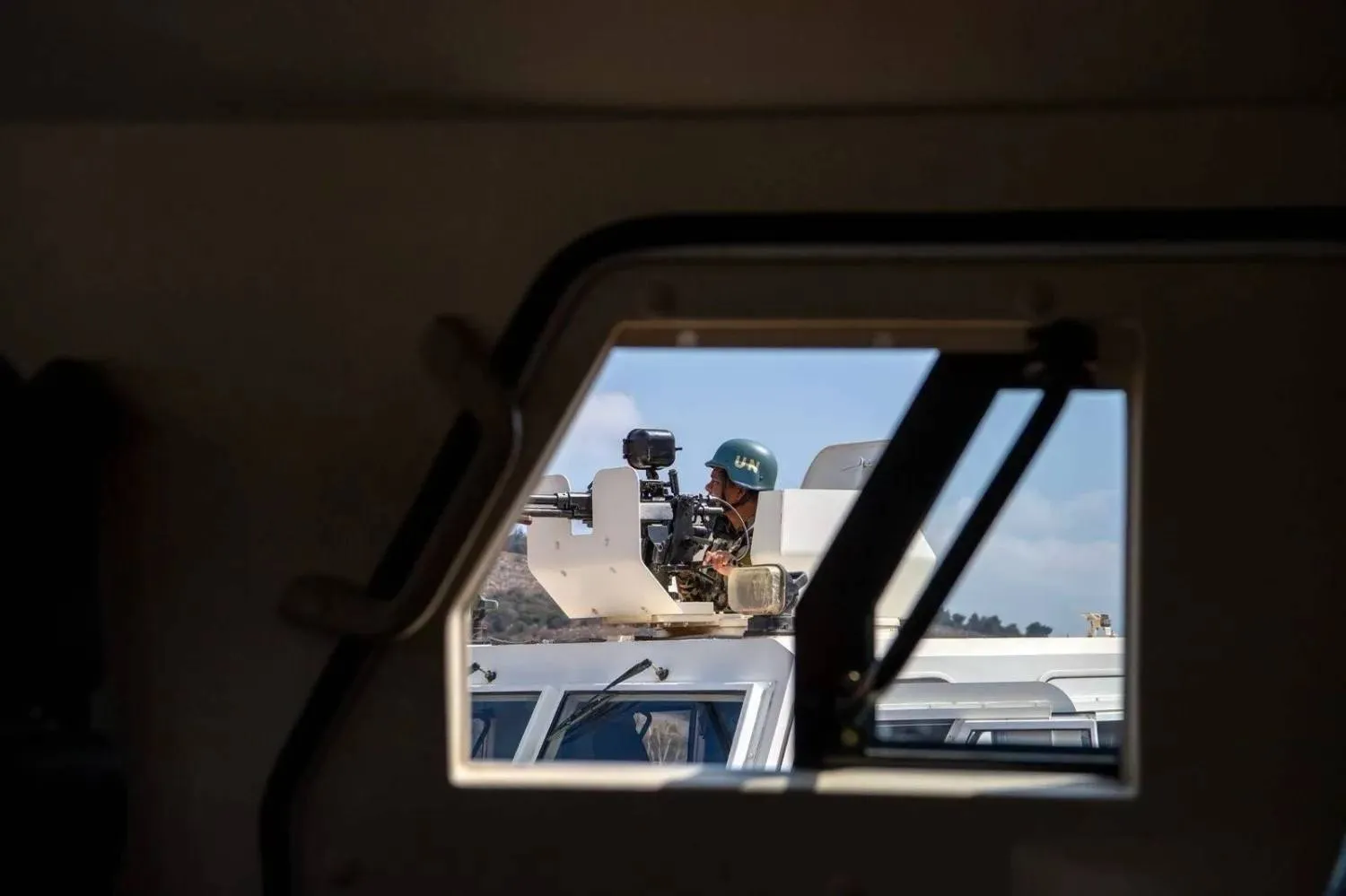
A UNIFIL soldier aboard a military vehicle during a patrol in southern Lebanon (UNIFIL)
TT

Washington Pushes for Lebanese Army to Secure Southern Border Alone

A UNIFIL soldier aboard a military vehicle during a patrol in southern Lebanon (UNIFIL)

Lebanon fears a vacuum in its south when the mandate of the UN peacekeeping force expires late this year. The United States and Europe agree that the Lebanese army should ultimately secure the border, but differ over whether it can do so alone now.

Washington last week blocked a Lebanese proposal to extend the mandate of the United Nations Interim Force in Lebanon (UNIFIL) by six months.

UN Under-Secretary-General for Peace Operations Jean-Pierre Lacroix is due in Beirut next week to discuss ways to avoid a vacuum with President Joseph Aoun and other Lebanese officials.

Lebanese ministerial sources told Asharq Al-Awsat that Beirut was waiting to hear Lacroix’s proposals. Options raised so far include a European force to replace UNIFIL and more personnel for the United Nations Truce Supervision Organization (UNTSO).

The sources also cited a French-Italian initiative to form a replacement force after European and Asian countries contributing to UNIFIL said they were willing to stay in Lebanon to continue the mission.

Most UN Security Council members support extending UNIFIL’s mandate or forming a replacement force, but Washington opposes both options. Western diplomatic sources told Asharq Al-Awsat that the US position is that the Lebanese army alone should secure the border. On that basis, they said, “there should be no need for any other force in the area.”

Europe agrees that the army should eventually protect the border and maintain security on its own. It says the army cannot yet do the job without international support.

“The Lebanese army should ultimately take on the mission by itself, but at present it cannot do so alone and needs international support during this transitional phase,” the diplomatic sources said.

The European position rests on two factors. The first is Israel’s occupation of Lebanese territory and the failure of security talks to reach understandings that would allow direct coordination between the Lebanese and Israeli armies.

The second is the Lebanese army’s need for more personnel and weapons. That issue was not settled at meetings in Paris last week, despite international willingness to support the army and official security forces.

Lebanon backs the European approach. Its army “needs weapons, ammunition and vehicles,” Lebanese sources said. “Without the support it needs, the army cannot carry out the mission alone.”

“Washington must begin equipping and strengthening the army before talking about leaving it solely responsible for border security,” the sources told Asharq Al-Awsat.

Beirut’s insistence on an international force also reflects a concern about direct coordination with Israel. Lebanese officials believe Washington’s opposition to a force in the south is meant to push the Lebanese army toward such coordination. Beirut, meanwhile, wants an international witness to Israeli violations.

“Beirut wants a witness to any violations Israel commits in the south, because Tel Aviv will dispute the Lebanese army’s reports and campaign against it,” Lebanese sources following the issue said.

“What is needed is an international force that can testify to Israeli violations before the world and help the Lebanese army deploy.”

Lebanon also wants the force to help clear mines and remnants of war, reopen roads, and provide electricity, ambulance services and health care at clinics, the sources said. The army’s duties in the south include securing the return of residents under current conditions.

Several countries, particularly in Europe, have expressed interest in a replacement force if efforts to extend UNIFIL’s mandate fail.

Representatives of European countries discussed an alternative mission at meetings early this month, Western diplomatic sources told Asharq Al-Awsat. They focused on bringing together countries that could work well together and securing the approval of Lebanon and Israel. Funding was also discussed.

France, Italy, Spain and Britain are among the countries willing to join any replacement force, Lebanese sources following the issue said.

UNIFIL currently has 8,100 personnel in the south. Its French contingent continues to patrol the border area occupied by Israel and escort convoys of Lebanese residents from three predominantly Christian border villages on journeys to and from other parts of Lebanon.

Lebanon has raised the need for an international presence in the south with visiting officials.

Aoun most recently discussed it in Beirut with Vice Admiral Edward Ahlgren, Britain’s senior defense adviser for the Middle East.

Aoun said that allowing UNIFIL’s mandate to lapse without forming a replacement international force would create a vacuum that would not serve security or stability, particularly while Israel continues to occupy a number of southern villages and towns.

Lebanon’s efforts have met US opposition. Prime Minister Nawaf Salam plans to seek a way through the impasse with US Secretary of State Marco Rubio when they meet in Washington next Monday.

Salam also raised the issue with several officials he met in New York on the sidelines of the 81st session of the UN General Assembly.

They included UN Under-Secretary-General for Humanitarian Affairs and Emergency Relief Coordinator Tom Fletcher, whom he met on Thursday.

“We discussed the importance of maintaining an international presence under the UN umbrella in the south after UNIFIL’s mission ends, to prevent any vacuum and support stability and the process of extending state authority,” Salam said.

«ستاندرد آند بورز»: مسارات عُمان بعيداً عن «هرمز» تدعم آفاقها الاقتصادية

سفن في مضيق هرمز كما تُرى من مسندم - عُمان (رويترز)
TT

«ستاندرد آند بورز»: مسارات عُمان بعيداً عن «هرمز» تدعم آفاقها الاقتصادية

سفن في مضيق هرمز كما تُرى من مسندم - عُمان (رويترز)

ثبّتت وكالة «ستاندرد آند بورز» التصنيف الائتماني السيادي لعُمان عند «بي بي بي-» (BBB-) على المدى الطويل و«إيه-3» (A-3) على المدى القصير، مع نظرة مستقبلية «مستقرة»، في وقت رفعت فيه توقعاتها لنمو الاقتصاد العُماني خلال العام الحالي إلى 3.5 في المائة، من 1.6 في المائة في تقديراتها السابقة، مدفوعة بزيادة إنتاج النفط والغاز واستمرار تدفق الصادرات عبر مسارات لا تعتمد على مضيق هرمز.

وقالت الوكالة إن موقع عُمان يمنحها ميزة نسبية في ظل الاضطرابات الجيوسياسية الحالية؛ إذ لا تعتمد صادراتها من النفط والغاز على مضيق هرمز، ويمكنها الوصول إلى الأسواق العالمية عبر موانئ ذات اتصال مباشر ببحر العرب، من بينها الدقم وميناء الفحل وصلالة.

وأشارت إلى أن الهيدروكربونات تمثل نحو 30 في المائة من الناتج المحلي الإجمالي لعُمان، و50 في المائة من صادرات السلع، و70 في المائة من الإيرادات الحكومية، ما يجعل استمرار سلاسل الإمداد وتدفق الصادرات عاملاً داعماً للنمو والإيرادات وتعزيز الوضع المالي.

وتتوقع «ستاندرد آند بورز» أن يرتفع إنتاج عُمان النفطي إلى نحو 1.1 مليون برميل يومياً في 2026، مقارنة بنحو 1.03 مليون برميل يومياً في 2025، مع إمكانية وصول الإنتاج إلى 1.2 مليون برميل يومياً خلال الفترة 2027-2029. وكانت الوكالة قد رصدت ارتفاع إنتاج النفط والغاز بنحو 16 في المائة حتى يوليو (تموز) مقارنة بنهاية العام الماضي.

وتستند توقعات الوكالة لنمو الناتج المحلي الحقيقي إلى ارتفاع النشاط في قطاع الهيدروكربونات، مع تقديرات بأن يبلغ متوسط النمو نحو 2.4 في المائة خلال الفترة 2027-2029. كما تتوقع أن يسجل الاقتصاد غير النفطي نمواً، مدعوماً بقطاعات التجارة والخدمات اللوجستية وتقنية المعلومات والخدمات المالية.

هوامش مالية وخارجية أقوى

قالت الوكالة إن النظرة المستقرة تعكس اعتقادها بأن الأصول الحكومية السائلة، التي تتجاوز 40 في المائة من الناتج المحلي الإجمالي، واحتياطيات النقد الأجنبي التي تقترب من 20 في المائة من الناتج، ستوفر هوامش حماية أمام التطورات الجيوسياسية السلبية، باستثناء سيناريو تصعيد طويل الأمد يستهدف البنية التحتية للطاقة والمنشآت المدنية في السلطنة.

وتتوقع «ستاندرد آند بورز» أن تتحول المالية العامة إلى فائض يبلغ 4.8 في المائة من الناتج المحلي الإجمالي في 2026، مستندة إلى افتراض بقاء متوسط سعر خام برنت عند 95 دولاراً للبرميل خلال الفترة المتبقية من العام. كما تتوقع فائضاً مالياً قدره 2.2 في المائة من الناتج في 2027، قبل أن يقترب الوضع المالي من التوازن في 2028 و2029 مع تراجع أسعار النفط.

وعلى الصعيد الخارجي، تتوقع الوكالة ارتفاع تدفقات الصادرات بنحو 35 في المائة خلال 2026، بما يدعم تسجيل فائض في الحساب الجاري يعادل 3.5 في المائة من الناتج المحلي الإجمالي. ومن المتوقع أن يتراجع هذا الفائض تدريجياً إلى نحو 1.8 في المائة من الناتج بحلول 2029.

كما تتوقع بقاء احتياطيات النقد الأجنبي في نطاق يتراوح بين 19 و21 مليار دولار حتى 2029، بعدما بلغت نحو 19.5 مليار دولار في نهاية يونيو (حزيران) 2026.

وفي الوقت نفسه، تتوقع الوكالة بقاء الحكومة في وضع صافٍ من الأصول خلال الفترة 2026-2029، مع استقرار الدين الحكومي الإجمالي عند أقل من 30 في المائة من الناتج المحلي الإجمالي بحلول 2029، مقارنة بنحو 32 في المائة في 2025، وبعد مستوى مرتفع بلغ 68 في المائة عقب الجائحة.

الإصلاح والتنويع

رأت «ستاندرد آند بورز» أن أجندة الإصلاح الاقتصادي في عُمان تواصل التقدم، مع تحسن التنسيق بين الوزارات وتعزيز الرقابة، بما يدعم أهداف «رؤية عُمان 2040». وأشارت إلى أن عدداً من مستهدفات خطة التنمية العاشرة للفترة 2021-2025 اقترب من التحقيق أو تجاوزها، ومن بينها نمو القطاع غير النفطي الذي بلغ 3.9 في المائة، مقارنة بمستهدف قدره 3.2 في المائة.

وتوقعت الوكالة استمرار تركيز خطة التنمية الحادية عشرة للفترة 2026-2030 على تعميق أسواق رأس المال المحلية وتعزيز التنظيم المالي، مشيرة إلى أن القيمة السوقية لـ«بورصة مسقط» تعادل نحو 37 في المائة من الناتج المحلي الإجمالي.

كما أشارت إلى أن ارتفاع حركة المناولة في الموانئ العُمانية يعزز موقع السلطنة مركزاً بديلاً للنقل والتجارة في المنطقة. وخلال النصف الأول من 2026، ارتفعت أحجام البضائع في ميناء صلالة بنحو 15 في المائة وفي ميناء صحار بنحو 52 في المائة، وفق تقديرات الوكالة.

وفي قطاع الطاقة، تواصل عُمان الاستثمار في مشاريع الطاقة المتجددة والهيدروجين الأخضر والأمونيا السائلة، فيما ارتفعت الطاقة المتجددة من نحو 50 ميغاواط في 2021 إلى أكثر من 1600 ميغاواط في 2025.

ورغم هذه العوامل الداعمة، أبقت الوكالة على تقديراتها بأن المخاطر الجيوسياسية ستظل قائمة، مع افتراض استمرار الاضطرابات في الشرق الأوسط حتى 2027. وقالت إن مدة الصراع وحجمه وتأثيره المحتمل في أسعار السلع وسلاسل الإمداد والاقتصادات وظروف الائتمان لا تزال تنطوي على درجة مرتفعة من عدم اليقين.


Arakçi: İran, Hürmüz Boğazı’nın 7 gün içinde yeniden açılması için ABD’ye bir plan sundu

İran Dışişleri Bakanı Abbas Arakçi (AFP)
TT

Arakçi: İran, Hürmüz Boğazı’nın 7 gün içinde yeniden açılması için ABD’ye bir plan sundu

İran Dışişleri Bakanı Abbas Arakçi (AFP)

İran Dışişleri Bakanı Abbas Arakçi yaptığı açıklamada, Tahran’ın Hürmüz Boğazı’nı yedi gün içinde deniz trafiğine yeniden açmayı öngören bir planı Washington’a sunduğunu söyledi.

Arakçi, New York’taki Birleşmiş Milletler merkezinde dün yaptığı açıklamada, “İran, Katar üzerinden ABD’ye yedi günlük somut bir plan iletti. Gerekli şartların yerine getirilmesi halinde boğaz yeniden açılabilir ve geçiş trafiği yedi gün içinde normale dönebilir” dedi.

Şarku’l Avsat'ın AFP’den aktardığına göre Arakçi sözlerini şöyle sürdürdü: “Artık karar ABD’nin. İran baskıyı, tehdidi veya yıldırmayı kabul etmiyor ve baskı altında egemenlik haklarından vazgeçmeyecek.”