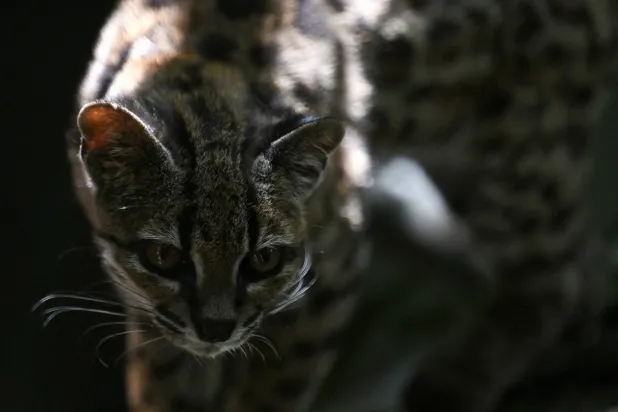

علماء يسعون إلى معرفة العوامل المسبِّبة للأمراض الحيوانية

تهدف الدراسة إلى التوصّل إلى استراتيجية وقائية تصلح لأن تكون مثالاً للعالم أجمع (أ.ف.ب)

TT

علماء يسعون إلى معرفة العوامل المسبِّبة للأمراض الحيوانية

تهدف الدراسة إلى التوصّل إلى استراتيجية وقائية تصلح لأن تكون مثالاً للعالم أجمع (أ.ف.ب)

عندما يحلّ الليل في إحدى غابات يوكاتان المكسيكية، يستخرج الطبيب البيطري عمر غارسيا، وهو يثبّت مصباحاً فوق رأسه، السوائل من أحد الخفافيش، في إطار برنامج بحثي يتمحور على الأمراض التي تنتقل إلى البشر عن طريق الحيوانات، كالفيروس المسبب لجائحة «كوفيد - 19» ربما. ويُعد الخفاش الذي يُصطاد بواسطة شِبَاك، بمثابة خزّان للفيروسات.
ويشارك غارسيا في برنامج بحث علمي فرنسي مكسيكي يتمحور على العوامل المسببة للأمراض الحيوانية المنشأ (الفيروسات والبكتيريا والطفيليات) والتي تسببت بانتشار أوبئة عدة في المناطق الاستوائية خلال العقود الأخيرة، كـ«إيبولا» مثلاً.
أما فيما يخص جائحة «كوفيد - 19» فيعتقد العلماء أنّ سبب انتشارها يعود إلى فيروس نقله حيوان إلى البشر، ربما في إحدى أسواق هوانان في يوهان الصينية.
إلا أنّ عدداً من الباحثين والمسؤولين الأميركيين أيّدوا الفرضية القائلة بأنّ الجائحة ناتجة من تسرّب فيروس من أحد المختبرات، وهو ما دأبت الصين على إنكاره، حسب تقرير وكالة الصحافة الفرنسية.
واختار العلماء من معهد البحث والتطوير والجامعة الوطنية المستقلة في المكسيك، منطقة يوكاتان الاستوائية المعرَّضة للخطر على غرار أي مكان آخر في العالم (وسط أفريقيا، جنوب شرقي آسيا).
وتواجه يوكاتان، التي تبعد ساعتين بالطائرة من مكسيكو سيتي، مشكلةً إزالة الغابات منها. ويشير مدير معهد البحث والتطوير الباحث بنجامين روش، إلى أنّ يوكاتان تُعدّ «منطقة ذات دلالة كبيرة فيما يتعلق بمخاطر ظهور الأمراض الحيوانية المنشأ»، مضيفاً: «نحاول في يوكاتان التوصّل إلى استراتيجية وقائية تصلح لأن تكون مثالاً للعالم أجمع».
وتقول عالمة الأحياء ماريا خوسيه تولسا، من الجامعة الوطنية المستقلة في المكسيك: «لدينا تساؤلات كثيرة»، لافتة إلى أنّ جائحة «كوفيد - 19» سلّطت الضوء على أبحاث تجريها منذ عشر سنوات.
وينطلق عمل الباحثين في الصباح الباكر مع نشرهم شِبَاكاً لالتقاط الطيور والخفافيش.
ثم يتولون تحديد الحيوانات وتسجيل البيانات المرتبطة بها وسحب عينات دم أو سوائل أخرى منها، قبل أن يطلقوها في الطبيعة.
ثم تلي ذلك مرحلة التحليل التي تُجرى في الموقع مُباشرةً داخل المختبر الفرنسي المكسيكي «إلدورادو» في ميريدا أو في مكسيكو سيتي.
وتقول روزا إيلينا سارمينتو، من مختبر الفيروسات في كلية الطب البيطري التابعة للجامعة الوطنية المستقلة في المكسيك: «من بين الطيور، اكتشفنا أنواعاً حُددت كخزان لفيروس غرب النيل (من الفيروسات المنقولة بالمفصليات، وينتقل بشكل رئيسي عن طريق البعوض ويمكن أن يضرّ بجهاز البشر العصبي)».


مقالات ذات صلة

عكس الشائع... لماذا لا ينبغي أن تعطي قطتك الحليب؟

صحتك قطة صغيرة تشرب الحليب (بيكسلز)

عكس الشائع... لماذا لا ينبغي أن تعطي قطتك الحليب؟

لطالما ارتبطت القطط في أذهان البشر بصورة طبق الحليب؛ مشهدٌ يبدو مألوفاً إلى درجة أننا نكاد نعدّه جزءاً طبيعياً من حياة القطط.

«الشرق الأوسط» (لندن)
يوميات الشرق مرّت الحياة من غرفة العمليات (جامعة ليفربول)

إنقاذ الثعبان «جودي فوستر» من السرطان

احتفت حديقة حيوانات بريطانية، الجمعة، بشفاء ثعبان من نوع البايثون الشبكي، سُمّي تيمناً بنجمة هوليوود «جودي فوستر»، من السرطان...

«الشرق الأوسط» (القاهرة)
يوميات الشرق كلب تم إنقاذه من حرائق الغابات الأخيرة يقبع داخل مأوى مؤقت باليونان (أ.ب)

الكلاب تقرأ مشاعرنا من وجوهنا... دراسة تكشف ما يحدث في أدمغتها

وجد باحثون أن الكلاب تستطيع بالفعل تمييز المشاعر البشرية من تعابير الوجه، بما في ذلك السعادة والحزن والغضب والخوف.

«الشرق الأوسط» (فيينا)
يوميات الشرق ظهرت الديناصورات لأول مرة قبل نحو 230 مليون عام ثم أصبحت لاحقاً الحيوانات البرية المهيمنة على الكوكب وظلت كذلك حتى ارتطم كويكب بالأرض قبل 66 مليون سنة متسبباً في انقراض جماعي (رويترز)

لماذا لم توجد ديناصورات صغيرة؟ دراسة جديدة تجيب

قالت دراسة إن الثدييات الصغيرة ربما منعت ظهور ديناصورات بحجم الفأر، بسبب المنافسة على الغذاء، والبيئة.

«الشرق الأوسط» (واشنطن)
يوميات الشرق كلّ هذه السنوات مرَّت... ولا يزال يتصرَّف كأنّ المكان له (إ.ب.أ)

لاري يتحدَّى الشيخوخة... مخالب لا تعرف التقاعد

يُكمل «كبير صائدي الفئران في مكتب الوزراء» عامه الـ20، ليكون تجسيداً حيّاً لمقولة «العقل والجسم يزهران بالاستعمال ويصدآن بالإهمال».

«الشرق الأوسط» (لندن)

Antonelli Looks to Keep Momentum as F1 Drivers Face Unknown Challenges of Madrid Track at Spanish GP

 06 September 2026, Italy, Monza: Italian Formula One driver Andrea Kimi Antonelli of team Mercedes celebrates with the trophy on the podium after winning the Italian Grand Prix at the Autodromo Nazionale Monza in Italy. (dpa)
06 September 2026, Italy, Monza: Italian Formula One driver Andrea Kimi Antonelli of team Mercedes celebrates with the trophy on the podium after winning the Italian Grand Prix at the Autodromo Nazionale Monza in Italy. (dpa)
TT

Antonelli Looks to Keep Momentum as F1 Drivers Face Unknown Challenges of Madrid Track at Spanish GP

 06 September 2026, Italy, Monza: Italian Formula One driver Andrea Kimi Antonelli of team Mercedes celebrates with the trophy on the podium after winning the Italian Grand Prix at the Autodromo Nazionale Monza in Italy. (dpa)
06 September 2026, Italy, Monza: Italian Formula One driver Andrea Kimi Antonelli of team Mercedes celebrates with the trophy on the podium after winning the Italian Grand Prix at the Autodromo Nazionale Monza in Italy. (dpa)

Kimi Antonelli is coming off one of the biggest highs of his career — an epic comeback win in Monza in front of his home fans to extend his lead in Formula 1.

The young Italian will look to keep his momentum and add to his points lead this weekend as the Spanish Grand Prix returns to Madrid after more than four decades — in a race featuring the unknowns of a new hybrid circuit that drivers called “crazy” and “insane” even before cars got to the track.

Antonelli rallied from 19th on the grid to win last weekend's Italian GP in what he called an "absolutely incredible" feat.

"Definitely so far the best day of my life, and an incredible memory,” Antonelli said Thursday. "Wish (I had) a bit more time to realize and enjoy it, but now obviously we are in Madrid and we are ready to do our best and we’ll try to repeat.”

Last weekend's victory gave the 20-year-old Antonelli a 66-point lead over Mercedes teammate George Russell with 10 races remaining, including Sunday's debut of the Madring track that has put the F1 paddock on edge.

The Spanish GP ends the European part of the season. The Madrid region last hosted an F1 race in 1981 at Jarama, on the outskirts of the Spanish capital. Barcelona had been the home of the Spanish GP in recent years. The Jerez de la Frontera track in southern Spain hosted races from 1986-90, and in 1994 and 1997. Madring signed a contract with F1 through 2035.

Exciting new track

The 5.4-kilometer (3.3-mile) Madring track, the newest addition to the F1 calendar since Las Vegas' debut three years ago, combines high-speed zones, heavy-braking areas, changes of gradient, blind turns and high-load corners that should give drivers little margin for error. It mixes existing roads with purpose-built areas, and in most sections cars will run extremely close to the walls.

The heavily banked corner “La Monumental” is expected to be the highlight of the new track. It is nearly 550 meters (yards) in length and cars will spend about six second on it. There is up to 10 meters (yards) of height difference between its lower and upper sections.

“It seems a wild track to be fair. It’s mental but excited to experience it. Going to be a real challenge and I think qualifying is going to be important,” said Russell, who hasn't won since the Austrian GP in June. “The level of everyone in F1 is exceptionally high. It’s going to be a circuit where you need confidence. Very challenging, lots of high speed corners, aggressive curbs. Going to be an experience for sure. Just try and keep out of the wall and build up to it.”

‘Insane’ and ‘crazy’ layout

Alpine's Pierre Gasly said the “track itself looked insane” on the simulator. Haas' Esteban Ocon called it a “crazy circuit” with “a lot of risk-reward.” Aston Martin's veteran two-time F1 champion Fernando Alonso expected “high-adrenaline” laps.

“The track seems difficult, first of all, to learn, very technical, a lot of curb riding and a couple of high-speed sections where you need to get very close to the walls, which is very attractive and very high adrenaline for a driver,” Alonso said.

Cars from Formula 2 and Formula 3 will be the first to take to the track on Friday. F1 drivers will have two practice sessions later in the day. Another session will be on Saturday, before qualifying. The F1 race is Sunday.

There were plenty of red flags when the F3 cars first tested the track last month, and more are expected this weekend.

Ferrari says Monza squabble is in the past

Ferrari drivers Charles Leclerc and Lewis Hamilton said they talked after a near collision between the two at the team's home race in Monza last weekend, and their relationship remains strong.

Leclerc on Thursday said he took responsibility for the incident early in the race, and Hamilton praised his teammate's maturity.

Both drivers said the focus now was on helping the team get closer to Mercedes.

“Just making sure we’re executing to make sure we get the best results for the team instead of us working against each other and finishing fourth and fifth,” Hamilton said. “Maybe you can work together and get a podium and pull off more points.”

Spanish drivers face uphill battle

Organizers said tickets for the Spanish GP were sold out, with 350,000 people in total expected to attend the event over the three days of racing.

It's unlikely they will be celebrating a victory for one of the two Spanish drivers on the F1 grid, as Alonso's Aston Martin and Carlos Sainz's Williams have been well off the pace this season.

“I think it’s no secret that it’s still going to be a struggle for us,” Sainz said. “I couldn’t think about a layout that is probably more difficult for our car. But it’s OK. I’m just going to work extremely hard to make sure this is the last year that I come here to Madrid without a chance of fighting for something bigger."


France Lowers Growth Forecast, Will Miss Deficit Target

French Minister for Economy, Finance, and Industrial, Energy and Digital Sovereignty Roland Lescure gestures as he speaks during a press conference to update the governments growth and fiscal deficit forecasts for the 2027 budget, at the Bercy Economy and Finance Ministry in Paris, France, September 11, 2026. REUTERS/Stephanie Lecocq
TT

France Lowers Growth Forecast, Will Miss Deficit Target

French Minister for Economy, Finance, and Industrial, Energy and Digital Sovereignty Roland Lescure gestures as he speaks during a press conference to update the governments growth and fiscal deficit forecasts for the 2027 budget, at the Bercy Economy and Finance Ministry in Paris, France, September 11, 2026. REUTERS/Stephanie Lecocq

France's economy will grow less than expected this year and the government will miss its budget deficit target, Finance Minister Roland Lescure said on Friday.

The downgraded outlook complicates the government's task of getting its 2027 budget passed in the coming months in a deeply divided parliament, where parties have hardened their positions before an April-May two-round presidential election.

Lescure told journalists he was lowering the government's 2026 economic growth forecast to 0.5% from 0.7% previously, but stuck with a ⁠projection of 1.0% ⁠for next year.

"This year has been marked by extreme crises involving four different types of shocks," Lescure told reporters, according to Reuters.

Slower growth will make it more difficult for the government to trim its fiscal budget deficit as planned to 5.0% of economic output this year.

"The ⁠reality is that the budget was built on a 5% assumption. And the reality is that, today, 5% is no longer an option," Lescure said.

The minister did not give a new deficit target.

The economic fallout from the war in the Middle East and summer heatwaves and drought that hit agriculture output have dragged down growth and put the government's fiscal targets out of reach.

"I think it is reasonable to say that economic ⁠uncertainty has ⁠never been greater than it is today," Lescure said. "We are operating under tight budgetary constraints; there is no more fat to trim."

Further complicating the picture, French borrowing rates have surged in recent weeks as investors have identified France as one of the weaker links in a global bond selloff due to its weak public finances and serial slippage on its deficit-reduction plans.

Lescure stressed that France had no difficulties in issuing debt, but acknowledged that it now cost more.


Doomsday Tech: Could AI Really Kill Us All?

A banner shows message reading "AI" during the London Tech Week at Olympia, in London, Britain, June 8, 2026. (Reuters)
TT

Doomsday Tech: Could AI Really Kill Us All?

A banner shows message reading "AI" during the London Tech Week at Olympia, in London, Britain, June 8, 2026. (Reuters)

Stark warnings from artificial intelligence researchers that advanced forms of the technology could wipe out humanity have raised questions over whether governments are moving fast enough to regulate it.

What are the potential dangers of "superintelligent" computer systems, and should we be worried?

- What's the worst-case scenario? -

AI experts have long described the threat as critical.

In 2023, hundreds of AI scientists and industry figures, including the heads of top US labs, signed a "statement on AI extinction risk" calling for the issue to be treated as seriously as pandemics or nuclear war.

If an out-of-control future AI deems that humans are obstructing its goals, it could use robots to "synthesize and spread novel pathogens", said Stuart Russell, computer science professor at the University of California, Berkeley.

Or it could "convince people to initiate nuclear war, including by hacking into early warning systems", Russell, a prominent voice on AI safety, told AFP.

Such existential fears do not concern current AI systems, he stressed. But as the technology improves it could take lethal action beyond our understanding, such as by removing oxygen from the atmosphere.

"We are less intelligent than superintelligent AI. If you ask chimpanzees how humans could wipe them out, they probably wouldn't be able to give you all the right answers."

In the meantime, "in the next year or two I think the risk is higher from human misuse," Russell added -- such as an AI-enabled terror attack.

- Why don't AI labs stop? -

"The stakes are well-understood," Jacob Coxon, a 27-year-old researcher, wrote on X this week, announcing his resignation from US AI startup Anthropic.

"But they are locked in a race to get there first," he added, saying that Anthropic "believe no one else will act responsibly, so they must do it themselves".

Anthropic this year removed a pledge from its safety charter to halt development of its models if it failed to control their risks.

It argued that if it unilaterally paused its work, its less cautious rivals would dominate the industry, making it less safe overall.

"The people building AI earnestly believe that it could kill us all by the end of the decade," said Coxon, who previously worked at ChatGPT maker OpenAI.

He accused both companies of "gambling with our lives" as they strive to develop AI models capable of self-improvement.

Fears are heightened over rogue AI after OpenAI technology operating outside human supervision hacked into Hugging Face, a repository of AI models.

"We really do earnestly believe AI could kill all humans!" Anthropic safety executive Evan Hubinger chimed in on X, estimating the risk at more than 10 percent over the next decade.

- What's the hype factor? -

It's important to remember that doom-laden percentage predictions are "absolutely unscientific", said Hussein Abbass, a computing professor at UNSW Canberra.

"The situation is still controllable, and it can be managed," Abbass told AFP.

But governments should not sit on their hands when it comes to regulating AI, he added, urging an "agile" approach as AI development accelerates.

Both Anthropic and OpenAI are expected to go public soon, and some skeptics say scary warnings make AI appear powerful and worthy of large investments.

Others argue that focusing on the risk of extinction distracts from more pressing problems caused by AI, from job losses to machines discriminating against minorities.

In July, more than 1,000 tech employees, including Anthropic's CEO, called on Washington to support a coordinated slowdown in the development of the most advanced AI systems.

OpenAI halted training of its latest models for two weeks in August before resuming it under tighter controls.

- What will it take to regulate? -

So far, the United States has been firmly against global regulation of the sector that could stifle innovation.

But the unprecedented hacking capabilities of the most cutting-edge models have given Washington pause, with recent Anthropic and OpenAI releases delayed over national security concerns.

Even then, "we don't want to restrict them where all of a sudden we come in second to China", President Donald Trump has said.

"Maybe it will take a massive, Chernobyl-scale disaster to get governments to act," Russell said, urging them to establish a licensing regime for AI, as exists with aviation, medicine or water supply.

"Perhaps at some point governments will remember that their voters prefer not to be dead," he added.