الشتاء يعقد المهمات القتالية للطرفين في أوكرانياhttps://aawsat.com/home/article/3941796/%D8%A7%D9%84%D8%B4%D8%AA%D8%A7%D8%A1-%D9%8A%D8%B9%D9%82%D8%AF-%D8%A7%D9%84%D9%85%D9%87%D9%85%D8%A7%D8%AA-%D8%A7%D9%84%D9%82%D8%AA%D8%A7%D9%84%D9%8A%D8%A9-%D9%84%D9%84%D8%B7%D8%B1%D9%81%D9%8A%D9%86-%D9%81%D9%8A-%D8%A3%D9%88%D9%83%D8%B1%D8%A7%D9%86%D9%8A%D8%A7
الشتاء يعقد المهمات القتالية للطرفين في أوكرانيا
الدول الغربية تدرج ملابس للشتاء في مساعداتها العسكرية لكييف
أشخاص يقدمون وثائقهم أثناء توزيع المساعدات الإنسانية في منطقة زاباروجيا (أ.ب)
أشخاص يقدمون وثائقهم أثناء توزيع المساعدات الإنسانية في منطقة زاباروجيا (أ.ب)
مع اقتراب الشتاء في أوكرانيا، ستؤدي الوحول والثلوج والبرد إلى تعقيد مهمة القوات الأوكرانية والجيش الروسي في الأشهر المقبلة. ولدى الجيش الأوكراني الذي شن هجوماً لاستعادة الأراضي التي احتلتها موسكو، ما يخسره أكثر من الجيش الروسي من توقف مؤقت في عملياته؛ لأنه يريد الاستفادة من مكاسبه الأخيرة قبل حلول فصل الشتاء. وقال وزير الدفاع الأميركي لويد أوستن، الأسبوع الماضي، في بروكسل: «أتوقع أن تواصل أوكرانيا بذل كل ما في وسعها خلال الشتاء لاستعادة الأراضي، وتظل فعالة في ساحة المعركة»، مشيراً إلى أن «الشتاء يمثل دائماً تحدياً على صعيد القتال». والرأي نفسه عبَّر عنه مارك كانسيان، من مركز الدراسات الاستراتيجية والدولية (سي إس آي إس)، الذي يذكِّر في الوقت نفسه بأن الحرب بدأت في فبراير (شباط)، في منتصف الشتاء، وبالتالي فإن المتحاربين لديهم خبرة في هذا النوع من القتال. وقال لوكالة الصحافة الفرنسية: «أظن اننا سنشهد قريباً تباطؤاً عندما تبدأ الوحول في الظهور». وأضاف أنه بعد ذلك «سيستأنف القتال خلال الشتاء»، ولكن ربما لن يكون بالمستوى الذي كان عليه في أيام الصحو، على حد قوله. في الواقع، لن يكون القتال سهلاً في أوج الشتاء. فالجنود سيشعرون بالبرد وسيكون من الصعب صيانة أسلحتهم وآلياتهم لتبقى في حالة جيدة، وستغطي الثلوج الألغام، ما يجعل اكتشافها أصعب. ويقول مايكل أوهانلون، من مركز «بروكينغز للأبحاث»، إنه من الصعب «الاستمرار في ساحة المعركة والحفاظ على المعدات (...) وتشغيل الآليات عندما تنخفض درجات الحرارة». ويضيف أن «هذه الحقائق لا تمنع إمكانية القتال، لكنها بالتأكيد تحد منها». ويرى كانسيان، الكولونيل السابق في مشاة البحرية الأميركية، أنه يمكن أن يتركز القتال حول القرى بسبب الملاجئ التي تؤمنها للقوات التي تسيطر عليها. وتؤمنُ المعدات، التي يقدمها الحلفاء للقوات الأوكرانية من ملابس دافئة ومعدات خاصة بالبرد الشديد، لأوكرانيا تفوقاً على روسيا، التي تواجه مشاكل لوجيستية منذ بداية الحرب. ووعدت كندا بتقديم 500 ألف قطعة من الملابس الشتوية، بما في ذلك سترات وسراويل وأحذية وقفازات وسترات، بينما تقوم ليتوانيا بتجهيز 25 ألف جندي أوكراني بالكامل لفصل الشتاء. وقدمت ألمانيا مئات الآلاف من القبعات والسترات والسراويل إلى مدينة كييف. وأدرجت الولايات المتحدة وبريطانيا أيضاً ملابس للشتاء في مساعداتها العسكرية الأخيرة لأوكرانيا. لكن من المهم للقوات الأوكرانية أن تتحرك بسرعة بعد النجاحات الأخيرة في ساحة المعركة، ليس فقط بسبب اقتراب فصل الشتاء. فقد شهدت التعبئة في روسيا بعض الإخفاقات منذ أكثر من شهر، لكنها بدأت تؤتي ثمارها بالفعل مع وصول قوات جديدة إلى ساحة المعركة. وقال كانسيان إن روسيا تراهن على أن «التعبئة والطقس سيؤديان إلى استقرار الخطوط الأمامية». وأضاف أن موسكو تعتقد أن بإمكانها بعد ذلك إطالة أمد الحرب على أمل أن يتضاءل الدعم الأوروبي لأوكرانيا مع ارتفاع أسعار الطاقة وانخفاض درجات الحرارة، معتبراً أن هذه الاستراتيجية ستفشل. وشنت روسيا ضربات مدمرة على المدن والبنى التحتية الأوكرانية؛ مما عزز الضغط على السكان. وقال كانسيان إن الأوكرانيين «يواجهون محناً و(...) يقدمون تضحيات، لكنهم بعيدون عن الانهيار، ولا أعتقد بأن أي شخص يتوقع انهيار الروح المعنوية الأوكرانية». ورأى جان جنتيلي، المؤرخ العسكري في مؤسسة «راند كوبروريشن»، أن المرونة التي أظهرها السكان الأوكرانيون يمكن أن تساعد جيش البلاد على القتال هذا الشتاء. وقال: «إنهم يعتبرون أنهم يقاتلون من أجل وجودهم. إنهم يظهرون قوة قتالية، وهذا لا ينطبق على ما يبدو على القوات الروسية». وأكد أنه «عامل نفسي يمكن أن (...) يساعد في تحمل البرد والطقس السيئ».
Yemen’den BM Güvenlik Konseyi’ne: Husilerin ihlalleri, İran’ın bölgedeki çıkarlarına hizmet ediyor
Yemen’in Birleşmiş Milletler Daimî Temsilcisi Büyükelçi Abdullah es-Saadi (SABA)
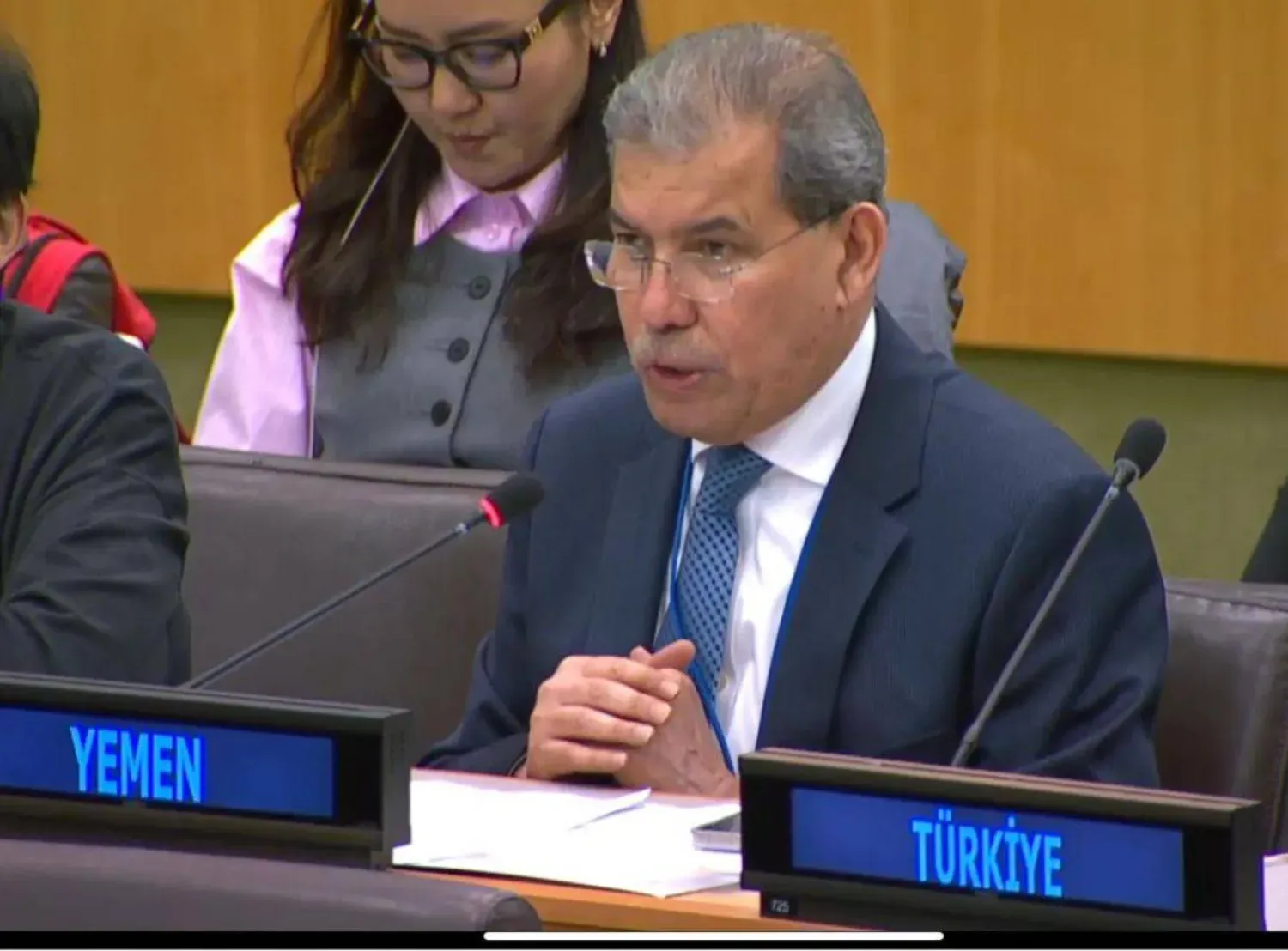
Yemen’in Birleşmiş Milletler Daimî Temsilcisi Büyükelçi Abdullah es-Saadi, Husilerin Suudi Arabistan’a yönelik saldırılarını genişleterek havalimanlarını, tesisleri ve sivil ve ekonomik varlıkları hedef aldığını söyledi.
Es-Saadi, dün BM Güvenlik Konseyi’nin Yemen’deki durumu ele almak üzere düzenlediği açık oturumda ülkesinin açıklamasını sunarken, “Bu suçlar, Husilerin sivilleri ve hayati öneme sahip kurumları hedef almaktan çekinmeyen terörist bir grup olduğunu bir kez daha ortaya koyuyor. Bunu, dengeleri değiştirmek ve yıllardır Yemen halkına karşı işledikleri ihlal ve suçlardan dikkati uzaklaştırmak amacıyla yapıyorlar. Bütün bunlar, İran’ın bölgedeki çıkarlarına hizmet ediyor” ifadelerini kullandı.
Yemen silahlı kuvvetlerinin, Suudi Arabistan liderliğindeki koalisyonun desteğiyle Kızıldeniz’i ve Babülmendeb Boğazı’nı savunduğunu belirten Es-Saadi, böylece tüm dünya ekonomisinin dayandığı hayati bir ticaret ve ulaşım hattının korunduğunu kaydetti.
Es-Saadi, “Seyrüsefer özgürlüğü ortak bir çıkarsa, bunun korunması da ortak bir sorumluluktur. Yemen halkı bu sorumluluğun maliyetini tek başına üstlenmek zorunda bırakılmamalıdır” ifadelerini kullandı.
Büyükelçi Es-Saadi, BM Güvenlik Konseyi’ne Husilerin artan gerilimden sorumlu tutulmasını sağlayacak açık bir tutum benimseme ve Konsey kararlarının, özellikle de 2216 sayılı kararın, etkin biçimde uygulanması çağrısında bulundu. Ayrıca Husilere yönelik finansman ve kaçakçılık ağlarının sınırlandırılması, silah, teknoloji, uzmanlık ve askerî amaçlı ya da çift kullanımlı bileşenlerin gruba ulaştırılmasının durdurulması için somut ve kararlı adımlar atılmasını istedi.
Yemen’in BM Daimî Temsilcisi, Husilere verilen desteğin arkasındaki aktörlerin, başta İran yönetimi olmak üzere, hesap vermesi gerektiğini vurguladı. Şarku’l Avsat’ın aldığı bilgiye göre Saadi, savaşı besleyen kaçakçılık ve finansman ağlarıyla mücadele için Yemen hükümetiyle iş birliğinin güçlendirilmesi çağrısında bulundu.
Es-Saadi, Suudi Arabistan’ın istikrarlı tutumunu ve devlet kurumlarıyla ulusal ekonomiye yönelik kesintisiz desteğini takdir etti. Bu desteğin, ülkenin benzeri görülmemiş ekonomik ve insani zorluklarla karşı karşıya olduğu bir dönemde, bu ayın başında kamu bütçesine yönelik yeni bir mali destek diliminin sağlanmasını da kapsadığını belirtti.
Yemen’in BM Daimî Temsilcisi ayrıca, Suudi Arabistan Kralı Selman bin Abdülaziz’in, Yemen Başkanlık Liderlik Konseyi Başkanı Reşad el-Alimi’nin talebi üzerine, Suudi Arabistan’da düzensiz statüde bulunan Yemen vatandaşlarının durumlarının düzenlenmesine yönelik işlemlerin başlatılması talimatını da takdirle karşıladı. Es-Saadi, bu talimatı son derece önemli bir insani girişim olarak nitelendirdi.
Büyükelçi Es-Saadi, Suudi Arabistan’ın tutumunun, uluslararası toplumun Yemen’e karşı sorumluluğunun yalnızca krizin yönetilmesiyle veya güvenlik sorunlarının sonuçlarına müdahale edilmesiyle sınırlı kalmaması gerektiğini ortaya koyduğunu belirterek, “Bu sorumluluk, Yemen halkının korunmasını da kapsamalıdır” ifadelerini kullandı.
Arabs in Israel: A Dangerous Security Secret, Especially During Electionshttps://aawsat.com/node/5327937
Arabs in Israel: A Dangerous Security Secret, Especially During Elections
Benjamin Netanyahu with his wife and Israeli President Isaac Herzog (AFP)
“We on the right and center-right represent about 65% of the electorate, so we will remain able to form governments in the future. I know I will lose support and may even alarm many of my good friends. But I believe we must tie our fate to that of the Arabs in Israel.”
Natan Eshel, known as Benjamin Netanyahu’s closest adviser, published those words on June 16, 2019.
His opinion piece appeared that day in two newspapers at opposite ends of Israel’s political spectrum: Haaretz, which the right sees as radically left-wing, and Makor Rishon, the newspaper of the pro-settlement right, which the left regards as a platform for the fascist right.
Anyone who knows the inner workings of Israeli politics understands that the article expressed Netanyahu’s own views. The governing right was addressing the entire Israeli public, from the far right to the far left, through the liberal center.
Its message: the right had the courage to change official policy toward Arab citizens, marked throughout Israel’s history by racial discrimination and the suppression of freedoms.
The article sent shock waves through Israel. The country was in a historic constitutional crisis, going through five elections in two and a half years. “The Arabs are not the problem, but the solution,” Eshel wrote in the same article.
What happened over seven years to make Netanyahu abandon that path and embrace its opposite, hostility and hatred?
And why is Israel’s Central Elections Committee, supposedly a model of integrity, now voting overwhelmingly to disqualify all Arab candidate lists, seeking to deny Arab citizens their basic right to run for the Knesset?
A closer look reveals that most Israeli parties are mired in racism. They treat the Arab minority with arrogance and condescension, just as Aryans in Europe treated Jews: excluding them, trampling on their rights and doing everything they can to diminish their standing.
The question remains: What drove Netanyahu to seek fair treatment for Arabs, then retreat so far that he now sees them as an “eighth front” in Israel’s wars, alongside Iran, Lebanon’s Hezbollah, Iraq’s Hezbollah, Hamas in Gaza, the Palestinian Authority in the West Bank and the Houthis in Yemen?
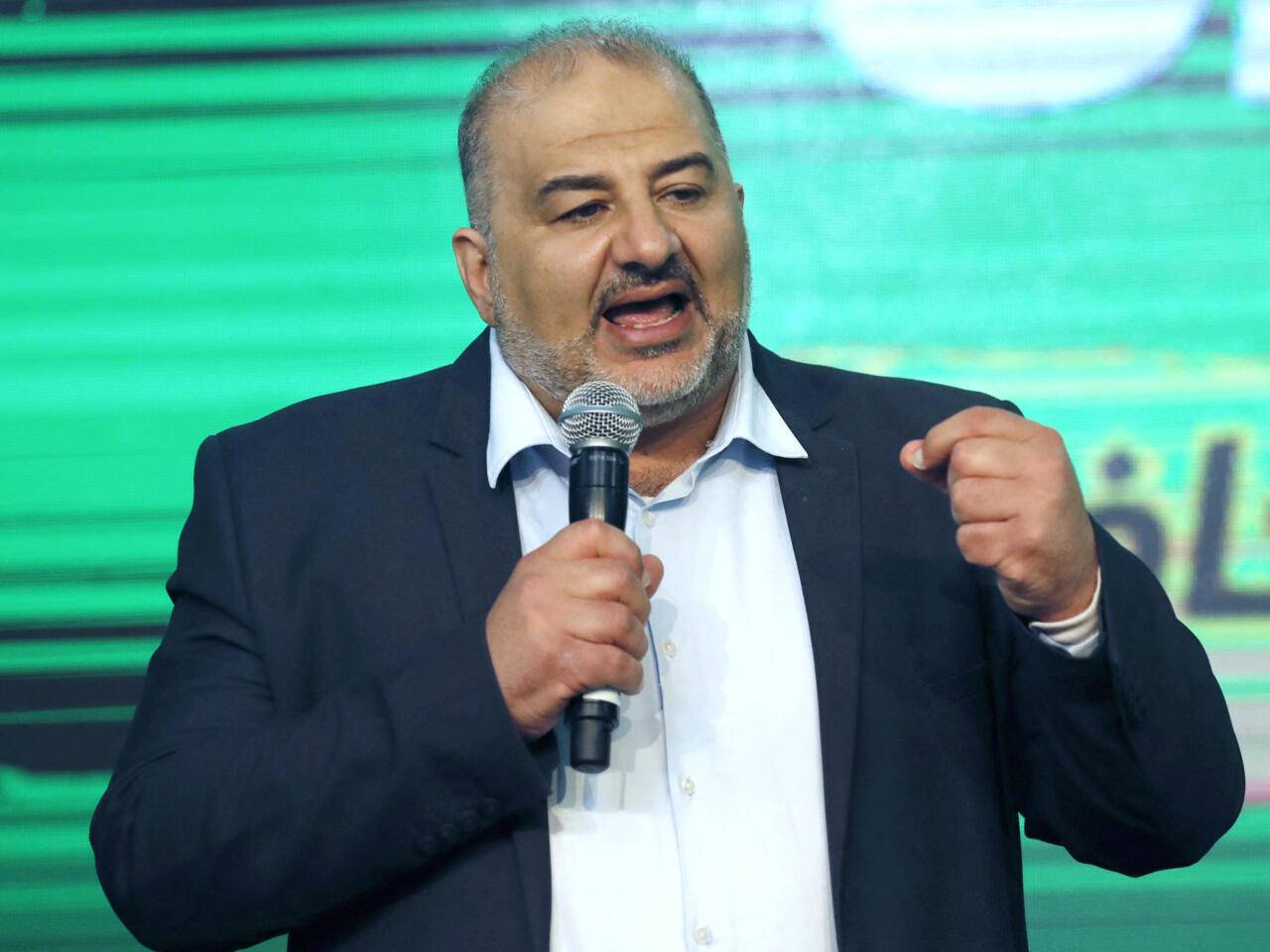
Mansour Abbas. AFP
The turn begins
Some trace the shift to 2016, when Attorney General Avichai Mandelblit decided to file indictments in three serious corruption cases.
These analysts see Netanyahu’s outreach to Arab citizens as a normal democratic step: an attempt to redress decades of racial discrimination and show that the right, in particular, could put them on a path toward equality.
He had approved Plan 922, allocating $5 billion to narrow some of the disparities caused by discrimination. The plan was developed with the Joint List, led by lawmaker Ayman Odeh, and the National Committee of Heads of Arab Local Authorities, led by Mazen Ghnaim.
But Netanyahu’s aides had a different calculation. They were building an alliance of right-wing parties to shield him against the judiciary, which was trying him on three corruption indictments.
The right was fragmented. Its far-right parties distrusted Netanyahu’s governments, which always included one or more centrist parties. He offered them a deal: a permanent alliance, in good times and bad, that would hold under any circumstances and support him in court.
When far-right leaders began throwing their weight around and imposing conditions, he turned to another tactic: an alliance with one of the Arab lists.
All the Arab parties had by then united under the Joint List. Netanyahu knew that bringing one into his coalition could break that unity. He would achieve three goals at once: divide his opponents, as he routinely did; secure a governing majority; and win respect in the West for ending the exclusion of Arabs and discrimination against them.
But the hard-line far right insisted he must not ally with Arabs. The opportunity collapsed.
His center-right rivals, Naftali Bennett and Yair Lapid, seized it instead. In 2021, they formed a coalition with the United Arab List, led by lawmaker Mansour Abbas. That alliance gave them the numbers to form a government.
The government lasted a year and a half; too little time to fundamentally change Israeli policy. But it gave Arab parties political legitimacy and secured several gains for Arab citizens, foremost among them Plan 555, providing an estimated $10 billion in funding.
It began with Rabin
Abbas’ alliance with the Bennett-Lapid government was not the first to include Arabs.
In 1993, Shas, the party of ultra-Orthodox Jews of Middle Eastern origin, left Yitzhak Rabin’s government, reducing it to a minority. Rabin turned to the Arabs.
They were represented by two parties: the Democratic Front for Peace and Equality, led by lawmaker Tawfiq Zayyad, with three seats, and the Arab Democratic Party, led by lawmaker Abdulwahab Darawshe, with two. Together, they formed the “blocking bloc,” preventing the right from toppling the government.
Rabin showed a sincere commitment to the alliance. He accepted two conditions: begin a process to achieve full equality for Israel’s Arab citizens and recognize the Palestine Liberation Organization.
The alliance delivered on both fronts. The Oslo Accords were one of its fruits. But, as is well known, the Israeli right assassinated Rabin. Netanyahu then took power for his first term, from 1996 to 1999.
The process was derailed. Arabs were again excluded and pushed toward the political margins. Their parties resumed their struggle from the back benches of the Knesset opposition, in street demonstrations and through international pressure from United Nations bodies, the European Union and other institutions.
Netanyahu once again turned them into a bogeyman to frighten Jews.
Incitement long before Oct. 7
The impression that Netanyahu is exploiting the Hamas attack of Oct. 7, 2023, to fuel hatred of Arabs in Israel misses the longer history. Incitement against them began long before the attack. Netanyahu himself played a decisive role.
An Israel Democracy Institute poll showed how successful that incitement had been.
Conducted a week before his June 2019 call to bring Arabs into the coalition, it found that 81% of Jewish respondents opposed Arab parties’ participation. Just 13% supported it.
The Hamas attack, however, became a defining benchmark for Israeli policy and a fixation for an entire society. At its core lies hatred of Palestinians — all Palestinians, including Gaza’s children — and support for killing them alongside their mothers, daughters and elderly people. Even Palestinian citizens of Israel were cast as enemies.
Why? Did they join the Hamas attack? Did they approve of it?
Every Israeli politician and military official knows that Arab citizens stand in direct opposition to Hamas and wholly opposed its attack. Many were themselves killed or wounded.
Arabs opposed the attack
Arabs in the Negev were among the first hit by Hamas rockets during the attack. Six were killed.
The attackers also killed a Palestinian woman wearing a headscarf who tried to stop them from killing civilians. She told them their actions violated Islamic values. They shot her.
They also shot an Arab paramedic from Iksal, near Nazareth, who worked for Magen David Adom, as he treated a wounded Jew.
Even the Islamic Movement led by lawmaker Mansour Abbas condemned the Oct. 7 attack as “a massacre and an inhuman, unjustified act that does not reflect the values of the Palestinian people.” Almost every Arab politician in Israel did much the same.
To say that “after Oct. 7, no government may be formed that relies on Arab parties” is therefore a slur built on lies and ingratitude. Behind it lies blind racism.
The threat this policy poses to Israel’s future has ignited a struggle among Jews themselves over how to respond.
The majority, including liberal centrist forces led by Gadi Eisenkot, Naftali Bennett and Yair Lapid, embrace this racist position without shame or hesitation.
Despite their positive experience of an alliance with Mansour Abbas, they bowed to Netanyahu’s campaign, disavowed that alliance and pledged to reject any government dependent on an Arab party.
Eisenkot tried to soften his opposition. At a meeting with voters in Jerusalem last Friday, he said: “Since this morning, my team has been dealing with the promise supposedly made to them that Mansour Abbas would be in the government. Anyone who knows me knows that I do not make promises.”
His answer still left him an opening. Every partner, he said, must accept three basic principles: that Israel is a Jewish, democratic and liberal state; the values of the Declaration of Independence; and the obligation to perform military or national service.
Last Tuesday, he told Radio 103FM he had added a fourth condition: anyone joining his government must support eliminating Hamas.
A liberal and left-wing current rejects this racist approach. It argues that the Jewish people, who once suffered racial discrimination in its most abhorrent forms, now practice it openly, explicitly and as official policy.
“Bringing Arab parties and Arab society into any future governing coalition is a strategic necessity to save Israel and defeat the right, which is destroying Israel,” said Yair Golan, leader of the Democrats party.
Yet Golan joined the racist right-wing parties in backing the disqualification of Sami Abu Shehadeh, leader of Balad.
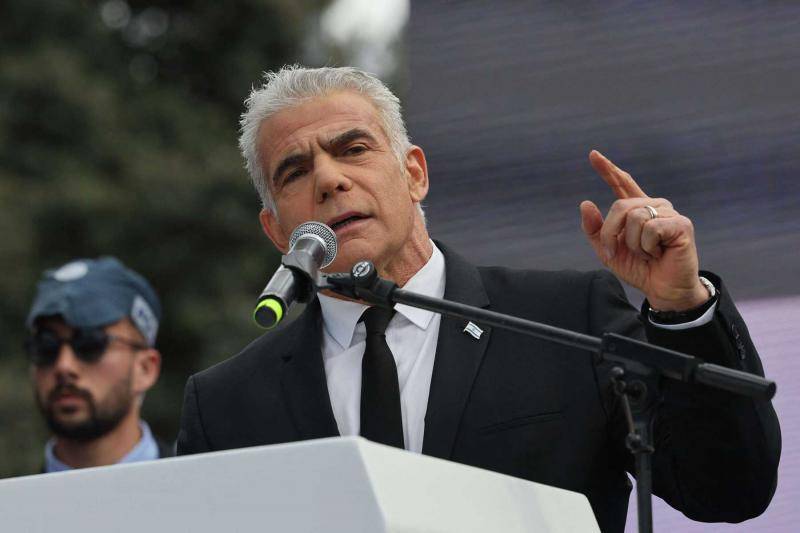
Yair Lapid. AFP
A cautious Arab campaign
Arab parties are fighting cautiously, seeking to give the right no ammunition against them on any front.
The right has made the fight against these parties a central campaign goal, particularly as it watches its opponents fall into its trap. It is pursuing a legal battle to disqualify every Arab party and bar them from elections, arguing that they support terrorism and do not recognize Israel as a Jewish and democratic state.
Arab party leaders grasped what the election battle meant for their community’s future. They chose the safest paths to greater political weight.
First, they sought to prevent any Arab votes from being wasted.
Three parties formed an alliance: the Democratic Front for Peace and Equality, led by Professor Yousef Jabareen; the Arab Movement for Change, led by lawmaker Ahmad Tibi; and the National Democratic Assembly, led by Sami Abu Shehadeh. They also signed a surplus-vote agreement with the United Arab List, led by lawmaker Mansour Abbas.
Second, the two Arab lists signed a code of honor pledging a fair and clean election campaign. Their leaders agreed to cooperate in the Knesset afterward to secure the strongest possible parliamentary leadership positions.
Third, Abbas added a Jewish lawmaker, former police major general Yoav Segalovitz, to his list, giving him second place.
Segalovitz has an extensive record of fighting organized crime, now the gravest scourge facing Arabs in Israel. His presence on an Arab list undercuts those who would deem it illegitimate.
Abu Shehadeh’s disqualification
Fourth, they widened the battle with the right, involving international actors from the United Nations, the European Union and some groups in the United States to prevent the racist campaign against them.
The Elections Committee disqualified Sami Abu Shehadeh over an article he wrote on Oct. 8, 2023, the day after the Hamas attack on Israel.
The article glorified the attack as a successful act of resistance and an outcome to be expected under the physical principle that “for every action, there is a reaction.”
Abu Shehadeh repudiated its substance. Speaking before the committee on Wednesday, he said he had written it before learning of the atrocities committed during the Hamas attack.
Writing the article was a mistake, he said. If he wrote it today, he would write it differently.
He stressed that he rejected violence against any party, whether a state or individuals, and that his political record was full of support for a just peace. The proposal to disqualify him was therefore unfair.
The retraction did not save him. A decision was also made to disqualify even Abbas’ list, which had expressed willingness to join the government.
The Supreme Court adopted the same position. It told him it would disqualify him if he continued with the court proceedings, but advised him to withdraw and cancel his candidacy himself.
He did so. His action joined the earlier measures seen as part of a measured effort to pull the rug out from under the right.
First the parties, then citizenship
Arabs now see their struggle as fundamental and existential. Those seeking to disqualify their parties are, in practice, paving the way to stripping them of their status as citizens.
They see clearly how brutal views such as those of Finance Minister Bezalel Smotrich influence a range of Jewish actors: from armed militias threatening their existence to the terrorist professor at Bar-Ilan University who devised a plan for a Jewish terrorist organization to kill hundreds of Arabs and force them from their homeland.
ترمب يجدّد المواجهة مع «الفيدرالي» في قضية ليزا كوكhttps://aawsat.com/%D8%A7%D9%84%D8%A7%D9%82%D8%AA%D8%B5%D8%A7%D8%AF/5327936-%D8%AA%D8%B1%D9%85%D8%A8-%D9%8A%D8%AC%D8%AF%D9%91%D8%AF-%D8%A7%D9%84%D9%85%D9%88%D8%A7%D8%AC%D9%87%D8%A9-%D9%85%D8%B9-%D8%A7%D9%84%D9%81%D9%8A%D8%AF%D8%B1%D8%A7%D9%84%D9%8A-%D9%81%D9%8A-%D9%82%D8%B6%D9%8A%D8%A9-%D9%84%D9%8A%D8%B2%D8%A7-%D9%83%D9%88%D9%83
ترمب يجدّد المواجهة مع «الفيدرالي» في قضية ليزا كوك
ليزا كوك خلال مشاركتها في مؤتمر «جاكسون هول» السنوي (رويترز)
جدّد الرئيس الأميركي دونالد ترمب مساعيه لإقالة ليزا كوك، محافظة مجلس «الاحتياطي الفيدرالي»، عبر فتح تحقيق جديد في اتهامات تتعلق بتقديمها بيانات غير صحيحة في طلبات للحصول على قروض عقارية، في خطوة تعيد المواجهة بشأن استقلالية البنك المركزي إلى الواجهة قبل أسابيع من انتخابات التجديد النصفي لـ«الكونغرس».
وأعلن البيت الأبيض تشكيل لجنة تحقيق ستعقد جلسة مغلقة مع كوك في 5 نوفمبر (تشرين الثاني)، تستمر حتى 4 ساعات، للنظر في الأدلة والاتهامات الموجهة إليها، على أن ترفع توصيتها إلى ترمب بشأن وجود مسوّغ قانوني لإقالتها.
وقال ترمب، في مذكرة رئاسية مؤرخة في 7 أكتوبر (تشرين الأول)، ونُشرت الجمعة، إن من مسؤولياته ضمان تنفيذ القوانين، بما في ذلك إقالة المسؤولين الذين لا يمكن الوثوق بصدقهم أو التزامهم بالقانون. وأضاف أن اللجنة ستتولى التحقيق في الاتهامات، وتحديد ما إذا كانت هناك «أسباب» تبرر عزل كوك.
في المقابل، قال محاميا كوك، آبي لويل ونورم آيزن، إن أي جلسة تتسم بالموضوعية ستخلص إلى أنها لم ترتكب احتيالاً في طلبات الرهن العقاري، وبالتالي لن يكون هناك أساس قانوني لإقالتها. وأكدا أن كوك ترحب بفرصة عرض الوقائع وتبرئة اسمها، مشيرين إلى أنهما أجريا اتصالات مع البيت الأبيض بشأن إجراءات التحقيق.
وتأتي الجلسة قبل يومين من انتخابات التجديد النصفي المقررة في 3 نوفمبر، التي ستحدد ما إذا كان الجمهوريون سيحتفظون بالسيطرة على مجلسي النواب والشيوخ، أم لا. وقد تتيح إقالة كوك شغور مقعد في مجلس محافظي «الاحتياطي الفيدرالي» المؤلف من 7 أعضاء، بما قد يؤثر في التوازن داخل المؤسسة النقدية.
مواجهة قانونية
كان ترمب قد حاول للمرة الأولى إقالة كوك في أغسطس (آب) 2025، لتصبح أول محاولة من نوعها لإقالة عضو قائم في مجلس محافظي «الاحتياطي الفيدرالي». وردّت كوك برفع دعوى قضائية، مؤكدة أنها لم ترتكب أي مخالفة.
وانتهت القضية إلى حكم أصدرته المحكمة العليا الأميركية في وقت سابق من العام الحالي، قضى بأن الرئيس لا يستطيع عزل أحد محافظي البنك المركزي متى شاء، بل يتعين عليه اتباع إجراءات واضحة تتيح تحديد الأسباب القانونية للإقالة، وتمكّن المسؤول المعني من الدفاع عن نفسه.
وأبقى الحكم كوك في منصبها، مع إعادة القضية إلى محكمة اتحادية أدنى درجة. وحددت القاضية كيا كوب الشهر الماضي، 6 نوفمبر موعداً نهائياً لتقديم محامي ترمب وكوك مقترحاً مشتركاً بشأن إجراءات التقاضي.
وعُيّنت كوك في مجلس المحافظين عام 2022 خلال رئاسة جو بايدن، ثم أُعيد تعيينها في 2023 لولاية تستمر حتى عام 2038. وكانت أول امرأة سوداء تنضم إلى مجلس محافظي البنك المركزي الأميركي.
ضغوط على استقلالية البنك المركزي
يرى محللون أن تجدد مساعي ترمب لإقالة كوك قد يزيد الضغوط السياسية على «الاحتياطي الفيدرالي»، في وقت يسعى فيه الرئيس إلى التأثير في قرارات أسعار الفائدة، منتقداً البنك المركزي لعدم خفضها بالسرعة التي يريدها.
وقال كريشنا غوها، المحلل لدى «إيفركور آي إس آي»، إن ترمب يبدو مقتنعاً بأن توجه البنك المركزي نحو التشدد النقدي يعود إلى أن رئيسه الذي اختاره، كيفن وارش، محاصر داخل مجلس محافظين يتبنى موقفاً متشدداً ويعارض سياساته. وأضاف أن تشكيل لجنة التحقيق يمثل تجديداً للتهديد الذي تواجهه استقلالية «الاحتياطي الفيدرالي»، وقد يأتي بنتائج عكسية على هدف الرئيس المتمثل في خفض الفائدة.
وتضم اللجنة الجديدة كيفن هاسيت، كبير مستشاري ترمب للسياسة الاقتصادية، وأندريا لوكاس، رئيسة لجنة تكافؤ فرص العمل، وكيث سونديرلينغ، المدير بالإنابة لمكتب أخلاقيات الحكومة. وستتولى اللجنة، أو ممثلو أعضائها، أو مسؤولون من وزارة العدل، استجواب كوك خلال الجلسة.
وبحسب المذكرة، ستقدم كوك أي إفادة لاحقة للجلسة قبل 10 نوفمبر، على أن ترفع اللجنة توصيتها إلى ترمب بشأن وجود أسباب تبرر إقالتها في أقرب وقت ممكن بعد ذلك الموعد.
من جانبها، وصفت السيناتورة الديمقراطية إليزابيث وارن، أبرز الديمقراطيين في اللجنة المصرفية بمجلس الشيوخ المشرفة على «الاحتياطي الفيدرالي»، الجلسة بأنها «محكمة صورية»، معتبرة أنها جزء من مسعى ترمب، الذي وصفته بالخطير، للسيطرة على البنك المركزي بصورة غير قانونية.
ولا تقتصر المواجهة بين ترمب والبنك المركزي على قضية كوك؛ إذ سبق للرئيس أن اتهم رئيس «الاحتياطي الفيدرالي» السابق جيروم باول، الذي لا يزال عضواً في مجلس المحافظين، باحتمال ارتكاب مخالفات مالية تتعلق بأعمال تجديد مباني البنك. وأثار ذلك تحقيقاً جنائياً لوزارة العدل أُغلق لاحقاً، فيما رفضت جهة رقابية مستقلة هذه الاتهامات الشهر الماضي.