السفير ضياء الدين سعيد بامخرمةhttps://aawsat.com/home/article/671136/%D8%A7%D9%84%D8%B3%D9%81%D9%8A%D8%B1-%D8%B6%D9%8A%D8%A7%D8%A1-%D8%A7%D9%84%D8%AF%D9%8A%D9%86-%D8%B3%D8%B9%D9%8A%D8%AF-%D8%A8%D8%A7%D9%85%D8%AE%D8%B1%D9%85%D8%A9
السفير ضياء الدين سعيد بامخرمة
TT
TT
السفير ضياء الدين سعيد بامخرمة
عميد السلك الدبلوماسي، سفير جمهورية جيبوتي لدى المملكة العربية السعودية، استقبله الأمير فيصل بن بندر بن عبد العزيز، أمير منطقة الرياض، في مكتبه، برفقة عدد من رؤساء المجموعات الدبلوماسية المعتمدين لدى المملكة، الذين قدموا للسلام على أمير منطقة الرياش وتهنئته بشهر رمضان المبارك. وجرى خلال اللقاء تبادل الأحاديث ومناقشة الموضوعات ذات الاهتمام المشترك.
Saudi Crown Prince Receives Calls from Turkish, Lebanese and German Leaders Condemning Houthi Attacks
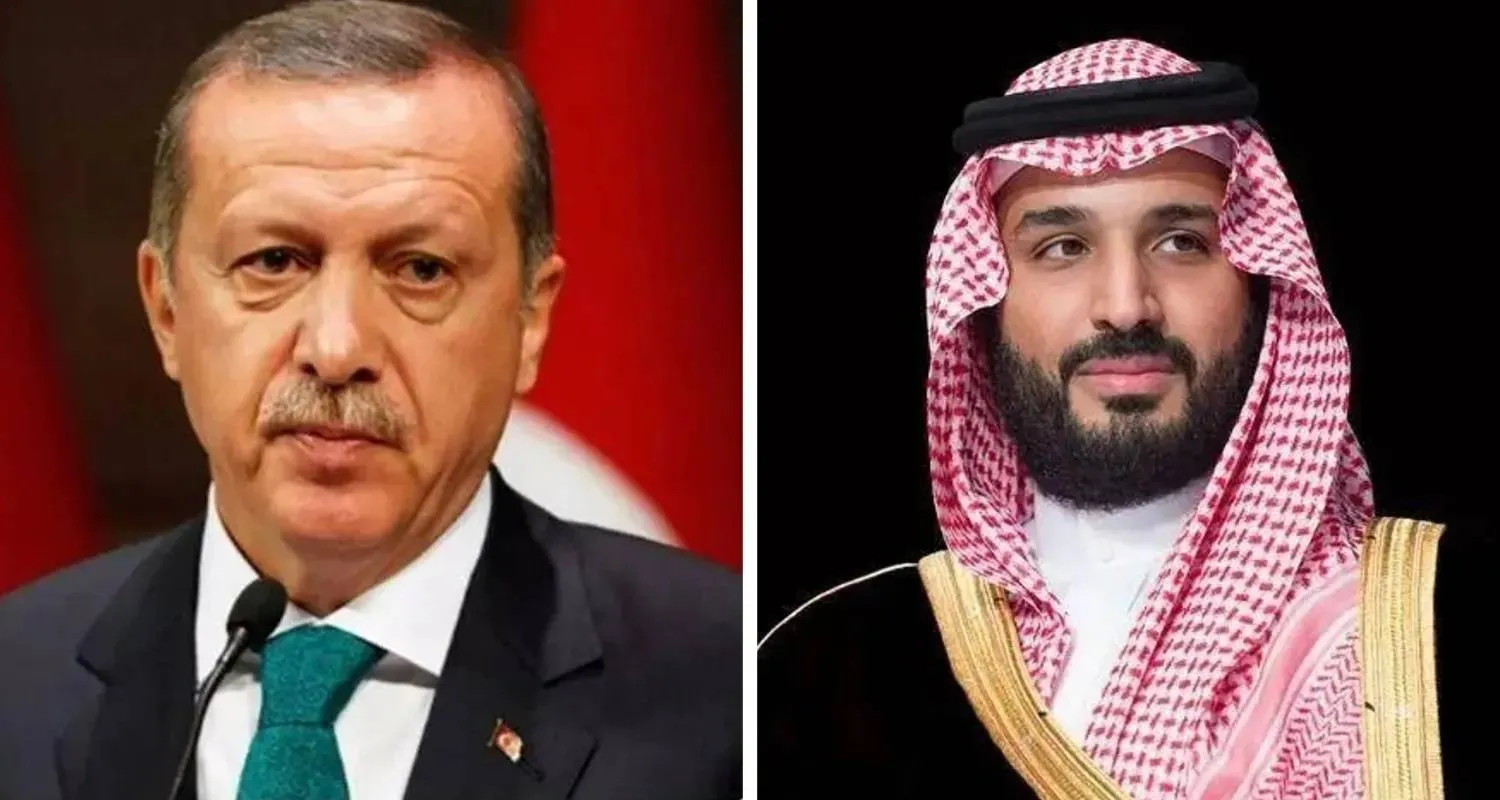
Saudi Crown Prince Mohammed bin Salman and Turkish President Recep Tayyip Erdogan (SPA)
Saudi Crown Prince and Prime Minister Mohammed bin Salman received phone calls Tuesday from Federal Chancellor of Germany Friedrich Merz, Lebanese President Joseph Aoun and Turkish President Recep Tayyip Erdogan, during which the leaders condemned the Houthi attacks targeting the Kingdom and affirmed their solidarity with Saudi Arabia in the face of threats to its security and stability.
During the call, Merz expressed Germany's condemnation of the terrorist Houthi attacks on Saudi Arabia, which threaten the Kingdom's security and stability, reaffirming his country's support and solidarity with the Kingdom.
The two leaders also discussed bilateral cooperation and ways to strengthen it across several fields.
For his part, the Lebanese president condemned the attacks targeting Saudi Arabia and its vital facilities and threatening its security and stability. He reaffirmed Lebanon's full solidarity with the Kingdom and its support in confronting anything that could undermine its security, sovereignty and territorial integrity.
The Turkish president, meanwhile, strongly condemned the Houthi attacks targeting Saudi territory, expressing his sorrow and condolences over the victims of the attacks. He reaffirmed Türkiye's support for the Kingdom in the period ahead and expressed confidence in its ability to overcome these challenges.
الأمير البريطاني ويليام يلعب الكريكيت أمام قصر بكنغهام للترويج لجائزة بيئيةhttps://aawsat.com/%D8%A7%D9%84%D8%B9%D8%A7%D9%84%D9%85/%D8%A3%D9%88%D8%B1%D9%88%D8%A8%D8%A7/5329172-%D8%A7%D9%84%D8%A3%D9%85%D9%8A%D8%B1-%D8%A7%D9%84%D8%A8%D8%B1%D9%8A%D8%B7%D8%A7%D9%86%D9%8A-%D9%88%D9%8A%D9%84%D9%8A%D8%A7%D9%85-%D9%8A%D9%84%D8%B9%D8%A8-%D8%A7%D9%84%D9%83%D8%B1%D9%8A%D9%83%D9%8A%D8%AA-%D8%A3%D9%85%D8%A7%D9%85-%D9%82%D8%B5%D8%B1-%D8%A8%D9%83%D9%86%D8%BA%D9%87%D8%A7%D9%85-%D9%84%D9%84%D8%AA%D8%B1%D9%88%D9%8A%D8%AC-%D9%84%D8%AC%D8%A7%D8%A6%D8%B2%D8%A9-%D8%A8%D9%8A%D8%A6%D9%8A%D8%A9
الأمير البريطاني ويليام يلعب الكريكيت أمام قصر بكنغهام للترويج لجائزة بيئية
الأمير البريطاني ويليام يضرب كرة كريكيت خلال فعالية للترويج لجائزة «إيرث شوت» في لندن يوم 13 أكتوبر 2026 (أ.ب)
حوّل الأمير البريطاني ويليام أحد أشهر شوارع لندن، وهو «ذا مول» المؤدي إلى قصر بكنغهام الملكي، إلى ملعب كريكيت مؤقت، الثلاثاء، وانضم إليه بعض أبرز نجوم هذه الرياضة للترويج لجائزة «إيرث شوت» التي أسسها في مجال المناخ عام 2020، وفق وكالة «رويترز» للأنباء.
وغالباً ما يُنظر إلى هذا الممشى الواسع المرصوف باللون الأحمر في قلب المدينة على أنه مسرح للمواكب الملكية الكبرى والاحتفالات الوطنية التي ترفرف فيها الأعلام.
الأمير البريطاني ويليام يتوسط لاعبي كريكيت في شارع «ذا مول» بلندن يوم 13 أكتوبر 2026 خلال فعالية تسبق حفل جوائز «إيرث شوت» في مومباي الشهر المقبل (رويترز)
لكن الأمير ويليام حمل مضرب كريكيت، الثلاثاء، لخوض مباراة غير رسمية مع لاعبين دوليين حاليين وسابقين، من بينهم قائد منتخب الهند السابق سوراف جانجولي وأسطورة جزر الهند الغربية براين لارا وقائد منتخب إنجلترا جو روت.
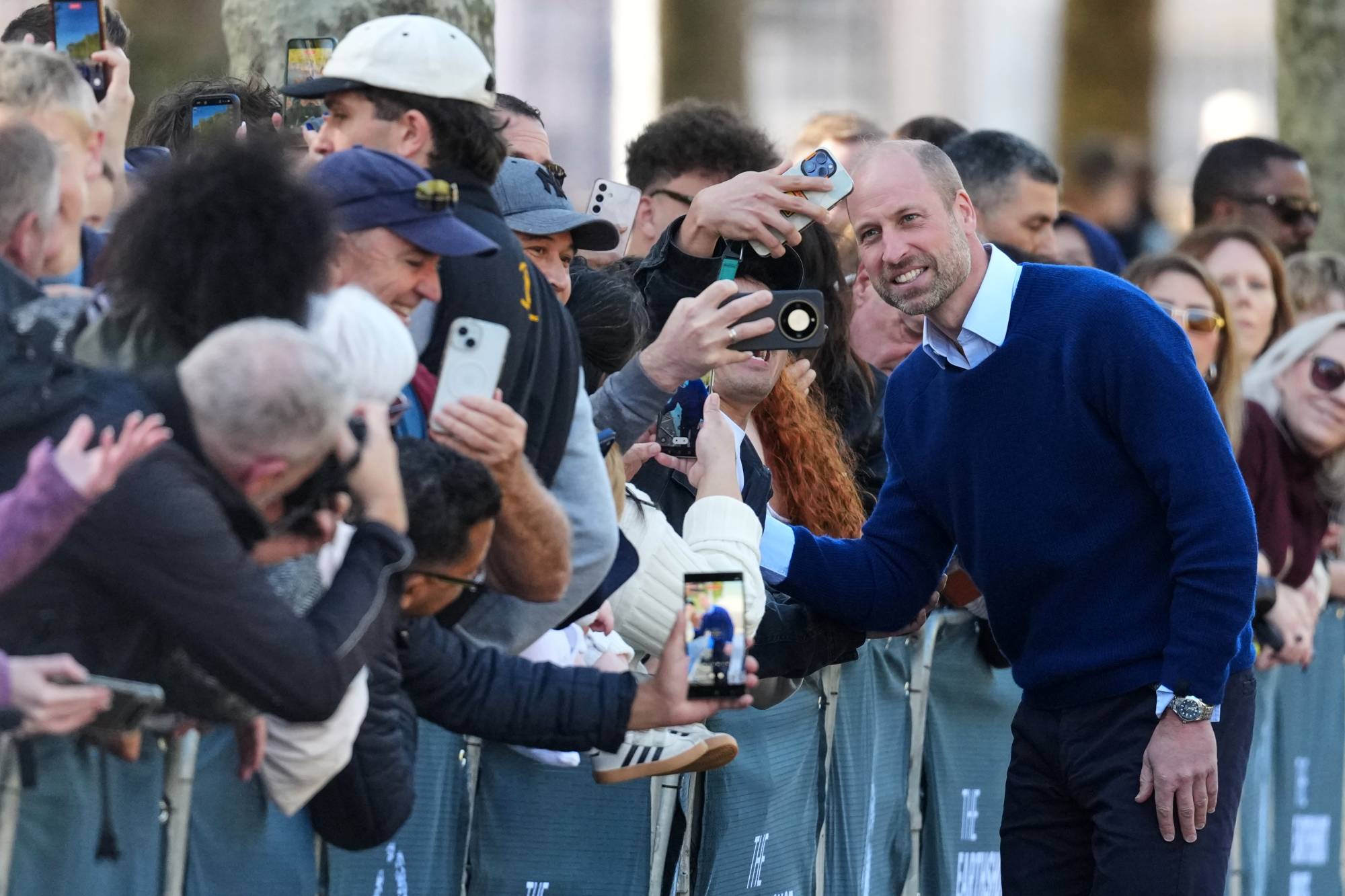
وعلى خلفية القصر الفخم، ضرب ويليام سلسلة من الكرات الخفيفة الواردة من جانجولي، والتقط صوراً سيلفي مع المتفرجين، وكان يرتدي قميصاً وسترة.
ورداً على سؤال عن رأيه في مهارات الأمير، قال جانجولي: «لعب بشكل جيد».
الأمير البريطاني ويليام يلتقط صوراً مع أفراد من الجمهور خلال فعالية للترويج لجائزة «إيرث شوت» في لندن يوم 13 أكتوبر 2026 (أ.ب)
ونُظم هذا الحدث احتفاءً بالعلاقات بين بريطانيا والهند، وهما دولتان شغوفتان برياضة الكريكيت، في الوقت الذي تستعد فيه الهند لاستضافة القمة السنوية وحفل توزيع جائزة «إيرث شوت»، الشهر المقبل.
وتكرم الجائزة، التي تأسست في 2020، 5 فائزين بمنح كل منهم مليون جنيه إسترليني (1.32 مليون دولار) لتوسيع نطاق الحلول الهادفة إلى إصلاح كوكب الأرض.
تأكيد مصري على مساندة السعودية... وتحذير من تداعيات التصعيد الحوثيhttps://aawsat.com/%D8%A7%D9%84%D8%B9%D8%A7%D9%84%D9%85-%D8%A7%D9%84%D8%B9%D8%B1%D8%A8%D9%8A/%D8%B4%D9%85%D8%A7%D9%84-%D8%A7%D9%81%D8%B1%D9%8A%D9%82%D9%8A%D8%A7/5329171-%D8%AA%D8%A3%D9%83%D9%8A%D8%AF-%D9%85%D8%B5%D8%B1%D9%8A-%D8%B9%D9%84%D9%89-%D9%85%D8%B3%D8%A7%D9%86%D8%AF%D8%A9-%D8%A7%D9%84%D8%B3%D8%B9%D9%88%D8%AF%D9%8A%D8%A9-%D9%88%D8%AA%D8%AD%D8%B0%D9%8A%D8%B1-%D9%85%D9%86-%D8%AA%D8%AF%D8%A7%D8%B9%D9%8A%D8%A7%D8%AA-%D8%A7%D9%84%D8%AA%D8%B5%D8%B9%D9%8A%D8%AF-%D8%A7%D9%84%D8%AD%D9%88%D8%AB%D9%8A
تأكيد مصري على مساندة السعودية... وتحذير من تداعيات التصعيد الحوثي
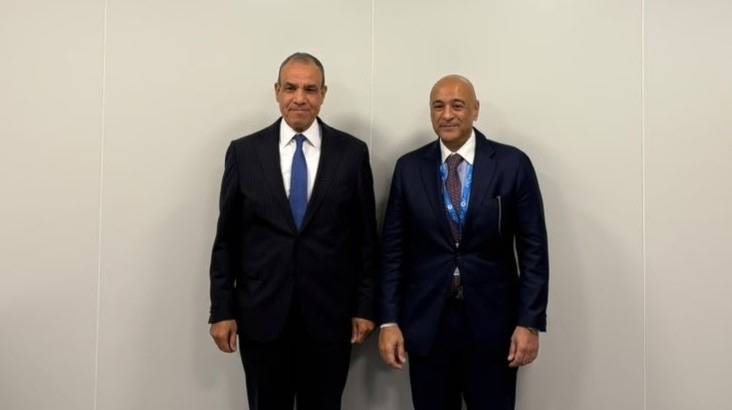
محادثات وزير الخارجية المصري مع الرئيس التنفيذي للصندوق السعودي للتنمية (صفحة وزارة الخارجية على فيسبوك)
شددت مصر مجدداً على مساندة المملكة العربية السعودية، وحذرت من تداعيات التصعيد الحوثي.
وأكد وزير الخارجية المصري بدر عبد العاطي «الاستعداد لتقديم جميع أشكال الدعم والاستجابة لأي طلبات من الجانب السعودي، بما يعكس عمق العلاقات الأخوية والروابط الاستراتيجية التي تجمع البلدين، والحرص المشترك على صون أمن واستقرار المنطقة».
حديث عبد العاطي جاء خلال لقاء إعلامي مع قناة «بلومبرغ» تطرق إلى الأوضاع الإقليمية حيث أشار إلى «تضامن مصر الكامل مع المملكة العربية السعودية الشقيقة في مواجهة الاعتداءات التي تستهدف أمنها واستقرارها». وشدد بحسب إفادة لـ«الخارجية المصرية»، الثلاثاء، على أن «الأمن القومي السعودي يمثل جزءاً لا يتجزأ من الأمن القومي المصري والعربي».
كما تحدث عبد العاطي في اتصال هاتفي مع نظيره الإيراني عباس عراقجي، الثلاثاء، عن «ضرورة الوقف الفوري لكل الهجمات التي تستهدف أراضي المملكة العربية السعودية الشقيقة». وقال إنه «لا يوجد مبرر لهذه الاعتداءات ولا يمكن القبول بها»، مشدداً على أهمية خفض التصعيد واحتواء التوترات الإقليمية في ضوء انعكاساتها السلبية على أمن واستقرار دول المنطقة والعالم كافة.
كما لفت إلى أهمية تغليب الحلول السياسية والدبلوماسية، والعودة إلى مسار التفاوض والحوار بين إيران والولايات المتحدة باعتباره السبيل الوحيد لتسوية الخلافات القائمة، وتجنيب المنطقة مخاطر الانزلاق إلى مزيد من التصعيد وعدم الاستقرار.
بدر عبد العاطي خلال لقاء الأمين العام لمجلس التعاون لدول الخليج العربية الثلاثاء (صفحة وزارة الخارجية على فيسبوك)
إلى ذلك، تناولت محادثات جمعت وزير الخارجية المصري، والأمين العام لمجلس التعاون لدول الخليج العربية جاسم محمد البديوي، الثلاثاء، على هامش مشاركتهما في اجتماعات الخريف لصندوق النقد ومجموعة البنك الدوليين، مستجدات الأوضاع الإقليمية والجهود المبذولة لاحتواء التوترات الراهنة.
وأدان الجانبان الاعتداءات الأخيرة التي استهدفت المملكة العربية السعودية الشقيقة، وأكدا تضامن مصر ودول مجلس التعاون الكامل مع المملكة والوقوف إلى جانبها في مواجهة أي تهديدات تستهدف أمنها واستقرارها وسيادتها وسلامة أراضيها.
كما شددا على أهمية تكثيف العمل العربي المشترك وتعزيز آليات التنسيق والتشاور لمواجهة التحديات التي تهدد أمن واستقرار المنطقة، مع التأكيد على ضرورة احترام سيادة الدول ووحدة وسلامة أراضيها، وتغليب الحلول السياسية والدبلوماسية لتسوية الأزمات الإقليمية.
وقال متحدث الخارجية المصرية نادر زكي، الثلاثاء، إن الوزير عبد العاطي أكد خلال لقاء الأمين العام لمجلس التعاون لدول الخليج العربية عمق العلاقات الأخوية والتاريخية التي تجمع مصر بدول مجلس التعاون الخليجي، مشدداً على أن «أمن دول الخليج العربي يمثل جزءاً لا يتجزأ من الأمن القومي المصري، وأن مصر تولي أهمية قصوى لأمن واستقرار الدول الخليجية الشقيقة، انطلاقاً من الروابط التاريخية الأخوية التي تجمع الجانبين».
أيضاً التقى بدر عبد العاطي، الثلاثاء، مع الرئيس التنفيذي للصندوق السعودي للتنمية سلطان بن عبد الرحمن المرشد، على هامش اجتماعات الخريف لصندوق النقد ومجموعة البنك الدوليين.
وأكد الجانبان على «عمق العلاقات الأخوية والتاريخية التي تجمع مصر والمملكة العربية السعودية»، ولفتا إلى «أهمية مواصلة تعزيز التعاون التنموي بما يعكس حرص قيادتي البلدين على ترسيخ أواصر التعاون والتكامل العربي المشترك»، حيث جدد وزير الخارجية المصري «تضامن بلاده الكامل مع السعودية ودعمها في مواجهة التطورات الأخيرة التي تستهدف أمنها واستقرارها».
وأشاد وزير الخارجية بالدور التنموي الذي يضطلع به الصندوق السعودي للتنمية، معرباً التقدير لمساهمات الصندوق في تمويل عدد من المشروعات الحيوية في مصر، خاصة في مجالات البنية التحتية، ودعم المشروعات الصغيرة والمتوسطة ومتناهية الصغر، من خلال إتاحة التمويلات الميسرة للجهات الوسيطة، بما يسهم في توفير فرص العمل وتحفيز النشاط الاقتصادي، ومعرباً عن التطلع إلى توسيع مجالات التعاون مع الصندوق لتركز على القطاعات ذات الأولوية المشتركة، دعماً للنمو الاقتصادي المستدام والشامل.
وبحسب «الخارجية المصرية»، الثلاثاء، استعرض الجانبان التحديات الاقتصادية والجيوسياسية الراهنة، في ظل استمرار التصعيد الإقليمي، وما يفرضه من ضغوط على اقتصادات الدول النامية وسلاسل الإمداد وتكاليف التمويل، وشدد عبد العاطي على أهمية تعزيز دور مؤسسات التمويل والتنمية العربية، وفي مقدمتها الصندوق السعودي للتنمية، في توفير آليات تمويلية مرنة تسهم في دعم الاستقرار الاقتصادي وتعزيز قدرة اقتصادات المنطقة على مواجهة الأزمات وتحقيق التنمية المستدامة.
من جانبه، أكد الرئيس التنفيذي للصندوق السعودي للتنمية الحرص على مواصلة دعم جهود التنمية في مصر وتعزيز التعاون مع الجانب المصري، فضلاً عن بحث فرص توسيع نطاق التعاون الثلاثي في القارة الأفريقية، بما يسهم في دعم المشروعات التنموية وتحقيق المصالح المشتركة.