صورة تناقلتها مواقع إيرانية لاستهداف منشأة عسكرية بالمسيّرات في أصفهان
تعرَّضت منشأة «عسكرية» إيرانية لهجوم مباغت بمسيرات في محافظة أصفهان قرب أكبر منشأة لتخصيب اليورانيوم في البلاد، في تطور قال مسؤولون أميركيون ومصادر مطلعة لصحيفة «وول ستريت جورنال» إنَّ إسرائيل وراءه، وذلك في أول هجوم من نوعه بعد عودة بنيامين نتنياهو إلى رئاسة الحكومة الإسرائيلية.
وقالت وزارة الدفاع الإيرانية في بيان رسمي إنَّ الهجوم نفذته ثلاث مسيّرات صغيرة الحجم من نوع «كوادبتر»، وأضافت: «أصاب الدفاع الجوي واحدة من (الطائرات المسيرة)... ووقعت الطائرتان الأخريان في فخاخ دفاعية وانفجرتا».
ولم تُفصح وزارة الدفاع الإيرانية عن أي معلومات بشأن من يُشتبه بأن يكون مُنفذ الهجوم، وقالت في بيانها: «الهجوم لم يؤثر في منشآتنا ومهماتنا»، مشيرة إلى أضرار طفيفة في سقف مصنع الذخائر.
وقالت قنوات تابعة لـ«الحرس الثوري» إنَّ الهجوم استهدف ورشة لإنتاج المسيّرات. وأشارت قناة أخبار لـ«الحرس الثوري» إلى «معلومات تفيد بأن عدة مسيّرات انتحارية صغيرة الحجم، تحمل كل منها كيلو غرامين من مادة (آر- دي - إكس) المتفجرة، أقلعت من مسافة نحو كيلومتر واحد، وأصابت إحداها مخازن الذخائر في أصفهان».
ونقلت صحيفة «وول ستريت جورنال» عن مسؤولين أميركيين وأشخاص مطلعين أن إسرائيل نفذت ضربة سرية بطائرة مسيّرة ضد مجمع عسكري في أصفهان، فيما تبحث الولايات المتحدة وإسرائيل عن طرق جديدة لاحتواء طموحات طهران النووية والعسكرية.
أما صحيفة «جيروزاليم بوست» فقد أوردت عن مصادر المخابرات الغربية أن «هجوم المسيّرات على إيران في أصفهان حقق نجاحاً هائلاً على الرغم من المزاعم الإيرانية». ...المزيد
«بلوتوث» داخل الجسم... غرسات طبية صغيرة تتبادل الإشارات عبر الأنسجةhttps://aawsat.com/%D8%AA%D9%83%D9%86%D9%88%D9%84%D9%88%D8%AC%D9%8A%D8%A7/5324300-%D8%A8%D9%84%D9%88%D8%AA%D9%88%D8%AB-%D8%AF%D8%A7%D8%AE%D9%84-%D8%A7%D9%84%D8%AC%D8%B3%D9%85-%D8%BA%D8%B1%D8%B3%D8%A7%D8%AA-%D8%B7%D8%A8%D9%8A%D8%A9-%D8%B5%D8%BA%D9%8A%D8%B1%D8%A9-%D8%AA%D8%AA%D8%A8%D8%A7%D8%AF%D9%84-%D8%A7%D9%84%D8%A5%D8%B4%D8%A7%D8%B1%D8%A7%D8%AA-%D8%B9%D8%A8%D8%B1-%D8%A7%D9%84%D8%A3%D9%86%D8%B3%D8%AC%D8%A9
«بلوتوث» داخل الجسم... غرسات طبية صغيرة تتبادل الإشارات عبر الأنسجة
تسمح الشبكة بفصل موقع الاستشعار عن موقع العلاج بحيث يرصد جهاز تغيراً حيوياً في مكان ويحفّز جهازاً آخر في موقع مختلف (أدوبي)
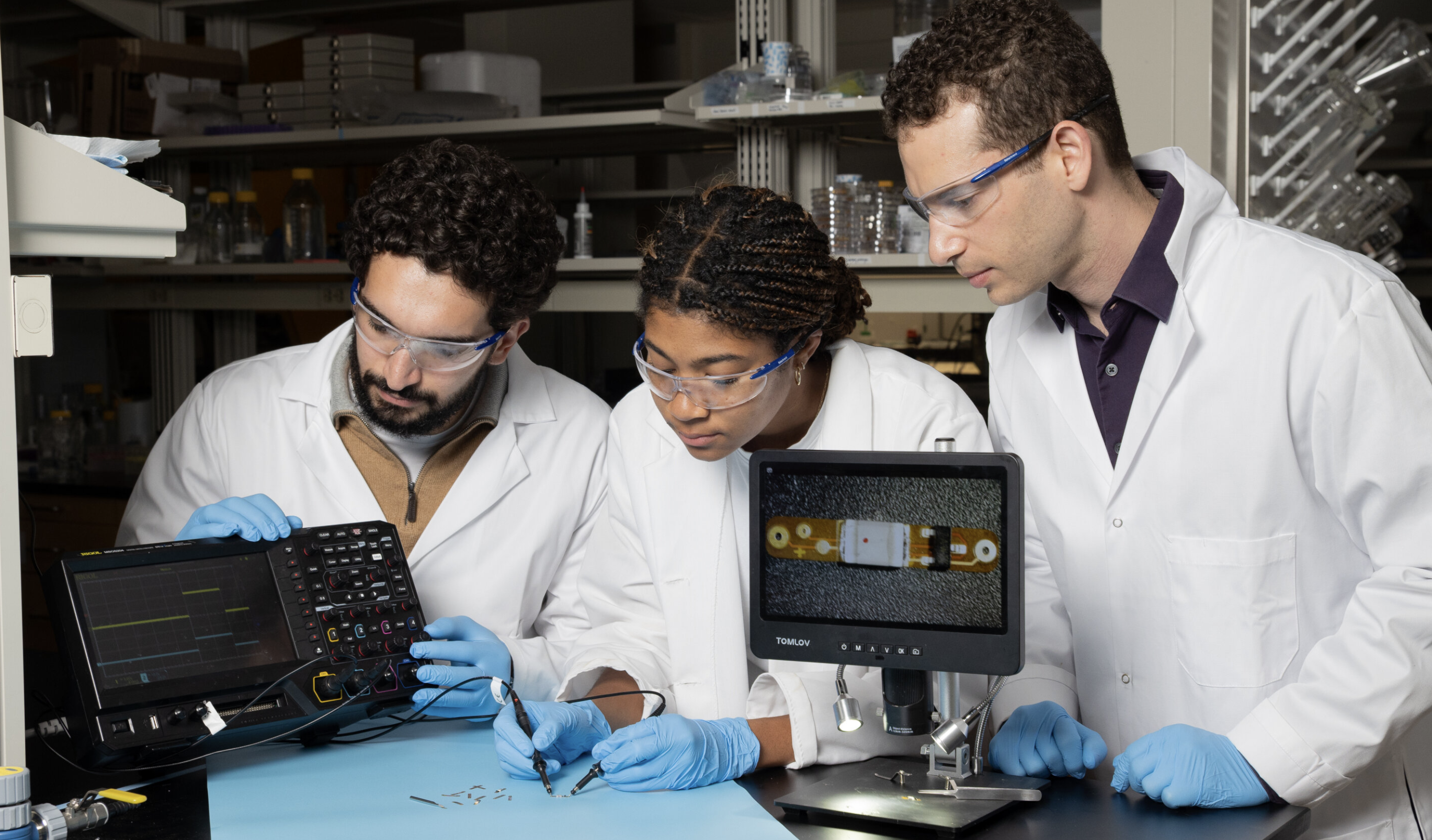
طوّر مهندسون في معهد جورجيا للتكنولوجيا «جورجيا تك» نظاماً جديداً للاتصال بين الأجهزة الطبية القابلة للارتداء والغرسات المزروعة داخل الجسم، من خلال استخدام أنسجة الجسم نفسها قناة لنقل الإشارات. ويتيح النظام الذي أطلق عليه الباحثون اسم «سوانز»، لمستشعر في جزء من الجسم أن يرسل إشارة إلى جهاز علاجي في مكان آخر، دون الحاجة إلى اتصال مباشر أو قرب بينهما.
وتركز الدراسة، التي نُشرت في دورية «العلوم»، على بناء شبكة من أجهزة صغيرة يمكن أن تعمل معاً داخل الجسم وعلى سطحه، بحيث تكتشف تغيراً بيولوجياً في موقعٍ ما ثم تطلق استجابة علاجية في موقع مختلف، مثل تحفيز عصب أو تشغيل جهاز مزروع.
وتكمن الفكرة الأساسية في الاستفادة من الموصلية الأيونية الطبيعية لأنسجة الجسم، بدلاً من الاعتماد على تقنيات لا سلكية تقليدية، مثل «Bluetooth» أو «NFC».
ويقول الباحثون إن الإشارات اللاسلكية التقليدية لا تنتقل بكفاءة كبيرة عبر الجسم، كما أنها تحتاج إلى هوائيات وطاقة إضافية، وهو ما يزيد حجم الغرسات ويحدّ من المدة التي يمكن أن تعمل خلالها.
أما «SWANS» فيرسل نبضات كهربائية صغيرة عبر الأنسجة، ويمكن برمجة كل غرسة للاستجابة فقط لنبضات بجهد وزمن محددين، ما يسمح بتوجيه الإشارة إلى الجهاز المطلوب داخل الشبكة.
ويرى الفريق أن هذه البنية تتيح فصل مكان الاستشعار عن مكان العلاج. فبدلاً من وضع المستشعر والجهاز العلاجي في وحدة واحدة، يمكن وضع كل منهما في الموقع الأنسب وظيفياً، ثم تمرير الإشارات بينهما عبر أنسجة الجسم.
يختبر الباحثون شبكة منخفضة الطاقة تسمح لأجهزة طبية صغيرة بتبادل الإشارات عبر أنسجة الجسم نفسها (جورجيا تك)
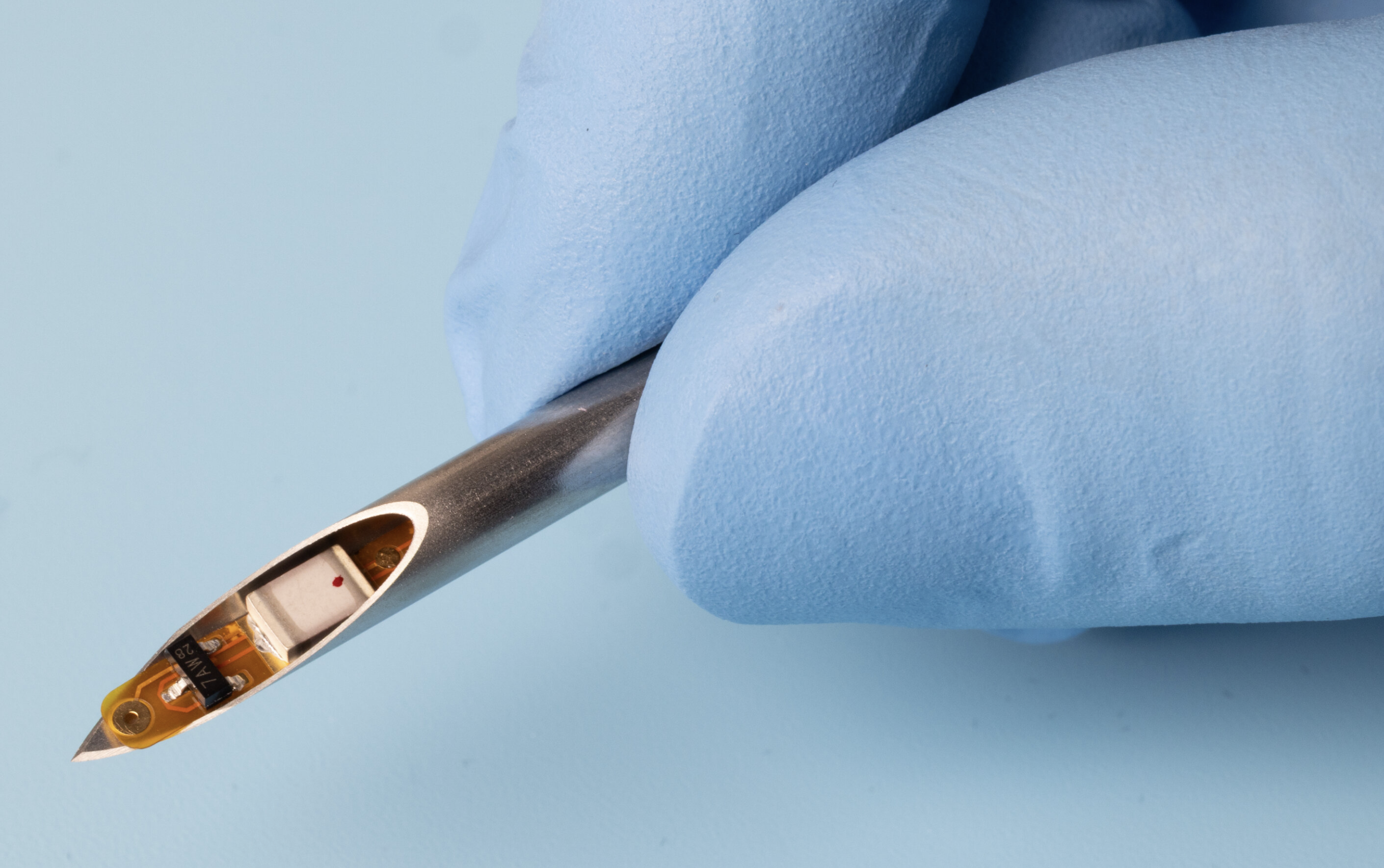
غرسات بحجم أقل من 3 ملليمترات
ساعد انخفاض متطلبات الطاقة على تصغير حجم الأجهزة بصورة كبيرة. ووفق الباحثين، يمكن تصنيع غرسات يقلّ حجمها عن 3 ملليمترات، ما يجعلها صغيرة بما يكفي لزرعها باستخدام حقنة.
وتعتمد هذه الأجهزة على مكونات إلكترونية سلبية تستهلك قدراً ضئيلاً للغاية من الطاقة أثناء الانتظار، ثم تستيقظ فور وصول الإشارة المطلوبة لتنفيذ المهمة المحددة.
وفي الاختبارات، قدَّر الفريق أن جهازاً علاجياً صغيراً يجري تشغيله مرة واحدة يومياً، يمكن أن يعمل لنحو عام قبل الحاجة لاستبداله. كما ذكر الباحثون أن النبضات الكهربائية المستخدمة لم تُحدث ضرراً في عينات الأنسجة التي اختبروها.
تجربة للتحكم في الحركة
اختبر الفريق النظام في تجربة على جرذ، حيث ربط شبكة من المستشعرات والواجهات العصبية عبر الجسم. واستطاع مستشعرٌ اكتشاف حركة إحدى القوائم الأمامية، ثم أرسل إشارة عبر الأنسجة إلى جهاز آخر حفّز عضلة في القائمة الخلفية وأدى إلى انقباضها؛ في محاولة لمحاكاة جزء من نمط المشي الطبيعي. كما أظهرت التجربة أن عدداً من الأجهزة يمكن أن يعمل ضِمن شبكة واحدة، دون الحاجة لأسلاك مباشرة بينها أو إلى محاذاة دقيقة.
البيانات الصغيرة داخل الجسم
لا يهدف «سوانز» إلى نقل كميات كبيرة من البيانات عبر الأنسجة، فالتصميم مخصص لإشارات صغيرة وبسيطة، مثل تحديد وجود أو غياب حدث معين أو إرسال أمر تشغيل أو إيقاف.
أما عمليات التحليل الأكبر أو تبادل كميات كبيرة من البيانات، فيمكن تنفيذها بواسطة جهاز خارجي قابل للارتداء يعمل كمركز للشبكة، حيث يجمع قراءات الغرسات ويقرر متى ينبغي تفعيل إجراء علاجي معين.
ويعني ذلك أن النظام لا يحاول استبدال كل أشكال الاتصال اللاسلكي، بل يخصص قناة منخفضة الطاقة للتنسيق بين الأجهزة المزروعة والقابلة للارتداء.
صُممت الغرسات لتكون صغيرة جداً ومنخفضة الاستهلاك ويمكن لبعضها أن يكون بحجم يسمح بزرعه باستخدام حقنة (جورجيا تك)
نحو علاج إلكتروني مُنسّق
يرى الفريق أن أحد الاستخدامات المستقبلية المحتملة يتمثل في بناء أنظمة علاجية آلية موزعة عبر الجسم، بحيث ترصد المستشعرات التغيرات البيولوجية ثم تطلق استجابة مناسبة في الوقت والمكان المطلوبين.
وذكر أليكس أبرامسون، الأستاذ المساعد بكلية الهندسة الكيميائية والجزيئية الحيوية في «جورجيا تك» والمؤلف الرئيسي للدراسة، أن الهدف هو السماح بوضع أجهزة الاستشعار حيث تكون أكثر قدرة على التقاط الإشارة البيولوجية، ووضع المحفزات أو الأجهزة العلاجية حيث تكون أكثر فاعلية، دون الحاجة إلى أن تكون متجاورة.
ويشير الباحثون إلى أن هذا النوع من الشبكات قد يدعم مستقبلاً تطبيقات في الطب الإلكتروني الشخصي، حيث تعمل عدة أجهزة صغيرة بصورة منسقة، بدلاً من الاعتماد على غرسة واحدة تقوم بجميع الوظائف.
شبكة تحاكي منطق الجهاز العصبي
استلهم الفريق فكرة النظام جزئياً من الطريقة التي ينسّق بها الجهاز العصبي عمل أجزاء مختلفة من الجسم، مع اختلاف واضح في آلية التنفيذ. ويلفت الباحثون إلى أن القدرة على ربط عدة مستشعرات ومحفزات موزعة في أماكن مختلفة، بما في ذلك مواقع عميقة داخل الجسم مثل المعدة، قد تفتح المجال أمام أنظمة علاجية أكثر تخصصاً وأقل اعتماداً على أجهزة كبيرة أو وصلات خارجية.
ولا تزال التقنية في مرحلة بحثية، وقد أُثبتت في تجارب مخبرية وحيوانية، وليس كمنظومة علاجية معتمَدة للاستخدام البشري. وتتركز الخطوات المقبلة على تطوير الشبكة واختبار كيفية عمل عدد أكبر من الأجهزة معاً، وصولاً إلى تطبيقات يمكن فيها تنسيق الاستشعار والعلاج بصورة أكثر استقلالية داخل الجسم.
«آسياد 2026-جودو»: بوكييف يهدي البحرين ميداليتها الأولى على الإطلاقhttps://aawsat.com/%D8%A7%D9%84%D8%B1%D9%8A%D8%A7%D8%B6%D8%A9/%D8%B1%D9%8A%D8%A7%D8%B6%D8%A9-%D8%B9%D8%A7%D9%84%D9%85%D9%8A%D8%A9/5324299-%D8%A2%D8%B3%D9%8A%D8%A7%D8%AF-2026-%D8%AC%D9%88%D8%AF%D9%88-%D8%A8%D9%88%D9%83%D9%8A%D9%8A%D9%81-%D9%8A%D9%87%D8%AF%D9%8A-%D8%A7%D9%84%D8%A8%D8%AD%D8%B1%D9%8A%D9%86-%D9%85%D9%8A%D8%AF%D8%A7%D9%84%D9%8A%D8%AA%D9%87%D8%A7-%D8%A7%D9%84%D8%A3%D9%88%D9%84%D9%89-%D8%B9%D9%84%D9%89-%D8%A7%D9%84%D8%A5%D8%B7%D9%84%D8%A7%D9%82
«آسياد 2026-جودو»: بوكييف يهدي البحرين ميداليتها الأولى على الإطلاق
سوخروب بوكييف (أ.ف.ب)
أحرزت البحرين ميداليتها الأولى على الإطلاق في مسابقات الجودو، خلال دورة الألعاب الآسيوية العشرين المُقامة في آيتشي-ناغويا باليابان، الأربعاء.
ونجح البحريني سوخروب بوكييف في انتزاع برونزية وزن ما دون 66 كيلوغراماً، بفوزه على الكوري الجنوبي شانيونغ كيم.
وهي الميدالية الأولى لمملكة البحرين في مسابقة الجودو، منذ اعتمادها في الألعاب الآسيوية عام 1986، لترفع رصيدها الإجمالي إلى 21 ميدالية ملوّنة، توزعت بين 11 ذهبية و5 فضيات، ومِثلها برونزيات.
وتتصدر البحرين ترتيب الفِرق العربية بجدول الميداليات، أمام الكويت (4 ذهبيات وفضية و4 برونزيات)، وقطر (3-6-4).
جومانا حبيقة: والدي من عمالقة الفنّ في لبنان... لكنّه مغيّب عن التكريمhttps://aawsat.com/%D9%8A%D9%88%D9%85%D9%8A%D8%A7%D8%AA-%D8%A7%D9%84%D8%B4%D8%B1%D9%82/5324298-%D8%AC%D9%88%D9%85%D8%A7%D9%86%D8%A7-%D8%AD%D8%A8%D9%8A%D9%82%D8%A9-%D9%88%D8%A7%D9%84%D8%AF%D9%8A-%D9%85%D9%86-%D8%B9%D9%85%D8%A7%D9%84%D9%82%D8%A9-%D8%A7%D9%84%D9%81%D9%86%D9%91-%D9%81%D9%8A-%D9%84%D8%A8%D9%86%D8%A7%D9%86-%D9%84%D9%83%D9%86%D9%91%D9%87-%D9%85%D8%BA%D9%8A%D9%91%D8%A8-%D8%B9%D9%86-%D8%A7%D9%84%D8%AA%D9%83%D8%B1%D9%8A%D9%85
جومانا حبيقة: والدي من عمالقة الفنّ في لبنان... لكنّه مغيّب عن التكريم
أرشيف رفيق حبيقة محفوظ في جامعة الروح القدس في الكسليك (جومانا حبيقة)
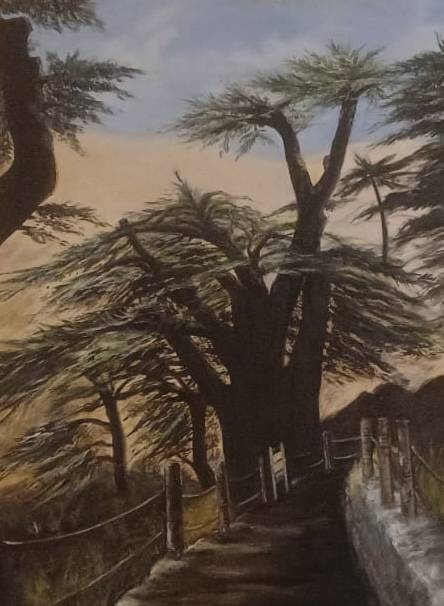
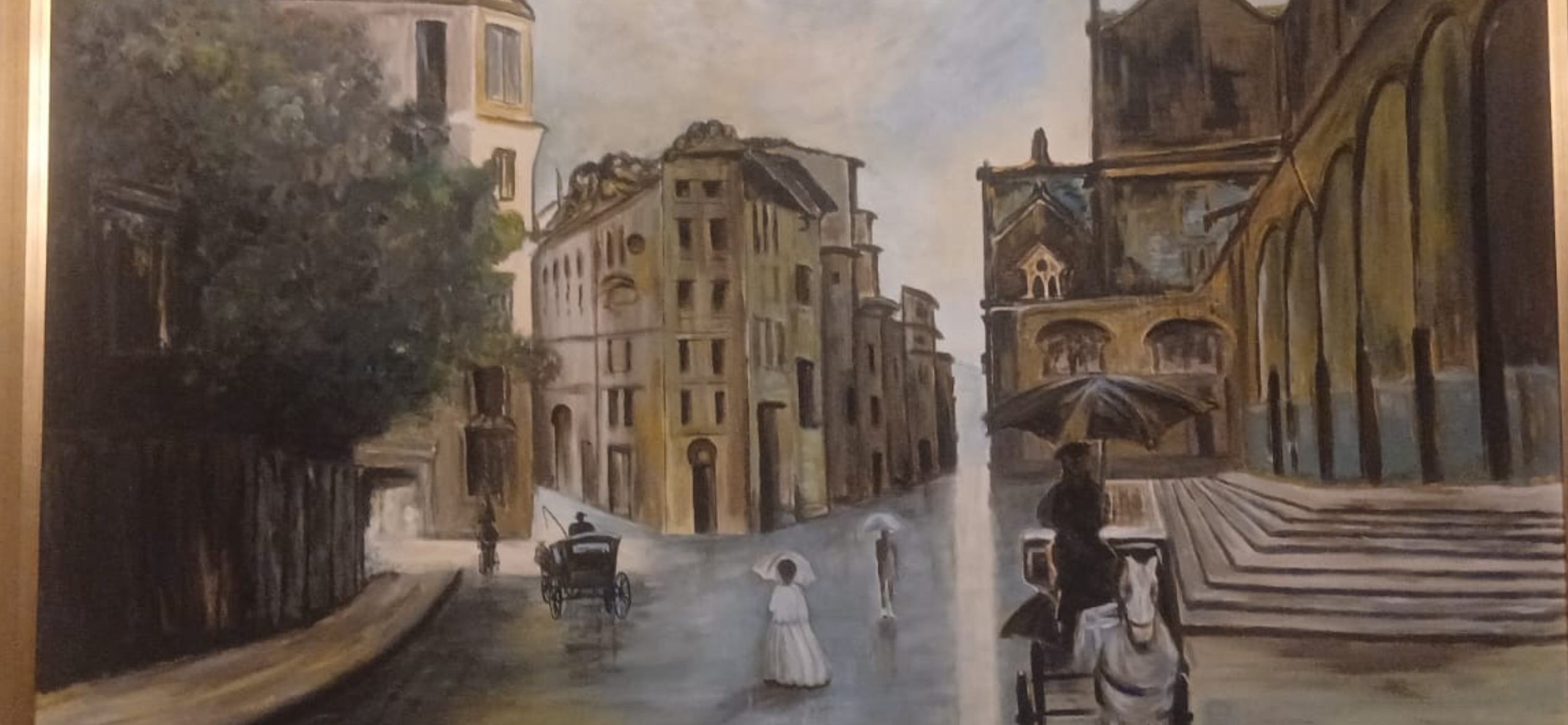
عام 2007، رحل المايسترو رفيق حبيقة بعد عزلة طوعية، مبتعداً عن الساحة الفنية سنوات طويلة. ترك آلة الكمان وأمسك بريشة الرسم، ليمضي أيامه الأخيرة بين لوحات استوحاها من طبيعة لبنان. وفي محلّه الصغير في منطقة الأشرفية، كان يجلس على كرسيه مستقبلاً هواة الفنّ التشكيلي وبعض الفضوليين، في مشهد يعكس تحوّلاً لافتاً في مسيرته من الموسيقى إلى الرسم.
كان سكان الأشرفية يحبّون إلقاء التحية على المايسترو الذي رافق أهم نجوم عصره، من خلال برنامجَي «استوديو الفن» و«ليالي لبنان». بقامته المربوعة وشَعره الأبيض الكثيف ونظارته القاتمة، كان يرسم ابتسامة عريضة على وجهه تعبيراً عن امتنانه لسؤال البعض عنه. ألقابه كثيرة؛ «المعلّم»، كما كان يسمّيه الراحل عاصي الرحباني، و«أفضل نوتتجي» (خبير في التدوين الموسيقي)، برأي الراحل وديع الصافي، وكذلك «المايسترو»، إذ قاد فرقاً موسيقية في حفلات وبرامج تلفزيونية. أما لقب «النقيب»، فرافقه حتى وفاته، لكونه شغل منصب «نقيب الفنانين» طوال 17 عاماً. وكان اللقب الأحبّ إلى قلبه كان، بكل بساطة، «العازف»، مبرّراً ذلك بأن كلمة «المايسترو» لا تصلح إلا لمن قاد أوركسترا مؤلفة من 50 عازفاً وما فوق.
وفي الذكرى الـ19 لرحيله، تقول ابنته جومانا حبيقة، في حديث لـ«الشرق الأوسط»، إنّ والدها عاش مقهوراً ومات كذلك أيضاً، والمهرجانات التكريمية التي يشهدها لبنان سنوياً لم تأتِ على ذكره أو تكرّمه يوماً. وتتابع: «حاولت الاتصال بأكثر من جهة مسؤولة عن هذه الجوائز والمهرجانات، ولكن أحداً لم يهتم بطلبي». وتضيف: «والدي ليس شخصية فنية عادية، بل أضعه في مصاف عمالقة الفنّ اللبناني. لا أعلم لماذا يتجاهلونه ويغضّون الطرف عن تكريمه. ولكنني متأكدة بأنّ جيل الزمن الجميل يدرك تماماً مكانة رفيق حبيقة على الساحة اللبنانية».
ترك الكمان لريشة الرسم واستوحى لوحاته من لبنان وطبيعته (جومانا حبيقة)
تؤكد جومانا حبيقة أن والدها كان من أوائل الذين أتقنوا التوزيع الموسيقي وأدخلوه على اللحن. تقول: «كان يجيد العزف على آلات عدة، أهمها الكمان، إضافة إلى الأرغن والطبلة والعود وغيرها. وكان يردّد دائماً أن من يمتهن التوزيع عليه أن يكون ملمّاً بالعزف ليجيد كتابة النوتات اللازمة. وكان الفنانون، من لبنانيين وعرب وخليجيين ومصريين، يقصدونه كي يوزّع لهم أغنياتهم. فكان السبّاق في اعتماد التوزيع الموسيقي في الأعمال الغنائية».
وتشير إلى أن العزلة الطوعية التي فرضها على نفسه لـ8 سنوات قبل وفاته كانت تعبّر عن استيائه من الساحة. وتقول: «لقد كان الجندي المجهول الذي يقف وراء نجاحات النجوم، ولا أحد يذكره في مقابلة أو إطلالة إعلامية. ربما يعود ذلك إلى تواضعه. قلّة من الفنانين كانت تذكره، أمثال سميرة توفيق ووليد توفيق وطوني حنا ومروان خوري. ولكن الأكثرية كانت تتفادى ذكر فضله عليها».
اعتادت جومانا حبيقة، مع والدتها وأخواتها، أن ينظّمن سنوياً حفلاً تكريمياً في ذكرى رحيله، وتعتزم إقامة حفل له في الذكرى الـ20 لرحيله. وتقول: «أحاول من خلال هذه الحفلات إعطاءه حقّه. فقد رافقته في حفلاته وفي استوديوهات التسجيل والتصوير. وأتمنى أن أقيم له متحفاً يتضمّن رسوماته وأدواته الخاصة». وتتابع: «كان منزلنا يزدحم بحضور أهم النجوم على الساحة، ومن بينهم ماجدة الرومي، وسهيل فارس، ونجوى كرم، وداليدا رحمة، وعبد الكريم الشعار. كانوا يقصدونه للحن أو اعتماد توزيع موسيقي يُميّز أعمالهم. وزّع أكثرية أغنيات الراحلين ملحم بركات ووديع الصافي. وكان يرافق فيروز في عملية تدوين أغنياتها، إذ كان الراحل عاصي الرحباني يثق بموهبته في هذا المجال».
وعن مكان أرشيف رفيق حبيقة اليوم، تقول ابنته: «وضعته في عهدة جامعة الروح القدس في الكسليك منذ نحو 10 سنوات. وهم يولونه اهتماماً كبيراً، ويحافظون على أوراقه ونوتاته الموسيقية في برادات خاصة. وهناك مجموعة كبيرة له من الحفلات المصوّرة والمقابلات التلفزيونية. وقد حُوّل أرشيفه إلى صيغة رقمية ليُحفَظ مدى العمر».
وللمصادفة، يعمل اليوم ابن جومانا، جاد مغامس، ولقبه الفني «جاد رفيق»، في الجامعة المذكورة. وقد ورث حبّ الفن عن جدّه. وتقول: «لقد تأثر به كثيراً، وهو سعيد بكونه يعمل بالقرب من مكتبته الموسيقية المحفوظة في الجامعة. هو أيضاً يغنّي، وقد درس الموسيقى وتخصّص في السمعي البصري. لقد كنا نهاب الغناء أمام والدي لأنه كان ناقداً قاسياً وأستاذ غناء من دون منافس. وُصف بـ(حاضن الأغنية اللبنانية)، وقد عمَّر الساحة الفنية بأنامله ووضع أحجارها الأساسية».
وتتابع: «هذه العتمة التي عاش فيها ربما كانت ستتحول إلى أضواء لو امتهن الغناء. كان يملك صوتاً جميلاً جداً، ولكنه رفض الغناء وتفرّغ للتلحين فقط. كما كان يتمتّع برؤية مستقبلية، ويستطيع اكتشاف النجم منذ لقائه الأول به. وهو ما حصل مع الفنان مروان خوري، عندما أكّد له أن مستقبله سيكون واعداً».
وماذا عن رفيق حبيقة الأب؟ تردّ: «كان الحنون الذي لا بدّ أن يلقي علينا التحية ويقبّلنا ونحن في أسرّتنا، عندما يعود من حفل متأخر. كان يرافقنا في تفاصيلنا الصغيرة ويلعب معنا. والأمر نفسه فعله مع أحفاده».
وتتذكر جومانا يوم وفاته: «كان عائداً من جلسة جمعته مع الملحن الراحل إحسان المنذر، حيث سجّل معه تراتيل دينية. ولكنه ما لبث أن فارق الحياة بسكتة قلبية».