تحسين الصحة النفسية والعضوية بأنشطة «خلط التربة»https://aawsat.com/home/article/4035016/%D8%AA%D8%AD%D8%B3%D9%8A%D9%86-%D8%A7%D9%84%D8%B5%D8%AD%D8%A9-%D8%A7%D9%84%D9%86%D9%81%D8%B3%D9%8A%D8%A9-%D9%88%D8%A7%D9%84%D8%B9%D8%B6%D9%88%D9%8A%D8%A9-%D8%A8%D8%A3%D9%86%D8%B4%D8%B7%D8%A9-%C2%AB%D8%AE%D9%84%D8%B7-%D8%A7%D9%84%D8%AA%D8%B1%D8%A8%D8%A9%C2%BB
تحسين الصحة النفسية والعضوية بأنشطة «خلط التربة»
قياس المؤشرات الحيوية أثناء نشاط خلط التربة (الباحث سين آي بارك)
قياس المؤشرات الحيوية أثناء نشاط خلط التربة (الباحث سين آي بارك)
توصل فريق بحثي من كوريا الجنوبية إلى أن «نشاط (خلط التربة) المحتوية على الكائنات الحية الدقيقة المفيدة، يمكن أن يترك أثراً إيجابياً على الاستجابات النفسية والفسيولوجية للإنسان».
وأظهرت دراسات سابقة أن التحديق إلى النباتات الخضراء أو العمل في بيئة بها نباتات خضراء يؤدي إلى الاسترخاء الفسيولوجي والنفسي. ولفهم الآلية العلاجية للأنشطة البستانية والعلاج القائم على الطبيعة، وجه الباحثون انتباههم إلى تأثيرات التفاعلات مع التربة والكائنات الدقيقة في التربة والنباتات.
وخلال الدراسة المنشورة (الخميس) في مجلة الجمعية الأميركية لعلوم البساتين، أخضع الفرق البحثي من جامعة كونكوك الكورية، مجموعتين من البالغين لأنشطة خلط التربة، وكانت عينات التربة عند إحدى المجموعات تحتوي على (بكتيريا المتفطرة Mycobacterium vaccae)، بينما كانت العينات عند المجموعة الأخرى لا تحتوي عليها، فوجد الباحثون أن نشاط خلط التربة مع بكتيريا المتفطرة، أدى إلى زيادة في مستوى الأحماض العضوية (بما في ذلك أحماض اللاكتيك والبيروفيك والسيروتونين) وانخفاض مستويات الأحماض الدهنية (بما في ذلك أحماض البالمتيك واللينوليك)، وهذا يمكن أن يسهم في تحسين الصحة النفسية.
وبالإضافة إلى ذلك، زادت موجة ألفا في القشرة القذالية (إحدى مناطق القشرة الدماغية)، وانخفض معدل ضربات القلب، ما أدى إلى استقرار الجهاز العصبي اللاإرادي، ومن ثم خلص الباحثون في نتائجهم إلى أن اتصال الإنسان بالتربة والكائنات الدقيقة الموجودة بها، ينعكس إيجابياً على صحة الإنسان من الناحيتين النفسية والعلاجية.
ويقول سين آي بارك، الأستاذ المتخصص في العلاج البستاني بجامعة كونكوك، في تصريحات خاصة لـ«الشرق الأوسط»، إن نتائج الدراسة تؤكد ما نلاحظه من أن مجتمعات المزارعين من أسعد فئات المجتمع، لاختلاطهم الدائم بالتربة. ويوضح أنه يمكن أن تؤدي النتائج إلى تطوير عينات التربة ذات الوظائف العلاجية لكبار السن والأشخاص ذوي الإعاقة، وتطوير برامج طويلة الأجل باستخدام التربة للحفاظ على الصحة وتعزيزها. ويضيف أنهم يعملون حالياً على تطوير وتسويق منتجات للرعاية الصحية والاجتماعية تستخدم عينات التربة التي تحتوي على الكائنات الحية الدقيقة.
تواجه شركة الإلكترونيات الكورية الجنوبية العملاقة «سامسونغ إلكترونيكس» أول إضراب لعمالها، بعد أن هددت نقابة عمالية مؤثرة بالإضراب احتجاجاً على مستويات الأجور ومحاولات الشركة المزعومة لعرقلة عمل هذه النقابة.
وذكرت «وكالة بلومبرغ للأنباء» أن النقابة التي تمثل نحو 9 في المائة من إجمالي عمال «سامسونغ»، أو نحو 10 آلاف موظف، أصدرت بياناً، أمس (الخميس)، يتهم الشركة بإبعاد قادتها عن مفاوضات الأجور.
تعتزم كوريا الشمالية تعزيز «الردع العسكري» ضد كوريا الجنوبية والولايات المتحدة، منتقدة اتفاق القمة الذي عقد هذا الأسبوع بين البلدين بشأن تعزيز الردع الموسع الأميركي، ووصفته بأنه «نتاج سياسة عدائية شائنة» ضد بيونغ يانغ، وفقاً لما ذكرته وسائل الإعلام الرسمية في كوريا الشمالية.
ونشرت وكالة الأنباء المركزية الكورية (الأحد)، تعليقاً انتقدت فيه زيارة الدولة التي قام بها رئيس كوريا الجنوبية يون سيوك - يول إلى الولايات المتحدة في الآونة الأخيرة، ووصفت الرحلة بأنها «الرحلة الأكثر عدائية وعدوانية واستفزازاً، وهي رحلة خطيرة بالنسبة لحرب نووية»، وفقاً لما نشرته وكالة الأنباء الألمانية.
وذكرت وكالة أنباء «
حذرت كيم يو جونغ شقيقة الزعيم الكوري الشمالي كيم جونغ أون من أن الاتفاق بين الولايات المتحدة وكوريا الجنوبية لتعزيز الردع النووي ضد بيونغ يانغ لن يؤدي إلا إلى «خطر أكثر فداحة»، وفقاً لوكالة الصحافة الفرنسية. كانت واشنطن وسيول حذرتا الأربعاء كوريا الشمالية من أن أي هجوم نووي تطلقه «سيفضي إلى نهاية» نظامها. وردت الشقيقة الشديدة النفوذ للزعيم الكوري الشمالي على هذا التهديد، قائلة إن كوريا الشمالية مقتنعة بضرورة «أن تحسن بشكل أكبر» برنامج الردع النووي الخاص بها، وفقا لتصريحات نقلتها «وكالة الأنباء الكورية الشمالية» اليوم (السبت).
أشاد رئيس كوريا الجنوبية يوون سوك يول اليوم (الخميس) أمام الكونغرس في واشنطن بالشراكات الاقتصادية والثقافية والعسكرية التي تربط كوريا الجنوبية والولايات المتحدة، وتحدّث عن وحدة القوتين في وجه كوريا الشمالية، مشيراً إلى «تحالف أقوى من أي وقت مضى».
وقال يوون، أمام مجلس النواب الأميركي، إنه «تشكل تحالفنا قبل سبعين عاماً للدفاع عن حرية كوريا». كما أوردت وكالة «الصحافة الفرنسية».
وأشار إلى أن «كوريا الشمالية تخلّت عن الحرية والازدهار ورفضت السلام»، وحض الولايات المتحدة وكوريا الجنوبية واليابان على «تسريع» التعاون فيما بينها.
أعلنت وزارة الصناعة الكورية الجنوبية يوم الأربعاء أن كوريا الجنوبية والولايات المتحدة وقعتا 23 اتفاقية أولية لتعزيز التعاون الثنائي بشأن الصناعات المتقدمة والطاقة، مثل البطاريات وأجهزة الروبوت وتوليد الطاقة النووية.
وذكرت وكالة «يونهاب» الكورية الجنوبية للأنباء أن وزارة التجارة والصناعة والطاقة الكورية الجنوبية قالت إنه تم توقيع مذكرات التفاهم خلال فعالية شراكة في واشنطن مساء الثلاثاء، شملت 45 مسؤولا بارزا بشركات من الدولتين، وذلك على هامش زيارة الرئيس الكوري الجنوبي يون سوك يول للولايات المتحدة.
وأضافت الوزارة أن من بين الاتفاقيات، 10 اتفاقيات بشأن البطاريات والطيران الحيوي وأجهزة الروبوت وال
«الشرق الأوسط» (سيول)
Qatar, MWL, GCC Condemn Houthi Missile Attacks on Saudi Cities of Taif and Yanbuhttps://aawsat.com/node/5322379
Qatar, MWL, GCC Condemn Houthi Missile Attacks on Saudi Cities of Taif and Yanbu
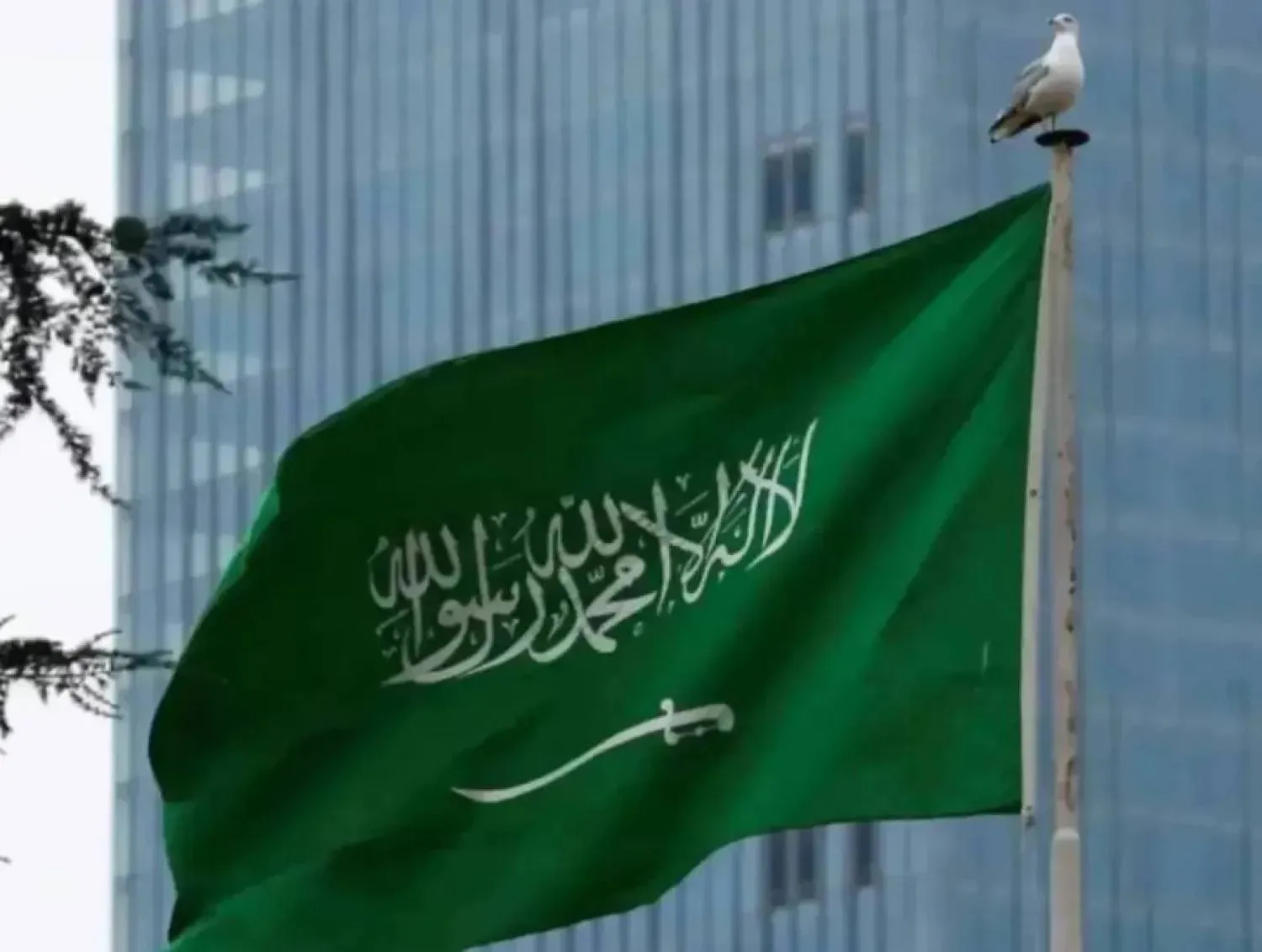
Qatar, the Gulf Cooperation Council (GCC) and the Muslim World League (MWL) condemned Thursday's missile attacks launched by Yemen's Houthis against Saudi Arabia's cities of Taif and Yanbu, reaffirming their support for the Kingdom's security and stability.
In a statement on Friday, Qatar's Ministry of Foreign Affairs described the attacks as a reprehensible act of aggression that showed a blatant disregard for civilian lives, violated Saudi Arabia's sovereignty and constituted a clear breach of international law. It called for an immediate halt to such irresponsible acts.
The Muslim World League (MWL), in a statement issued by its Secretary-General, Sheikh Dr. Mohammed bin Abdulkarim Al-Issa, reiterated its condemnation of these treacherous terrorist attacks, which violate religious values as well as international and humanitarian law and norms. The attacks further demonstrate the terrorist militia’s criminal practice of deliberately targeting civilians and civilian objects.
Gulf Cooperation Council Secretary-General Jasem Mohamed Albudaiwi also strongly condemned the Houthi attacks on Saudi Arabia, reaffirming the GCC's full support for the Kingdom and all measures it takes to safeguard its sovereignty, security and stability, and protect its citizens and residents.
Prefabricated Homes Arrive in Destroyed South Lebanon Townhttps://aawsat.com/node/5322378
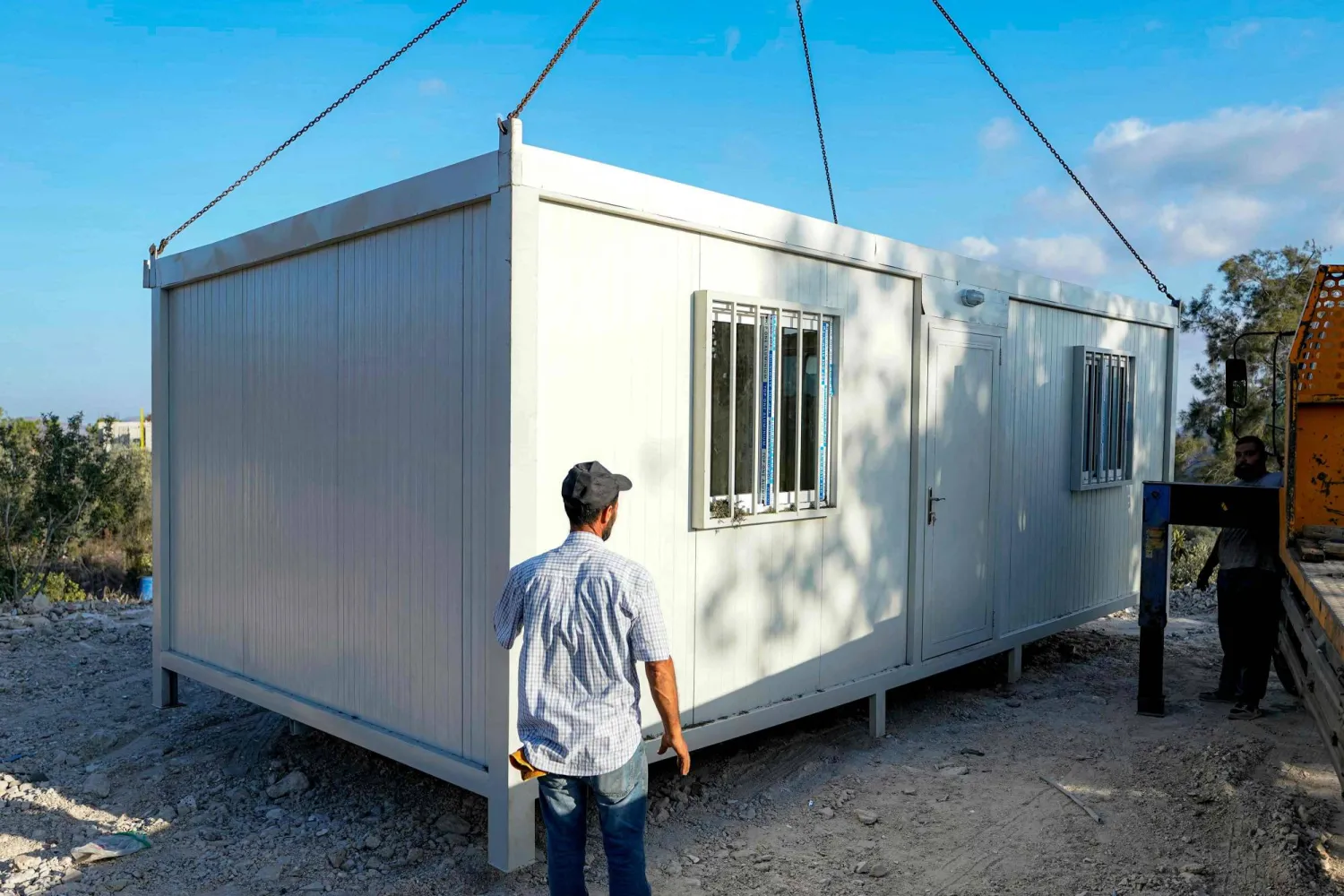
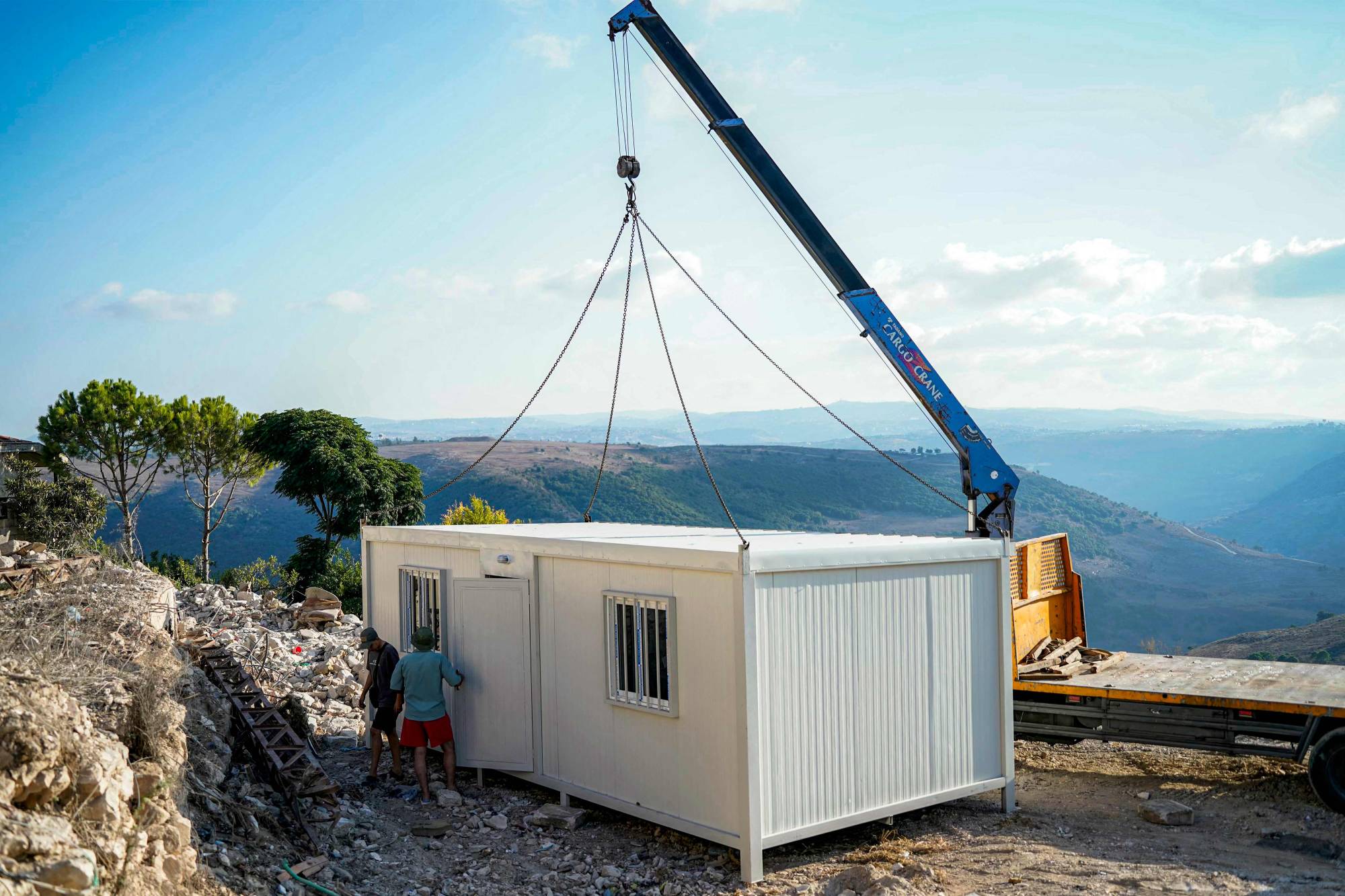
Workers set up a prefabricated house to provide housing for families whose homes have been destroyed in the fighting between Hezbollah and Israel, in the village of Zawtar al-Gharbiyeh (Western Zawtar) in southern Lebanon, on September 21, 2026. (Photo by Ammar Ammar / AFP)
Prefabricated Homes Arrive in Destroyed South Lebanon Town
Workers set up a prefabricated house to provide housing for families whose homes have been destroyed in the fighting between Hezbollah and Israel, in the village of Zawtar al-Gharbiyeh (Western Zawtar) in southern Lebanon, on September 21, 2026. (Photo by Ammar Ammar / AFP)
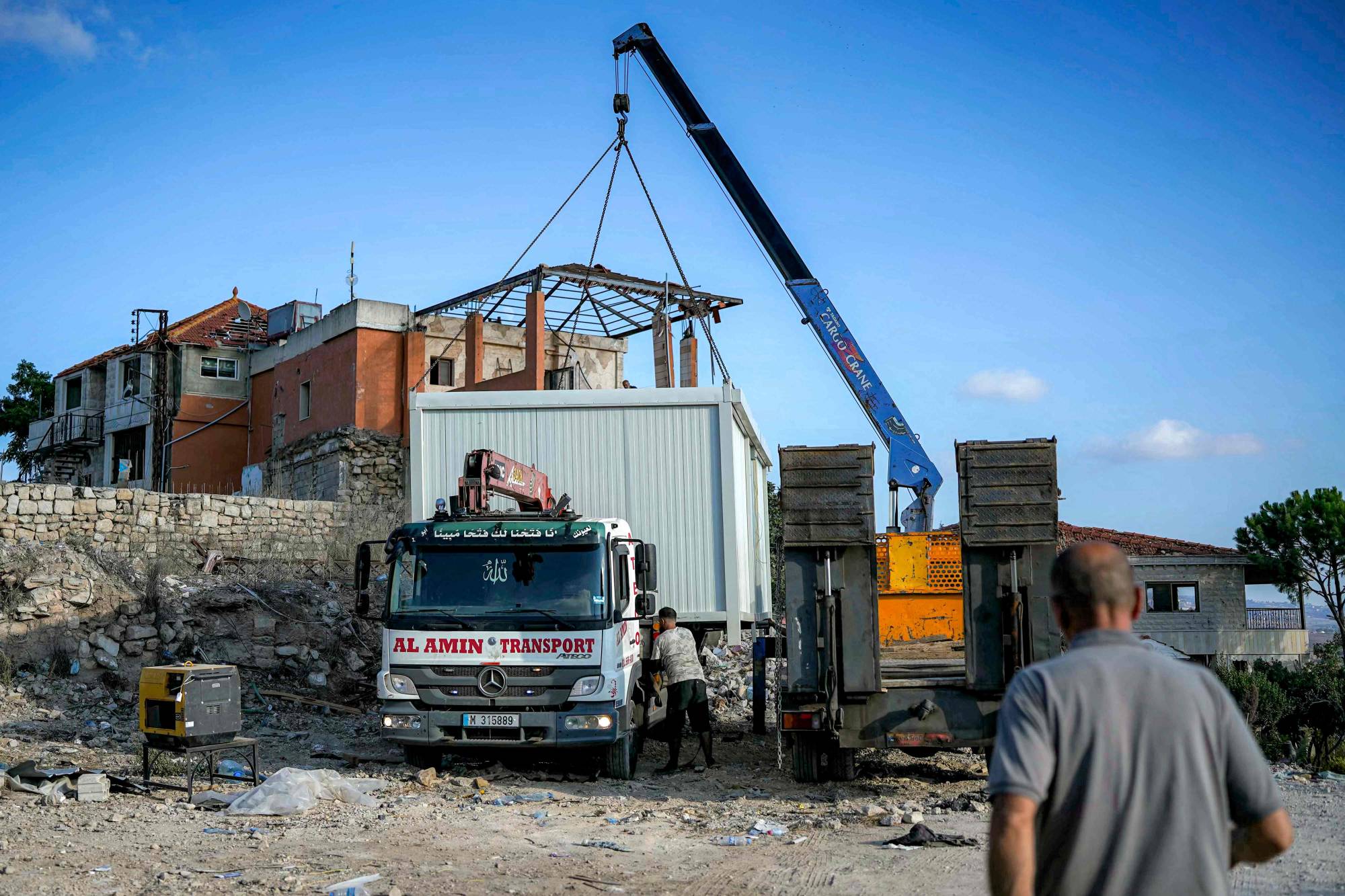
Nearly two months after the Lebanese army entered the town of Zawtar al-Gharbiyeh in southern Lebanon, temporary housing units have started reaching families unable to live in their homes.
The army began deploying in Zawtar al-Gharbiyeh end of July after Israeli forces withdrew from the area, marking the first test of a US-brokered plan agreed by Lebanon and Israel in direct talks.
The plan foresees the Lebanese army confiscating weapons from Hezbollah in designated areas and Israeli troops withdrawing in phases so that Lebanese troops can deploy. Zawtar al-Gharbiyeh is one of several towns or villages covered by the initial pilot program.
On Tuesday, the Council for the South began handing over the first batch of prefabricated homes to property owners whose plots had been cleared of rubble and prepared to receive the units.
This comes in coordination with the Military Coordination Group for Lebanon.
Workers set up a prefabricated house to provide housing for families whose homes have been destroyed in the fighting between Hezbollah and Israel, in the village of Zawtar al-Gharbiyeh (Western Zawtar) in southern Lebanon, on September 21, 2026. (Photo by Ammar Ammar / AFP)
On September 9, authorities announced that around 70 percent of the town’s residents had been able to return to inspect their properties, while only 16 percent, estimated at about 60 families out of 450, had been able to resettle. Officials estimated that 85 percent of homes had been completely destroyed and 15 percent partially damaged.
A source at the Higher Relief Commission told Asharq Al-Awsat that the prefabricated homes in Zawtar are part of a broader effort to support residents’ return and that solutions will vary according to the extent of destruction and local needs.
“We are now in the first phase, and while solutions in the villages covered by this stage may be similar or serve as models, they will not be identical because the scale of destruction differs from one area to another. The farther south we go, the more widespread the devastation becomes, making it impossible to apply a single solution to every town.”
The source explained that the response would rely on “a combination of solutions,” with prefabricated homes being one of them, adding that efforts are underway to secure available units locally as well as additional supplies from donors or foreign sources.
“We had the option of obtaining as many prefabricated homes as the local market could provide, while arranging for additional quantities from donor countries and external sources, allowing us to prepare for the first phase. In later stages, the need will certainly be greater.”
The source noted that Lebanese officials had explored opportunities for aid and grants during overseas visits, including to Türkiye, saying: “The cost of a prefabricated home in the local market is not cheap. We know this type of housing is only part of the solution, so we must secure it either through available resources or through grants and assistance.”
He added that while prefabricated homes may currently be a key solution in Zawtar, demand for them could be even greater in other areas during later phases.
“Unfortunately, our capabilities do not allow us to provide enough prefabricated homes for everyone in need. We are talking about roughly 300,000 housing units that are either completely destroyed or damaged to a degree that makes them uninhabitable. This is an enormous number. Therefore, prefabricated housing is one solution, not the only one.”
He stressed that the initiative marks the beginning of a broader process aimed at enabling residents to return and reasserting the presence of the state in the south, followed by restoring government agencies and institutions.
“It is not enough to ask people to return simply because homes are livable or because we have provided prefabricated housing if public institutions remain absent. If there is no municipal office, civil defense center, police station, or clinic, how can a normal return take place? The return of residents must go hand in hand with the return of state institutions, with prefabricated housing serving as one of the tools that help make this possible.”
Zawtar al-Gharbiyeh Mayor Abed Ezzeddine told Asharq Al-Awsat that introducing prefabricated homes addresses the “exceptional situation” of families who remain displaced. He explained that the municipality had requested 15 units.
“We have a number of families that are still displaced, some of whom can no longer afford rent. Other families are staying in buildings that must be vacated as schools reopen. We therefore needed to provide temporary shelter until their circumstances improve, especially with winter approaching.”
“There are also other families demanding to return to the town, which means we will likely need more than 15 homes,” he added.
“People want to return to Zawtar, but they need somewhere to stay while they work to rebuild their lives.”
“Many people come every day, sit in the town squares or on the ruins of their homes, and then return in the evening to the places where they are currently displaced. We therefore need to find a solution to this problem.”
He noted that displaced residents are spread across villages around Sidon, Iqlim al-Kharroub, and the Zahrani coast, where transportation costs and everyday living expenses add to their burdens amid limited employment opportunities and rising fuel costs. He confirmed that coordination is taking place directly with the Council for the South.
Workers set up a prefabricated house to provide housing for families whose homes have been destroyed in the fighting between Hezbollah and Israel, in the village of Zawtar al-Gharbiyeh (Western Zawtar) in southern Lebanon, on September 21, 2026. (Photo by Ammar Ammar / AFP)
Ezzeddine pointed out that “we in Zawtar al-Gharbiyeh live in a state of anxiety. The security situation remains unstable, especially because Zawtar al-Sharqiyeh is very close to us, and the near-daily explosions frighten people ... Every so often we hear another explosion, and homes are destroyed.”
“There are children, women, and elderly people in the town, so it is impossible to say that conditions are stable. People want to return, settle down, and find peace, but the security situation remains difficult.”
He hoped there would be stability in the south “because people are exhausted and simply want to live in peace.”
Saudi Foreign Minister Holds Talks with Spanish, UK Counterparts in New Yorkhttps://aawsat.com/node/5322377
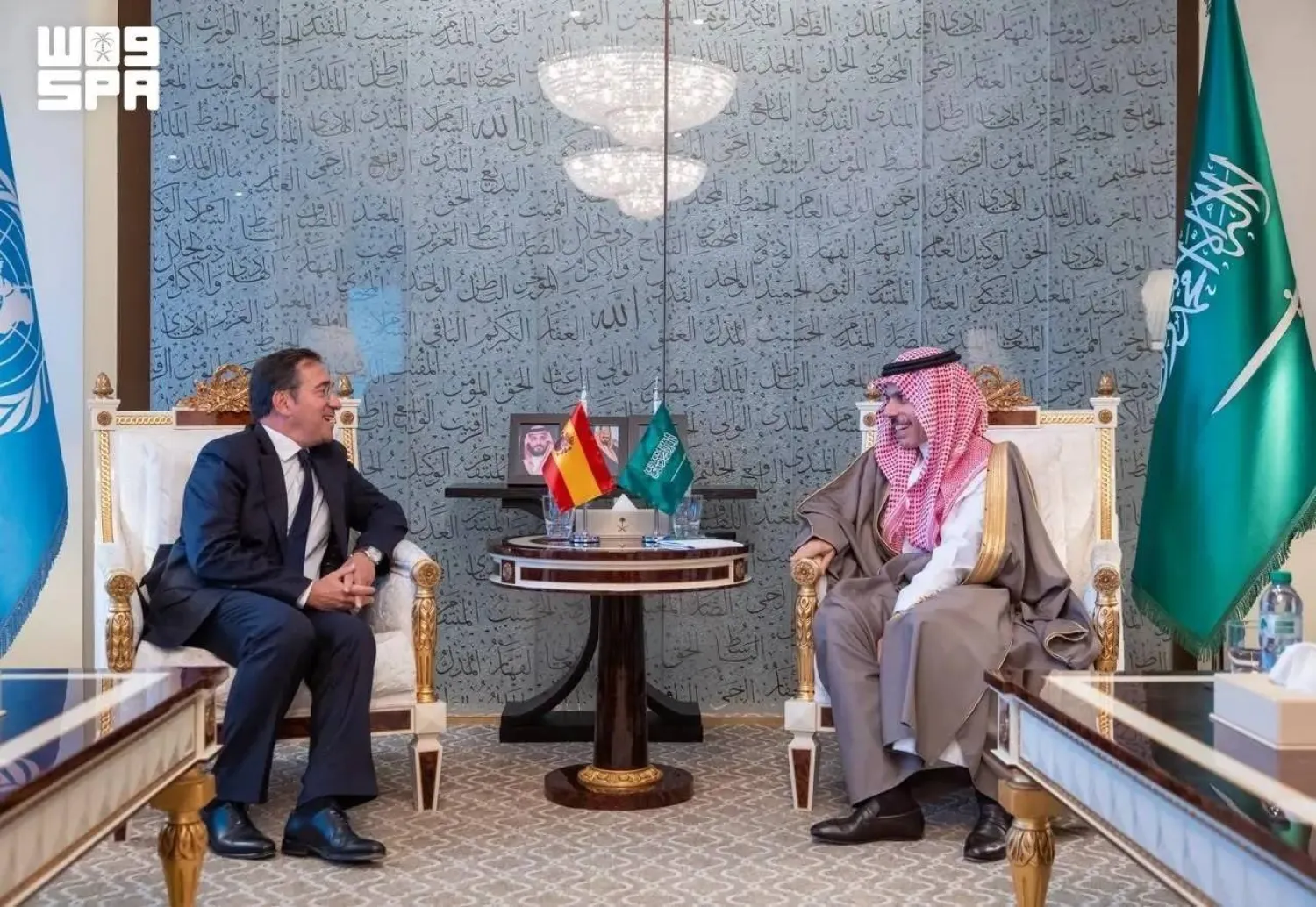
Saudi Minister of Foreign Affairs Prince Faisal bin Farhan bin Abdullah meets with Spanish Minister of Foreign Affairs José Manuel Albares Bueno. (SPA)
Saudi Foreign Minister Holds Talks with Spanish, UK Counterparts in New York
Saudi Minister of Foreign Affairs Prince Faisal bin Farhan bin Abdullah meets with Spanish Minister of Foreign Affairs José Manuel Albares Bueno. (SPA)
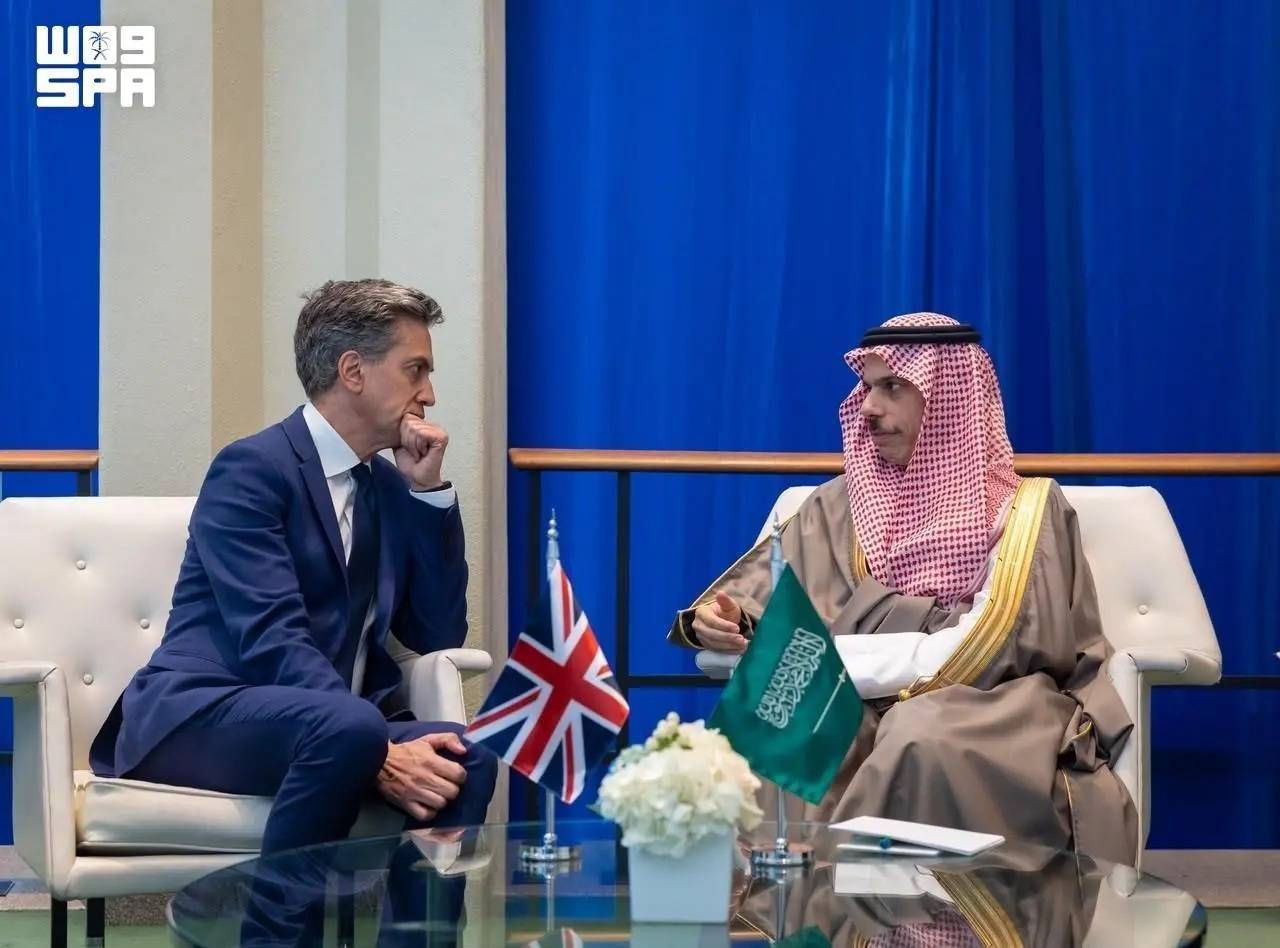
Saudi Minister of Foreign Affairs Prince Faisal bin Farhan bin Abdullah held separate meetings on Thursday in New York with Spanish Minister of Foreign Affairs José Manuel Albares Bueno and UK Secretary of State for Foreign, Commonwealth and Development Affairs Ed Miliband.
The meetings were held on the sidelines of the High-Level Week of the 81st session of the United Nations General Assembly.
During his talks with Bueno, the two ministers reviewed bilateral relations and discussed regional developments, as well as efforts to mitigate the repercussions of the current crisis in the region.
Saudi Minister of Foreign Affairs Prince Faisal bin Farhan bin Abdullah meets with UK Secretary of State for Foreign, Commonwealth and Development Affairs Ed Miliband. (SPA)
The Saudi minister reviewed with Miliband the bilateral relations between the two friendly countries. They also discussed the latest regional developments and stressed the need to continue coordination and joint efforts to maintain security and stability in the region.
لم تشترك بعد
انشئ حساباً خاصاً بك لتحصل على أخبار مخصصة لك ولتتمتع بخاصية حفظ المقالات وتتلقى نشراتنا البريدية المتنوعة