دورة رابعة لـ«مهرجان الشعر المغربي» في مراكشhttps://aawsat.com/home/article/3975176/%D8%AF%D9%88%D8%B1%D8%A9-%D8%B1%D8%A7%D8%A8%D8%B9%D8%A9-%D9%84%D9%80%C2%AB%D9%85%D9%87%D8%B1%D8%AC%D8%A7%D9%86-%D8%A7%D9%84%D8%B4%D8%B9%D8%B1-%D8%A7%D9%84%D9%85%D8%BA%D8%B1%D8%A8%D9%8A%C2%BB-%D9%81%D9%8A-%D9%85%D8%B1%D8%A7%D9%83%D8%B4
دورة رابعة لـ«مهرجان الشعر المغربي» في مراكش
تحتفي بالتنوع وتقارب أسئلة التعدد
ملصق الدورة الـ4 من «مهرجان الشعر المغربي» في مراكش
ملصق الدورة الـ4 من «مهرجان الشعر المغربي» في مراكش
تنطلق، الجمعة، في مراكش، فعاليات الدورة الرابعة من «مهرجان الشعر المغربي»، الذي تنظمه «دار الشعر» في مراكش، تحت رعاية العاهل المغربي الملك محمد السادس، في إطار التعاون بين وزارة الشباب والثقافة والتواصل بالمغرب ودائرة الثقافة في الشارقة بالإمارات العربية المتحدة.
وتكرم دورة السنة الحالية، الشاعر والباحث أحمد بلحاج آيت وارهام، والشاعرة الحسانية خديجة لعبيدي الناها، والشاعر الأمازيغي محمد واكرار، وذلك احتفاءً بالتنوع الثقافي المغربي. كما سيُتوج الفائزون في مسابقتي: أحسن قصيدة والنقد الشعري للشعراء والنقاد والباحثين الشباب، في دورتها الرابعة.
ويشهد حفل الافتتاح، افتتاح معرض «حروفيات 7/7» بمشاركة 7 فنانين في معرض، ينظم خلال 7 أيام، هم: محمد تيفردين، وعبد الرحيم حمزة، ورشيد زيزي، وأرشكيك لمليح، وعبد الإله الهلالي، وعبد الله بوركا، ولحسن الفرسيوي؛ فيما يُقدم الخطاط والباحث الدكتور محمد البندوي هذه الفعاليات.
وتشهد أمسية الافتتاح، قراءات شعرية للشعراء: عبد الدين حمروش وأمينة لمريني ومحمد الصابر، يليها حفل فني مع الفنانة ماجدة اليحياوي بمعية فرقة الجيلالي امثيرد لفن الملحون، إلى جانب الفنان رشيد زروال ومعزوفات موسيقية على آلة الناي.
وتتواصل فعاليات المهرجان، السبت، في مدرج الشرقاوي إقبال بكلية اللغة العربية في مراكش، بتنظيم منتدى المهرجان، حول موضوع «الشعر وأسئلة التعدد»، بمشاركة النقاد والباحثين: سعيد العوادي، ومنتنة ماء العينين، ومبارك أباعزي، تحت إشراف مراد القادري رئيس بيت الشعر في المغرب. فيما سيكون لرواد الشعر موعد مع الجلسة الشعرية الثانية، ضمن فقرة «ضفاف»، بمشاركة الشعراء: منير الإدريسي، دليلة فخري وأسماء إدعلي إد بهي.
ويرى المنظمون أن اختيار محور ندوة المهرجان (الشعر وأسئلة التعدد) يترجم إرادة في أن يكون التنوع الثقافي «أفقاً وهوية خالصة وخلاقة لهذه المبادرة الثقافية النوعية».
ويقترح برنامج الدورة محاورات مع المكرمين، لتتواصل في حديقة عرصة مولاي عبد السلام، الأماسي الشعرية، بفقرة «نبض القصيدة» بمشاركة الشعراء: نور الدين الزويتني، وفتيحة مورشيد، وحسن الوزاني، وبوجمعة العوفي، وتقديم الشاعر والإعلامي مصطفى غلمان، فيما سيكون ثلاثي «دار آلة العود»، في المصاحبة الموسيقية.
وضمن فقرة «أبجديات وكوريغرافيا»، يحاور الفنان والشاعر السعيد أبو خالد، الفنان والشاعر عبد الله إمهاه، ضمن فقرة ثابتة ترسخ عمق حوارية الشعر والفنون.
وتُختتم فعاليات التظاهرة، الأحد، بتنظيم فقرة «قصيدة مغربية»، بمشاركة الشعراء: إسماعيل آيت إيدار، وعبد الحق عدنان، والسالمة لحميدي، وأم العيد عدناني، ويسهر على تقديمها الشاعر بدر هبول، فيما تشارك الفنانة مينة جواوي في المصاحبة الموسيقية. وتنظم في حديقة عرصة مولاي عبد السلام فقرة «رؤى شعرية» بمشاركة الشعراء: لحسن لعسيبي، ومحمد بلمو، وزكية المرموق، وكمال أخلاقي. وتقديم الشاعرة مريم الميموني، فيما تسهر الفنانة وصال حاتم بمعية محمد أيت القاضي وياسين الرازي، على إضاءة فقراتها الفنية لتشكل فقرة «أبجديات وموسيقى» مسك الختام، بمشاركة الفنانة نبيلة معن وفرقتها الموسيقية برئاسة الفنان طارق هلال.
Israel Obliterates South Lebanon's Architectural Heritage
The residence of Said Shahine, father of Ghaleb and Fahmi Shahine, which was completely destroyed in the city of Nabatieh (Kamel Jaber archive)
Daily attacks around the city of Nabatieh and the town of Kfar Rumman have not stopped the Zein family from launching work to restore “what can be restored” of the home of Youssef Bek Zein, which was damaged by intensive Israeli strikes several months ago.
Descendants of one of Nabatieh’s best-known political families see preserving their heritage as an act of defiance against Israel, which they say is erasing physical traces and memories from the land and seeking to eliminate historic homes with distinctive architecture, political family residences, and urban and historical landmarks of all kinds across South Lebanon.
During the two large-scale wars Israel waged on South Lebanon, airstrikes and demolitions wiped out dozens of heritage landmarks, including political family homes whose architecture and libraries documented periods of Jabal Amel’s political history over the past two centuries.
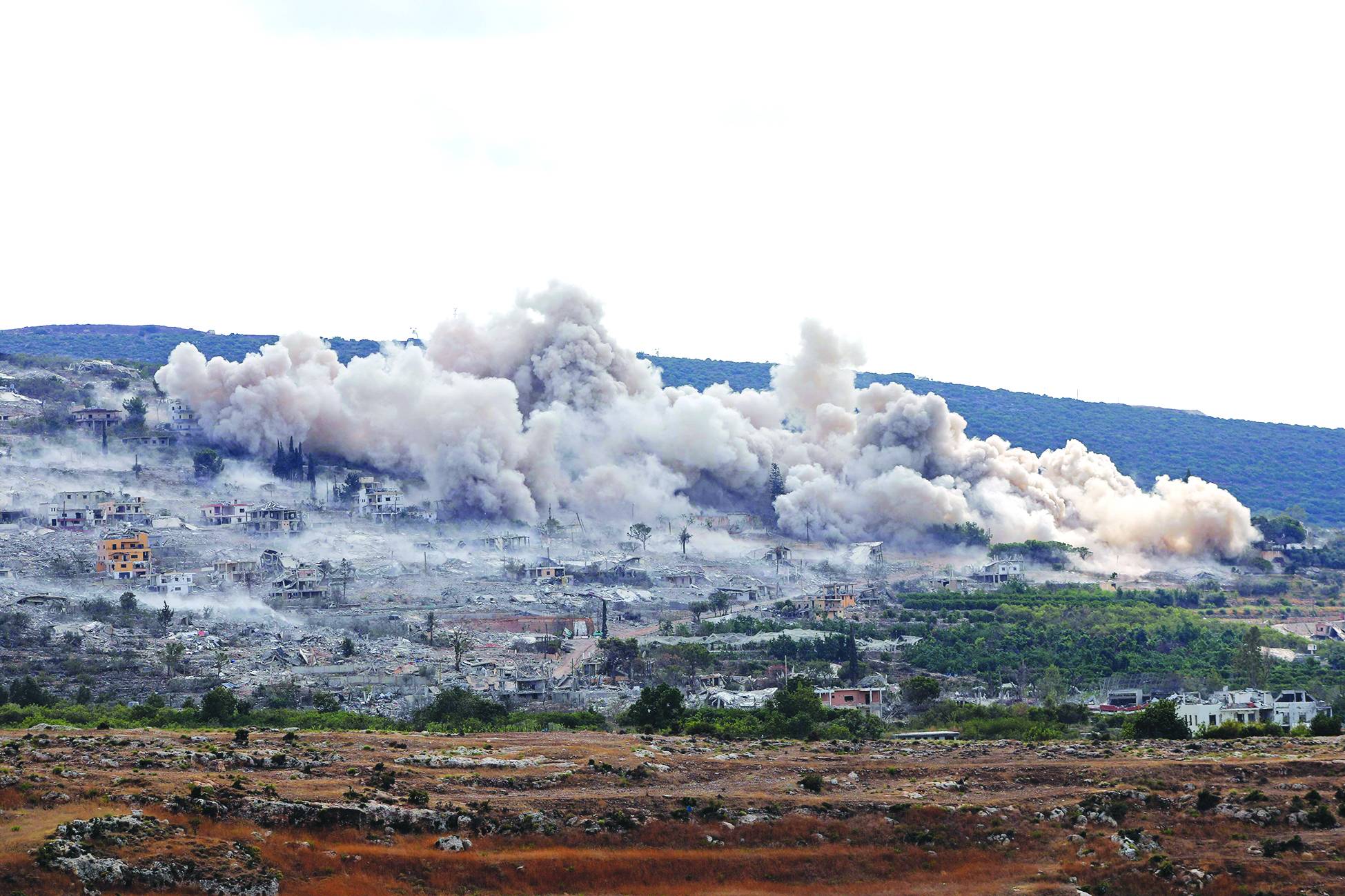
This photograph taken from the southern Lebanese village of Hanniyeh shows smoke rising from the site of a series of Israeli controlled explosions in the nearby village of al-Mansouri on September 28, 2026. (Photo by Kawnat HAJU / AFP)
In Nabatieh alone, Israeli bombardment razed 147 homes between 80 and 110 years old. Some had developed from houses originally built 200 years ago. They included heritage properties belonging to local political leaders, ministers and lawmakers who had played roles in Nabatieh and its surroundings over past decades.
The damage also extended to political family residences around Nabatieh, including the Asaad family home in Taybeh. Local activists say many old houses were razed along with it, including the home of Khalil Abdallah in Khiam, one of the region’s most prominent historical leaders, built in 1862.
Abdel Aziz Zein’s Home: A Cultural Role
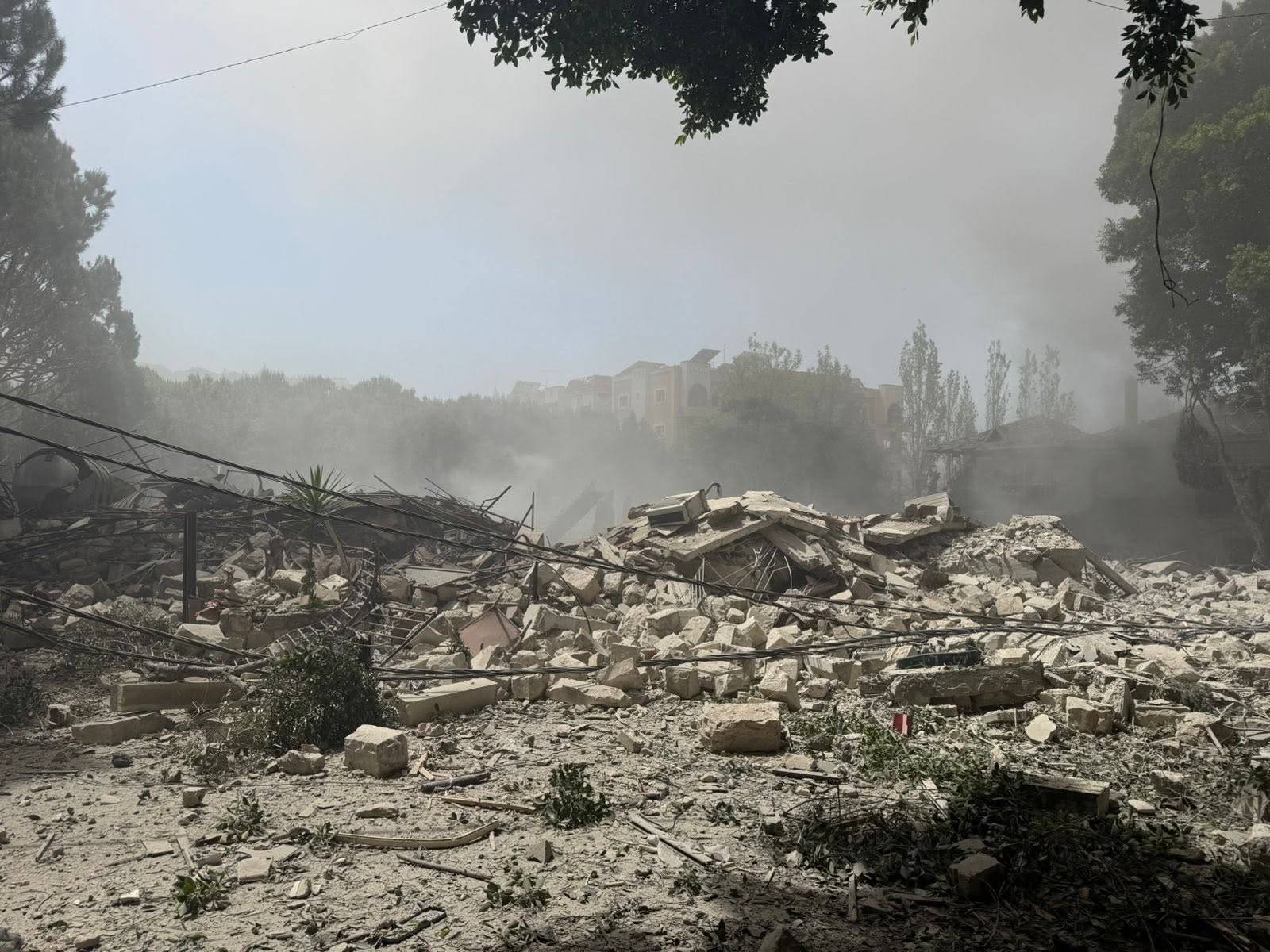
The home of Youssef Bek Zein, heavily damaged by Israeli bombardment, is now among the last remaining heritage landmarks and architectural witnesses in the Nabatieh area following the loss of the Abdel Aziz Zein residence.
In recent years, that residence had become a cultural hub in the region. His son, Dr. Saad Zein, expanded it to host cultural and community activities.
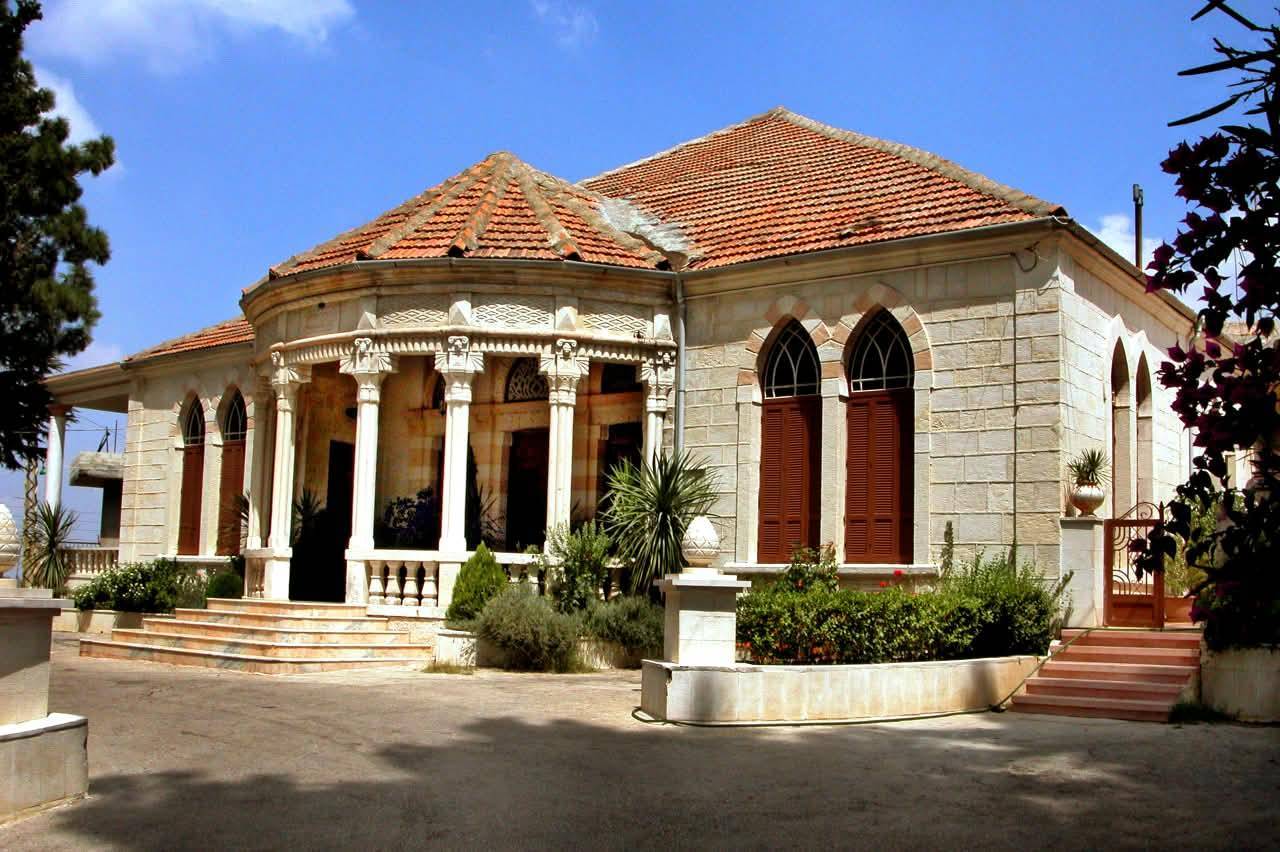
“My family home, the Abdel Aziz Zein residence, was more than 80 years old,” Dr. Saad Zein told Asharq Al-Awsat. “An Israeli strike completely demolished the house and wiped out all its features — not only its architecture, but also its cultural role.”
The Abdel Aziz Zein residence (Saad Zein archive)
Zein said the house had served as a venue for cultural and social activities since at least 2000. He had established a small museum there documenting the history of Jabal Amel, and the house “became a cultural destination in the region.”
The residence was later expanded to include gardens and a diwaniya, a traditional reception space that is a central feature of southern Lebanese architecture. In recent years, it became known as the “Saad Zein House.”
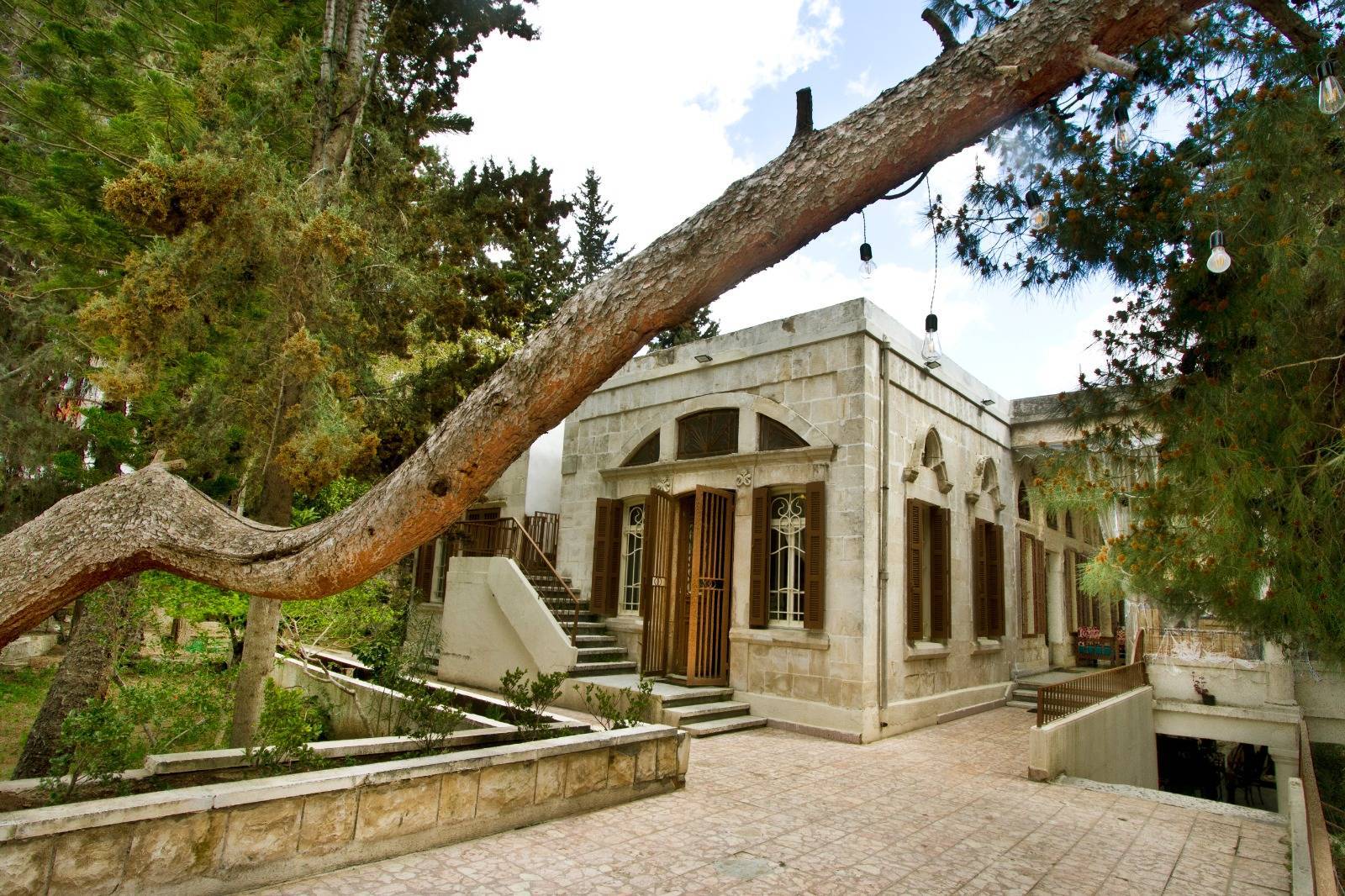
The strike on the large residence also damaged the adjoining Zein family home. That residence had been a center of political and social leadership for more than a century. Built 150 years ago, it housed the Ottoman governor in the 19th century before ownership passed to the Zein family and Youssef Bek Zein took up residence there.
Even the Family Tombs Were Hit
Zein entered parliament after the proclamation of Greater Lebanon in 1924, and his family became one of Jabal Amel’s most prominent political families during the last century. Its parliamentary representation continued uninterrupted until 2018.
“The Youssef Bek Zein residence was severely damaged. The roof, courtyard and family tombs were hit, including Youssef Bek’s grave,” Dr. Saad Zein stated.
“We are now working intensively and quickly to restore the house so it can be usable again and remain a witness to a political era, given that the family is one of Jabal Amel’s founding families and has maintained a cultural, developmental and social presence — a role that continues with me and my uncle.”
Zein stressed that the targeting of political homes and urban and historical landmarks “aims to erase traces and memories from the land in order to sever the Lebanese people’s connection to their homes, land and heritage.”
Deliberate and Systematic Destruction
Cultural and social figures in Nabatieh broadly agree that what occurred during the wars of 2024 and 2026 amounted to the “systematic destruction of memory without any actual justification.”
They argue that the concentrated bombardment and leveling of longstanding family homes historically associated with political positions opposed to Hezbollah contradicts the Israeli military’s assertion that its strikes target only Hezbollah facilities and headquarters.
One particularly notable case was the leveling of the home of former lawmaker Habib Sadek, founder of the Cultural Council for South Lebanon, in Kfour, west of Nabatieh.
Sadek was among South Lebanon’s best-known political and cultural activists. He served in parliament in 1992 and was one of the most prominent chroniclers of Israeli violations in the south since the 1940s. He encouraged the publication of works sponsored by the Cultural Council and combined a political career with his work as a writer, poet and thinker.
Manuscripts Documenting Violations
Kamel Jaber, head of the Cultural Council’s Nabatieh branch, told Asharq Al-Awsat that after Sadek’s home in Khiam was demolished in 1977, the area remained under occupation until 2000 and the family was forced to live between Beirut and Nabatieh.
“The family was determined to build a house outside the city resembling the homes of southerners — meaning it would have a garden surrounded by pine trees, with roses blooming in it,” Jaber said.
“Sadek paid particular attention to a diwaniya on the lower floor of the house, where he kept many of the manuscripts he had presented through various radio programs, as well as writings from the 1960s and 1970s. He also created extensive libraries in the diwaniya containing books, manuscripts and the rest of his cultural legacy.”
Jaber said Sadek was “one of the most prominent cultural figures who wrote and published works and books about the south, documenting violations and various forms of Israeli occupation, whether related to ambitions over water, geography or other issues, and produced studies showing the harm inflicted on the south through occupation.”
From that perspective, Jaber said the targeting of the house “was a targeting of Habib Sadek, his role, legacy and career.” He ruled out any security-related reason for striking the house, which he said was “closed and checked daily by a caretaker.”
Erasing Architectural and Political Heritage
The devastation is viewed locally as part of an effort to eliminate Nabatieh’s urban, architectural and political heritage.
After the 2024 war, cultural figures in the city launched an initiative, involving civil society groups in cooperation with the municipality, to document heritage buildings lost to Israeli bombardment. The survey was updated just two weeks before this article was written.
It found that 147 homes had been completely razed, leaving only a very small number of such buildings standing.
During the 2026 war, what remained of the Fadl al-Fadl house in the Manshieh district was demolished. The house was built late in the last century and designed by an Egyptian architect. General Gouraud visited it in the 1920s during a trip to the south while serving as French high commissioner in Lebanon.
The home of former lawmaker Mohammed Bek al-Fadl, meanwhile, lost large sections after strikes hit its surroundings in 2024. The house is 102 years old. Jaber, who works to document local memory through a civil society organization in Nabatieh, said its new owner had decided to restore it.
The home of Mohammed Bek al-Fadl (Kamel Jaber archive)
Erasing Cultural Memory
Nabatieh residents see the campaign as targeting architecture that embodies the area’s cultural heritage and its social, political and urban memory.
In Nabatieh, Israeli strikes completely leveled the residence of the late minister and lawmaker Rafik Shahine, as well as the home of Said Shahine, father of lawmakers and ministers Ghaleb and Fahmi Shahine.
Other buildings lost in the strikes had been regarded as architectural masterpieces, including the palace of Dr. Bahjat al-Mirza, considered one of the city’s most beautiful homes because its facades featured carvings in stone. Mirza was among Nabatieh’s first physicians in the 20th century to open his home to provide medical care to residents.
Mahmoud Shahine’s house was also razed in 2026. The building had served as a school during the last century and was among the houses constructed on the remains of older homes built some 200 years ago.
On Sept. 6, 2026, an Israeli strike leveled the home of Dr. Adnan Sharif, a century-old architectural landmark.
The home of Dr. Adnan Sharif (Kamel Jaber archive)
The home of former lawmaker Anwar Sabbah, father of Sadek Sabbah, director of Sabbah Brothers television production company, was also demolished. Built on a hill in Nabatieh in the early 1990s, it was separate from the family residence in the city, which remained standing.
Strikes also razed Ghandour Hospital, one of the main hospitals that provided medical services to the Nabatieh area during the period of occupation beginning in the 1980s.
A War on History
Israeli strikes did not only target houses and mansions but also hit archaeological and heritage sites across the south.
A market dating to the Mamluk era in Nabatieh was heavily bombarded, leaving part of it in ruins. The capital of an ancient column was dislodged at a UNESCO-listed site in the southern coastal city of Tyre.
A religious site known as “Shamoun al-Safa,” visited by both Muslims and Christians in the southern town of Shamaa, was also razed, as was Shamaa’s Crusader castle.
There is also no information about the condition of “Ain al-Fawqa” in Taybeh after the area surrounding it in the town square was devastated. The water collection spring was built in a spiral form and contains architectural features resembling examples from the Roman and Byzantine periods. It was restored during the Ottoman era.
Culture Minister Ghassan Salame told Reuters last month that historic towns outside the designated area were pummeled with airstrikes, including Tyre and Nabatieh.
Heavy bombing hit the town of Tebnin, prompting fears that its Crusader fortress was also damaged, Salame said.
"Heritage is not only Roman and Phoenician antiquities,” he added. “Heritage is also historic buildings, archaeological sites, and buildings with a cultural function."
He expressed concern that the Israeli campaign could completely erase centuries of Lebanese history.
UNESCO, meanwhile, said in a statement that it was concerned about the situation in Tyre, a World Heritage site under the agency’s enhanced protection.
It added it was deeply concerned by reports of damage to Shamaa Castle in South Lebanon and fighting near Beaufort Castle, denouncing what it described as “unlawful attacks on cultural property.”
متى تكون برودة أصابع اليدين والقدمين علامة على مشكلة صحية؟https://aawsat.com/%D8%B5%D8%AD%D8%AA%D9%83/5323772-%D9%85%D8%AA%D9%89-%D8%AA%D9%83%D9%88%D9%86-%D8%A8%D8%B1%D9%88%D8%AF%D8%A9-%D8%A3%D8%B5%D8%A7%D8%A8%D8%B9-%D8%A7%D9%84%D9%8A%D8%AF%D9%8A%D9%86-%D9%88%D8%A7%D9%84%D9%82%D8%AF%D9%85%D9%8A%D9%86-%D8%B9%D9%84%D8%A7%D9%85%D8%A9-%D8%B9%D9%84%D9%89-%D9%85%D8%B4%D9%83%D9%84%D8%A9-%D8%B5%D8%AD%D9%8A%D8%A9%D8%9F
متى تكون برودة أصابع اليدين والقدمين علامة على مشكلة صحية؟
برودة أصابع اليدين والقدمين قد تكون رسالة من الجسم تستحق الانتباه (بيكسلز)
قد تبدو برودة أصابع اليدين، والقدمين عرضاً بسيطاً لا يستدعي القلق، خاصة خلال فصل الشتاء، لكن استمرارها بشكل متكرر قد يكون رسالة من الجسم تستحق الانتباه. فحين تظهر البرودة دون التعرض للطقس البارد، أو تترافق مع التنميل وتغير لون الجلد، أو الألم، والإرهاق، فقد لا يكون السبب مجرد انخفاض درجة الحرارة، وإنما قد يرتبط بحالة صحية تحتاج إلى تقييم طبي.
فمتى تكون برودة الأطراف طبيعية ومتى تصبح علامة تستدعي زيارة الطبيب؟
البرودة المؤقتة قد تكون طبيعية
يوضح موقع «مايو كلينك» أن البرودة المؤقتة في الأطراف قد تكون طبيعية، حيث تعتبر في الحالات العادية إحدى الطرق التي يستخدمها الجسم للحفاظ على حرارته، إذ تنقبض الأوعية الدموية في الأطراف عند التعرض للبرد، فيتجه المزيد من الدم والحرارة إلى الأعضاء الداخلية.
استمرار البرودة في الأجواء الدافئة
إذا أصبحت أصابع اليدين والقدمين باردة بصورة متكررة، حتى في الطقس الدافئ، أو داخل المنزل، فقد يكون من المفيد البحث عن السبب.
ووفقاً لـ«مايو كلينك»، فإن برودة اليدين والقدمين قد تظهر ضمن أعراض فقر الدم، خاصة عندما تكون مصحوبة بالتعب، أو الضعف، أو الدوخة، أو شحوب البشرة.
وإذا كانت برودة الأطراف مصحوبة بإرهاق مستمر، أو زيادة في الوزن، أو جفاف الجلد، أو الشعور بالبرد أكثر من المعتاد، فقد تكون الغدة الدرقية أحد الأسباب المحتملة، حيث تؤثر هرمونات الغدة في عمليات الأيض، وتنظيم حرارة الجسم.
التنميل والوخز وتغير لون الجلد
عندما لا تقتصر المشكلة على الشعور بالبرودة، بل يصاحبها تنميل، أو وخز في الأصابع، تصبح المتابعة الطبية أكثر أهمية.
ويوضح موقع «كليفلاند كلينك» أن برودة الأصابع والقدمين، إلى جانب الشعور بالتنميل أو الوخز وتغير لون الجلد إلى اللون الأبيض أو الأزرق، قد تشير إلى الإصابة بحالة تعرف باسم «مرض رينو»، تؤدي إلى تضيق الأوعية الدموية الصغيرة في الأطراف.
الألم أو التورم أو ظهور جروح
برودة الأصابع تصبح أكثر إثارة للقلق عندما تترافق مع ألم مستمر، أو تورم، أو ظهور تشققات وقرح لا تلتئم بسهولة، حيث إنها قد تشير إلى وجود اضطرابات شديدة وخطيرة في الأوعية الدموية، وفي تدفق الدم، بحسب موقع «كليفلاند كلينك».
«وكالة الطاقة» تلوّح ببحث الإفراج عن مزيد من الاحتياطيات النفطيةhttps://aawsat.com/%D8%A7%D9%84%D8%A7%D9%82%D8%AA%D8%B5%D8%A7%D8%AF/5323770-%D9%88%D9%83%D8%A7%D9%84%D8%A9-%D8%A7%D9%84%D8%B7%D8%A7%D9%82%D8%A9-%D8%AA%D9%84%D9%88%D9%91%D8%AD-%D8%A8%D8%A8%D8%AD%D8%AB-%D8%A7%D9%84%D8%A5%D9%81%D8%B1%D8%A7%D8%AC-%D8%B9%D9%86-%D9%85%D8%B2%D9%8A%D8%AF-%D9%85%D9%86-%D8%A7%D9%84%D8%A7%D8%AD%D8%AA%D9%8A%D8%A7%D8%B7%D9%8A%D8%A7%D8%AA-%D8%A7%D9%84%D9%86%D9%81%D8%B7%D9%8A%D8%A9
«وكالة الطاقة» تلوّح ببحث الإفراج عن مزيد من الاحتياطيات النفطية
مقر وكالة الطاقة الدولية في باريس (أ.ف.ب)
قالت وكالة الطاقة الدولية، الثلاثاء، إن الدول الأعضاء قد تبحث في المستقبل إمكانية الإفراج عن مزيد من الاحتياطيات النفطية الاستراتيجية في الأسواق، إذا دعت الحاجة إلى ذلك، في ظل استمرار مراقبة تطورات أسواق الطاقة.
وقال المدير التنفيذي للوكالة، فاتح بيرول، للصحافيين في دبلن، قبيل اجتماع لوزراء الطاقة في الاتحاد الأوروبي: «نحن نتابع الأسواق من كثب، خصوصاً أسواق المنتجات النفطية، مثل الديزل وغيره»، مضيفاً أنه «إذا كانت هناك حاجة فسوف نناقش بالطبع مع حكومات الدول الأعضاء اتخاذ الخطوات اللازمة».
وامتنع بيرول عن التعليق على مقترحات لمح إليها الرئيس الفرنسي إيمانويل ماكرون وآخرون بشأن الإفراج عن مزيد من الاحتياطيات الاستراتيجية بهدف خفض أسعار النفط.