العلاقات السعودية الباكستانية تطورت بثبات على امتداد 67 عاما

وفد الرياض قدم الجانب الباكستاني إلى رؤساء الوفود في اجتماع الأمم المتحدة عام 1946

العلاقات السعودية الباكستانية تطورت بثبات على امتداد 67 عاما
TT

العلاقات السعودية الباكستانية تطورت بثبات على امتداد 67 عاما

العلاقات السعودية الباكستانية تطورت بثبات على امتداد 67 عاما
قال خبراء باكستانيون إن العلاقات الأخوية بين باكستان والمملكة العربية السعودية ترتكز على مبدأ التضامن الإسلامي وإنها نموذج تحتذي به الأمم الأخرى، وأشاروا إلى نحو 67 عاما من العلاقات بين البلدين شهدت فيها العلاقة تطورا ثابتا عاد بالفائدة على كلا البلدين.
وأقام الآباء المؤسسون للدولتين هذه العلاقات على أساس من الصدق والتفاهم المشترك والاحترام المتبادل الذي يعود إلى الأيام الأولى لنشأة باكستان في أعقاب انتهاء الحرب العالمية الثانية. ففي عام 1943 عانت البنغال في عهد الهند البريطانية من المجاعة وتعرض مسلمو البنغال لتهديدات، دفعت مؤسس باكستان محمد علي جناح إلى مناشدة الدول الأجنبية إنقاذ المسلمين في البنغال، وكان أول تبرع، بقيمة 10.000 جنيه إسترليني، يصل إليه من ملك دولة إسلامية، من الملك عبد العزيز عام 1943.
ويتذكر بعض الدبلوماسيين الباكستانيين الذين لا يزالون على قيد الحياة جيدا ذلك اليوم في الأمم المتحدة عندما قدم الوفد السعودي نظيره الباكستاني إلى العالم في عام 1946 برئاسة ميرزا أبو الحسن إسباهاني، وكان يقود الوفد السعودي الأمير فيصل بن عبد العزيز وقتها، كما قدم الجانب السعودي وفد حركة باكستان شخصيا إلى معظم رؤساء وفود الدول الأخرى في اجتماع الأمم المتحدة، والذي نقل تفاصيل مطالب المسلمين في الهند البريطانية وقرار تسمية باكستان.
وخلال 67 عاما تطورت العلاقات بين باكستان والمملكة العربية السعودية بشكل مطرد لم يعكر صفوها سوى التغييرات المتكررة في الحكومات الباكستانية.
وكانت السعودية واحدة من الدول الأولى التي تعترف بباكستان فور إعلان الاستقلال. وقد زار جميع ملوك السعودية تقريبا باكستان، والعكس بالعكس بالنسبة إلى قادة باكستان، كما زارتها وفود رسمية شملت وزراء وكبار المسؤولين ووفودا وزارية وعسكرية ورجال أعمال وتجارا.. الخ بهدف تعزيز التعاون مع باكستان.
بلغ التعاون السعودي وحسن النية والمشاعر المشتركة ذروتها عندما اختارت السعودية عقد مؤتمر القمة الإسلامي الثاني في مدينة لاهور التاريخية في فبراير (شباط) عام 1974. وتأتي زيارة ولي عهد المملكة العربية السعودية، الأمير سلمان بن عبد العزيز إلى باكستان امتدادا لهذا الاحترام المتبادل والعلاقات الأخوية بين البلدين. ومن المتوقع أن يناقش ولي العهد السعودي جميع القضايا الأمنية الإقليمية والدولية مع القيادة المدنية والعسكرية الباكستانية.
جدير بالذكر أن المملكة العربية السعودية شكلت مصدرا ثابتا للعملات الصعبة المقدمة لباكستان. هذه العملات الأجنبية ترد إلى باكستان عبر التحويلات التي ترسلها العمالة الباكستانية في المملكة العربية السعودية إلى بلادها. وتقدر أعداد العمالة الباكستانية في السعودية بنحو 1.5 مليون باكستاني تشكل جسرا بين البلدين الشقيقين وتلعب دورا إيجابيا في تطور المملكة العربية السعودية والاقتصاد الباكستاني عبر الحوالات السنوية التي تزيد على أربعة مليارات دولار.
وشاركت العمالة الباكستانية بصدق وفاعلية في عملية التنمية الضخمة التي شهدتها المملكة، وخاصة التوسع الضخم في المسجد الحرام والمسجد النبوي، حتى إن هناك ما لا يقل عن نصف مليون باكستاني يعملون في المملكة ويسهمون بنصيبهم في مشروع التنمية في المملكة ومن ثم تحويل كميات هائلة من العملات الصعبة لباكستان.


Londra, Tahran’ı Fairford Üssü'nü hedef almakla suçladı

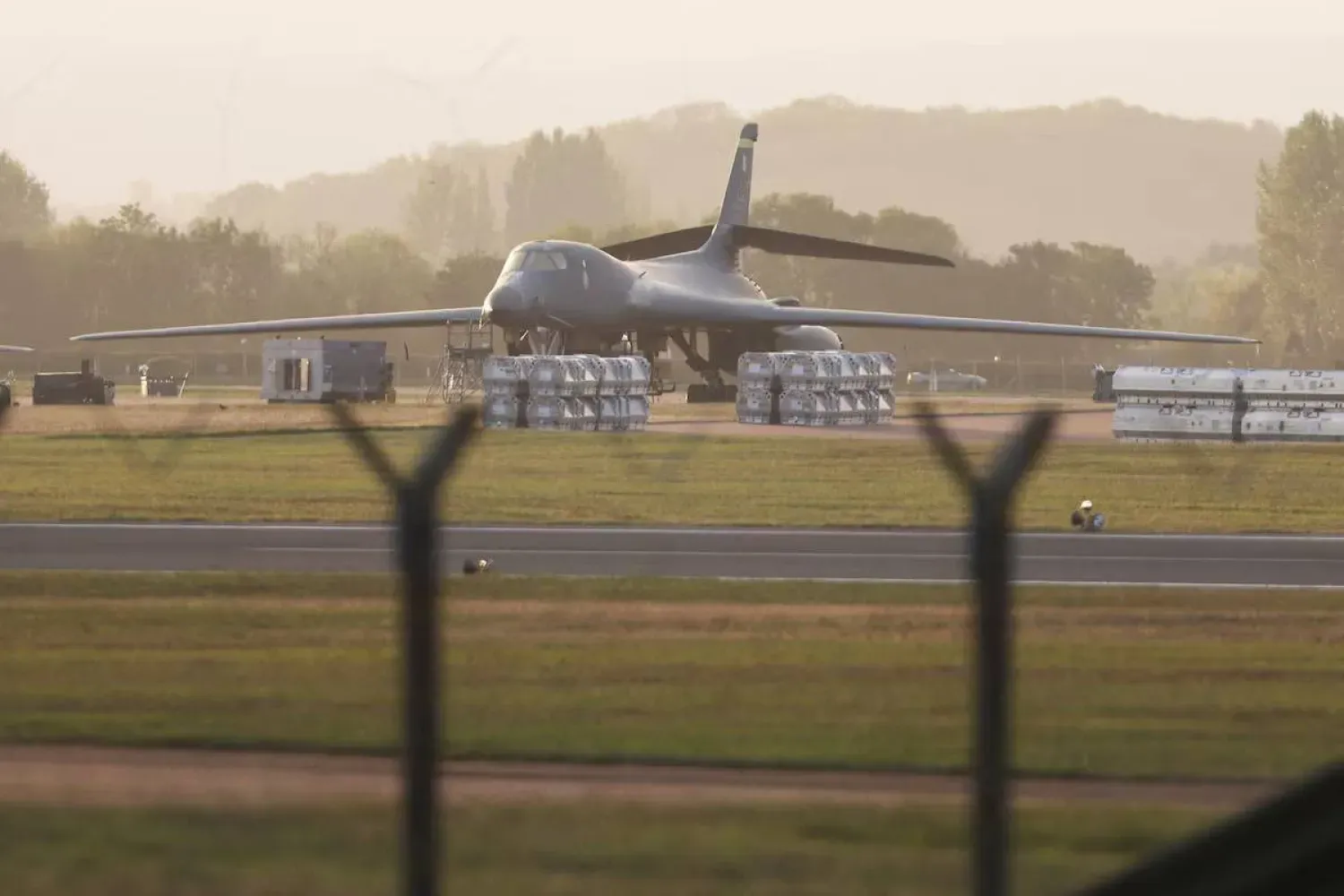
27 Eylül 2026’da İngiltere’nin Gloucestershire kontluğundaki Fairford Hava Üssü’nde bulunan ABD’ye ait B-1B Lancer tipi bombardıman uçağı. (Reuters)
TT

Londra, Tahran’ı Fairford Üssü'nü hedef almakla suçladı

27 Eylül 2026’da İngiltere’nin Gloucestershire kontluğundaki Fairford Hava Üssü’nde bulunan ABD’ye ait B-1B Lancer tipi bombardıman uçağı. (Reuters)

İngiltere Başbakanı Andy Burnham, ABD ordusunun İran’a yönelik savaşta kullandığı Fairford Hava Üssü’nü hedef alan güvenlik tehdidinin, “neredeyse kesin olarak” İran Devrim Muhafızları’nın yönlendirmesiyle gerçekleştirildiğini açıkladı.

Londra yönetimi, dün İran’ın Londra Büyükelçisi’ni protesto amacıyla Dışişleri Bakanlığına çağırdı. Ayrıca, 27 Eylül’de meydana gelen ve ayrıntıları henüz netlik kazanmayan olayla bağlantılı olarak iki İran vatandaşını yaptırım listesine aldı. Şarku’l Avsat’ın edindiği bilgiye göte söz konusu kişilerin, “İran rejimi adına düşmanca faaliyetleri kolaylaştırdıkları, yurt dışında saldırı tehdidinde bulunulması, saldırıların planlanması veya gerçekleştirilmesinde rol oynadıkları” belirtildi.

ABD ve Avustralya, Kanada, Fransa ile Almanya’nın da aralarında bulunduğu müttefikleri, İran’ı kendi topraklarında düşmanca faaliyetlerde bulunmaması konusunda uyardı.

29 ülkenin imzaladığı ortak bildiride, “İran’ın topraklarımızda bulunan kişileri tehdit etmeye, susturmaya, sindirmeye, taciz etmeye, onlara zarar vermeye veya onları zorlamaya yönelik her türlü girişimi kabul edilemez” ifadelerine yer verildi.


Bill Gates: Yapay Zekâ destekli siber saldırılar, yakın vadede karşı karşıya kalınan en büyük tehdit

Bill Gates (DPA)
Bill Gates (DPA)
TT

Bill Gates: Yapay Zekâ destekli siber saldırılar, yakın vadede karşı karşıya kalınan en büyük tehdit

Bill Gates (DPA)
Bill Gates (DPA)

Microsoft’un kurucu ortağı Bill Gates yaptığı açıklamada, denetimsiz yapay zekânın giderek büyüyen bir tehdit oluşturduğu uyarısında bulunarak, yapay zekâ destekli siber saldırıların önümüzdeki yıl artacağını öngördü.

ABD’li milyarder, yapay zekânın “kontrolden çıkması” riskinin önümüzdeki yıllarda gündeme gelebileceğini belirtti. Gates, kısa vadede asıl endişe kaynağının mevcut yapay zekâ sistemlerini herhangi bir denetim veya güvenlik önlemi olmadan kullanan “kötü niyetli kişiler” olduğunu vurguladı.

Şarku’l Avsat’ın ABC News’ten aktardığına göre Gates verdiği röportajda, “Önümüzdeki yıl en büyük etkisini görmemizin muhtemel olduğu alan siber saldırılar olacak” ifadelerini kullandı.

Mevcut risklere ilişkin değerlendirmesinde Gates, “Şu anda asıl tehlike, yapay zekânın kontrolden çıkması değil. Elbette bu konu üzerinde çalışmamız gerekiyor, ancak bunun büyük çaplı etkileri henüz birkaç yıl uzakta” ifadelerini kullandı.

Gates, asıl sorunun kötü niyetli kişilerin yapay zekâyı kullanması olduğunu belirterek, özellikle sistemlere entegre edilmiş bütün denetim ve güvenlik mekanizmalarının devre dışı bırakılabilmesinin tehlikeyi artırdığına dikkat çekti.

Gates, “Şu anda bütün bu denetim ve güvenlik önlemlerinin kaldırılmasına izin veriliyor. Kötü niyetli kişiler hiçbir güvenlik önlemi olmadan en gelişmiş yapay zekâ modellerini kullandığında, özellikle siber saldırılar alanında önümüzdeki yıl pek çok olumsuz sürprizle karşılaşacağız” diye konuştu.

Gates’in açıklamaları, yapay zekâ teknolojilerinin yol açabileceği tehditlere ilişkin uyarıda bulunan diğer teknoloji sektörü öncülerinin değerlendirmelerine de katılıyor. Gates, ağustos ayında yayımladığı kapsamlı bir blog yazısında da dünyanın yapay zekânın yol açabileceği dönüşümlere, özellikle iş gücü piyasasındaki değişimlere, karşı hazırlıksız olduğu uyarısında bulunmuştu.

Gates, röportajında yapay zekâ şirketlerinin kendi kendilerini denetlemesinin dünya güvenliğini sağlamak için yeterli olduğu görüşünü de reddetti. Bu yaklaşım, ABD Başkanı Donald Trump tarafından savunuluyor.

Gates, “İnsanlığın şimdiye kadar geliştirdiği en tehlikeli teknolojinin yalnızca öz denetimle kontrol edilebileceğini ve toplum adına onu denetleyen tek tarafın yine bu şirketler olması gerektiğini düşünmek, yeterince çaba göstermediğimizi ortaya koyuyor” değerlendirmesinde bulundu.


Damaged and Drained, Indonesia's Peatlands Go Up in Smoke

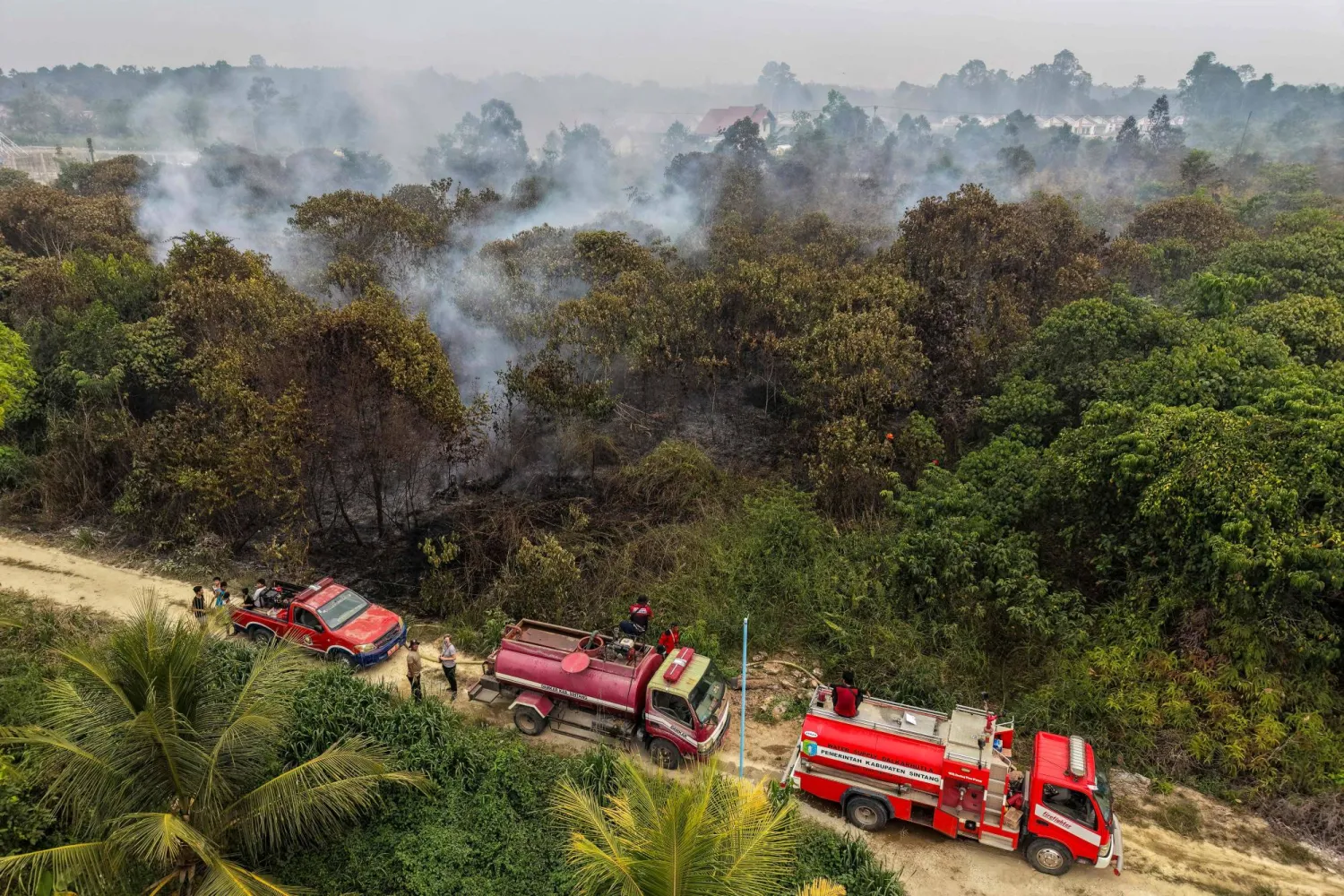
(FILES) This aerial picture shows fire fighters battling peatland fires in Sintang, West Kalimantan on September 5, 2026. (Photo by BAY ISMOYO / AFP)
TT

Damaged and Drained, Indonesia's Peatlands Go Up in Smoke

(FILES) This aerial picture shows fire fighters battling peatland fires in Sintang, West Kalimantan on September 5, 2026. (Photo by BAY ISMOYO / AFP)

For weeks on end, parts of Indonesian Borneo have resembled an Armageddon landscape with masked residents immersed in a putrid, red-brown haze as wildfires devour peatlands near homes and farms.

Burning slowly, mostly under the surface and sometimes for months on end, peatland fires are responsible for much of the dry season haze that this year has tainted air as far afield as Malaysia, Singapore and the Philippines.

- What are peatlands? –

Peatlands are composed of organic material that does not completely decompose in water-logged conditions and has settled over thousands of years into a layered soil-like substance.

Healthy peatlands are home to diverse plants and trees like nutmeg and durian, and animals that can include endangered orangutans, clouded leopards, Sumatran tigers, sun bears and tapirs.

They are porous and absorbent, making them critical for flood containment.

While they cover only about three percent of global land, peatlands store about a third of the world's soil carbon -- double that trapped by forests.

Indonesia has the world's biggest share of tropical peatland, about a third of the global total.

- Why are they burning? –

Of Indonesia's estimated 24.2 million hectares (93,400 square miles) of peatland, 16.4 million hectares have been degraded and are vulnerable to fire, according to the Pantau Gambut NGO.

The culprit is mainly industrial-scale plantations for timber, pulp and paper, rice paddies and palm oil, of which Indonesia is the world's biggest producer by far.

To cultivate peatlands, they are drained with canal networks that in Indonesia span about 285,000 kilometers (177,000 miles), according to Pantau Gambut research -- seven times the circumference of Earth.

The water runs into rivers or the sea, leaving the dried-out peatlands vulnerable to burning, especially in strong El Nino years that can bring severe drought to Indonesia.

Peatland fires are often imperceptible but for the foul smoke they emit and the heat they generate underfoot, AFP reported.

The many layers of thick carbon can keep smoldering in "zombie fires" for weeks, and are hard to put out.

- What are the impacts? -

While less than a third of wildfires in Indonesia are on peatlands, they produce most of the haze, according to Greenpeace research.

This toxic smog contains harmful elements including formaldehyde, hydrogen cyanide and ammonia, as well as PM2.5 particles small enough to penetrate the lungs or bloodstream.

The World Health Organization has linked PM2.5 exposure to increased illness and death.

Indonesia and Malaysia have shut hundreds of schools over haze, and more than 170,000 people in Indonesia required treatment for acute respiratory infections in August and September, according to the health ministry.

Many more fell ill in Malaysia and Singapore.

Peatland fires also ravage the habitats of animals, further imperiling already endangered species such as orangutans and Sumatran rhinos.

- What about greenhouse gases? -

By October 6, Indonesian wildfires had emitted 140.5 megatons of planet-warming carbon, around 13 percent of the global total this year, according to the Copernicus Atmosphere Monitoring Service.

That was the highest figure for Indonesia fire emissions since 2019, another strong El Nino year.

Indonesia emits significant greenhouse gases from its coal-powered electricity grid, and is seeking to reduce its emissions in part by relying on forests, peatlands and other land ecosystems to absorb more than they emit.

- What is being done? -

Activists and experts say concession licenses for extractive activities on peatlands must be revoked, and peatlands should be rewetted and planted with native species.

Canals should be blocked, they say.

Indonesia has a moratorium in place on new permits to clear 66 million hectares of land designated as primary forest and peatland.

In a statement last year, the government said it had rewetted 4.16 million hectares of peatland, built 45,000 canal barriers and replanted various native species.

But there are doubts about some of that work.

"Today, some of the peat hydrological units that have received major restoration efforts... have experienced fires and have some of the highest hotspot counts," Greenpeace forest campaigner Belgis Habiba told AFP.

Last month, the government announced the creation of a new National Peatland and Mangrove Management agency to replace a body whose mandate expired in 2024.

The agency's remit and resources are still being worked out, but there are concerns its name mentions neither restoration nor protection.

"Does managing in this context serve as a pretext for the state to grant new concessions on peatlands?" asked Belgis.

The forestry ministry did not reply to AFP's request for input.