الملكة إليزابيث تتسلم مفاتيح إدنبرة ثم تعيدها

في احتفال تقليدي لافتتاح أسبوع هوليرود للعائلة المالكة

الملكة إليزابيث الثانية تصل إدنبرة في أسكوتلندا (د.ب.أ)
TT

الملكة إليزابيث تتسلم مفاتيح إدنبرة ثم تعيدها

الملكة إليزابيث الثانية تصل إدنبرة في أسكوتلندا (د.ب.أ)

وصلت ملكة بريطانيا، إليزابيث الثانية إلى إدنبرة مع أفراد من عائلتها، لتبدأ أسبوعاً من الفعاليات الملكية في أسكوتلندا. وانضم إليها ابنها الأصغر، الأمير إدوارد، وزوجته صوفي في احتفال تقليدي لافتتاح أسبوع هوليرود للعائلة المالكة. وفق موقع «بي بي سي» البريطاني.
وتعاني الملكة البالغة 96 عاماً، من مشكلات في القدرة على الحركة، وأُكّد قرار السفر إلى إدنبرة صباح يوم أمس (الاثنين) فقط.
كانت الملكة قد قلصت ارتباطاتها في الفترة الأخيرة، وشوهدت آخر مرة على الملأ خلال احتفالات اليوبيل البلاتيني.
وبعد وصولها إدنبرة، شاركت الملكة فيما يعرف باسم «حفل المفاتيح»، وذلك في الفناء الأمامي لقصر هوليرودهاوس.

ملكة بريطانيا تشارك في «حفل المفاتيح» (د.ب.أ)

خلال الحفل، الذي يمثل بداية الأسبوع الملكي في أسكوتلندا، قدم اللورد بروفوست مفاتيح المدينة للملكة بشكل رمزي، إلا أن التقاليد تملي عليها أن تعيدها بعد ذلك، وتعهد بحفظها إلى المسؤولين المنتخبين في إدنبرة.
ومن المتوقع أن تبقى الملكة في القصر، مقر إقامتها الرسمي في العاصمة الأسكوتلندية، حتى الأول من يوليو (تموز).
وتتضمن المعالم التقليدية للأسبوع الملكي، تنظيم حفل في حديقة هوليرودهاوس، المقر الرسمي للملكة في إدنبرة.
وكان أُكد في مايو (أيار) الماضي، على أن الملكة لن تشارك في الاحتفال العام الحالي.
وبدلاً عن ذلك، سيستضيف أمير ويلز والأميرة الملكية والأمير إدوارد وصوفي الحفل، يوم غدٍ (الأربعاء)، لتكريم الأشخاص الذين قدموا مساهمات إيجابية للمجتمعات في جميع أنحاء أسكوتلندا.
وتشمل الفعاليات الأخرى حفل استقبال للفائزين بجوائز دوق إدنبرة الذهبية، استضافه الأمير إدوارد في هوليرودهاوس.


مقالات ذات صلة

«أساليب متهورة» أمام مدرسة طفليه... متحدث باسم الأمير هاري يندد بتصرفات الباباراتزي

أوروبا الأمير البريطاني هاري يتفاعل خلال حلقة نقاشية أثناء زيارته لمدرسة في برمنغهام بوسط إنجلترا (أ.ف.ب)

«أساليب متهورة» أمام مدرسة طفليه... متحدث باسم الأمير هاري يندد بتصرفات الباباراتزي

ندد متحدث باسم الأمير هاري، اليوم الأربعاء، بتصرفات «متهورة جداً» لمصورَين صحافيَين بعد رصدهما خارج المدرسة التي يرتادها طفلاه في المملكة المتحدة.

«الشرق الأوسط» (لندن)
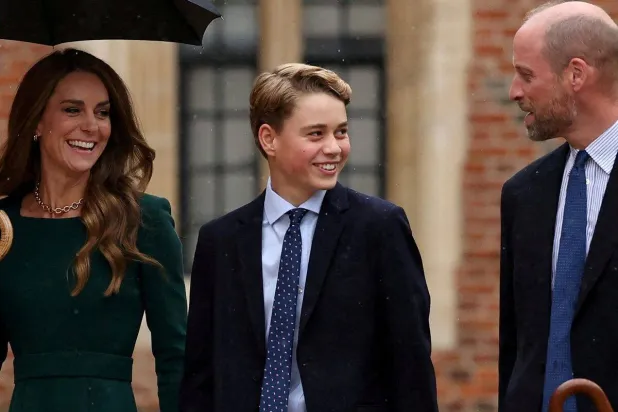
يوميات الشرق الأمير البريطاني ويليام يسير برفقة زوجته كيت ميدلتون وابنهما الأمير جورج لدى وصوله في يومه الأول إلى كلية إيتون (رويترز)

قاعدة صارمة تفرضها كلية إيتون على الأمير جورج وزملائه... ما تفاصيلها؟

بدأ الأمير البريطاني جورج، الابن الأكبر للأمير ويليام، خوض تجربة الدراسة في واحدة من أعرق المدارس الداخلية في بريطانيا؛ حيث ينتظره نظام صارم.

«الشرق الأوسط» (لندن)
يوميات الشرق في «Swan Song» يكشف تشارلز سبنسر عن أسرار كثيرة في الحياة الخاصة لشقيقته (رويترز) p-circle 01:37

صفعت والدها ودفعت بزوجته من أعلى السلّم... أسرار الأميرة ديانا في مذكّرات شقيقها

«أغنية البجعة»، كتابٌ يتصدّر المبيعات حالياً في بريطانيا وحول العالم لما فيه من خفايا عن حياة الأميرة ديانا، يكشف عنها الكاتب وهو شقيقها تشارلز سبنسر.

كريستين حبيب ( بيروت)
يوميات الشرق ديانا أميرة ويلز تظهر في هذه الصورة الأرشيفية خلال زيارتها باريس 11 نوفمبر 1988 (رويترز)

واقعة أغضبت الملكة إليزابيث من الأميرة ديانا... ما قصة تسريحة الشعر وتاج سبنسر؟

مصفف شعر ديانا، ريتشارد دالتون، صفف شعرها في هيئة «شينيون»، وهي كعكة شعر تُثبت عند أسفل العنق.

«الشرق الأوسط» (لندن)
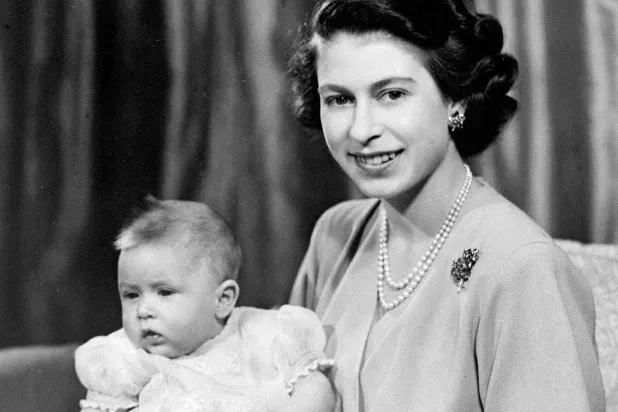
يوميات الشرق الأميرة إليزابيث مع ابنها الرضيع الأمير تشارلز في غرفة خاصة بقصر باكنغهام في أبريل 1949 (أ.ب)

«أنا عديمة الفائدة»... رسالة نادرة بخط يد الملكة إليزابيث تكشف معاناتها في بداية الأمومة

ظهرت رسالة لم يسبق نشرها للراحلة الملكة إليزابيث الثانية، تتحدث فيها عن جدول أعمالها «المزدحم للغاية» خلال فترة كانت فيها أماً شابة.

«الشرق الأوسط» (لندن)

Trump Hails the US Military's Exit from Iraq after 12-year Mission against ISIS

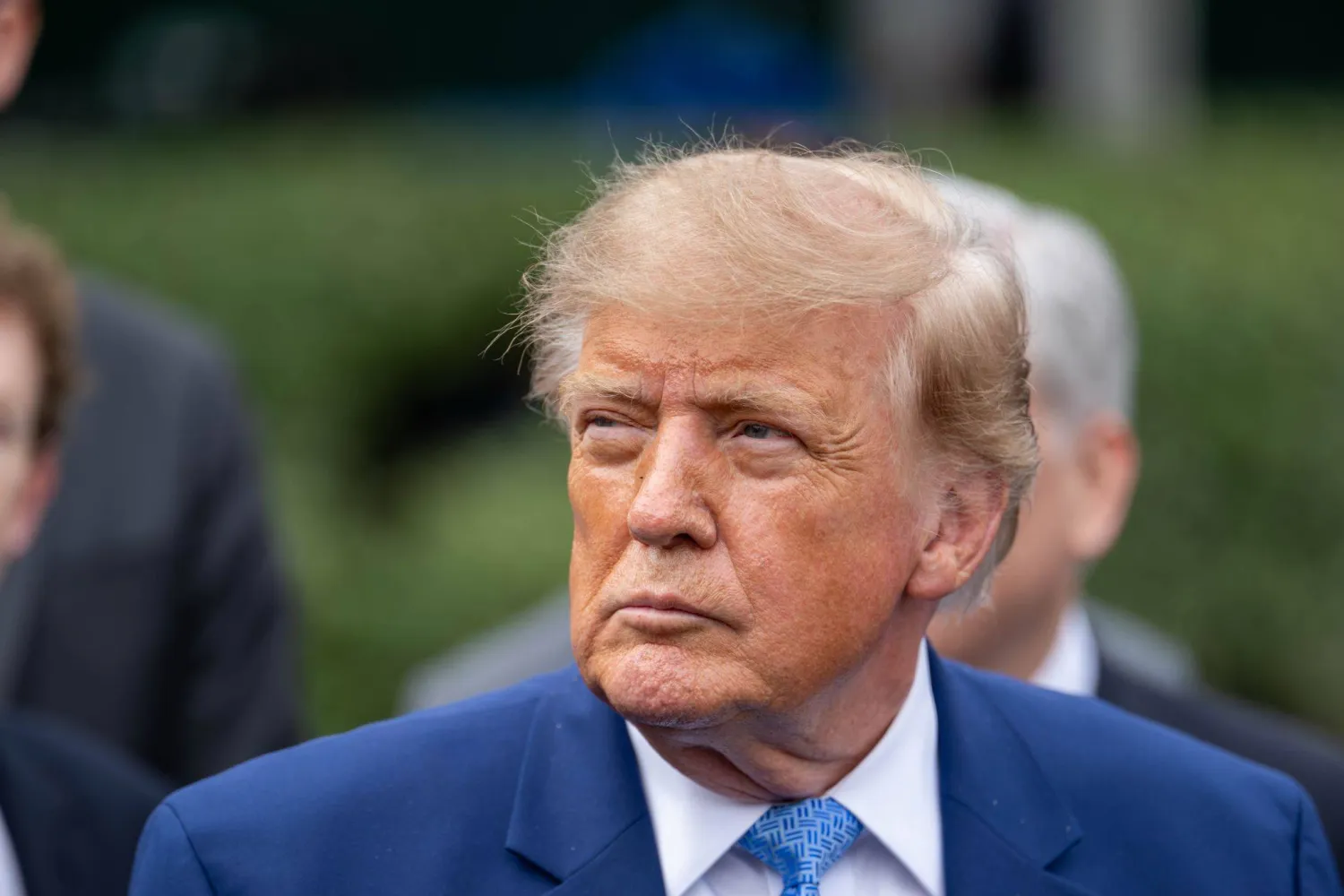
29 September 2026, US, Washington: US President Donald Trump stands at the White House during a meeting with Technology executives. Photo: Matt Kaminsky/ZUMA Press Wire/dpa
TT

Trump Hails the US Military's Exit from Iraq after 12-year Mission against ISIS

29 September 2026, US, Washington: US President Donald Trump stands at the White House during a meeting with Technology executives. Photo: Matt Kaminsky/ZUMA Press Wire/dpa

The US military announced Wednesday that it completed the withdrawal of all American troops from Iraq, ending a 12-year mission to fight the ISIS group and prompting President Donald Trump to hail the conclusion of "a very expensive excursion into Hell.”

The last US troops left an air base in northern Iraq under a deal between Baghdad and Washington, The Associated Press reported.

Trump, in a social media post, described the withdrawal by a Sept. 30 deadline as “orderly." Appearing soon after at a White House event celebrating Hispanics, he spoke at length about the withdrawal and said, “It’s been a long time with very bad decision making that got us involved in this quagmire in the first place. It was a quagmire. For many, many years it lasted. But soon that part of history will be over.”

He said the shift was a victory for the US, Iraq and a sign of victory over the ISIS group.

The withdrawal, agreed on two years ago, comes against the backdrop of the ongoing war between the United States and Iran that has also sometimes spilled over into Iraq, with Iran-backed militias firing on US troops and the US striking the groups' strongholds.

Trump’s comments came as his own decision earlier this year to launch the war with Iran has been compared to the Iraq war for its undefined mission as it nears its seventh month.

Appearing at the White House, Trump made that comparison, arguing both that his one-day military action in Venezuela earlier this year to capture now former President Nicolás Maduro and the Iran war compared favorably, taking far less time and with fewer deaths of US troops.

In recent years, Washington has sought to shift its focus from the Middle East toward Asia, but that shift has been inconsistent, with the Pentagon alternating between reducing its Mideast presence and then finding itself engaging in new conflicts — including the ongoing war in Iran.

Baghdad touted the end of the US mission as a sign of the country's increasing strength and sovereignty.

The withdrawal was also celebrated by Iran-backed groups but raised concerns among some other Iraqis, particularly in the Kurdish region, where many fear a resurgence of the ISIS group as well as more attacks by Iran-linked groups, possibly emboldened by the departure of US forces.

Meanwhile, questions loom around the future of the Iraqi militias, which the Baghdad government has sought to disarm, with little success so far.

A new phase in Iraq after decades of US involvement

Pentagon spokesperson Sean Parnell said in a statement that US troops and equipment had completed an “orderly departure” from the air base in Irbil, in northern Iraq's semi-autonomous Kurdish region.

“This milestone reflects the success of a 12-year campaign that defeated ISIS as an organized military threat in Iraq and across the region,” he said. “It also marks a transition from a wartime coalition mission to an Iraqi-led security effort supported by a more normal bilateral security relationship.”

He added that the US military “will continue to provide targeted training and intelligence support to our Iraqi partners.”

Iraqi Prime Minister Ali al-Zaidi presided over the handover ceremony and described the US withdrawal as the beginning of a “new phase, one defined by Iraq’s sovereignty, the strength of its institutions, the readiness of its forces, the unity of its decision-making, and balanced partnerships with its friends.”

He said Iraqi security forces will continue the fight against ISIS and the government will ensure that non-state groups no longer hold weapons.

Trump in his remarks on Wednesday lavished praise on al-Zaidi, calling him “outstanding,” a “fantastic guy, friend of mine,” and someone who “will hopefully be able to handle things very well.” He also appeared to try to take credit for al-Zaidi's leadership, saying that the Iraqi leader was “running for election” and “wasn’t given even a chance and I endorsed him and politicked for him a little bit, and he ended up winning in a virtual landslide.”

Al-Zaidi was not on the ballot but was selected as prime minister when Iraq’s dominant parliamentary bloc nominated him after weeks of internal debate among its member parties and Trump publicly announcing his opposition to the coalition's previous choice.

US troops invaded Iraq in 2003 to topple Saddam Hussein. They departed in 2011, but three years later, Iraqi authorities invited a smaller US-led mission to fight the ISIS group, which had rampaged across Iraq, seizing large swaths of territory.

With the extremist group reduced to scattered sleeper cells, Washington and Baghdad agreed in 2024 to wind the mission down.

US troops pulled out of bases in most areas of Iraq last year but maintained a small presence of hundreds of troops in the semiautonomous northern Kurdish region. Bases there have regularly come under attack since the US and Israel launched their war against Iran on Feb. 28.

The future of militias remains unclear

The Iraqi government initially linked the Sept. 30 deadline for US withdrawal to the disarmament of non-state armed groups by that date.

While a handful of less-influential militias have agreed to turn over their weapons, powerful groups close to Iran rejected the prospect or set conditions for disarming that the government would be unlikely to meet.

Al-Zaidi has since walked back the deadline. He told The New York Times earlier this month that the deadline for militia disarmament has been pushed to June 2027.

The effects of the US withdrawal may not be immediately visible, particularly since the US military presence had already been scaled down. But officials in Iraq's Kurdish region have expressed anxiety about the departure and particularly about the removal of US air defense systems.

The Kurdish regional government's Peshmerga Ministry said the Kurdish region had faced more than 1,000 drone and ballistic-missile attacks during the recent US-Iran conflict.

“The departure of the United States from the Kurdistan Region under these complex regional circumstances, without the provision of a defense system, is a matter of concern,” the statement said.

Iran-allied groups in Iraq, meanwhile, have celebrated the US withdrawal.

“The expulsion of the occupation forces, defeated, from the land of Iraq is the beginning of full sovereignty,” Abu Mujahid al-Assaf, a security official with the powerful Kataib Hezbollah militia, said in a statement.

He added a warning to al-Zaidi and his government not to carry out American plans, threatening that “any government that does not work for the benefit of the people will be overthrown by all means.”

Kataib Hezbollah leader Ahmad al-Hamidawi took a somewhat more conciliatory tone, calling on the group's fighters to halt their military activities “with the exception of targeting hostile aircraft violating the country’s airspace.”

The Islamic Resistance in Iraq, an umbrella group of Iran-backed militias, said in a statement that negotiations with the government over the regulation of weapons have not resulted in an agreement and that it was “not bound by any timeline or agreement” announced by the government or political entity. The group said it is open to “any dialogue that guarantees Iraq’s sovereignty and dignity.”


«عدوى الاحتجاج» تجتاح المدارس الفرنسية وتستنفر الأجهزة الأمنية

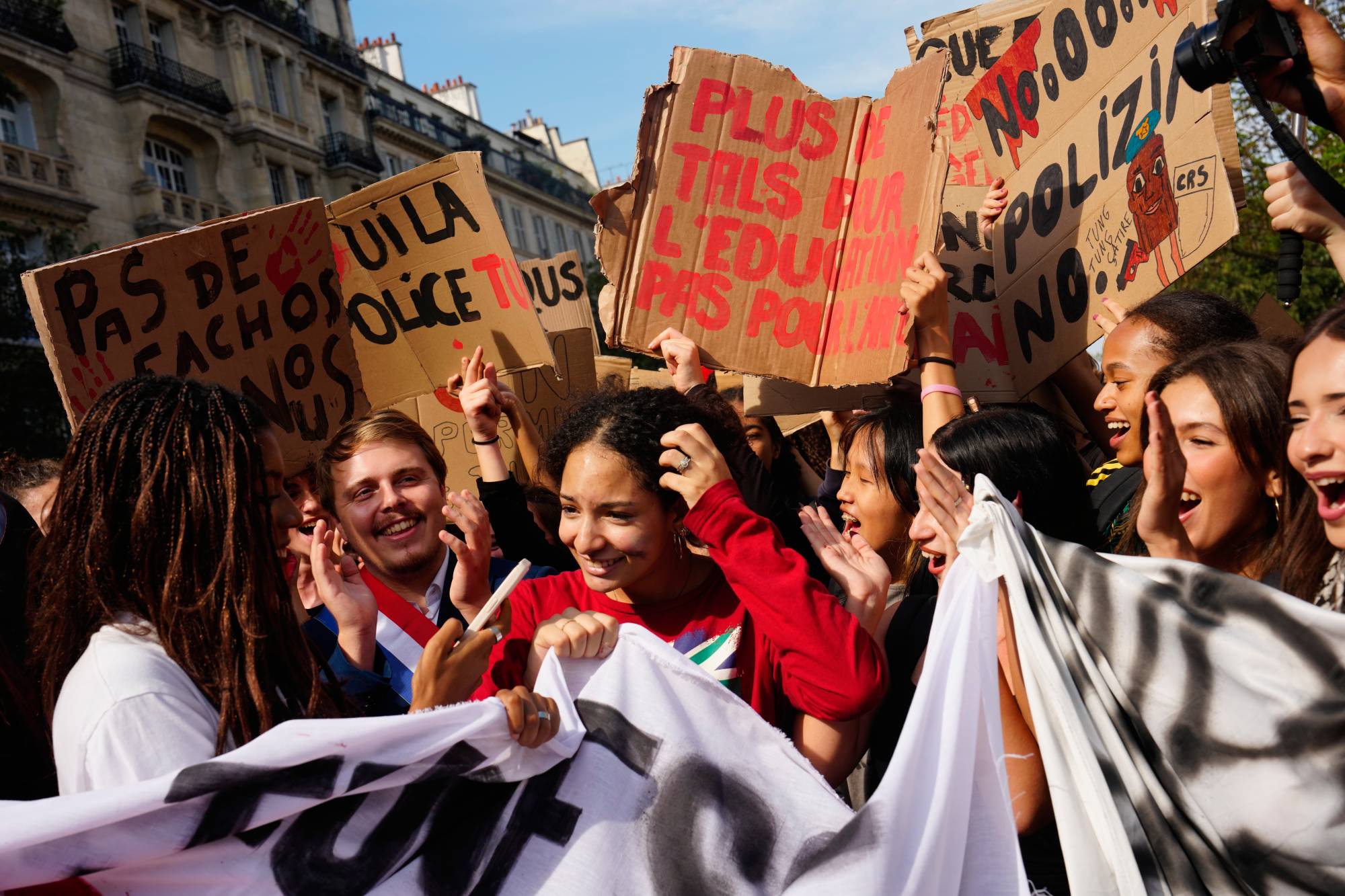
مظاهرات للتلاميذ في فرنسا (أ.ب)
TT

«عدوى الاحتجاج» تجتاح المدارس الفرنسية وتستنفر الأجهزة الأمنية

مظاهرات للتلاميذ في فرنسا (أ.ب)

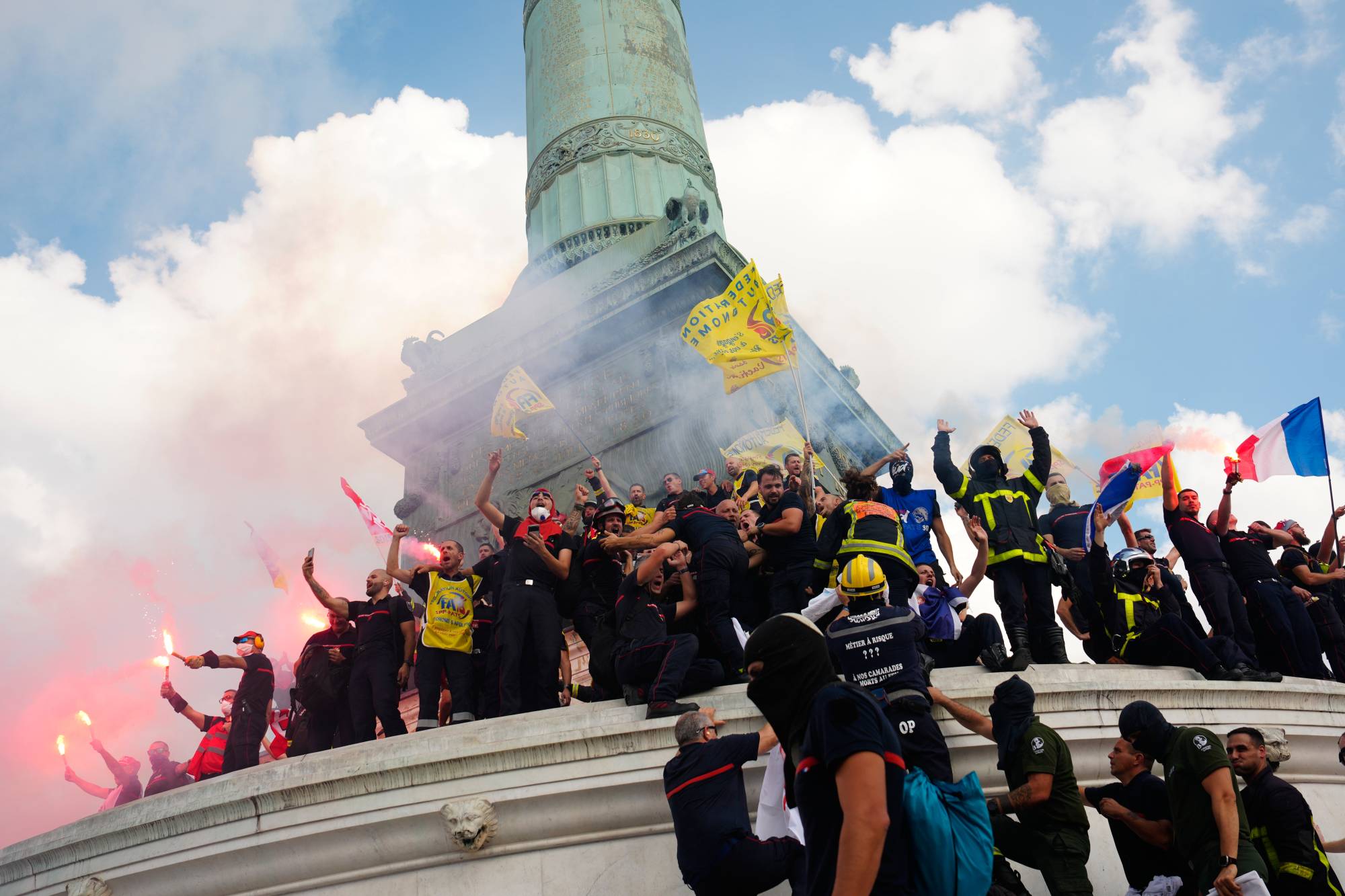
شهدت العاصمة الفرنسية باريس وعدة مدن رئيسية أخرى، فصلاً جديداً من فصول التوتر الاجتماعي، حيث تحولت محيطات المئات من المدارس الثانوية إلى ساحات مواجهة مفتوحة بين قوات الأمن وآلاف الطلاب المحتجين.

وجاء هذا التصعيد المتسارع بالتزامن مع إضراب وطني شامل لقطاع الوظيفة العامة، احتجاجاً على مشروع الميزانية التقشفية الذي طرحته حكومة رئيس الوزراء سيباستيان لوكورنو.

وأسفرت المواجهات عن إشعال حواجز من حاويات القمامة، ورشق رجال الأمن بالمقذوفات والألعاب النارية، مما دفع الشرطة للرد باستخدام الغاز المسيل للدموع والهراوات لتفريق التجمعات، وسط تقارير رسمية تؤكد وقوع عشرات الإصابات ومئات التوقيفات في صفوف الشبان.

بدأت شرارة التحركات بشكل تدريجي في إقليم «إيل دو فرانس» المحيط بالعاصمة، قبل أن تتسع رقعتها بسرعة فائقة لتطال مدناً كبرى مثل ليل، ورين، وليون، وغرونوبل، ونيس.

وأعلنت وزارة التربية الوطنية الفرنسية أن الاضطرابات ومحاولات الإغلاق طالت نحو 400 مدرسة ثانوية في أنحاء البلاد، حيث نجح الطلاب في فرض حصار كامل على عشرات منها باستخدام الصناديق الخشبية والحاويات لمنع دخول التلاميذ والكوادر الإدارية.

«رهن الاعتقال الدراسي»: جذور الأزمة ومطالب التلاميذ

لم يكن هذا الانفجار الطلابي وليد الصدفة، بل جاء تتويجاً لتراكمات حادة يشتكي منها تلاميذ المرحلة الثانوية (الذين تتراوح أعمارهم بين 15 و18 عاماً).

وتتلخص مطالب الحراك في تدهور بيئة التعليم داخل المؤسسات التربوية، حيث رفع طلاب ثانوية «لامارتين» في باريس لافتات تعكس عمق الأزمة كُتب عليها: «ساعات دراسة أكثر من ساعات النوم» وتساءلوا: «هل نحن تلاميذ أم رهن الاعتقال؟».

مظاهرات للتلاميذ في فرنسا (أ.ب)

ويشير المحتجون بمرارة إلى الاكتظاظ الخانق داخل الفصول الدراسية، والنقص الحاد في الكوادر التعليمية وغياب البدلاء للمدرسين خلال الإجازات، فضلاً عن الجداول الدراسية المزدحمة التي تمتد أحياناً من الثامنة صباحاً وحتى السادسة مساءً.

وزاد من طين الأزمة بلة تدهور البنية التحتية لبعض المدارس، ولا سيما في الضواحي الفقيرة، حيث عانى الطلاب داخل قاعات دراسية تفتقر للتجهيز، ومفرطة الحرارة خلال موجات الحر الأخيرة. ولم تقتصر المطالب على شؤون الطلاب، بل أعلنوا تضامنهم مع معلميهم الذين يواجهون أعباء وظيفية ضخمة لا تتناسب مع أجورهم الزهيدة.

مظاهرات للتلاميذ في فرنسا (أ.ب)

سين سان دوني: الضواحي تختبر عمق التفاوت الطبقي

واتخذت الاحتجاجات أبعاداً أكثر راديكالية في الضواحي الباريسية ذات الدخل المحدود، ولا سيما في منطقة «سين سان دوني» شمال العاصمة، وهي المنطقة التي تعاني تاريخياً من التهميش الاقتصادي. وأمام ثانوية «بول إيلوار» في مدينة سانت دوني، اشتبك مئات الطلاب المقنعين مع شرطة مكافحة الشغب، حيث أُطلقت الألعاب النارية بكثافة تجاه قوات الأمن التي ردت بقسوة باستخدام الدروع والهراوات.

«الحريق السياسي»: الاتهامات المتبادلة بين الحكومة واليسار

سرعان ما تحول غضب المدارس إلى مادة دسمة للمعارك السياسية تحت قبة البرلمان الفرنسي وفي وسائل الإعلام. ودخل رئيس الوزراء سيباستيان لوكورنو على خط الأزمة، واصفاً تصعيد الاحتجاجات داخل الحرم التعليمي بأنه «سلوك غير مسؤول ومرفوض».

ووجه لوكورنو أصابع الاتهام مباشرة إلى حزب «فرنسا الأبية» (اليسار الراديكالي)، متسائلاً عن دور نوابه في تذكية نيران الشارع وتحريض المراهقين على الفوضى واستهلاك طاقات الأجهزة الأمنية.

في المقابل، رفضت المعارضة اليسارية والنقابات العمالية هذه السردية الحكومية. وقالت صوفي بينيه، الأمينة العامة لنقابة «الكونفدرالية العامة للشغل» (CGT)، إن الغضب الشبابي والعمالي هائل ومشروع، محذرة من أن خطط الميزانية التقشفية للحكومة تقود البلاد مباشرة نحو «جدار الركود الاقتصادي».

وانتقدت النقابات لجوء السلطة المفرط للحل الأمني، معتبرة أن إرسال قوات مكافحة الشغب وشرطة التدخل السريع (CRS) لمواجهة قاصرين يطالبون بطاولات ومدرسين، هو «فضيحة مطلقة تنذر بمزيد من الانزلاقات العنيفة».


What to Know about the Terrifying FlyDubai Flight Bound for Israel

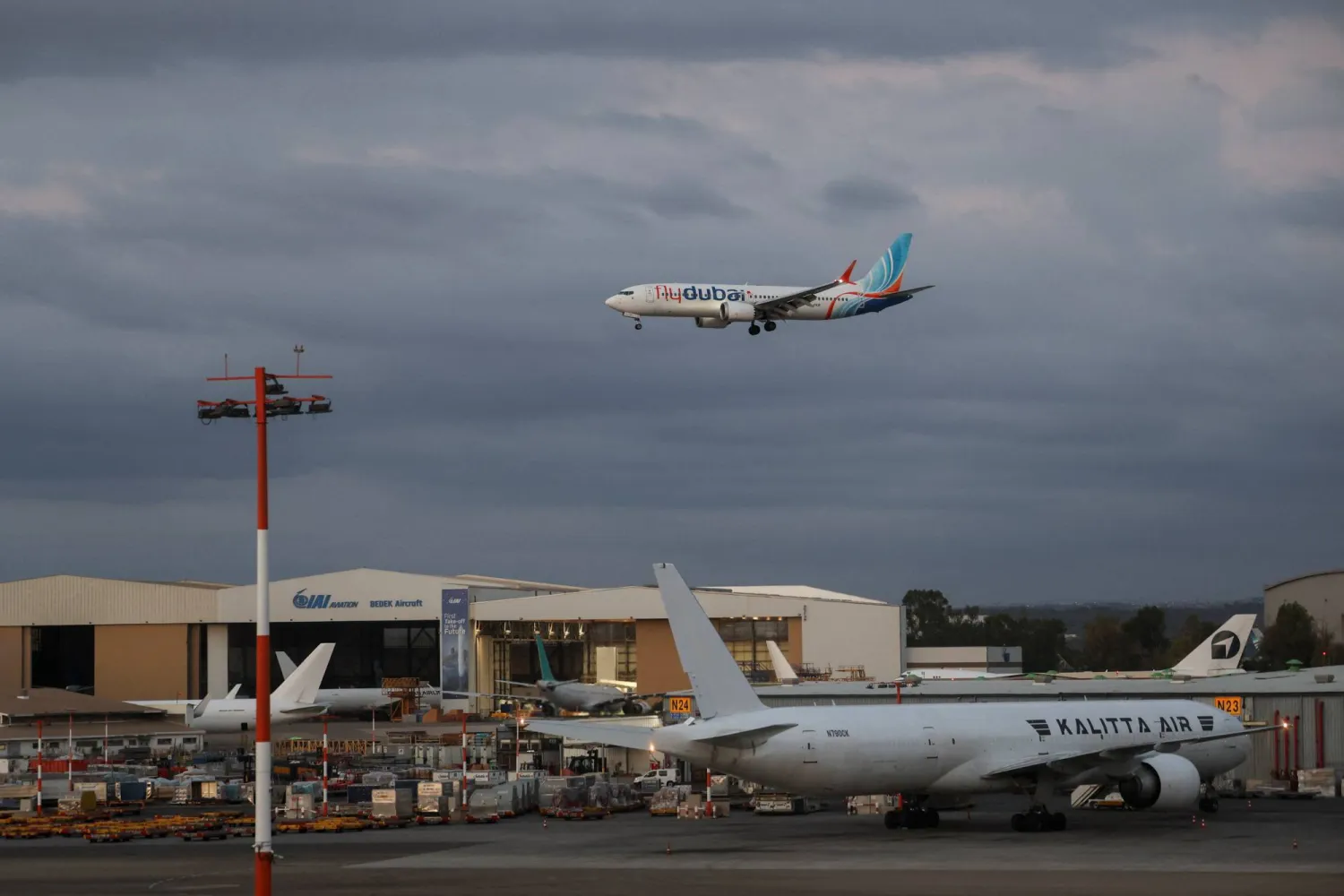
A plane, carrying passengers who were on the FlyDubai aircraft bound for Israel from the United Arab Emirates, which was diverted to Saudi Arabia following an emergency signal, arrives at the Ben Gurion International Airport, in Lod, near Tel Aviv, Israel, September 30, 2026. REUTERS/Ammar Awad
TT

What to Know about the Terrifying FlyDubai Flight Bound for Israel

A plane, carrying passengers who were on the FlyDubai aircraft bound for Israel from the United Arab Emirates, which was diverted to Saudi Arabia following an emergency signal, arrives at the Ben Gurion International Airport, in Lod, near Tel Aviv, Israel, September 30, 2026. REUTERS/Ammar Awad

One pilot stabbed another and attempted to crash a flight from the United Arab Emirates to Israel.

Passengers, many of them Israelis, feared for their lives as the FlyDubai aircraft lost half its altitude in about a minute.

As Israel scrambled fighter jets out of concern for a possible hijacking, a passenger and crew member burst into the cockpit to subdue the attacker, enabling other crew members to gain control of the aircraft, which landed safely in Saudi Arabia.

It was not clear what motivated Wednesday's attack.

The terrifying flight occurred just days before the anniversary of the Oct. 7, 2023, attack on Israel that launched the war in Gaza. It has rekindled anxieties about airline security and focused attention on an unsettling question: Are pilots a significant threat to the flying public's safety?

Here’s what we know — and don’t know — about what happened on FlyDubai flight FZ1073:

A fight, an alert and a rapid descent

The distress call came at 8:44 a.m. local time, about two and a half hours after the flight with about 170 passengers left Dubai and headed to Tel Aviv.

The captain and first officer had been fighting in the cockpit after one stabbed the other and tried to crash the aircraft, according to Israeli Prime Minister Benjamin Netanyahu.

The aircraft swiftly lost altitude — dropping from 33,000 feet to 17,000 feet (around 10,000 meters to 5,100 meters) in the span of about a minute. It then circled close to the Jordanian border before landing in Tabuk, Saudi Arabia, about an hour later.

Aviation experts said they were surprised that the plane did not crash after a descent so extreme that most of the rudder was ripped off the tail.

Both pilots suffered injuries that required hospital treatment, according to a statement from Tabuk's Prince Sultan bin Abdulaziz International Airport.

A plane carrying passengers from the flight landed Wednesday evening in Israel.

Passengers and crew wrest control

A passenger and a crew member managed to enter the cockpit, enabling other crew members to fly the plane to a safe landing, according to Netanyahu, who cited a passenger he had spoken to.

The cockpit door on all aircraft is locked during flight for security reasons — a measure that became the industry standard after the Sept. 11, 2001 attacks, in which hijackers broke into the cockpits of four domestic flights in the United States.

Netanyahu said on X that the pilot who had been stabbed opened the cockpit door, which "enabled passengers and crew to overpower the attacker — preventing a catastrophic midair disaster.”

What security checks do pilots undergo? One question surrounding this incident is how anyone on the aircraft — especially a pilot — was able to get a knife onboard. It's unclear how big the knife was that was used in the attack or if it was a knife.

In an interview with Fox News Channel’s Sean Hannity that aired Wednesday night, Netanyahu said the attacker might have hit the captain with an axe. Airlines are generally required to carry crash axes in the cockpit for use in an emergency to break open a window to escape or break open a panel to access a fire.

Pilots undergo rigorous screening, including passing through metal detectors, at checkpoints at all airports. It's also standard for airlines to vet their pilots' background for criminal and employment history, their physical and mental health, as well as having them undergo intelligence and security screening.

Israel has some of the most stringent airline security measures worldwide. Passengers on Israel-bound flights regularly are taken aside for questioning and baggage searches after passing through normal airport security.

There have been extremely rare occasions when airline security protocols fail. In 2015, the co-pilot of Germanwings Flight 9525 locked the captain out of the cockpit and deliberately set the plane on a collision course with a mountainside, killing all 150 people aboard.

Cockpit struggles have been blamed in past crashes

On Oct. 31, 1999, EgyptAir Flight 990 went down off the Massachusetts island of Nantucket killing 217 aboard, and investigators at the time said the evidence pointed to it being intentionally crashed into the ocean by its co-pilot after a struggle in the cockpit.

In its final report adopted in 2002, the National Transportation Safety Board said the co-pilot was heard on the cockpit voice recorder saying “I rely on God” as the plane was going down, while the captain repeatedly urged him to “pull up with me.”

The evidence led the NTSB to conclude that the crash was not the result of a mechanical failure but was “the result of pilot inputs, including opposing pilot inputs where the relief first officer was commanding nose-down and the captain was commanding nose-up movement.”