إضراب للكتاب السينمائيين والتلفزيونيين الأميركيين بسبب الأجور

لافتة هوليوود الشهيرة فوق أحد الأحياء لوس أنجليس (رويترز)
TT

إضراب للكتاب السينمائيين والتلفزيونيين الأميركيين بسبب الأجور

لافتة هوليوود الشهيرة فوق أحد الأحياء لوس أنجليس (رويترز)

يلوح في الأفق إضراب لآلاف الكتاب السينمائيين والتلفزيونيين الأميركيين الذين يطالبون بزيادة أجورهم، نتيجة عدم التوصل إلى أي اتفاق مع الفاعلين في القطاع بهوليوود، ومع اقتراب انتهاء المهلة التي منحوها لهم، حسب وكالة الصحافة الفرنسية.
وتجري الاستوديوهات والمنصات الرقمية البارزة في هوليوود بينها «ديزني» و«نتفليكس»، محادثات مع نقابة الكتاب الأميركية، التي تهدد ببدء إضراب في حال لم يجر التوصل إلى أي اتفاق.
ومن شأن خطوة كهذه أن توقف بث برامج ناجحة على غرار تلك التي تُعرض مساءً، وتؤخّر بصورة كبيرة بدء عرض مسلسلات تلفزيونية وأفلام من المقرر طرحها هذا العام.
ويعود آخر تحرّك اجتماعي كبير في هوليوود إلى 2007 - 2008 حين نفّذ كتاب السيناريو إضراباً أدى إلى شلّ المجال السمعي والبصري في الولايات المتحدة، فيما استمر لمائة يوم وتكبّد القطاع بسببه خسائر بملياري دولار.
ويطالب كتاب السيناريو برفع أجورهم والحصول على حصة أكبر من الأرباح، بينما تؤكد شركات الإنتاج أنها مضطرة لخفض تكاليفها بسبب الأوضاع الاقتصادية.
ويقول كاتب تلفزيوني مقيم في لوس أنجليس، لم يرغب في ذكر هويته، إنّ «الجميع في أجواء أنّ إضراباً سيبدأ»، مشيراً إلى احتمال التوصل إلى اتفاق «من شأنه تحديد كيف ستدفع الشركات أجورنا» راهناً ومستقبلاً.
ويؤكد كتّاب السيناريو أنهم يواجهون صعوبات في العيش من مهنتهم، في ظل ركود رواتبهم أو حتى انخفاضها بسبب التضخم، في وقت تحقق فيه الشركات أرباحاً وترفع رواتب المديرين التنفيذيين فيها.
ويشيرون إلى أنّهم لم يكونوا سابقاً بهذا العدد الكبير للعمل بالحد الأدنى للأجور الذي حددته النقابات، بينما تستأجر شبكات التلفزيون عدداً أقل من الأشخاص لكتابة مسلسلات قصيرة.
وتتمثل إحدى الخلافات الرئيسية في كيفية احتساب رواتب كتاب السيناريو لقاء المسلسلات المعروضة عبر منصات البث التدفقي، التي غالباً ما تبقى مُتاحة لسنوات بعد كتابتها عبر هذه المنصات كـ«نتفليكس».
ويتلقى كتاب السيناريو منذ عقود مبالغ عن إعادة استخدام أعمالهم، كإعادة عرض عمل تلفزيوني أو بيع أقراص «دي في دي» لعمل ما.


Zindani: Husi’lerin ve İran’ın Yemen'e şantaj yapmasına izin vermeyeceğiz

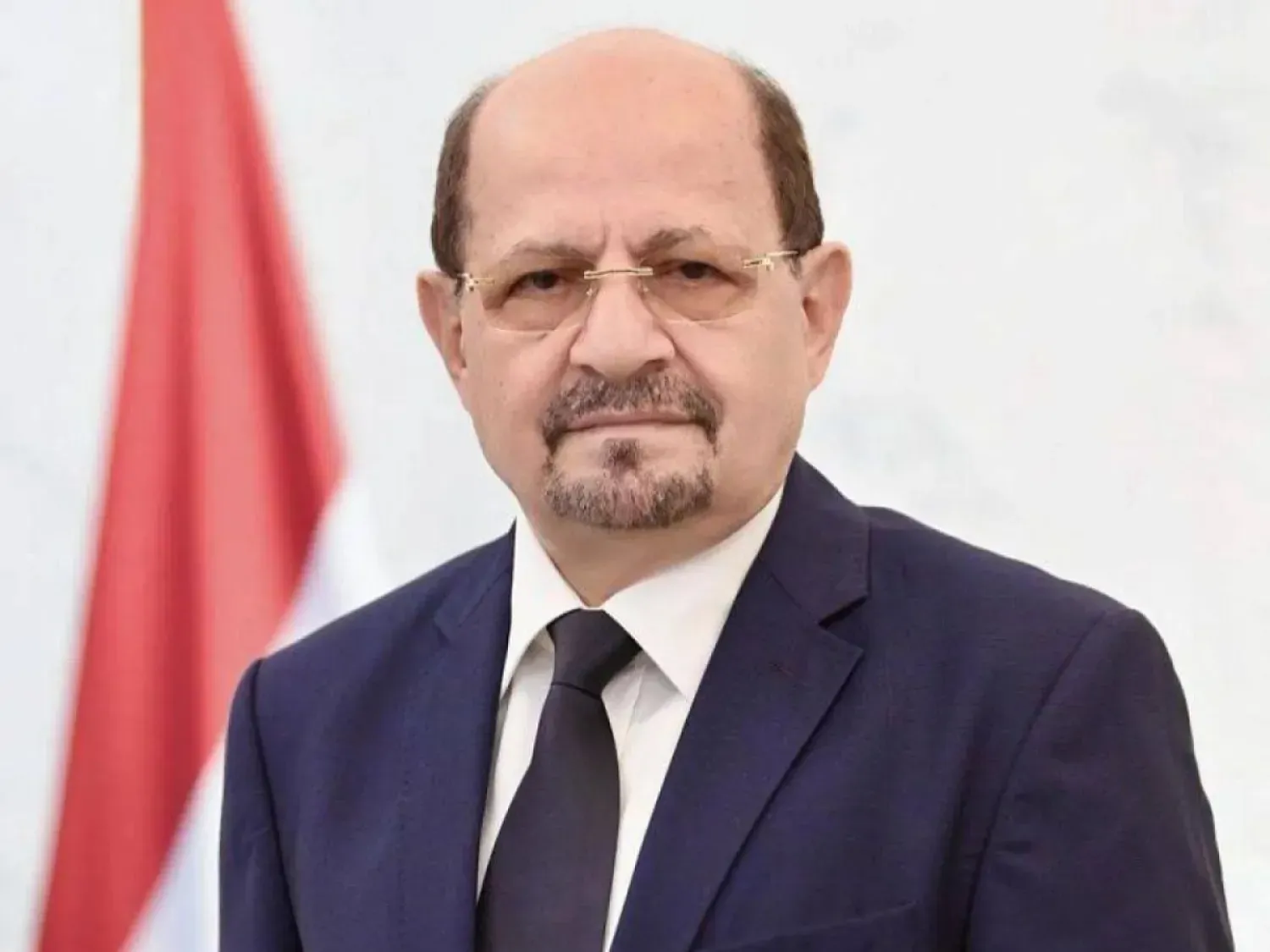
Yemen Başbakanı Şai ez-Zindani (Saba)
TT

Zindani: Husi’lerin ve İran’ın Yemen'e şantaj yapmasına izin vermeyeceğiz

Yemen Başbakanı Şai ez-Zindani (Saba)

Yemen Başbakanı Dr. Şai Muhsin ez-Zindani, ülkesinin sınırları aşan bir projenin açık sahası olarak kalmayacağını ve Husilerin ve İran’ın Yemen devletini şantajla baskı altına almasına izin vermeyeceklerini söyledi.

Zindani, Şarku’l Avsat’a verdiği röportajda, Husilerin son dönemdeki tırmanışının, grubun yaşamın temel unsurlarını ve ulusal ekonomiyi hedef aldığını ortaya koyduğunu belirtti. Husilerin Yemen topraklarını, limanlarını ve deniz geçişlerini ülke sınırlarını aşan bölgesel bir projeye hizmet eden araçlara dönüştürmeye çalıştığını ifade etti. Yemen’in uluslararası toplumdan savaşı Yemenliler adına yürütmesini istemediğini vurgulayan Zindani, bunun yerine Yemenlilerin devletlerini yeniden tesis etmelerine ve kendi kapasitelerini geliştirmelerine destek verilmesini istediklerini belirtti.

Başbakan, Yemen ile Suudi Arabistan arasındaki koordinasyonun sürekli geliştiğini ve yalnızca geçici bir askerî gerilime müdahale etmekle sınırlı olmadığını belirtti. Bu koordinasyonun, ortak sınır, güvenlik, kader ve çıkarların bir araya getirdiği iki ülke arasındaki köklü stratejik ortaklığa dayandığını kaydeden Zindani, Riyad’ın Yemen’in istikrarını Suudi Arabistan’ın ve bölgenin güvenliğinin bir parçası olarak gördüğünü ifade etti.

Zindani, hükümetin Hudeyde’deki Maha Limanı’nı yalnızca yerel tesis olarak değerlendirmediğini, daha geniş bir ekonomik ve denizcilik sisteminin parçası olarak gördüğünü söyledi. Limanın hedef alınmasının sonuçlarının ulusal sınırların ötesine geçeceğini belirten Zindani, limanların ve ekonomik tesislerin korunmasının ulusal bir sorumluluk olduğunu, aynı zamanda uluslararası deniz ulaşımı ve ticaret güvenliğinin sağlanması bakımından uluslararası toplumun da sorumluluk alanına girdiğini ifade etti.


Zelenskiy: Savaşı sona erdirmek için Çin’in güçlü bir diplomatik rol üstlenmesine güveniyoruz

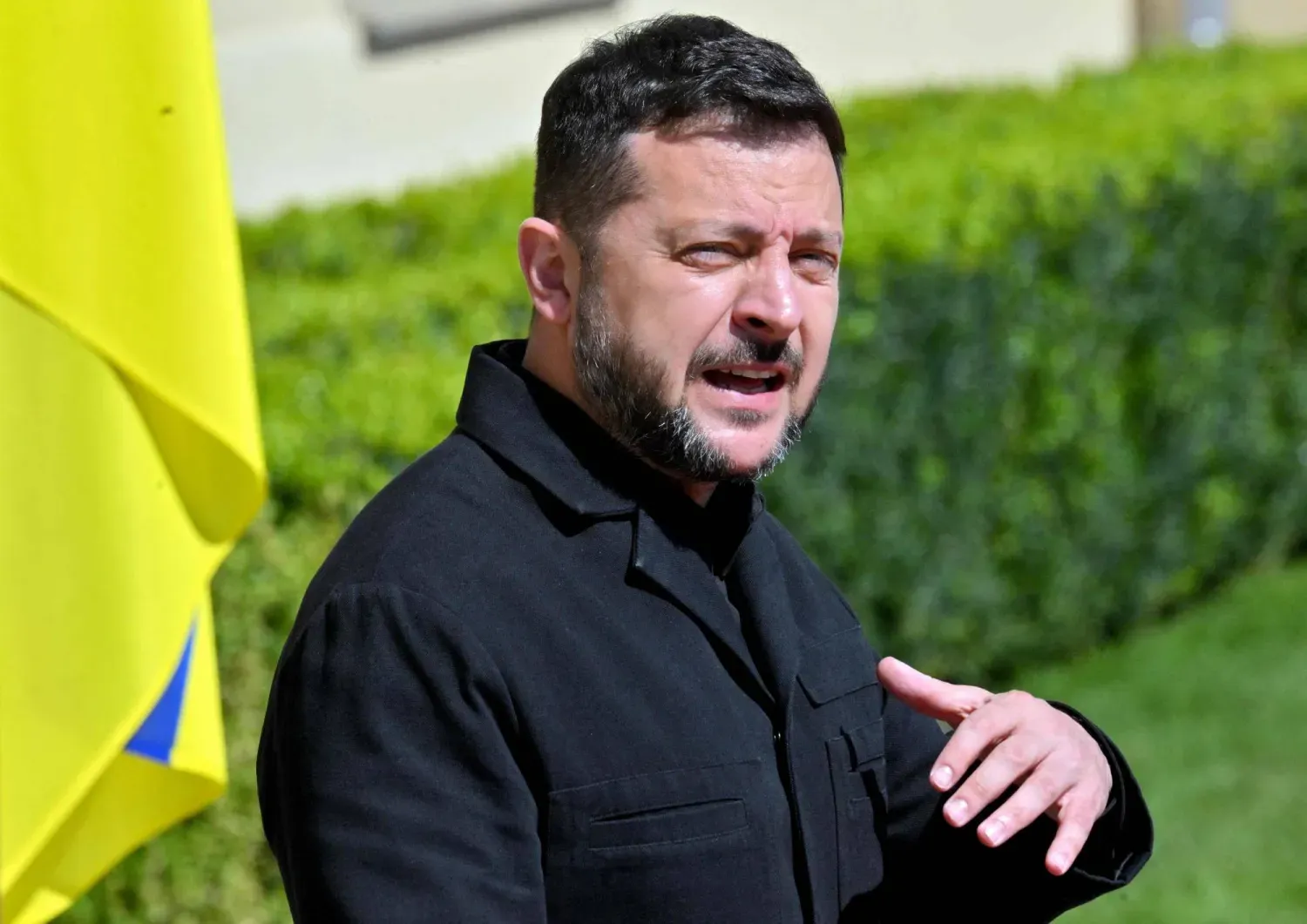
Ukrayna Devlet Başkanı Volodimir Zelenskiy (AFP)
TT

Zelenskiy: Savaşı sona erdirmek için Çin’in güçlü bir diplomatik rol üstlenmesine güveniyoruz

Ukrayna Devlet Başkanı Volodimir Zelenskiy (AFP)

Ukrayna Devlet Başkanı Volodimir Zelenskiy, ülkesinin Rusya'nın Ukrayna'ya karşı yürüttüğü savaşı sona erdirmek için Çin ile daha fazla iş birliğine ve Pekin'in "güçlü diplomatik rolüne" güvendiğini söyledi.

Zelenskiy, X platformunda yaptığı açıklamada, “Barış ortak başarımız olabilir” ifadelerini kullandı. Ukrayna Devlet Başkanı ayrıca, Ukrayna’nın bağımsızlık günü dolayısıyla kendisini tebrik eden Çin Devlet Başkanı Şi Cinping’e teşekkür etti. 


From UNIFIL to Verification Committees... Will Int’l Force in Lebanon Have Expanded Powers?

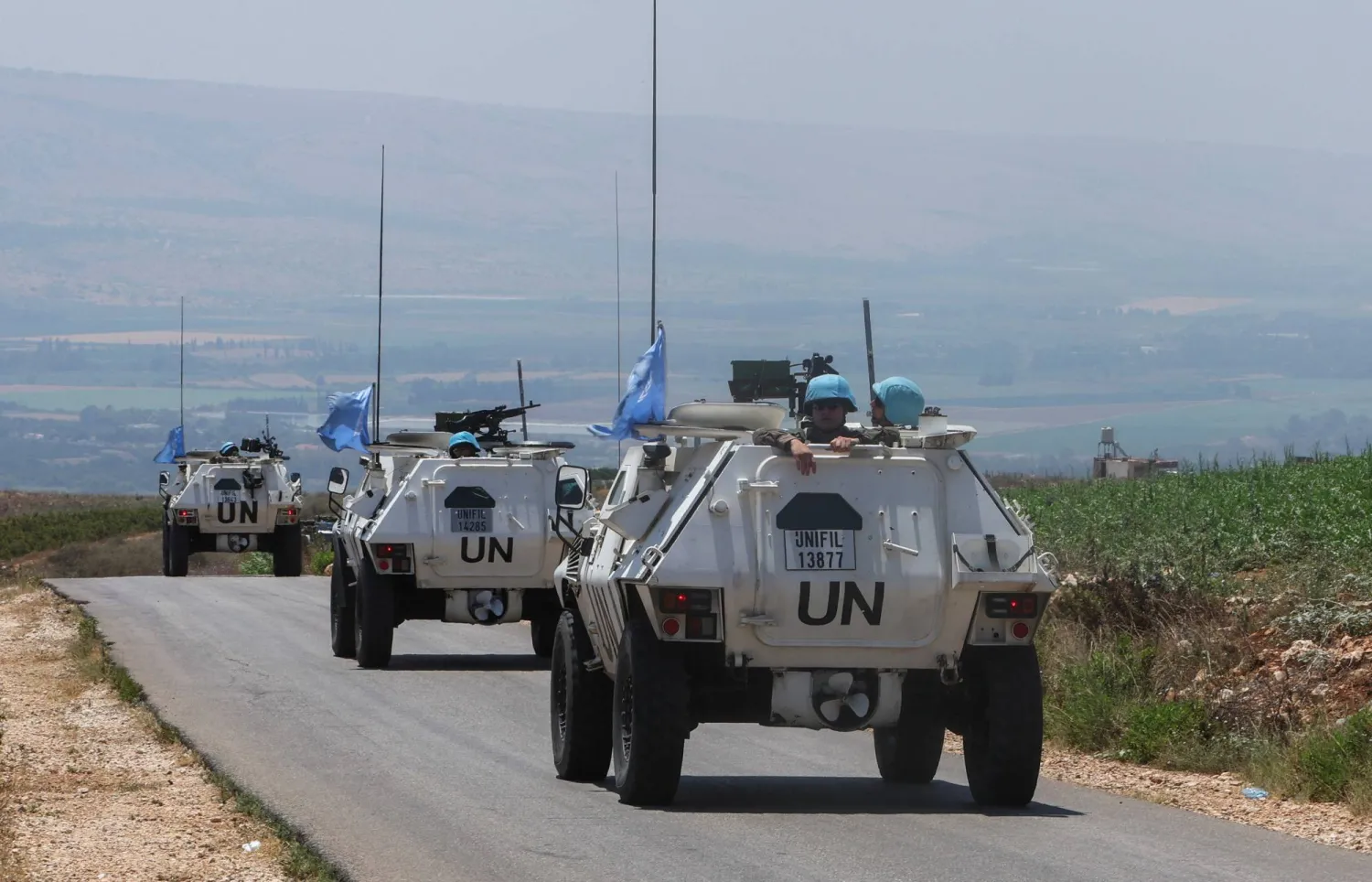
UN peacekeepers (UNIFIL) vehicles drive in the Lebanese village of Wazzani near the border with Israel, southern Lebanon, July 6, 2023. (Reuters)
TT

From UNIFIL to Verification Committees... Will Int’l Force in Lebanon Have Expanded Powers?

UN peacekeepers (UNIFIL) vehicles drive in the Lebanese village of Wazzani near the border with Israel, southern Lebanon, July 6, 2023. (Reuters)

With UNIFIL’s departure now all but certain, the question is no longer whether the UN force will remain in southern Lebanon, but who will replace it, and with what powers.

A European-led force and verification committees are under discussion, potentially expanding the international role from monitoring UN Security Council resolution 1701 to verifying exclusive state control over weapons south of the Litani River.

European-led force

Abbas Daher, director of the Center for Media Foresight, told Asharq Al-Awsat that a decision not to renew the UN Interim Force in Lebanon’s (UNIFIL) mandate was now “virtually certain,” despite recent attempts involving Italy to revive efforts for an extension.

“However, President Joseph Aoun’s visit to Italy and the current visit by Lebanese army Commander Gen. Rodolphe Haykal to continue discussions on implementation have effectively opened debate over the force that could succeed UNIFIL, whether in the form of verification committees or a force with a predominantly European composition,” Daher said.

“Discussions are now underway, and European countries, led by Italy, France and Spain, and perhaps Germany, are considering establishing a primarily European force to continue the mission,” he added.

“Efforts are also being made to gain international support for this arrangement.”

As for the verification committees, Daher said there was a proposal for the United States to play a role, particularly in verifying that weapons were under the state’s exclusive control and monitoring implementation. Discussions with Washington remain open, he added.

Italian proposal

Separately, local media reported having reviewed a four-page Italian proposal for the post-UNIFIL phase. The plan calls for a smaller, but more effective international presence focused on supporting the Lebanese army, protecting civilians and backing the mechanism monitoring the ceasefire.

The force could play a role in the disarmament measures, conditional on political approval.

Force’s mission

The debate over the force’s composition is closely tied to questions about its jurisdiction, mission and powers.

Asked how the new force would differ from UNIFIL, Daher said: “UNIFIL’s duties were defined by an international mandate and resolution 1701.”

“Lebanon will insist on replicating the experience or substance of the resolution in defining the nature of its work. The question, however, is whether that will succeed or whether amendments will be imposed, because Washington, under Israeli pressure, wants any committee to have greater executive powers.”

Retired Brig. Gen. Fadi Daoud agreed that the most important issue in the next phase was not limited to which party would replace UNIFIL. Rather, he said, it concerned a change in the nature of the international mission itself and the potential redefinition of the relationship between the new force and the Lebanese army.

“The process of ending UNIFIL’s mission has effectively become a reality, despite Lebanese efforts to secure an extension,” Daoud told Asharq Al-Awsat.

“The central question has therefore become: Who will replace it? The alternative arrangement will be the one that receives US approval,” he added.

“We are moving from peacekeeping forces to verification committees — from a mission linked to resolution 1701 to a different mechanism suited to a post-1701 phase, at least in the form in which we have known it over the past years.”

“Lebanon has no problem with any mechanism for verifying exclusive state control over weapons south of the Litani because it is committed to this issue,” Daher said.

“But the fundamental question is whether Israel will withdraw or remain an occupying force. If verification committees carry out their work, the army reaches certain areas and confirms that they are free of weapons, will Israel uphold its end of the arrangement and withdraw?”

“There must be a clear framework for an Israeli withdrawal, just as there is a clear framework for ensuring exclusive state control over weapons in the south.”

Powers of the verification committees

From a military perspective, Daoud said the scope of the committees’ powers lay at the heart of the debate. The distinction between verifying that the army had completed its mission and helping oversee its implementation could determine whether any new arrangement was viable.

“Will the verification committees’ role be limited to confirming that the Lebanese army has completed the task required of it, or will they take part in overseeing how it is carried out? There is a very significant difference between the two,” he stressed.

“For example, if information is received about a weapons depot at a particular location and the Lebanese army raids the site, will the committee merely receive a report confirming that the mission was completed and verify its outcome? Or will it accompany the military force and monitor the search on the ground using personnel, cameras and communications equipment?” he added.

“This is not a technical detail. It could be the most dangerous issue in any new arrangement because the Lebanese army cannot easily accept a foreign party or an entity outside its military chain of command exercising such close oversight over how it performs its duties or directing it during search operations,” he continued.

“An international body can verify that a mission has been carried out and confirm its results. But moving toward direct supervision of its implementation could create serious and sensitive problems,” Daoud said.