تباين إيراني حول هجوم بـ«مسيرة» في أصفهانhttps://aawsat.com/home/article/4256431/%D8%AA%D8%A8%D8%A7%D9%8A%D9%86-%D8%A5%D9%8A%D8%B1%D8%A7%D9%86%D9%8A-%D8%AD%D9%88%D9%84-%D9%87%D8%AC%D9%88%D9%85-%D8%A8%D9%80%C2%AB%D9%85%D8%B3%D9%8A%D8%B1%D8%A9%C2%BB-%D9%81%D9%8A-%D8%A3%D8%B5%D9%81%D9%87%D8%A7%D9%86
تباين إيراني حول هجوم بـ«مسيرة» في أصفهان
روحاني يطالب بعرض السياسة الداخلية والخارجية للاستفتاء
تظهر صورة الأقمار الصناعية الأضرار التي لحقت بسطح منشأة عسكرية بعد هجوم مسيرات في أصفهان فبراير الماضي (أ.ب)
تظهر صورة الأقمار الصناعية الأضرار التي لحقت بسطح منشأة عسكرية بعد هجوم مسيرات في أصفهان فبراير الماضي (أ.ب)
تباينت المعلومات في إيران، أمس، حول إحباط هجوم جديد بطائرة مسيرة، استهدف موقعاً تابعاً لوزارة الدفاع و«الحرس الثوري» الإيراني. ونفى مسؤول أمني رفيع بمحافظة أصفهان، وسط إيران، وقوع أي حادث، في حين رفض وزير الداخلية أحمد وحيدي تأكيد التقارير أو نفيها.
وذكرت وكالتا «إرنا» الرسمية و«تسنيم» التابعة لـ«الحرس الثوري»، فجر أمس، أنَّ الدفاعات الجوية الإيرانية أسقطت طائرة مسيرة صغيرة الحجم، قبل استهداف «مجمع أمير المؤمنين» التابع لوزارة الدفاع. وقالت مصادر أخرى إنَّ الهجوم استهدف موقعاً تابعاً للقوات البرية في «الحرس الثوري».
وفي تناقض مع ما ورد في الإعلام الرسمي، قال نائب الشؤون السياسية والأمنية لحاكم محافظة أصفهان محمد رضا جان نثاري: «لم تقع أي حادثة أمنية في أصفهان ليلة أمس». وأضاف أنَّ «الأجهزة الأمنية والعسكرية في محافظة أصفهان جاهزة دوماً لمواجهة أي تهديدات».
أما وزير الداخلية أحمد وحيدي فقال للصحافيين على هامش اجتماع الحكومة: «لا يمكنني في الوقت الحالي تأكيد ذلك. يجب أن أطَّلع على التحريات».
وكانت المنشأة قد تعرضت لهجوم بثلاث مسيرات في يناير (كانون الثاني) الماضي، وقالت السلطات حينها إنَّها أحبطت الهجوم، لكن صور الأقمار الصناعية رصدت أضراراً في المنشأة التي يعتقد أنَّها تستخدم لتجميع المسيرات الانتحارية.
في سياق منفصل، دعا الرئيس الإيراني السابق حسن روحاني إلى إقامة انتخابات حرة ونزيهة، والعمل بالدستور الإيراني كاملاً، فضلاً عن إجراء استفتاء حول السياسة الخارجية والسياسة الداخلية والاقتصاد. ودعا خلال إفطار رمضاني إلى تحوّل ملموس بما يتناسب مع المطالب الشعبية لحل المشكلات في البلاد.
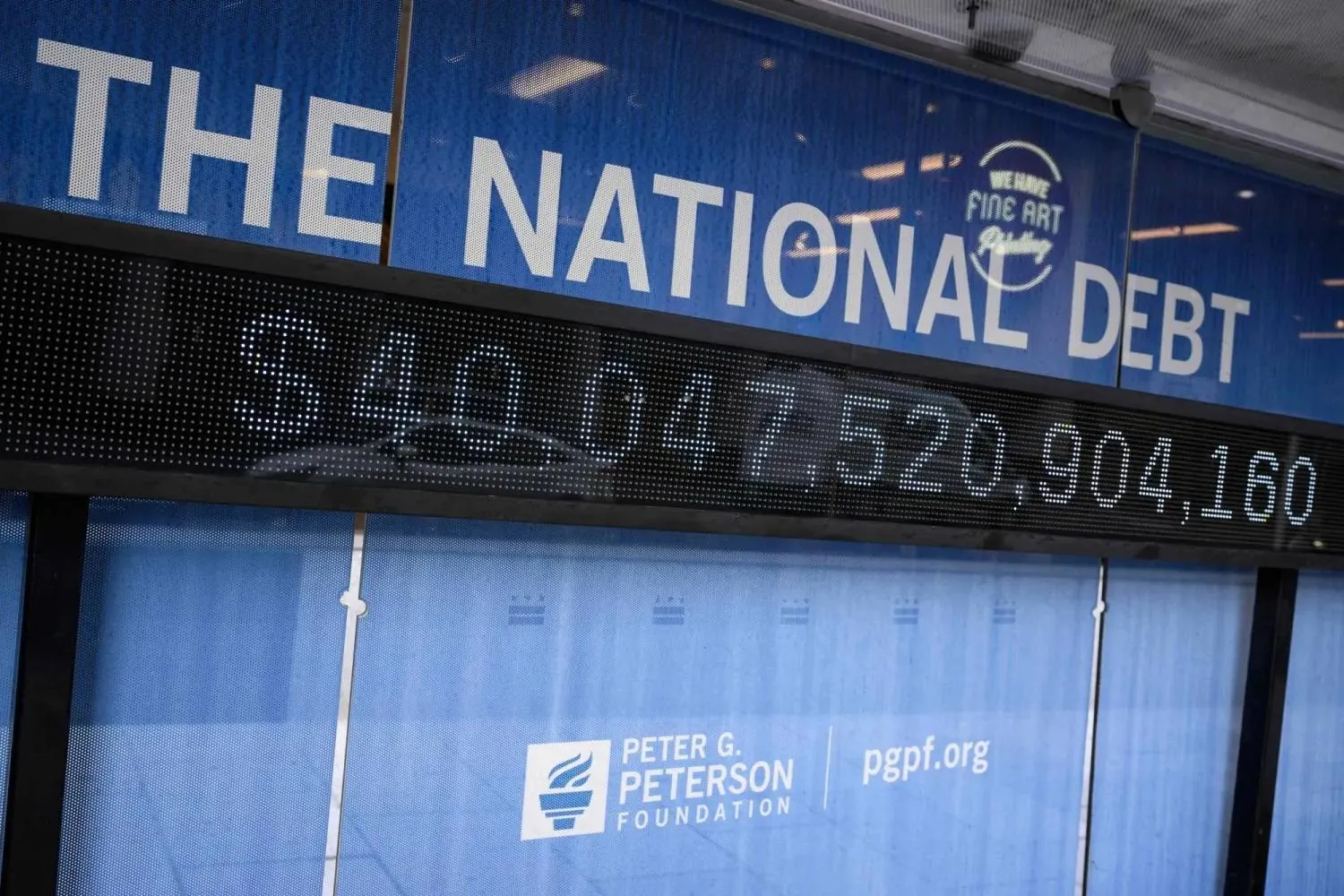
An electronic display in Washington, DC, shows the US national debt on Aug. 19, as federal debt surpassed $40 trillion for the first time. (AFP via Getty Images)
US Debt Hits $40 Trillion as Higher Yields Open New Opportunities for Gulf Investors
An electronic display in Washington, DC, shows the US national debt on Aug. 19, as federal debt surpassed $40 trillion for the first time. (AFP via Getty Images)
As US debt surpasses $40 trillion, Gulf investors are looking beyond the record figure to the broader implications of Treasury yields for capital flows, financing costs and investment strategies.
US assets and the dollar remain central to Gulf portfolios because of the depth of American markets and Gulf currencies’ links to the dollar. At the same time, higher yields are creating opportunities for Gulf sovereign wealth funds to rebalance portfolios and generate stronger returns on new investments.
Economists say the Gulf’s strong financial positions give the region considerable flexibility in navigating shifts in global interest rates. Higher fixed-income yields are also encouraging more diversified strategies spanning bonds, private credit, infrastructure and global equities, alongside growth sectors, such as technology, artificial intelligence and new energy.
Dollar remains central
Abdullah Almeer, assistant professor of economics at King Fahd University of Petroleum and Minerals (KFUPM), said US debt reaching $40 trillion does not pose an “immediate risk” to Gulf dollar-denominated investments, although it increases longer-term structural risks monitored by sovereign wealth funds and central banks.
Almeer told Asharq Al-Awsat that Saudi Arabia holds about $142 billion in US Treasury securities, while the dollar accounts for roughly 57% of global central bank reserves, underscoring its continued central role in the international financial system.
The doubling of US debt from about $20 trillion in 2016 to more than $40 trillion today warrants closer scrutiny of fiscal developments, but does not, for the foreseeable future, diminish the attractiveness of US markets or the dollar’s importance to Gulf economies, he argued.
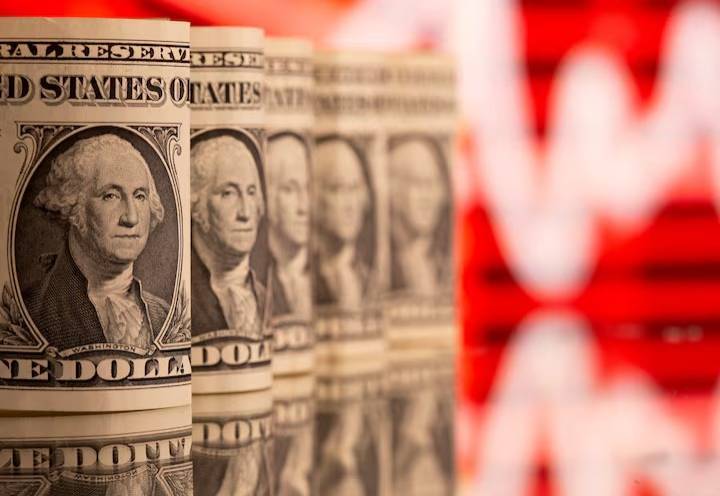
US dollar bills are seen in front of displayed stock graph in this illustration taken, February 8, 2021. (Reuters)
Higher yields, new opportunities
Persistently high US bond yields could reduce the market value of existing securities and result in valuation losses for some Gulf portfolios.
Almeer does not, however, expect the US economy to default, stressing that American markets retain high levels of liquidity, depth and institutional stability. A large-scale Gulf exit from US assets is therefore unlikely in the foreseeable future.
The main transmission channel to Gulf economies is interest rates. Financing government debt exceeding $40 trillion requires massive Treasury issuance, potentially pushing yields higher, particularly if inflationary pressures persist or oil prices rise.
Saudi Arabia’s riyal peg of SAR 3.75 to the dollar also means its monetary policy is closely tied to US interest rates. A widening rate differential between the two countries could put pressure on the exchange rate and capital flows.
Almeer estimated Gulf financial reserves at about $874 billion, while sovereign wealth fund assets are approaching $5 trillion, giving the region substantial capacity to finance projects and continue attracting investment.
Broader diversification
Rising US debt could encourage Gulf states to further diversify investments toward emerging economies such as India, China and Türkiye, as well as real assets, global infrastructure and fast-growing Asian markets, he added.
Technology, AI and clean energy could also attract a larger share of investment, in line with economic and investment shifts taking place across the region and globally.
Debt figure is not the whole story
Almeer stressed that the $40 trillion threshold does not in itself represent a decisive turning point for the global financial system. Markets focus less on the absolute size of debt than on a country’s ability to finance and service it and maintain investor confidence.
The US still has the world’s largest economy and financial market, while the dollar remains the most widely used currency in international trade and reserves, giving Washington flexibility unavailable to most other economies, he noted.
What makes the figure significant is the accelerating pace of government borrowing and the rising cost of servicing that debt, particularly with interest rates remaining relatively high, he explained.
Economic history also suggests that absolute debt levels are not necessarily the decisive factor in determining crisis risk. Japan, for example, has managed debt exceeding 200% of GDP for extended periods without suffering a sovereign debt crisis, Almeer went on to say.
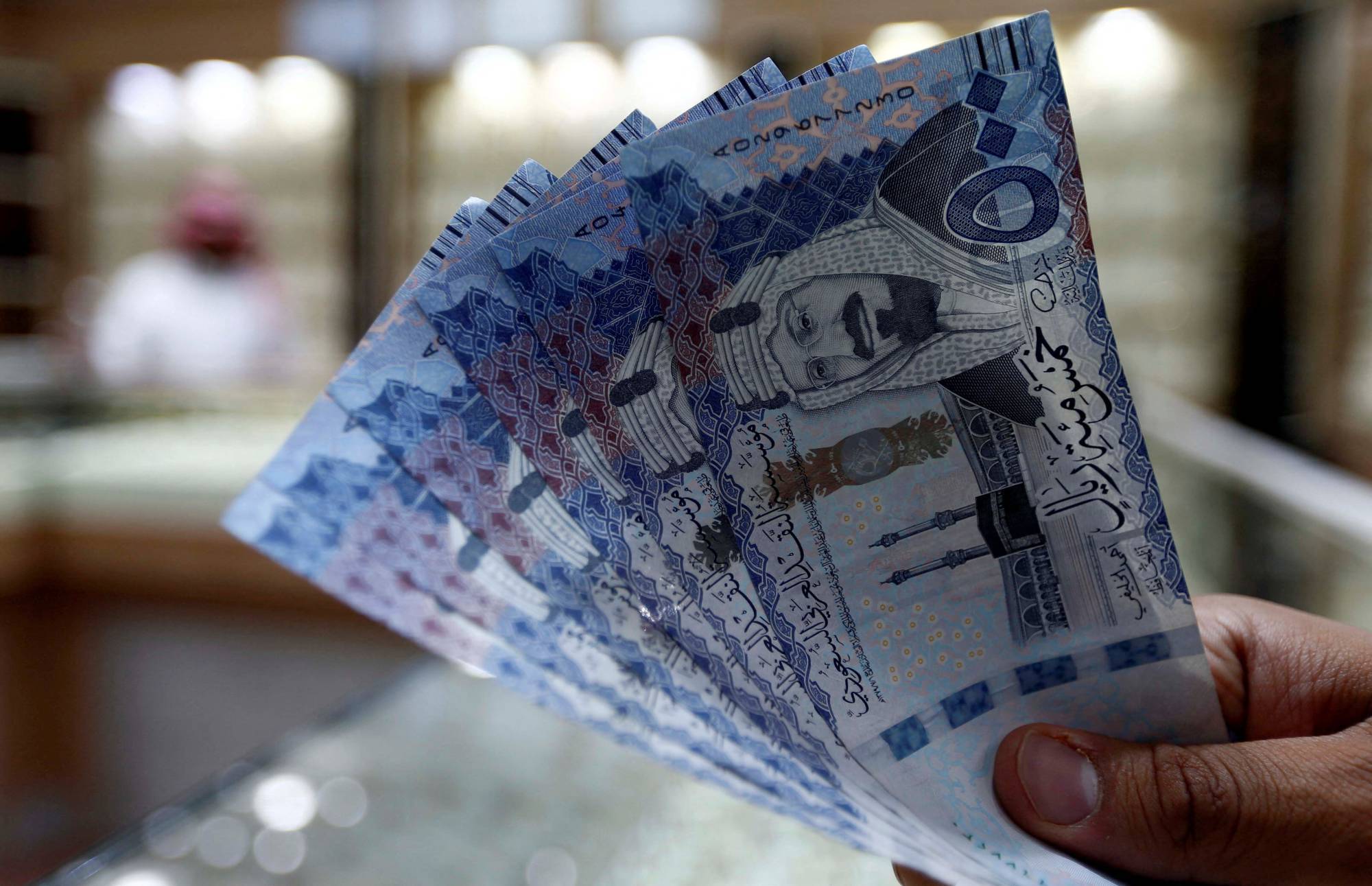
A Saudi money changer displays Saudi Riyal banknotes at a currency exchange shop in Riyadh, Saudi Arabia July 27, 2017. (Reuters)
Pace of debt growth matters
Mohammed Al-Farraj, Head of Asset Management at Arbah Capital, told Asharq Al-Awsat that the $40 trillion figure should be assessed alongside the pace of debt growth, servicing costs, the annual deficit and markets’ capacity to absorb US Treasury issuance.
He explained that the trajectory does not necessarily signal an imminent threat to Washington’s ability to meet its obligations, but it is reshaping the global investment environment by raising financing costs and altering returns across asset classes.
Higher Treasury yields can reduce the market value of existing bonds while offering better returns on new issues, creating opportunities for investors to rebuild fixed-income portfolios at more attractive levels, he added.
Al-Farraj said the current environment could encourage Gulf sovereign wealth funds to strike a better balance between fixed-income instruments and higher-growth assets, with opportunities in gold, global equities, private credit and infrastructure, alongside more flexible management of US Treasury maturities.
That does not mean abandoning the dollar, but rather adopting more diversified portfolio management while keeping dollar assets at the core of Gulf investment strategies, he remarked.
The main effect of record US debt on the Gulf may therefore be to accelerate the evolution of investment strategies rather than change their direction. The dollar remains pivotal, even as opportunities for Gulf capital expand across bonds, US markets, infrastructure, technology and fast-growing Asian economies.
مقتل 8 أشخاص في تحطم طائرة «تشارتر» غربي ولاية ألاسكا الأميركيةhttps://aawsat.com/%D8%A7%D9%84%D8%B9%D8%A7%D9%84%D9%85/%D8%A7%D9%84%D9%88%D9%84%D8%A7%D9%8A%D8%A7%D8%AA-%D8%A7%D9%84%D9%85%D8%AA%D8%AD%D8%AF%D8%A9%E2%80%8B/5309400-%D9%85%D9%82%D8%AA%D9%84-8-%D8%A3%D8%B4%D8%AE%D8%A7%D8%B5-%D9%81%D9%8A-%D8%AA%D8%AD%D8%B7%D9%85-%D8%B7%D8%A7%D8%A6%D8%B1%D8%A9-%D8%AA%D8%B4%D8%A7%D8%B1%D8%AA%D8%B1-%D8%BA%D8%B1%D8%A8%D9%8A-%D9%88%D9%84%D8%A7%D9%8A%D8%A9-%D8%A3%D9%84%D8%A7%D8%B3%D9%83%D8%A7-%D8%A7%D9%84%D8%A3%D9%85%D9%8A%D8%B1%D9%83%D9%8A%D8%A9
Libya’s Dbeibah Halts Steel Firm's Production Due to Power Shortages
Prime Minister of Libya's Government of National Unity (GNU) Abdulhamid Dbeibah (Dbeibah's office)
Prime Minister of Libya's Government of National Unity (GNU) Abdulhamid Dbeibah ordered the country's biggest steel firm, state-owned Lisco, to halt production due to power shortages, the state-owned Alwataniya TV channel reported on Thursday.
The broadcaster said the PM ordered Libyan Iron and Steel Company (Lisco)in the coastal city of Misrata to connect its power plant to the national grid.
Lisco is one of the only companies outside the energy sector still exporting products from the country.
The plant has a design capacity of 1.7 million metric tons of liquid steel per year.
Libya has had a power crisis as temperatures soar with outages of up to 10 hours a day in main cities, sparking protests.
لم تشترك بعد
انشئ حساباً خاصاً بك لتحصل على أخبار مخصصة لك ولتتمتع بخاصية حفظ المقالات وتتلقى نشراتنا البريدية المتنوعة