

تعهدات دولية بـ1.2 مليار دولار للاستجابة الإنسانية في اليمن

الأمم المتحدة طلبت 4.3 مليارات دولار خلال 2023

منسق الإغاثة الأممي في حالات الطوارئ مارتن غريفيث خلال مؤتمر صحافي مشترك قبل مؤتمر المانحين للأزمة الإنسانية في اليمن بجنيف (أ.ف.ب)

TT

تعهدات دولية بـ1.2 مليار دولار للاستجابة الإنسانية في اليمن

منسق الإغاثة الأممي في حالات الطوارئ مارتن غريفيث خلال مؤتمر صحافي مشترك قبل مؤتمر المانحين للأزمة الإنسانية في اليمن بجنيف (أ.ف.ب)

فيما كانت الأمم المتحدة تأمل في الحصول على تمويل لخطة الاستجابة الإنسانية في اليمن بمبلغ 4.3 مليار دولار، حصلت خلال مؤتمر خاص في جنيف نظمته السويد وسويسرا، أمس، على تعهدات من المانحين الدوليين بمبلغ 1.2 مليار دولار، وهو ما ترى فيه المنظمة الدولية تهديداً يؤدي إلى تقليص بعض برامجها الإغاثية.
وقال مسؤول العمليات الإنسانية في الأمم المتحدة مارتن غريفيث، في ختام المؤتمر، «يسعدني أن أقول إنَّ لدينا 31 تعهداً أعلنت اليوم تصل قيمتها إلى حوالي 1.2 مليار دولار».
وفي حين تصدرت الولايات المتحدة والاتحاد الأوروبي وألمانيا والمملكة المتحدة، قائمة المانحين، يعد المبلغ أقل من نصف المبلغ الذي تم جمعه خلال مؤتمر المانحين العام الماضي.
وتسود المخاوف من أن يتسبب ضعف التعهدات لليمن هذا العام في الضغط الشديد على أداء الوكالات الأممية العاملة في البلاد التي توصف بأنها تعيش واحدة من أسوأ الأزمات الإنسانية في العالم، إذ يخشى المراقبون من أن يؤدي نقص التمويل إلى تقليص أو إلغاء العديد من البرامج الإنسانية المعتمدة.
وخاطب الأمين العام للأمم المتحدة أنطونيو غوتيريش، المانحين، وقال إنَّ «شعب اليمن يستحق دعمنا. لكن أكثر من ذلك، يستحقون طريقاً موثوقاً به للخروج من الصراع الدائم».
من جهته، حذر رئيس الحكومة اليمنية معين عبد الملك، من أنَّ «أي تراجع للدعم يتبعه توقف برامج ومشاريع حيوية تمس حياة مئات الآلاف، إن لم يكن ملايين اليمنيين».


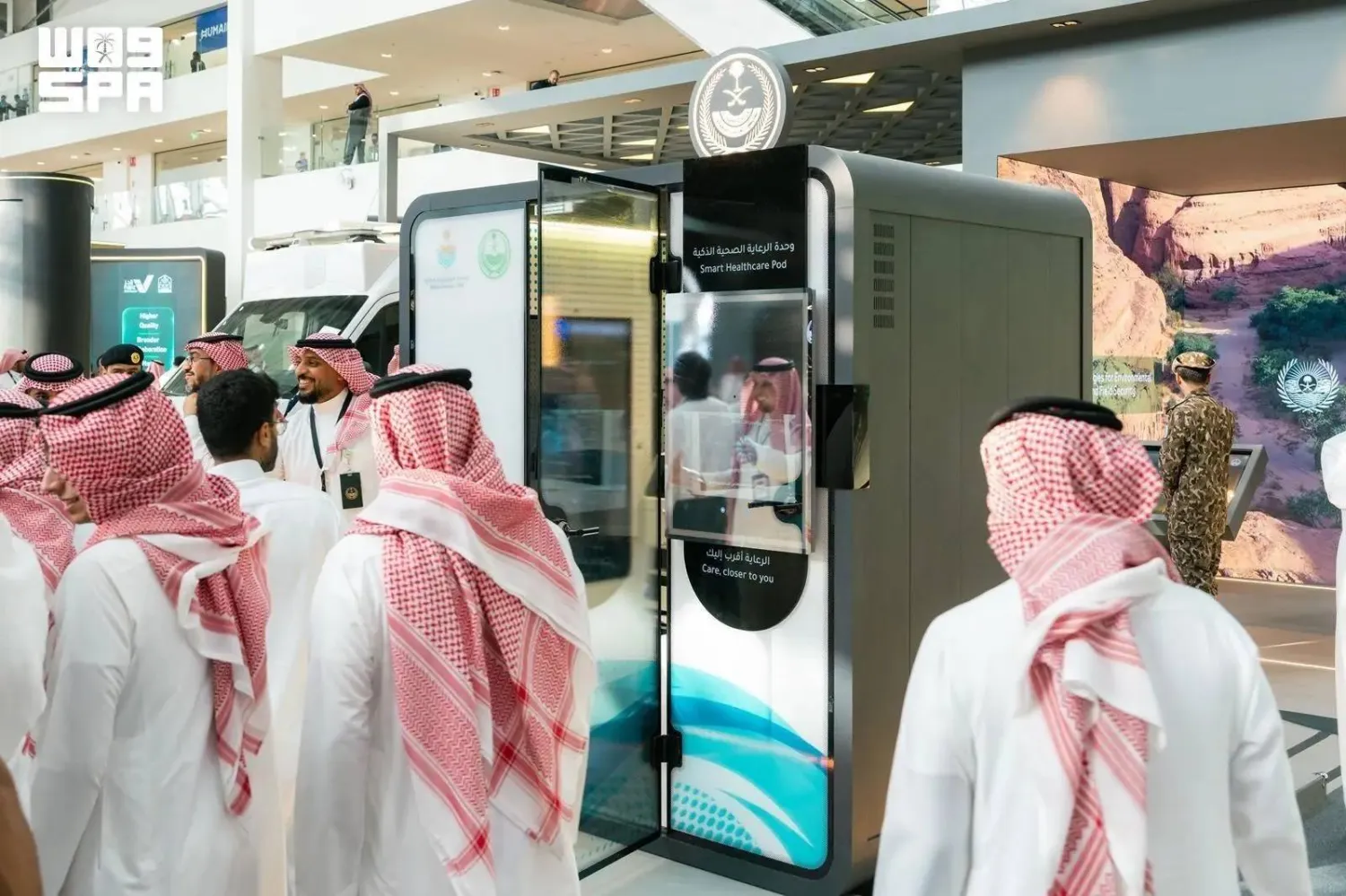
SDAIA Opens DeepFest AI Event at LEAP 2026 with over 100 Speakers from 17 Countries

DeepFest is a platform dedicated to artificial intelligence and deep technologies. (SPA)
TT

SDAIA Opens DeepFest AI Event at LEAP 2026 with over 100 Speakers from 17 Countries

DeepFest is a platform dedicated to artificial intelligence and deep technologies. (SPA)

DeepFest kicked off on Monday alongside LEAP 2026 at the Riyadh Exhibition and Convention Center in Malham, bringing together more than 100 global speakers.

DeepFest is a platform dedicated to artificial intelligence and deep technologies.

In his opening remarks, Director of the National Information Center at the Saudi Data and AI Authority (SDAIA) Dr. Esam Alwagait said DeepFest explores the future of AI and its applications in the business sector.

The platform addresses the potential of agentic AI, rapid advances in robotics, and the integration of AI into the core of enterprise systems, Alwagait noted. It also examines global shifts reshaping approaches to building trust, promoting responsible AI governance, and deploying large models.

Alwagait confirmed that the coming days of DeepFest will feature high-level sessions, discussions, and dialogues. He said the event is more than just a gathering; it is a platform for collaboration, innovation, and progress that drive impactful steps toward a smarter and more interconnected world.

With SDAIA as a key partner, DeepFest features more than 50 sessions this year, bringing together over 100 speakers from 17 countries and 100 global brands.

Alwagait stressed that Saudi Arabia continues to play a leading role in AI advancement, supported by national talent, global partnerships, and strategic initiatives that help build a promising, more interconnected future.

He emphasized that AI is no longer merely a technological capability to be deployed, but has become a force shaping how people think, make decisions, and work.


صادرات إندونيسيا ترتفع 6.05 % في يوليو وتسجل فائضاً تجارياً

عمال على متن سفينة تحمل حاويات في ميناء تانجونغ بريوك بجاكرتا (رويترز)
TT

صادرات إندونيسيا ترتفع 6.05 % في يوليو وتسجل فائضاً تجارياً

عمال على متن سفينة تحمل حاويات في ميناء تانجونغ بريوك بجاكرتا (رويترز)

أظهرت بيانات رسمية صدرت يوم الثلاثاء أن صادرات إندونيسيا من السلع بلغت 26.22 مليار دولار في يوليو (تموز)، بزيادة 6.05 في المائة على أساس سنوي، لتسجل البلاد فائضاً تجارياً للمرة الأولى في ثلاثة أشهر.

وجاء نمو الصادرات أعلى من التوقعات التي كانت تشير إلى زيادة سنوية قدرها 3.36 في المائة، وفقاً لاستطلاع أجرته «رويترز». وقالت هيئة الإحصاء الإندونيسية إن الواردات ارتفعت في يوليو بنسبة 27.02 في المائة، متجاوزةً توقعات الاستطلاع البالغة 24 في المائة. وأسفر ذلك عن فائض تجاري طفيف بلغ 0.13 مليار دولار، وفق «رويترز».

ودعّمت الصادرات خلال الشهر منتجات مصنّعة، من بينها المواد الكيميائية الأساسية ومنتجات النيكل والألمنيوم المكررة.

واستفادت إندونيسيا، أكبر مُصدّر عالمي للفحم الحراري وزيت النخيل والنيكل، من ارتفاع أسعار بعض السلع الرئيسية التي تصدّرها خلال العام، والتي تأثر بعضها بالحرب الإيرانية.

ومع ذلك، ورغم ارتفاع أسعار النفط الخام عالمياً، تراجعت صادرات إندونيسيا من النفط والغاز، بعدما طلبت الحكومة من المتعاقدين إعطاء الأولوية للمبيعات في السوق المحلية.

وفي وقت سابق، أظهرت بيانات هيئة الإحصاء أن التضخم في أكبر اقتصاد بجنوب شرق آسيا ظل منخفضاً في أغسطس (آب)، في ظل زيادة الدعم الحكومي للحفاظ على استقرار أسعار الوقود.

وارتفع معدل التضخم السنوي إلى 3.19 في المائة خلال أغسطس، من 2.88 في المائة في يوليو، متجاوزاً قليلاً توقعات الاستطلاع البالغة 3.13 في المائة، لكنه ظل ضمن النطاق المستهدف للبنك المركزي، الذي يتراوح بين 1.5 في المائة و3.5 في المائة.

وبلغ معدل التضخم الأساسي، الذي يستثني الأسعار الخاضعة لسيطرة الحكومة وأسعار المواد الغذائية المتقلبة، 2.92 في المائة، مقارنةً بتوقعات بلغت 2.8 في المائة، وارتفاعاً من 2.76 في المائة خلال يونيو (حزيران).


China Says Solar Power Capacity Surpasses Coal for First Time

 An aerial view of solar panels at the Yinchuan Fourth Photovoltaic Power Station in Yinchuan, in northwestern China's Ningxia Hui Autonomous Region, on August 25, 2026. (CN-STR / AFP)
An aerial view of solar panels at the Yinchuan Fourth Photovoltaic Power Station in Yinchuan, in northwestern China's Ningxia Hui Autonomous Region, on August 25, 2026. (CN-STR / AFP)
TT

China Says Solar Power Capacity Surpasses Coal for First Time

 An aerial view of solar panels at the Yinchuan Fourth Photovoltaic Power Station in Yinchuan, in northwestern China's Ningxia Hui Autonomous Region, on August 25, 2026. (CN-STR / AFP)
An aerial view of solar panels at the Yinchuan Fourth Photovoltaic Power Station in Yinchuan, in northwestern China's Ningxia Hui Autonomous Region, on August 25, 2026. (CN-STR / AFP)

China's installed solar energy capacity has surpassed that of coal-fired power for the first time, the national energy body said Tuesday, hailing the milestone.

China, the world's largest emitter of greenhouse gases that drive climate change, has pledged to peak carbon emissions by 2030 and achieve carbon neutrality by 2060.

"As of the end of July this year, China's installed solar power capacity reached 1.286 billion kilowatts," the National Energy Administration (NEA) said.

"For the first time, photovoltaic installed capacity surpassed coal-fired power, becoming the largest power source category in China," it added.

The country's coal-fired power installed capacity, the energy body said, stood at 1.285 billion kilowatts.

Solar generation rose 15.5 percent on-year in the first seven months of 2026 to 802.4 billion kilowatt-hours, about one-eighth of the country's total, the NEA said in another statement.

It did not detail in these statements what the total generation of coal-powered energy was for the first seven months of this year.

The NEA said China's installed solar power capacity and power generation "have maintained a steady trend of rapid growth", with it playing an "increasingly prominent role" in guaranteeing electricity supply and driving the energy transition.

Coal has been China's key power generation source for decades and a key driver of its planet-warming emissions.

But the country's coal-fired power generation fell by nearly two percent in 2025, despite rising energy demand in the world's largest emitter, data reviewed by AFP showed in February.

It marked the first decline in six years, with some analysts saying it was the first time on record that coal generation dropped at the same time as power demand rose.

China has seen an explosive growth in its renewable installation, with coal's share in its energy mix edging down in recent years.

The country installed a record 315 gigawatts of solar power and 119 gigawatts of wind power capacity last year -- over 80 percent of total newly installed power generation capacity, according to the China Electricity Council.