السفير ضياء الدين سعيد بامخرمةhttps://aawsat.com/home/article/671136/%D8%A7%D9%84%D8%B3%D9%81%D9%8A%D8%B1-%D8%B6%D9%8A%D8%A7%D8%A1-%D8%A7%D9%84%D8%AF%D9%8A%D9%86-%D8%B3%D8%B9%D9%8A%D8%AF-%D8%A8%D8%A7%D9%85%D8%AE%D8%B1%D9%85%D8%A9
السفير ضياء الدين سعيد بامخرمة
TT
TT
السفير ضياء الدين سعيد بامخرمة
عميد السلك الدبلوماسي، سفير جمهورية جيبوتي لدى المملكة العربية السعودية، استقبله الأمير فيصل بن بندر بن عبد العزيز، أمير منطقة الرياض، في مكتبه، برفقة عدد من رؤساء المجموعات الدبلوماسية المعتمدين لدى المملكة، الذين قدموا للسلام على أمير منطقة الرياش وتهنئته بشهر رمضان المبارك. وجرى خلال اللقاء تبادل الأحاديث ومناقشة الموضوعات ذات الاهتمام المشترك.
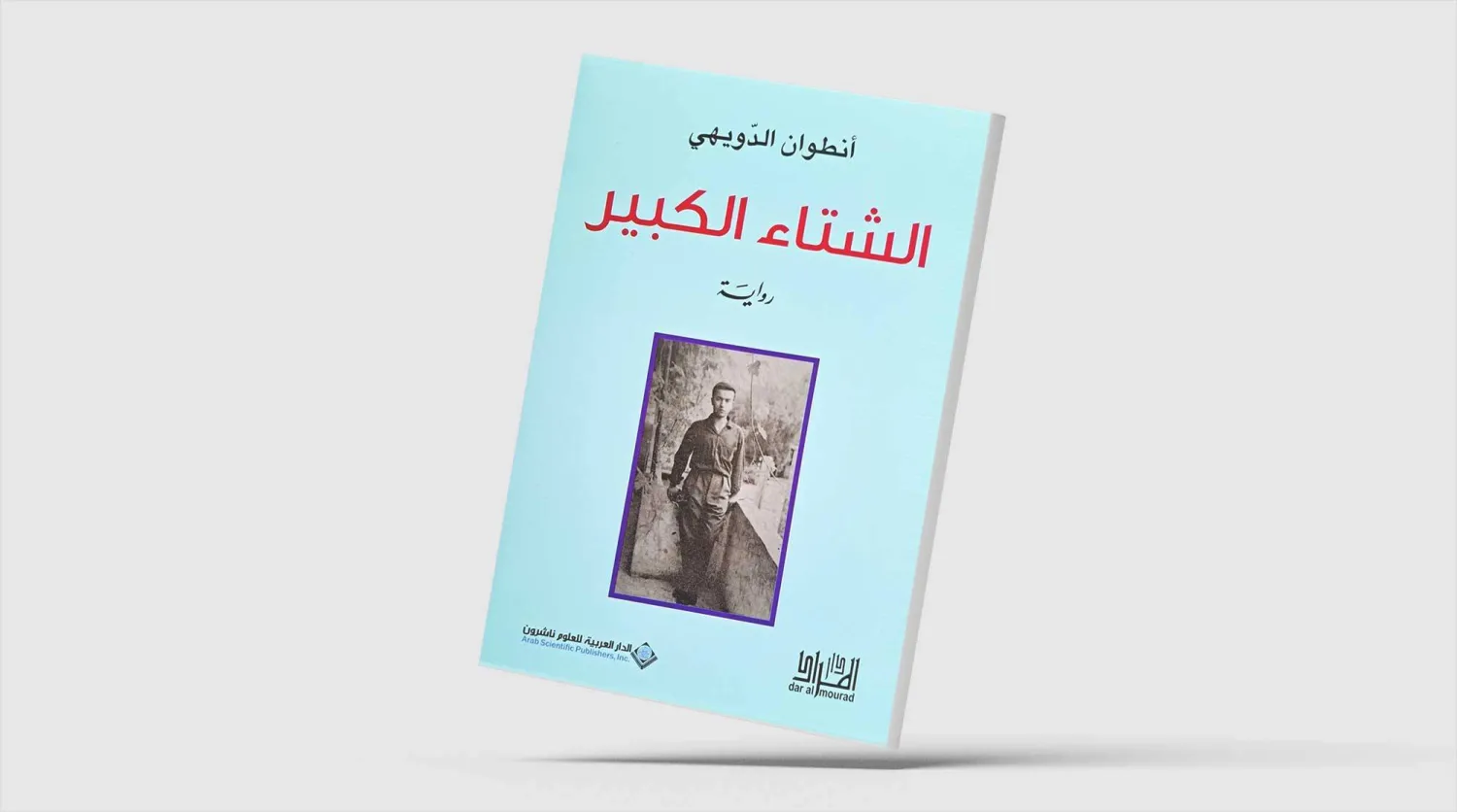
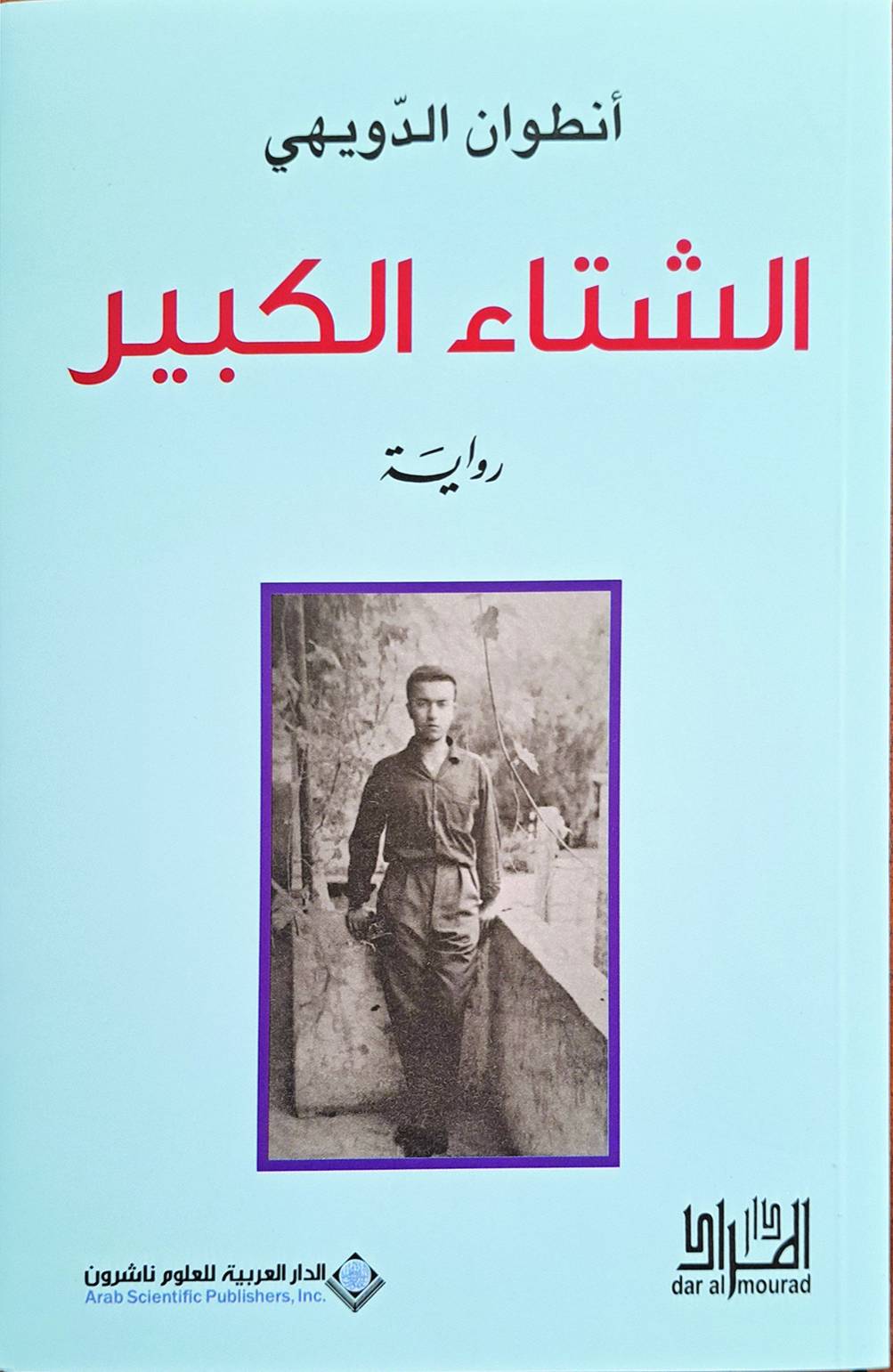
با انتشار آخرین رمان آنتوان الدویهی، «الشتاء الکبیر/ زمستان بزرگ»، در بیروت به همت «الدار العربیه» و «دار المراد»، این نویسنده همچنان به مسیر نیمقرنی خود در شکلدادن به جهان ادبیاش ادامه میدهد؛ جهانی که بر زندگی درونی استوار است و به دورترین ژرفاهای روان انسان نفوذ میکند. او همچنین با روح مکانها، چشماندازها و وضعیتها درهم میآمیزد؛ جایی که خودِ فردی با خودِ زمین و خودِ جمعی تلاقی میکند و جادوی خاطره آشکار میشود؛ خاطرهای که الدویهی آن را «خورشید روح» مینامد.
انسی الحاج، شاعر، درباره الدویهی گفته بود: «او را باید چنان خواند که دانههای مروارید را از هم میگشایند.»
به مناسبت حضور الدویهی در «نمایشگاه بینالمللی و عربی کتاب بیروت» و بیرون آمدن از عزلتگزینی معمولش در نوشتن و زندگی، این گفتوگو را با او انجام دادهام.
ـ نمیتوانم خوشحالیام را از انتشار «الشتاء الکبیر» پنهان کنم؛ بهویژه پس از چندین سال سکوت و انزوا، از زمان انتشار رمان «آخر الاراضی/ آخرین سرزمینها» در سال ۲۰۱۷ و سپس تجدید چاپ «كتب الحالة/ کتابهای وضعیت» در سال بعد؛ کتابی که جایگاه ویژهای در کتابخانهام دارد. چرا این رمان اکنون منتشر شده است؟
ـ این رمان عهدی است میان من و خودم. میدانید که تمام آثار ادبی من از «روزنگاشتهای زندگی درونی» سرچشمه میگیرند؛ روزنگاشتهایی که از چهاردهسالگی تا امروز پیوسته نوشتهام. در میان این دستنوشتههایی که نزد خود نگه داشتهام، یادداشتهایی درباره دو رمان وجود دارد که در اوایل نوجوانی روی آنها کار میکردم، اما آن زمان به پایانشان نرساندم. اکنون، پس از بیش از نیم قرن، به آنها بازگشتهام و از همان نقطهای که متوقف شده بودم، ادامهشان دادهام و کاملشان کردهام. سپس این دو را در یک رمان با عنوان «زمستان بزرگ» ادغام کردم.
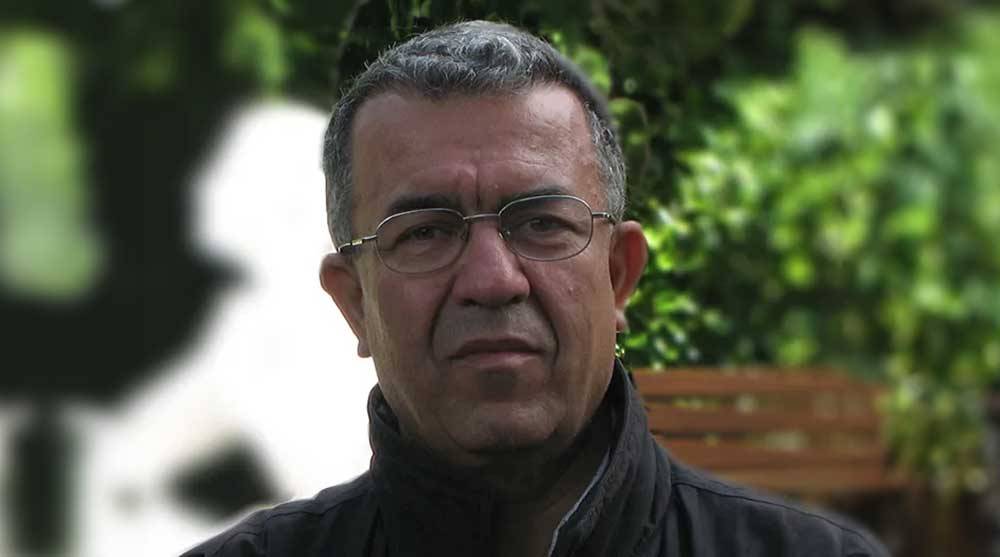
آنطوان الدویهی
ـ چرا عنوان «زمستان بزرگ»؟
ـ این عنوان، نام آخرین فصلی بود که آن زمان نوشتنش را متوقف کرده بودم و آن را بهعنوان عنوان رمان برگزیدم. «زمستان بزرگ» همان زمستان هولناک است؛ زمستانی سرشار از رنجهای روحی که در آن دوره نوجوانی دردناک، سوزان و آکنده از دلمشغولیها و میل به مطلق از آنها سخن میگویم. اینها رنجهای زیستن زندگی پیش از آن است که واقعاً زندگی شود.
اتفاقاً رنجهای شخصی اوایل نوجوانی من در جامعهای رخ داد که خود نیز دورهای از آشفتگی عمیق را از سر میگذراند؛ بااینحال، من کاملاً بر این باورم که آشفتگی درونی بههیچوجه معلول آشفتگی اجتماعی نبود و در آن مکان یا هر جای دیگری نیز رخ میداد.
ـ اما مکان، یعنی موریای قدیم، که این رویدادهای تراژیک در آن اتفاق میافتند، برای راوی اهمیت بسیاری دارد. او در آغاز «زمستان بزرگ» میگوید که از کسانی که سفر میکنند در شگفت است؛ اینکه چگونه میتوانند از مکانی به مکان دیگر بروند و در کشورها و مناطقی زندگی کنند که هیچ ارتباطی با زندگی گذشتهشان ندارند. اما خودش نمیتواند جز در همین مکان واحد زندگی کند؛ در همین محله قدیمی که در آن به سر میبرد. نمیتواند آن را ترک کند و به هیچ جای دور یا نزدیکی در این دنیا برود و حتی نمیتواند زندگی بیرون از آن را تصور کند. درست است؟
ـ بیتردید. دلبستگی شدیدی به آن مکان وجود داشت. اما رنجهای اوایل نوجوانی، یعنی بحران شخصی راوی، ناگزیر در هر مکانی رخ میداد؛ زیرا از سرشت ژرف وجود او ناشی میشد، نه از مکانی که در آن قرار داشت.
بااینحال، راوی درنگ میکند و به دلبستگی شدیدش به موریای قدیم میاندیشد و میکوشد دلایل آن را دریابد. از خود میپرسد آیا پیوندش با آن محله قدیمی به ساختار تقریباً دایرهوار و تا حدی بسته آن بازمیگردد، یا به فصلهای خشونت و آیینهای مرگی که از زمان ورودش به آنجا در کودکی با آنها روبهرو شده است، یا به شیفتگی هولناکش به هند؛ با اینکه هند در موریای قدیم زندگی نمیکرد.
بااینحال، فصلهای شیفتگی درونی او به هند یکی پس از دیگری در همین محله سپری شدند؛ شیفتگیای که نه بر حضور او، بلکه بر غیاب همیشگیاش استوار بود.
ـ راوی همچنین میان رسالت ادبی خود و موریای قدیم پیوندی عمیق برقرار میکند...
ـ بله، موریای قدیم صحنه این رسالت است. او در این پیوند بسیار پیش میرود و میگوید:
«نیازی ندارم بدانم در مسیرهای تاریخ چه گذشته است یا اکنون در گوشهوکنار این جهان پهناور چه میگذرد تا بتوانم ماجراجویی بشر و سرنوشت انسانی را بیان کنم. کافی است فصلهای زندگی و مرگ را در موریای قدیم زندگی کنم؛ کافی است شیفتگیام به هند را زندگی کنم تا به همهچیز راه یابم و از همهچیز، از آغاز زمان تاکنون، گواهی بدهم. محله قدیمی موریای، صحنه کیهانی من است.»
اما در اینجا نیز، با وجود این پیوند عمیق با مکان، رسالت ادبی کاملاً در خودِ راوی ریشه دارد و مستقل از مکان است. این رسالت میتوانست در هر مکانی که اوایل نوجوانی او را به آنجا میکشاند، خود را بیان کند. جهان ادبی راوی نه در مکان، بلکه در ژرفترین لایههای وجود او قرار دارد و در جوهر خود همان باقی میماند؛ مستقل از تغییر مکانها، طبیعت و شرایط آنها.
راوی میگوید که با وجود حضورش در موریای قدیم و پیوند نزدیکش با ساکنان آن، در «مکانی دور از آنان و دور از جهانشان» زندگی میکند. سپس این موضوع را روشنتر بیان میکند:
«در شگفتم که چگونه کسی که به من مینگرد، میتواند در پس چهره آرام و سایه نحیفم، این پهنه گستردهای را ببیند که من در آن قرار دارم. من این پهنه را انتخاب نکردهام و در پی آن نیز نبودهام؛ نه به خواست و ارادهام ارتباطی دارد و نه به میل من، گویی از زمانی بسیار پیش از تولدم، محل اقامت من بوده است.»
ـ میخواهم اندکی درنگ کنیم و به رسالت نوشتن بپردازیم که در این رمان اهمیت بسیاری دارد. شما این رسالت را چگونه تعریف میکنید؟
ـ راوی در «زمستان بزرگ» این رسالت را بهروشنی و بهتفصیل تعریف میکند. او میگوید آنچه مینویسد هیچ هدف معرفتی، فکری، فلسفی یا هدایتی ندارد، بلکه هدفش صرفاً زیباییشناختی است. آنچه مینویسد، شهادت و گواهی است. او میگوید:
«من چیزی جز یک شاهد نیستم؛ بر آنچه در آن به سر میبرم گواهی میدهم. هنگامی که مینویسم، برای هیچکس نمینویسم، هیچکس را در برابر خود تصور نمیکنم و برایم اهمیتی ندارد که کسی آنچه را مینویسم بخواند یا نخواند. صداقت شهادتم و زیباییشناسی آن، تنها هدف من است.»
سپس میافزاید:
«این وسواسِ نوشتن مطلق است که آرزویش را دارم، و وسواسِ کتاب مطلق که در پی آن هستم. نوشتن یعنی آفریدن جهانی جدید و یگانه که جوهرش شاعرانه باشد و تصویر و نمونهای از نویسنده را در خود داشته باشد. هیچ ادبیات بزرگی وجود ندارد مگر آنکه شاعرانه باشد»؛ یعنی جوهر آن زیباییشناختی باشد.
ـ ادبیات بزرگ از کجا سرچشمه میگیرد؟
ـ از یک سرچشمه یگانه؛ از رودخانه ژرفاها. از رودخانه زندگی درونی که هرگز از حرکت بازنمیایستد و لحظههای درخشان و فروزان را با خود حمل میکند.
این ادبیات تنها بیانگر خودِ فردی نیست، بلکه، خواه نویسنده آگاه باشد یا نباشد، بیانگر وجدان یک ملت و روح زمین نیز هست. زندگی درونی، آنگونه که برخی میپندارند، فضای تنگ و محاصرهشدهای نیست؛ بلکه تمام کیهان است و هنگامی که خاموش شود، کیهان نیز خاموش میشود.
راوی درباره ادبیات بزرگ همچنین میگوید:
«نیازی نیست آن را اینجا و آنجا جستوجو کنیم؛ زیرا از پیش، بهتمامی، در وجود نویسنده حاضر است. برای تجسمبخشیدن به آن، احساسی عمیق کافی است که نویسنده را به سویش هدایت کند؛ گویی راهنمای اوست. باقی کار چیزی نیست جز عمل تألیف و زبانپردازی.»
ـ درباره این اثر پرسشهایی مطرح میشود: چگونه میتوان رمانی را پس از گذشت بیش از نیم قرن از آغاز نگارشش به پایان رساند؟ چگونه جهان نویسنده همان جهان باقی میماند؟ و چگونه زبان او تغییر نمیکند؟
ـ حق هر کسی است که چنین پرسشهایی مطرح کند و شگفتزده شود، اما برای من این موضوع کاملاً طبیعی است. زبانم از همان زمان، یعنی دوران نوجوانی، کامل شده بود و دیگر تغییر نکرده است. دلمشغولیها، نگاه من به چیزها و جوهر زندگی درونیام نیز همینطور بودهاند. تمام مسیر ادبی من گواه این امر است.
راوی در آغاز «زمستان بزرگ» این موضوع را چنین توضیح میدهد:
«بارها به رابطه عجیبم با زمان اشاره کردهام؛ اینکه زمان گویی برای من میگذرد و درعینحال نمیگذرد. گویی از بیرون عبور میکند، اما به درون راه نمییابد. گویی فاصله میان گذشته و حال بهشدت دچار نزدیکبینی است و همهچیز زنده و محفوظ، بهتمامی، در فضای وجود من باقی مانده است؛ بیآنکه حتی ذرهای از آن از دست رفته باشد.»
راوی درباره جهان درونیای که در گذر زمان، در جوهر خود همان باقی مانده است، میگوید:
«تمام آنچه پس از آن، در طول سالها، از چشماندازها، مکانها، آدمها و زندگیهای بیشمار در جغرافیای گسترده زندگیام، در دو سوی جهانها، شناختم، چیز چندانی به آنچه در ژرفای وجود آن نوجوان خاموش میجوشید، نیفزود.»
او درباره زبان و نگاهش نیز میافزاید:
«همچنین میخواهم اشاره کنم که هیچچیز را در زبان آن تغییر ندادهام؛ زبانی که همواره همان زبان باقی مانده است. این زبانِ جان من است؛ چگونه میتوانستم آن را تغییر دهم؟ نتوانستم بیش از آن در تاریکیهای وجودم فرو بروم یا عمیقتر از آن به جهانهای دیدنی و نادیدنی راه یابم.»
ـ رنجهای جانفرسای اوایل نوجوانی در «زمستان بزرگ» با شیفتگی راوی به هند پیوند دارند. اما راوی هرگز به این دختر نزدیک نمیشود؛ فقط او را از دور میبیند که بر آن بالکن ایستاده است. هیچچیز دربارهاش نمیداند و حتی نمیداند آیا او نیز احساسی نسبت به وی داشته است یا نه. نام هند را هم خودش بر او گذاشته، چون نام واقعیاش را نمیداند. این شیفتگی عجیب که پیامدهای روانی هولناکی داشته، چه ماهیتی دارد؟
ـ میان شیفتگی به هند، «دختر بالکن»، و رنجهای اوایل نوجوانی که سه سال به طول انجامید و سرشار از دردهای روحی بود، رابطهای مستقیم و تنگاتنگ وجود دارد؛ رمان نیز بر همین دوره درنگ میکند.
راوی در این باره میگوید:
«نامش را «زمستان بزرگ» گذاشتهام؛ و این واقعاً زمستانی هولناک است، زمانی که «دختر بالکن» به وسواس درونی، پنهانی، چیره و فرسایندهای بدل شد که هیچگاه مرا ترک نمیکرد. بارها از خود پرسیدم آیا انسان دیگری نیز وجود داشته که آشفتگیای را که من تجربه میکنم، از سر گذرانده باشد؛ شاید بتواند اندکی تسلیام دهد و پرتوی بر آنچه در آن گرفتارم بیفکند. میکوشم با نوشتن به حالتی که مرا در چنگ گرفته است نزدیک شوم، به این امید که نوشتن آن یاریام کند تا تحملش کنم و روزی از آن بیرون بیایم. اما هر بار که چنین میکنم، آنچه مینویسم بهشدت ناکافی از آب درمیآید.»
اما شیفتگی به هند، عشق نخستین است؛ عشقی عذری. بااینحال، از این هم فراتر میرود و ماهیتی غریبتر دارد.
در عشق عذری، طبعاً رابطه جسمانی وجود ندارد، اما دستکم نوعی شناخت متقابل میان دو نفر هست. در مورد شیفتگی راوی به هند، اما با دلبستگی به غیابی مطلق روبهرو هستیم.
دختر پس از آنکه به ژرفای جان راوی راه مییابد و به بزرگترین وسواس درونی او بدل میشود، ناگهان ناپدید میشود. راوی میگوید که او «حدود یک سال و نیم بعد، همراه خانوادهاش که روزی به مقصدی نامعلوم برای من رفتند، ناگهان ناپدید شد».
از آن زمان به بعد، شیفتگی راوی به او به شیفتگیای نسبت به غیابی همیشگی بدل میشود؛ غیابی که پایانی ندارد.
ـ تاکنون درباره آشفتگی اوایل نوجوانی، رنجهای ناشی از شیفتگی و رسالت نوشتن سخن گفتیم. اما شما آشفتگی عمیق اجتماعی آن دوره و خشونت و مرگی را که با خود به همراه داشت، چگونه میبینید؟ در برخی نقدهایی که درباره رمان خواندهام، بر جنبه تاریخی رویدادهای خشونتباری تأکید شده که جامعه دوران کودکی و اوایل نوجوانی شما تجربه کرده بود. نظر شما در این باره چیست؟
ـ بیشک، آشفتگی اجتماعی و رویدادهای خشونتباری که در رمان حضور دارند، از هیچ پدید نیامدهاند. آنها از واقعیت تراژیکی سرچشمه میگیرند که در آن دوره تجربه کردیم. اما خشونت در «زمستان بزرگ» از تاریخیبودن رویدادها فراتر میرود و بههیچوجه در همان محدوده متوقف نمیشود.
اگر برخی منتقدان بر این جنبه تمرکز کردهاند، به این دلیل است که حرکت در قلمرو تاریخ و مسیرهای شناختهشده آن، با همه جلب توجه و برانگیختن هیجانی که در پی دارد، برایشان آسانتر است.
اما خشونت جمعی در «زمستان بزرگ» فاصله بسیار زیادی با تاریخیبودن رویدادها دارد. من ادبیات تاریخی را دوست ندارم و به آن روی نمیآورم؛ پیشتر نیز بارها درباره این موضوع سخن گفتهام.
ـ اما اگر خشونت جمعی در «زمستان بزرگ» از تاریخیبودن رویدادها فراتر میرود و بیرون از آن و مستقل از آن قرار میگیرد، پس در کجا جای دارد؟
ـ خشونت جمعی در «زمستان بزرگ» از روایتهای مربوط به خود فراتر میرود تا در ابعاد وجودیاش، چه خودآگاه و چه ناخودآگاه، و فارغ از رویدادهای عینی، تجسم یابد و به سوی رازهای دوردست روانی و عاطفی خود حرکت کند.
این خشونت، جدا از وجه مادیاش حضور مییابد و در آرزوی رسیدن به وجه ماورایی خود است.
راوی در این باره میگوید:
«در حافظه من، مرگ بدون خون است و جایی برای خون ریختهشده در خاطرهام وجود ندارد. هرگاه خون گاه به تصویر مرگ آنان در خیال من نزدیک میشد، با نیرویی آن را پس میزدم که از من فراتر میرفت و از آگاهی و ارادهام نیز میگذشت. از همین رو، واژه «خون» تقریباً در واژگان من غایب است؛ اصلاً دوست ندارم از آن استفاده کنم و از کسانی که بیش از اندازه آن را بر زبان میآورند، بسیار در شگفتم؛ آنان به جهانی تعلق دارند که از وجود من بسیار دور است.»
خشونت در این رمان همچنین در تلاش برای پاسخدادن به پرسشهایی نهفته است که اساساً پاسخی ندارند؛ تلاشهایی که با تفصیل به آنها پرداخته میشود، مانند این پرسش: «پدر یا مادری چگونه میتوانند پس از مرگ فرزندشان به زندگی ادامه دهند؟» و فرو رفتن در ژرفاها و ناشناختههای این پرسش.
همچنین میتوان به بررسی وضعیت درگیری جمعی میان موریای شرقی و موریای غربی و تلاش برای ورود به رازها و معناهای آن در تاریکیهای آگاهی و ناخودآگاه فردی و جمعی اشاره کرد؛ حرکتی از مادیّت خشونت به سوی وجه آیینی و نمایشی آن و سپس به چیزی شبیه متافیزیک خشونت.
لماذا يقترض مصريون للحصول على عضوية النوادي؟https://aawsat.com/%D9%8A%D9%88%D9%85%D9%8A%D8%A7%D8%AA-%D8%A7%D9%84%D8%B4%D8%B1%D9%82/5329140-%D9%84%D9%85%D8%A7%D8%B0%D8%A7-%D9%8A%D9%82%D8%AA%D8%B1%D8%B6-%D9%85%D8%B5%D8%B1%D9%8A%D9%88%D9%86-%D9%84%D9%84%D8%AD%D8%B5%D9%88%D9%84-%D8%B9%D9%84%D9%89-%D8%B9%D8%B6%D9%88%D9%8A%D8%A9-%D8%A7%D9%84%D9%86%D9%88%D8%A7%D8%AF%D9%8A%D8%9F
تصدرت عضويات الأندية القروض الاستهلاكية في النصف الأول من العام الجاري (نادي الصيد)
لجأ أحمد سلامة إلى الحصول على تمويل من إحدى شركات التمويل الاستهلاكي المصرية لتسهيل حصوله على عضوية بأحد الأندية مقابل نحو 600 ألف جنيه (الدولار يساوي 52.8 جنيه في البنوك) مقابل رسوم إدارية تقدر بنحو 5 في المائة، ليسدد قيمة الاشتراك على مدار عدة أشهر.
سلامة، وهو مدير مخاطر بإحدى الشركات الاستثمارية في القاهرة وأب لطفلين، اختار استكمال الجزء الخاص بعضوية النادي عن طريق التمويل الاستهلاكي، أكد لـ«الشرق الأوسط» أن «هذه الخطوة جاءت لرغبته في توفير محيط اجتماعي أفضل لطفليه باعتبار أن التمويل الاستهلاكي حتى مع الرسوم الإدارية المفروضة بنحو 5 في المائة أفضل الحلول المالية المتاحة».
ويشير سلامة إلى أن «النادي لم يعد رفاهية في الوقت الحالي، فهو المكان الذي يمكن أن يشعر فيه بالاطمئنان على ابنيه لإخراج طاقتهما وتنمية مهاراتهما، سواء في الألعاب الرياضية أو حتى في الأنشطة المختلفة»، مؤكداً أنه «يحاول كونه أباً تنمية شخصيتي طفليه عبر اختيار منزل ومدرسة ونادٍ يهيئ لهما التنشئة بشكل سليم».
ووفق بيانات صادرة عن «الهيئة العامة للرقابة المالية» فإن شركات التمويل الاستهلاكي أقرضت مواطنين مصريين خلال النصف الأول من العام الجاري 2.4 مليار جنيه لشراء عضويات واشتراكات الأندية. وموقف سلامة لا يختلف كثيراً عن موقف محمود شاكر، وهو أب أربعيني لثلاثة من الأبناء ويعمل في المجال الإعلامي، فَضّل اللجوء لشركات التمويل الاستهلاكي للحصول على تمويل عضوية أحد الأندية المصرية في ضاحية 6 أكتوبر (غرب القاهرة)، لكن قراره جاء تحت ضغط من أبنائه ليكونوا برفقة زملائهم في التدريبات، بعدما منع النادي مؤخراً غير الأعضاء من التدريب بداخله.
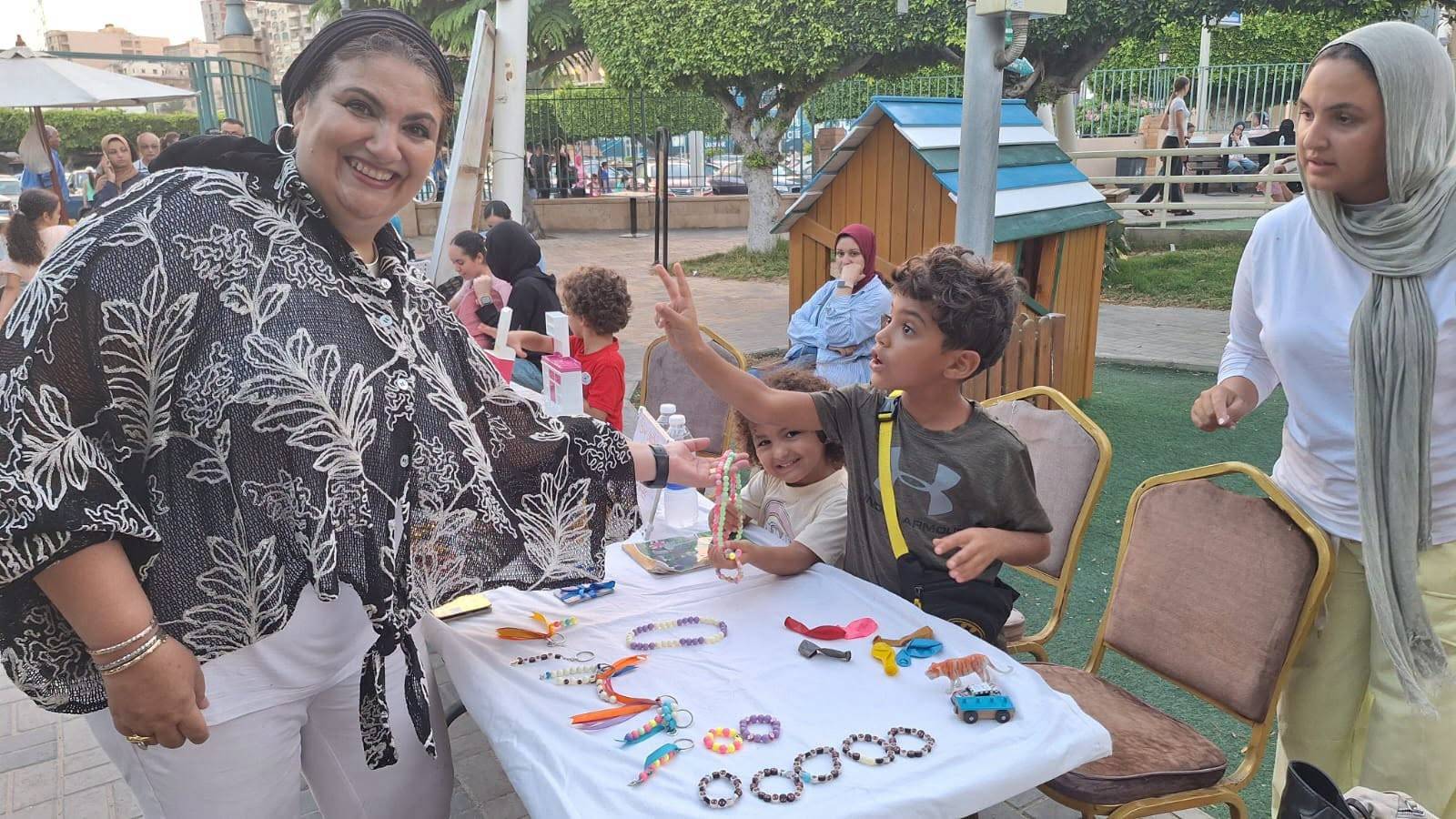
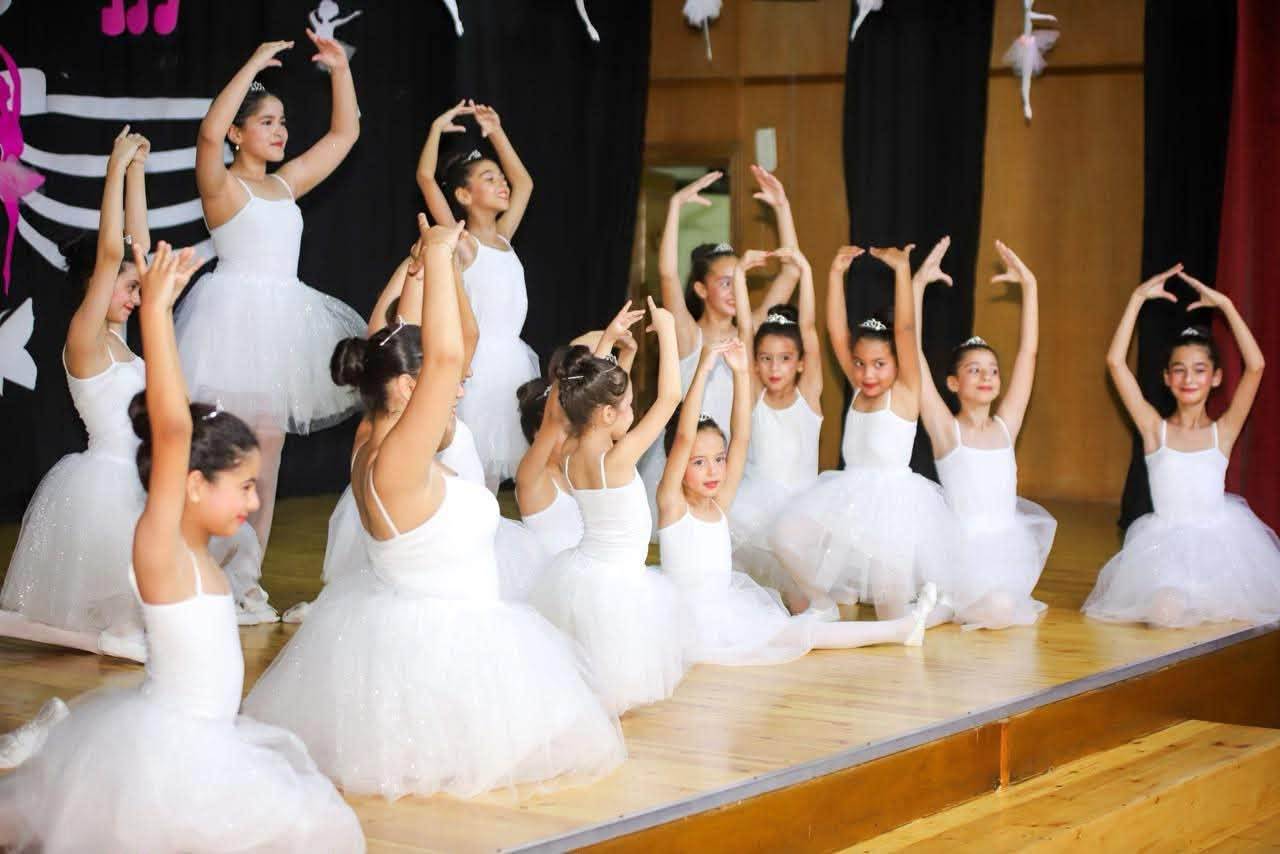
تنظم الأندية فعاليات مختلفة للأطفال (نادي سبورتنج)
يقول شاكر لـ«الشرق الأوسط» إنه وجد نفسه مضطراً للاشتراك في النادي بعدما كان في الفترة الماضية يكتفي بالتدريبات، لكن قرار إدارة النادي قصر التدريبات على الأعضاء ووجود باقي زملاء أبنائه في النادي نفسه، دفعاه للجوء للتمويل الاستهلاكي بسبب عدم قدرته على سداد مبلغ الاشتراك الذي يقترب من 200 ألف جنيه.
ويتيح عدد من شركات التمويل الاستهلاكي تمويلاً للمواطنين من أجل تقسيط عضويات الأندية التي تتباين قيمتها المادية من نادٍ لآخر مع فترات سداد تصل إلى 5 سنوات من خلال بعض الشركات، فيما تختلف نسبة الفائدة بحسب المدة لتكون في المدد القصيرة مقابل رسوم إدارية فقط ببعض الشركات، بينما تكون المدد المتوسطة والطويلة بفوائد يتم حسابها بحسب فترة سداد قيمة العضوية.
وبحسب مركز «المركز المصري لبحوث الرأي العام» (بصيرة) - مركز مستقل لاستطلاعات الرأي - فإن عدد الأندية في مصر بلغ في نهاية 2023 نحو 817 نادياً بمعدل 8 نوادٍ لكل مليون من السكان، فيما زادت أسعار عضويات عدد من الأندية الشهيرة خلال السنوات الماضية.
ويتجاوز سعر الاشتراك في أندية مثل «الأهلي»، «الجزيرة»، «الصيد»، و«نيو جيزة» حاجز المليون جنيه، فيما يجري تحصيل 14 في المائة رسوم ضريبة قيمة مضافة على عضويات الأندية المختلفة لصالح وزارة المالية.
ويعزي الخبير الاقتصادي هشام إبراهيم لجوء المواطنين إلى التمويل الاستهلاكي لشراء عضويات الأندية إلى سهولة الإجراءات التي تتيحها الشركات، إذ يحصل العميل على تفاصيل التمويل وشروطه بصورة مباشرة، بينما لا تمثل هذه النوعية من القروض أولوية كبيرة بالنسبة إلى موظفي البنوك؛ نظراً إلى انخفاض قيمتها مقارنة بغيرها من أشكال التمويل.
يمارس الأطفال أنشطة عدة داخل الأندية (نادي سموحة)
وأشار إبراهيم في تصريحات لـ«الشرق الأوسط» إلى أن «التمويل الاستهلاكي ليس ظاهرة مستحدثة، ولكنه موجود منذ فترة طويلة عبر صيغ متعددة ونظمها لاحقاً القانون الصادر عام 2017، لكن اتسع نطاق استخدامه خلال السنوات الأخيرة، ما جعله يغطي احتياجات كانت تُدفع في السابق من الدخل المباشر للأسر».
وأضاف أن «عضوية النادي تحولت لدى شريحة من الطبقة المتوسطة العليا إلى ما يتجاوز الاحتياج الرياضي، لتصبح في بعض الحالات جزءاً من الحضور والوجاهة الاجتماعية»، مؤكداً أن «شركات التمويل تحقق بدورها عائداً من هذا النوع من العمليات، إذ تحصل في بعض الحالات على خصومات من الجهات التي تتعامل معها قد تصل إلى 20 في المائة، إلى جانب الرسوم الإدارية التي يتحملها العميل، فضلاً عن العمولات المرتبطة بالتأخير في السداد، ما يجعل تمويل عضويات الأندية منتجاً قابلاً للتسويق بالنسبة إلى شركات التمويل».
قصر «الريسوني» في أصيلة... من ذاكرة الصراع إلى رحاب الثقافةhttps://aawsat.com/%D9%8A%D9%88%D9%85%D9%8A%D8%A7%D8%AA-%D8%A7%D9%84%D8%B4%D8%B1%D9%82/5329139-%D9%82%D8%B5%D8%B1-%D8%A7%D9%84%D8%B1%D9%8A%D8%B3%D9%88%D9%86%D9%8A-%D9%81%D9%8A-%D8%A3%D8%B5%D9%8A%D9%84%D8%A9-%D9%85%D9%86-%D8%B0%D8%A7%D9%83%D8%B1%D8%A9-%D8%A7%D9%84%D8%B5%D8%B1%D8%A7%D8%B9-%D8%A5%D9%84%D9%89-%D8%B1%D8%AD%D8%A7%D8%A8-%D8%A7%D9%84%D8%AB%D9%82%D8%A7%D9%81%D8%A9
قصر «الريسوني» في أصيلة... من ذاكرة الصراع إلى رحاب الثقافة
القصبة البلدة القديمة (الشرق الأوسط)
على أسوار مدينة أصيلة المغربية، وفي موقع يطل على المحيط الأطلسي، يقف قصر «الريسوني» شاهداً على تحول استثنائي في تاريخ المكان. فالقصر الذي ارتبط اسمه مطلع القرن الـ20 بالصراعات المسلحة وعمليات اختطاف الأجانب ومساومات الفدية، أصبح اليوم أحد معاقل الثقافة والفنون في المدينة.
من إرث الصراع إلى فضاء الإبداع
وبعد عقود من ارتباطه بالنزاعات والنفوذ السياسي، شهد القصر تحولاً عام 1998، حين تكفل الأمير السعودي بندر بن سلطان بن عبد العزيز، الذي كان آنذاك يشغل منصب سفير المملكة العربية السعودية لدى الولايات المتحدة الأميركية، بترميمه وتأهيله، ليتحول إلى «قصر الثقافة»، ويصبح أحد المكونات الأساسية لـ«موسم أصيلة الثقافي».
وحافظت عملية الترميم على التكوين المعماري التقليدي للقصر وخصائصه الفنية، وشملت إعادة تهيئة مرافقه وتحويله مجمعاً ثقافياً يضم ورشات للفنون التشكيلية والنحت، وأماكن لإقامة الفنانين وضيوف المدينة، وقاعات للقاءات الثقافية.
ويُعدّ قصر «الريسوني» درّة المعالم التاريخية بالبلدة القديمة في أصيلة. ويقع على الجانب الغربي من المدينة العتيقة، بالقرب من برج سيدي ميمون. وترتبط قصته بشخصية أحمد الريسوني، أحد أكبر الشخصيات إثارة للجدل في تاريخ المغرب خلال مطلع القرن الـ20؛ فقد جمع بين الزعامة القبلية والنفوذ السياسي والمواجهة مع القوى الأجنبية، ودخل في صراعات مع السلطة المركزية ومع الإسبان.
ارتبط اسم القصر بالصراعات واختطاف الأجانب طلباً للفدية (الشرق الأوسط)
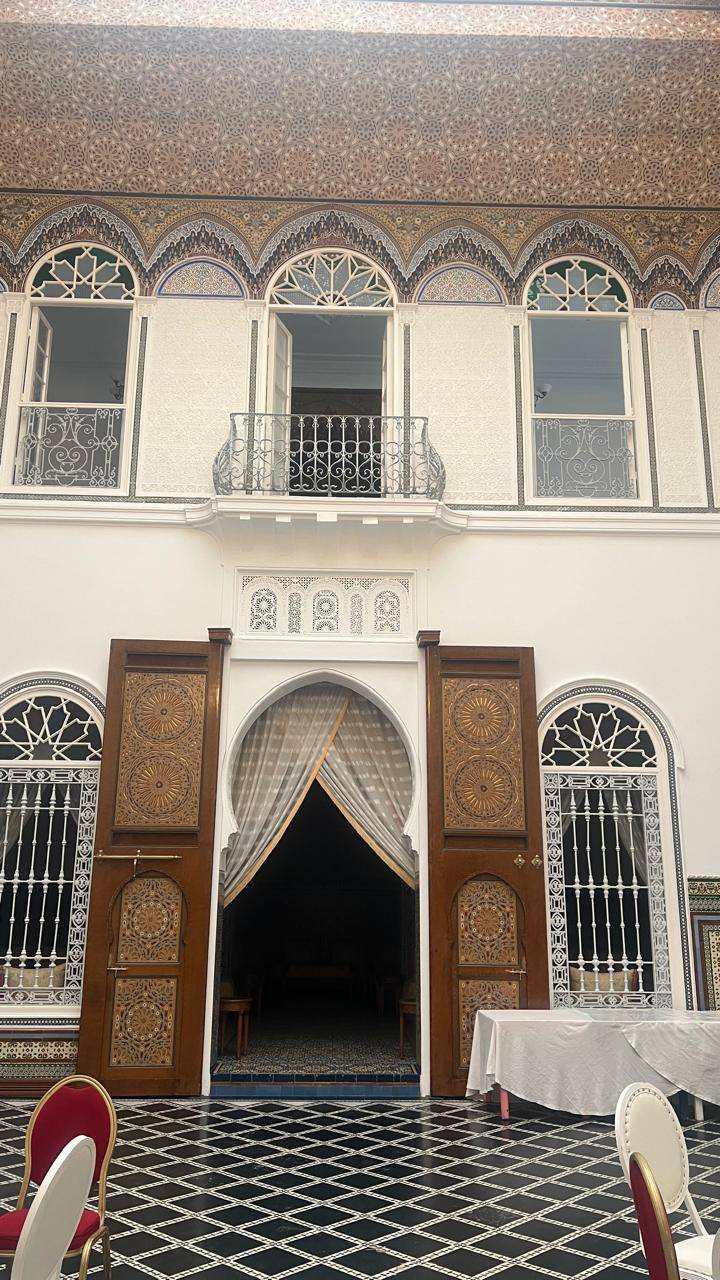
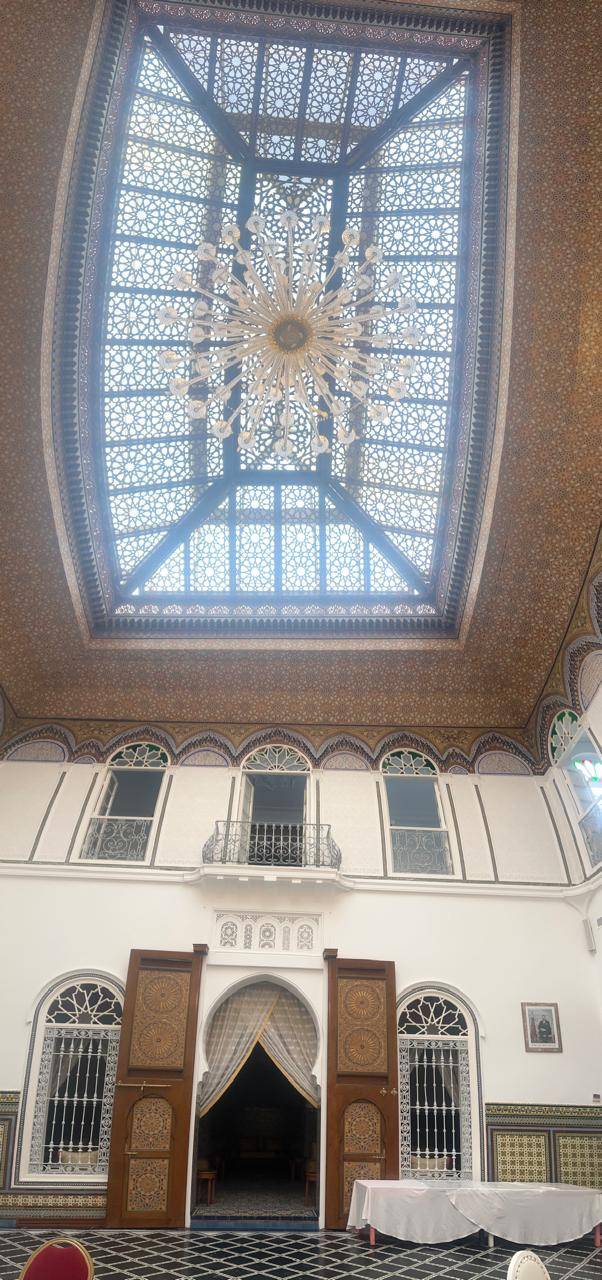
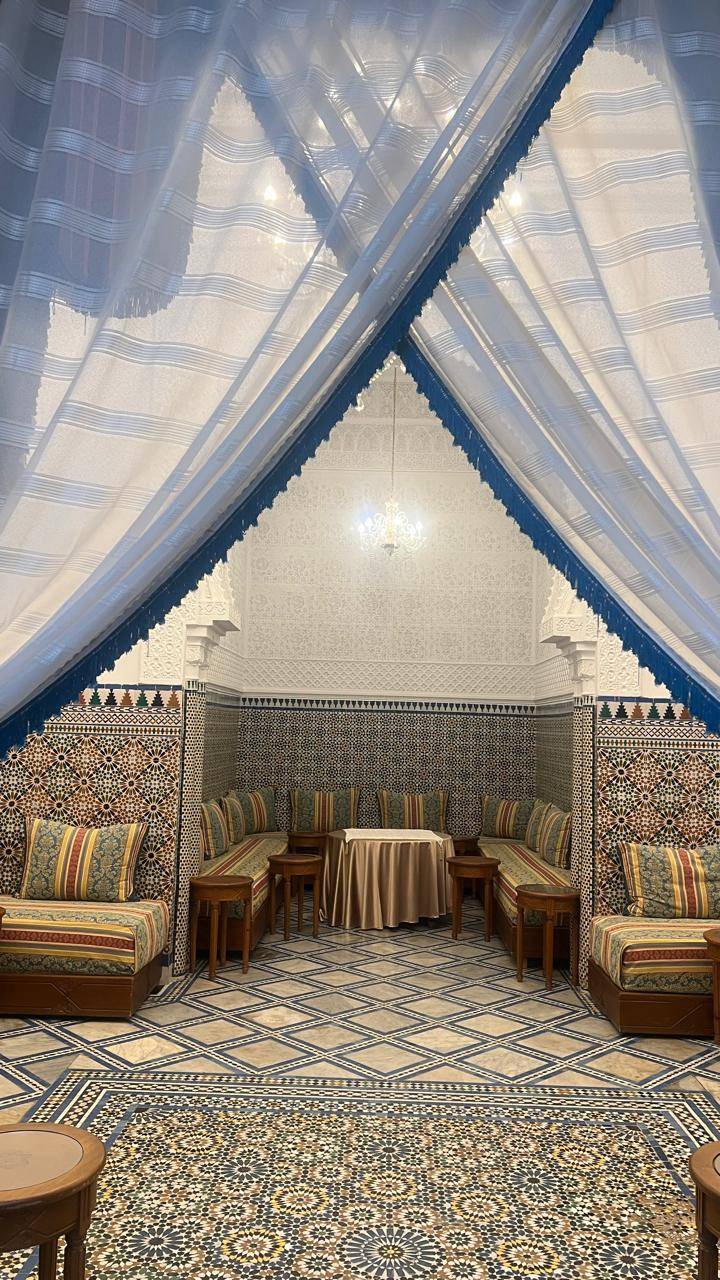
تذكر المصادر التاريخية أن موقع القصر كان يضم في القرن الـ17 مسكناً للقائد الخضر غيلان، وانتقلت ملكيته بين ورثته، قبل أن يستحوذ عليه أحمد الريسوني ويعيد بناءه وتطويره في مطلع القرن الـ20، بين عامي 1906 و1909. وتجمع عمارته عناصر من الفن المغربي الأندلسي، تتجلى في الفناء الداخلي والأعمدة الرخامية والزليج والزخارف الجصية والخشبية، مع استخدام زخارف مستوحاة من العمارة الأندلسية في إشبيلية.
وبين الحقيقة والأسطورة، تتوالى الروايات التي تربط بناء القصر وتمويله بأموال فدية كان يحصل عليها أحمد الريسوني مقابل إطلاق رهائن أجانب. وقد استلهم فيلمُ «الريح والأسد»، الصادر عام 1975، من بطولة شون كونري، «قضيةَ بيرديكاريس» لعام 1904؛ إذ يجسّد فيه شون كونري شخصية الزعيم التاريخي أحمد الريسوني، ويستمد الفيلم وقائعه من اختطاف الريسوني شخصية أميركية - يونانية بارزة من غابة الرميلات بطنجة، واقتيادها إلى أصيلة؛ بغرض الحصول على الفدية التي مكّنته من بناء القصر.
وفي حديث صحافي، أكد الراحل محمد بن عيسى، مؤسس «موسم أصيلة الثقافي»، أن الأمير بندر بن سلطان أسهم في ترميم قصر «الريسوني»، كما موّل إنشاء مكتبة تحمل اسمه في المدينة.
قصر «الريسوني»... درّة معالم أصيلة التاريخية (الشرق الأوسط)
وافتُتحت «مكتبة الأمير بندر بن سلطان» رسمياً في يناير (كانون الثاني) 2006، بتمويل كامل من الأمير بندر بن سلطان بن عبد العزيز.
وفي داخل القصبة، وعلى مقربة من برج القمرة، يقع «مركز الحسن الثاني للملتقيات الدولية»؛ أحد المعالم التي تجسد التحول الثقافي في المدينة. ويضم «المركزُ» قاعاتٍ للاجتماعات والندوات، ومساحاتٍ للمعارض الفنية، وتجهيزاتٍ للترجمة الفورية.
ويكتسب موقعه دلالة تاريخية، إذ أُقيم في منطقة كانت تضم خلال الحكم البرتغالي مقر الحاكم، ولم يبقَ من ذلك المجمع القديم سوى برج القمرة.
وقد جاء إنشاء «المركز» بدعم من السلطان الراحل قابوس بن سعيد، سلطان عُمان، بوصفه إسهاماً عُمانياً في دعم البنية الثقافية لأصيلة.
قلعة للتراث والثقافة
ركن من داخل قصر «الريسوني» في مدينة أصيلة المغربية (الشرق الأوسط)
وتحتفظ البلدة العتيقة في مدينة أصيلة، على الساحل الأطلسي للمغرب، بذاكرة تمتد عبر قرون من الصراع والتجارة والتحولات السياسية. وتقف أسوارها وأبراجها وبواباتها شاهدة على تاريخ المدينة، منذ الاحتلال البرتغالي في القرن الـ15، مروراً بالمقاومة المغربية، وصولاً إلى تجربة ثقافية مميزة بدأت عام 1978، وأعادت تقديم أصيلة إلى العالم بوصفها مدينة للفنون والحوار الثقافي.
وعلى مساحة لا تتجاوز 7 هكتارات، تكشف خريطة المدينة القديمة عن نسيج عمراني يضم مجموعة من الأبراج والحصون والمساجد والقصور التاريخية، التي تقدم اليوم نموذجاً لتحويل المعالم التاريخية فضاءاتٍ للحياة الثقافية.
وخلف الأسوار التي شيَّدها الاحتلال البرتغالي لتحصين المدينة عسكرياً، أصبحت الساحات والقصور والممرات فضاءات للمعارض والنقاشات والعروض الفنية، فيما ساعدت عمليات الترميم على حماية أجزاء من النسيج العمراني. وإذا كانت التحصينات قد شُيّدت في الأصل لحماية المدينة من الخارج، فإن أصيلة المعاصرة اختارت أن تفتح أبوابها للعالم عبر الثقافة.