السعودية وإيران تبحثان الخطوات المقبلة للاتفاق

في ثالث اتصال هاتفي بين وزيري خارجية البلدين

الأمير فيصل بن فرحان بن عبد الله، وزير الخارجية السعودي
TT

السعودية وإيران تبحثان الخطوات المقبلة للاتفاق

الأمير فيصل بن فرحان بن عبد الله، وزير الخارجية السعودي

واصل الأمير فيصل بن فرحان بن عبد الله، وزير الخارجية السعودي، ونظيره الإيراني حسين أمير عبداللهيان، مناقشة الخطوات المقبلة في ضوء الاتفاق الثلاثي الأخير الذي وقّعته السعودية وإيران برعاية صينية.
جاء ذلك خلال الاتصال الهاتفي الذي تلقّاه الأمير فيصل بن فرحان من الوزير عبداللهيان، وجرى فيه بحث عدد من الموضوعات التي تهم البلدين. وفي وقت سابق أمس، نقلت وسائل إعلام إيرانية عن عبداللهيان قوله إنه سيُجري مشاورات مع نظيره السعودي. وقال عبداللهيان: «نضع اللمسات الأخيرة بشأن موعد ومكان الاجتماع مع وزير الخارجية السعودي».
وكان وزيرا خارجية البلدين قد أجريا اتصالين هاتفيين، في الأيام الماضية، تناولا خلاله مضامين الاتفاق الثلاثي الذي جرى التوقيع عليه في العاصمة الصينية، كما اتفق الوزيران على عقد لقاء ثنائي بينهما قريباً؛ لتمهيد الأرضية لإعادة فتح السفارات والقنصليات بين البلدين.
وكانت الرياض وطهران قد أعلنتا، في 10 مارس (آذار) الماضي، الاتفاق على استئناف العلاقات الدبلوماسية وإعادة فتح السفارتين والممثليات الدبلوماسية في غضون شهرين. وجاء التوصل إلى هذا الاتفاق عقب مباحثات جرت في بكين، برعاية الرئيس الصيني شي جينبينغ. وجاءت المباحثات رغبة من الرياض وطهران في حل الخلافات دبلوماسياً بالحوار.


Lebanon Revokes Bank Saderat Iran’s License amid US Pressure

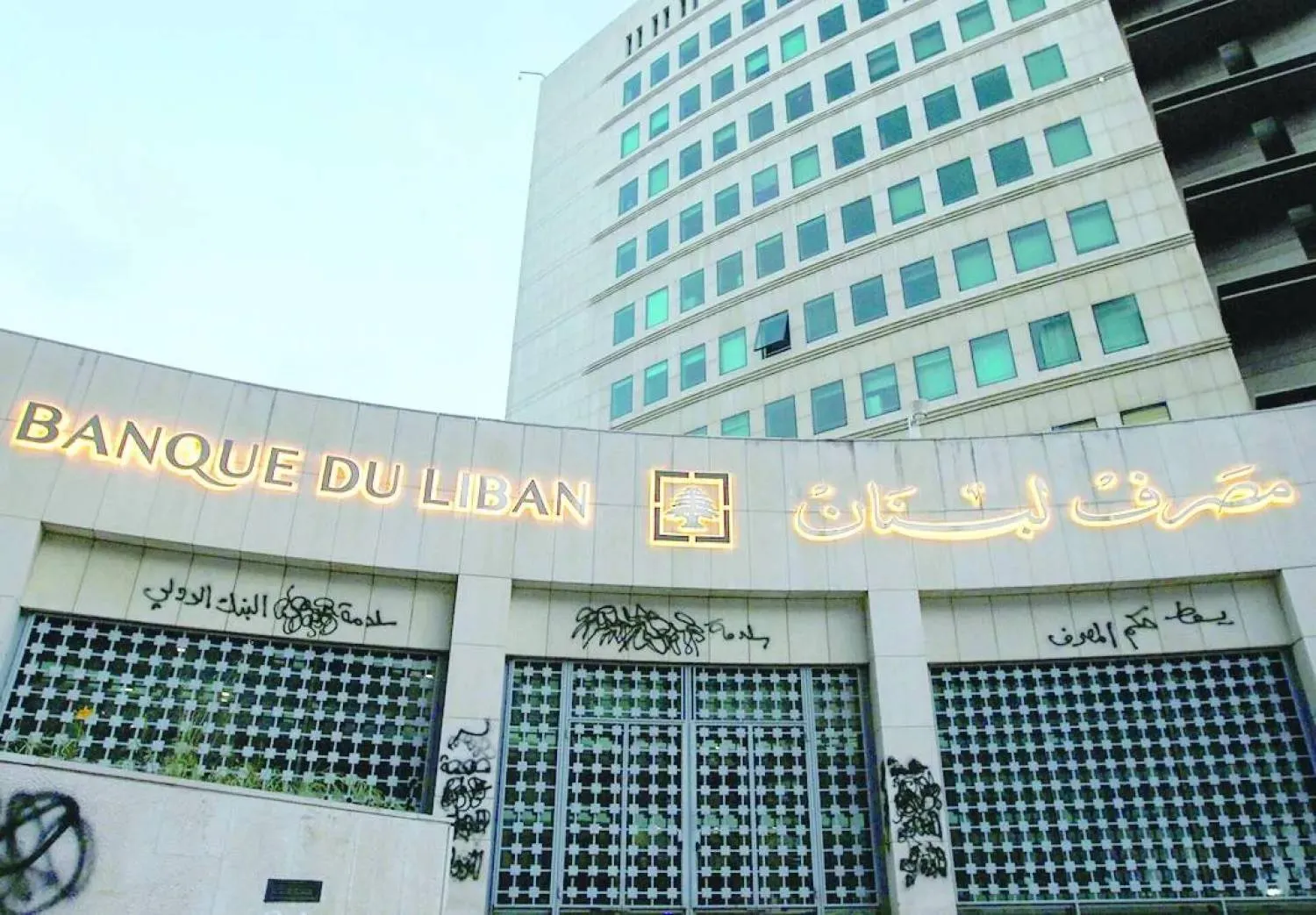
The Banque du Liban headquarters in Beirut (Banque du Liban). 
TT

Lebanon Revokes Bank Saderat Iran’s License amid US Pressure

The Banque du Liban headquarters in Beirut (Banque du Liban). 

Lebanon’s central bank has revoked the local license of Bank Saderat Iran, one of Iran’s largest banks, as Washington intensifies pressure on countries to sever commercial ties with Tehran.

Banque du Liban Governor Karim Souaid told Bloomberg that the decision, taken this week, was intended to demonstrate Lebanon’s determination to protect its banking sector from institutions that could expose it to financial and regulatory risks.

The move follows tighter restrictions imposed on Iran’s financial system by other regional central banks and coincides with mounting US pressure worldwide, according to the governor.

Bank Saderat is one of Iran’s oldest commercial banks, with several branches overseas. In Lebanon, however, it did not operate as a full-scale commercial bank serving the general public or offer the extensive retail banking services typically provided by major Lebanese lenders.

Its operations were largely confined to facilitating certain transfers and financial activities linked to specific networks or entities.

Sanctions targeting Iranian institutions had effectively isolated the bank from major international banking messaging networks, including SWIFT, and global payment systems.

Washington is pursuing a campaign to isolate Iran economically in an effort to force Tehran to accept US terms for ending the war.

Last month, Britain announced it would reject new license applications from Iranian banks subject to US sanctions, including Bank Saderat, which operates a branch near the Bank of England in London’s financial district.

Avoiding financial risks

Speaking on the sidelines of the International Monetary Fund’s annual meetings in Bangkok, Thailand, Souaid noted that larger economies, including the United Arab Emirates and Türkiye, had complied with similar demands to preserve their banks’ ties to the international financial system".

He stressed that Lebanon could not afford the risks associated with failing to take such measures.

The governor acknowledged that some decisions could be politically sensitive but maintained that protecting Lebanon’s banking sector from foreign sanctions and external pressure must take priority.

Souaid also emphasized the need for Lebanon to secure its removal from the Financial Action Task Force’s (FATF) gray list, where it was placed over shortcomings in combating illicit financial flows.

He called for eliminating illicit funds and money-laundering proceeds from the Lebanese economy.

The central bank has hired a specialized US firm to map Lebanon’s cash economy and identify suspicious financial activity, according to the governor.

For years, Bank Saderat and its operations had faced scrutiny from international financial authorities, particularly the US Treasury Department, which regarded it as a potential financial conduit for regional groups such as Hezbollah.

Despite that pressure, its Lebanese branch maintained a legal presence under a longstanding license issued by Banque du Liban, even as Washington repeatedly called for its closure and the complete severing of its financial channels.

IMF negotiations

Lebanon is seeking to revive its economy after a financial collapse that led it to default on approximately $30 billion in international bonds in 2020.

The country is holding talks with the IMF over a potential loan, seen as a crucial step toward economic recovery.

Souaid described efforts to clean up the financial sector as an important issue in those negotiations.

Although such measures are not among the IMF’s formal conditions for a potential support package, he explained that international lenders and donors participating in any program would nevertheless expect Lebanon to maintain a financial sector free of illicit activity.


ACWA to Asharq Al-Awsat: Energy Storage Key to Saudi Renewable Expansion

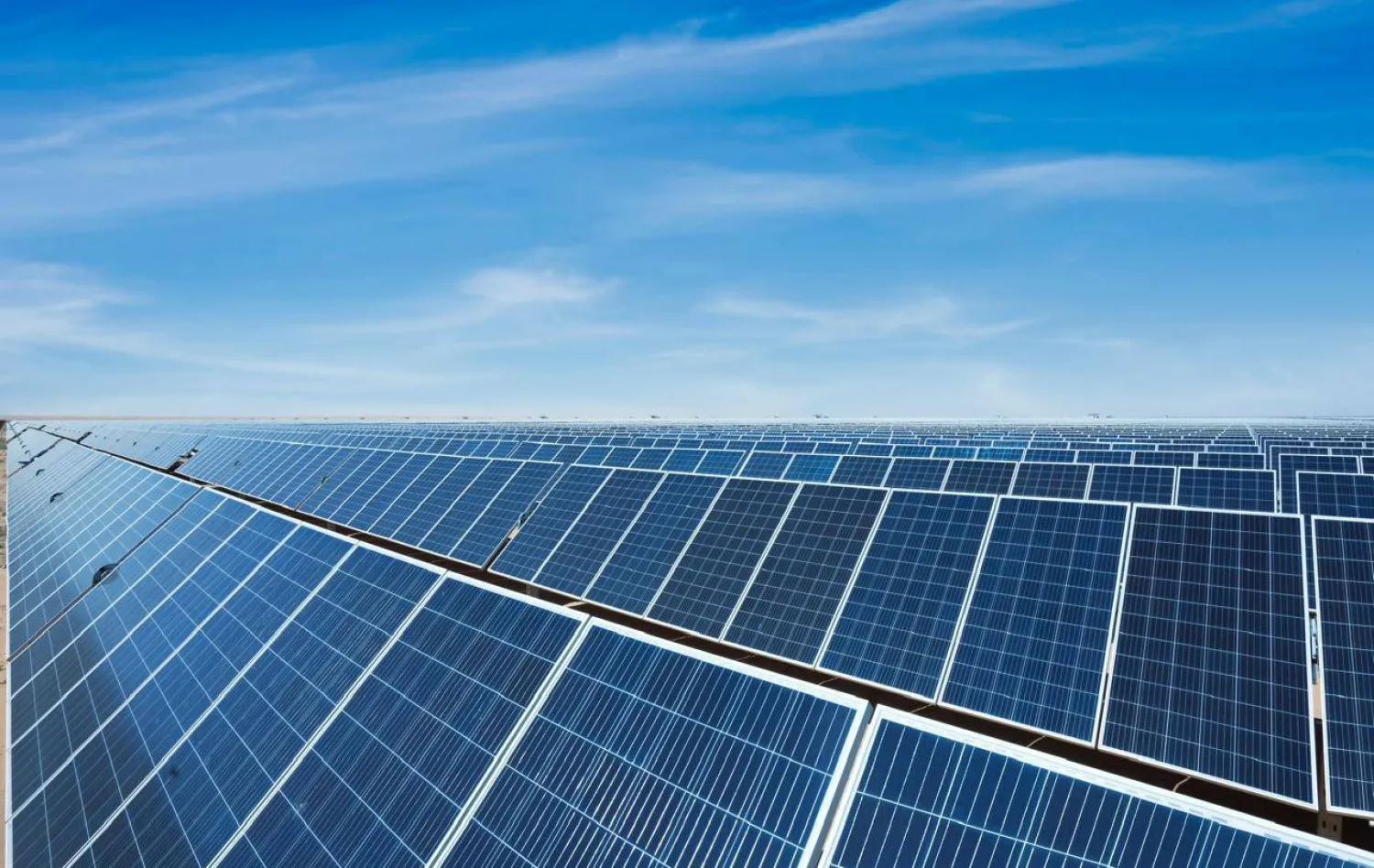
Sakaka Solar Photovoltaic Power Plant (ACWA). 
TT

ACWA to Asharq Al-Awsat: Energy Storage Key to Saudi Renewable Expansion

Sakaka Solar Photovoltaic Power Plant (ACWA). 

Saudi Arabia’s ACWA is expanding its renewable energy, electricity storage and water desalination projects as the rapid growth of artificial intelligence and data centers drives up power demand and increases the need for reliable, efficient and competitively priced electricity.

Omar al-Hassan, ACWA CEO in Saudi Arabia, told Asharq Al-Awsat that the accelerating expansion of AI and data centers was reshaping the energy sector’s requirements.

The challenge is no longer limited to generating more electricity, he explained, but also involves ensuring a continuous supply, operational efficiency and competitive costs.

ACWA is developing projects that combine renewable energy and storage with solutions to strengthen supply reliability, drawing on its experience in large-scale power and water projects.

The company’s total power generation capacity stands at 98.2 gigawatts, while its desalination portfolio has a capacity of 9.7 million cubic meters per day.

Al-Hassan also highlighted ACWA’s efforts to harness digital technologies and AI to improve the performance of its assets, going beyond meeting rising electricity demand to developing more efficient and reliable solutions.

Storage supports renewable energy expansion

As Saudi Arabia expands its solar and wind projects, electricity storage is becoming increasingly important, allowing power generated during periods of abundant supply to be stored for use when demand rises.

Al-Hassan expects storage to play a growing role in the Kingdom’s energy system alongside generation facilities and transmission networks.

In August 2026, ACWA signed three agreements with the Saudi Power Procurement Company, acting as the principal buyer, to develop battery energy storage projects in Haden, Muwayh and Al-Kahfah.

The projects have a combined power capacity of 1,500 megawatts and an energy storage capacity of 6,000 megawatt-hours, under agreements spanning 15 years.

Al-Hassan described the projects as evidence of opportunities in the Saudi market and the importance of storage in supporting renewable energy expansion.

He expects storage to become an increasingly significant factor in planning new projects, depending on grid needs, individual project requirements and economic feasibility.

Red Sea project demonstrates off-grid potential

ACWA’s Red Sea project, which combines solar generation and battery storage, has demonstrated the feasibility of operating an integrated utilities system powered by renewable energy and storage without connecting to the national electricity grid.

The project began commercial operations in September 2026 and includes a 340-megawatt solar power plant and a battery storage system with a capacity of 1,227 megawatt-hours.

According to al-Hassan, the project underscores the importance of integrated planning from the outset, with generation and storage capacities designed to meet actual demand and ensure uninterrupted supplies.

He emphasized that the success of renewable energy projects depends not only on generation capacity but also on the integration of system components and operational efficiency, while accounting for differences in site requirements, costs and operating conditions.

Partnerships to advance desalination

In the water sector, ACWA sees opportunities to advance desalination through greater use of renewable energy and more efficient technologies, helping reduce energy consumption and production costs while meeting growing demand.

With a desalination portfolio capable of producing 9.7 million cubic meters of water per day, the company is focusing on improving plant efficiency, developing desalination technologies and reducing reliance on conventional energy sources wherever technically and economically feasible.

In August 2026, ACWA signed a memorandum of understanding with Veolia to cooperate on improving desalination plant designs, equipment and operational performance.

It also signed a joint development agreement with Indonesia’s PT Garam to establish a project combining seawater desalination with industrial salt production.

The project would use shared infrastructure to meet water needs and support industrial activities.

Al-Hassan identified further growth opportunities in increasing water production, improving the efficiency of existing plants, developing new technologies and expanding partnerships to provide reliable water supplies at competitive costs.



5 معتقدات شائعة عن شرب الماء... ما حقيقتها؟

تختلف احتياجات الجسم من الماء بحسب العمر والنشاط البدني والمناخ والحالة الصحية (بيكسلز)
TT

5 معتقدات شائعة عن شرب الماء... ما حقيقتها؟

تختلف احتياجات الجسم من الماء بحسب العمر والنشاط البدني والمناخ والحالة الصحية (بيكسلز)

تنتشر نصائح كثيرة عن كمية الماء المطلوبة يومياً، وتوقيت شربه، ودوره في إنقاص الوزن. ويستعرض موقع «فيري ويل هيلث» الصحي خمسة معتقدات شائعة، موضحاً أن احتياجات الترطيب تختلف بحسب العمر والنشاط والمناخ والحالة الصحية.

ثمانية أكواب تكفي الجميع

لا تناسب هذه القاعدة الجميع. وحسب التقرير، تحتاج النساء عموماً إلى نحو تسعة أكواب من السوائل يومياً، والرجال إلى 13 كوباً، إضافة إلى الماء الموجود في الطعام. وتتغيّر الكمية تبعاً للاحتياجات الفردية.

الإفراط في الماء آمن

قد يؤدي شرب كميات مفرطة من الماء إلى انخفاض خطير في صوديوم الدم، خصوصاً لدى ممارسي رياضات التحمل. وقد تشمل المضاعفات التشوش والتشنجات. ويشير لون البول الأصفر الفاتح عادةً إلى ترطيب كافٍ، بينما قد يدلّ الأصفر الداكن على الحاجة إلى مزيد من السوائل.

توزيع شرب الماء خلال اليوم أهم من الالتزام بتوقيت محدّد للشرب (بيكسلز)

الشعور بالعطش هو علامة الجفاف

قد يبدأ الجسم بفقدان السوائل التي يحتاج إليها قبل الشعور بالعطش. ويقلّ الإحساس بالعطش لدى كبار السن، ما يستدعي الانتباه إلى شرب الماء بانتظام، خصوصاً في الطقس الحار وأثناء التمارين.

هناك توقيت مثالي للشرب

الأهم توزيع شرب السوائل خلال اليوم. ولا تتوافر أدلة كافية لتوصية الجميع بشرب كميات كبيرة صباحاً أو ليلاً. ويساعد الشرب قبل التمارين وخلالها وبعدها على تعويض السوائل.

شرب الماء يساعد على خسارة الوزن

لا يحرق الماء الدهون، لكنه قد يساعد على تقليل السعرات المتناولة بتخفيف الشهية أو شربه بدلاً من المشروبات السكرية. أما شرب الماء البارد، فيستهلك الجسم طاقة ضئيلة لتدفئته، لا تكفي لإحداث خسارة ملحوظة في الوزن.