


باكستان تحذّر من تأخر تعافي اقتصادها بسبب استهداف منشآت الطاقة في الخليج

إسلام آباد تؤمّن احتياجاتها حتى نهاية نوفمبر وتستعد لذروة الطلب الشتوي

وزير المالية الباكستاني محمد أورنغزيب (رويترز)
TT

باكستان تحذّر من تأخر تعافي اقتصادها بسبب استهداف منشآت الطاقة في الخليج

وزير المالية الباكستاني محمد أورنغزيب (رويترز)

حذّر وزير المالية الباكستاني محمد أورنغزيب، من أن استمرار استهداف منشآت الطاقة في السعودية ودول الخليج سيؤخر عودة الاقتصاد الباكستاني إلى طبيعته، حتى في حال انحسار الحرب في إيران، في وقت تسعى فيه إسلام آباد إلى احتواء تداعيات ارتفاع أسعار الطاقة وتأمين احتياجاتها للأشهر المقبلة.

وقال أورنغزيب، في مقابلة مع «وكالة الصحافة الفرنسية» على هامش الاجتماعات السنوية لصندوق النقد والبنك الدوليين في بانكوك، السبت، إن باكستان تمكنت حتى الآن من التعامل مع الصدمة الأولية لارتفاع أسعار الطاقة، ووفرت إمدادات تكفيها حتى نهاية نوفمبر (تشرين الثاني)، فيما تستعد لتلبية الطلب خلال أشهر الشتاء، حين يرتفع استهلاك الأسر عادة.

وأضاف: «تعاملت باكستان جيداً مع التأثير الأولي للأزمة»، مشيراً إلى أن البلاد لم تشهد نقصاً في الإمدادات أو طوابير أمام محطات الوقود أو اضطرابات أمنية مرتبطة بأزمة الطاقة.

لكن الوزير أبدى قلقاً من اتساع نطاق الهجمات ليشمل منشآت الطاقة، محذراً من أن استمرار استهداف البنية التحتية سيؤخر عودة الأوضاع الاقتصادية إلى طبيعتها، حتى إذا تراجعت حدة التصعيد.

وقال: «ما يثير القلق الآن هو بدء استهداف البنية التحتية للطاقة»، مضيفاً أن استمرار الهجمات سيجعل العودة إلى الوضع الطبيعي تستغرق وقتاً أطول، حتى لو هدأت الأوضاع.

وتأتي هذه المخاوف في ظل ارتفاع أسعار الطاقة العالمية منذ اندلاع الحرب على إيران في فبراير (شباط)، وما تبعها من اضطرابات في إمدادات النفط والغاز، بالتزامن مع تجدد المواجهات في اليمن وتصاعد الهجمات الحوثية على منشآت سعودية، بينها مرافق للطاقة ومطارات، وفقاً للوكالة.

إسلام آباد تتجنب شراء الغاز الفوري المكلف

في محاولة للحد من أثر ارتفاع الأسعار على المالية العامة، قال أورنغزيب إن الحكومة لن تلجأ إلى شراء شحنات الغاز الطبيعي المسال من السوق الفورية، الأعلى تكلفة عادة من الإمدادات المتعاقد عليها مسبقاً، ما لم تدعُ الضرورة القصوى إلى ذلك.

وتواجه باكستان تحدياً مزدوجاً يتمثل في تأمين إمدادات الطاقة والحفاظ على الاستقرار المالي، في وقت تواصل فيه تنفيذ برنامج إصلاح اقتصادي مدعوم من صندوق النقد الدولي.

برنامج الصندوق يفرض مواصلة الإصلاحات

تنفذ باكستان برنامجاً مع صندوق النقد بقيمة نحو 7 مليارات دولار على مدى 3 سنوات، وهو البرنامج الخامس والعشرون الذي تلجأ إليه البلاد منذ استقلالها عام 1947، وفقاً للوكالة. واتفق الصندوق خلال أكتوبر (تشرين الأول) على صرف شريحة جديدة بقيمة 1.2 مليار دولار.

وفي ظل ارتفاع مستويات الدين عالمياً، دعا الصندوق الدول إلى مواصلة ضبط أوضاعها المالية، بما في ذلك الاقتصادات الأكثر تعرضاً لصدمة الحرب، لتجنب تفاقم الاختلالات المالية.

وقال أورنغزيب إن باكستان تسير منذ فترة على مسار ضبط المالية العامة، مشيراً إلى ارتفاع الإيرادات الضريبية خلال السنوات الأخيرة، مع استمرار جهود الحكومة للحد من التهرب الضريبي وتحسين تحصيل ضريبة الدخل.

وأوضح أن السلطات تستهدف الشركات التي تحصل ضريبة المبيعات من المستهلكين ثم لا توردها إلى الخزانة العامة، لافتاً إلى أن هذه الممارسات تتسبب في خسائر بمليارات الدولارات.

مقاومة المصالح الخاصة تعرقل الإصلاح

أشار وزير المالية إلى أن أجندة الإصلاح تواجه مقاومة من قطاعات صناعية ومجموعات ضغط وأصحاب مصالح، قائلاً إن كل محاولة لتغيير الوضع القائم تواجه اعتراضات.

وتشمل شروط برنامج الصندوق خصخصة أصول مملوكة للدولة، في إطار مساعي إسلام آباد لتحسين الكفاءة الاقتصادية وتخفيف الأعباء المالية.

وفيما يتعلق بالشركات التجارية التي يديرها الجيش الباكستاني، نفى أورنغزيب حصولها على تمويل من الخزانة العامة، مؤكداً أنها تعمل، بحسب قوله، بصورة مستقلة وتحقق أرباحاً من أنشطتها.
مقالات ذات صلة

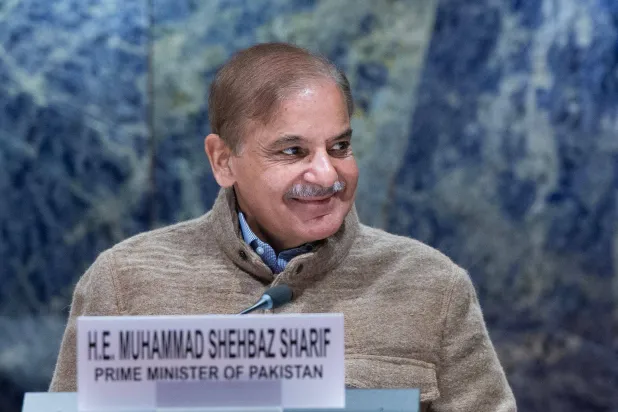
شهباز شريف: السعودية وباكستان تقفان معاً دائماً

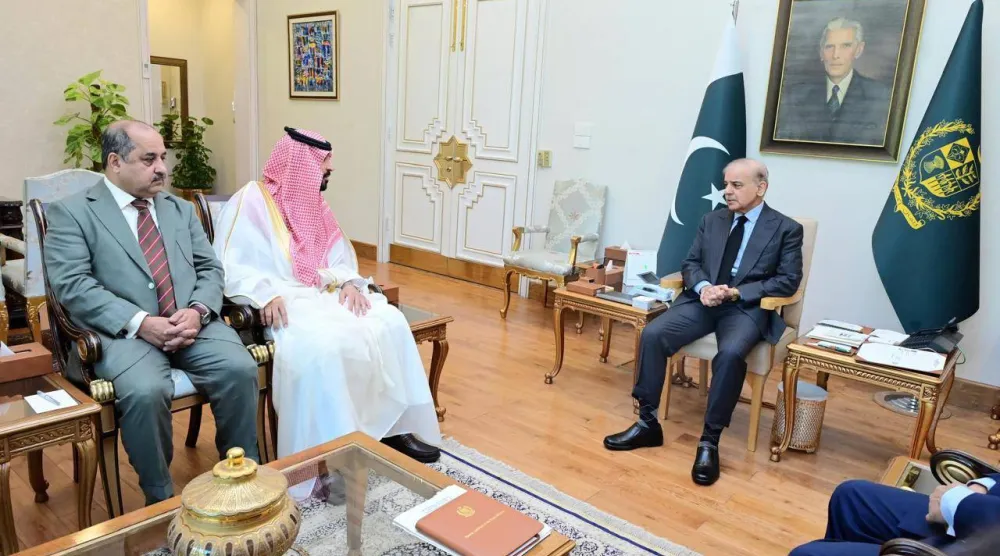
الخليج رئيس الوزراء الباكستاني محمد شهباز شريف لدى لقائه السفير السعودي في إسلام آباد الدكتور راجح البقمي (السفارة)

شهباز شريف: السعودية وباكستان تقفان معاً دائماً

أكد رئيس الوزراء الباكستاني محمد شهباز شريف أن العلاقات مع السعودية شهدت تطوراً ملحوظاً خلال السنوات الأخيرة.

«الشرق الأوسط» (إسلام آباد)
آسيا رئيس الوزراء الباكستاني شهباز شريف يتحدث خلال مؤتمر دولي في جنيف يوم 9 يناير 2023 (د.ب.أ)

رئيس وزراء باكستان يحذّر «حركة الإنصاف» من مخاطر المسيرة نحو إسلام آباد

دعا رئيس الوزراء الباكستاني، شهباز شريف، حزب «حركة الإنصاف» الباكستاني، الثلاثاء، إلى التخلي عن سياسة الاحتجاج وإلغاء المسيرة الطويلة نحو إسلام آباد...

«الشرق الأوسط» (إسلام آباد)
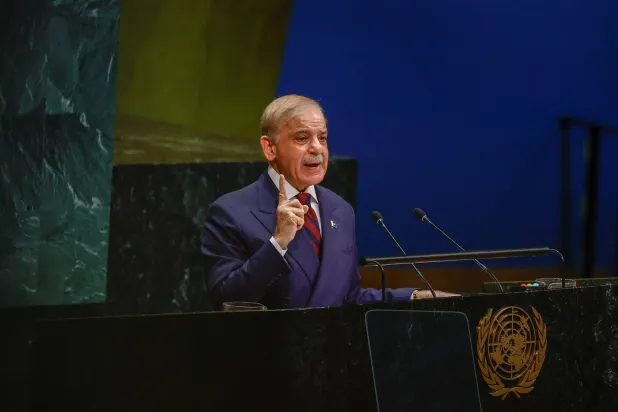
الخليج رئيس الوزراء الباكستاني محمد شهباز شريف يلقي كلمته أمام الجمعية العامة للأمم المتحدة الجمعة (رويترز)

رئيس وزراء باكستان: أمن الحرمين الشريفين «خط أحمر»

شدَّد رئيس الوزراء الباكستاني محمد شهباز شريف على أن أمن الحرمين الشريفين يمثل «خطاً أحمر» بالنسبة لبلاده، مُجدِّداً إدانة الهجمات التي استهدفت السعودية.

«الشرق الأوسط» (نيويورك)
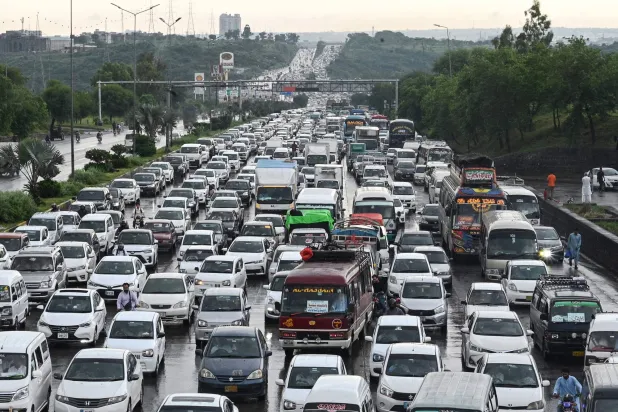
الاقتصاد زحام مروري بعد هطول أمطار موسمية غزيرة في إسلام آباد (أ.ف.ب)

باكستان تعود إلى أسواق الدين الدولية بسندات دولارية لأجل 5 و10 سنوات

أطلقت باكستان عملية إصدار سندات دولارية دولية مزدوجة الشريحة لأجل 5 و10 سنوات، في خطوة تمثل عودة البلاد إلى أسواق رأس المال الدولية.

«الشرق الأوسط» (إسلام آباد)
الاقتصاد الوفدان السعودي والباكستاني خلال مباحثات لتعزيز الأمن الغذائي وتوسيع التعاون الزراعي والتجاري بين البلدين (واس)

السعودية وباكستان تستهدفان رفع الصادرات الزراعية والغذائية إلى 3 مليارات دولار

اتفقت السعودية وباكستان على تعزيز الأمن الغذائي ورفع الصادرات الزراعية والغذائية الباكستانية للمملكة إلى 3 مليارات دولار.

«الشرق الأوسط» (إسلام آباد)

Lebanon Steps Up Diplomacy to Stay Out of Regional Escalation

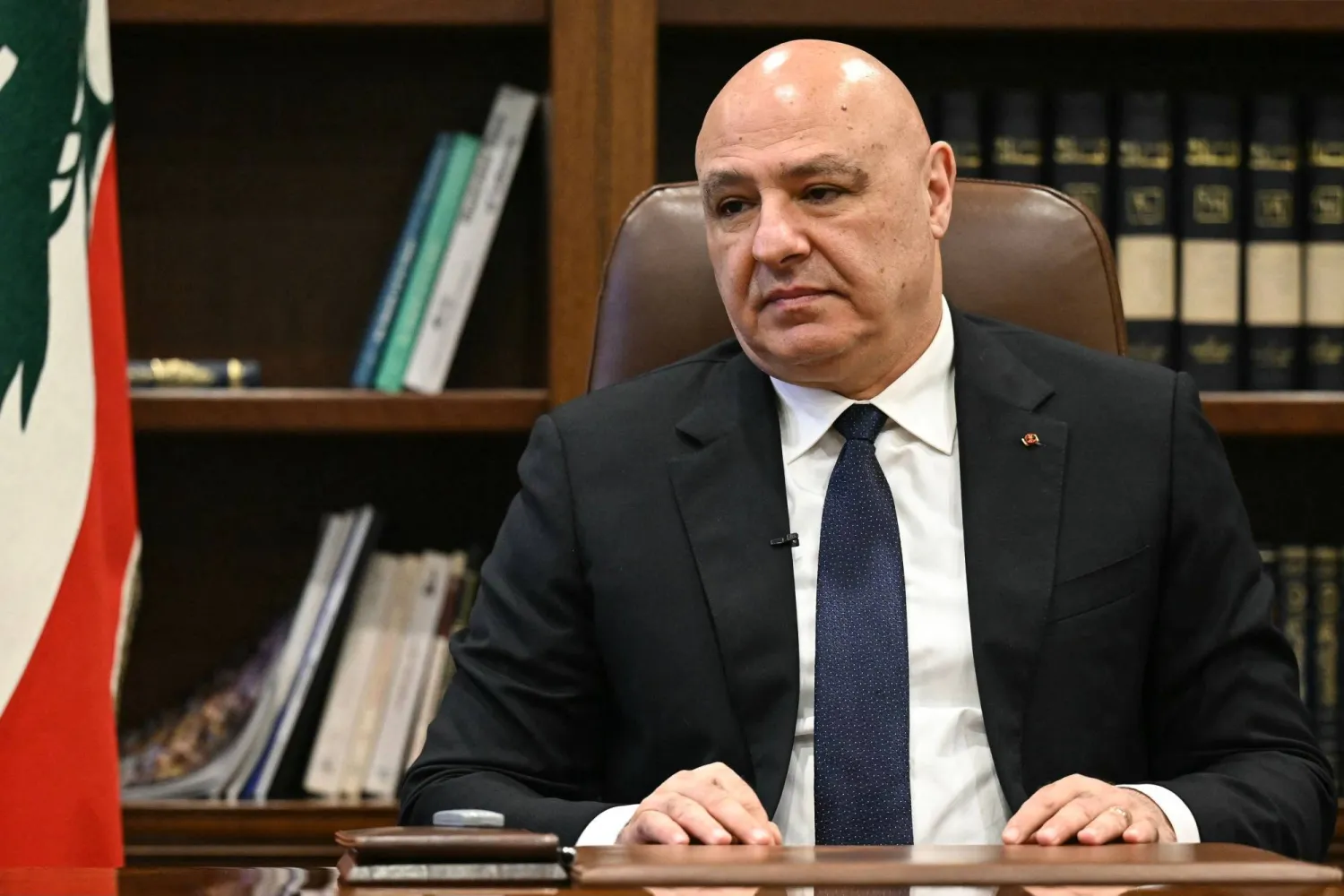
Lebanese President Joseph Aoun (AFP)
TT

Lebanon Steps Up Diplomacy to Stay Out of Regional Escalation

Lebanese President Joseph Aoun (AFP)

Lebanon has stepped up diplomatic efforts to avoid being drawn into a wider regional conflict, amid fears of fresh Israeli military action and uncertainty over security arrangements in the south.

Lebanese ministerial sources told Asharq Al-Awsat that President Joseph Aoun had intensified contacts with friendly countries in recent days and kept Parliament Speaker Nabih Berri informed of the discussions.

The diplomatic push reflects concerns that Israeli Prime Minister Benjamin Netanyahu could escalate military operations before or after Israel's parliamentary elections later this month.

Berri serves as the main intermediary between the presidency and Hezbollah, while Aoun’s domestic contacts and Foreign Ministry efforts are aimed at keeping Lebanon out of regional hostilities, the sources explained.

They warned that avoiding another confrontation would depend largely on Hezbollah staying out of any escalation involving Iran, citing fears of a forceful Israeli response if the group intervened.

Aoun discussed the situation with US Secretary of State Marco Rubio in a phone call Thursday evening, including continued Israeli attacks on villages in South Lebanon.

According to the Lebanese presidency, Aoun urged Washington to press Israel to halt its attacks, respect the framework agreement, stop land-clearing operations and allow farmers to reach their fields without interference.

Fears of Israeli escalation

Lebanese officials are particularly concerned about Netanyahu’s next move ahead of the Israeli elections, fearing he could order an operation against Iran or Lebanon if he believed it would improve his electoral prospects. Those concerns are believed to have been raised during the call with Rubio.

Sources familiar with the discussions indicated that Washington’s message was that Lebanon should avoid giving Netanyahu a pretext to intensify Israeli strikes, particularly by preventing Hezbollah from joining any confrontation between Iran and Israel.

Hezbollah explosives shipment

The conversation also addressed Lebanon’s efforts to curb illegal weapons and smuggling.

Aoun assured Rubio that the army and security forces were enforcing restrictions on armed displays, confiscating weapons and ammunition, and combating smuggling.

He cited recent security operations, apparently referring to the interception of explosives and weapons being smuggled and transported from Syria into Lebanon.

The president also pledged that judicial authorities would pursue all cases referred to them and that offenders would face legal action without leniency or favoritism.

A US State Department official confirmed that Rubio had raised seizure issue of hundreds of kilograms of explosives belonging to Hezbollah.

Rubio urged Lebanon to hold accountable those who ordered, financed and directed the shipment, stressing that the seized explosives must not be returned to Hezbollah.

Push for direct military contacts

Another key issue was the stalled effort to expand pilot zones in South Lebanon, where disagreements over verification arrangements remain unresolved.

The verification process for southern Lebanon involves a multi-step sequence managed through a trilateral framework to monitor the clearance of non-state armed groups and the redeployment of forces

Israel has rejected the participation of outside parties in the verification process, complicating plans to extend the initiative.

Lebanese sources familiar with the call reported that Rubio had informed Aoun that Washington was continuing efforts to resolve the dispute and identify countries willing to join a verification force.

Some countries had agreed to participate, while others declined, although the sources did not identify them.

According to a State Department official, Rubio also urged direct communication between the Lebanese and Israeli armies to prevent clashes, reduce the risk of miscalculation and advance the phased implementation of the trilateral framework.

Israel has pressed for such contacts for months, but the Lebanese Army has resisted, insisting on coordination through the US-led Military Coordination Group for Lebanon (MCG4L). That mechanism remains the channel for military communication.

Uncertainty over UNIFIL

The US proposal comes amid American and Israeli opposition to extending the mandate of the United Nations Interim Force in Lebanon (UNIFIL), fueling concerns about a security vacuum in the south.

Lebanese Foreign Minister Youssef Rajji discussed the future international presence with UN Under-Secretary-General for Peace Operations Jean-Pierre Lacroix as preparations begin for the end of UNIFIL’s current mission.

Lacroix emphasized the need to prepare for the next phase, with the Security Council expected to begin negotiations soon.

He reaffirmed the UN’s commitment to playing a constructive role while respecting Lebanon’s position.

Both officials agreed to intensify efforts to overcome the remaining obstacles and preserve an international presence under UN auspices in South Lebanon.


Japan Says Hosting Record Number of Foreigners

The number of foreigners in Japan hit a record 4.28 million. Philip FONG / AFP/File
TT

Japan Says Hosting Record Number of Foreigners

The number of foreigners in Japan hit a record 4.28 million. Philip FONG / AFP/File

Japan has registered a record number of foreigners living in the country this year despite growing anti-immigration sentiment, as the country grapples with problems caused by an ageing and shrinking population.

Data showed 4.28 million foreigners staying in Japan as of the end of June, excluding short-term visitors, the Immigration Services Agency said on Friday.

That marks an increase of 156,000 people from the end of last year, and accounts for roughly 3.5 percent of Japan's total population, according to calculations based on government estimates.

Immigration expert Toshihiro Menju told AFP that Japan is facing a labor shortage on all levels, from highly skilled professionals to service workers.

"With Japan's population shrinking by more than 900,000 a year... we have no choice but to rely on foreign workers," said Menju, a visiting professor at the Kansai University of International Studies.

Government measures such as "the use of AI and robotics, and greater (workforce) participation by women and older people cannot fully make up for the shortfall," he added.

Japanese businesses have urged the government to come up with a comprehensive policy to support foreign residents.

But growing anti-immigration sentiment has prompted Prime Minister Sanae Takaichi to push for stricter regulations.

Japan tightened rules for permanent residency this month, with foreigners required to have higher annual incomes and greater fluency in Japanese.

The self-described "Japanese-first" Sanseito party, which calls immigration a "silent invasion", saw major gains in last year's upper house election.

Posts on social media have falsely claimed that foreigners receive a significant portion of welfare payments and make Japanese streets less safe.

Menju said the new regulations may already be having an impact, with the number of foreign residents rising by about 300,000 over the past year, compared to an uptick of 360,000 the year before.

"If obtaining permanent residency becomes difficult, people will see less benefit in staying in Japan for the long term," he said, adding that the weak yen and low wages may also push people away.

Still, he expects the foreigner population to reach 10 million in the 2040s due to labor shortage.

On Friday, the justice ministry also announced that the number of illegal overstayers has fallen to around 65,000 as of July 1, down 4.8 percent from the start of the year.


Georgieva: More Work Needed on Lebanon Program

IMF Managing Director Kristalina Georgieva speaks during the Annual Meetings Plenary at the Annual Meetings of the International Monetary Fund (IMF) and the World Bank Group (WBG) at the Queen Sirikit National Convention Center (QSNCC) in Bangkok on October 16, 2026. (Photo by Lillian SUWANRUMPHA / AFP)
TT

Georgieva: More Work Needed on Lebanon Program

IMF Managing Director Kristalina Georgieva speaks during the Annual Meetings Plenary at the Annual Meetings of the International Monetary Fund (IMF) and the World Bank Group (WBG) at the Queen Sirikit National Convention Center (QSNCC) in Bangkok on October 16, 2026. (Photo by Lillian SUWANRUMPHA / AFP)

International Monetary Fund Managing Director Kristalina Georgieva said on Saturday that ‌there were "intense" ‌discussions on support ‌for Lebanon ⁠reflecting significant progress ⁠towards a loan program.

"In the case ‌of ‌Lebanon, we are ‌in very intense ‌discussions with the Lebanese authorities," Georgieva told a closing news conference at ‌IMF and World Bank annual meetings in ⁠Bangkok.

"We ⁠have made significant progress towards the program. We have still a bit more work to do together, and I'm confident we will be successful."